REVIEW · ROME
Rome: Rome at Night Evening Historical Walking Tour
Book on GetYourGuide →Operated by Roman Vacations · Bookable on GetYourGuide
Rome looks different after dark. On this Rome at Night walk, you trade daytime crowds for glowing monuments, lively squares, and a guide who connects the dots fast. I like the tight 2.5–3 hour format and the chance to hit big stops—Trevi Fountain and the Pantheon—without dragging the day out. The main thing to plan around is walking on uneven cobblestones and the fact that tours run in all weather.
I also like how the route feels designed for evening energy. You start near Piazza di Spagna just after aperitivo, then drift through classic streets toward the sights people come back for again and again. One caution: the Trevi and Piazza Navona areas can feel crowded at peak night hours, so you’ll want comfortable shoes and patience when it gets busy.
In This Review
- Key Highlights That Actually Matter
- First Steps After Aperitivo in Piazza di Spagna
- Spanish Steps and the Power of Cross-Country Influence
- Trevi Fountain After Dark: The Coin Toss and the Marble Details
- Cobblestones Toward the Pantheon: Small Streets, Big Meaning
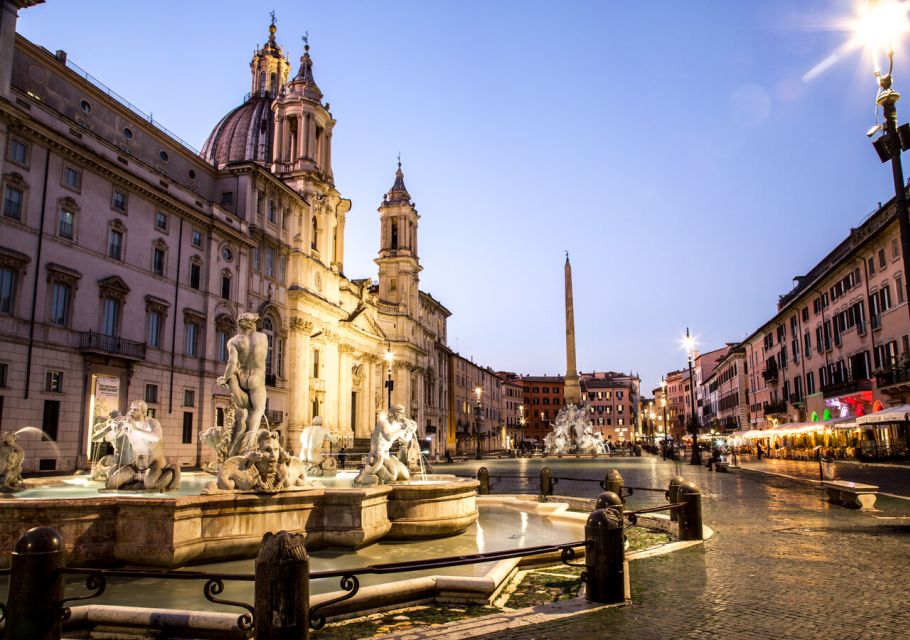
- Piazza Navona at Night: Bernini Fountains and Real Evening Life
- Guide Quality: The Real Difference Between a Good and Great Tour
- Price, Timing, and Value for Money
- What to Bring (So the Night Stays Pleasant)
- Who This Tour Is Best For
- Should You Book Rome at Night?
- FAQ
- How long is the Rome at Night Evening Historical Walking Tour?
- Where do I meet the guide?
- Is the tour offered in English?
- Which sights will the tour include?
- Is this tour private or small group?
- What should I bring and wear?
- Does the tour run in bad weather?
Key Highlights That Actually Matter
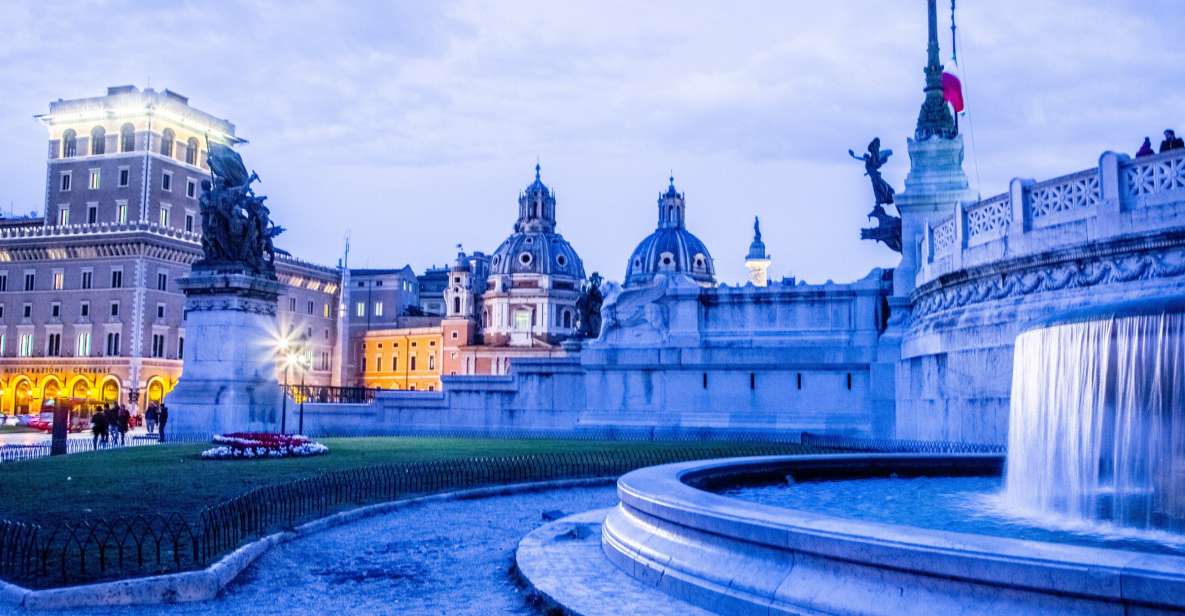
- Evening lighting on Rome’s icons so marble, fountains, and stone details look more dramatic than in daylight
- A small, efficient route (2.5–3 hours) that fits easily into a dinner plan
- English live guide who explains what you’re seeing, not just where to stand
- Aperitivo-to-night vibe with the walk starting right after that pre-dinner ritual
- Coin-toss moment at Trevi paired with practical history you can remember
First Steps After Aperitivo in Piazza di Spagna
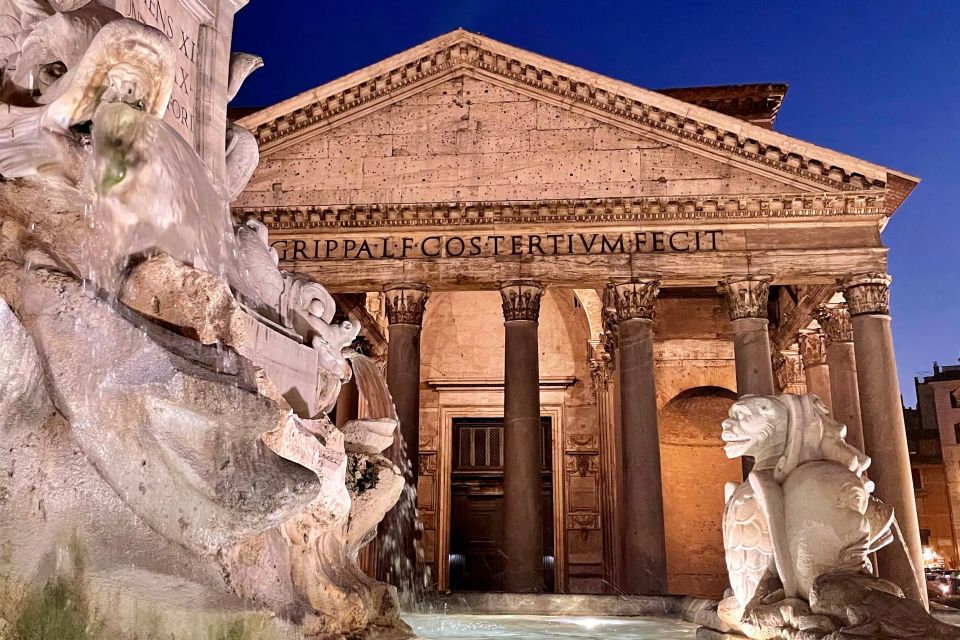
The tour begins near Piazza di Spagna, right after aperitivo time. That’s smart. Rome feels more relaxed in the evening, and you’re walking when shopfronts, cafés, and street life are turning on.
Meet your guide holding an orange sign with the local partner’s logo. Check in about 10 minutes early so you’re not rushing, especially if you’re trying to get a good spot before the group sets off.
What you’ll feel from the start: this is a guided walk, not a free-for-all. You’ll stop often enough to take photos and actually understand the place, but the pace stays friendly—no sprinting across town.
You can also read our reviews of more walking tours in Rome

Spanish Steps and the Power of Cross-Country Influence
The first major stop is the Spanish Steps. Your guide sets the scene with why this square matters, including how France, Spain, and England shaped the area’s story. It’s a good example of how Rome isn’t just ancient—it’s constantly being rewritten by European politics, fashion, and money.
You’ll also get a look at the nearby shop windows featuring popular Italian fashion brands. Even if you’re not shopping, it helps explain the contrast: grand stone steps beside modern luxury retail, all operating in the same evening glow.
If you’re the type who likes a place’s “why,” you’ll enjoy this part. The steps are iconic, but the best moment is when the guide ties the view to the people who used the space and influenced it over time.
One practical consideration: the Spanish Steps area is public and busy. If you hate crowds, plan to take photos quickly and let the guide lead you to the better viewing spots.
Trevi Fountain After Dark: The Coin Toss and the Marble Details
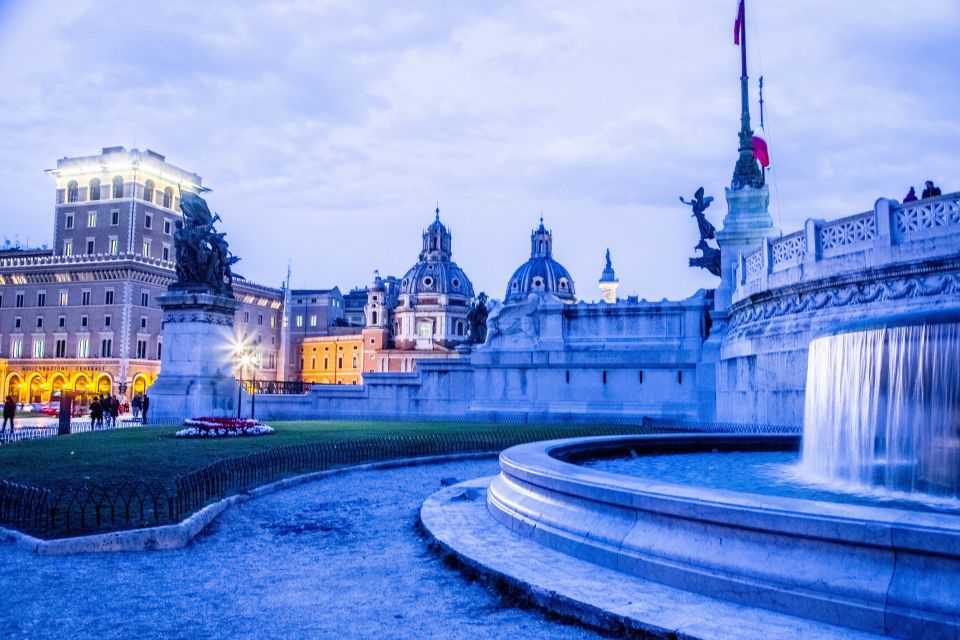
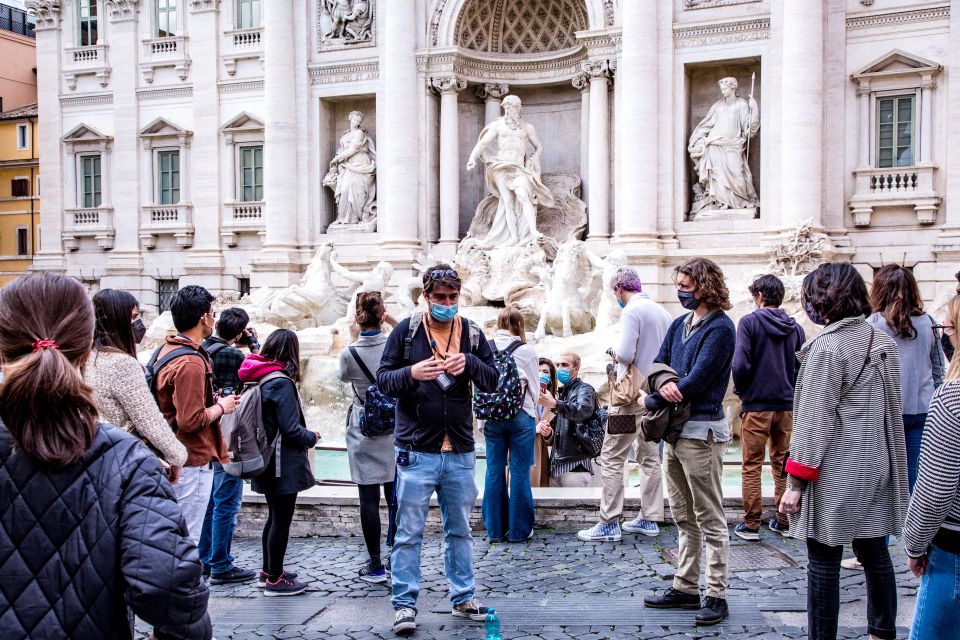
Next comes Trevi Fountain, lit up at night. This is the part most people picture when they think of Rome at evening hours, and yes—the famous view is real. But the real value here is how the guide talks you through the monument while you’re close enough to notice the details.
You’ll be invited to toss a coin into the fountain for a return trip to Rome. Then you’ll stand there for the sparkling marble and the water’s movement. It’s one of those moments where the sound and reflections do half the storytelling for you.
Your guide will also share the history of Trevi Fountain. That matters because Trevi isn’t just a photo stop—it’s a piece of Roman craftsmanship that changed how the city managed water and public space.
Tip for your comfort: bring a light umbrella if rain is possible. The tour provides advice to be ready for changing conditions, and Trevi can mean standing still for a bit while you listen and look.
Cobblestones Toward the Pantheon: Small Streets, Big Meaning
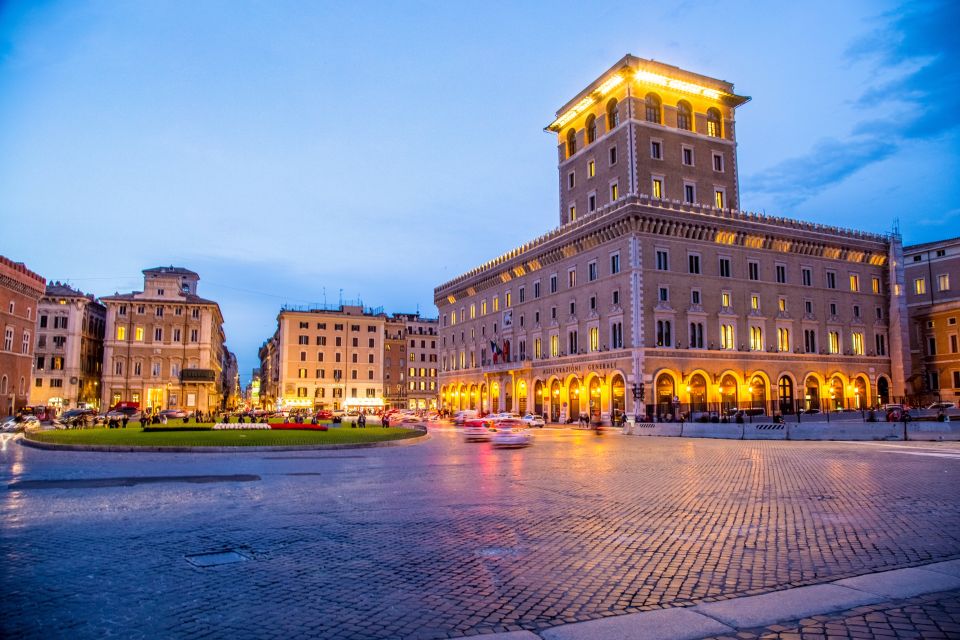
From Trevi, the route turns onto cobblestone streets alive with street scenes—artists, booksellers, and restaurants. This stretch is valuable because it gives you the feeling of walking like a local does: not racing between landmarks, but actually moving through the neighborhoods that surround them.
You’ll get guidance on vantage points in the Pantheon square. That’s a big deal. If you arrive without context, you can miss why the space works the way it does. With a guide, you learn what to notice: proportions, placement, and the structure’s standout features.
You’ll hear about the Pantheon’s construction dating to 125 AD. That date isn’t just a trivia number—it’s a reminder of how long Rome has been doing monumental building. The Pantheon still feels like an active idea, not a museum fossil.
One practical note: Pantheon areas can get crowded, especially in the evening. If you want a calmer experience with photos, time matters. Stay close to the guide and follow their cues on where to stand.
Piazza Navona at Night: Bernini Fountains and Real Evening Life
The tour ends at Piazza Navona, often considered the most fun square in Rome during the evening. The reason is simple: you can feel the city here. Restaurants are operating, painters work in the open, street performers pop up, and locals stroll through at a relaxed pace.
You’ll explore the square’s history and take in Bernini’s fountains. Piazza Navona is famous on paper, but it’s even better in person because the fountains create the visual center while people provide the motion. The evening lighting also makes the architecture look softer and more layered.
This stop works well if you like “hangout” travel. It’s not just a look-and-go. You’ll get time to soak up the atmosphere while your guide keeps the meaning behind the scenes in focus.
A small consideration: it can be crowded and noisy, like most major squares at night. If you’re sensitive to sound, bring a bit of patience and plan to enjoy it in short chunks.
You can also read our reviews of more historical tours in Rome




Guide Quality: The Real Difference Between a Good and Great Tour
The guide is the star on this tour. The reviews point to specific names, and I think that’s telling. Angela is praised for being sweet, highly informed, and generous with recommendations. James is called out as exceptionally knowledgeable across topics, with a strong ability to point out places you would likely miss on your own.
That matters because the route includes famous stops, and fame can sometimes mean you don’t get the context. When the guide highlights small details—like the Pantheon’s structure, or how Trevi’s design and setting fit into Roman life—it turns a checklist into a story you can actually hold onto.
You’ll also get practical guidance along the way. The guide helps you understand where to look, when to pause, and how to read the space instead of just staring at it. That’s the kind of help that saves you time later, especially when you’re deciding where to go next.
And the group format helps. Since it’s private or small groups, you’re more likely to get individualized attention and better pacing than you would on a giant bus-style tour.
Price, Timing, and Value for Money
This tour costs $59 per person and runs about 2.5 to 3 hours. For Rome, that’s a fairly solid value when you consider the guide coverage across multiple major sites.
Here’s how I’d frame the math. If you tried to stitch together Trevi, the Spanish Steps, the Pantheon, and Piazza Navona on your own, you’d spend time figuring out the best routes, where to stand, and what each monument means beyond the headline facts. Paying for a guide compresses that learning into a short evening block.
The timing also helps. Starting after aperitivo means you can pair the tour with dinner plans later without losing your whole night to transit and decision-making.
If your goal is efficient sightseeing with real context, the price-to-time ratio feels fair. If you want a slower, totally unstructured night wandering plan, you might find a guided route a bit limiting. But for most first-time visitors—and anyone who wants to see the big icons without spending hours researching—it’s a smart spend.
What to Bring (So the Night Stays Pleasant)
The tour advice is straightforward, and I agree with it.
Bring comfortable shoes because cobblestones can be rough. Add water since you’ll be outside for a few hours. If weather is possible, pack an umbrella—this kind of tour continues in all conditions—and be ready for cooler evening temperatures by dressing warmly.
There’s also a religious-visit etiquette reminder: bring something to cover bare shoulders if you enter any churches during warmer months. Even if your stops feel mostly outdoor, it’s the kind of rule that saves hassle at the door.
Who This Tour Is Best For
This one fits best if you:
- Want to see top Rome sights in one concentrated evening
- Appreciate story explanations tied to places you can actually look at
- Prefer English-language guidance rather than solo guessing
- Like the evening atmosphere more than the early-morning rush
It’s also a good fit for couples, small groups, and visitors who want a guided route but still want time to enjoy their own dinner afterwards.
If you dislike crowds or hate standing around fountains and squares, you can still do it—you just need to stay flexible and follow your guide’s guidance on where to pause.
Should You Book Rome at Night?
I’d book it if you want a high-impact evening that connects Rome’s landmarks to their meaning. The tour’s best strength is the combination of major stops—Spanish Steps, Trevi, the Pantheon, Piazza Navona—plus a guide who helps you notice what matters, not just what’s famous.
Pass or consider alternatives if you want total freedom, want minimal walking, or you’re traveling during a time when the Trevi and Navona areas feel extra packed. Otherwise, for $59 and under three hours, it’s a practical way to experience Rome after dark without wasting time.
FAQ
How long is the Rome at Night Evening Historical Walking Tour?
It runs about 2.5 to 3 hours.
Where do I meet the guide?
Meet your guide who will be holding an orange sign with the local partner’s logo on it.
Is the tour offered in English?
Yes, the live tour guide speaks English.
Which sights will the tour include?
You’ll visit Piazza di Spagna and see the Spanish Steps, then Trevi Fountain, the Pantheon, and Piazza Navona with Bernini’s fountains.
Is this tour private or small group?
Private or small groups are available.
What should I bring and wear?
Bring comfortable shoes, water, and an umbrella. Dress warmly for cooler temperatures. Also bring a cover for bare shoulders inside any churches during warmer months.
Does the tour run in bad weather?
Yes. Tours proceed in all weather conditions, so it’s recommended to bring an umbrella.