REVIEW · ROME
Rome: City Highlights Walking Tour
Book on GetYourGuide →Operated by Guydeez Tours · Bookable on GetYourGuide
Rome throws curveballs, and this walk keeps up with them. You’ll connect big-name sights like the Pantheon and Trevi Fountain with the kind of places you’d normally miss, including Trajan’s Market at Mercati di Traiano.
I especially like how the stops feel connected, not random postcard stops. And I like that the guide doesn’t just point and walk; they explain what you’re seeing and even share recommendations for what to do next in the city.
The only real catch is time: at 2 hours, you’ll get smart photo stops and guided looks, but you can’t expect long sits in every place. If you want a slow, deep museum-style visit, this isn’t that.
In This Review
- Key points worth your attention
- Why This 2-Hour Rome Highlights Walk Works So Well
- Meeting Up Near Sim Paganini Tessuti Roma (and Via d’Aracoeli)
- Trajan’s Market at Mercati di Traiano: Roman Space With Real Echoes
- Pantheon: The Dome Stop You’ll Keep Thinking About
- Trevi Fountain: Coin-Toss Tradition and Photo-First Timing
- Campo Marzio and Sant’Agnese in Agone: The Walk Becomes the Point
- Piazza Navona and Fontana dei Quattro Fiumi: Baroque Energy With Drama
- Church of Sant’Ignazio di Loyola (St. Ignatius of Loyola): Painted Ceilings That Feel Like Magic
- Quirinale Palace Views: A Quick Glimpse of Italy’s Power Center
- How the Guide Turns Sights Into a Story
- Practical Stuff: Shoes, Pace, and Getting the Most From 2 Hours
- Should You Book This Rome City Highlights Walking Tour?
- FAQ
- What is the duration of the Rome City Highlights Walking Tour?
- Where does the tour meet your guide?
- Which major sights are included?
- Is this tour private or shared?
- What languages are offered for the live guide?
- Is the tour wheelchair accessible, and is free cancellation offered?
Key points worth your attention
- Trajan’s Market at Mercati di Traiano: see Roman “everyday life” in stone, not just monuments
- Pantheon dome stop: a must-see engineering moment, with interior possible if time allows
- Trevi Fountain coin-toss tradition: a classic legend you’ll actually experience in the place it belongs
- Piazza Navona’s Baroque fountains: including Fontana dei Quattro Fiumi
- Church of Sant’Ignazio (St. Ignatius of Loyola): focus on the painted ceilings
- Guides praised for flexibility: examples include Michela and Cristina, with helpful city recommendations
Why This 2-Hour Rome Highlights Walk Works So Well
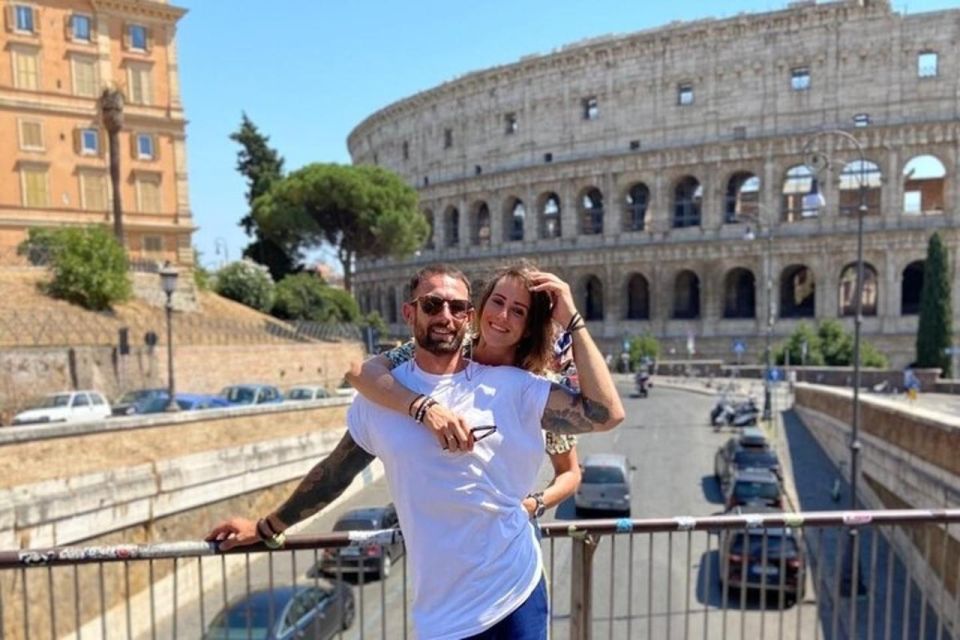
For $35 per person, you’re buying speed plus context. Two hours is short enough that you can still enjoy the rest of your day on your own, but long enough that a guide can connect the dots between the Roman world and what you see today.
This tour also makes sense if you’re trying to hit a lot without turning Rome into a sprint. You get planned photo stops, guided sightseeing, and a route that strings together major landmarks plus supporting characters like neighborhood streets and churches.
You should still go in with the right mindset. This is a highlights walk, not a deep-dive study session. You’ll see plenty, but you’ll move on.
You can also read our reviews of more walking tours in Rome


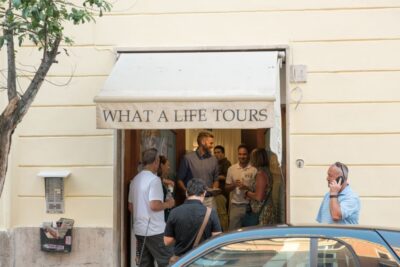
Meeting Up Near Sim Paganini Tessuti Roma (and Via d’Aracoeli)
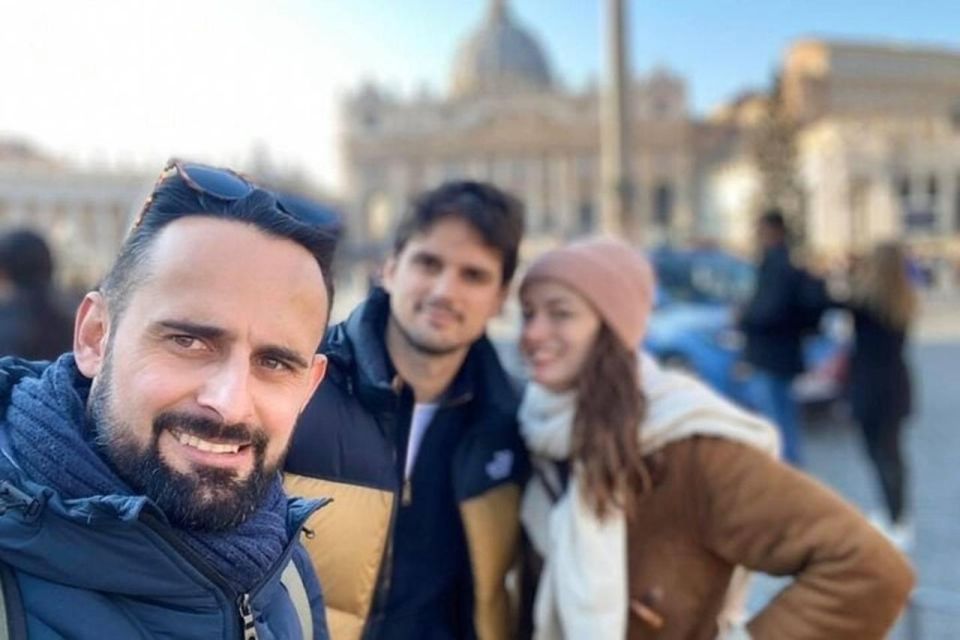
The tour starts near Sim Paganini Tessuti Roma, around Via d’Aracoeli 21–23. That’s a useful detail because it puts you in the historic core, where walking is the point and public transit can feel like extra work.
From the beginning, you’ll be in guide-led rhythm: short photo stops, then a guided walk to the next sight. If you’re the kind of traveler who likes to know where you’re headed before you get there, this tour’s structure helps you stay oriented without constantly checking maps.
One practical note: bring your patience for crowds at the big icons. Rome’s center can get busy fast, even on walking tours with small time blocks.
Trajan’s Market at Mercati di Traiano: Roman Space With Real Echoes
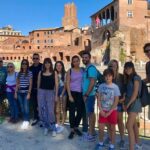
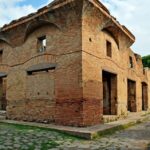
One of the most interesting parts is the stop around Trajan’s Market and the remnants of the Forum of Trajan at Mercati di Traiano. This is not just “another ancient ruin.” It’s a huge historical complex that helps you understand how Romans built practical spaces that still feel dramatic.
If you only focus on the famous columns and arches, Rome can start to look like a film set. Mercati di Traiano shows something different: how large-scale architecture shaped daily movement and commerce, with traces of the Forum of Trajan still visible.
Why I think this is a smart value add: in two hours, you’d normally spend most of your time at the headline sites. This gives you a second layer, so your photos feel like more than checkmarks.
Pantheon: The Dome Stop You’ll Keep Thinking About
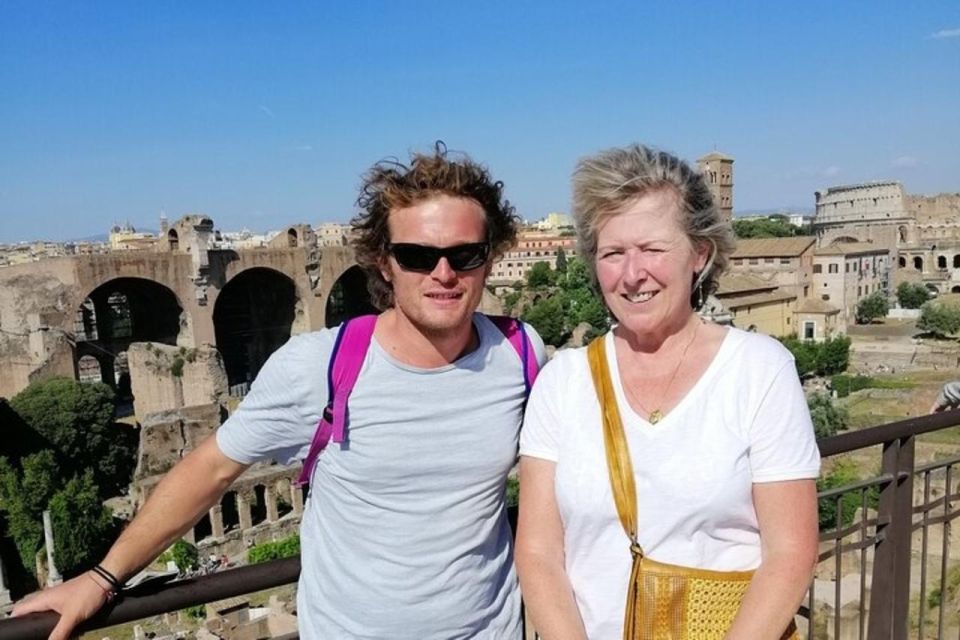
Next comes the Pantheon, with a photo stop and guided visit (about 20 minutes allotted here). This is one of those sights where the first reaction is almost always physical: it feels huge, even before you start reading anything.
The dome is the headline, but the real payoff is what your guide points out while you’re standing there. You’ll hear about the ancient engineering and why this building works so well even now.
If time permits, you can go inside and see more of the interior grandeur. That’s important: even if you don’t get interior access, the outside stop is still worth it. But if you do get inside time, this becomes the centerpiece of your walk.
Trevi Fountain: Coin-Toss Tradition and Photo-First Timing
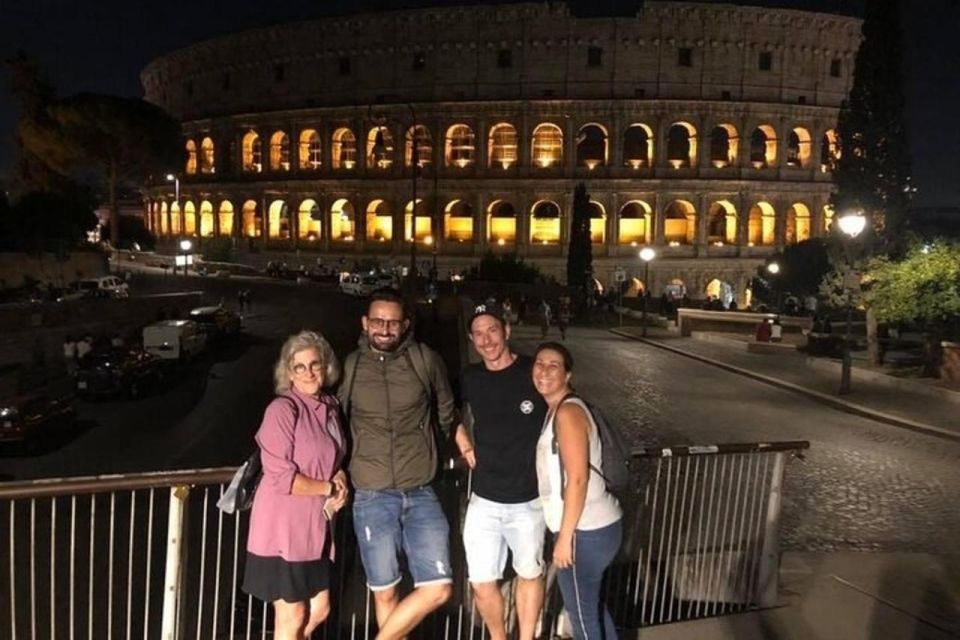
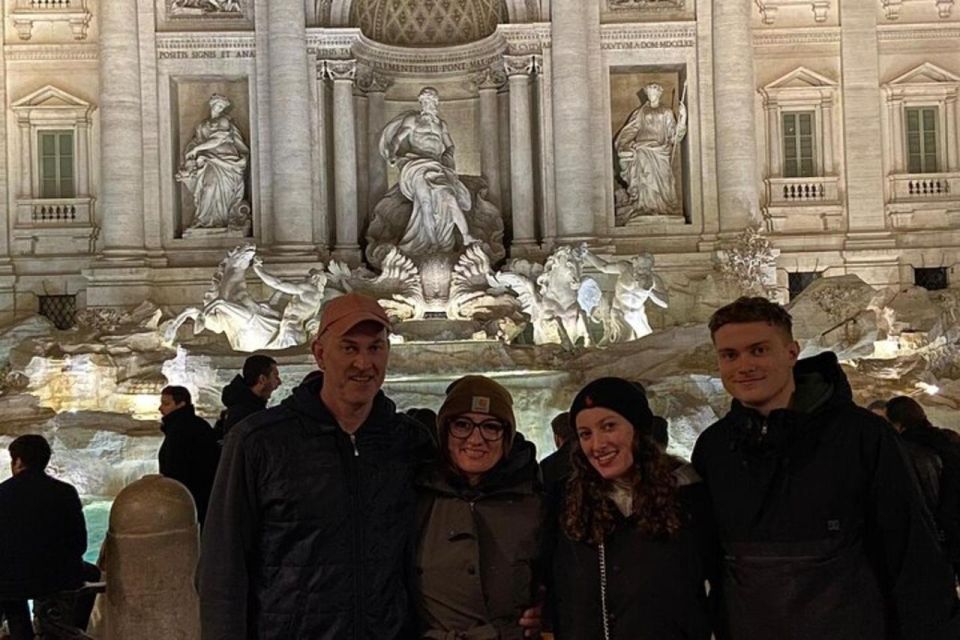
Then it’s on to Trevi Fountain for another photo stop and guided tour (again, about 20 minutes). The classic legend and the famous coin-toss moment are exactly why this stop belongs on a highlights route. You’re not just looking at the fountain; you’re participating in the ritual in the same spot people have associated with luck for ages.
A tip for getting more out of the time block: plan your photo first, then let the guide’s explanation settle in. Trevi can distract your brain with its scale and crowd energy, so a quick plan helps you capture what you came for without losing the context.
One possible drawback here is also simple: crowd density. If you’re very sensitive to tight spaces, you may feel rushed at Trevi because the tour format keeps you moving.
You can also read our reviews of more city tours in Rome



Campo Marzio and Sant’Agnese in Agone: The Walk Becomes the Point

After Trevi, the route continues through Rione IV Campo Marzio (another 20-minute walk-and-look block). This is where you start to feel like you’re in actual Rome, not just hopping between major attractions.
The next specific stop is Sant’Agnese in Agone for photo, guided tour, and sightseeing (also about 20 minutes). This church is one of the anchor points for the Piazza Navona area, so it works like a bridge between streets and the formal square you’ll hit next.
Why this matters: you learn how Rome’s landmarks sit inside neighborhoods and street patterns. Even if your feet are tired, you’re getting a better mental map of where everything sits.
Piazza Navona and Fontana dei Quattro Fiumi: Baroque Energy With Drama
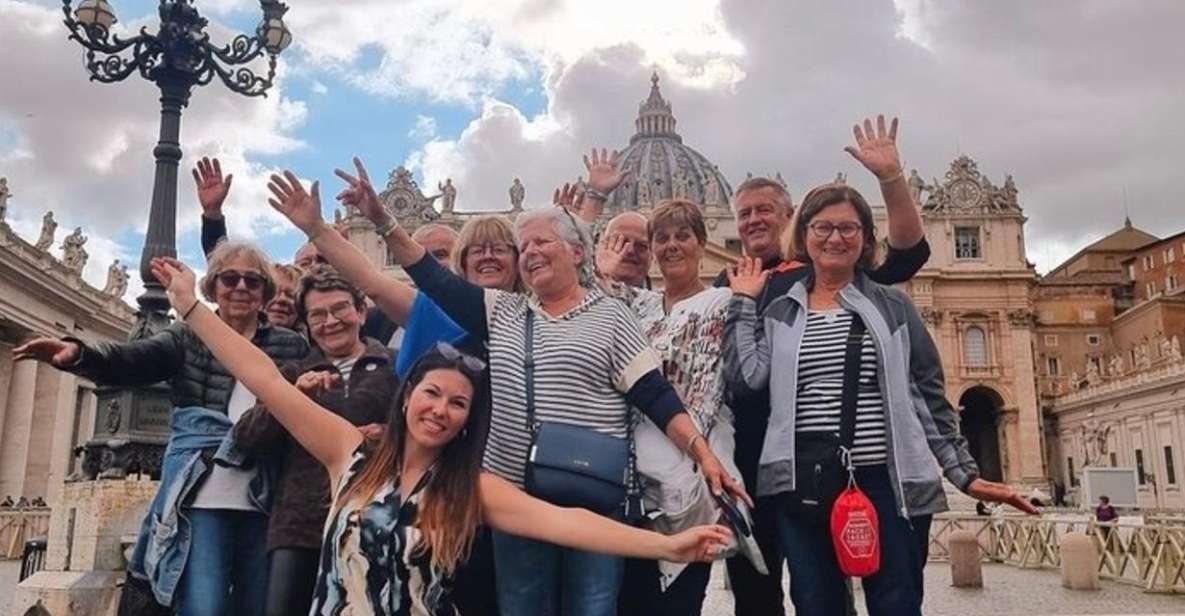
Now you reach Piazza Navona, where you’ll spend time at the Fountain of the Four Rivers—Fontana dei Quattro Fiumi—with another photo stop and guided visit (about 20 minutes). This fountain is famous for a reason: it’s theatrical Baroque sculpture, the kind that makes the square feel like a stage.
This is also the part of the tour where the guide’s stories can seriously change how you see the artwork. Baroque fountains aren’t just decoration. They’re designed to communicate power, symbolism, and a sense of spectacle.
If you care about photos, this is one of your best moments because you’ll have time to frame shots and still absorb the meaning behind the scenes. If you care more about walking and atmosphere, this stop still works because the square is visually self-explanatory once you know what to look for.
Church of Sant’Ignazio di Loyola (St. Ignatius of Loyola): Painted Ceilings That Feel Like Magic
One of the most distinctive stops is the Church of Sant’Ignazio di Loyola—the St. Ignatius of Loyola church with painted ceilings. You’ll get a photo stop, guided tour, and sightseeing (about 20 minutes).
This is a great contrast to the open-air sights. Outside, you’re dealing with sun, stone, and crowds. Inside, you’re dealing with art that rewards attention and stillness. Even with a short time slot, the ceiling-focused visit is built to give you the key visual payoff.
A practical consideration: churches can have variable lighting and may be cooler than you expect, especially in shoulder seasons. If you’re the type who likes to take photos, bring your camera confidence and don’t stress about perfection.
Quirinale Palace Views: A Quick Glimpse of Italy’s Power Center
As you move through the city, you’ll also catch glimpses of the Quirinale Palace, the official residence of the President of the Italian Republic. This isn’t a long stop with a full visit described here, but it adds perspective.
I like having at least one moment in a walking tour where you see how Rome’s old world and modern civic life overlap. It helps you understand that Rome isn’t just ancient sites and tourist photos—it’s a working capital.
How the Guide Turns Sights Into a Story
The reviews make one thing clear: the guide matters. People specifically praised guides like Michela and Cristina for being passionate about Rome’s history and for adapting to travelers’ needs. That flexibility is more than personality. It changes how smooth the whole walk feels.
A good guide also gives you something you can use after the tour. In this case, you’ll get recommendations for other things to do in the city, which is genuinely useful when you’re deciding between a second museum, a long meal, or a neighborhood walk you didn’t plan.
If you’re traveling solo, this kind of interaction can turn a “see and move on” day into a day that feels planned. If you’re traveling in a group, it can keep everyone aligned when crowds slow you down.
Practical Stuff: Shoes, Pace, and Getting the Most From 2 Hours
Because the total time is 2 hours, you’ll want to keep your expectations realistic. You’ll get guided looks and photo stops, but you won’t linger like you might on a self-guided day.
Wear comfortable walking shoes. The route moves between major sites and churches, which means lots of short transfers and standing time. If you’re sensitive to long standing, plan to shift your stance and take small breaks between stops when the group pauses.
Bring a camera or phone with enough battery. You’ll have multiple photo stops: Pantheon, Trevi Fountain, the church interiors/exteriors, and Piazza Navona. Two hours is short, but it’s packed.
If you need to know what kind of group you’re in: the tour offers private group available, but it can also be shared depending on the option you pick. Either way, you’re still walking with a live guide.
Should You Book This Rome City Highlights Walking Tour?
Book it if you want a tight, efficient Rome sampler that still feels intelligent. This is especially worth it when you want the anchors—Trevi Fountain, Pantheon, Piazza Navona—plus one or two spots that add texture, like Trajan’s Market at Mercati di Traiano and the painted ceilings at Sant’Ignazio.
Skip it if you’re the type who needs long, quiet time inside major monuments, or if you’re hoping for a museum-level pace. This walk is designed to move.
If you’re unsure, think of it like this: for $35 and 2 hours, you’re paying for route planning and interpretation. You’re not just buying access to sights—you’re buying someone to help you see them in a way that makes your next day in Rome easier.
FAQ
What is the duration of the Rome City Highlights Walking Tour?
The tour lasts 2 hours.
Where does the tour meet your guide?
Meet your guide near Sim Paganini Tessuti Roma, around Via d’Aracoeli 21–23.
Which major sights are included?
You’ll visit stops including Trajan’s Market at Mercati di Traiano, the Pantheon, Trevi Fountain, Sant’Agnese in Agone, Piazza Navona (including Fontana dei Quattro Fiumi), and the Church of Sant’Ignazio di Loyola, plus glimpses of Quirinale Palace.
Is this tour private or shared?
It can be private or shared depending on the option you choose, and a private group is available.
What languages are offered for the live guide?
The guide is available in English, Italian, French, and Spanish.
Is the tour wheelchair accessible, and is free cancellation offered?
The tour is wheelchair accessible, and free cancellation is available up to 24 hours in advance for a full refund.