REVIEW · ROME
Rome: Under the Moonlight Evening Walking Tour
Book on GetYourGuide →Operated by Global Experiences · Bookable on GetYourGuide
Moonlight makes Rome feel like a movie set. This evening walking tour is built for that shift—twilight streets, big monuments, and the calm pace you miss during the day. You’ll hit major sights like the Pantheon and the Colosseum, but the route also threads through classic piazzas and less-trafficked corners that make the whole evening feel human, not hectic.
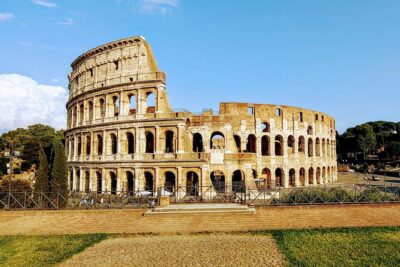
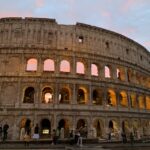
Two things I really like: you get to see iconic Rome lit up—especially the Colosseum once the sun’s gone—and you also get guided context that helps you understand what you’re looking at. The coin-at-Trevi moment is fun, but it’s the way the guide ties it to the city’s layers that makes it stick.
One consideration: it’s still a walking tour, and the comfort matters. Plan for comfortable shoes and a full evening on your feet for about 2 to 2.5 hours.
Key Things You’ll Notice on This Tour
- Colosseum after sunset: watch it glow without the daytime rush energy
- Pantheon as a centerpiece: one of the best-preserved ancient monuments in Rome
- Piazza Navona atmosphere: start with Fontana dei Quattro Fiumi as the square settles in
- Church + side streets: Sant’Ignazio di Loyola and Galleria Sciarra add variety
- Trevi Fountain timing: guided time for photos and the wish-throw ritual
- Forum viewpoints at night: you get context while the crowds thin out
In This Review
- What Makes a Moonlight Walking Tour Worth It
- Where You Meet: Two Start Options in Central Rome
- Piazza Navona at Night: Fontana dei Quattro Fiumi First
- The Pantheon: Rome’s Best-Preserved Temple Feeling Intact
- Sant’Ignazio di Loyola: A Church Stop That Changes the Mood
- Galleria Sciarra: The Art Deco Surprise You Might Miss
- Trevi Fountain After Dark: Photos, Stories, and the Coin Moment
- Piazza Venezia and Trajan’s Column: Big Ideas, Clear Views
- Roman Forum at Night: History Without the Daytime Stampede
- Pace, Footwear, and How to Plan Your Evening
- Price and Value: What $28 Gets You (and Why It’s More Than “Walking”)
- Who This Tour Fits Best
- Should You Book This Rome Under the Moonlight Evening Walking Tour?
- FAQ
- How long is the Rome under the moonlight evening walking tour?
- Where do we meet for the tour?
- What major sights are included?
- Is there time for Trevi Fountain photos and the coin wish?
- What languages is the live guide available in?
- Is this tour available as a private group?
- Is food or drink included in the price?
- What should I bring?
- Can I cancel and get a refund?
What Makes a Moonlight Walking Tour Worth It
Rome in daylight is impressive. Rome at night is different. The monuments still loom large, but the mood shifts—less glare, more shadows, and street life that feels slower and easier to take in. On this tour, that change isn’t just a nice bonus. It’s the whole point.
I like that the route doesn’t treat the major stops like quick photo checkpoints. Instead, you move from place to place with guided explanations, so each stop feels like part of a story. The pacing is built for late-evening viewing, when you can actually look up at the details instead of just dodging foot traffic.
And because it’s a guided walk (not a bus loop), you’ll notice the small things that most big sightseeing days skip: the rhythm of piazzas, the way churches frame a street, and the quieter backstreets that connect the big landmarks.
Where You Meet: Two Start Options in Central Rome
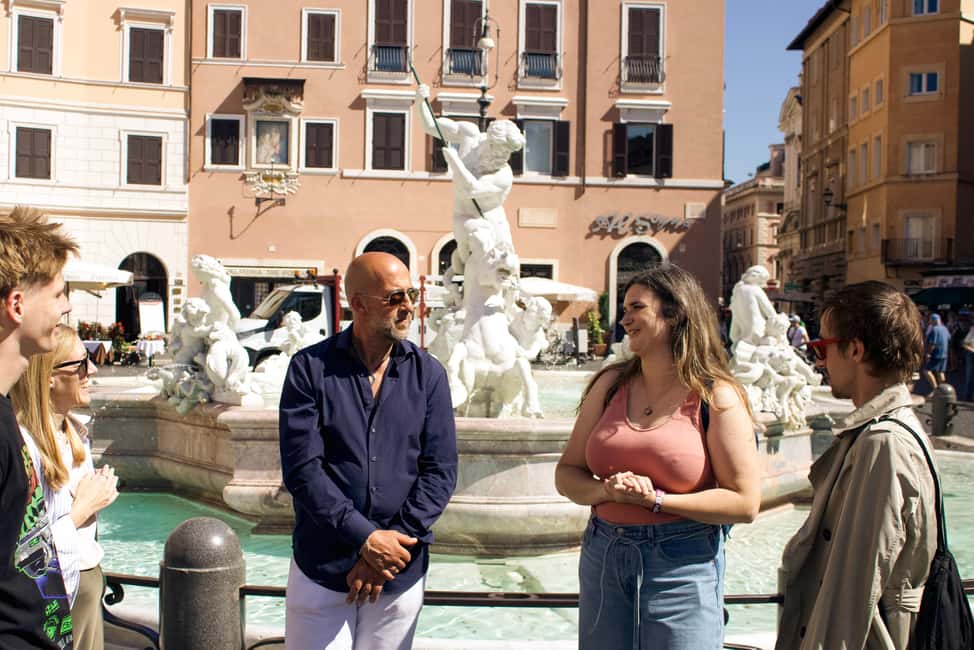
This tour has two possible starting locations: Piazza d’Aracoeli or Piazza di Pasquino. Your exact meeting point depends on the option you book, and starting times vary by availability—so it’s worth checking what’s offered for your dates.
Either way, you’re starting in central Rome, which matters because it keeps the evening efficient. You’re not spending the first hour commuting. You’re moving right into the classic core of the city, where you can realistically tie together the Pantheon area, the Trevi/Fountain zone, and down toward the Colosseum and Roman Forum corridor on foot.
The big practical win here: you can build this into your first day. Several guides have a knack for giving a quick orientation—so after the tour, you’re better able to choose what to return to on your own.
You can also read our reviews of more walking tours in Rome

Piazza Navona at Night: Fontana dei Quattro Fiumi First
Piazza Navona is one of Rome’s “you can feel it” squares. At night, it changes personality. You still get the architecture, but it’s less loud, more relaxed, and easier to appreciate as a space—not just a backdrop.
You’ll meet and begin here, then start with a short guided segment (about 20 minutes) that sets the tone. The focus is the Fontana dei Quattro Fiumi in the center of the square—its sound and presence help you settle in as the evening begins to cool off.
What to watch for: the way the fountain sits like a focal point while the surrounding facades form a stage. Your guide may also point out how Roman squares work as social rooms—places where politics, religion, and everyday life overlap. That kind of context turns Piazza Navona from “a pretty stop” into a useful mental map for the rest of your trip.
The Pantheon: Rome’s Best-Preserved Temple Feeling Intact
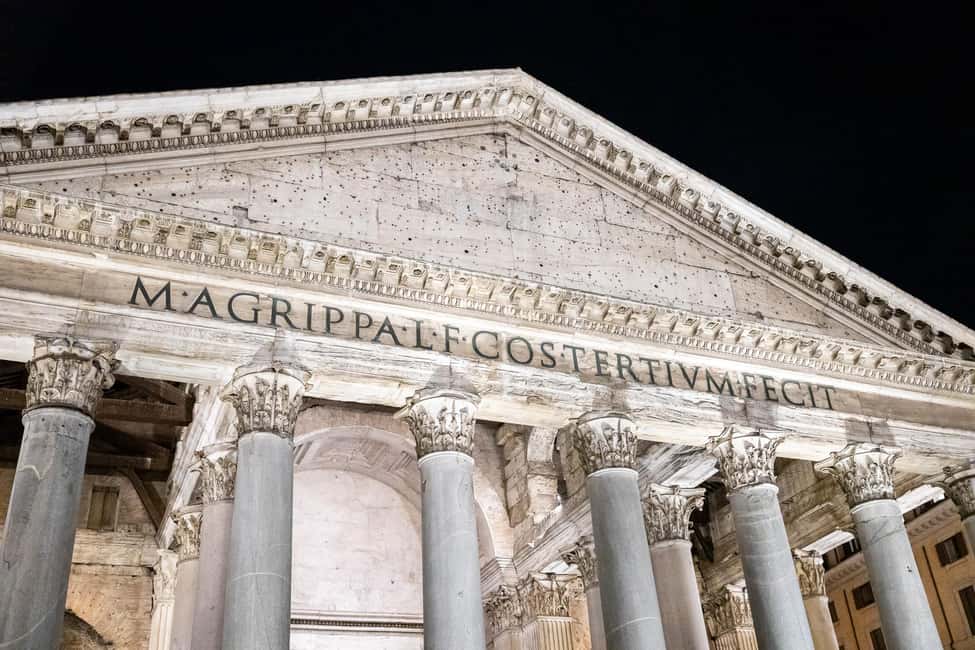
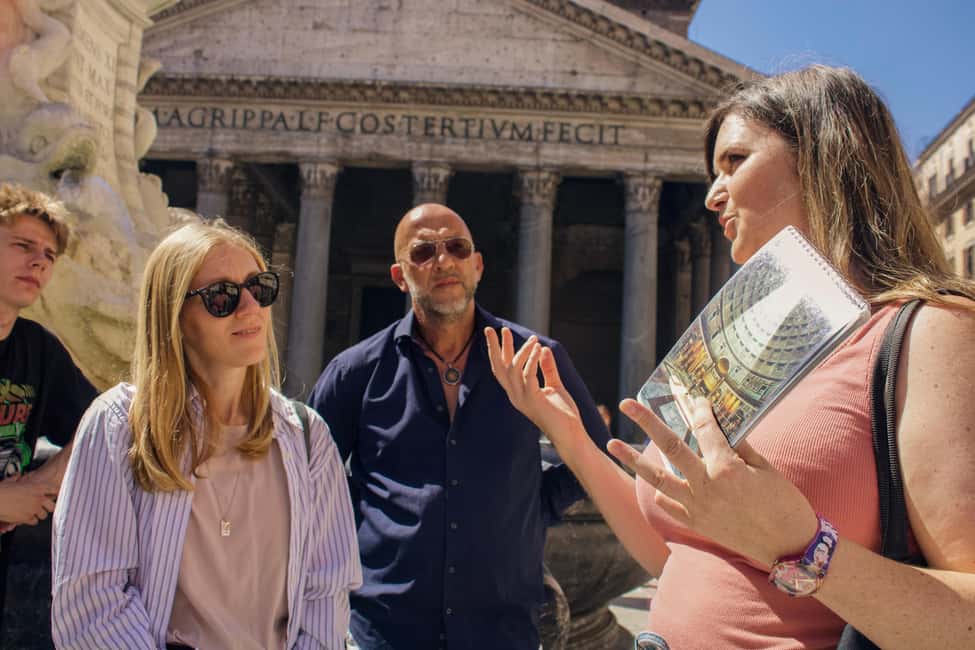
Next comes the Pantheon area. You won’t just see it from far away—you’ll get a guided walk-by segment (around 20 minutes) that helps you read the building.
The Pantheon is famous for a reason: it’s one of the most preserved monuments of ancient Rome, and the structure still feels complete in a way many ruins don’t. At night, it also photographs well because the lighting makes the geometry pop—especially the dark interior contrast against the brighter street surroundings.
Practical tip: keep your eyes up and your camera ready, but don’t rush. Even a short stop can feel satisfying if you know what you’re looking at. This is where your guide’s storytelling matters—because you’re not just admiring old stone, you’re understanding why it still “works” visually.
Sant’Ignazio di Loyola: A Church Stop That Changes the Mood
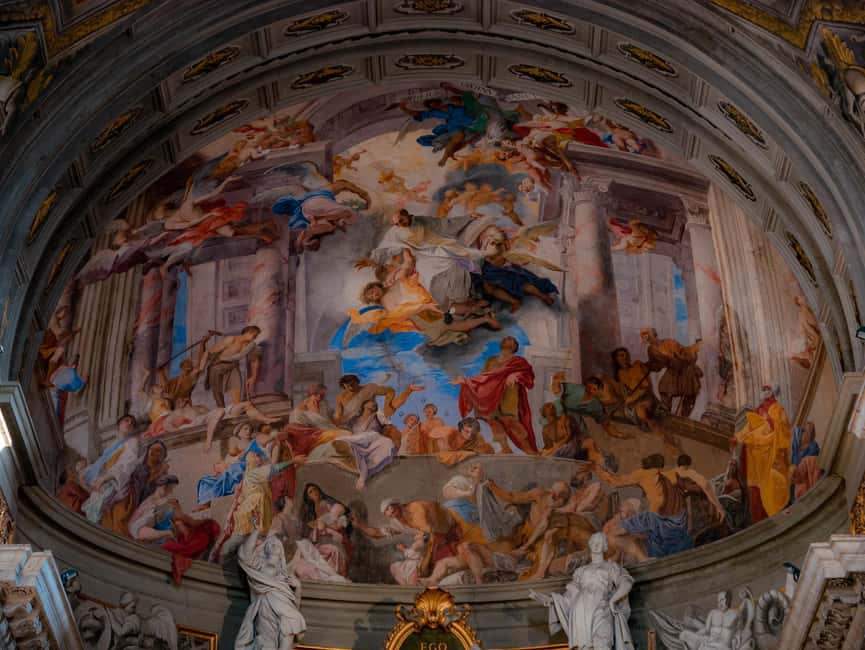
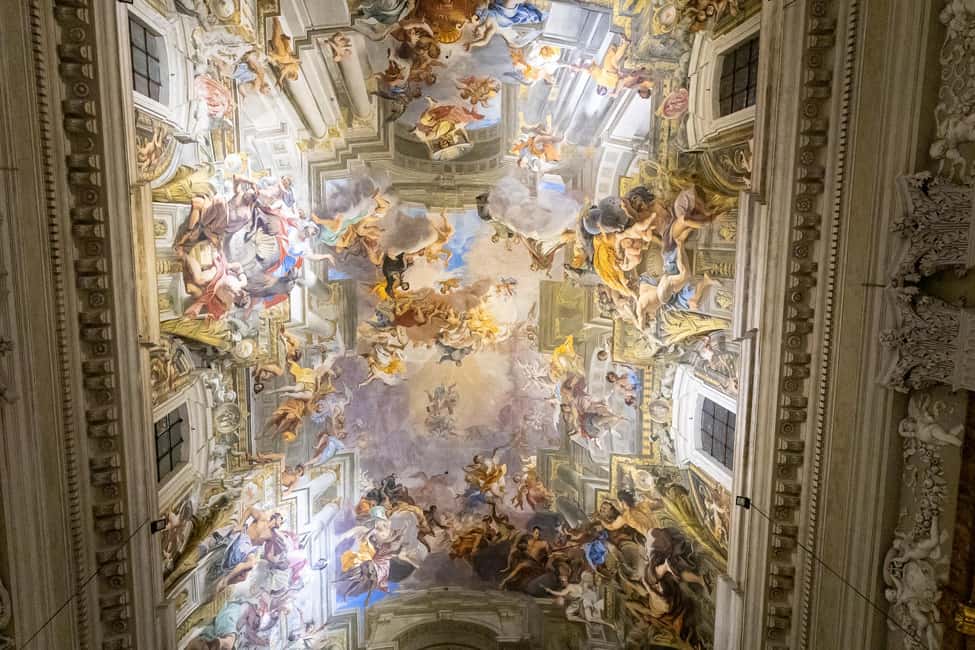
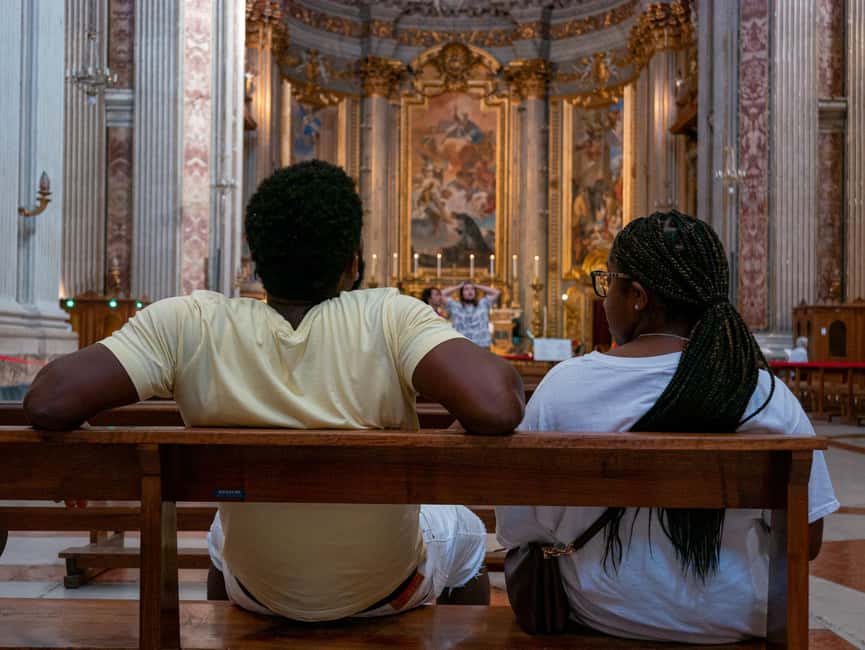
After the Pantheon, the tour shifts into a different flavor of Rome: religion, art, and architecture in tight space. You’ll stop at the Church of Sant’Ignazio di Loyola for about 30 minutes with a guided segment.
This is a smart contrast to the open-air squares and broad monuments earlier in the evening. A church stop gives you a chance to slow down, get details explained, and experience how Rome can feel intimate. If you like architecture that rewards attention—corners, facades, and interior effects—this stop is a strong payoff.
What I like about including a church on an evening walk: it breaks up the “same view, different building” problem. After a few major landmarks, your brain needs a different kind of input. Sant’Ignazio is that reset button.
Galleria Sciarra: The Art Deco Surprise You Might Miss
Then you move to Galleria Sciarra (guided for about 20 minutes). This is the kind of place that can disappear from your radar if you’re only focused on the headline attractions.
One of the reasons this stop works is the contrast: you’re in the center of Rome, but the atmosphere shifts into a covered arcade, with a style that feels different from the surrounding streets. It’s often described as an Art Deco highlight, and it’s the perfect “how is this here?” moment for an evening tour.
What to do: during your guided time, look around rather than locking in on one facade. Arcades like this make you notice transitions—how a street corner becomes a corridor, and how light behaves under a roof. If your guide has a habit of pointing out small civic details (some guides are known for that style), you might also get extra context while you’re still near the spot, when it’s easiest to connect what you hear with what you see.
You can also read our reviews of more evening experiences in Rome

Trevi Fountain After Dark: Photos, Stories, and the Coin Moment
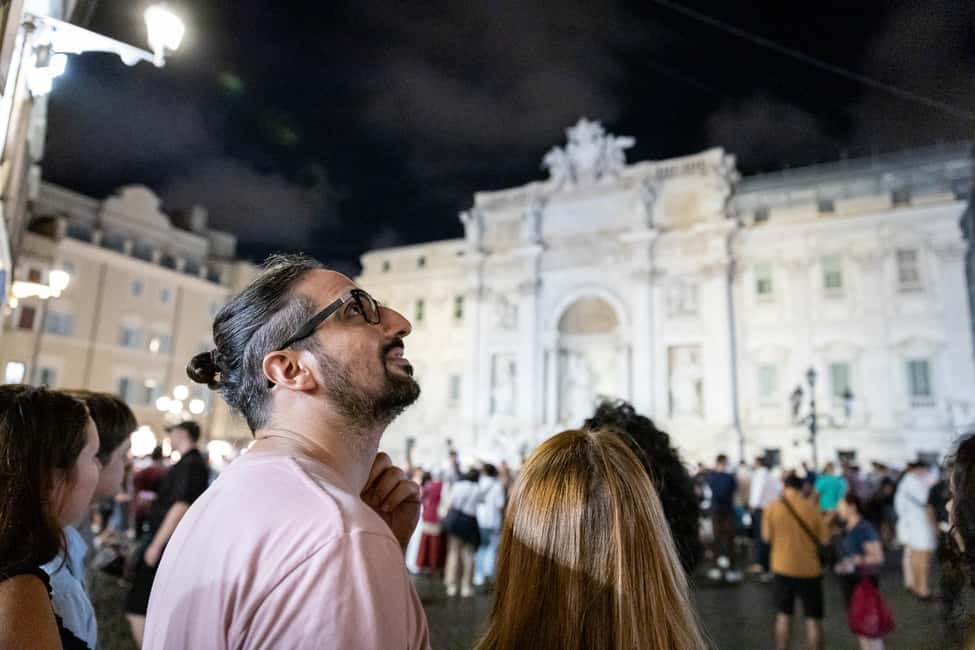
Trevi Fountain is the stop most people have on their Rome bucket list—and it earns the attention. You’ll get a guided segment here (about 30 minutes), which is the right amount of time if you want both atmosphere and usable photos.
The classic ritual is part of the experience: toss a coin into the fountain and make a wish. It sounds simple, but it’s also a cultural signal—this is one of Rome’s most iconic living traditions, not just a monument.
A few practical thoughts for enjoying Trevi on a night walk:
- Give the fountain a moment to breathe before you start photographing.
- Keep moving with your group instead of planting yourself in the busiest center area.
- Use the guided time to learn what you’re looking at, so the stop feels less like a show and more like a story.
Guides on this tour have a reputation for explaining what makes Trevi special beyond the obvious postcard view, so the time feels earned rather than rushed.
Piazza Venezia and Trajan’s Column: Big Ideas, Clear Views
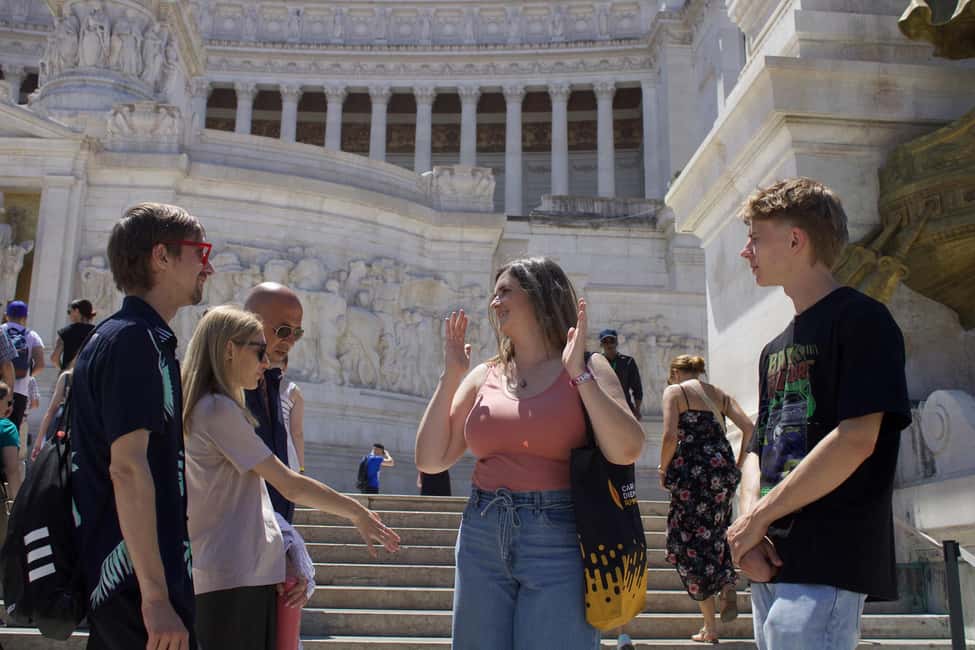
From Trevi, the route carries you to Piazza Venezia for about 20 minutes with guidance. This square is one of those Rome locations where the setting instantly makes you understand how the city organizes space around power and monuments.
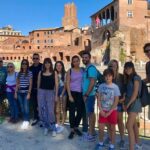
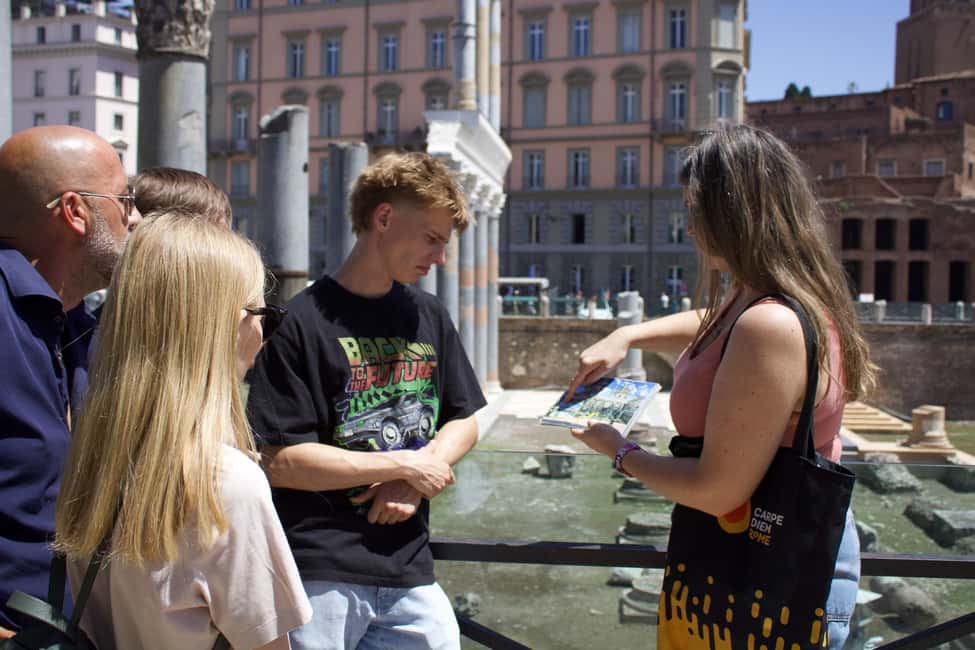
Then you’ll continue to Trajan’s Column for about 20 minutes guided. Trajan’s Column can feel overwhelming at first—there’s a lot going on. The value of having a guide here is that you’re not staring at carvings without context. You can learn how to read the column’s narrative and why it matters.
I like pairing these two stops because they train your eye: Piazza Venezia teaches the “place,” while Trajan’s Column teaches the “message.” Together, they help you connect the built environment to Roman ambition and public spectacle.
If you’re the type who enjoys details, you may also hear unusual practical tidbits from your guide—some guides are known for pointing out how to tell authentic obelisk details from lookalikes and other small visual identifiers you might spot later around the city.
Roman Forum at Night: History Without the Daytime Stampede
The last major stretch heads toward the Roman Forum for about 20 minutes guided. This is the part where night viewing really pays off. The Forum is iconic, but it can feel like sensory overload during the day.
At night, the space feels more readable. You still get the scale and significance, but it’s easier to slow down and follow what your guide is showing you. The guided segment helps you translate the ruins into something coherent—so it doesn’t just look like piles of stone.
A good way to approach the Forum: pick one direction or one building set to “follow” in your mind while you listen. Even if you don’t absorb everything, you’ll leave with a stronger sense of how the area functioned.
Pace, Footwear, and How to Plan Your Evening
This tour runs about 2 to 2.5 hours. That’s not long, but it’s long enough to matter if your shoes aren’t right. The tour is walking-based, so plan for steady movement and a real stride.
Dress comfortably. Comfortable clothes matter because Rome nights can feel cooler than daytime, and you don’t want to be thinking about discomfort while you’re trying to take in architecture and details.
Also, food and drink aren’t included. That doesn’t make it bad value; it just means you should decide how you want to handle meals around the timing. If you’re doing it early evening, you might want dinner plans before or after rather than building them into the walk.
Price and Value: What $28 Gets You (and Why It’s More Than “Walking”)
At around $28 per person, this is priced like a practical city orientation that gives you access to guidance, pacing, and contextual storytelling. In Rome, that’s not nothing. You’re paying for someone to connect the landmarks so you don’t have to do guesswork on your own.
You also get more than the biggest names. The tour includes stops like Sant’Ignazio di Loyola, Galleria Sciarra, and guided time at several key squares, which helps the evening feel varied. The listed inclusion of tips and recommendations is meaningful too—because at the end of a short tour, you’ll have direction on what’s worth returning to.
And since you’re not tied to food costs on the tour itself, you can choose what fits your budget and dietary needs.
Who This Tour Fits Best
This is a great choice if:
- You’re visiting Rome for the first time and want a guided overview without spending the day fighting crowds.
- You want to see the Colosseum and Pantheon in lighting that feels special, not just in daylight “checklist mode.”
- You prefer walking tours where the route connects the dots, instead of isolated stops.
It’s also a nice fit for couples and solo travelers. The group format is guided and interactive, and it’s built for late-evening sightseeing. If you want a calmer atmosphere than midday, night is the right move.
Should You Book This Rome Under the Moonlight Evening Walking Tour?
If your goal is to see Rome’s major landmarks—Pantheon, Trevi Fountain, the Colosseum, and the Roman Forum—while enjoying a more relaxed evening vibe, I’d book it. The price is reasonable for a guided route that mixes headline sights with architectural variety.
I’d skip it only if you’re looking for a very short, minimal-walking experience or if you hate church interiors and prefer outdoor sights only. Otherwise, the night timing, the guided context, and the mix of piazzas and monuments make this one of the smarter ways to get oriented fast.
For me, the deciding factor is simple: Rome at night is when the city feels most like a place you want to wander. This tour gives you a guided path into that feeling, and then it leaves you ready to explore on your own.
FAQ
How long is the Rome under the moonlight evening walking tour?
It lasts about 2 to 2.5 hours. Starting times depend on availability.
Where do we meet for the tour?
You can meet at either Piazza d’Aracoeli or Piazza di Pasquino, depending on the option you book.
What major sights are included?
The tour covers key areas and landmarks such as Piazza Navona, the Pantheon, the Trevi Fountain, Piazza Venezia, Trajan’s Column, and the Roman Forum.
Is there time for Trevi Fountain photos and the coin wish?
Yes. Trevi Fountain is included with a guided segment of about 30 minutes.
What languages is the live guide available in?
The live tour guide offers English and Spanish.
Is this tour available as a private group?
Yes, a private group option is available.
Is food or drink included in the price?
No. Food and drink are not included.
What should I bring?
Bring comfortable shoes and comfortable clothes, since it’s a walking tour.
Can I cancel and get a refund?
Yes. Free cancellation is offered up to 24 hours in advance for a full refund.