REVIEW · ROME
Rome: Trastevere & Campo de Fiori Street Food Walking Tour
Book on GetYourGuide →Operated by Hili srl · Bookable on GetYourGuide
Rome smells like dinner on purpose. This 2.5-hour walk in Trastevere and Campo de’ Fiori mixes Roman street food with real neighborhood history, guided by locals such as Daniele and Caterina. I like that you’re not stuck eating the same thing twice. You get a true spread—pizza, suppli, gelato, and more—while you move through streets with names you’ll later recognize.
My other favorite part is how the stops connect food to place, including the Santa Maria in Trastevere church area and the market energy around Campo de’ Fiori. One thing to consider: it’s not suitable for vegans, and it is not designed for people with gluten intolerance, even though vegetarian and other diets may be supported if you tell the provider first.
In This Review
- Key highlights
- Meeting in Piazza San Simeone: Where the walk starts and your brain resets
- Trastevere’s church stop: Santa Maria in Trastevere and why it matters
- From street to table: Pizza, suppli, and Roman snack culture
- Campo de’ Fiori market time: How to spot the good bites
- Scenic walking breaks: Ponte Sisto and the views that keep you moving
- The gelato finale at Gelateria Regusto: Sweet, but also strategic
- Small group energy: Why the guide makes the tour feel personal
- Price and value: What $51 buys you in Rome time and food
- When the route works best (and when it might not)
- Who should book this Trastevere and Campo de’ Fiori tour
- Should you book this tour?
- FAQ
- How long is the Rome Trastevere and Campo de’ Fiori Street Food Walking Tour?
- How much does it cost?
- Where do I meet the guide?
- Where does the tour end?
- What’s included in the tour price?
- Are drinks included?
- Is this tour suitable for vegan or gluten intolerance diets?
- What languages is the tour guide available in?
- What’s the cancellation policy?
Key highlights
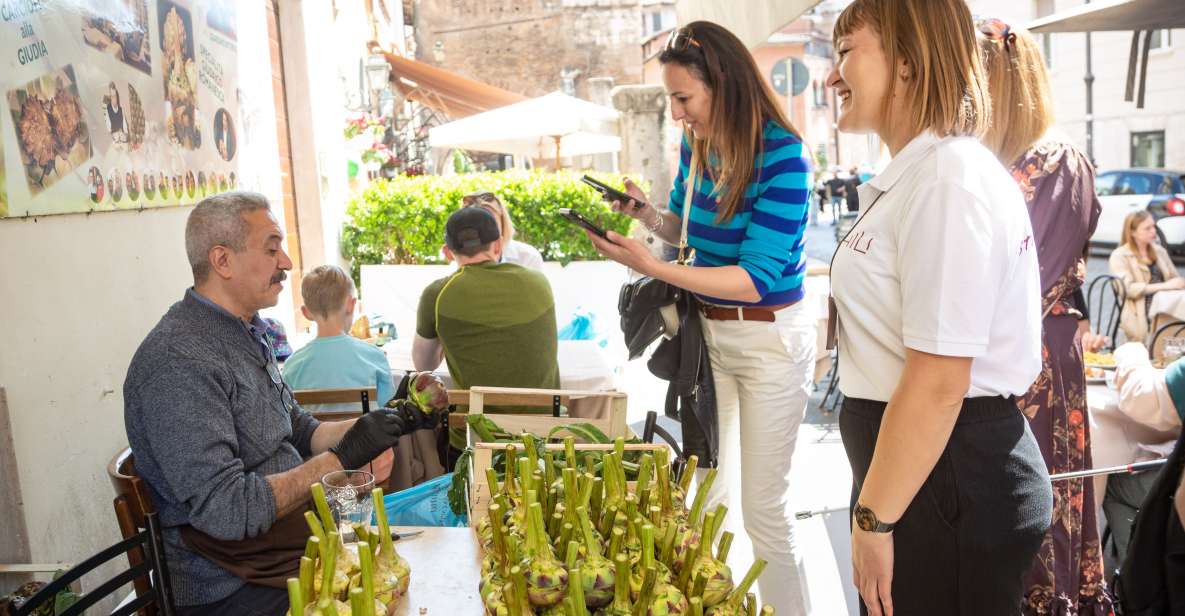
- Limited to 14 people for a more personal pace and more time to ask questions
- Santa Maria in Trastevere stop that adds context to what you’re eating
- Campo de’ Fiori market visit to see how Romans shop and snack
- Street-food classics like suppli and Roman-style pizza from long-running places
- Gelato at Gelateria Regusto to cap the tour on a sweet note
Meeting in Piazza San Simeone: Where the walk starts and your brain resets
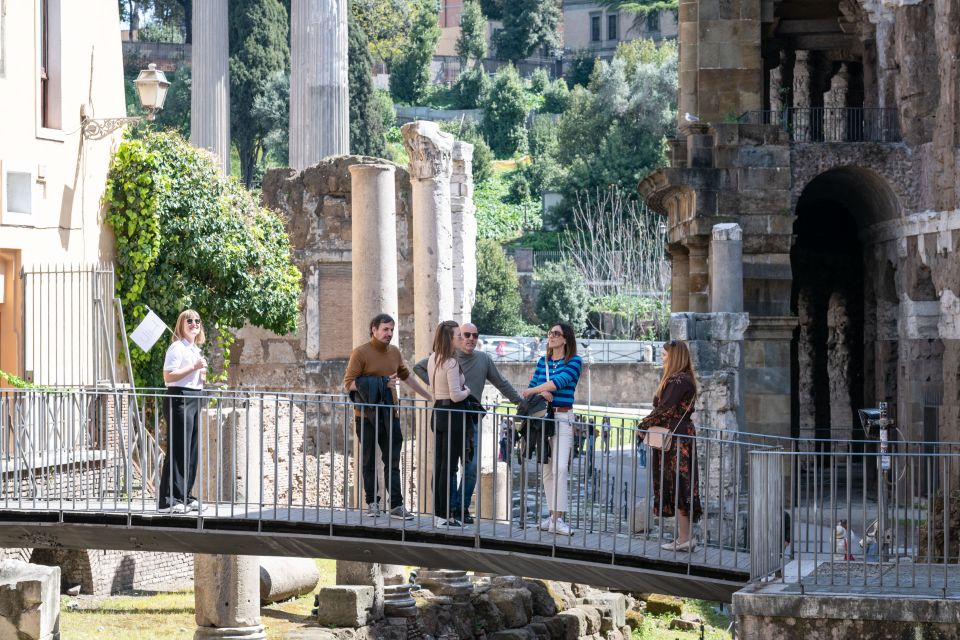
You meet in Piazza San Simeone, at the fountain in the middle of the square. That’s a smart way to begin because it gets you out of “tour mode” fast. You’re only walking about 2.5 hours, so the guide needs to set the rhythm immediately—and they do.
From there, the tour starts with a quick pass by Chiostro del Bramante. It’s only a short look, but it helps you understand how Rome layers eras on top of each other. Even before the food shows up, you’re learning how this city thinks: architecture, religion, daily life, repeat.
If you’re the type who wants a plan, this tour delivers. If you’re more relaxed and just want to wander with purpose, it still works. Either way, you’ll know what to do next in these neighborhoods after you’re done.
You can also read our reviews of more walking tours in Rome



Trastevere’s church stop: Santa Maria in Trastevere and why it matters
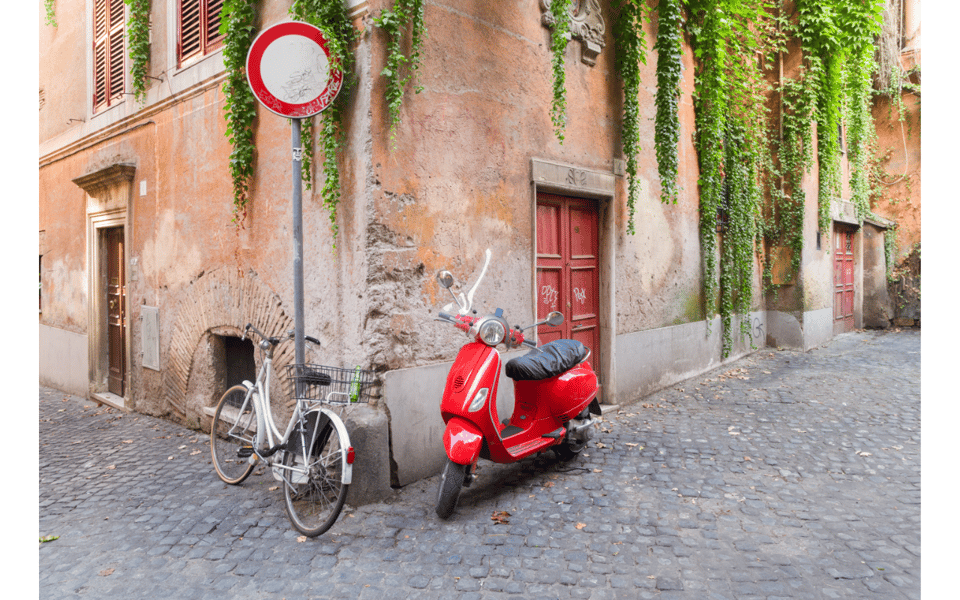
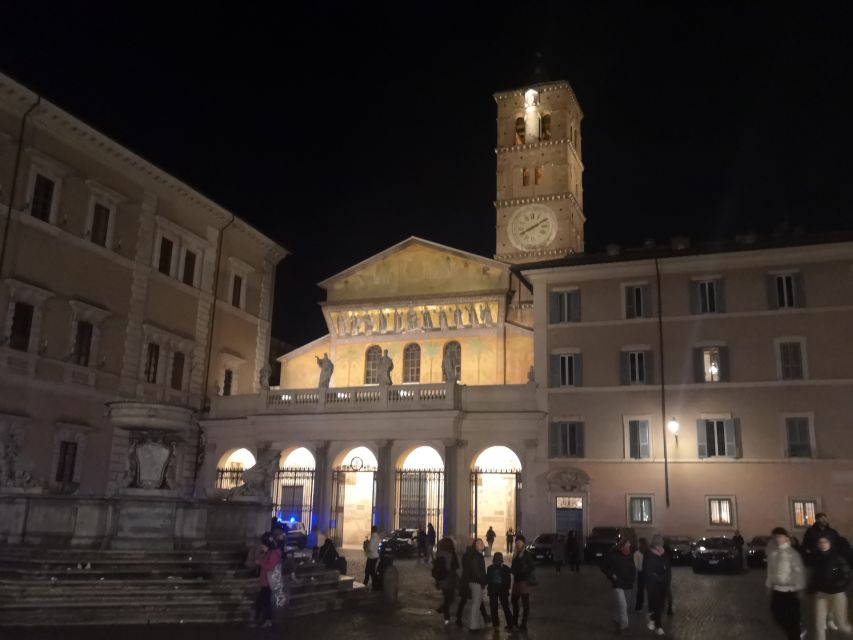
One stop centers on Santa Maria in Trastevere, described as an ancient Byzantine-style church. Even if you don’t go inside for a long visit, you still get the point: this is not just about eating. It’s about how Romans built meaning into everyday life.
And that matters for a street-food tour. Roman food isn’t floating in space. It’s tied to markets, bakery traditions, and the rhythms of neighborhoods that have existed for centuries. This church stop gives you a “why” before you hit the “what.”
Practically, it also breaks up the walk. After a couple of food moments, you’ll already be chewing fast. A history pause keeps the pace from turning into pure grazing.
From street to table: Pizza, suppli, and Roman snack culture
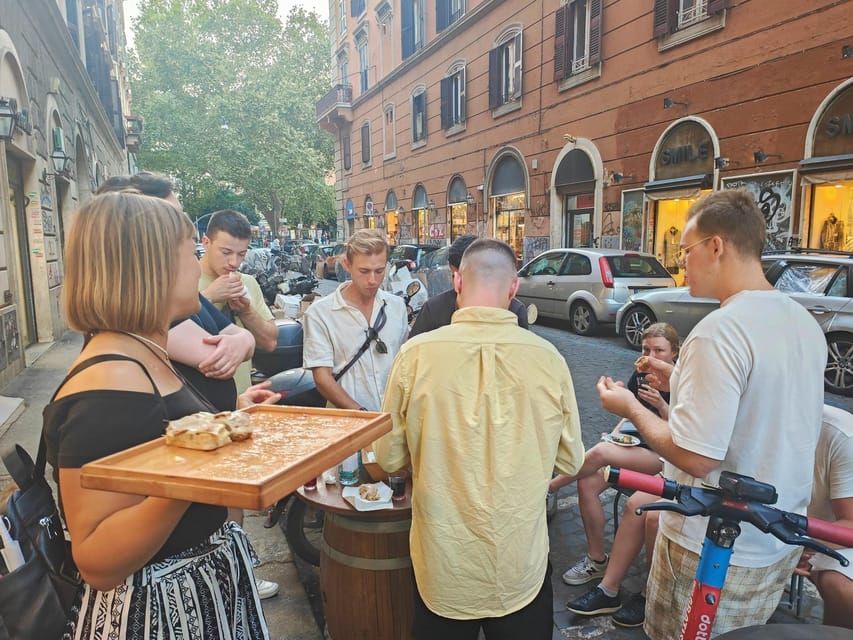
This is where the tour really cashes in. The guide takes you to tastings across Trastevere and Campo de’ Fiori, focusing on classics like pizza, suppli, and a traditional Roman sandwich, plus gelato at the end.
A few things I like about how this is structured:
First, you’re not just sampling random bites. The guide is built to explain what you’re eating and where it fits in Roman daily life. That’s why people in the group talk so much during the tour. The food becomes the entry point to stories.
Second, the route is short enough that you’re never far from the next bite. You’re walking, yes, but the stops are timed so you’re not stuck waiting around hungry.
Third, you get variety without a full sit-down meal. That’s ideal if you plan to eat again later. Street food here can be filling, but this tour keeps it focused, so you’re still able to enjoy the rest of your trip.
A note on portion reality: multiple guide write-ups mention that the tour ends up being more food than expected. So if you tend to have a big appetite, plan around it. If you snack lightly, still go hungry at the start. This tour is designed for that.
Campo de’ Fiori market time: How to spot the good bites
Campo de’ Fiori gets a dedicated chunk of time—about 25 minutes—so you can actually take in the market scene instead of just passing through. This is one of the best parts of the tour for first-timers because it shows you how locals shop and snack in the open air.
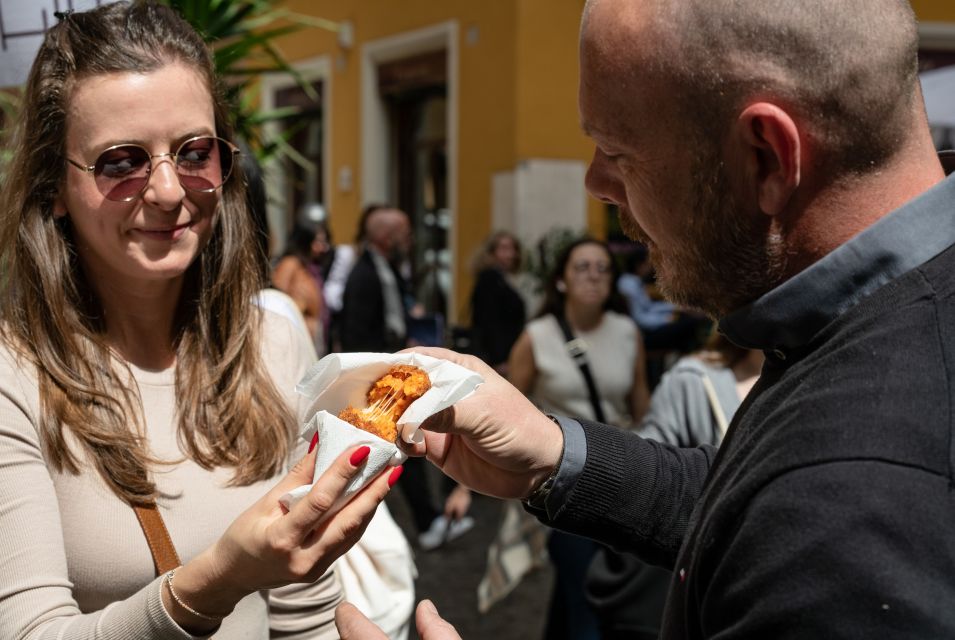
You also get a chance to try fresh handmade suppli, the typical Roman rice balls. This stop is valuable for two reasons. One: you’re learning what to look for, not just eating once. Two: you see the market as a place, not a photo background.
If you want an easy takeaway for your next meal, this is it. After this stop, you’ll know how to ask for the kind of street food that tastes like Rome—not like a tourist menu.
Tip I’d use if I were doing this again: during the market portion, pay attention to what the vendor is doing. It helps you remember how the best ones are served hot and fresh.
Scenic walking breaks: Ponte Sisto and the views that keep you moving
Between the food stops, the tour includes a few walking segments that keep the experience from feeling like a string of errands. One of them is the walk across Ponte Sisto, with scenic views along the way.
These stretches do two jobs. They give your stomach a breather. They also help you connect the neighborhoods. Trastevere has its own mood, Campo de’ Fiori has another, and Ponte Sisto is the bridge—literal and mental—between them.
You also pass by Piazza Farnese and Piazza Trilussa. Even short “pass-by” moments matter here because they anchor the route in landmarks you’ll recognize later while you’re exploring on your own.
It’s not a long sightseeing day. It’s a smart sampler. The walking breaks make the sampler easier to finish with energy left.
You can also read our reviews of more food & drink experiences in Rome




The gelato finale at Gelateria Regusto: Sweet, but also strategic
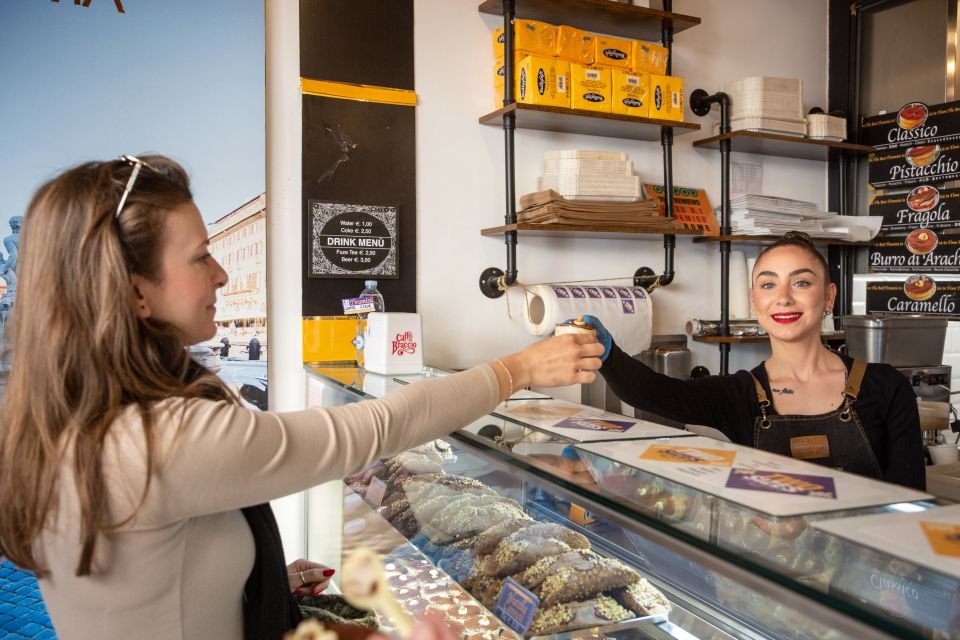
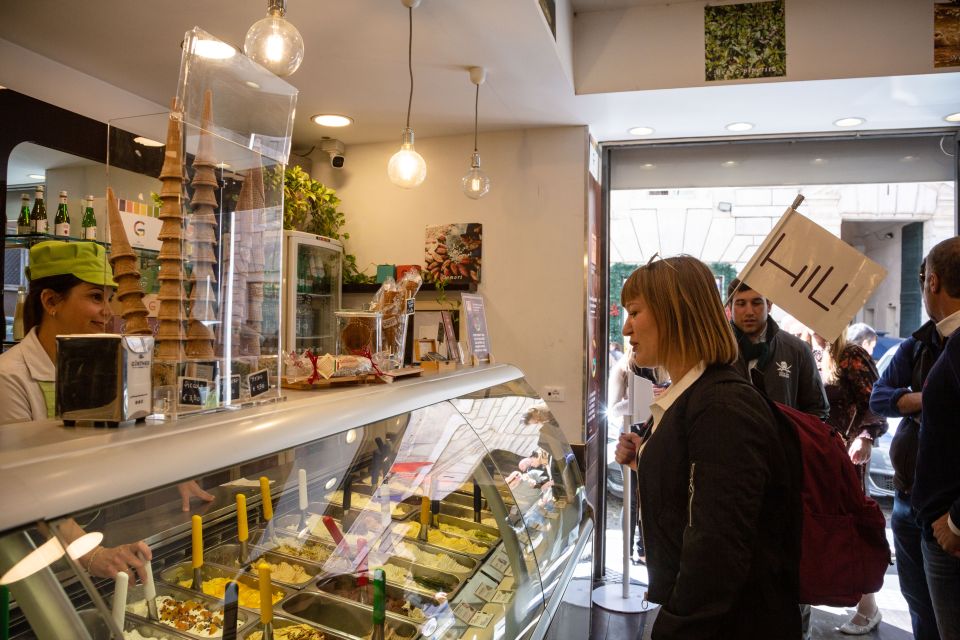
The last scheduled food stop is gelato at Gelateria Regusto. You’ll get about 15 minutes here, enough time to slow down and actually enjoy it instead of eating while walking.
Ending with gelato is practical. By the time you reach the finish area, you’ll have already tasted savory Roman staples. A sweet finish gives your trip a natural conclusion.
It’s also strategic for your memory. If you finish with pizza and suppli, you remember the flavors but not always the sequence. Gelato locks in the ending, and it’s often the taste you think about later when deciding where to return for dessert.
Small group energy: Why the guide makes the tour feel personal
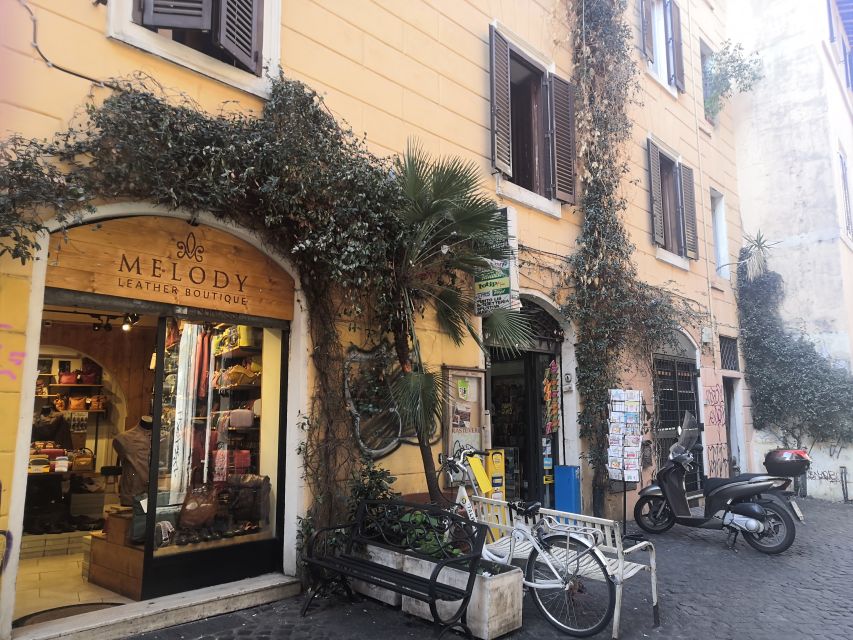
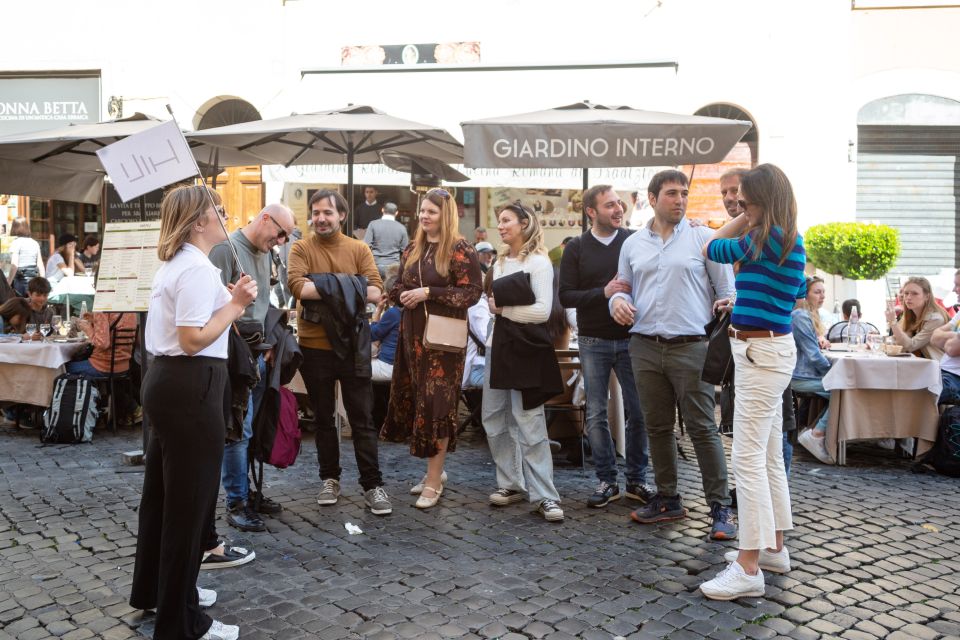
The tour is limited to 14 people, and that’s not just a marketing line. It changes how the tour feels. You’re not lost in a crowd. You can ask a question without shouting. You get to hear the guide’s explanations clearly.
The reviews here keep pointing to the same pattern: the guides bring personality and local detail. Daniele, for example, is mentioned as an archaeologist with a funny, engaging style, and some people note he uses a tablet with images and videos during the walk. Others mention guides like Caterina, Alessandra, Leonardo, and Fiammetta as friendly and actively interactive.
That matters because street food can be confusing if you don’t know what you’re ordering. A good guide does more than point. They teach you how the dish is supposed to taste, when to eat it, and what to try next time.
Also, several write-ups mention the guide’s helpful attitude with picky eaters and even kids. If you’re traveling with family, that’s a real advantage.
Price and value: What $51 buys you in Rome time and food
At $51 per person for a 2.5-hour walking tour, you’re paying for three things: a licensed guide, a planned route, and the food itself.
The value angle is simple. In Rome, if you try to build your own “street-food crawl,” you can waste time figuring out where to go and what’s worth paying for. This tour removes that guesswork. You’re guided to places with real local reputation and traditions behind them.
And the “food included” part is doing heavy lifting. Multiple people mention the tour provides more food than expected for the length. That’s the sweet spot: enough stops to taste a range, short enough that you’re not crushed for the rest of your evening.
Drinks are listed as not included. Still, some tastings in reviews mention wine, with the option to choose something else if you don’t want it. So assume the core included value is the food, not a full drink package.
When the route works best (and when it might not)
This tour is best when you want a structured way to explore Trastevere and Campo de’ Fiori without turning the day into a map-reading contest. If it’s early in your Rome trip, you’ll likely use the guide’s suggestions again. Many write-ups say the tour sets people up with restaurant and sightseeing tips for the rest of their visit.
It’s also a strong fit if you like the idea of meeting the neighborhood through what people actually eat. Street food here is a cultural language. Pizza and suppli are not just snacks. They’re shorthand for what locals crave.
Two practical considerations:
First, it’s not suitable for vegans, and it’s not suited to people with gluten intolerance. If those apply, you should skip this one.
Second, the tour notes vegetarian and other diets may be supported if you inform the provider ahead of time. If you have allergies or strict needs, message the company clearly before you book.
Who should book this Trastevere and Campo de’ Fiori tour
Book it if:
- You want to taste Roman street-food classics across two famous neighborhoods
- You like a guide who connects food to streets, landmarks, and daily life
- You prefer small groups and a guided route instead of random wandering
Skip it if:
- You need vegan meals or gluten-free options built into the plan
- You hate walking. This is a walking tour, and the route includes several stroll segments and stops.
Should you book this tour?
Yes, if you’re hungry for authentic Roman food and you want that food tied to real neighborhood context. The biggest win is the combination of small group size, multiple tastings, and guides who bring stories and practical tips. At $51 for a 2.5-hour guided food walk with food included, it’s a solid way to spend part of your trip without wasting time hunting down the good spots.
If you’re vegan or need gluten-free, don’t force it. Your money will be better spent elsewhere where the plan fits your needs.
FAQ
How long is the Rome Trastevere and Campo de’ Fiori Street Food Walking Tour?
It lasts 2.5 hours.
How much does it cost?
The price is $51 per person.
Where do I meet the guide?
Meet in Piazza San Simeone, next to the fountain in the middle of the square.
Where does the tour end?
The tour finishes at Piazza di San Giovanni della Malva.
What’s included in the tour price?
You get a 2.5-hour walking tour, a licensed guide, and food.
Are drinks included?
No. Drinks are not included.
Is this tour suitable for vegan or gluten intolerance diets?
It is not suitable for vegans and it is not suitable for people with gluten intolerance. Vegetarian and other diets may be supported if you inform the provider when booking.
What languages is the tour guide available in?
The live guide is available in Portuguese and English.
What’s the cancellation policy?
You can cancel up to 24 hours in advance for a full refund.