REVIEW · ROME
Rome: Guided Tour of Colosseum, Roman Forum & Palatine Hill
Book on GetYourGuide →Operated by City Walkers Tours · Bookable on GetYourGuide
Gladiators meet skyline views. This guided Rome tour links the Colosseum to the Roman Forum’s political stage and then climbs to Palatine Hill for big-picture views, led by local guides such as Alessandra or Felicity (Fee).
I love two things most: the storytelling, especially when guides like Fi and Angela explain how Romans built, governed, and lived—and the practical help from headsets, so you’re not straining to catch every detail amid the crowds.
One consideration: you’ll hit security lines at the Colosseum (metal detector), and because tickets are nominative, your ID name has to match exactly or you can be turned away with no refund. Security and ticket accuracy matter.
In This Review
- Key Points That Make This Tour Worth It
- A Smart 3-Site Plan for Ancient Rome in One Afternoon
- Colosseum Entry: Fast(er) Than DIY, But Don’t Ignore Security
- Inside the Colosseum: Gladiator Drama with Clear Structure
- Roman Forum: Where Politics, Religion, and Daily Life Collide
- Palatine Hill: Imperial Views You Can Feel
- The Pace, the Headsets, and Your Best Spot in the Group
- Price and Value: Why $55 Can Make Sense Here
- Logistics You Should Know Before You Go (Without Stress)
- Should You Book This Colosseum, Roman Forum & Palatine Hill Tour?
- FAQ
- How long is the tour?
- What’s included in the price?
- Do I get Colosseum arena or underground access?
- Where does the tour start and finish?
- Do I need to bring ID for the Colosseum?
- What should I bring and wear?
- Is there security screening at the Colosseum?
- What if the tour time changes or sites close?
- What cancellation window is offered?
Key Points That Make This Tour Worth It
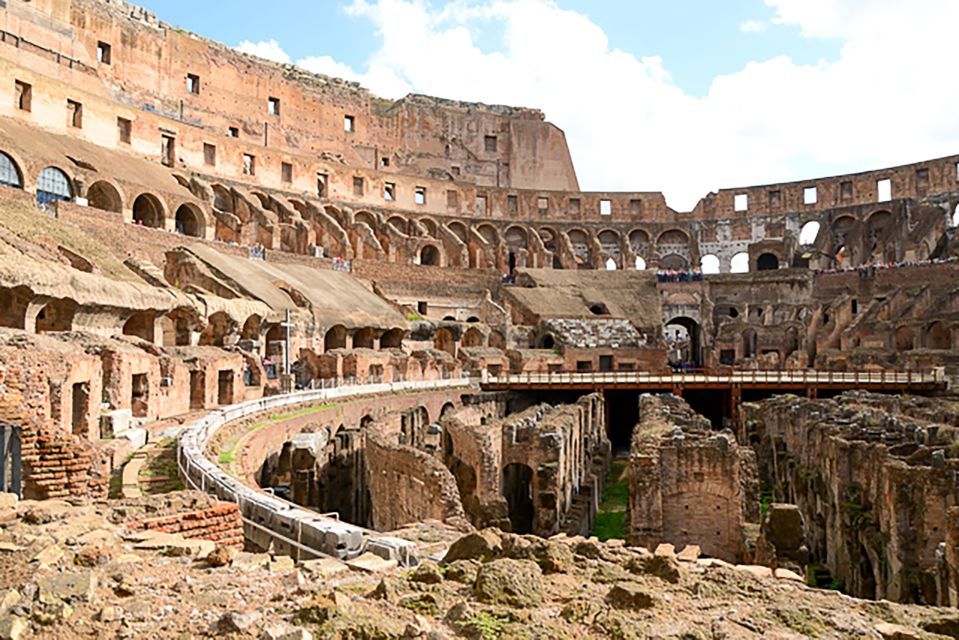
- Pre-booked Colosseum entry helps you get in without the usual scramble.
- Headsets keep the guide’s narration clear during stops and photo breaks.
- Roman Forum + Palatine Hill viewpoints give you the wide-angle context you miss when wandering alone.
- Guides like Alessandra and Felicity (Fee) often keep groups engaged with pace, humor, and lots of Q&A.
- No arena/underground access in this standard option, so set expectations for what you can enter.
- Audio quality can vary if you’re far from the front—stay near the front when possible.
A Smart 3-Site Plan for Ancient Rome in One Afternoon
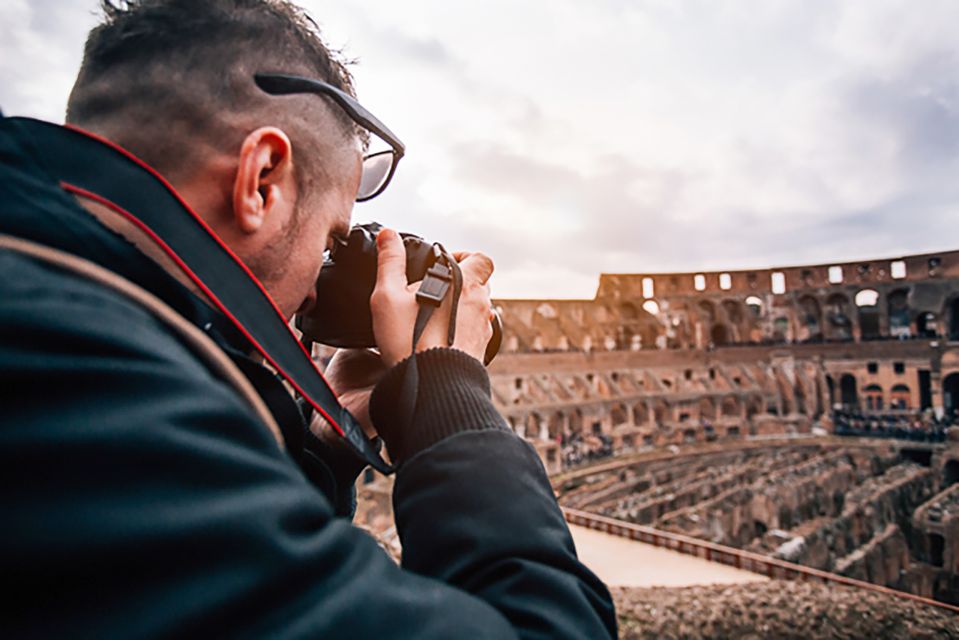
If you only have a half-day in Rome, this tour is a clean way to hit the big three: the Colosseum, the Roman Forum, and Palatine Hill. You’re not just looking at rocks. You’re getting a guided storyline that explains what you’re seeing and why it mattered.
I like that the tour feels timed to keep your attention. The Colosseum has the wow factor fast. The Forum then slows things down and makes sense of the politics and religion baked into the ruins. Finally, Palatine Hill gives you the “oh, that’s where they ruled from” moment with panoramic views across the Forum and the Colosseum.
The group format also helps. You’re walking together, stopping at viewpoints, and using your time efficiently instead of playing archaeology bingo on your own.
You can also read our reviews of more guided tours in Rome



Colosseum Entry: Fast(er) Than DIY, But Don’t Ignore Security
The tour includes tickets for the Colosseum, Roman Forum, and Palatine Hill, and it’s designed to get you inside the Colosseum with a pre-booked slot. That’s a big deal on a monument this popular. You’re still going through the metal detector security check, and on busy days there can be waiting time.
Here’s the practical part: you’ll want to plan for delays that have nothing to do with the guide. Arrive ready—no big bags, no oversized luggage, and bring your passport or ID card.
Also note the nominative ticket rule introduced in October 2023: the names on the tickets must match the ID you show at the venue entrance. If there’s a mismatch, entry can be denied and you won’t get a refund. So double-check spelling when you book.
Inside the Colosseum: Gladiator Drama with Clear Structure
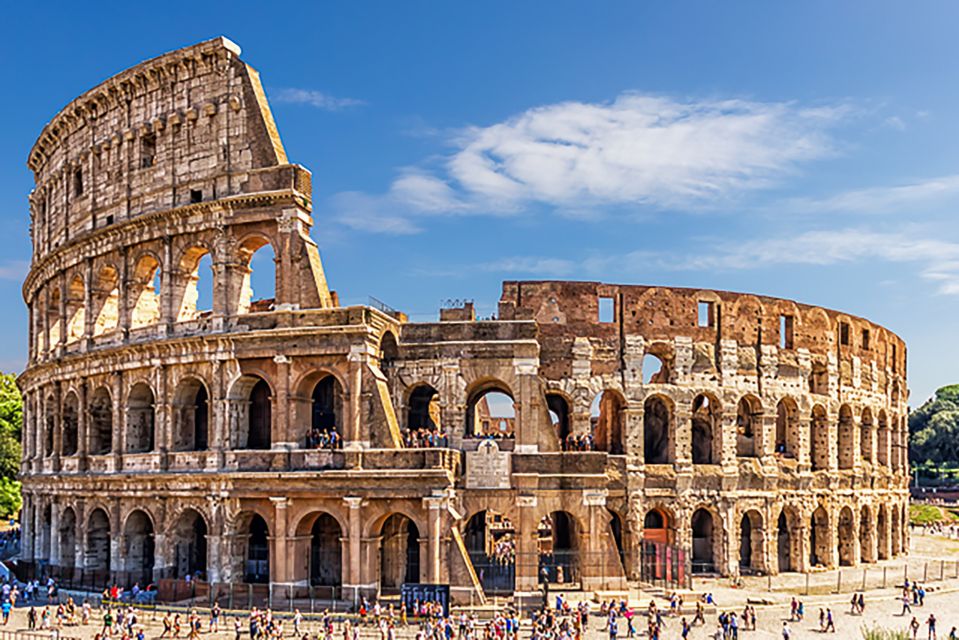
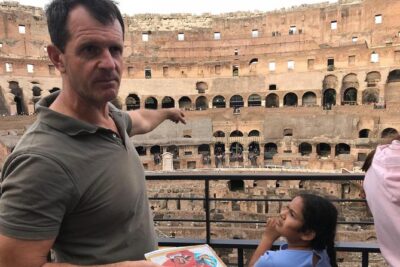
Once you’re in, the guide’s job is to turn the Colosseum from an icon into a place with moving parts. You’ll walk the monumental spaces and hear the gladiator-and-emperor stories that connect the arena to the Roman world behind it.
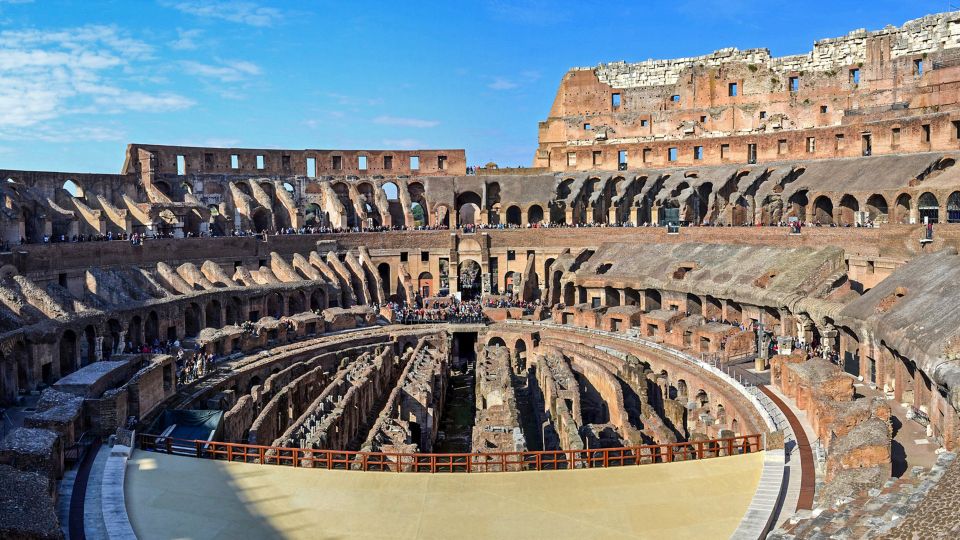
This is where a good guide really changes the experience. You’re not memorizing dates. You’re learning how the spectacle worked, what different parts of the stadium were for, and how Romans understood power through public events. The result: you look at the same stone and suddenly it has labels—levels, functions, and intent.
What you should set expectations on: this tour does not include arena access or the underground areas. If you specifically want the arena floor and underground passages, the data indicates those are part of a separate English option with arena access. For most people, the standard entry is still the main attraction, but it’s worth knowing upfront so you don’t feel like you paid for a feature you can’t enter.
Roman Forum: Where Politics, Religion, and Daily Life Collide
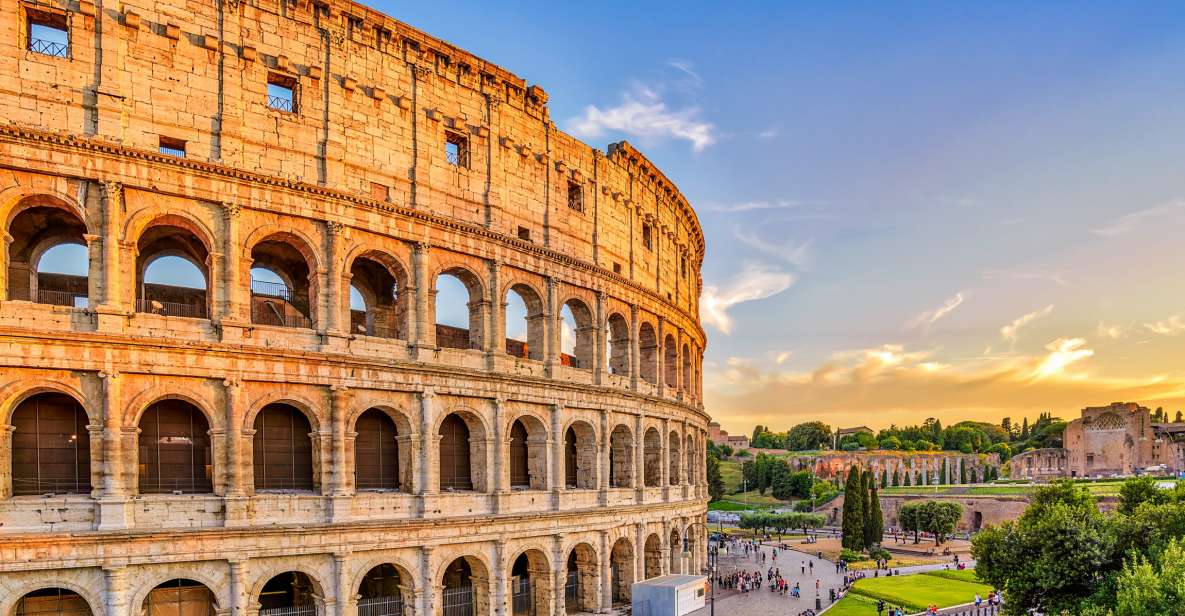
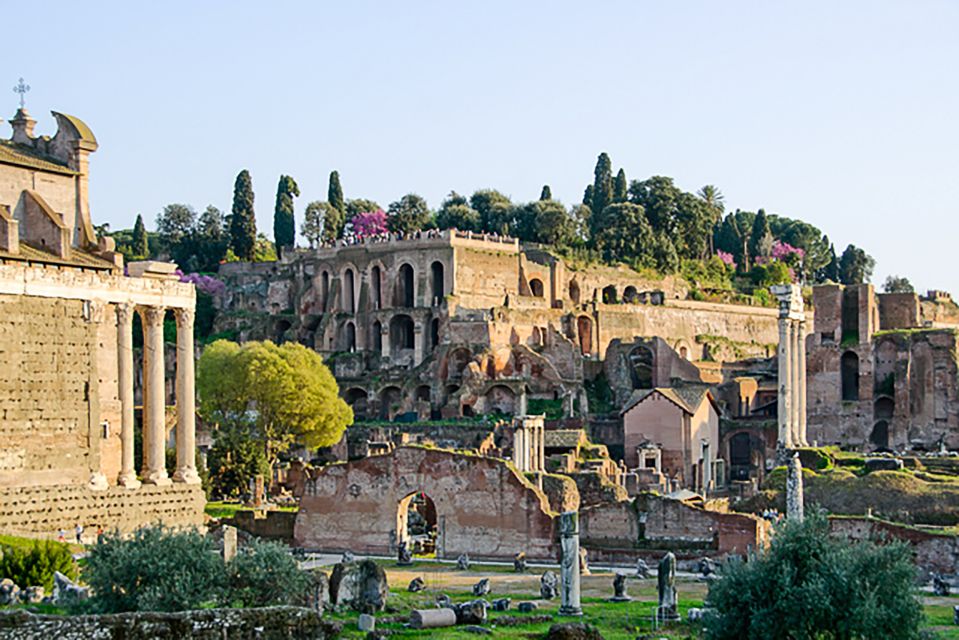
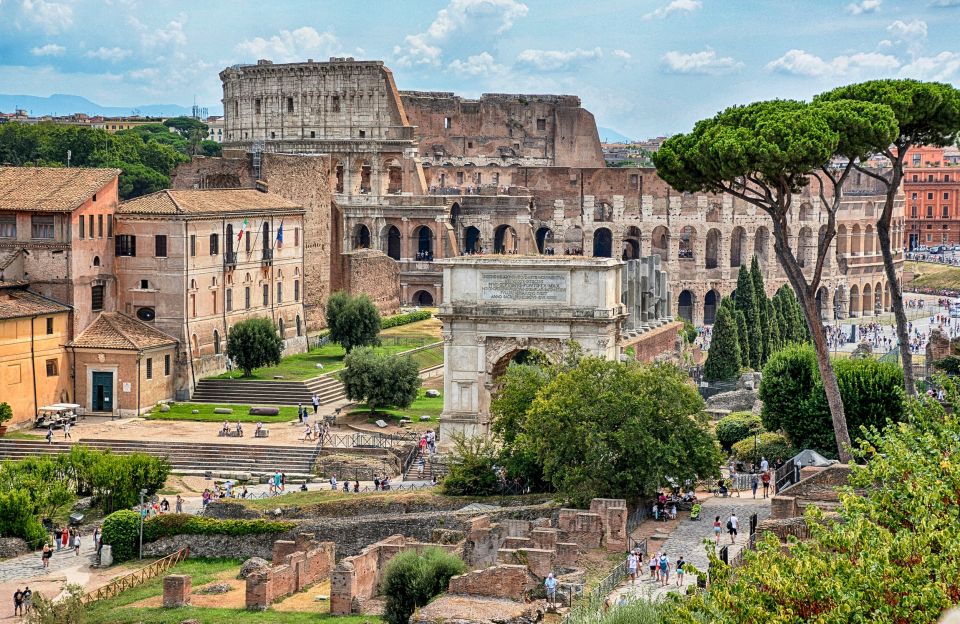
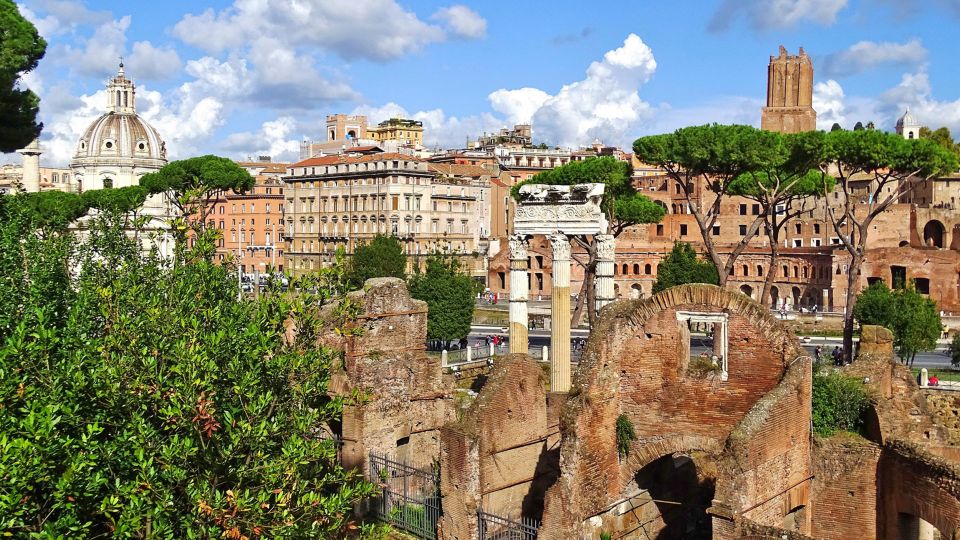
After the Colosseum, the Roman Forum is the reality check—in the best way. The Forum was the center of Roman public life: political speeches, religious ceremonies, and civic action all tangled together.
You’ll stroll through the ruins with guided context around the temples, basilicas, and public spaces. Without help, it’s easy to see impressive fragments and still miss the logic of the place. With a guide, you start connecting the dots: who held power, how authority was displayed, and what people did here beyond sightseeing.
The time allocation here is tight—about 45 minutes in the guided portion. That’s actually a plus. The Forum is huge and confusing if you wander. With a guided route, you get the highlights and the meaning without spending hours trying to self-navigate.
And yes, the Forum is also one of the best places for photo stops—because there are angles that show the scale between monuments. The guide will typically point out where to stand for better pictures, and you’ll get a better sense of the “layout” of ancient Rome.
Palatine Hill: Imperial Views You Can Feel
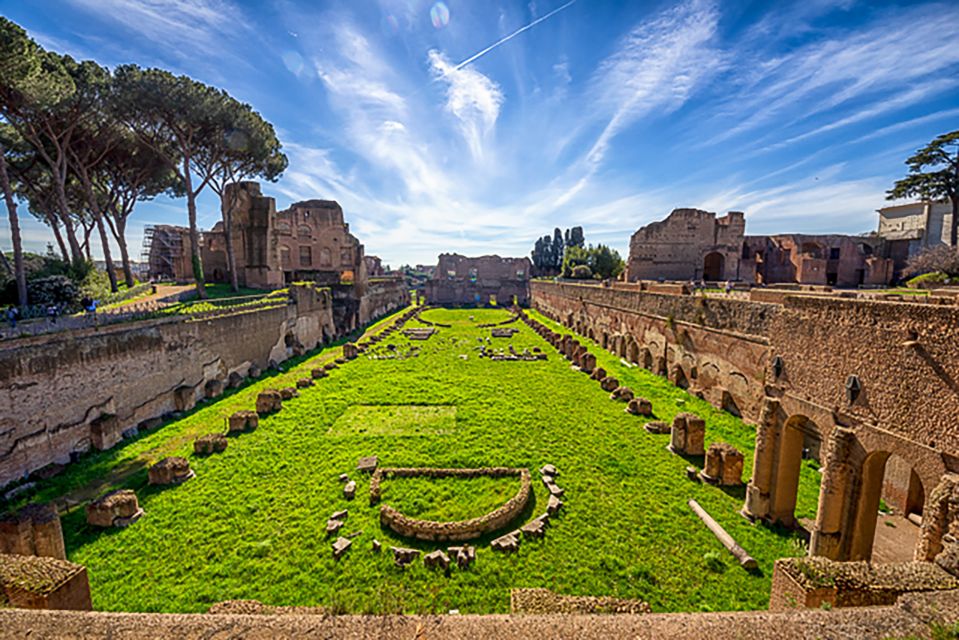
Palatine Hill is the final act, and it’s often the most satisfying for people who like the big-picture feeling. It’s the oldest of Rome’s seven hills, and it’s tied to the legendary origins of the city. But the real payoff is the way the ruins and views work together.
You’ll explore remains connected to imperial life—residences and sites associated with the elite—then you’ll get breathtaking panoramic views over the Roman Forum and the Colosseum, plus the modern city beyond. This is one of those moments where the tour stops being “three sites” and starts being a single story about where Romans placed power.
You’ll also have a chance to take photos without constantly fighting the crowd flow. The hilltop viewpoints help, and the guided pacing usually gives you a moment to look before moving on.





The Pace, the Headsets, and Your Best Spot in the Group
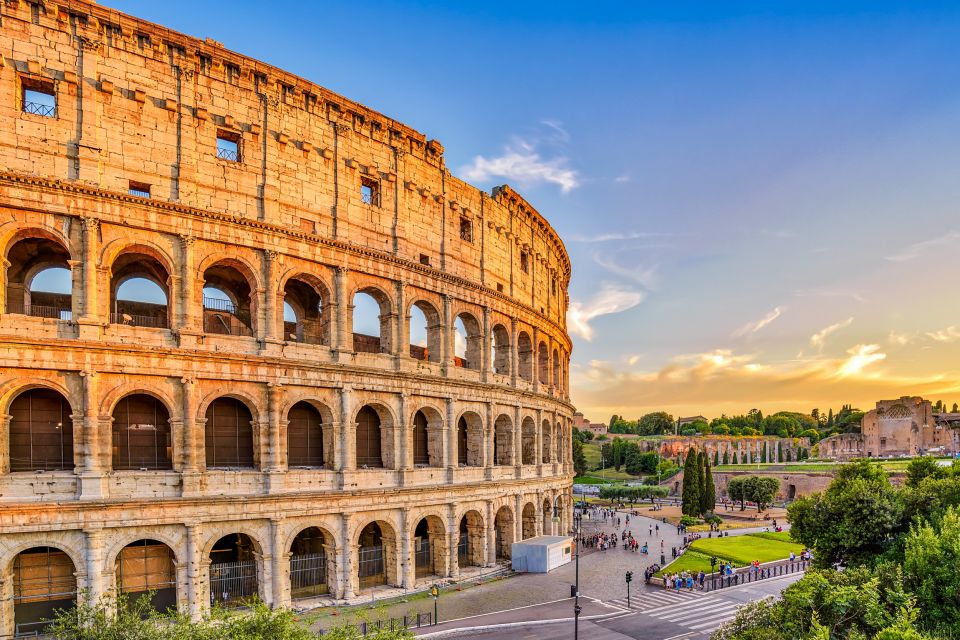
This is a group tour, typically lasting about 2.5 to 3 hours, and that duration matters. It’s long enough for real explanations, but short enough to avoid monument fatigue.
Headsets are included, which is a huge help on a site where wind, echoes, and crowd noise can wreck audio. Still, one review detail stands out: sound quality can be less reliable if you’re too far from the front. My advice is simple—if you want the best listening, hover closer to the guide rather than letting yourself drift to the back.
The guides also tend to keep things interactive. Multiple guides named in the booking feedback—Felicity (Fee), Alessandra, Fi, Angela, and Alexandra—are described as energetic and engaging, with the habit of checking for questions at the end of sections. If you ask something specific, you’re more likely to get a tailored answer instead of a generic lecture.
Price and Value: Why $55 Can Make Sense Here
At about $55 per person for the guided experience, you’re paying for three things: a live guide, headsets, and entry tickets to all three sites.
If you were to do it solo, you’d still face the same security process at the Colosseum and the same complexity of piecing together the Forum and Palatine Hill in a way that makes sense. The tour’s value is that it reduces guesswork and compresses decision-making. You’re walking the right route, at the right order (though it may vary), with a guide who explains what you’re looking at.
So is it worth it? For me, it’s a yes when:
- you want context fast (you don’t want to read every sign),
- you’re traveling with limited time,
- you care about understanding how Romans used these spaces.
It’s less ideal if you love slow, independent roaming and already know the history well enough to self-guide without needing narration. But if you’re like most people visiting Rome for the first time, the price is easier to justify.
Logistics You Should Know Before You Go (Without Stress)
A few practical notes can save you headaches:
- Meeting point varies depending on the starting option you choose. Plan to arrive with a little buffer time so you can find the group.
- Itinerary order can change. The tour might visit the Roman Forum and Palatine Hill before the Colosseum depending on the day’s flow.
- Time shifts happen. The tour may start about 20 minutes before or after the stated time, with notifications provided.
- Closures can occur. The Colosseum and surrounding areas can partially or fully close for security reasons or public events. If that happens, your actual route may adjust.
Also, keep in mind the venue rules: pets aren’t allowed, weapons/sharp objects are not allowed, and large bags or luggage are not allowed. Alcohol and drugs are off-limits, and sprays/aerosols and glass objects aren’t permitted either. Wear comfortable clothes—this is a walk-intensive route with uneven surfaces.
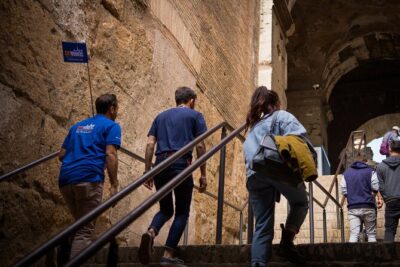
One more important fit note: the tour isn’t suitable for people with back problems, mobility impairments, wheelchair users, or people over 80. If you’re on the edge with stairs or uneven ground, it’s worth reconsidering.
Should You Book This Colosseum, Roman Forum & Palatine Hill Tour?
I’d book it if you want the fastest path to understanding three of Rome’s most important archaeological areas in one focused outing. The standout reason is the pairing of pre-booked entry with guided interpretation and headsets—so you spend your time looking and learning instead of figuring out what goes where.
I’d think twice only if you:
- specifically want arena access/underground passages (this standard option doesn’t include it),
- need maximum flexibility for mobility or pacing,
- can’t meet the nominative ticket name/ID matching requirement.
If you do book, here’s how to get the best experience: show up early enough to handle security calmly, keep your ID/passport ready, and try to stand closer to the front so the headset audio works best. And if you’re lucky enough to get a guide like Felicity (Fee) or Alessandra based on the schedules and group assignments, you’ll likely get that extra layer of energy and storytelling that turns ruins into a real sense of place.
FAQ
How long is the tour?
The guided tour runs about 2.5 to 3 hours.
What’s included in the price?
You get a live guide, headsets to hear clearly, and entry tickets to the Colosseum, the Roman Forum, and Palatine Hill.
Do I get Colosseum arena or underground access?
This option does not include entry to the Colosseum arena or the underground. Arena access is only available with an English tour option that includes those areas.
Where does the tour start and finish?
The meeting point can vary depending on the starting option you book. The tour finishes at the Roman Forum.
Do I need to bring ID for the Colosseum?
Yes. Since nominative tickets are required, all guests must bring an ID and the ticket names must match the IDs exactly.
What should I bring and wear?
Bring a passport or ID card and wear comfortable clothes.
Is there security screening at the Colosseum?
Yes. You must pass through a metal detector security check, and on busy days there may be some waiting time.
What if the tour time changes or sites close?
The tour might start up to around 20 minutes earlier or later, and closures can happen for security or public events. The itinerary order can also change.
What cancellation window is offered?
You can cancel up to 3 days in advance for a full refund.