REVIEW · ROME
Rome: Pizza Making Class Small Group Experience
Book on Viator →Operated by Insideat · Bookable on Viator
Dough meets Rome near the Vatican. I love the hands-on dough work and the fact you get your own fully equipped workstation, plus an included spritz and meal. One thing to consider: it is a short, structured session, so it is best if you want to cook, not just watch.
This is a small-group class run in English with a local chef, timed so you can fit it between sightseeing days. You’ll learn the traditional pizza-making steps from mixing and kneading through shaping, topping, and baking, then sit down to eat with a drink and no cleanup.
In This Review
- Key Highlights You Should Know
- Pizza Class Steps From the Vatican Museums: What Your Two Hours Look Like
- Arriving at Via Andrea Doria: Easy Timing Near Public Transit
- Spritz, Chips, and the Aperitivo Setup That Makes the Class Feel Local
- Chef-Led Pizza Technique: Dough, Kneading, Shaping, and Topping
- The chefs you might encounter
- Wood-Fired Baking and the Moment You Get to Eat
- Making It Work for Vegan, Vegetarian, and Gluten-Free Plans
- Price and Value: What $64.09 Actually Buys You
- Who This Class Fits Best (and Who Might Prefer Something Else)
- Who might not love it
- Practical Tips So Your Pizza Turns Out Well
- Should You Book This Rome Pizza-Making Class?
- FAQ
- How long is the Rome pizza-making class?
- What’s included in the price?
- Is the class offered in English?
- What group size should I expect?
- Can kids participate?
- Are vegan and gluten-free options available?
- Where do I meet the group?
- What is the cancellation policy?
Key Highlights You Should Know
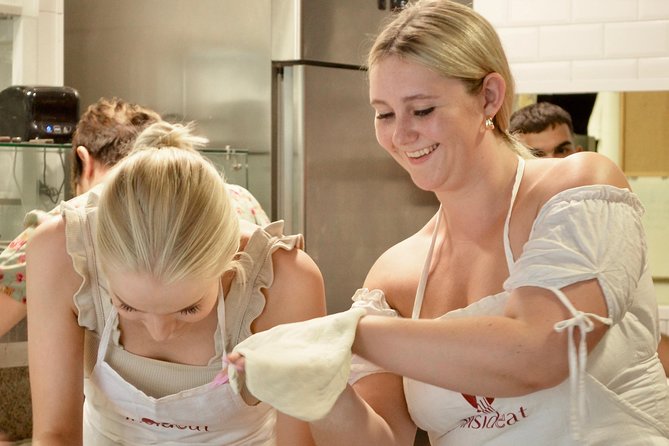
- Small-group size (max 14) means you actually get hands-on time.
- 1 hour of cooking within a ~2-hour total experience keeps it focused.
- Aperitivo start with spritz (or sparkling wine) plus homemade chips sets the tone.
- Your own workstation includes the tools and apron so you are not juggling equipment.
- Diet-friendly on request for vegan/vegetarian and gluten-free needs (tell them ahead).
- Take-home recipes with an exclusive cookbook for pizza you can repeat at home.
Pizza Class Steps From the Vatican Museums: What Your Two Hours Look Like
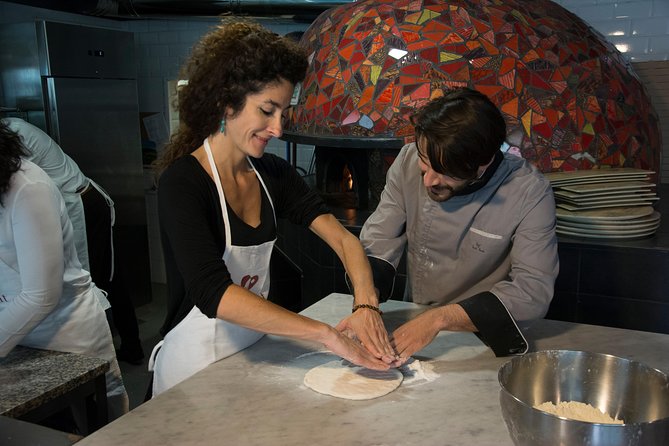
This is the kind of Rome activity that turns a food idea into a skill. Instead of wandering past another menu poster, you get to build pizza from scratch and watch it turn into something you can actually eat at the end of the lesson.
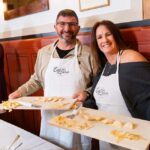
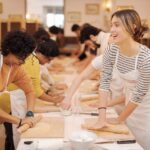
The experience runs about 2 hours total, with around 1 hour of hands-on cooking. The class stays intentionally compact, with a maximum of 14 people, and each person works at their own set-up. That matters because pizza is not a sit-and-smell exercise. Dough needs hands, timing, and gentle pressure, and a big group would turn it into a waiting game.
You also get a true food moment right at the start. The class opens with a classic Italian aperitivo: a spritz paired with homemade Romano cheese and pepper chips. It is not just a snack for the road. It helps you settle into the rhythm of the kitchen before flour hits the counter.
Finally, there is a simple payoff: you cook, you eat, and then you move on. After your pizza comes out of the oven, you relax in the restaurant or on the outdoor terrace with a included wine or soft drink, plus water. It is an easy way to end a sightseeing day without dragging dinner plans around Rome.
You can also read our reviews of more tours and experiences in Rome

Arriving at Via Andrea Doria: Easy Timing Near Public Transit
The meeting point is Via Andrea Doria, 41 M, 00192 Roma RM. The activity ends back at the same point, so you are not forced into an awkward transit gap after dinner.
It is described as near public transportation, which is helpful in a city where walking is often great but crossing busy areas can be slow. If you are planning a Vatican-area day, this fits neatly after museums or before an evening wander.
One practical note: the restaurant is air-conditioned, so you are not stuck cooking in the kind of heat that turns dough-handling into a stress test. That sounds minor until you’ve tried to do hands-on cooking in summer.
Also, confirmation is provided at booking time, and you can use a mobile ticket. Service animals are allowed, and children must be accompanied by an adult. In other words, it is set up to be straightforward for families and solo travelers who want an active, guided activity.
Spritz, Chips, and the Aperitivo Setup That Makes the Class Feel Local
Most cooking classes in tourist zones start with rules and proceed to flour. This one starts with an aperitivo, which is a small but meaningful difference.
You begin with:
- a spritz cocktail or sparkling wine
- homemade chips made with Romano cheese and pepper
- and water with the meal later
Why this matters: the aperitivo isn’t filler. It gives you a taste of how Italian meals are paced—something crisp and drinkable before the main cooking work. It also acts like a soft start for the instructor, so the group settles in while you snack.
From there, the chef guides you through the pizza process at a pace that makes sense for mixed skill levels. The class is designed for all ages and experience levels, and they also accommodate different diets if you let them know in advance.
In short, you get the feel of a Roman food evening without having to hunt down a restaurant, and without guessing what to order. You just follow the flow.
Chef-Led Pizza Technique: Dough, Kneading, Shaping, and Topping
Here is where this class earns its high marks: it focuses on the actual craft, not just assembling toppings.
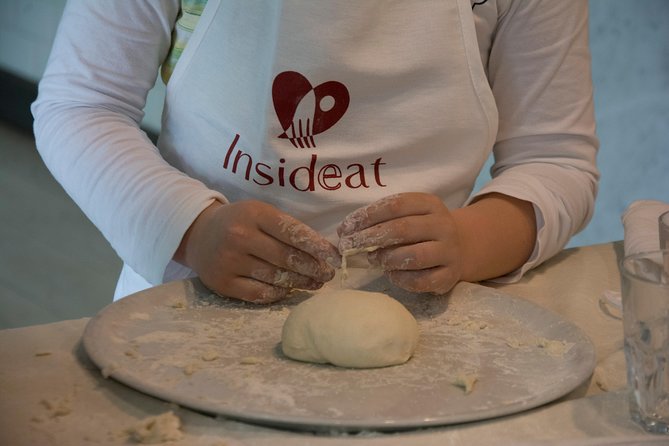
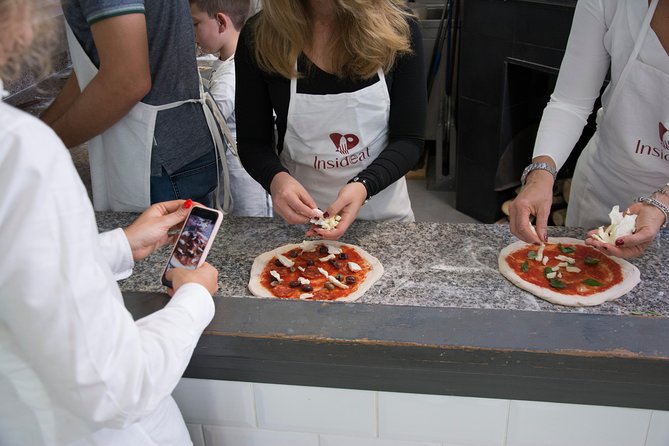
A local chef teaches traditional pizza-making techniques, moving step by step through:
- mixing the dough
- kneading it
- shaping it
- topping it with fresh, seasonal ingredients
You’ll work at your own station, so you are not grabbing someone else’s dough while trying to remember what the chef said. And because the class is small, the instructor can correct your hand position or show you how to manage the dough’s texture as you go.
You also learn why each step matters. Some classes are “do this, then that.” This one leans into the logic behind the process, including the science behind what happens as dough develops. That is especially useful if you plan to make pizza at home later and do not want to rely on guesswork.
The chefs you might encounter
This experience has run with different instructors over time. In past sessions, people have mentioned chefs like Chef Carlo and Chef Davide, plus an instructor named Mara. Whoever is leading your group, the common thread is the same: a teaching style that keeps you active and explains what you are doing and why.




Wood-Fired Baking and the Moment You Get to Eat
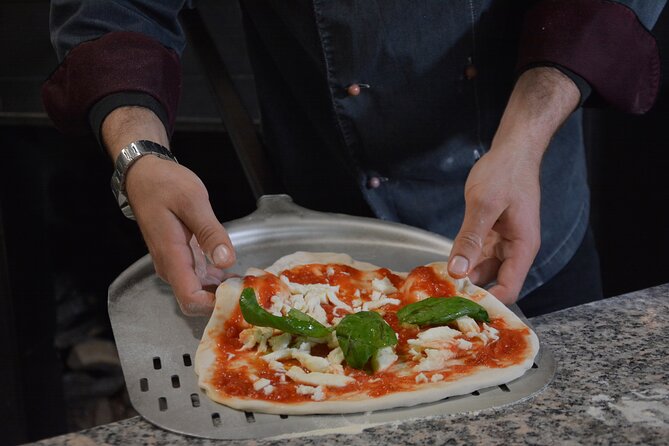
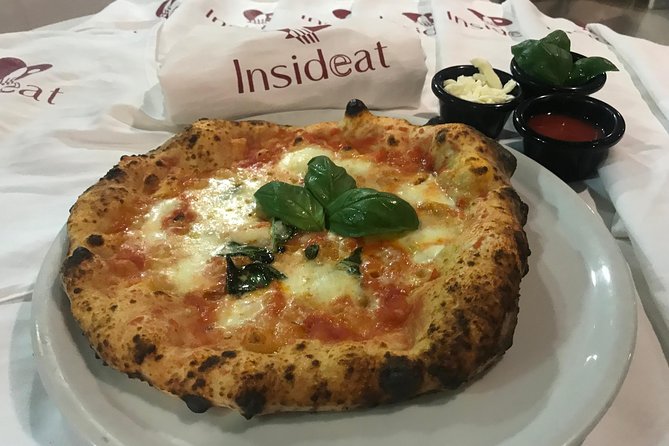
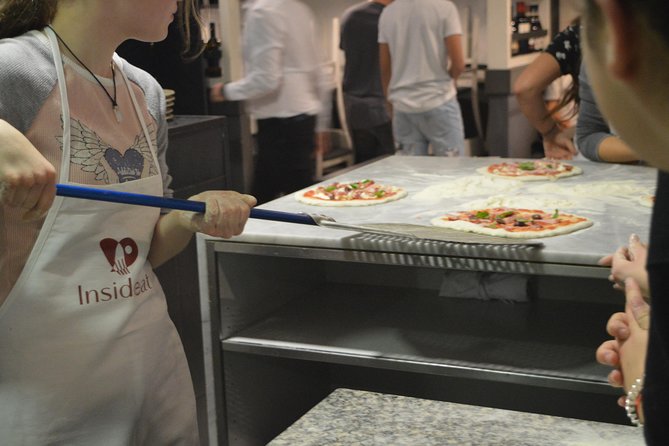
After you shape and top your pizza, it goes to the oven. Reviews specifically mention a wood-fired oven, which is exactly the kind of setting that helps you understand what “good pizza” really means—heat, speed, and that quick transformation from dough to crust.
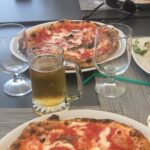
Once your pizza is baked, you sit down to eat with a included drink:
- wine, beer, or soft drink
- plus water
You can eat either in the cozy restaurant or on the outdoor terrace. That no-cleanup part is not a throwaway detail. After kneading and topping, you want the reward without washing dishes or packing leftovers before your next activity.
And you are not just eating a random plate. You are eating what you made, which makes a huge difference in satisfaction. The pizza tends to feel more personal, even if you are not a confident cook yet.
If you are thinking about value, this is a key reason the price works. You are paying for the lesson, the ingredients, and a full meal experience, not just the cooking instruction.
Making It Work for Vegan, Vegetarian, and Gluten-Free Plans
Diet accommodations can be a gamble in Europe—sometimes “gluten-free” means a sad substitution and a shrug. Here, they say they can accommodate vegan, vegetarian, and gluten-free guests with advance notice.
They also state the class is suitable for:
- vegetarians
- pescatarians
- lactose-intolerant guests
Gluten-free options are available on request, but they ask you to inform them in advance. That is important. If you show up without the notice, you risk missing the intended menu setup.
If you are traveling with a group, this is a big win. When multiple diets can be handled properly in one class, it saves you from splitting the group or finding separate meals in a time crunch.
Still, do keep one expectation realistic: since the class includes hands-on prep and baking, the instructor may need a bit of time to adjust ingredients and station flow for special diets. It is worth communicating clearly when you book so the kitchen can plan ahead.
Price and Value: What $64.09 Actually Buys You
At $64.09 per person for about 2 hours, this is not the cheapest thing you can do in Rome. But it also is not a bare-bones activity.
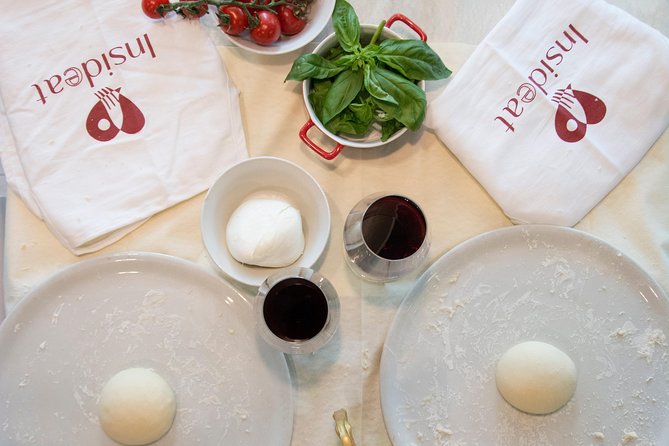
You are getting:
- the cooking lesson with an Italian chef
- use of apron and cooking utensils
- ingredients to make and cook your pizza
- an included meal with your pizza
- chips at the start (Romano cheese and pepper)
- drinks: spritz or sparkling wine at the beginning, plus wine/beer/soft drink and water with the meal
- and an exclusive cookbook with recipes to make it at home
That combination is the value story. Cooking classes that cost a similar amount but skip key parts—like drinks, meal, or hands-on structure—tend to feel like you paid for time rather than food. This one builds in both a skill and a satisfying meal.
Also, the small-group cap of 14 travelers is part of the pricing justification. It is the kind of group size that supports real guidance at the station.
So if you are the type who likes eating well and learning something useful, this price tends to feel fair. If you just want a quick bite and photos, you might feel you could spend less elsewhere.
Who This Class Fits Best (and Who Might Prefer Something Else)
This pizza-making class is a great fit if you:
- want a hands-on experience near the Vatican Museums
- like learning cooking technique, not just tasting food
- travel with kids who can follow a guided activity
- want a relaxed meal afterward without planning reservations
- care about dietary options and want them handled with notice
It is also a nice choice for solo travelers. A lot of the warmth comes from doing the same task together and sharing the final table moment.
Who might not love it
If you hate kitchen mess, loud cooking energy, or time-boxed activities, you may find the hands-on format tiring. This is built around working dough and baking, so it is not a casual stroll. You should be ready to roll up your sleeves.
Practical Tips So Your Pizza Turns Out Well
You do not need to be a trained cook to have a good time. But a few practical things can help you enjoy the process more:
- Wear comfortable clothes you do not mind getting flour dust on.
- Listen early and watch the chef’s first demonstration closely. Dough changes fast, and the first steps set the texture.
- Move at the station’s pace, not the person next to you. Each dough can behave a little differently.
- Ask about your diet up front when booking, especially for gluten-free needs.
- Plan this after a museum block or a long walk day. It is one of the easiest ways to convert “we saw a lot” into a satisfying meal.
And if you like bringing skills home, pay attention during the teachable moments about dough handling. That is what helps you make something similar later, even if your kitchen is not a wood-fired oven.
Should You Book This Rome Pizza-Making Class?
I think you should book it if you want a fun, structured activity that ends in a real meal you made yourself. The combination of small-group instruction, a hands-on pizza session, and included drinks and lunch gives you strong value for the time you spend.
You should also feel good about it if you want something near the Vatican area that does not require extra planning. The meeting point is clear, it ends where you start, and the restaurant is air-conditioned.
Skip it only if you are looking for a purely sightseeing-based experience or you do not want to cook at all. This class is for people who like participating.
If that sounds like you, this is one of the most straightforward ways to get a genuinely memorable food skill in Rome.
FAQ
How long is the Rome pizza-making class?
It runs for about 2 hours (approx.), with around 1 hour of hands-on pizza cooking.
What’s included in the price?
You get the class with an Italian chef, use of an apron and cooking utensils, ingredients to make and eat your pizza, chips, drinks (spritz or sparkling wine to start, plus wine/beer/soft drink and water), and an exclusive cookbook.
Is the class offered in English?
Yes, it is offered in English.
What group size should I expect?
The class is a small-group experience with a maximum of 14 travelers.
Can kids participate?
Yes. The class is suitable for all ages, but children must be accompanied by an adult.
Are vegan and gluten-free options available?
Vegan, vegetarian, and gluten-free options are available if you let them know in advance.
Where do I meet the group?
You meet at Via Andrea Doria, 41 M, 00192 Roma RM, Italy. The activity ends back at the meeting point.
What is the cancellation policy?
You can cancel for a full refund up to 24 hours before the start time. If you cancel less than 24 hours before, the amount paid is not refunded.