REVIEW · ROME
Rome: Pasta Making Class with Wine, Limoncello, and Dessert
Book on GetYourGuide →Operated by Experience in Florence · Bookable on GetYourGuide
Fresh pasta in Rome is fun. This 3-hour class turns you from eater to maker, inside Palazzo Grazioli near the Pantheon. I love the hands-on pasta skills (eggs, flour, rolling, shaping), and I also love that the meal comes with organic Tuscan wine, limoncello, and dessert. The main drawback to plan around: it is not a fit for everyone, especially if you need gluten-free or lactose-free options, and it is not wheelchair-friendly.
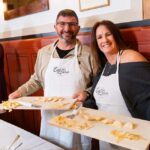
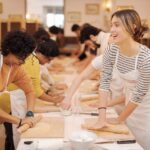
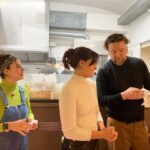
What makes this experience especially appealing is the setting and the pace. You start with an intro, then you work at your own station to make pasta dough and shape three types. You finish at a communal table, tasting what you made, while the instructors keep the energy friendly and practical.
Before you go, keep expectations realistic: you’ll be standing and working with your hands for most of the session. If mobility is an issue, or if you need strict diets like vegan, gluten intolerance, or lactose intolerance, you should know the limits up front.
In This Review
- Key things I’d book this for
- Palazzo Grazioli pasta class: location you can walk into
- The 3 pastas you make: ravioli, tortelli, and fettuccine
- Dough, eggs, and flour (the foundation)
- Ravioli and tortelli (the filled pastas)
- Fettuccine (the classic strip)
- You cook together, but you make your own
- Sauces that teach you why Italian food tastes so good
- The slow-simmer tomato sauce
- Butter and sage right before you need it
- What I’d tell you to notice
- Wine, limoncello, and dessert in Palazzo Grazioli
- Instruction quality: how you learn fast without stress
- English instruction, hands-on coaching
- Value check: $48 for a full dinner experience (not just a snack)
- What to wear, and what to watch for before you arrive
- Who should book this Rome pasta class?
- Should you book it?
Key things I’d book this for
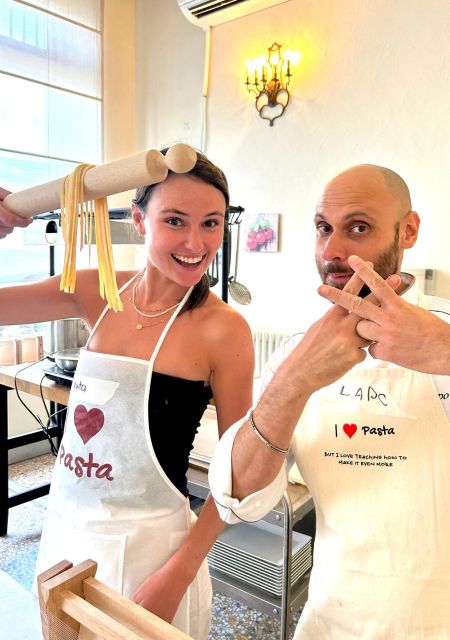
- Small group (up to 10): you actually get hands-on help while learning the steps
- Three distinct pastas: ravioli, tortelli, and fettuccine, not just one style
- Real sauces, real timing: tomato sauce that simmers ahead, plus fresh butter-and-sage for the filled pastas
- Organic farm wine plus limoncello: Dalle Nostre Mani wine with a traditional finish
- Take-home recipes in English: so your second attempt at home has guardrails
Palazzo Grazioli pasta class: location you can walk into
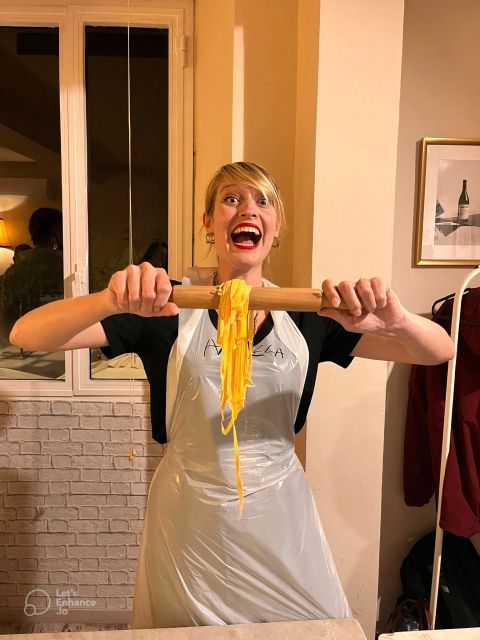
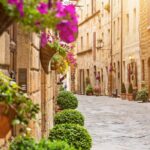
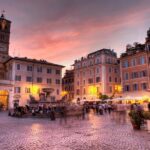
This class has a strong “Rome convenience” advantage. The cooking school is in Palazzo Grazioli, a historic palazzo setting that feels made for slow food and long tables. You’ll meet at Via della Gatta 14, 00186 Roma, and ring the bell for Pastamania. It’s a few minutes on foot from big landmarks like the Pantheon and Piazza Venezia, which means you can slot this between sightseeing days without turning it into a whole logistics project.
One small detail I like: the entrance is on Via della Gatta, with a well-known marble cat statue on the street that gives the area its character. It’s the kind of street-level detail that makes the neighborhood feel like Rome, not just a backdrop.
The experience is also clearly designed for conversation. Since everyone makes pasta and then sits together to eat, you get built-in social time that isn’t awkward. It’s the sort of activity where you can talk with people from other countries while you’re holding flour-covered hands and laughing at your first attempt at a clean edge.
You can also read our reviews of more cooking classes in Rome
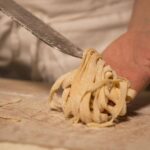

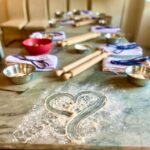
The 3 pastas you make: ravioli, tortelli, and fettuccine
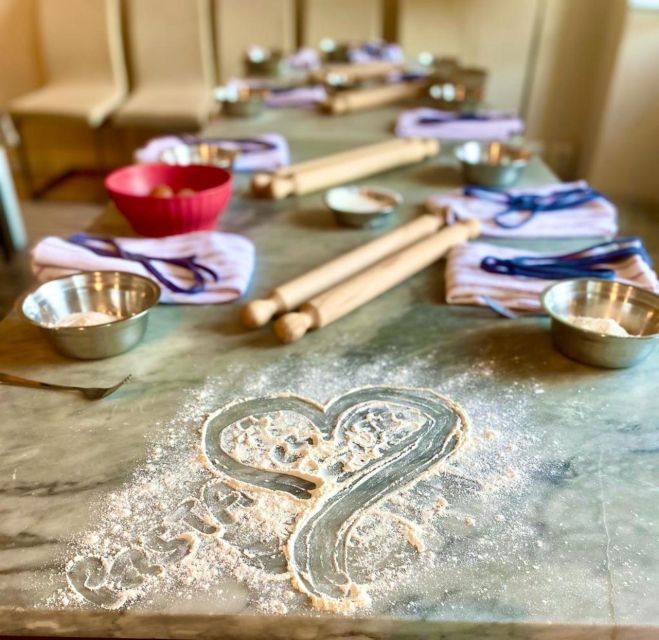
The core of the class is straightforward: you make three fresh pasta types with a professional instructor in English, and you do it at your own pace under guidance.
Here’s the practical breakdown of what you’ll be learning:
Dough, eggs, and flour (the foundation)
You’ll start with the dough. The lesson is hands-on: you knead, roll, and shape. This part matters more than many cooking classes because pasta success often comes down to feel. You’ll learn how to work the dough until it behaves like dough, not like a sad sticky experiment.
Ravioli and tortelli (the filled pastas)
You’ll make ravioli and tortelli, both of which are filled pasta styles. That means you’re not only learning how to roll thin sheets, but also how to form and assemble filled shapes. The instructor watches closely here, which helps a lot if you’ve never done anything like this.
Also note the timing of the cooking sauce. Instead of everything being prepared far in advance, the butter-and-sage sauce for the ravioli and tortelli is prepared right before serving. That means you get that fresh, fragrant aroma that turns “homemade” into “wow, this tastes like a chef did it.”
Fettuccine (the classic strip)
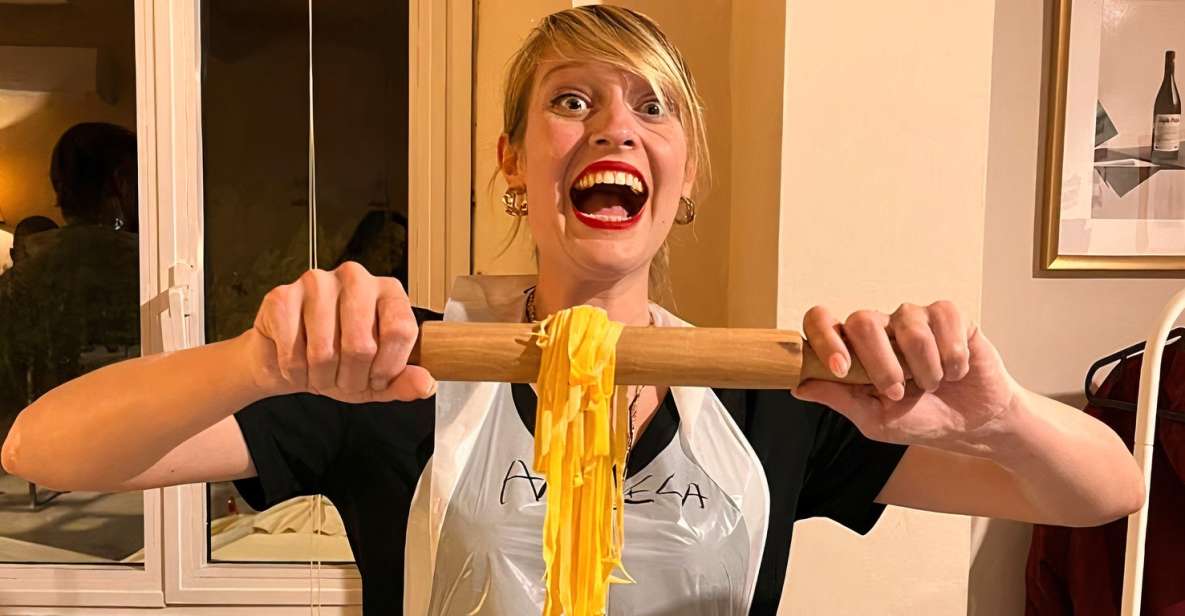
Fettuccine is your simpler win after the filled pastas. You’ll roll and cut into pasta strips, then you get to see how a different pasta format changes the whole eating experience. It’s also a nice reset step: less assembling, more focus on getting the thickness and cutting right.
You can also read our reviews of more wine tours in Rome
You cook together, but you make your own
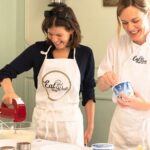
Even though you’re cooking as a group, each participant prepares their own pasta. Then everything gets cooked together in the same pot so you can share the meal family-style. That format is key for first-timers: you don’t feel alone with your mistakes, but you also don’t get a shortcut. You leave knowing how your pasta was made.
Sauces that teach you why Italian food tastes so good
A lot of pasta classes end up being mostly about shaping. This one also teaches sauce logic, and that’s where the flavor really locks in.
The slow-simmer tomato sauce
Your class includes a signature tomato sauce that has been simmering for hours ahead of time. You’re not expected to cook that sauce from scratch in the 3-hour session, but watching it and learning how it’s used helps you understand why tomato pasta tastes better when it has time to turn sweet and integrated.
Butter and sage right before you need it
For the ravioli and tortelli, the instructor prepares the butter and sage sauce right before serving. That’s a big deal, because sage doesn’t just taste like sage when it’s fresh and properly warmed. It becomes aromatic and rounded, and you can smell it immediately.
This is one reason the class tends to be so satisfying at the table: you’re not eating “practice pasta.” You’re eating pasta finished with a sauce approach that matches the pasta type.
What I’d tell you to notice
As you’re eating, pay attention to texture and timing. Fresh pasta cooks differently than dried pasta, and the sauce doesn’t feel like an afterthought. It clings, coats, and finishes the dish. That’s what you want to take home.
Wine, limoncello, and dessert in Palazzo Grazioli
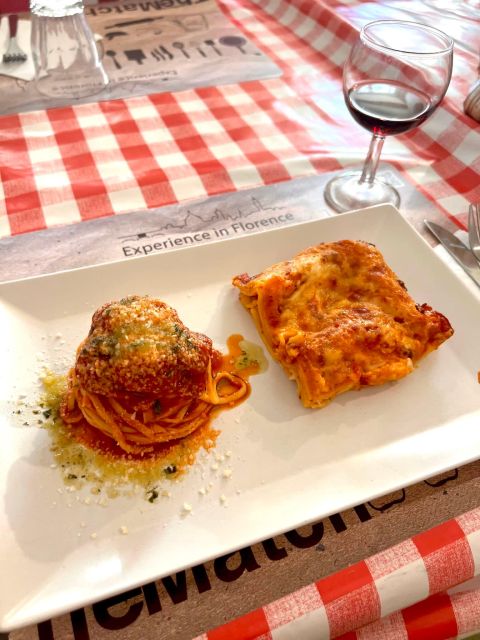
This class isn’t just work at a counter. It’s a meal.
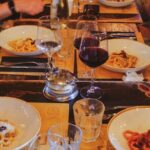
After you’ve made and cooked everything, you sit down together at a large communal table. During the meal, you sip a glass of Dalle Nostre Mani Tuscan wine, produced organically. The tone is relaxed and social, and the setting makes it feel less like a demo and more like dinner in someone’s home.
Then comes the classic finish: a shot of limoncello and dessert. Limoncello is a fun end to pasta because it cuts through richness and clears your palate for sweets.
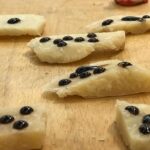
A real bonus here is that the dessert isn’t treated like an add-on. One person even mentioned enjoying something like chocolate salami as part of the sweet course, which tells you they’re paying attention to what they serve, not just meeting a minimum.
One practical note: alcohol is included as part of the experience, but wine is served only to participants of legal drinking age. If you don’t drink alcohol, you should still be able to enjoy the meal portion since the class is built around food and pasta-making first.
Instruction quality: how you learn fast without stress
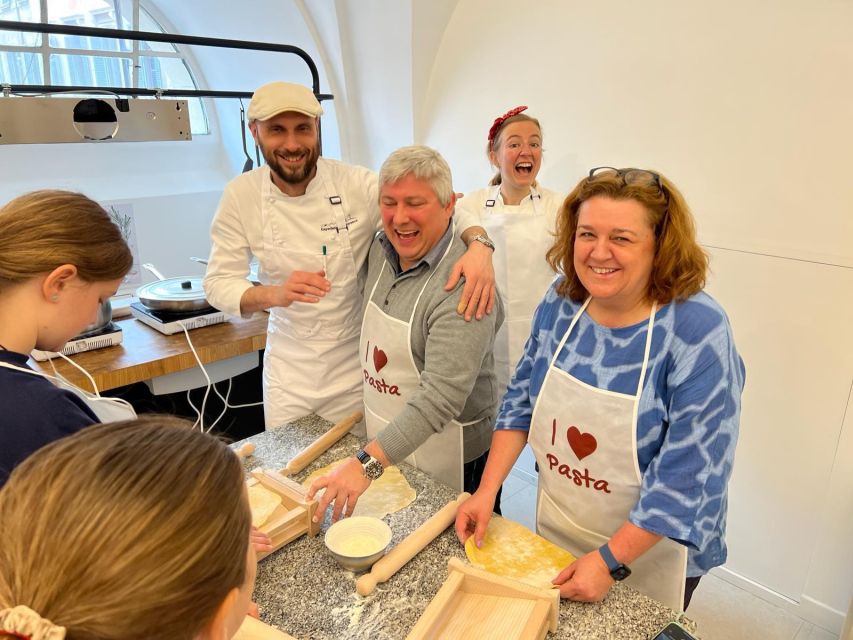
The quality of the teaching is one of the biggest reasons this experience gets such strong feedback. Instructors like Fabrizio and Noemi, Olga, Giorgio, Christian, Marco, Martina, Roberto, and others are repeatedly mentioned as warm, patient, and focused on helping people move step by step.
What stands out is not just that they explain what to do. They also give you feedback while you’re working. That means you’re not just following directions, you’re getting corrections when your dough or shaping needs a nudge. People also seem to appreciate the humor and the relaxed vibe. You can be a complete beginner and still feel like you’re part of the process.
English instruction, hands-on coaching
You don’t need Italian cooking experience. The class is taught in English, and the group size is limited to 10 participants, which helps teachers keep an eye on everyone. If you like active learning, this hits the sweet spot.
Value check: $48 for a full dinner experience (not just a snack)
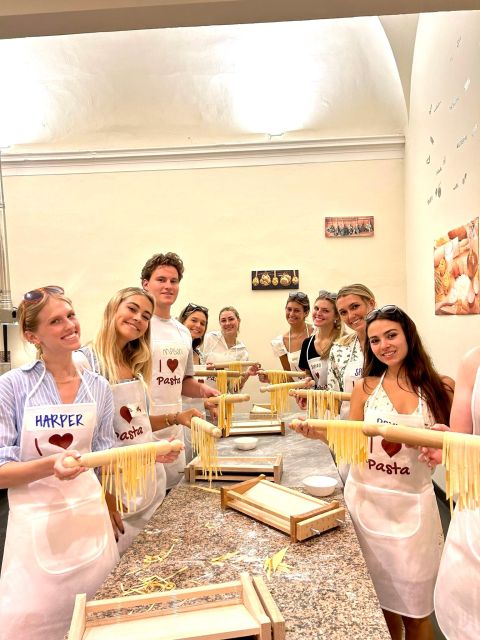
At $48 per person for a 3-hour experience, you’re paying for more than “a cooking demo.” You’re paying for three things that are usually separate purchases in Rome:
- Instruction + equipment time to make fresh pasta dough and shape multiple types
- A proper sit-down meal that uses the pasta you made
- Included drinks and dessert, including an organic Tuscan wine and limoncello
The take-home English recipe booklet is another value factor. It’s not just a souvenir. It helps you recreate what you did, which is where the learning becomes useful beyond the day itself. If you’ve ever cooked at home and thought, I wish I knew what I did wrong, this booklet is your safety net.
Is it the cheapest thing on your Rome list? No. But it’s also not trying to compete with mass-market tourist activities. For the price, you’re getting a hands-on food skill plus a meal built around it. That combo is what makes it feel worth it.
What to wear, and what to watch for before you arrive
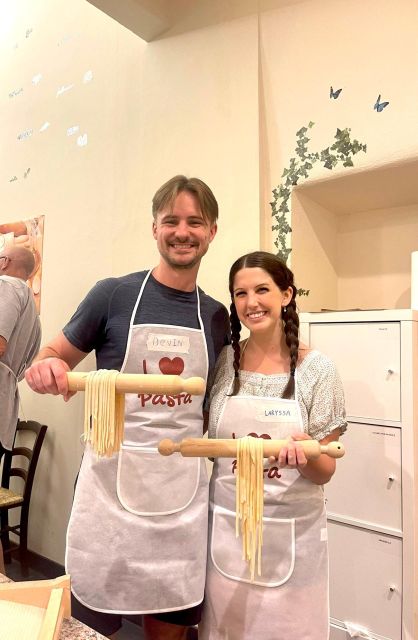
This class is physical in a simple way. You’ll be rolling dough, shaping pasta, and spending time standing. Wear comfortable clothing you don’t mind getting flour on. Plan to bring your appetite too.
A few other “know before you go” points to keep your day smooth:
- Age: participants must be at least 8 years old
- Dietary limits: vegetarian options and other diets may be supported if you tell the provider in advance, but they cannot accommodate vegan, gluten-sensitivity, or lactose intolerance
- Nut allergy: people with nut allergies are not suitable for this experience
- No smoking: smoking is not allowed
- Mobility: it’s not suitable for people with mobility impairments or wheelchair users
If you have dietary needs, message early. Don’t wait until the day of the class, because the limitation list is specific.
Who should book this Rome pasta class?
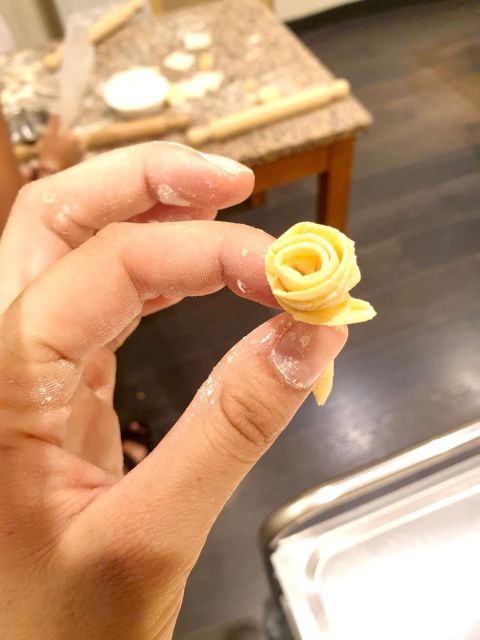
This is a great fit if you want something different from museum days. It also works well for groups because the learning is structured and the table is communal.
You’ll especially like it if you:
- want an activity that feels like Rome (food first, not sightseeing checklists)
- enjoy cooking with guidance rather than doing everything alone
- like meeting people while sharing a meal
It may not be your best choice if you:
- need vegan, gluten-free (for gluten intolerance), or lactose-free options
- need wheelchair access or have mobility limits that make standing and working difficult
- want a passive activity where you only watch
Should you book it?
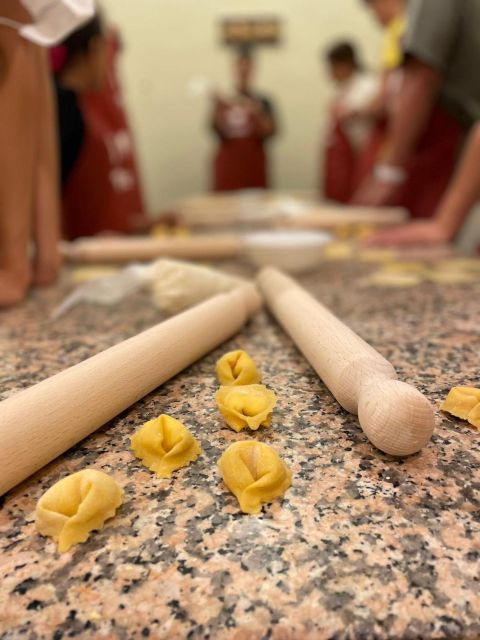
If you want a Rome experience that’s hands-on, social, and genuinely tasty, I think you should book this pasta class. It hits a rare balance: you get real instruction, you eat what you make, and the meal includes wine, limoncello, and dessert.
I’d hesitate only if your diet has strict exclusions (vegan, gluten-sensitivity, lactose intolerance) or if mobility is a concern. In those cases, you’ll likely end up disappointed.
If your schedule is flexible, it’s also smart to book with a plan you can adjust. There’s free cancellation up to 24 hours in advance for a full refund, and reserve now & pay later is available, so you don’t have to lock everything in too early.
Ready to bring home pasta skills you can actually use? This is one of the better bets in central Rome.