REVIEW · ROME
Rome: 3-in-1 Fettuccine, Ravioli, and Tiramisu Cooking Class
Book on GetYourGuide →Operated by Eat and Walk Italy · Bookable on GetYourGuide
Handmade pasta in Rome feels like a superpower. I love the hands-on pasta work (dough, shaping, and the little technical tricks), and you get a proper finish with wine and limoncello. One thing to plan for: the three hours are busy, so if you cook slowly, you might feel a little rushed.
This class happens in a cozy, central restaurant in Rome, with English instruction and wheelchair access. You’ll start at Restaurant Gusto in Via Giuseppe Zanardelli 14, make tiramisù first, then tackle two pasta styles from scratch, and finally sit down to eat what you made.
In This Review
- Key highlights worth your time
- Why This 3-Hour Rome Class Works So Well
- Starting With Tiramisu: The Sweet Warm-Up
- Fettuccine From Scratch: Dough, Shape, and the Sauce Choice
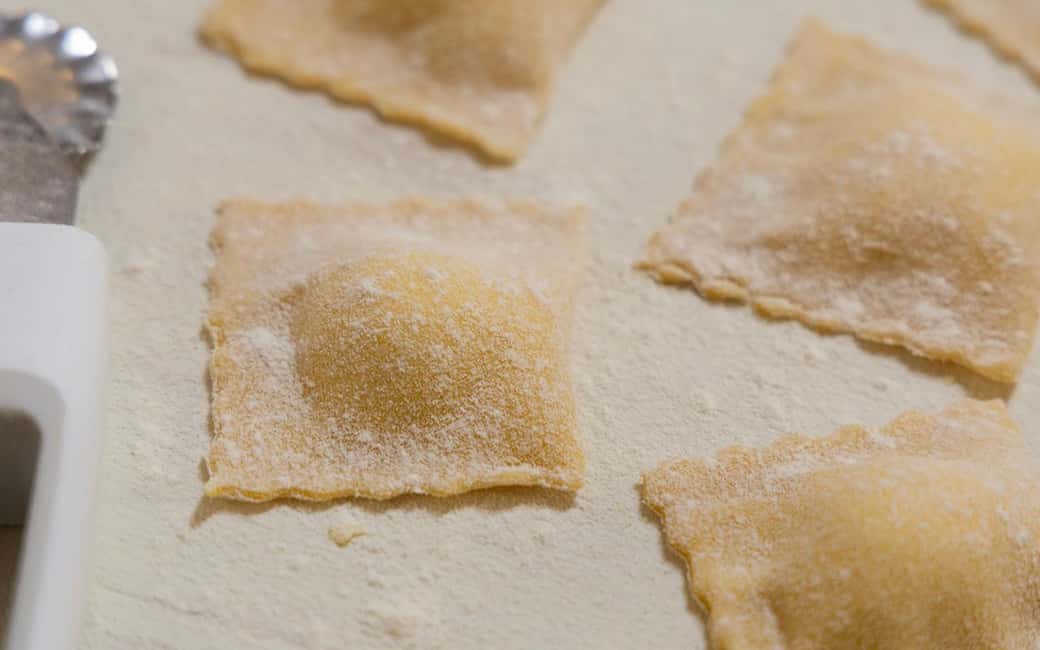
- Ravioli With Butter and Sage: Filling Logic and Sealing Skills
- What You Actually Eat: Wine, Limoncello, and a Finished Meal
- The Chef Factor: How English Instruction Stays Hands-On
- Price and Value: Is $81 a Fair Deal?
- Who This Workshop Is For (and Who Should Rethink It)
- Should You Book This Rome Pasta and Tiramisu Workshop?
- FAQ
- What dishes will I learn to make?
- How long is the cooking class in Rome?
- Where is the meeting point?
- Is the class taught in English?
- What drinks are included?
- Is it suitable for kids?
- Is cancellation possible for a full refund?
Key highlights worth your time
- Tiramisu starts first so you begin with a win before the pasta gets hands-on
- Three recipes, one session: fettuccine, ravioli, and tiramisù
- Sauce choices for fettuccine including cacio e pepe and amatriciana
- Finish with a real tasting: your homemade meal plus wine and limoncello/coffee
- Chefs keep the room moving with patient help (instructor names seen include Carlotta, Lori, Mattia, Mimi, Leo, and Tommy)
Why This 3-Hour Rome Class Works So Well
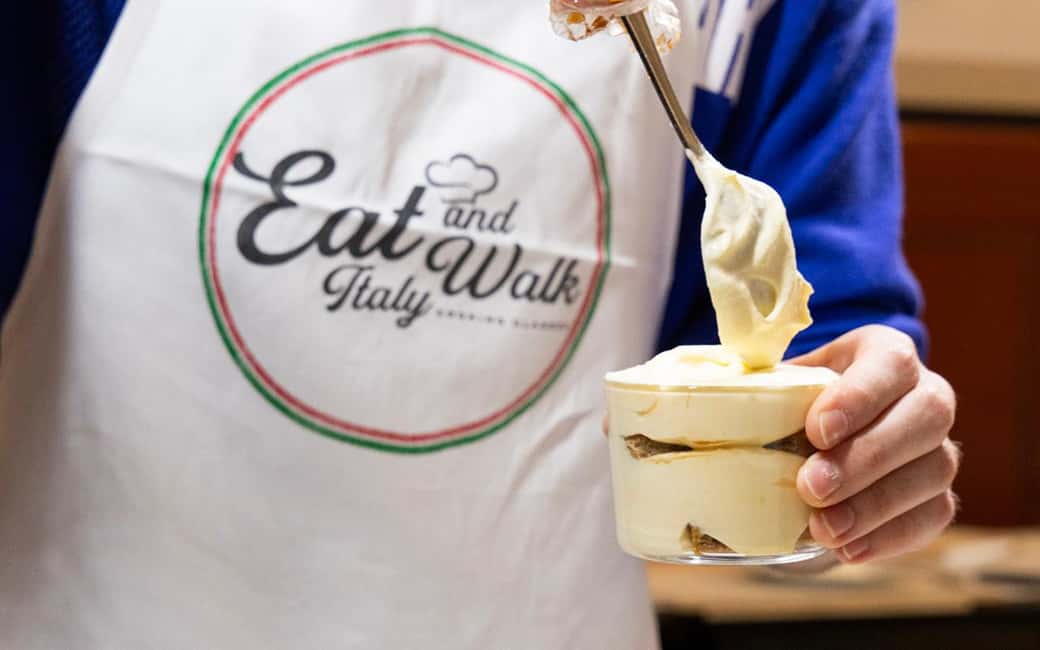
Rome has a way of making food feel like theater. This class does the opposite. It turns the spotlight back onto your hands and your timing, right in the city center at Restaurant Gusto (Via Giuseppe Zanardelli 14).
The schedule matters: three hours is long enough to actually learn the steps, but short enough that it won’t wreck your sightseeing day. You’ll get a clear sequence too: tiramisù first, then pasta dough and two shapes (ravioli and fettuccine), then the meal. That flow keeps you from bouncing between tasks and helps you understand why pasta dough behaves the way it does.
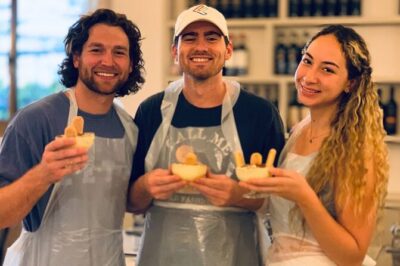
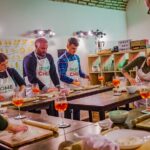
Group energy is part of the experience. Classes often run with a manageable group size, and the instructors mentioned here are repeatedly praised for keeping everyone involved while still giving extra attention when someone needs it. If you’re coming with a partner, it’s also a nice date-format activity: you cook together, then eat together, and you don’t leave hungry or empty-handed.
You can also read our reviews of more cooking classes in Rome

Starting With Tiramisu: The Sweet Warm-Up
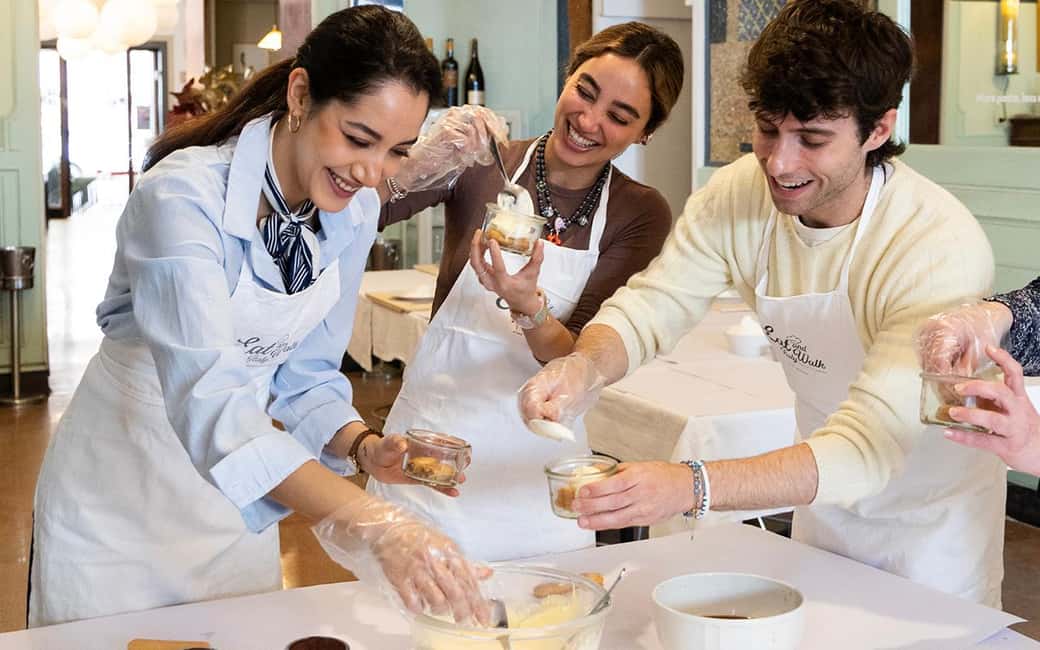
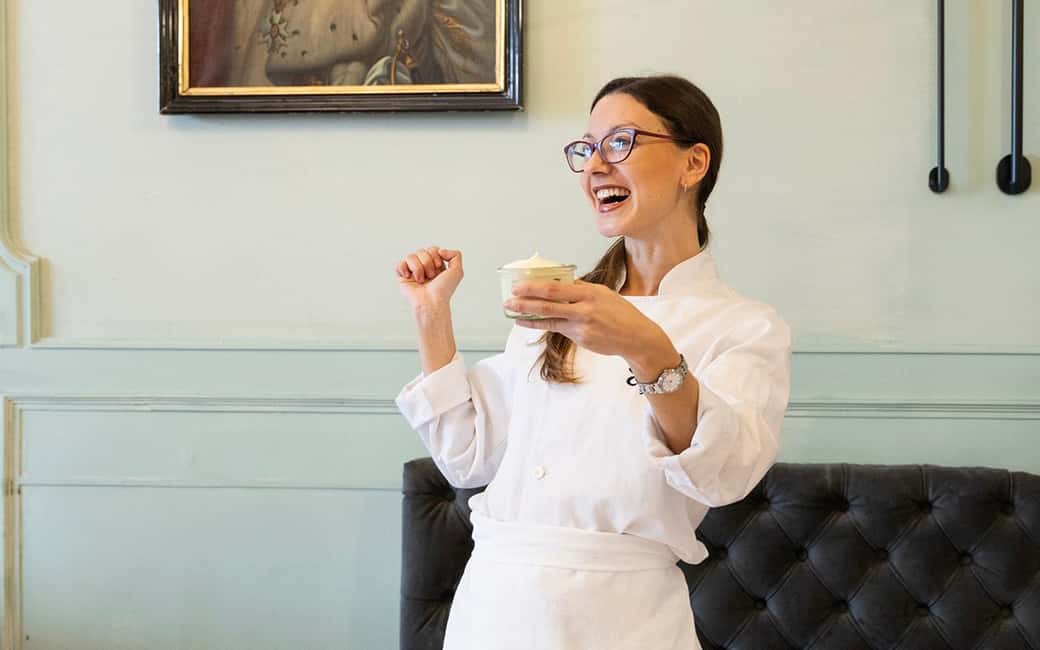
You start the workshop by learning how to prepare tiramisù. This is a smart order. Dessert gives you an early confidence boost, and it also makes the whole session feel like a complete meal, not just a pasta lesson with a sweet bonus.
Even if you think you already know tiramisù, you’ll still learn the method behind the classic result. The class setup is hands-on, and the goal is that you can reproduce what you did back home. You’ll also get to taste your creations at the end, so you’re not just watching dessert theory and then moving on.
One practical tip: watch the instructor’s pacing and take notes on the small steps that affect texture. Tiramisu-style desserts are where small differences show up fast, especially with assembly timing and consistency.
Fettuccine From Scratch: Dough, Shape, and the Sauce Choice
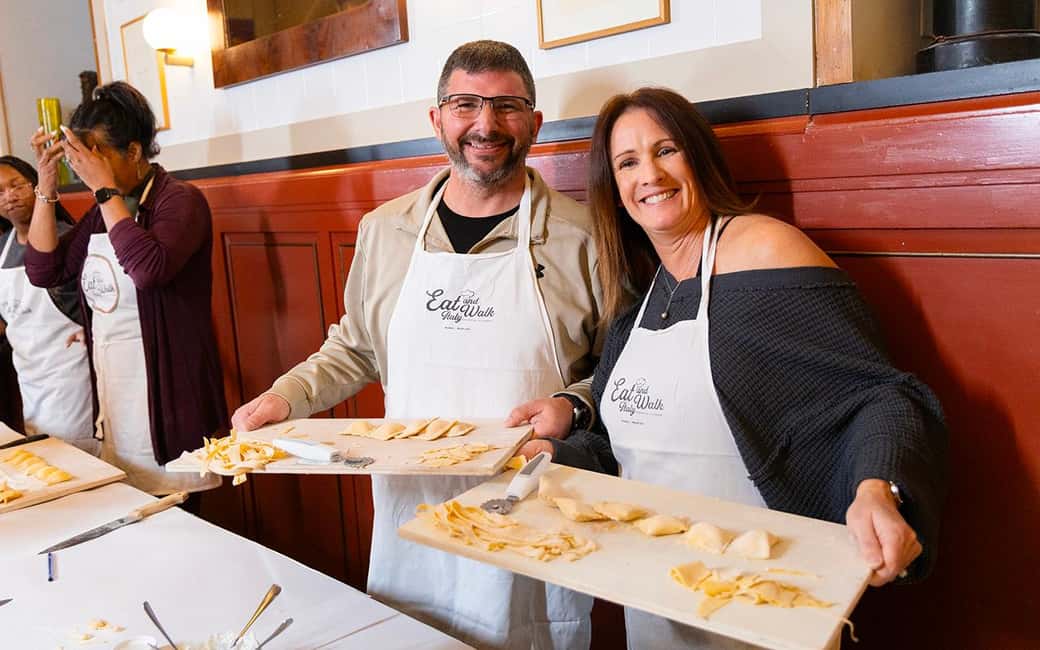
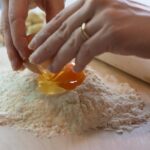
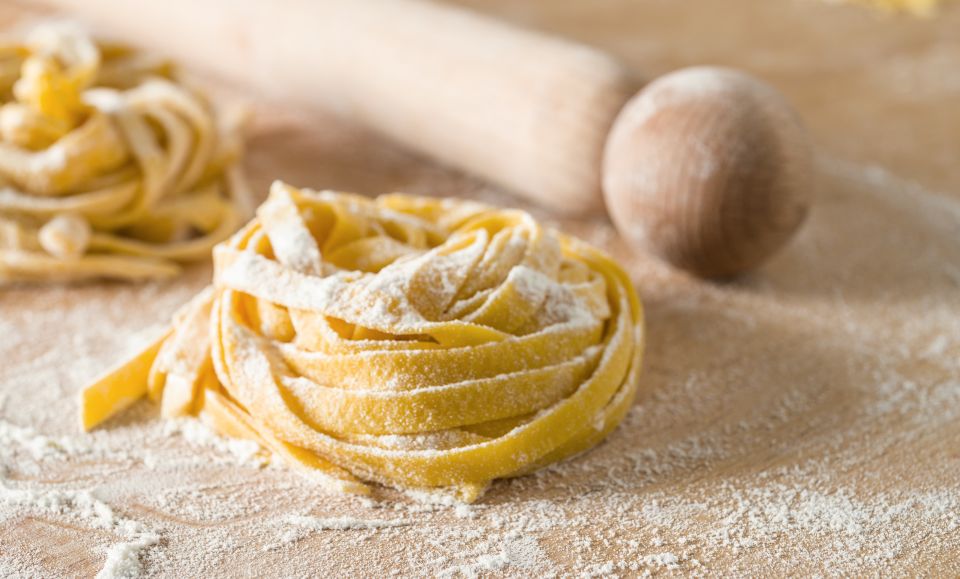
After tiramisù, you shift to pasta dough and fettuccine. This is where the class becomes truly “Rome.” Fettuccine is comfort food with a serious backbone: a dough that you handle correctly will taste right even with simple sauce.
You’ll make the dough from scratch, then work toward fettuccine. The instructor also covers what fillings pair best with the season, which is useful because it gives you a rule for thinking like an Italian cook, not just following a single recipe.
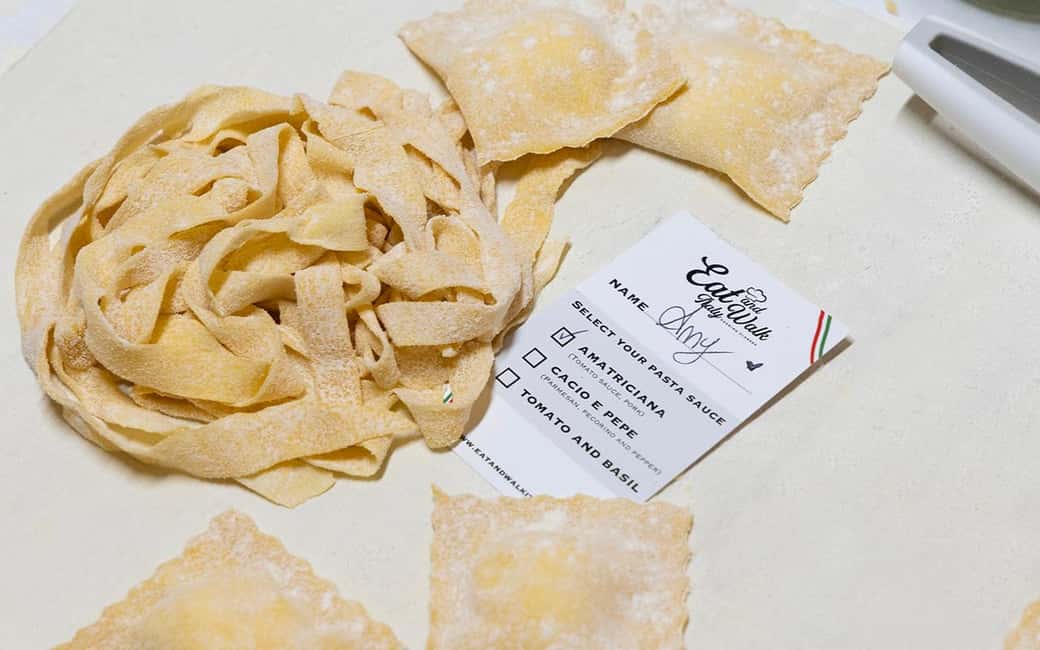
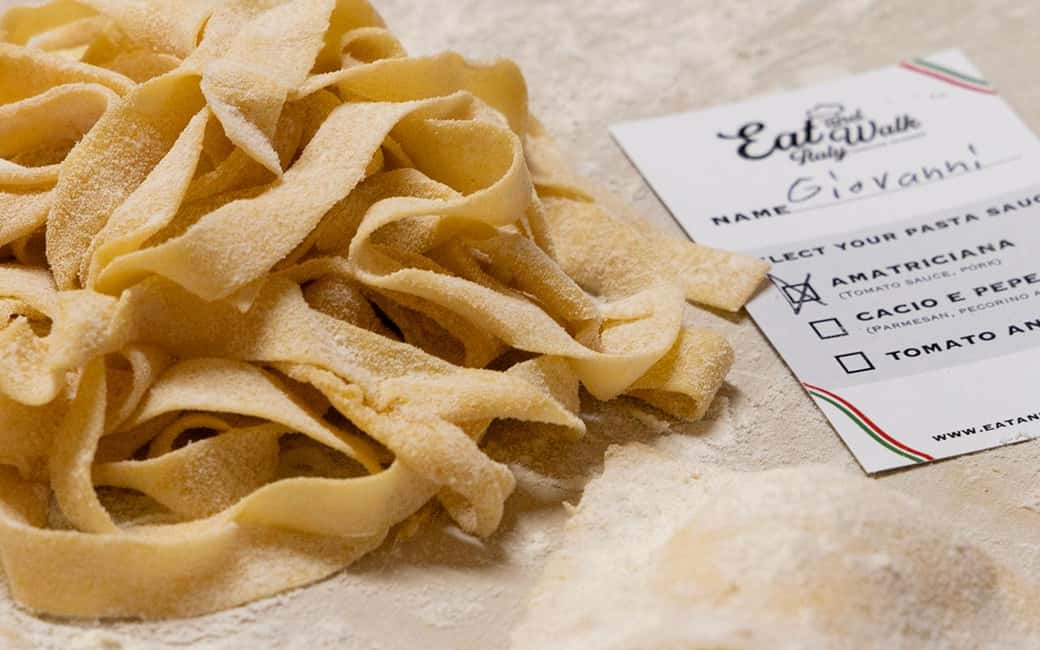
For the sauce, you’re not stuck with one option. Your fettuccine comes with a choice of sauce, including:
- tomato and basil
- cacio e pepe
- amatriciana
That choice is more valuable than it sounds. Different sauces teach different flavors and textures. Tomato and basil is bright and straightforward. Cacio e pepe leans into technique and balance. Amatriciana brings a deeper, more robust Roman feel. You’ll leave knowing not just how to make pasta, but how to choose a sauce that matches what you made.
Ravioli With Butter and Sage: Filling Logic and Sealing Skills
Then comes ravioli. Ravioli is less about one single moment and more about a sequence of small decisions: portioning the filling, shaping, and sealing so the pasta cooks without leaking.
The class includes ravioli with butter and sage, which keeps things delicious and classic. Butter and sage also helps you judge your pasta cooking: if the dough is right, it will stay tender and hold together while still tasting handmade.
What I like about this portion is that you’re learning the “why” behind the filling approach. The instructor shares which fillings work best in different seasons. That’s practical knowledge you can use later when you shop for ingredients back home, because you’ll stop thinking in terms of fixed recipes and start thinking in terms of what’s at its best right now.
One more real-world point: ravioli is where uneven thickness or imperfect sealing can show. If you want the best result, slow down just for the sealing step. The group tempo is energetic, but you can still take control of the parts that matter most.
What You Actually Eat: Wine, Limoncello, and a Finished Meal
This workshop isn’t “cook and snack.” You sit down and eat what you make. Your included meal includes:
- fettuccine with the sauce of your choice
- ravioli with butter and sage
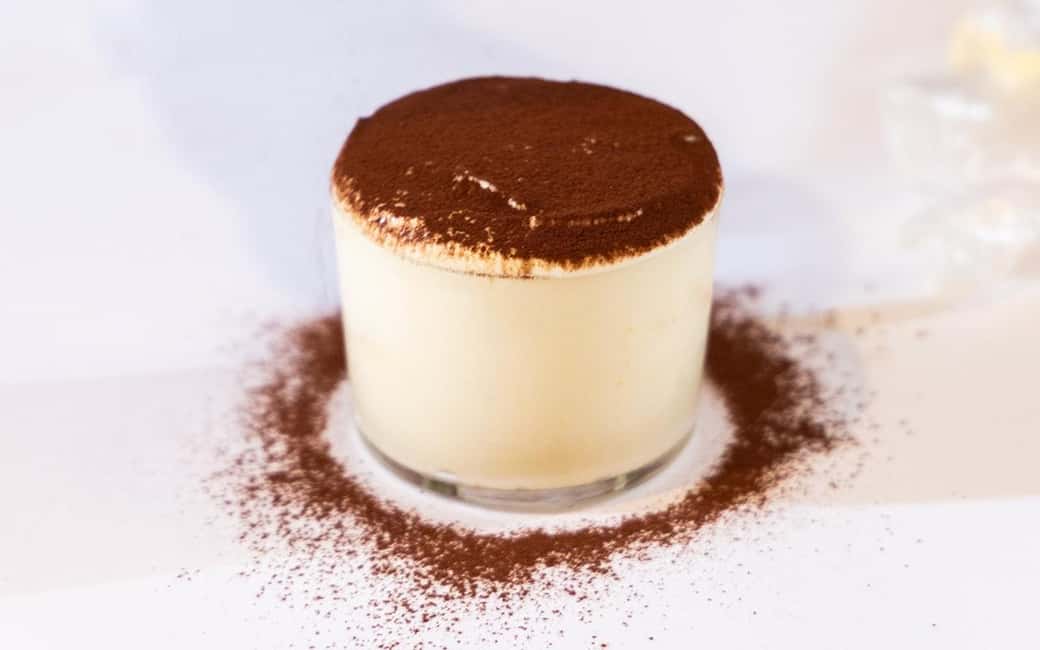
- tiramisù
- a glass of wine or non-alcoholic beverage
- a glass of limoncello or coffee
- water
That’s a big part of the value. A lot of cooking classes leave you hungry or underfed, or they treat the meal as an afterthought. Here, the tasting is built into the experience, so you get the payoff while it’s still fresh and warm.
Also, the wine and limoncello are not just for show. They turn the class into something you’d actually look forward to at the end of an evening. And if you’re celebrating something—many people book it for birthdays and couples time—that finishing drink helps the moment feel complete.
If you don’t drink alcohol, you’re covered. The class includes a non-alcoholic option, plus limoncello or coffee, so you can still enjoy the ritual.
You can also read our reviews of more tours and experiences in Rome


The Chef Factor: How English Instruction Stays Hands-On
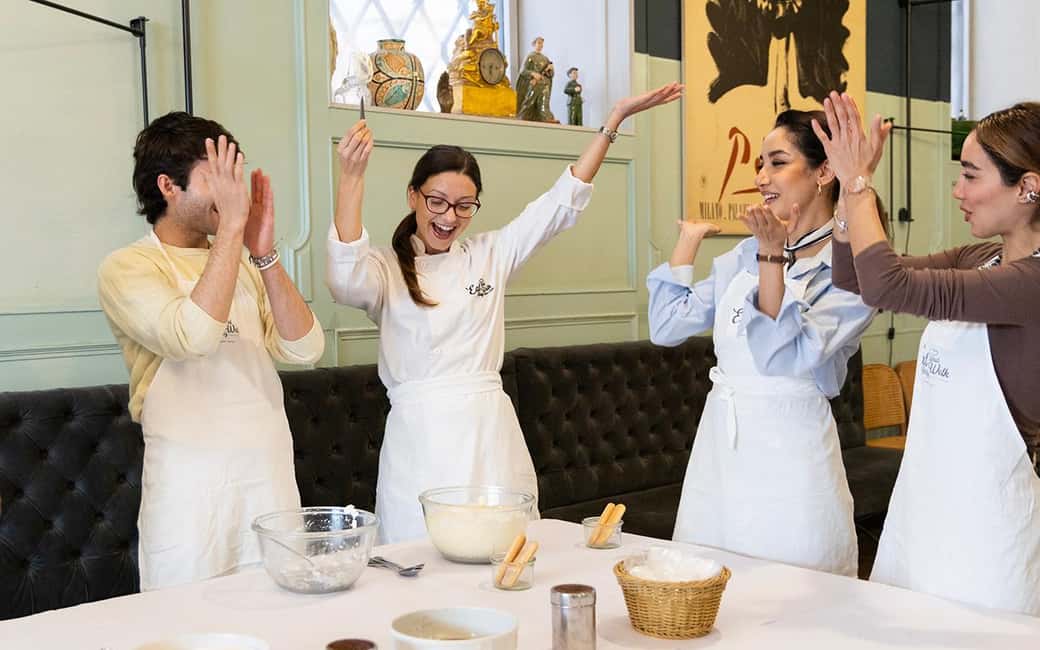
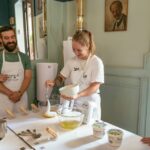
The biggest difference between a cooking class that feels fun and one that feels chaotic is the instructor. In the sessions tied to this workshop, English-speaking chefs are repeatedly credited for making explanations clear and keeping everyone participating.
Names that show up in recent instruction include Carlotta, Lori, Mattia, Maria/Mimi, Leo, Vali, Furio, Tommy, and Matina. Across those names, the pattern is consistent: instructors are described as patient, engaging, and willing to help people who need extra attention. One chef style is also noted for humor plus structure, which matters because pasta dough and assembly don’t forgive distraction.
Here’s what you can do to get the most out of it:
- ask questions early, not when you’re already rolling the dough
- watch the first demonstration closely, then copy exactly
- don’t hide if you’re struggling; the setup is designed to support different skill levels
- if your group is moving fast, use the instructor’s check-ins as your pacing guide
You don’t need to be a home cook. The class format is built around learning steps in real time.
Price and Value: Is $81 a Fair Deal?
$81 for a three-hour, hands-on pasta-and-dessert class in the center of Rome is not just a “cute activity” price. You’re paying for multiple things bundled together:
- instruction in making pasta dough from scratch
- two pasta styles (fettuccine and ravioli), not just one
- tiramisù preparation, not just serving dessert
- an included meal with your finished dishes
- included drinks: wine or non-alcoholic beverage, plus limoncello or coffee
If you were to price those pieces separately—especially a guided, structured cooking lesson plus a proper sit-down meal—the workshop starts to look more like a full experience than an entry-level food tour.
That said, the value will depend on your taste for hands-on learning. If you mainly want to eat and move on, you might prefer a food tasting. If you want a skill you can repeat, plus a meal you can actually control, this is strong value.
Who This Workshop Is For (and Who Should Rethink It)
This class fits best if you want more than a casual taste of Italian food. It’s especially good for:
- couples wanting a shared project and a dinner-like finish
- people celebrating a birthday or milestone
- anyone who likes practical cooking steps and wants recipes to take home
- groups that include mixed cooking experience, since instructors are described as adjusting pace and helping hands
It’s also family-friendly in a very specific way: it’s not suitable for children under 4, so younger kids are a no. If you’re traveling with small children, you’ll want to think hard about whether the kitchen setting and time commitment work for them.
One more practical note: pets are not allowed. If you’re traveling with an animal, you’ll need a different plan.
And if you dislike cooking stations or working with dough textures, you may find the format tiring. The class moves at a steady pace, so bring the mindset of learning by doing, not perfection.
Should You Book This Rome Pasta and Tiramisu Workshop?
I’d book it if you want a real skill, not just a meal. You get three iconic dishes in one session, plus an included wine and limoncello/coffee tasting that makes it feel like dinner, not a workshop that ends with hunger. The instructor approach described here—clear guidance, patient help, and a fun atmosphere—goes a long way toward making the class enjoyable even if you’ve never made pasta before.
Skip it if you’re hoping for a slow, leisurely cooking afternoon or if you prefer purely eating-focused plans. Also, if you’re very sensitive to time pressure, go in knowing the three hours are packed.
FAQ
What dishes will I learn to make?
You’ll learn to prepare tiramisù, fettuccine, and ravioli. The class also includes sauces and serving styles: fettuccine comes with your choice of tomato and basil, cacio e pepe, or amatriciana, and ravioli is served with butter and sage.
How long is the cooking class in Rome?
The experience lasts 3 hours.
Where is the meeting point?
You meet at Restaurant Gusto, located at Via Giuseppe Zanardelli 14.
Is the class taught in English?
Yes. Instruction is in English.
What drinks are included?
You’ll have a glass of wine or a non-alcoholic beverage, plus a glass of limoncello or coffee. Water is also included.
Is it suitable for kids?
It is not suitable for children under 4 years old.
Is cancellation possible for a full refund?
Yes. You can cancel up to 24 hours in advance for a full refund.