REVIEW · ROME
From Rome: Pompeii Day Trip with Optional Vesuvius and Lunch
Book on GetYourGuide →Operated by City Wonders Ltd. · Bookable on GetYourGuide
Pompeii feels close enough to touch. This day trip from Rome pairs skip-the-line entry with an expert guide who walks you through Roman streets, homes, baths, food shops, and theaters, so you don’t just see ruins—you learn how people lived. You also ride in an air-conditioned private bus with high-speed Wi‑Fi, which is a big deal on a long day.
What I like most is the way the Pompeii time is structured: a focused guided tour (about 2 hours) that helps you pick out what matters instead of wandering and getting lost in the scale. Then, if you add Vesuvius, you get a real choice: an uphill crater hike for big views or a more relaxed walk led by a professional geologist. The one drawback to plan around is that the Vesuvius area can close in bad weather or strikes, so you might end up with an alternate Sorrento-focused day.
In This Review
- Key highlights you’ll care about
- From Rome to Pompeii: what the day feels like
- The bus stops that keep you from melting
- Skip-the-line Pompeii: how you get the most from two hours
- What you should look for at Pompeii (so it doesn’t become random)
- The optional lunch at the Bay of Naples: comfort with a view
- Mount Vesuvius: crater hike vs geologist-led walk
- Option 1: crater hike (short, uphill, worth it)
- Option 2: geologist-led walk (lower effort, high insight)
- Weather reality check
- The guide and driver team: why the day runs smoothly
- Timing and pacing: where you’ll feel the time
- Value for money: does $88 make sense?
- Who this tour fits best
- What to bring so the day feels easy
- Should you book this Pompeii and Vesuvius day trip?
- FAQ
- How long is the Pompeii day trip from Rome?
- Do I get skip-the-line entry to Pompeii?
- Is a guided tour provided at Pompeii?
- Can I add lunch, and what does it include?
- How does Mount Vesuvius work on this tour?
- Is the crater hike required?
- How hard is the optional Vesuvius crater hike?
- What happens if Vesuvius is closed?
- What should I bring?
- Is the tour wheelchair accessible?
Key highlights you’ll care about
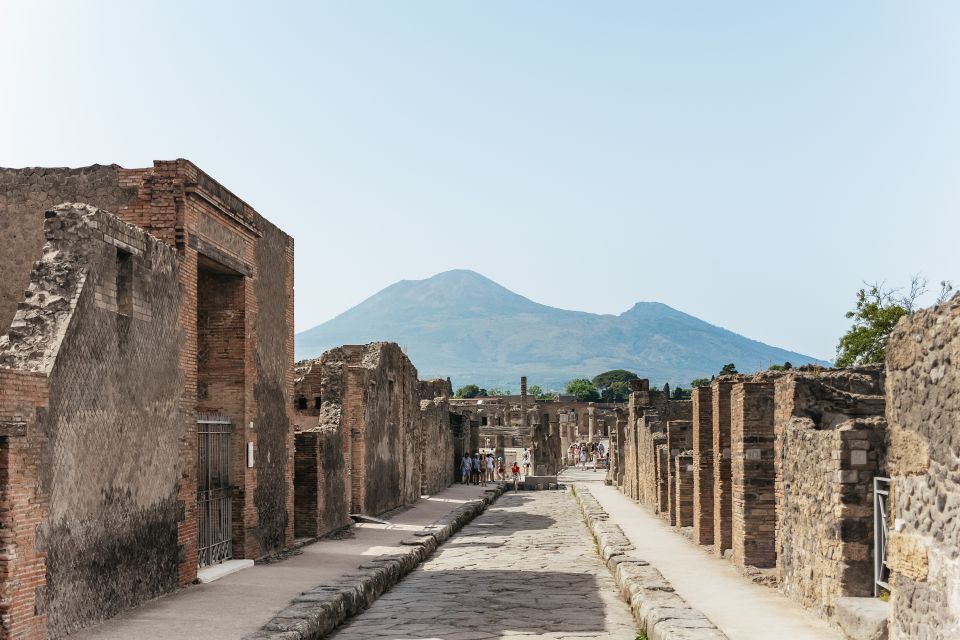
- Skip-the-line at Pompeii: You save time and step straight into the site with a guide.
- Official English-speaking Pompeii guide: You get context for preserved streets, homes, and everyday details.
- Optional Vesuvius choice: Crater hike for 360-degree views or a geologist-led, slower walk.
- Lunch with Bay of Naples views (optional): A traditional Neapolitan 3-course meal with panoramic scenery.
- Comfort-focused transport: Round-trip in an air-conditioned private coach with Wi‑Fi.
- Weather flexibility for Vesuvius: If the crater closes, you’ll shift to Sorrento instead.
From Rome to Pompeii: what the day feels like
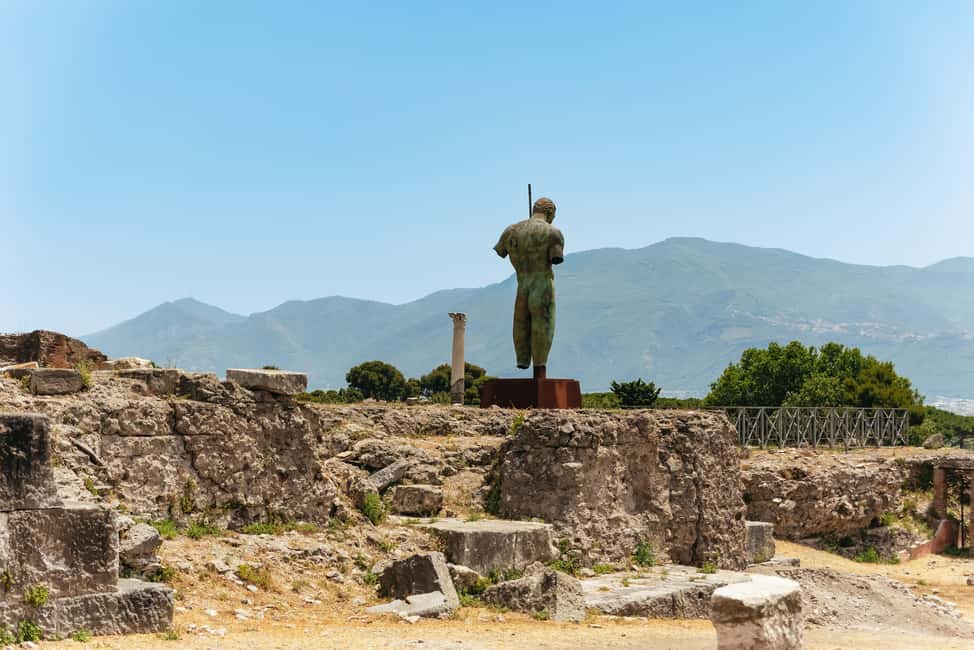
This tour is built for one thing: a low-stress day trip from Rome that still gives you enough time to feel Pompeii’s impact. The bus ride is split into easy chunks, not a full straight shot across the countryside. You’ll start from one of the meeting spots near central Rome—either Piazza del Popolo (Flaminio Obelisk area) or Viale Giorgio Washington depending on what you booked—and then head toward the south.
The total day runs about 9 to 12 hours, which is long, but the pacing helps. There’s a stop in Cassino with a break (typically around 20 minutes on the way out, then another short break later). It’s not a “wander until you’re tired” format. It’s guided, timed, and designed so you’re not racing the clock once you arrive.
The coach part matters more than you’d think. You’re in an air-conditioned private bus (not a cramped scramble) and you get high-speed Wi‑Fi. On a day like this, that’s the difference between arriving drained versus arriving ready to pay attention.
You can also read our reviews of more tours and experiences in Rome


The bus stops that keep you from melting
You’ll notice the tour doesn’t treat transportation like dead time. After the first stretch (about 1.5 hours), there’s that Cassino break. Later you’ll see another break on the return, again in Cassino for about 15 minutes.
Why this matters: Pompeii and Vesuvius are both active days. Pompeii is lots of walking. Vesuvius, if you pick the hike option, is uphill on soft ground. So those breaks aren’t just polite—they help you arrive with the energy to enjoy the ruins, not just survive them.
Also, the tour doesn’t do hotel pickup or drop-off. You’ll meet the group at the designated point and then get dropped at one of the three central drop-off locations back in Rome (again, depending on what you booked): Flaminio Obelisk / Piazza del Popolo (21) and/or Viale Giorgio Washington.
If you’re staying outside the center, this is worth factoring in before you book. You’ll want to plan how you’ll get to the meeting point smoothly.
Skip-the-line Pompeii: how you get the most from two hours
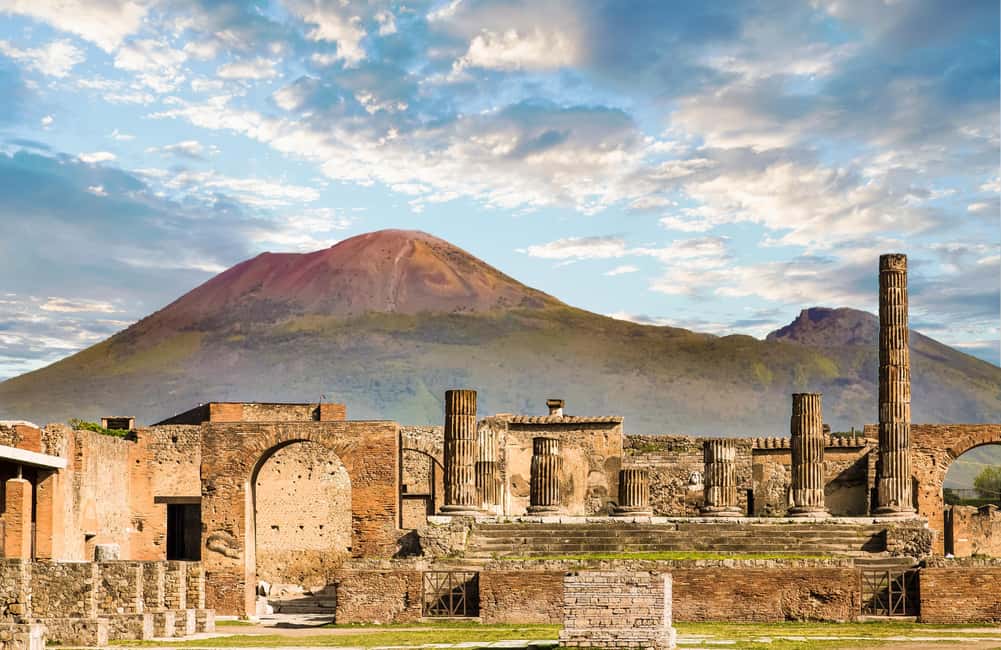
Pompeii is huge. Without a plan, you can spend a lot of time walking between “wow” moments—and still miss the parts that make the city feel human. This is why the skip-the-line entry is more than a convenience. It gives you extra usable minutes inside the archaeological site.
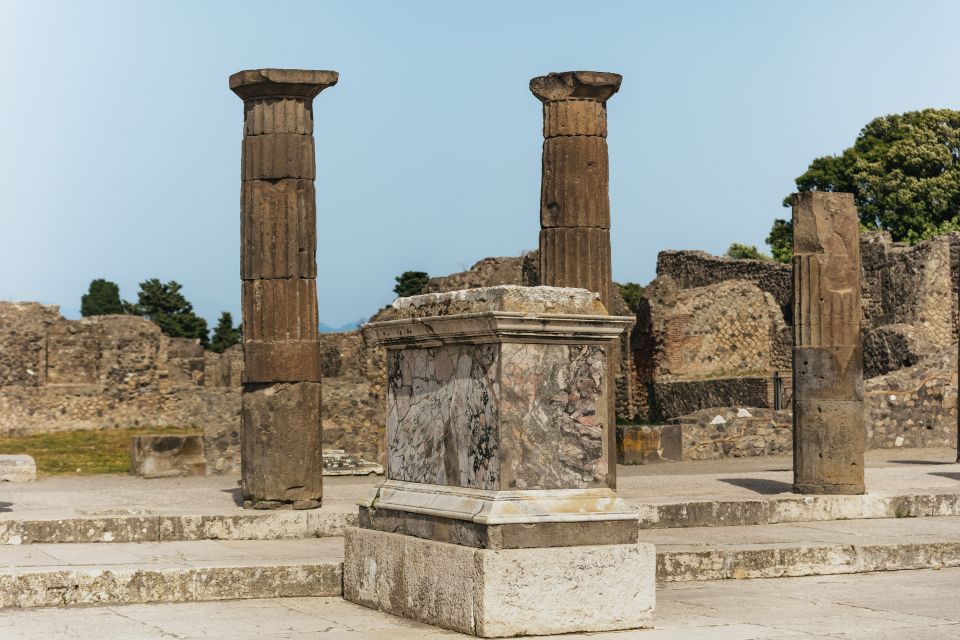
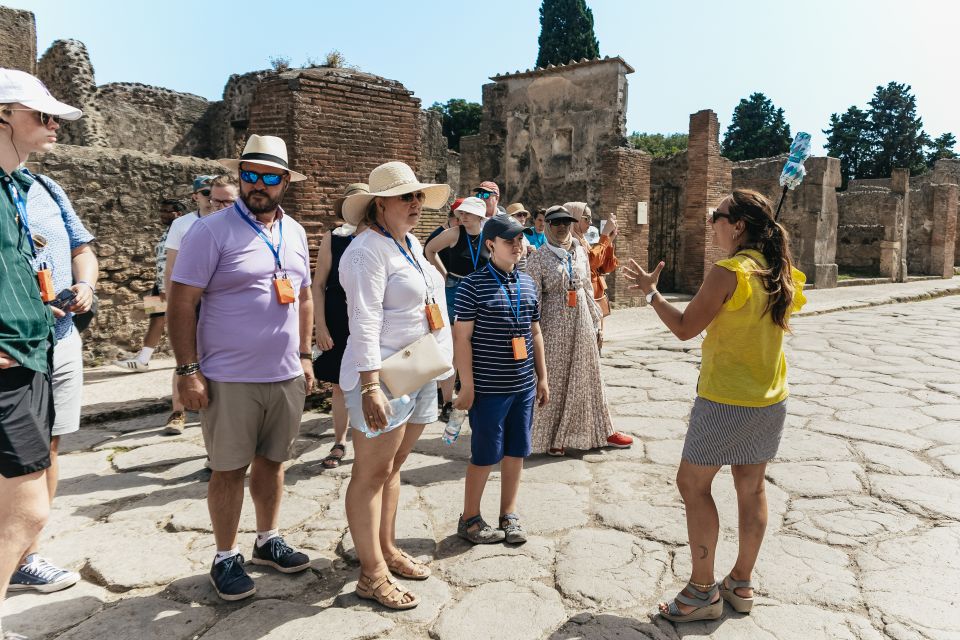
Once you’re in, you get an official, licensed English-speaking guide who leads a guided Pompeii tour (about 2 hours). That time is long enough to see a meaningful cross-section of the city: preserved streets, homes, baths, food stores, and theaters. You’ll also get explanations that help you connect what you’re seeing to daily Roman routines—so the city stops being just a dramatic backdrop and starts feeling like a real place.
A nice detail: the guides in this program tend to be lively in how they teach. I’ve seen names like Anna, Valentina, Enrico, and Luigi showing up as the Pompeii guide for different departures, and the pattern is consistent—people describe their style as funny, warm, and packed with specifics, not just a list of facts.
What you should look for at Pompeii (so it doesn’t become random)
Even with a guide, it helps to know what you’re trying to notice. Pompeii’s power comes from how normal life was—caught in place.
Here’s what you can mentally “aim at” while you’re walking:
- Street life and layout: Pay attention to how the streets guide movement and how buildings line up. It’s a whole city system, not separate attractions.
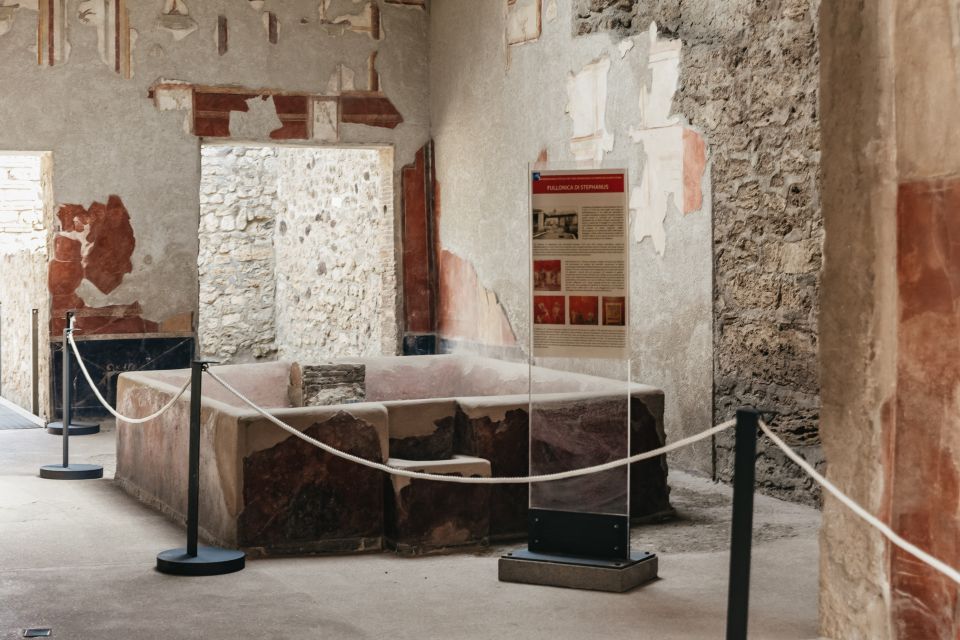
- Homes and daily routine: The preserved rooms and doorways make it easier to picture morning, work, and evening life.
- Baths: These are where Roman culture gets practical fast. Even if you don’t go deep into details, you’ll feel what mattered.
- Food and shops: When you see the spaces tied to eating and commerce, Pompeii stops being only dramatic tragedy and becomes ordinary routine.
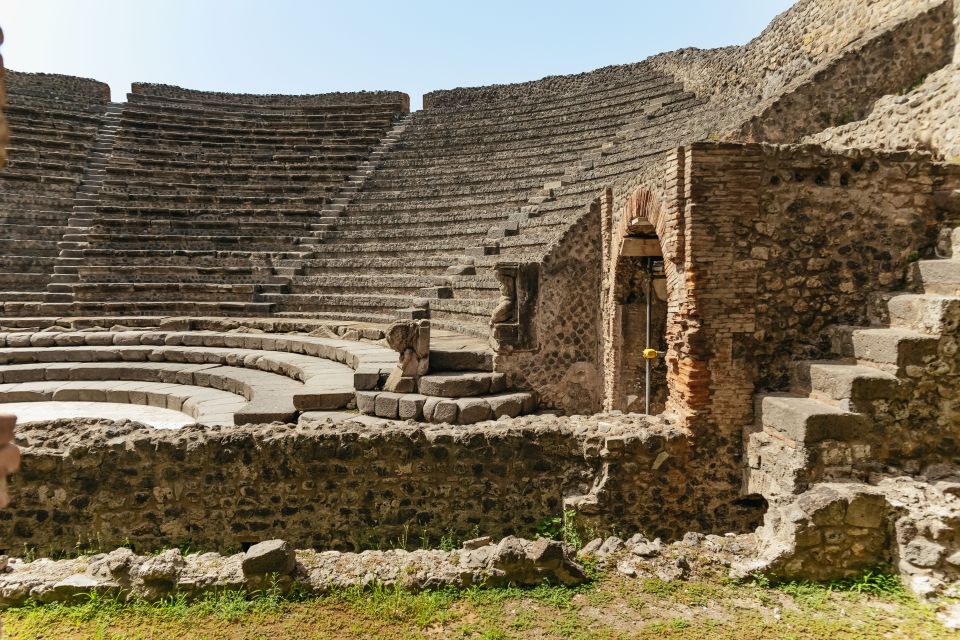
- Theaters: These help you spot the cultural side—what people did for entertainment and community.
With only about 2 hours, you won’t “see everything,” and that’s okay. You’re there long enough for the major shapes of the city, with a guide to keep you focused.
The optional lunch at the Bay of Naples: comfort with a view
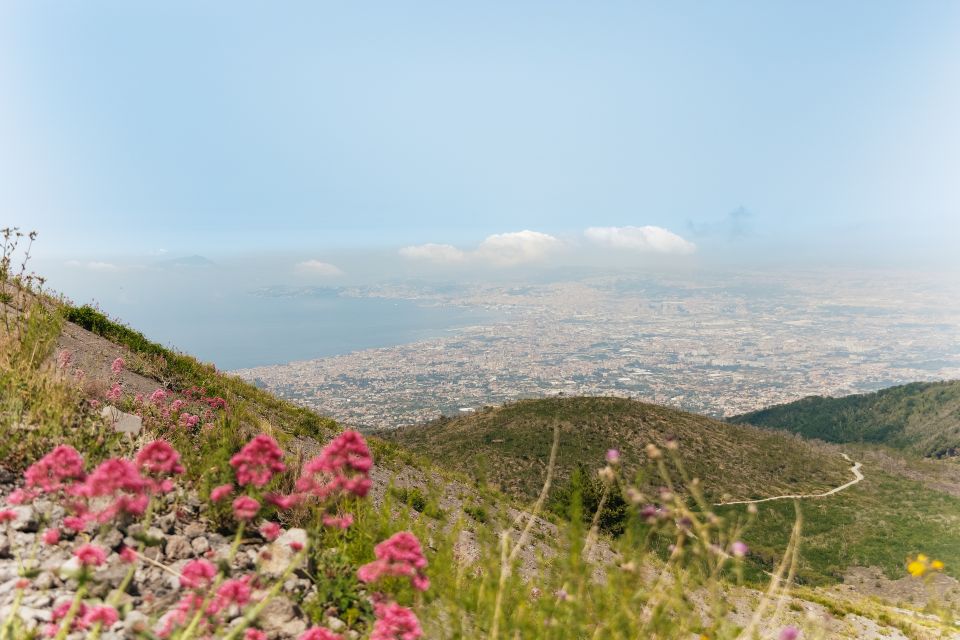
If you select the lunch upgrade, you’ll stop for a traditional Neapolitan meal with panoramic views of the Bay of Naples, the Amalfi Coast, and nearby islands. Lunch is about 1 hour.
The meal is a 3-course set: pizza, an appetizer, and dessert. I like this format for day trips because you don’t waste time making decisions when you’re already on a timed schedule. You can just eat and reset.
Another practical point: lunch here also breaks up the energy flow. Pompeii is intense because it asks you to concentrate. Lunch shifts your day to something more scenic and restorative before the Vesuvius portion.
And if Vesuvius ends up changing due to weather (more on that below), lunch plans may still stay part of the day. So it’s a choice that can help keep the day feeling full rather than rushed.
You can also read our reviews of more tours and experiences in Rome



Mount Vesuvius: crater hike vs geologist-led walk
This is the part you’ll either dream about before you go or feel relieved you planned for. The tour offers two options once you reach Vesuvius: a guided hike to the crater or a more relaxed naturalistic walking tour led by a professional geologist.
Option 1: crater hike (short, uphill, worth it)
The crater hike is optional, but if you choose it, know what you’re signing up for:
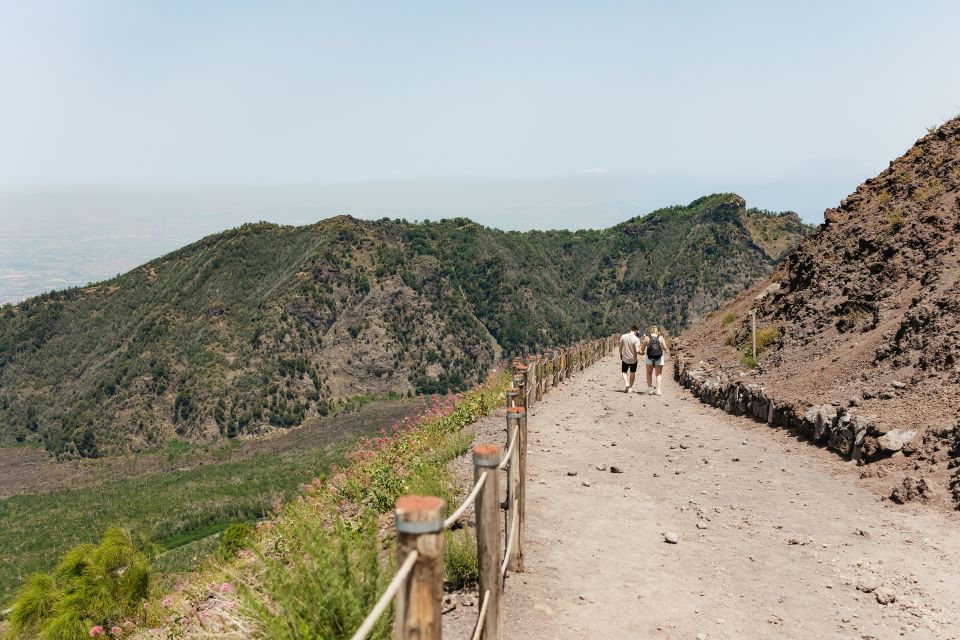
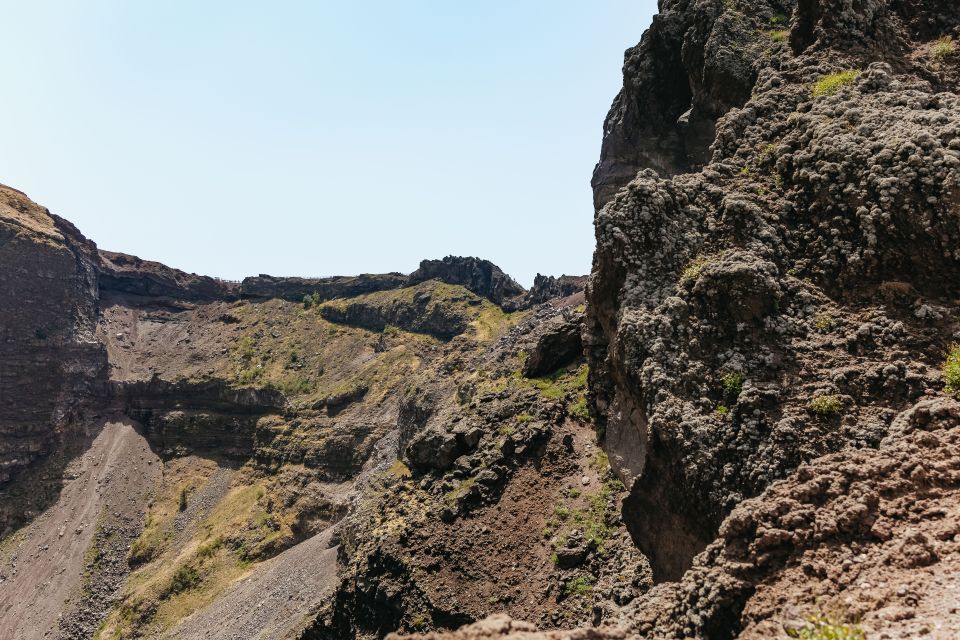
- It’s uphill at about a 14-degree angle
- It’s about 20 minutes long (roughly 1 mile)
- The path is mostly on soft ground
- You’ll want adequate footwear and a good general fitness level
This hike isn’t a multi-hour trail. But it’s not a flat stroll either. Think of it as a focused workout for a huge reward: the crater views and the sense of standing at the edge of one of Europe’s most famous volcanic landscapes.
Option 2: geologist-led walk (lower effort, high insight)
If you want less effort, choose the geologist-led walk. You’ll still learn about the volcanic landscape, but the pace is more relaxed and suited to people who don’t want to manage uphill hiking. This is also a smart choice if you’re traveling with less flexible mobility or if you just want the views without the exertion.
Weather reality check
Here’s the honest part: the crater may close in rare cases of inclement weather or strikes. If that happens, the tour replaces the Vesuvius visit with an alternative visit to the city of Sorrento with free time.
On at least some adjusted days, the replacement plan has included an extra stop like a limoncello factory and time for shopping in Sorrento, alongside the city time. That’s not guaranteed, but it does give you an idea of how the day can shift if conditions aren’t safe.
So if Vesuvius is the one thing you’re most excited about, it’s worth packing a little flexibility into your schedule. You’re signing up for a volcano day, not a museum clock.
The guide and driver team: why the day runs smoothly
One reason these tours get high marks is the “behind the scenes” coordination. You’re doing a long drive, timed entry, and a second major location—Pompeii plus Vesuvius. That only works when the team is solid.
The drivers you might hear about in recent departures include names like Cesare, Luca, Max, and Roberto, and the common theme is safe, confident driving—especially up the mountain roads toward Vesuvius. The roads can feel dramatic on a bus, so I’d rather be in the hands of someone used to the route than play it by luck.
On the tour guide side, you’ll typically have an English-speaking expert for Pompeii and a leader coordinating the day. Names that have shown up include Natascia as a lead guide and Pompeii guides like Enrico or Luigi. The best part isn’t only information—it’s how they make the day feel organized and approachable.
Timing and pacing: where you’ll feel the time
It helps to understand the flow, because a day trip is a mix of sightseeing and logistics.
Here’s the rough rhythm:
- Rome to Cassino: bus time around 1.5 hours, then a break
- Cassino to Pompeii: another bus segment around 1.5 hours
- Pompeii guided tour: about 2 hours
- Transport to the Vesuvius area and lunch option: includes a segment of travel and then lunch (if selected)
- Vesuvius guided portion: about 2 hours for the guided experience when it’s included
- Return via Cassino: another break, then drop-off back in Rome
You’ll have a structured day with limited free time. That can be a plus if you hate decision fatigue and want your day to be efficient. If you’re the kind of traveler who wants lots of wandering time on your own, you might feel slightly boxed in—especially at Pompeii.
Still, for most people, this structure is what makes it work as a one-day trip.
Value for money: does $88 make sense?
Let’s talk value in real terms. $88 per person is not cheap, but it’s also not just “a bus to a site.” In the included package, you’re getting:
- Round-trip transport from Rome in an air-conditioned coach with Wi‑Fi
- An official Pompeii guide in English
- Skip-the-line entry to Pompeii
- If you add it: 3-course lunch with scenic views
- If you add it: Vesuvius National Park entry and a guided experience (hike or geologist walk)
Skip-the-line access plus an official guide can be the difference between spending your day stuck in lines and spending it learning. That’s usually where money turns into time saved and value felt.
The optional add-ons (lunch and Vesuvius) are where you’ll tailor the experience. If you’re mainly here for Pompeii, you can keep it Pompeii-focused. If Vesuvius is a bucket list stop, the add-on makes the day feel like a full “Roman region classics” sweep.
Who this tour fits best
This is a great fit if you:
- Want a guided Pompeii day without juggling tickets, routes, and meeting points
- Like the idea of Vesuvius crater time but want options (hike or geologist walk)
- Appreciate comfortable, organized transport for long days
- Prefer a plan that covers major highlights efficiently
It’s less ideal if you:
- Need wheelchair access (it’s not suitable for wheelchair users)
- Travel with luggage or large bags (these are not allowed)
- Rely on strollers (baby strollers aren’t allowed)
- Want lots of free-form time without any structure
Also, note that children under 18 might be asked to show ID, so if you’re traveling as a family, bring what you need.
What to bring so the day feels easy
This trip gives you some clear packing guidance:
- Comfortable shoes (Pompeii walking adds up fast)
- A jacket (bring it even if the forecast looks mild; you’ll likely be outdoors)
- If you choose the crater hike: plan for uphill effort on soft ground with proper footwear
That’s it. Keep it simple. You’re here for Pompeii and volcano views, not a fashion show.
Should you book this Pompeii and Vesuvius day trip?
If you want the best chance at a smooth, high-impact day from Rome, I’d book it—especially if you value skip-the-line Pompeii and a real guide. The format saves time, and the optional Vesuvius choice lets you match effort to your comfort level.
I’d hesitate only if you absolutely can’t handle the possibility that Vesuvius may be closed due to weather or strikes. If that’s your top priority, go in with flexibility. The alternative plan shifts to Sorrento, so you won’t lose the whole day—you’ll just trade crater views for a coastal city break.
Overall: this is a practical way to connect Pompeii’s preserved Roman life with Vesuvius’s volcanic drama, all while letting someone else handle the driving and timing.
FAQ
How long is the Pompeii day trip from Rome?
The duration is listed as 9 to 12 hours, depending on the starting time you choose.
Do I get skip-the-line entry to Pompeii?
Yes. The tour includes skip-the-line entrance to the Pompeii Archaeological Site.
Is a guided tour provided at Pompeii?
Yes. You’ll have an official, licensed English-speaking Pompeii guide and a guided tour of about 2 hours.
Can I add lunch, and what does it include?
Yes, lunch is an optional add-on. It’s described as a 3-course traditional Neapolitan meal with pizza, an appetizer, and dessert, plus panoramic views of the Bay of Naples area.
How does Mount Vesuvius work on this tour?
If you choose the Mount Vesuvius option, you’ll visit the area with included entry to Mount Vesuvius National Park and a guided experience.
Is the crater hike required?
No. The crater hike is optional. You can also choose a more relaxed walking tour led by a professional geologist.
How hard is the optional Vesuvius crater hike?
The hike is uphill at about a 14-degree angle, lasts around 20 minutes (about 1 mile), and is mostly on soft ground, so it requires a good general fitness level and good shoes.
What happens if Vesuvius is closed?
In rare cases of bad weather or strikes, the crater may be closed. In that case, the tour includes an alternative visit to the city of Sorrento with free time.
What should I bring?
Bring comfortable shoes and a jacket. If you choose the hike, adequate footwear is important because the ground is soft and the route is uphill.
Is the tour wheelchair accessible?
No. The tour is listed as not suitable for wheelchair users. Also, baby strollers and luggage or large bags are not allowed.