REVIEW · ROME
Rome: Traditional Pasta with Cocktails Cooking Class
Book on GetYourGuide →Operated by Global Experiences · Bookable on GetYourGuide
Pasta and spritz in one 3-hour class. That mix is the whole point of this chef-led Rome session, where you make fresh pasta and sip your way through three classic spritzes, including Aperol, Hugo, and limoncello. It’s a fun, hands-on way to understand why Romans treat food and drinks as a single, daily pleasure.
I love two things right away. First, it stays small, with groups capped at 14 people, so you actually get time at the workstations. Second, the team approach is smart: a chef leads the pasta and sauce part while a mixologist guides the spritzes, and you finish by eating what you cooked.
One consideration: this class is not for everyone with dietary needs. The format can’t accommodate coeliac disease, gluten intolerance, vegan diets, or lactose intolerance because dairy is used and the menu is fixed.
In This Review
- Key things I’d put on your radar
- Rome With Chef: what this cooking class really feels like
- Where to meet on Via Cesare Balbo (and how not to stress)
- Step one: the spritz lesson you’ll actually remember
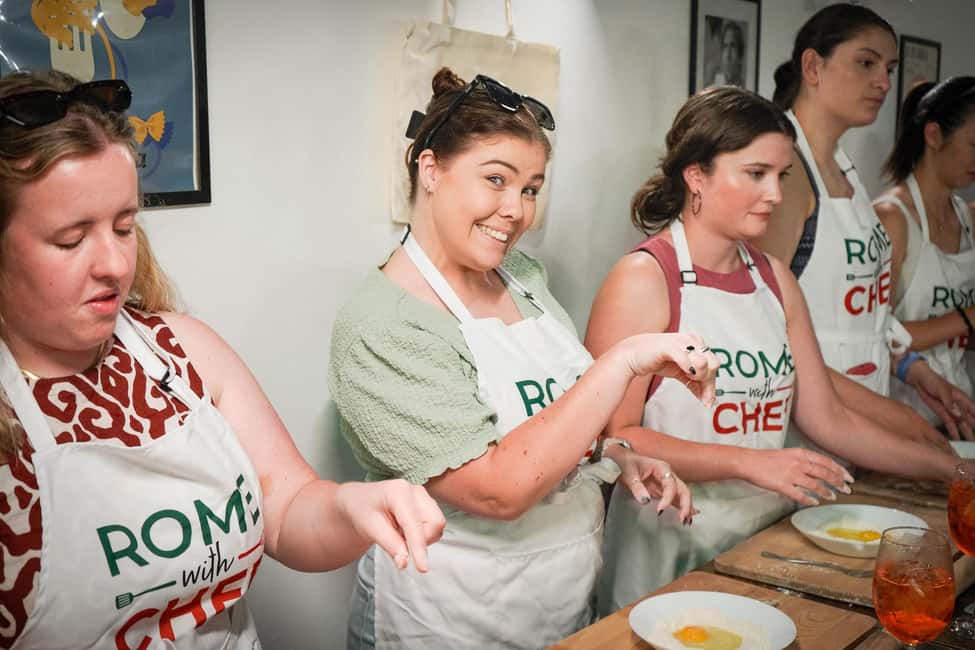
- Step two: making fresh pasta in a small group
- Carbonara or cacio e pepe: how you choose your sauce
- The meal moment: you sit down with your spritz and your pasta
- Price and value: what you’re paying for at $100.82
- Small-group energy: why the class stays fun and not chaotic
- Dietary limits: the one hard stop to plan around
- Who should book this Rome pasta and spritz class
- Should you book Rome Traditional Pasta with Cocktails?
- FAQ
- How long is the Rome pasta and cocktails cooking class?
- What group size is this class?
- Which spritz cocktails are included?
- What pasta and sauce will we cook?
- Are vegetarian options available?
- Can you accommodate coeliac disease, gluten intolerance, vegan diets, or lactose intolerance?
- Is the tour guide instruction in English?
- Do you get recipes to take home?
- Where do we meet in Rome?
Key things I’d put on your radar
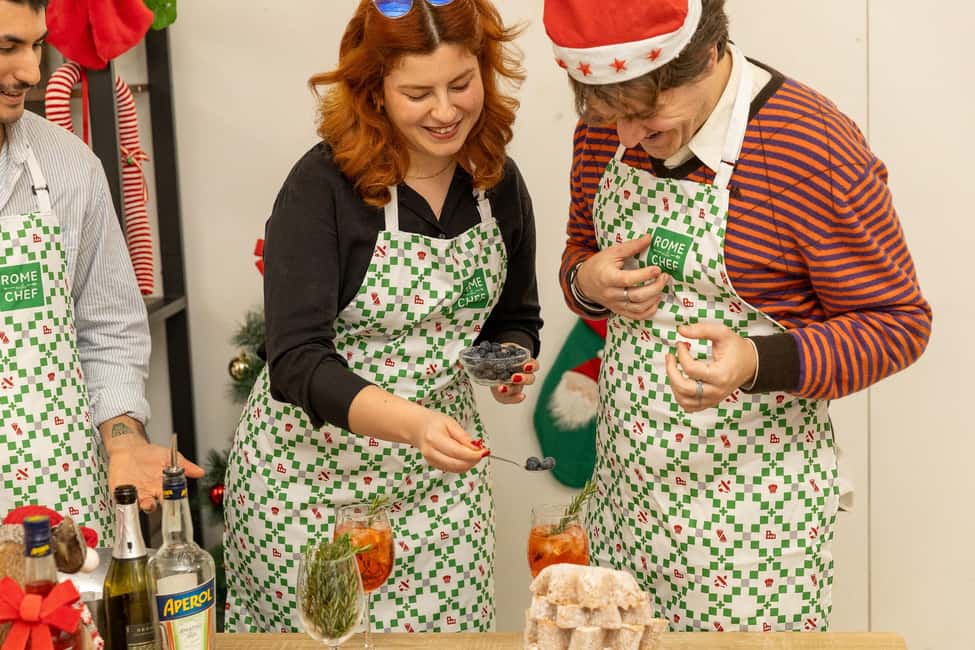
- Up to 14 people means more cooking, less watching
- Mixologist + chef pairing makes the drinks and the pasta both feel doable
- Three spritzes: Aperol, Hugo, and limoncello
- Choose your sauce: carbonara or cacio e pepe
- Eat everything you make, plus recipes to take home
- Vegetarian options available, but not gluten-free or vegan
Rome With Chef: what this cooking class really feels like
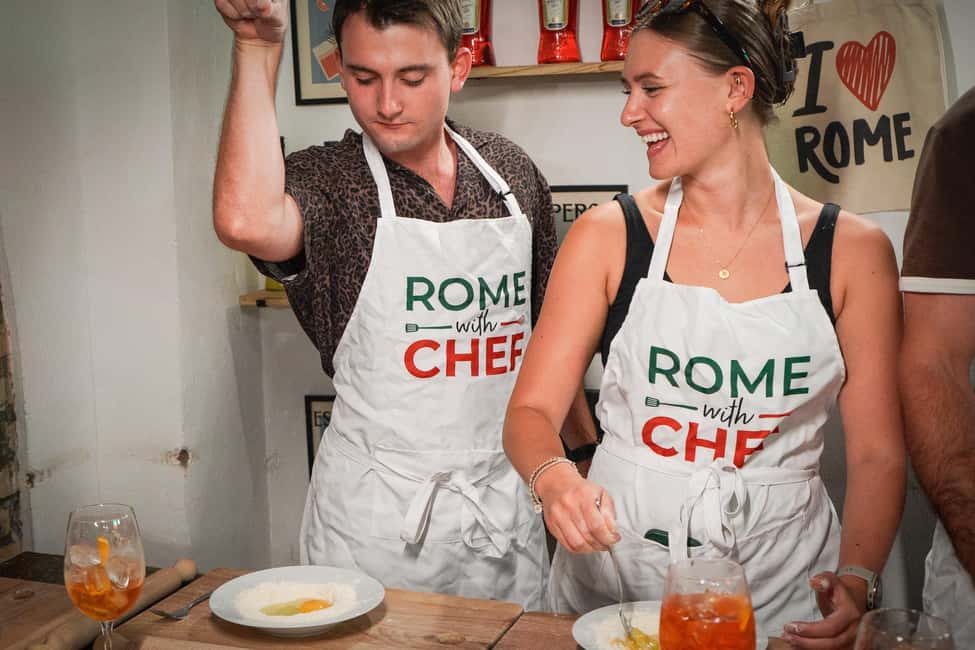
This is the kind of Rome activity that doesn’t ask you to be a wine-spotter or a fancy-food snob. You just show up, roll up your sleeves, and learn a couple of very Roman skills: fresh pasta technique and the art of building a proper spritz.
The “with cocktails in hand” promise is real, but the bigger value is the structure. You are not wandering through a market or hoping someone explains carbonara while you’re already hungry. The class breaks things into clear stages, led by English-speaking hosts who keep the pace friendly. In past groups, lively chefs and guides like Giovanna, Angela, Benjamin, Laura, and Jem have led the experience, and the consistent theme is the same: lots of instruction, a relaxed vibe, and plenty of practical tips you can actually use later.
And yes, the spritz part is fun, but it also teaches something useful: how Italians balance bitterness, citrus, and bubbles instead of treating cocktails like a sugar dump.
You can also read our reviews of more cooking classes in Rome
Where to meet on Via Cesare Balbo (and how not to stress)
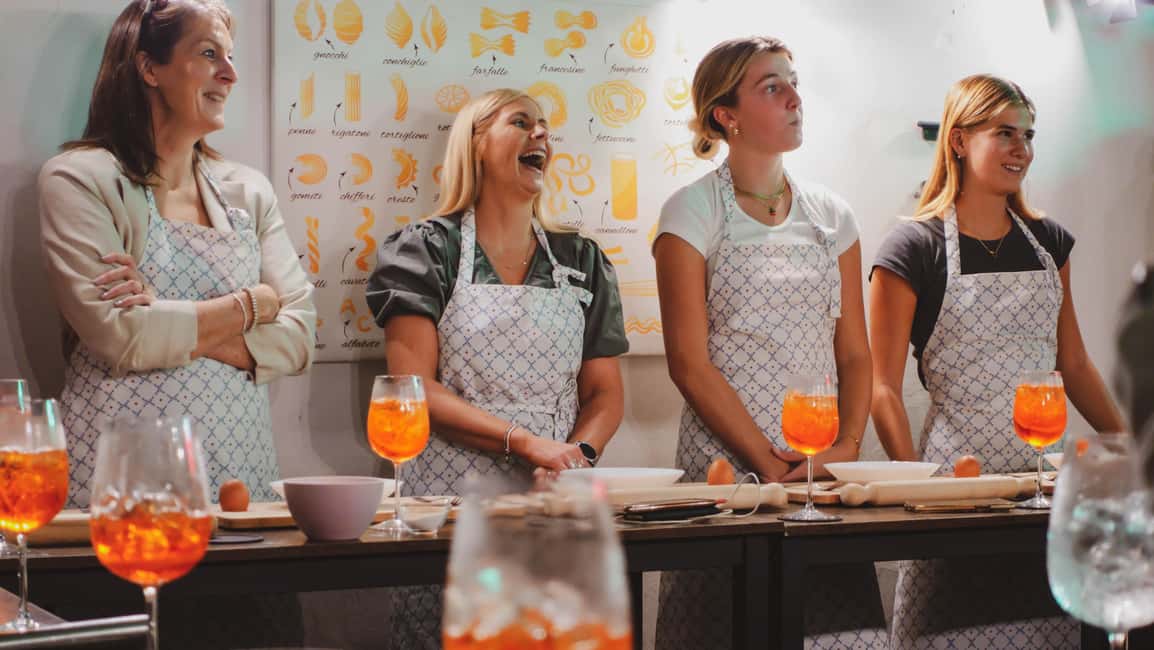
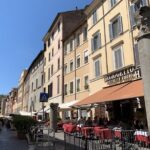
You’ll meet at Via Cesare Balbo, 19, 00184, around the corner from the Hotel 77 entrance. Look for a sign that says Rome With Chef outside the class.
If you arrive a few minutes early, you’ll have time to settle in and spot the group without rushing. In my view, that small buffer matters because a class like this runs on momentum. Once everyone’s there, you start tasting, mixing, and cooking in a tight timeline.
Step one: the spritz lesson you’ll actually remember
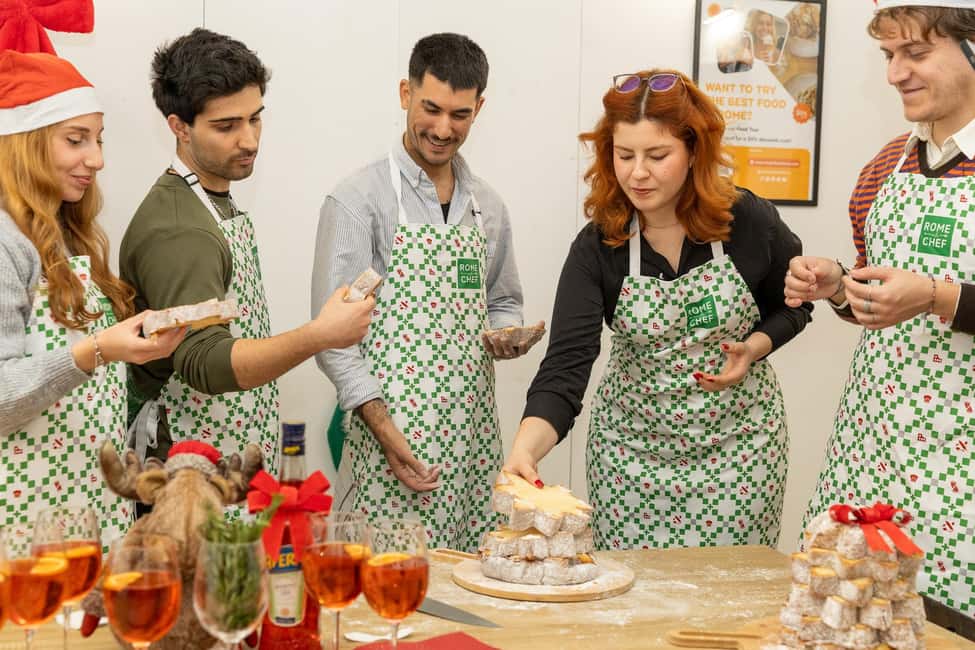
The class leans hard into the spritz culture, and there’s a real historical note baked into the pitch: spritz-style drinks date back to as far as the 1800s. That context is more than trivia. It helps explain why the drink is built for easy sipping and social pacing, not bar-show performance.
You’ll make three spritzes during the session:
- Aperol spritz
- Hugo spritz
- Limoncello spritz
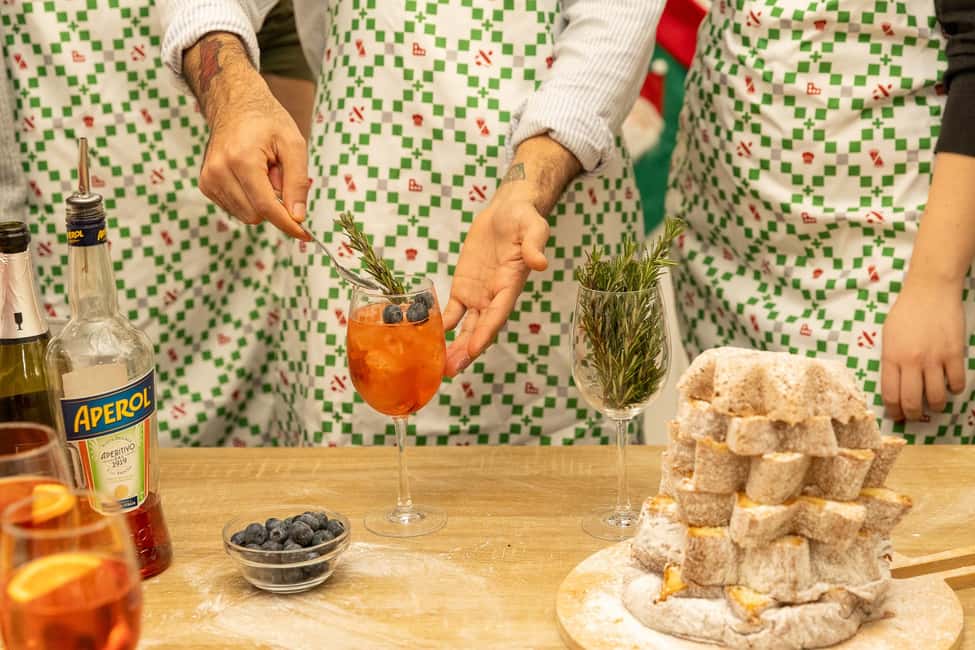
As you work, your mixologist guide shows you how to combine the ingredients and build the drink so it tastes right, not just pretty. Expect hands-on guidance rather than a lecture. And because the class includes water and soft drinks as well, you can keep a comfortable rhythm even if spritzes are flowing.
One detail I appreciate: the drinks are not random extras. They’re part of the meal arc. You’ll be cooking and tasting along the way, so by the time you sit down to eat, your brain understands how the flavors are supposed to work together.
Step two: making fresh pasta in a small group
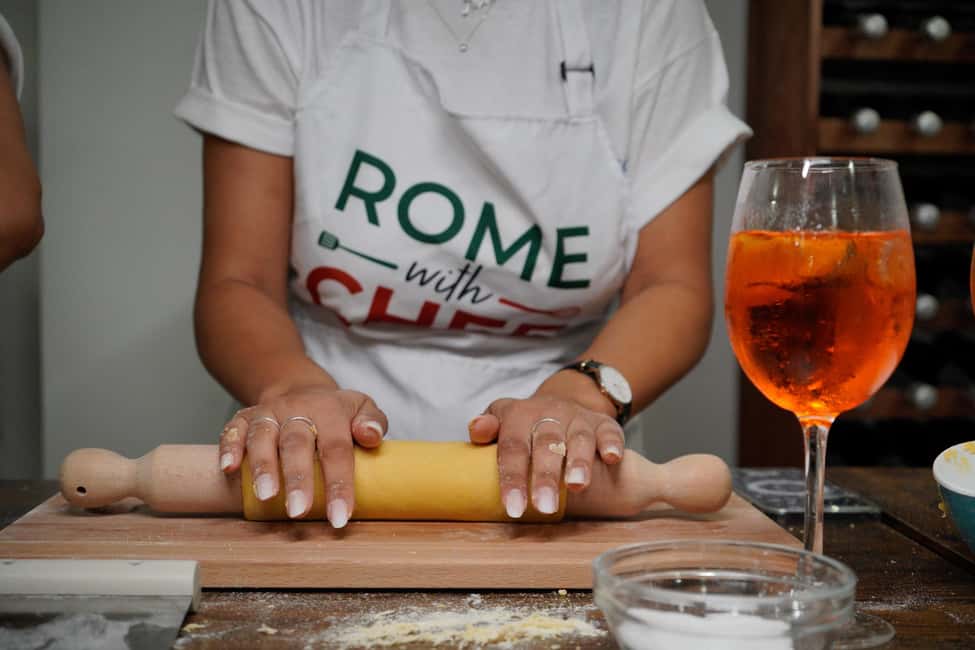
Now for the main event: fresh pasta. This is a pasta cooking class, not a cocktail workshop that happens to include dough.
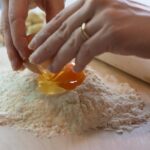
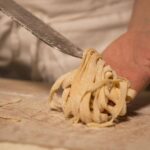
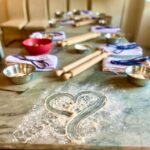
In a session like this, the value is in getting the basics from a chef while you have real ingredients in front of you. You’ll learn how to make your own handmade pasta using the class’s prepared ingredients and instructions. Since the group is capped at no more than 14 people, you’re less likely to feel lost. You can ask questions, get corrections, and keep your pace.
The experience also stays practical. You’re not just learning a recipe. You’re learning a method you can repeat back home. That’s why the class includes recipes to take home—so you’re not trying to reverse-engineer what happened three hours later.
Carbonara or cacio e pepe: how you choose your sauce
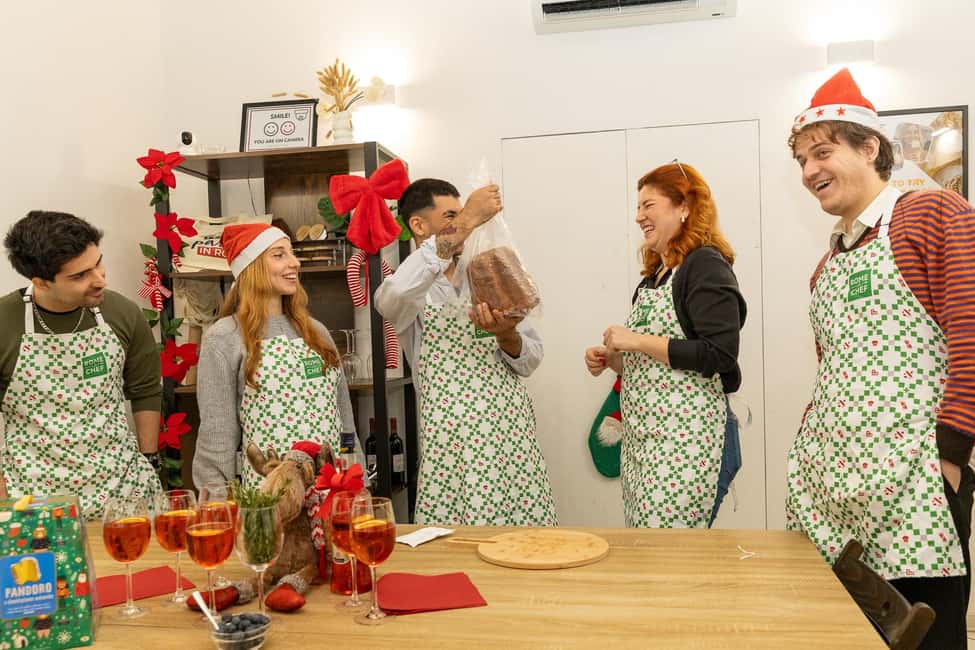
After the pasta part, you’ll move to one of Italy’s best-known sauces. Here, you get a choice:
- carbonara
- cacio e pepe
That “up to you” flexibility matters more than it sounds. If you’re a classic Roman food person, carbonara is the obvious draw. If you like a simpler, pepper-forward profile, cacio e pepe can feel more direct and elegant.
Either way, the cooking goal is the same: you don’t just watch sauce being made. You get to make it and then smother your pasta with it, then eat.
And because vegetarian options are available, you can still find a path that works for many dietary styles. Just note the stricter limits below in the FAQ if gluten or lactose is part of your situation.
You can also read our reviews of more tours and experiences in Rome



The meal moment: you sit down with your spritz and your pasta
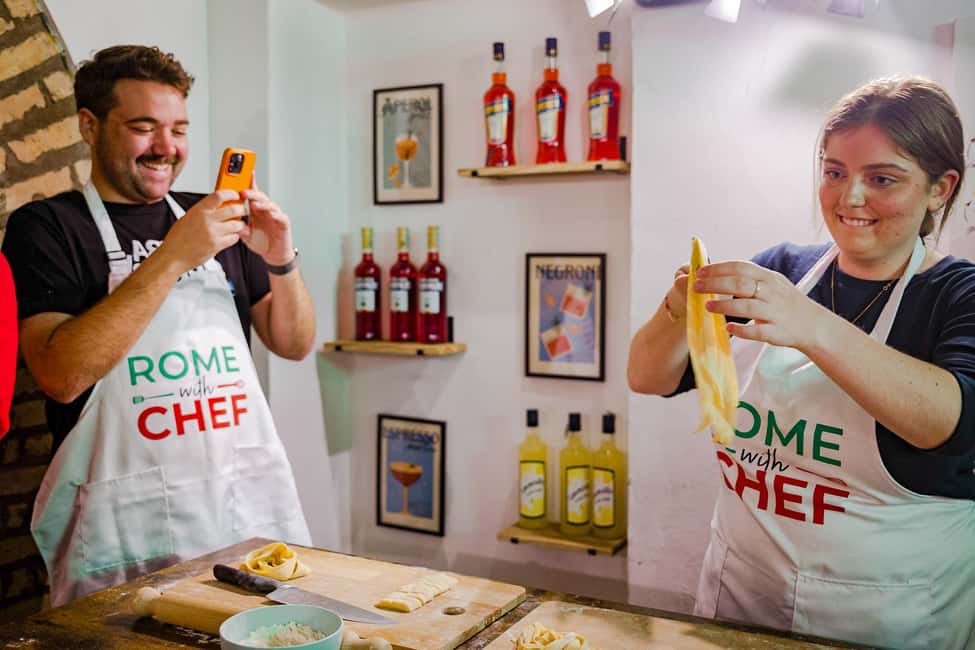
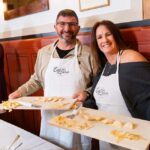
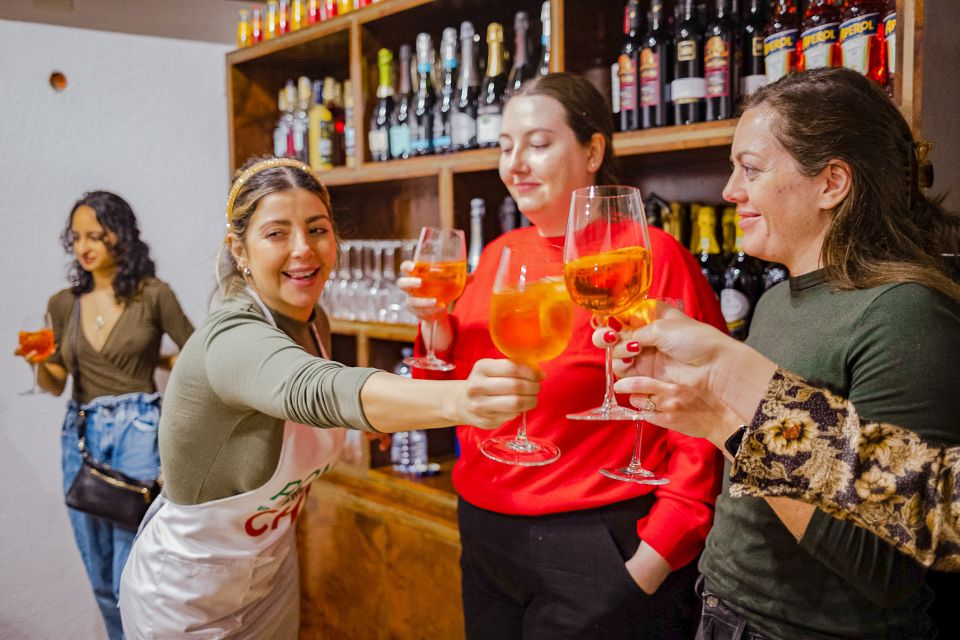
The class doesn’t end with a takeaway box or a quick sample. It ends with a proper eating moment—set down with your new foodie friends, your third spritz, and the pasta you cooked.
This is where the class design really shines. Cooking classes can sometimes feel like a busy demo where you never fully taste what you made. Here, the meal is the payoff. You get to compare your pasta to your expectations right there at the table.
Also, the spritz timing helps. Since you’ve been mixing and tasting during the session, your final sip feels like part of the dinner, not a random dessert drink.
Price and value: what you’re paying for at $100.82
At $100.82 per person, this isn’t a cheap “activity.” But it can be fair value if you price it like a combined experience rather than a single skill lesson.
What you’re getting for your money:
- 3 handcrafted spritzes (Aperol, Hugo, and limoncello)
- fresh ingredients for the pasta workshop
- a mixologist guide and chef-led cooking
- handmade pasta and sauces (with vegetarian options)
- unlimited water/soft drinks
- eat and drink your creations
- recipes to take home
So you’re paying for three things at once: instruction, ingredients, and the meal payoff with drinks. That’s usually where cooking classes become worth it—when you leave full, not just informed.
If you love both cocktails and cooking, this is a smart use of a few hours in Rome. If you’re only interested in one of the two, you may find yourself asking whether you’d rather book a more single-focus food tour or drink workshop instead.
Small-group energy: why the class stays fun and not chaotic
The best reviews you’ll read about this kind of class tend to point to one thing: the host makes it feel easy.
In many groups, guides like Angela and Giovanna are praised for being engaging and hands-on, with clear instructions and a fun atmosphere. Others like Benjamin, Laura, Marzia, and Jem have been described as energetic, informative, and good at keeping the pace so everyone can participate.
That matters because pasta can be technique-heavy if you’re on your own. With a small group, you can get feedback while it still makes sense to adjust. With a larger crowd, you’d spend most of your time waiting for the instructor to notice you.
Dietary limits: the one hard stop to plan around
Here’s the key truth. Due to the menu prepared during the class, the experience cannot accommodate:
- coeliac disease
- gluten intolerance
- vegan diets
- lactose intolerance (because dairy is used)
So if you fall into one of those categories, don’t assume substitutions are possible. Plan for a different Rome food experience that’s designed for your needs.
Vegetarian guests are supported, though, so if your diet is more about plant-forward meals rather than dairy or gluten restrictions, you’ll likely be able to participate comfortably.
Who should book this Rome pasta and spritz class
This class is a great fit if you want:
- a hands-on Rome food experience that doesn’t require previous cooking skills
- a social setting with small group size and good host energy
- a fun evening activity that ends with a real meal and multiple drinks
- a chance to learn two Roman staples: spritz culture and fresh pasta with a signature sauce
It’s also especially appealing for couples, friends, and small groups who want a shared activity that’s not just wandering and taking photos.
If you’re on a tight schedule, note it’s 3 hours, so it works best when you can commit to that window without rushing afterward.
Should you book Rome Traditional Pasta with Cocktails?
If you’re choosing between a passive tour and an active class, I’d lean toward booking this one—mainly because it ends with you eating what you made. The spritzes (Aperol, Hugo, limoncello) add a playful edge, but the core value is the pasta lesson and the table meal.
Book it if you:
- eat meat or dairy (since lactose-free isn’t supported)
- are comfortable with a menu that includes gluten
- want a chef-led, mixologist-led format that keeps things lively but structured
- like the idea of taking recipes home so you can repeat the flavors later
Skip it if you:
- need a gluten-free or vegan setup
- require lactose-free food
- prefer a cooking experience with no alcohol component
If those limits don’t apply, this is a solid way to spend a chunk of Rome time learning something you can actually cook again, with a fun drink in hand while you’re doing it.
FAQ
How long is the Rome pasta and cocktails cooking class?
The class lasts 3 hours.
What group size is this class?
It’s designed to be an intimate class with no more than 14 people. Private group options are also available.
Which spritz cocktails are included?
You’ll make three spritzes: Aperol spritz, Hugo spritz, and limoncello spritz.
What pasta and sauce will we cook?
You’ll make handmade fresh pasta and learn a classic sauce: carbonara or cacio e pepe (you choose).
Are vegetarian options available?
Yes, there are vegetarian options available.
Can you accommodate coeliac disease, gluten intolerance, vegan diets, or lactose intolerance?
No. Due to the menu, the class cannot accommodate coeliac disease, gluten intolerance, vegan diets, or lactose intolerance.
Is the tour guide instruction in English?
Yes, the class includes a live guide in English.
Do you get recipes to take home?
Yes, you’ll receive recipes to take home.
Where do we meet in Rome?
Meet at Via Cesare Balbo, 19, 00184, around the corner from the Hotel 77 entrance, and look for a sign that says Rome With Chef.