REVIEW · ROME
Enjoy Rome Full day tour in Golf Cart with Catacombs
Book on Viator →Operated by DGS Driver Guide Service · Bookable on Viator
A golf cart day saves you from Rome chaos. I loved how the golf cart keeps you moving while your driver handles the streets, and I also liked the tight English-speaking guidance from people such as Achille and Eduardo. One thing to plan for: key entrances like the Pantheon and the Saint Callixtus Catacombs require extra admission tickets.
You get a true private setup, so it feels less like a bus trip and more like you’re borrowing a local for the day. The route mixes iconic stops with enough flexibility to linger for photos, and the whole pace is designed to fit inside about six hours with a relaxed, low-effort ride.
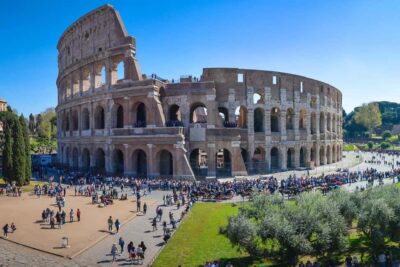
Here’s the main idea I think you’ll appreciate: this is sightseeing with less walking and more “look this way” moments. You’ll hit places like Piazza Navona, the Spanish Steps, and Trevi Fountain, plus the underground experience at San Callisto, where Rome gets surprisingly real.
In This Review
- Key highlights at a glance
- How a 6-hour golf cart loop makes Rome easier
- Pickup and the “center of Rome only” rule
- Antico Quartiere Ebraico: the Jewish quarter as your warm-up
- Pantheon stop: famous building, extra ticket needed
- Piazza Navona and the Spanish Steps: iconic Rome, easy pacing
- Trevi Fountain: coin moment, quick views
- Palatine Hill between the Forum and Campus Martius
- San Callisto Catacombs: the day’s most meaningful payoff
- Why the driving guide matters more than you think
- Lunch and the pace: plan to eat on your own
- Tickets, walking, and what the stops really mean
- Weather and Jubilee restorations can change the feel
- Is the price worth it for a private cart day?
- Who should book this tour?
- Should you book this Rome golf cart with Catacombs?
- FAQ
- How long is the Rome full day tour by golf cart with Catacombs?
- Is hotel pickup included?
- Is the tour conducted in English?
- Are admission tickets included for the Pantheon and the Catacombs?
- Does the tour include a guided walking tour inside each site?
- What if monuments are under restoration or the weather is bad?
Key highlights at a glance
- Golf cart comfort for traffic-heavy Rome: less walking, more breeze, easy in-and-out between stops
- Private, customized experience: only your group, so your guide can work around your pace
- Top Rome landmarks, short stops: you’ll see the famous names without committing to long queues
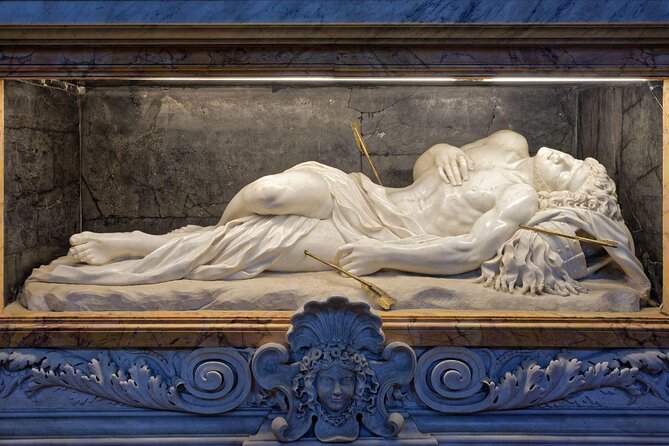
- Saint Callixtus Catacombs: the most memorable “wow” moment for many first-timers
- English driver-guide storytelling: route know-how plus history at each stop
- Tickets partly on your own: Pantheon and catacombs admission aren’t included, so budget ahead
How a 6-hour golf cart loop makes Rome easier
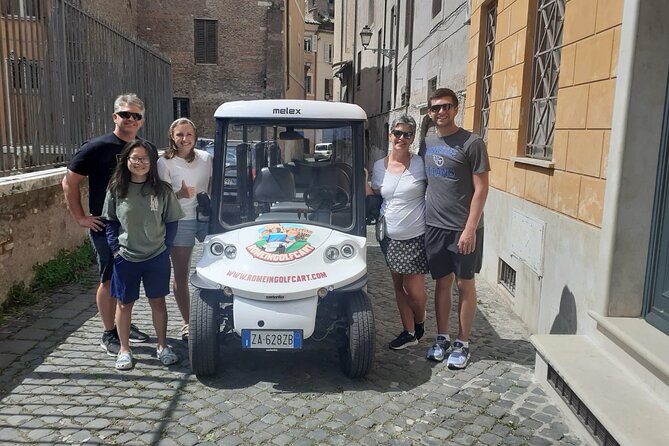
Rome is big, and the historic center can feel like a traffic puzzle. This tour uses a deluxe golf cart format to solve two common problems at once: you cover more ground than you would on foot, and you avoid spending your energy inching through busy streets.
I like the way the day is structured for real visitors, not just “photo-checklist” tourists. Each stop is short—think about 15 to 20 minutes—so you get your main moments without losing the whole morning to one single site. Your driver guide also handles the driving, which means you can focus on the view, the explanations, and moving quickly to the next spot when it’s time.
Because it’s private, you’re not squeezed into a loud group rhythm. When I’ve seen this style of tour work best, it’s with families and multi-generational trips too—one guide (Eduardo) even made it a hit for kids and grandparents on a first visit, keeping the storytelling simple and fun.
You can also read our reviews of more tours and experiences in Rome



Pickup and the “center of Rome only” rule
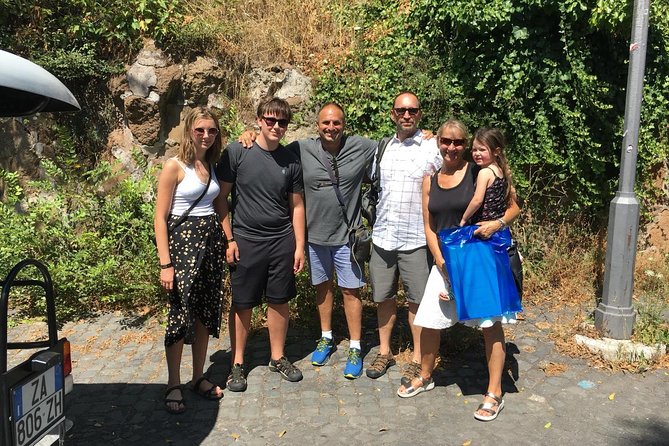
Hotel pickup is included, but it’s not universal. Your pickup (and drop-off) is only available if you’re located in the historic centre of Rome.
That matters because the whole point of a golf cart day is speed and proximity. If you’re farther out, you might need to make your own way to the meeting point and then meet the group from there. If you’re staying in the core—near the main sights—this part feels smooth: you start with less hassle and you get more sightseeing time.
Also note the tour uses a mobile ticket. That’s one less thing to track on paper, especially when you’re moving between multiple landmarks in a single morning.
Antico Quartiere Ebraico: the Jewish quarter as your warm-up
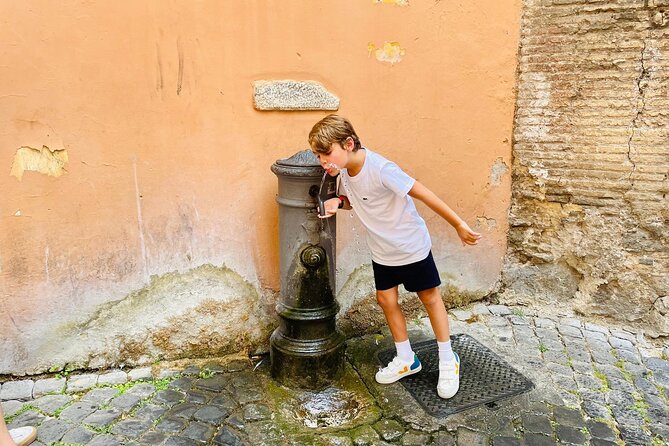
The day starts in Antico Quartiere Ebraico, the historic Jewish district. This stop is short—about 15 minutes—and the admission is free, so it’s a low-risk way to set the tone for the rest of the route.
What I like about starting here is that it’s not just “another big monument.” It gives you a feel for Rome’s older neighborhoods and side-street textures before you move into the best-known squares. Even if you’ve visited Rome before, this sort of opening stop helps you get your bearings fast—different streets, different atmosphere, and a change from the big-name crowds.
Tip: treat this as a photo and orientation moment. You’ll be on and off the cart all day, so spending your first minutes walking a few steps, looking around, and then hopping back on is an efficient way to start.
Pantheon stop: famous building, extra ticket needed
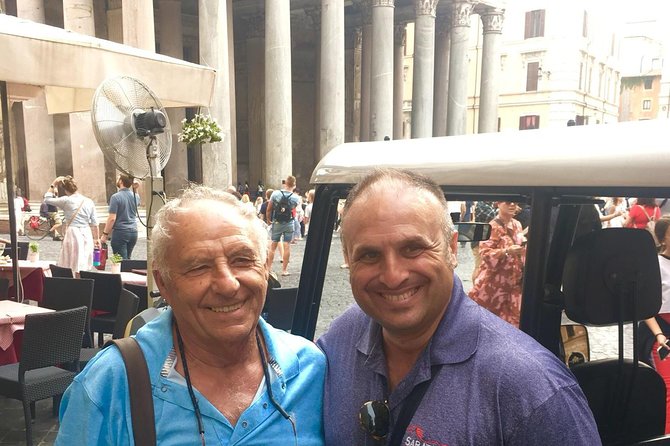
Next is the Pantheon, one of Rome’s most recognizable structures. Your time here is about 15 minutes, and the admission ticket is not included.
That means you should plan for two things:
- Decide in advance whether you want to go inside or focus on the exterior area first.
- Budget the additional cost for entry, since this tour doesn’t cover it.
The upside is timing. Fifteen minutes at the Pantheon can be enough to see the key views and soak up the scale without turning the whole tour into a line-waiting exercise. If you want a more relaxed visit inside, go a bit earlier in the thinking game—arrive with your expectations set so you don’t rush the details.
If your main priority is “maximum Rome in minimum time,” the Pantheon stop fits the day well. If your priority is deep inspection inside, you might wish you had more time than 15 minutes allows.
Piazza Navona and the Spanish Steps: iconic Rome, easy pacing
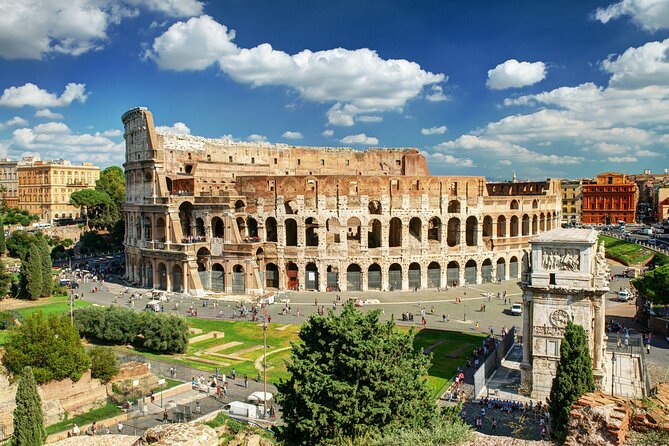
From the Pantheon, you roll to Piazza Navona. Again, it’s a short stop—around 15 minutes—with free access. Piazza Navona sits on the historic footprint of older Roman stadium space, so even when you’re just looking at fountains and facades, you’re also looking at layers of time.
Then comes the Spanish Steps. These are free to visit, and the stop is also about 15 minutes. This is the part of the day many people remember because it’s easy to take in at a glance: stairs, views, and a lively meeting point atmosphere.
One practical consideration: both of these places are popular. Even with the golf cart, you’ll still find yourself in the flow of pedestrians. The tour’s value here is that you’re not trapped on a full walking route. You’re dropped close, you look, you take photos, and then you move on.
If you travel with kids, this is also a good stretch because you can do “short attention span sightseeing” without giving up on the classics. Eduardo’s experience with families is a good example of how guides can keep things upbeat and keep the group moving when needed.






Trevi Fountain: coin moment, quick views
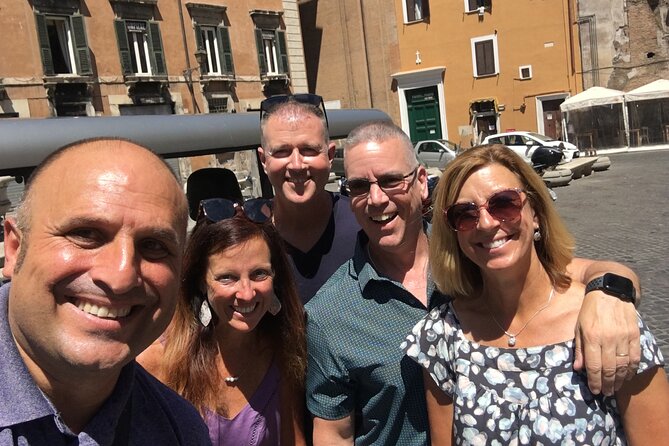
Trevi Fountain is next, about 15 minutes, and it’s also free to access. The big practical tip is right there in the vibe of Rome: don’t forget the coin tradition.
What makes Trevi work on a golf cart day is that you get the moment without turning your schedule into a slow, frustrating ordeal. You can still stand in the right spots for photos, but you’re not dedicating a huge chunk of the tour to one single site. This helps you protect your energy for the later, more emotionally memorable stop underground.
Also, keep your expectations realistic. Trevi is busy. A short stop can feel rushed if you’re hoping for long, quiet time. If you can accept it as a “classic moment then move on,” the pacing here works.
Palatine Hill between the Forum and Campus Martius
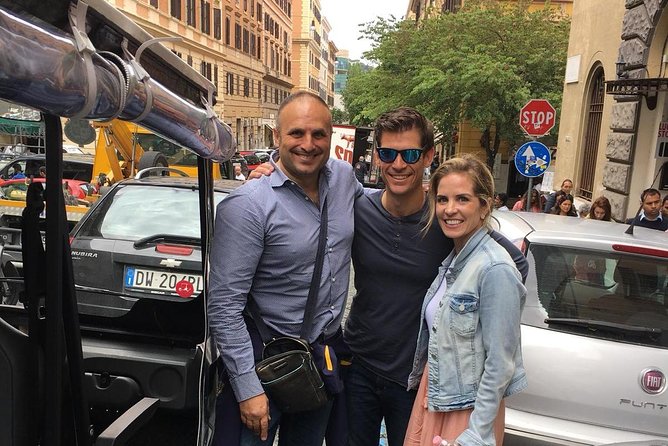
After Trevi, the tour heads to Palatine Hill. You get about 15 minutes here, and admission is free for the stop time.
Palatine Hill is one of the famed Seven Hills of Rome, and it sits between the Forum and Campus Martius. Even without a deep ticketed visit, the value of this stop is context. It helps you connect what you’ve seen in squares to the bigger story of where Roman power sat and expanded.
Because time is limited, I suggest you treat Palatine Hill as a viewpoint stop. Look for the lines of space and the sense of how the city’s layout works. If you want to go deeper into the official ruins and ticketed areas, you’ll want a separate visit—this tour gives you the “pointing and orientation” version.
San Callisto Catacombs: the day’s most meaningful payoff

The final featured stop is Catacombe di San Callisto, also known as the Saint Callixtus Catacombs. This is about 20 minutes, and admission is not included.
This is the part of the tour that tends to feel most special. A golf cart is fun, but the catacombs are the reason many people book in the first place: Rome underground, tied to early Christian burial traditions, plus a setting that carries weight.
One more helpful angle: the route around San Callisto is also described as an ancient road connection used in Roman times to move troops toward the port area. That makes your visit feel less like a random underground stop and more like you’re seeing how Rome’s street network shaped history.
Two key realities for your planning:
- You’ll pay extra for catacombs entry.
- You’ll want to manage your expectations about time. Twenty minutes isn’t a long museum visit, so go in ready to focus on the highlights you care about most.
Why the driving guide matters more than you think
This tour leans hard on the idea that a local driver guide isn’t just reciting facts. They’re navigating Rome’s streets in real time, choosing where to stop, and making sure you don’t waste half the day stuck trying to find parking or safe drop-off points.
In real terms, that can change how much you see. Golf carts also get you access to areas bigger vehicles may struggle with. That’s part of why people report feeling like they saw more than expected while still feeling relaxed.
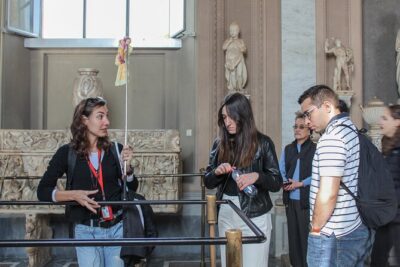
The other half is storytelling. Guides named in guest comments—Achille, Eduardo, Eddie, Valeriio, Valerio, and Vallaria—are described as adding personal touches and practical tips. If you care about how locals talk about food and daily life, this is the kind of day where that conversation can happen naturally during ride time.
Lunch and the pace: plan to eat on your own
Lunch and extras are not included. However, a good driver guide can still help you avoid the common “we’re hungry and now everything is bad” trap by recommending somewhere convenient.
I’ve seen examples of guides pointing people toward places like Due Colonne Antica trattoria. You’d still pay for lunch yourself, but the payoff is that you’re less likely to end up with an overpriced option that’s far from your next stop.
If you want to make your day smoother, decide in advance whether you’ll eat near your last stop or during a planned pause. Since most stops are short, you’ll likely need to build lunch into the gaps yourself.
Tickets, walking, and what the stops really mean
This tour is designed to stop close to major sites rather than doing full guided walking tours on each property. That’s a meaningful difference.
Here’s how it affects you:
- You’ll spend more time riding and less time doing long guided walks.
- Your guide can give context at key moments, but you won’t get the full deep-dive walking route of a dedicated site guide.
- Some entrances require your own tickets (Pantheon and the catacombs), so you should be ready to pay.
If you love Rome but you’re not trying to win a marathon of museum time, this setup is a great fit. If you want maximum time inside specific sites, you may feel the stop lengths are too short.
Weather and Jubilee restorations can change the feel
Rome doesn’t always cooperate. The tour requires good weather, and there may be restoration work at monuments because of the Jubilee. That means some sights could look different during your visit, or your exact experience could shift slightly.
This isn’t a reason not to book. It’s just a smart heads-up: when you’re planning a short, timed day, you want flexibility. If a monument is under restoration, your guide’s job is still to keep your day worthwhile—often by adjusting what you focus on.
Is the price worth it for a private cart day?
At $539.43 per person for about six hours, this is not a budget activity. But I’d call it value in the way private Rome experiences often are: you’re paying for time, reduced hassle, and a local driver guide plus a golf cart.
The cost makes more sense if:
- You want private, not shared, pacing.
- You’re staying in the historic center and can use hotel pickup.
- You’d rather pay for convenience than spend extra time navigating Rome yourself.
- You’re traveling with family or people who don’t want long walks.
It becomes less cost-effective if you’re the type who wants a fully independent day with lots of entrances you can manage on your own. Also factor in that Pantheon and catacombs admission are not included, so the final spend will be a bit higher than the headline price.
If you’re a first-time visitor or you only have one day to cover the “big names,” the math leans in favor of booking.
Who should book this tour?
I’d book this if you:
- Want a first-timer Rome day that hits major landmarks without exhausting your feet.
- Prefer a relaxed pace where you’re not constantly rerouting or hunting for parking.
- Travel with multi-age groups and want a guide who can keep everyone engaged.
- Like history, but also like your sightseeing to feel practical and move at human speed.
I might skip it if you:
- Care most about long, ticketed museum-style time inside buildings.
- Want a totally self-guided day with no need for a driver guide.
- Are staying outside the historic center and don’t want to deal with reduced pickup options.
Should you book this Rome golf cart with Catacombs?
If you want a smooth, efficient Rome day that balances iconic squares with a real underground finale, this is a strong choice. The combination of private pacing, a driver guide handling the logistics, and the standout San Callisto stop makes it feel like more than just a checklist.
Before you book, do two small things to make it work in your favor: budget for Pantheon and catacombs admission, and plan for short site visits where you focus on the main moments. If that sounds like your style, you’ll likely love the way this day gives Rome its highlights without wearing you out.
FAQ
How long is the Rome full day tour by golf cart with Catacombs?
It’s listed at about 6 hours.
Is hotel pickup included?
Yes, hotel pick-up and drop-off are included if your accommodation is located in the historic centre of Rome.
Is the tour conducted in English?
Yes, it offers a local English-speaking Driver Guide.
Are admission tickets included for the Pantheon and the Catacombs?
No. The Pantheon and Catacombe di San Callisto admission tickets are not included.
Does the tour include a guided walking tour inside each site?
No. The tour stops close to the sites, but guided walking tours on the sites are not included.
What if monuments are under restoration or the weather is bad?
The tour requires good weather. Also, due to the Jubilee, some monuments may be under restoration, and you may receive messages about potential changes.