REVIEW · ROME
Roman Vegetarian Food Tour
Book on GetYourGuide →Operated by walkingourmet · Bookable on GetYourGuide
Vegetarian Rome tastes surprisingly real. This 2.5-hour walking food tour in Lazio threads through central sights often starting near the Campo de’ Fiori area and continuing toward the Jewish ghetto, then finishes with Sicilian-style sweets and espresso culture.
I love how the guide ties each bite to neighborhood history and seasonal ingredients—so food isn’t just food, it’s a way to read Rome. I also love the Roman-and-Sicily mix, especially classic pairings like Cheese’n’Pear and the promise of pistachio ricotta cannoli plus top bakery-style chocolate. One drawback to plan for: no alcoholic beverages are included, so wine or beer pairings won’t be part of the tasting.
In This Review
- Key things to look forward to
- Roman Vegetarian Food Tour: Why this kind of Rome food works
- Getting your bearings at the Giordano Bruno statue and into the walk
- Seasonal produce: what it means when you eat like Romans
- Jewish-Roman artichokes and cultural flavors you can taste
- Roman street-food rhythm: pizza Rosso, supplì, and zucchini blossoms
- Sicilian patisserie: cannoli pistacchio and ricotta plus homemade chocolate
- Cheese’n’Pear and smart pairings that teach you how to taste
- Gelato and real Italian espresso: ending on Rome’s daily favorites
- Guides and pacing: what “100% private” feels like in a small group
- Price and value: is $81 per person worth it?
- Who should book this Roman vegetarian walk (and who might not)
- Should you book the Roman Vegetarian Food Tour?
- FAQ
- How long is the Roman Vegetarian Food Tour?
- What is the price per person?
- Where does the tour meet?
- Is the tour private or small group?
- What food and drinks are included?
- Is alcohol included in the tour price?
- What languages are available?
- Can I cancel and get a refund?
Key things to look forward to
- A small group (up to 10) with a truly attentive, 100% private guide feel
- Season-first Roman cooking, where vegetables do the heavy lifting
- Jewish-Roman flavors, including Jewish-Roman artichokes
- Sicilian patisserie stop(s) for cannoli pistacchio and ricotta, plus homemade chocolate
- Ending with Italian basics: gelato and real espresso
Roman Vegetarian Food Tour: Why this kind of Rome food works
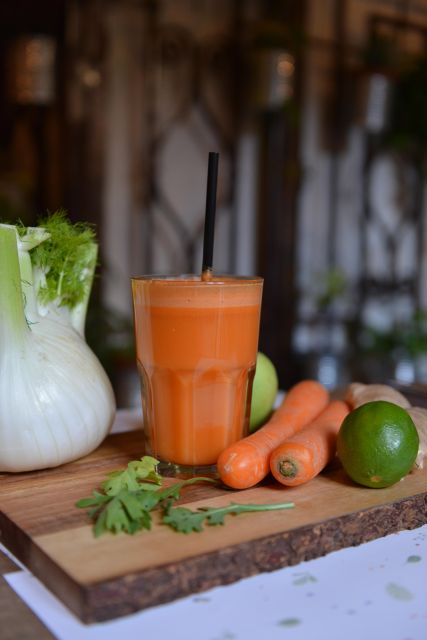
Rome’s food reputation often starts and ends with meat. This tour flips that script on purpose. You’ll be eating dishes shaped by a plain, old-school reality: for many people, meat was a weekly luxury, so vegetables, grains, and whatever was fresh in season did the day-to-day work. That mindset shows up in the way Roman cooks treat simple ingredients like they matter.
What I like about this format is that it doesn’t feel like a veg-only lecture. It feels like a tour of how Rome thinks—how people turn humble things into satisfying meals. You’ll taste that logic through seasonal produce, Roman specialties, and sweet stops that bring a Sicilian accent into the mix.
The result is a practical kind of learning. You don’t just leave with a list of foods. You leave with a better sense of what to order next time you’re hungry in Rome—and why.
You can also read our reviews of more food & drink experiences in Rome

Getting your bearings at the Giordano Bruno statue and into the walk
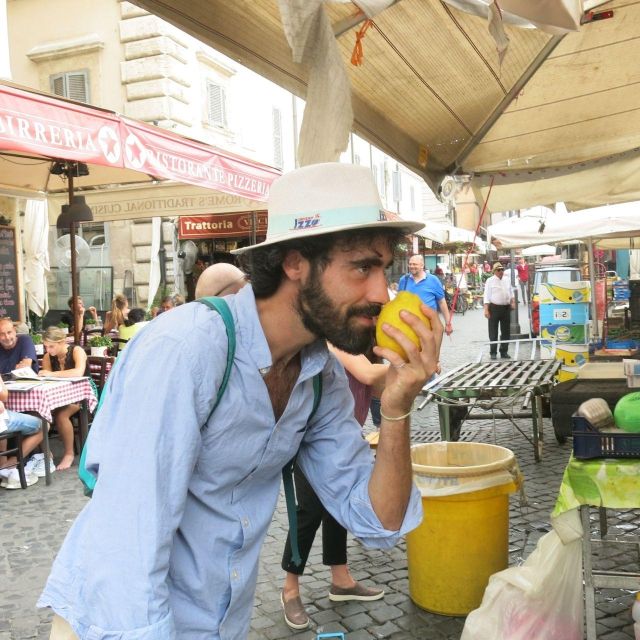
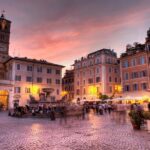
The meeting point is the Giordano Bruno Satue. From there, the tour works as a classic Rome walking circuit: you’ll get moving early, then hop from one food-focused stop to the next at a pace that keeps you fed without turning the whole day into a sprint.
Recent tours have anchored the route around central highlights such as the Campo de’ Fiori area and the Jewish ghetto zone. That matters because Rome’s food traditions aren’t random. The neighborhoods shaped the supply chains, the habits, and the recipes. When your guide points that out, the tastings make more sense fast.
Also, the small-group limit of 10 helps a lot. You’re not stuck behind a crowd. You can hear the stories, ask quick questions, and actually taste what you’re served.
Seasonal produce: what it means when you eat like Romans
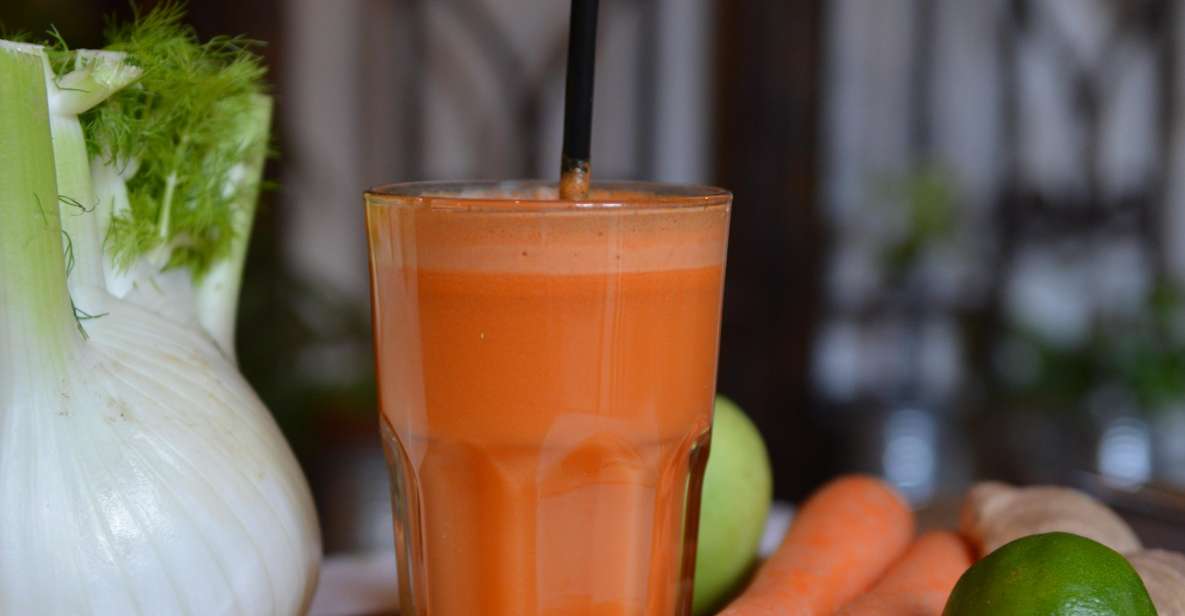
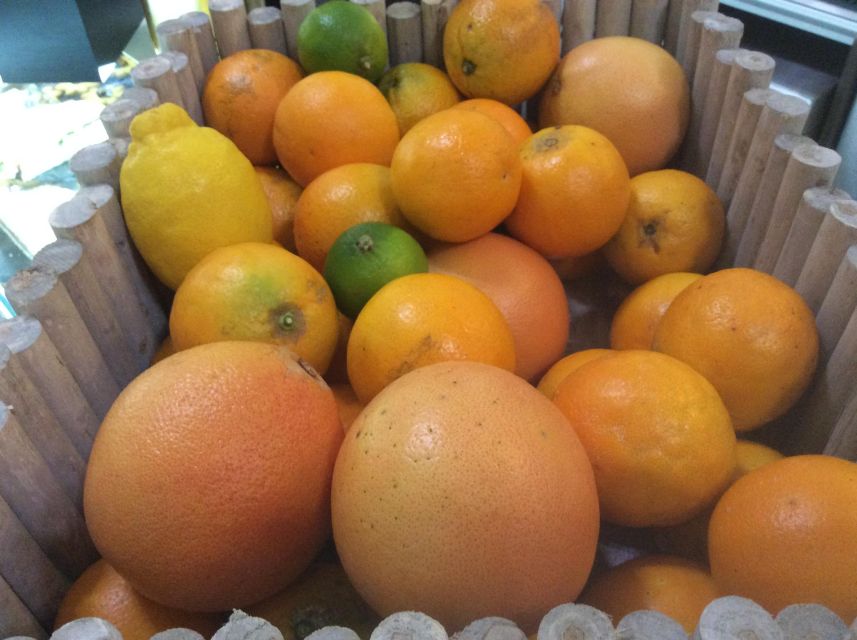
Seasonal eating in Italy isn’t a trendy buzzword. It’s a basic rhythm, and this tour keeps the theme front and center. You’ll taste fresh fruit and other seasonal goods, then connect that to the broader Roman habit of using what’s available and letting good ingredients do the talking.
This is especially useful if you’re visiting Rome in shoulder season or winter. One of the best parts of a seasonal tour is that it prevents the classic mistake: eating like it’s summer when it’s not. The guide’s focus on what’s in season helps you understand what the market is offering right now—and what it means for flavor.
If you’re the kind of traveler who likes to shop for food too, this kind of tour can train your eye. You start noticing produce that’s likely to show up in local dishes, not just the items that look good in a photo.
Jewish-Roman artichokes and cultural flavors you can taste
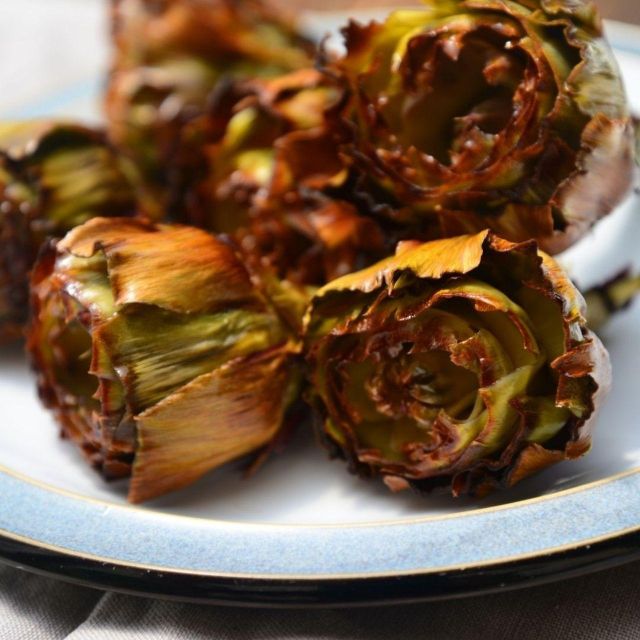
One of the standout items in the tour description is Jewish-Roman artichokes—a flavor story that reflects how different communities shaped Rome’s food. This is exactly the kind of stop that makes a walking tour worth it. Instead of treating vegetables as a generic “health” category, the guide connects them to culture, technique, and local history.
Artichokes are a great example because they’re not a one-note vegetable. Depending on how they’re prepared, they can taste earthy, bright, and almost sweet. When a guide frames them as a fusion ingredient—Roman tradition plus Jewish-Roman influence—you pay attention differently. You’re tasting for identity, not just flavor.
If you like food that tells a story, this is one of the best parts of the tour to lean into. Ask your guide what makes the preparation distinct, and you’ll catch details you might otherwise miss.
Roman street-food rhythm: pizza Rosso, supplì, and zucchini blossoms
Roman food isn’t only about sit-down meals. It’s also about street bites that come out warm, quick, and made for walking. This tour leans into that rhythm with classic Roman options, including:
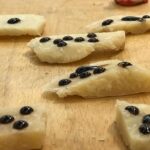
- Roman pizza Rosso
- supplì
- a stop that may include fried zucchini blossom with cheese and anchovy, depending on the day
That last one is worth flagging. Even in a vegetarian-leaning tour, you might see Roman touches that include anchovy. If you’re strictly vegetarian, mention your dietary needs at the start. A good guide can help you understand what’s in each item and whether there’s an alternative.
The practical takeaway: these stops teach you how to order like a local. Once you’ve tasted pizza Rosso and supplì in the context of Roman food culture, you’re more likely to pick the right snack when you’re back on your own.
You can also read our reviews of more tours and experiences in Rome



Sicilian patisserie: cannoli pistacchio and ricotta plus homemade chocolate
Rome and Sicily don’t just share Italian culture. They share a love of pastry craft. This tour includes a Sicilian-style patisserie stop where you can expect flavors like:
- Cannoli pistacchio and ricotta
- homemade-style chocolate
Patisseries in Italy are serious places. The difference you’ll notice on this tour is how the sweets fit into the flow of the meal rather than acting like random dessert clutter. Cannoli, for example, brings a creamy, rich texture that balances the savory bites before it.
The pistachio-and-ricotta pairing is also a smart choice for a food tour. It’s distinct, it’s recognizable, and it teaches you something about Sicilian sweet direction: nutty flavors, dairy richness, and a pastry that holds its structure even when eaten slowly.
If you’re a chocolate person, the homemade chocolate stop is one of the moments that feels the most memorable. It’s the kind of thing that makes you pause for a second and rethink how you define chocolate.
Cheese’n’Pear and smart pairings that teach you how to taste

One of the best ideas in the tour concept is not just feeding you, but training your palate. The tour highlights a pairing called Cheese’n’Pear. On paper, it sounds simple. In practice, it’s a clever lesson in contrast: creamy or savory cheese meets fruit sweetness, and suddenly you understand how balance works in Italian eating.
This pairing also fits the tour’s seasonal focus. Pear isn’t just a generic fruit. When it’s at its best, it changes the whole feel of the plate. The guide’s job is to show you what to taste—saltiness, sweetness, texture, and how the flavors talk to each other.
After a pairing lesson like this, you’ll order more confidently later. You’ll stop thinking only in terms of what you like and start thinking about what makes the dish work.
Gelato and real Italian espresso: ending on Rome’s daily favorites
No Roman food day feels complete without the basics. This tour ends (or late-stages) in that spirit with a stop for gelato—described as the best gelateria in town—and a coffee moment with real Italian espresso blend.
Gelato on a food walk is more than dessert. It’s a palate reset. You’ve been eating savory items, then pastries, then you finish with something cold and clean. That makes each earlier bite feel more distinct when you look back.
The espresso part matters too. The tour emphasizes a real Italian espresso blend, and the point of that isn’t fancy branding. It’s flavor: bold, robust, and made to be quick. You’ll get why espresso culture is such a daily habit in Italy when you taste it in the middle of the walking pace.
Guides and pacing: what “100% private” feels like in a small group
This is run by walkingourmet, and you could be guided by people like Vincenzo, Orso, Viola, or Lana—names tied to real experiences with this tour. The common thread is the same: they connect food to the city in a way that’s easy to follow and fun to ask questions about.
Here’s what you’ll feel in practice:
- You can ask short follow-ups without being shuffled off.
- The group size keeps the pace human.
- You’ll get neighborhood context alongside the tastings.
Also, because the tour is wheelchair accessible, it tends to be planned with real-world movement in mind. Still, it’s a walking food tour. Wear comfortable shoes and expect time spent on your feet.
Price and value: is $81 per person worth it?
$81 per person for 2.5 hours isn’t bargain-basement. But it’s not a random ticket price either. It includes:
- a 100% private guide approach
- snack
- coffee and/or tea
- bottled water
- a small group capped at 10
That mix matters because Rome tastings add up fast if you pay as you go. Between savory snacks, sweets, and a proper espresso stop, the included items can cover a big chunk of what you’d otherwise buy on your own.
So the value question comes down to fit:
- If you want history tied to food, plus multiple tastings with a guide steering you, it’s strong value.
- If you only want one bite and a photo, you’ll probably feel the cost more.
Also, alcohol isn’t included. If you were hoping to turn the tour into a wine-fueled evening, you’ll need to budget for that separately.
Who should book this Roman vegetarian walk (and who might not)
This tour is a great match if you:
- want vegetable-forward Roman food rather than just a standard sightseeing lunch
- enjoy learning why dishes exist, not only what they taste like
- like walking food tours where you get multiple stops without thinking too hard
It’s also a smart pick if you’re visiting in months like December, when seasonal produce changes what’s on offer. A guide who focuses on seasonality helps you avoid the disappointment of ordering the wrong thing for the time of year.
You might skip it if:
- you want a heavy drinking component, because alcohol isn’t included
- you need a strict diet with zero fish ingredients; the tour is vegetarian-focused, but Roman items can include additions like anchovy, so you’ll want clear communication at the start
Should you book the Roman Vegetarian Food Tour?
If you’re excited by the idea of eating Rome through seasons, neighborhoods, and culture, I think this tour is an easy yes. The small-group private-guide feel, the blend of Roman savory bites with Sicilian patisserie sweets, and the palate education from pairings like Cheese’n’Pear make it more than a snack crawl.
Book it when you want structure and good guidance. Skip it when you just want independence and don’t care about the story behind what’s on the plate.
FAQ
How long is the Roman Vegetarian Food Tour?
It lasts 2.5 hours.
What is the price per person?
The price is $81 per person.
Where does the tour meet?
The meeting point is the Giordano Bruno Satue.
Is the tour private or small group?
You’ll have a 100% private guide, and the group is limited to 10 participants.
What food and drinks are included?
The tour includes snacks, coffee and/or tea, and bottled water.
Is alcohol included in the tour price?
No. Alcoholic beverages are not included.
What languages are available?
Guides are available in English, French, German, Italian, and Spanish.
Can I cancel and get a refund?
Yes. There is free cancellation up to 24 hours in advance for a full refund.