REVIEW · ROME
Rome in Golf Cart Trastevere and Jewish Ghetto
Book on Viator →Operated by DGS Driver Guide Service · Bookable on Viator
Skip the footsore part of Rome. This private Rome golf cart tour strings together Trastevere lanes and the Jewish Ghetto so you can see more than the big-ticket stops. I especially like the on-board English-speaking driver guide commentary as you move between neighborhoods.
I also like the practical format: stops are right by the sights, so you avoid the long walking detours that can eat up your day. In a few hours, you go from pretty backstreets to major historic landmarks like the Teatro di Marcello area and viewpoints around the Tiber.
One consideration: the tour needs good weather, and with the Jubilee, some monuments may be under restoration. That can mean your exact sights-and-angles can shift day to day.
In This Review
- Key highlights worth your attention
- Why two neighborhoods work best by golf cart
- Trastevere lanes: where the neighborhood mood actually shows
- Stop 1: Trastevere itself
- Santa Cecilia area and the Rome-you-can-see-from-the-street approach
- Stop 2: Santa Cecilia in Trastevere (outside, and inside if open)
- Stop 3: Piazza di Santa Maria in Trastevere
- Roman bones near Bernini: Porticus Minucia and Roman theater access
- Stop 4: Porticus Minucia
- Stop 5: Isola Tiberina (Tiber Island) legends and origins
- Stop 6: Fontana delle Tartarughe (the turtle fountain, minus the turtles)
- Teatro di Marcello area: the ancient stage you can feel
- Stop 7: Teatro di Marcello
- Jewish Ghetto focus: Antico Quartiere Ebraico and the Great Synagogue
- Stop 8: Antico Quartiere Ebraico
- The Great Synagogue area
- The guide makes the difference: what Achill-style commentary does
- Tickets, admissions, and what to expect when you stop
- Logistics that actually matter: pickup, private comfort, and time
- Jubilee and restoration: why your view might change
- Weather matters more than you’d think
- Should you book this Trastevere and Jewish Ghetto golf cart tour?
- FAQ
- How long is the Rome in Golf Cart Trastevere and Jewish Ghetto tour?
- Is this tour private or shared?
- Do you offer hotel pickup and drop-off?
- What kind of guide will I have?
- Are tickets included for the stops?
- Will I need to do long walking tours?
- Will the Jubilee affect what we see?
- Is it refundable if my plans change?
Key highlights worth your attention
- Golf cart pace through cobblestones so you can cover two historic neighborhoods without wearing out your feet
- On-board guidance from a local English-speaking driver guide at each stop
- Trastevere anchors like Santa Maria squares, nearby church architecture, and Roman-era fragments
- Tiber Island + turtle fountain moments with quick, close-to-the-road sightseeing
- Jewish Ghetto focus on the Antico Quartiere Ebraico and the Great Synagogue area
Why two neighborhoods work best by golf cart
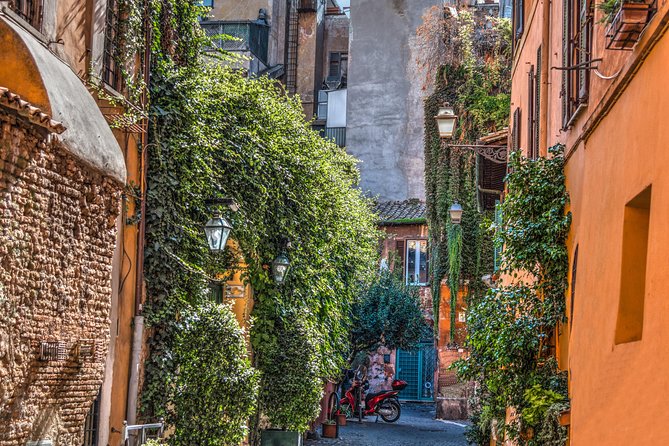
Rome is spectacular, but it’s also physical. Trastevere’s cobblestone lanes and the Jewish Ghetto’s dense streets can turn a “quick wander” into a long, tiring shuffle. This tour keeps the energy moving by using a golf cart, while still letting you stop often enough to actually take in what you came for.
The main appeal is balance. You get the feel of classic Rome in Trastevere—tiny alleys, Roman trattorias, small markets, and artisan workshops—without spending all day standing in lines or walking far between points. Then you switch to the Jewish Ghetto area, one of the oldest Jewish communities in Europe and closely tied to Rome’s top dining scene. The contrast is the point: lively everyday streets, then a historically heavy district that still lives today.
Price-wise, the $401.43 per person isn’t “cheap,” but it does something you can’t get from a standard walking plan: time compression. A private, 4-hour cart tour with hotel pickup in central areas (when applicable) is aimed at people who want to spend their limited time seeing neighborhoods at human speed, not just collecting monuments.
You can also read our reviews of more tours and experiences in Rome.



Trastevere lanes: where the neighborhood mood actually shows
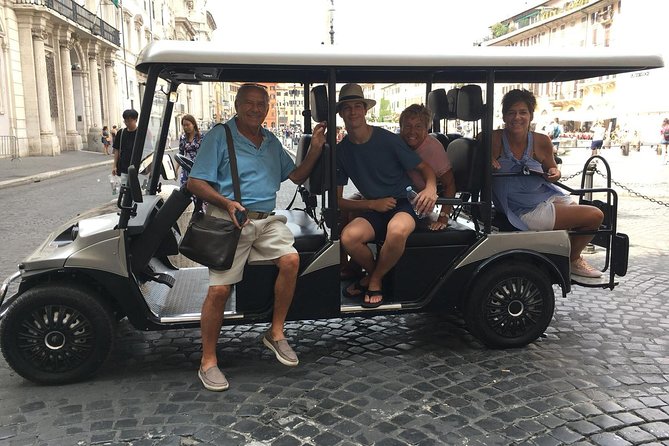
Trastevere is the kind of place where you can get turned around and end up somewhere better. That’s exactly the vibe this tour is built around. The cart helps you move through the area, but you’re not rushed through a checklist of postcard views. Instead, you’re given time near the local rhythm: small shops, artisan workshops, and the kind of streets where people still do normal day-to-day Rome.
This is also where you’ll notice the tour’s philosophy: it’s about proximity. The stops are short and practical (with admission free at the listed sites), and you’re meant to look, orient yourself, and move on—rather than join a long walking tour that turns into an endurance event.
Stop 1: Trastevere itself
You start directly in Trastevere, with a chance to soak up the neighborhood texture—lively alleys, traditional trattorias, and small markets. If you’re the type who loves the “in-between” parts of cities, this opening makes sense. It sets context for everything that follows, so the later history feels more grounded.
Santa Cecilia area and the Rome-you-can-see-from-the-street approach
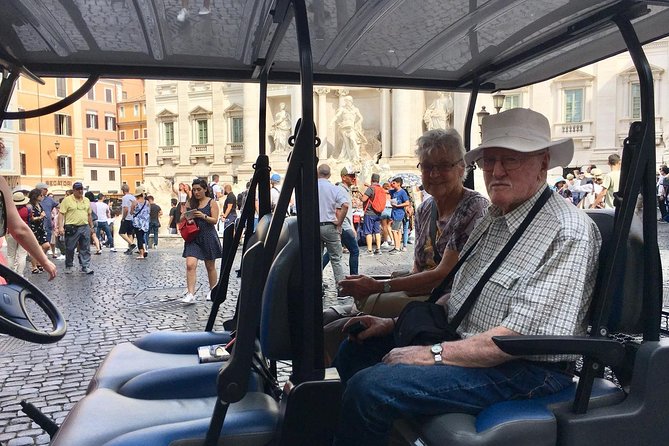
After Trastevere’s general character, the tour shifts to specific landmarks that help you read the neighborhood.
Stop 2: Santa Cecilia in Trastevere (outside, and inside if open)
Santa Cecilia is tied to Saint Cecilia, who is considered the patron saint of music. If the church is open, you’ll have a chance to see it from inside too. Even if you only view it from nearby, it’s a useful stop because it reinforces how much Rome’s religious landmarks act like neighborhood landmarks, not isolated tourist objects.



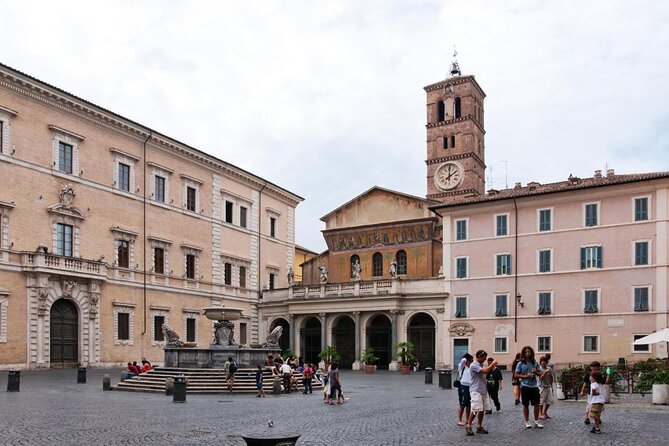
Stop 3: Piazza di Santa Maria in Trastevere
Here you focus on a square and fountain detail: a Roman-origin fountain restored by Bernini in 1659. The Basilica di Santa Maria in Trastevere is mentioned as returning to a sparkling state after a long restoration. The point isn’t just the celebrity name—it’s the way restoration changes what you can actually notice with your eyes today.
This is also a good moment for photos, because squares give you space to step back and frame architecture without constantly negotiating street crowding.
Roman bones near Bernini: Porticus Minucia and Roman theater access
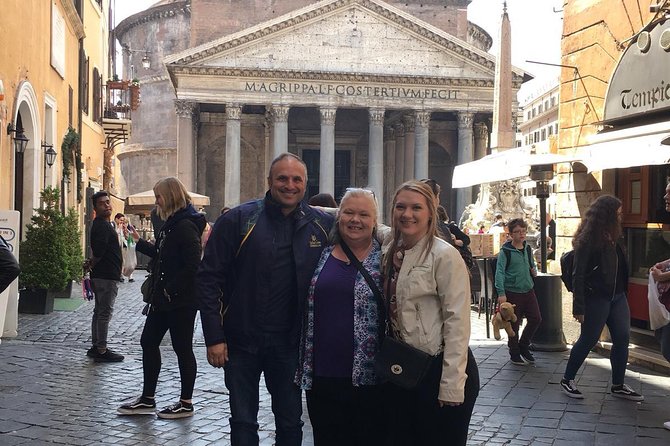
Rome mixes eras like it has no shame about time periods sharing the same block. This portion shows that idea clearly.
Stop 4: Porticus Minucia
This portico is linked to emperor Augustus, built between 33 and 23 BC in memory of his sister Octavia. It’s described as a double-columned porch with sculptures and paintings, and importantly, it made Marcello theatre access easier.
I like stops like this because they do two things at once:
- They explain what you might otherwise walk past without realizing what it is.
- They connect one landmark to another, so Rome starts feeling less random.
Stop 5: Isola Tiberina (Tiber Island) legends and origins
The Tiber Island sits at the center of Rome-origin legends. You’ll hear the story about its shape being compared to the ship that transported Aesculapius (god of medicine) from Epidaurus. Even if you’re not a legend person, it gives you a lens for why this island mattered—because Rome’s early “why” is often tied to myth, medicine, and ritual space.
Stop 6: Fontana delle Tartarughe (the turtle fountain, minus the turtles)
This fountain is named after turtles, but the description is clear: there are no turtles swimming in the water. The “priceless” element here is the carved animals themselves, not live wildlife. It’s a small but helpful reality check for visitors who expect a literal turtle scene.
Teatro di Marcello area: the ancient stage you can feel
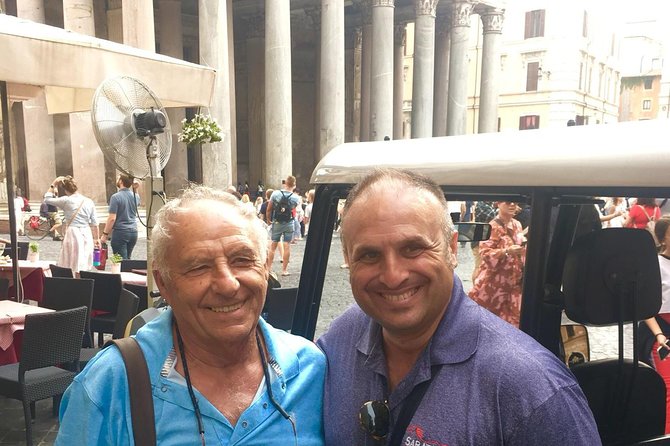
Stop 7: Teatro di Marcello
The Theatre of Marcellus is an ancient open-air theatre built in the closing years of the Roman Republic. It’s included as a stop with admission not included. That means you can still see the structure from very close range as part of the tour, but if you want entry, you should expect an additional ticket decision.
This is one of those Roman landmarks that changes your understanding of the city fast. Seeing it from near street level makes the scale feel more real than photos do. And because the tour ties it back to Porticus Minucia, you get a mini “Roman travel story arc” rather than isolated facts.
Jewish Ghetto focus: Antico Quartiere Ebraico and the Great Synagogue
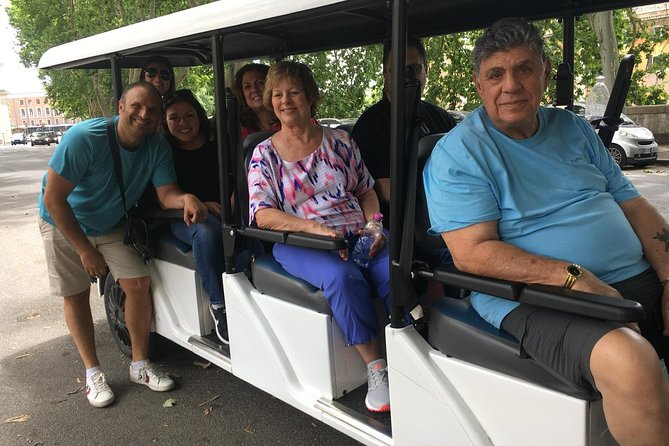
After Roman streets and classic landmarks, the route makes a shift that’s more than geographic. The Jewish Ghetto of Rome is described as one of the oldest in Europe, and it also connects to one of Rome’s top dining scenes. That matters because it reminds you the area is not only a museum district. It’s a living community space with culture, daily life, and food.
Stop 8: Antico Quartiere Ebraico
This is framed as a beautiful hidden treasure of the city, and the structure of the tour supports that approach. You’re not shoved through a rigid sequence of “look at this, move on.” Instead, you get a dedicated segment to absorb the feel of the district.
The Great Synagogue area
The Great Synagogue isn’t described just as a prayer place. It’s also a symbol of freedom for the Jewish community in Rome and serves as a cultural center. Even if you don’t go inside, understanding that dual role helps you interpret what you see around it.
One practical note: the tour lists no guided walking component through the sites. So think of this as “close stops and orientation,” rather than a long, in-depth walking lecture. If you want extra time inside specific buildings, you’ll likely need to add that separately.
The guide makes the difference: what Achill-style commentary does
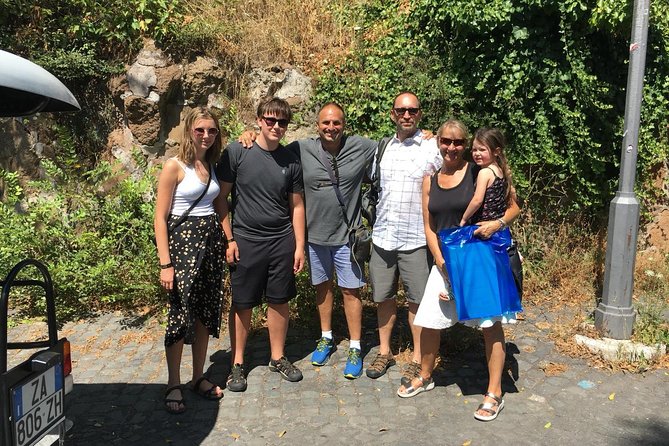
A big part of whether this tour feels worth it comes down to your driver guide. The included format is expert guidance at each location from a local English-speaking driver guide, with commentary happening while you’re moving.
In the accounts of this service, Achill is highlighted for knowing a lot and bringing energy to the storytelling, plus being accommodating and easy going. That combination matters in Rome, because the city can feel like noise if nobody helps you connect the dots. When you hear how Porticus Minucia relates to Marcello theatre access, or why the turtle fountain name is more literal in carvings than in water, your stops stop being disconnected snap-shots.
A private setup also helps. You can take special requests into account, and the tour can run at a pace that fits your group instead of battling a large schedule.
Tickets, admissions, and what to expect when you stop

This is where you’ll want to set expectations early so there are no surprises.
- Many stops are listed as Admission Ticket Free, including Trastevere, Santa Cecilia (with inside view only if open), Piazza di Santa Maria in Trastevere, Porticus Minucia, Isola Tiberina, and Fontana delle Tartarughe.
- Teatro di Marcello is listed as not included for admission.
So, you’ll get plenty of Rome right by the landmarks without needing to pay at every single point. But if you’re the type who wants to go inside the theatre area, build that into your plan.
Also, the tour does not include lunch or extras, and it does not include additional guided walking tours down the sites. You’re essentially doing close-up cart sightseeing with short stop time and commentary.
Logistics that actually matter: pickup, private comfort, and time
The tour runs for about 4 hours. That’s enough to cover the “two-neighborhood arc” without feeling like you’re on a conveyor belt.
You can also get hotel pickup and drop-off if you’re located in central Rome. That matters because crossing the city just to meet a tour at a specific starting point can be a day-waster. Having pickup keeps the tour experience smooth.
You’ll also receive a mobile ticket. If you prefer digital check-in, this reduces fiddly paperwork time.
The tour is private, meaning only your group participates. If you want conversations instead of being drowned out by a crowd, this setup is a real plus.
There are also mentions of group discounts, which could help if you’re booking more than one cart group or traveling with people who are ready for the same route.
Jubilee and restoration: why your view might change
Rome is always working on itself, but during the Jubilee some monuments may be under restoration. The tour data specifically flags that possibility and tells you to pay attention to messages that might come ahead of time.
In practice, that can mean:
- You might see scaffolding or partial restoration surfaces.
- A location could have access changes compared with what you expect from photos.
This doesn’t ruin the experience, but it does change what you’ll be able to notice in certain places. The best way to handle it is simple: watch for any update messages and treat the tour as a neighborhood-and-landmark orientation experience, not a guarantee of perfect photo conditions.
Weather matters more than you’d think
This tour requires good weather. If it’s canceled due to poor weather, you’ll be offered a different date or a full refund.
That’s not just fine print. A golf cart tour depends on street conditions and ride comfort, and cobblestone streets can be less pleasant in rain. If you’re visiting in a month where weather can turn fast, keep that in mind when you plan your schedule.
Should you book this Trastevere and Jewish Ghetto golf cart tour?
Book it if you want Rome in two strong neighborhoods without turning your day into a long walk. This is especially a good match if you:
- have limited time and want neighborhood coverage in about 4 hours
- prefer guided context rather than trying to connect Roman-era dots alone
- want private pacing, with hotel pickup available in central Rome
Skip (or think twice) if you’re counting on specific monument interiors that aren’t included for admission, or if your dates are weather-risky and you don’t have flexibility. Also, if the Jubilee restoration changes how certain monuments look, you might have to adjust your expectations.
If you want a Rome day that feels both classic and practical, this one hits the sweet spot: Trastevere mood, Roman landmark shortcuts, and a meaningful Jewish Ghetto segment—all moved along by a golf cart and guided in English.
FAQ
How long is the Rome in Golf Cart Trastevere and Jewish Ghetto tour?
It runs for about 4 hours.
Is this tour private or shared?
It’s private, so only your group participates.
Do you offer hotel pickup and drop-off?
Pickup and drop-off are offered if you’re located in the centre of Rome.
What kind of guide will I have?
You get an expert guide at each location from a local English-speaking driver guide, with on-board commentary.
Are tickets included for the stops?
Many stops are listed as admission ticket free. Teatro di Marcello admission is not included.
Will I need to do long walking tours?
Guided walking tours down the sites are not included. The tour stops close to the sights so you can view them without extended walking.
Will the Jubilee affect what we see?
Some monuments may be under restoration due to the Jubilee. You should pay attention to any messages about potential changes.
Is it refundable if my plans change?
The experience is non-refundable and cannot be changed for any reason. If the tour is canceled due to poor weather, you’ll be offered a different date or a full refund.