REVIEW · ROME
Rome: Trajan’s Markets & Museum of The Imperial Fora Tour
Book on GetYourGuide →Operated by Touriks · Bookable on GetYourGuide
Ancient shopping streets still feel human. This tour pairs Trajan’s Markets—often called Rome’s world’s oldest shopping mall—with the Museum of the Imperial Fora, so the site doesn’t just look old; it explains how people lived, traded, and held public life in the empire. You get a guided path through spaces where Roman engineering still does the heavy lifting after 2,000+ years.
I especially like how the tour focuses on Roman daily commerce inside multi-level arches and shopfront remnants, not just postcard views. I also like that you hear every point clearly thanks to headsets, which matters in a complex area with lots of echo.
The main thing to consider is movement: Trajan’s Markets has uneven surfaces and stairs, so you’ll want a moderate fitness level. If you’re using a wheelchair, note that the museum has limited wheelchair coverage—three floors are accessible, but the lower two can’t be visited by wheelchair.
In This Review
- Key highlights that make this tour worth your time
- Trajan’s Markets: Rome’s shopping spaces, built to last
- Meeting at Trajan’s Column and getting your bearings fast
- How the 1.5-hour flow keeps it focused (and when it might feel short)
- Museum of the Imperial Fora: how power shows up in art and text
- The view factor: why the Imperial Forums sit in your line of sight
- Guide performance: why Francesca Massaccesi can make the difference
- Price and value: what $77 buys you in time saved and context gained
- Logistics and rules that can affect your day
- What to expect physically
- Wheelchair access details
- Names and ID
- Things not allowed
- Languages
- Who should book this tour (and who might want a different plan)
- Should you book Trajan’s Markets and the Imperial Fora Museum tour?
- FAQ
- How long is the Rome: Trajan’s Markets & Museum of The Imperial Fora Tour?
- Where do I meet for the tour?
- What’s included in the ticket price?
- Is the Imperial Fora entrance or guided tour included?
- Is this tour wheelchair accessible?
- What ID do I need to bring?
Key highlights that make this tour worth your time
- Trajan’s Markets as a real shopping complex: multi-level remains that help you picture how commerce worked under the empire.
- Skip the ticket line: you lose less time waiting and more time seeing.
- Headsets included: you can actually follow the guide’s explanation.
- Imperial Fora Museum artifacts: sculptures, inscriptions, and finds that connect the forums to the emperors.
- Small groups or private options: up to 10 people for a more human pace.
- ID must match your booking: bring the same name and document details for entry.
Trajan’s Markets: Rome’s shopping spaces, built to last
Trajan’s Markets don’t feel like ruins that were simply abandoned. They feel like architecture that kept doing its job long after the world around it changed. Walking through the remains, you quickly see why people call it Rome’s world’s oldest shopping mall: you’re surrounded by layered structures with spaces that read like shops, passages, and commercial levels.
What I like here is the way the site makes Roman engineering tangible. You’re not just told Rome was good at building. You’re surrounded by evidence—arches, stonework, and structural rhythms that have survived for roughly two thousand years. The guide’s job is to connect that physical reality to daily life: how goods moved, where people gathered, and how commerce fit into a bigger political city.
If you’ve only visited Rome’s big “icons,” this is a smart change of pace. It’s history you can see working, and the scale makes it easier to understand how the empire managed space for public business.
You can also read our reviews of more museum experiences in Rome

Meeting at Trajan’s Column and getting your bearings fast
The tour starts at Trajan’s Column, meeting in front of the iron gates on Via dei Fori Imperiali. You’ll be opposite the church of Santa Maria di Loreto, and you’re looking for a staff member holding a yellow Touriks sign.
This matters because the setting can feel busy and confusing even when you know the neighborhood. Getting pointed to the right entrance early saves stress. Also, the column isn’t random: it helps anchor you to the imperial story line that the rest of the tour follows—forums, emperors, public power.
Once you’re in the markets area, your guide uses the site’s layout as a teaching tool. Instead of jumping around, you move through the spaces in a logical order, so you can build a mental map: where the shops likely sat, how levels connected, and why the views toward the imperial area are part of the experience.
How the 1.5-hour flow keeps it focused (and when it might feel short)
This is a 1.5-hour guided tour. That time length is perfect for people who want a strong Rome hit without surrendering half a day to one site. It’s also long enough for the guide to explain more than the obvious: you’ll connect architecture to daily life and then shift to what the museum adds—artefacts, inscriptions, and the forum complex’s political meaning.
Still, the structure is intentionally tight. If you like slow museum wandering, stopping to read every inscription line-by-line, or taking frequent breaks from standing and moving, you might wish you had extra time on your own after the tour ends.
One practical tip: wear shoes that handle steps and uneven stone. The pace is “guided and efficient,” not “crawl and admire.” That’s usually a good thing in Rome, especially here where the ground isn’t smooth.
Museum of the Imperial Fora: how power shows up in art and text
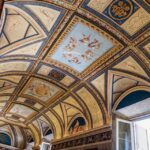
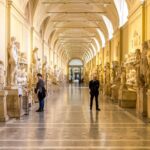
After the markets, the tour moves to the Museum of the Imperial Fora (in the Mercati di Traiano complex). Here, the experience shifts from architecture you can walk through to objects you study—sculptures, inscriptions, and artefacts that connect the Imperial Fora to the emperors who shaped them.
This part works well because it explains the forums as more than open space. You’re hearing how these monumental complexes functioned in Roman public life—places where politics, identity, and authority were displayed. The guide’s storytelling helps you connect what you saw in the markets (commerce and daily movement) to what the forums represented (public power and ceremony).
You’ll also get help understanding what the museum items mean. In Rome, context is everything. A sculpture without explanation can feel like a pretty statue. With the guide’s framing, it becomes evidence—proof of messaging, belief, and imperial branding.
If you’re the type who likes to know why something was placed where it was, this museum portion is worth your attention. It’s where the tour adds interpretation, not just sightseeing.
The view factor: why the Imperial Forums sit in your line of sight
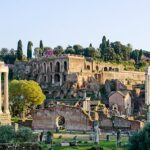
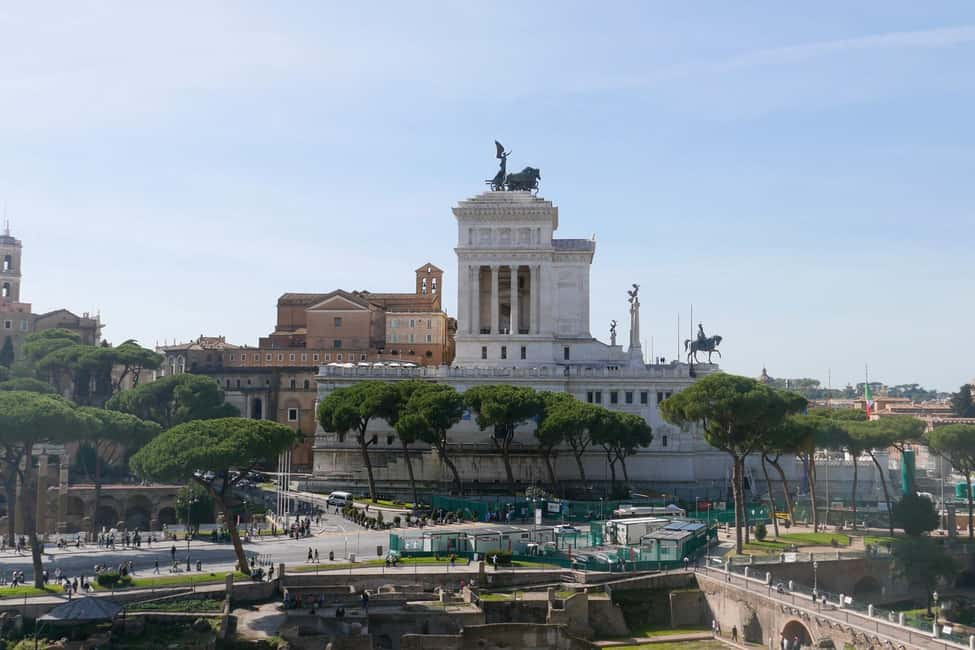
One of the smartest parts of this tour is the way the markets connect to nearby forum views. Even when you’re inside the complex, you’re oriented toward the broader historic area. The guide uses those sightlines to explain what you’re looking at and why it mattered.
That’s not just for photos. It helps you understand the city as a system: commercial activity wasn’t isolated. It lived near the political center, where emperors shaped public space and social behavior through monumental projects.
If you care about “spatial history,” you’ll enjoy this. You’re not only learning facts—you’re learning how the city was arranged and how people likely moved through it.
Guide performance: why Francesca Massaccesi can make the difference
A tour like this lives or dies by the guide’s clarity and energy. In one standout booking, the guide Francesca Massaccesi made a big impression—people praised her ability to bring the site to life and explain Rome with real command of the material.
I also like that other feedback described guides as efficient, not slow or wandering. That matters because the environment is full of visual distractions. If the guide doesn’t control the narrative, you lose the thread.
One note to keep in mind: pacing can swing. If you tend to get impatient with slow explanations, go in ready to ask questions or to request that the guide keep things moving. If you love relaxed storytelling, you’re also likely to be fine—headsets help you catch details even with background noise.
Price and value: what $77 buys you in time saved and context gained
At $77 per person, you’re paying for more than a ticket. You’re getting:
- an expert live guide
- entrance fees to Trajan’s Markets and the Museum of the Imperial Fora
- headsets for clear listening
- skip-the-ticket-line convenience
That mix can be good value in Rome, where time is often the currency. Skip the line and you avoid that awkward wait while your energy drains. Headsets are a quiet upgrade that many people don’t notice they needed until they have them.
The one pricing detail to watch: entry fees to and/or a guided tour of the Imperial Forums are NOT included. This tour centers on Trajan’s Markets and the Museum of the Imperial Fora, with views and context toward the forums. If you specifically want the full Imperial Fora experience with ticketed entry, plan on paying that separately.
Also, food and drinks aren’t included. Not a big deal for a 1.5-hour outing, but don’t count on a café stop.
Logistics and rules that can affect your day
A few practical notes can prevent frustration:
What to expect physically
Trajan’s Markets involves uneven surfaces and steps and stairs, so a moderate fitness level helps. If you have mobility constraints, it’s still worth considering because there are wheelchair accommodations—but only partial.
Wheelchair access details
The tour is described as wheelchair accessible, and the museum provides a wheelchair for people with reduced mobility. However, three floors of the museum are accessible, while the lower two can’t be visited with a wheelchair. So if you’re trying to see everything the museum offers, double-check what that means for your routes inside.
Names and ID
You’ll need to provide the full names of all travelers when booking. Each traveler must present a valid passport or ID document that matches the same name used for booking. This isn’t the kind of detail you want to scramble over the day of.
Things not allowed
The tour rules exclude pets, weapons or sharp objects, food and drinks, luggage or large bags, and drones, as well as alcohol and drugs. If you’re traveling light, great. If you’re carrying a bigger bag, plan a different day for it.
Languages
The tour runs in French, German, Italian, Spanish, Portuguese, and English, with live guides.
Who should book this tour (and who might want a different plan)
This is a strong fit if you:
- like architecture and engineering you can actually walk through
- want Roman history that connects daily life with imperial power
- prefer a focused 1.5-hour experience over an all-day site slog
- value listening comfort—headsets really help
It may be less ideal if you:
- need fully smooth, step-free walking for the entire experience (uneven surfaces and stairs are part of the markets)
- require full museum coverage by wheelchair (the lower two museum floors can’t be visited by wheelchair)
- want food breaks built into the schedule (none are included)
Also, if you’re the type who treasures high-energy guiding, keep an eye on guide options when booking. One named guide—Francesca Massaccesi—has clearly stood out for making the material click.
Should you book Trajan’s Markets and the Imperial Fora Museum tour?
Yes, if you want an efficient, guided way to understand what Roman public life looked like from both sides: commerce and empire. The price makes sense because entrance fees, headsets, and line-skipping are built in, and the guide’s job is to connect the physical remains to how Romans actually lived.
I’d skip it or consider alternatives if your mobility needs make steps hard, since Trajan’s Markets isn’t gentle underfoot. And remember the trade-off: this tour doesn’t automatically include Imperial Fora entry fees or a separate guided Imperial Fora experience—so decide if you want to add that afterward.
If you fit the physical and pacing profile, this is the kind of Rome tour that leaves you with more than photos. You’ll walk away with a clearer picture of how the empire organized space for work, worship, politics, and spectacle—right here in stone.
FAQ
How long is the Rome: Trajan’s Markets & Museum of The Imperial Fora Tour?
The tour lasts 1.5 hours.
Where do I meet for the tour?
Meet in front of the iron gates of Trajan’s Column, opposite the church of Santa Maria di Loreto, Via dei Fori Imperiali, 00187 Rome. Look for a staff member holding a yellow Touriks sign.
What’s included in the ticket price?
The price includes an expert live guide, entrance fees to Trajan’s Markets and the Museum of the Imperial Fora, and headsets to hear the guide clearly.
Is the Imperial Fora entrance or guided tour included?
No. Entry fees to and/or a guided tour of the Imperial Forums are not included.
Is this tour wheelchair accessible?
It is described as wheelchair accessible. The museum provides a wheelchair, and three floors are accessible, but the lower two museum floors can’t be visited with a wheelchair.
What ID do I need to bring?
You must present a valid passport or ID document that matches the full name used at the time of booking.