REVIEW · ROME
Rome: Pizza Pro, a Hands-On Cooking Class Castel Sant Angelo
Book on GetYourGuide →Operated by Alecu Andreea · Bookable on GetYourGuide
You can learn pizza in the middle of Rome’s best food zone. This hands-on pizza class puts you just a short walk from Piazza Navona, then walks you through making dough, shaping your pie, and eating it with classic add-ons like bruschetta, prosecco, tiramisu, and limoncello. I really like the central location because it fits cleanly into a sightseeing day without feeling like you’re crossing town.
I also like that the format is practical, not just watch-and-hope: you get step-by-step help from an Italian chef and you end up with your own handmade pizza. One thing to consider: the kitchen space is reported as small, so larger groups can feel a bit tight while you’re kneading and working at the counters.
In This Review
- Key Highlights You’ll Feel Immediately
- Where You Meet (and Why This Location Works)
- What You Actually Do in 2.5 Hours
- Bruschetta appetizer to start your rhythm
- A drink pairing while you learn
- Hands-on pizza making, not a demo
- Eat what you make
- Dessert finish: tiramisu plus limoncello
- Chef-Led Dough Skills: The Parts That Matter
- Choosing Ingredients (and Building Your Own Pizza)
- Drinks and Dessert Pairing: Simple, Classic, Effective
- Prosecco first
- Beer or non-alcoholic drink included
- Tiramisu and limoncello to wrap it up
- Price and Value: What $67.97 Really Buys
- Group Size, Kitchen Space, and Comfort Tips
- Who This Pizza Class Is Best For
- Should You Book Pizza Pro in Rome?
- FAQ
- How long is the Rome Pizza Pro class?
- Where does the class meet?
- What’s included in the price?
- Is the class hands-on or just a demonstration?
- What languages are offered?
- Does the class include dessert and after-meal drinks?
- Is there an option to get recipes to take home?
Key Highlights You’ll Feel Immediately
- A central meetup at Via di Banco di Santo Spirito 19, close to Piazza Navona
- Chef-led, hands-on pizza making with dough preparation and baking guidance
- Bruschetta first, then a prosecco pairing to get the appetite going
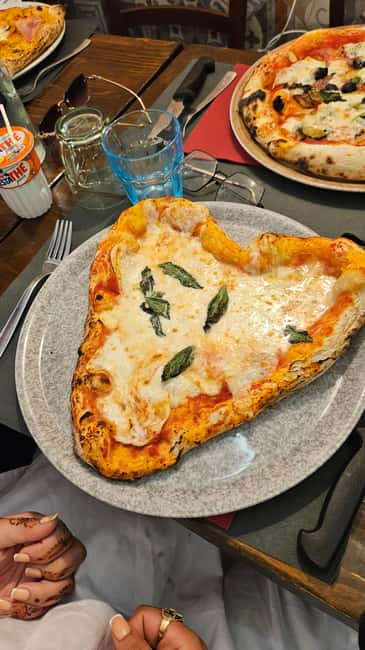
- You choose your ingredients, then eat the pizza you made during the class
- Tiramisu plus a limoncello shot, ending on a very Roman-style sweet note
- Language support in English and Italian, with translations mentioned by past participants
Where You Meet (and Why This Location Works)
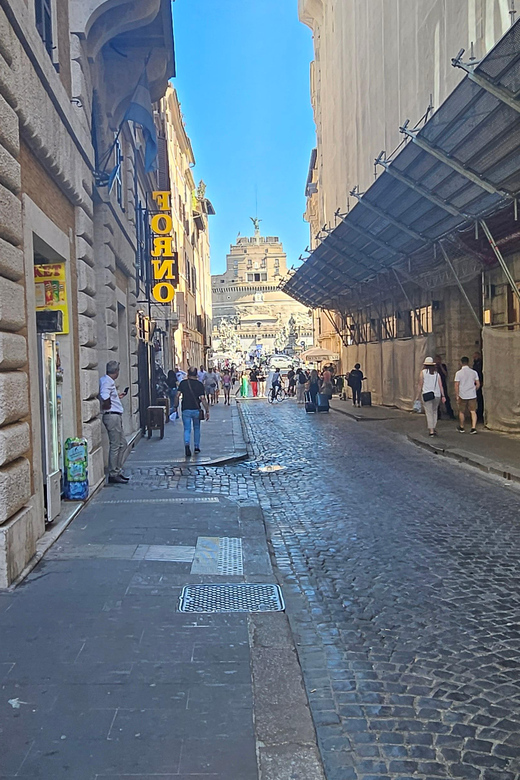
The class starts at Via di Banco di Santo Spirito 19 and ends back at the same place. That alone matters, because Rome can be a maze, and having a simple start-and-finish point reduces stress.
The big win is the neighborhood feel. The experience is positioned so you can be near famous sights fast—think Piazza Navona, which is described as about a 5-minute walk. That means you can schedule this as a lunch-time or early-evening plan, then keep exploring afterward without needing a long commute.
And yes, the name includes Castel Sant Angelo, so you’re in the broader “historic Rome” orbit rather than somewhere remote. You’re getting the culinary activity without sacrificing the city experience around it.
You can also read our reviews of more cooking classes in Rome
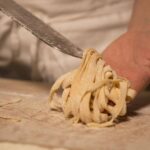

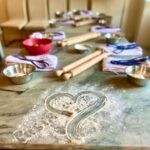
What You Actually Do in 2.5 Hours
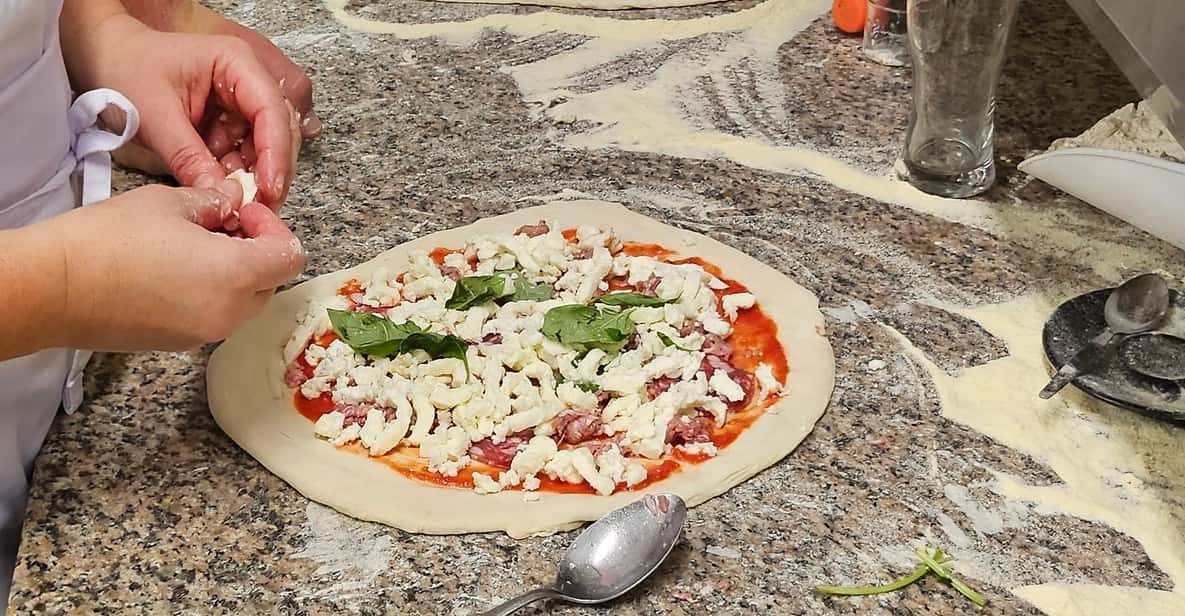
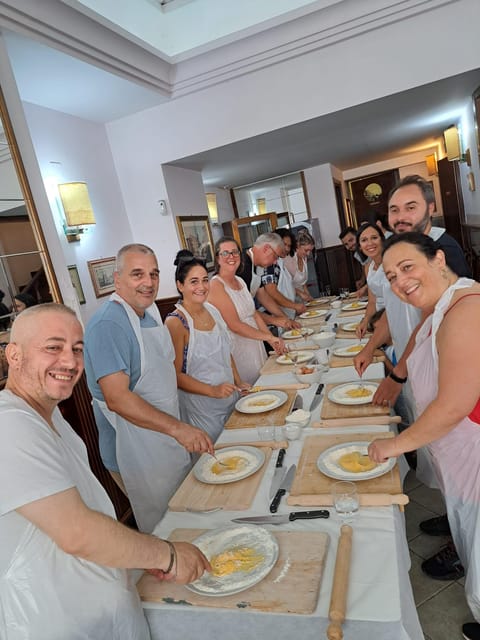
This is a 2.5-hour, hands-on cooking class where the goal is simple: make great pizza from scratch and leave feeling like you can do it again at home.
Here’s how the flow typically works, and why it’s a good setup for real learning:
Bruschetta appetizer to start your rhythm
You begin with bruschetta—crusty bread topped with fresh tomato, herbs, and a balsamic glaze. It’s not just a snack. It’s a timing tool. You’re given a calm start before the dough work, and the flavors cue you into Italian basics: freshness, balance, and not overcomplicating simple ingredients.
A drink pairing while you learn
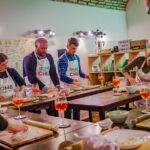
Next comes a glass of prosecco (and you’ll also have a beer or non-alcoholic drink included). The practical angle: you can settle in, listen carefully, and still feel like part of a social meal. In a cooking class, that matters. If you’re rushed or dehydrated, your dough technique suffers.
Hands-on pizza making, not a demo
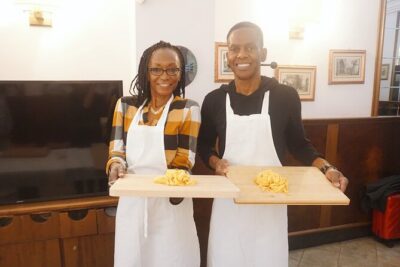
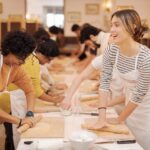
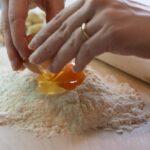
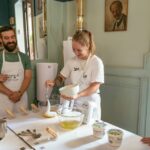
Then the main event: you get your hands on the dough. You’ll knead, stretch, and shape it with guidance from the chef. The class also emphasizes the baking side—because making dough is only half the job. The other half is heat, timing, and learning how to avoid a soggy center or a sad crust.
A nice detail: the class is described for both beginners and more experienced home cooks. That usually means you’re not treated like a finished amateur. You get help, but you’re still expected to participate.
You can also read our reviews of more tours and experiences in Rome

Eat what you make
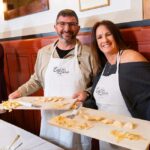
At the end, you enjoy your freshly baked pizza. This is where the class earns its value. You’re not just paying to learn a technique; you’re paying to produce food you’ll actually enjoy right then.
Dessert finish: tiramisu plus limoncello
You end with tiramisu, described as espresso-soaked ladyfingers with creamy mascarpone and cocoa. Then there’s a shot of limoncello, a classic digestif-style finish. It’s a strong closer—sweet, then a bright, herbal-citrus snap that makes you feel like the meal has a proper ending.
Chef-Led Dough Skills: The Parts That Matter
Pizza dough has a few “mystery” steps that people usually guess at. In this class, the instruction is framed step-by-step so you can connect technique with results.
Here are the dough skills you should watch for and try to remember:
- Dough preparation: you learn what matters before you even touch the dough—basic handling and why the process starts earlier than people think
- Kneading: you’re guided through how kneading changes the dough’s feel and structure
- Stretching and shaping: this is the part where students often get nervous. Good instruction helps you shape without turning it into a torn mess
- Baking techniques: you’re taught what to pay attention to when the pizza goes into the oven
What I like about this teaching style is that it’s grounded in the real workflow of making pizza, not just a list of ingredients. When you understand knead → shape → bake, you can troubleshoot at home.
One small note from feedback: the kitchen is described as small. That doesn’t mean the class is chaotic, but it does mean you might be squeezed in. If you’re taking photos or have long arms, you’ll want to work calmly and give others space while you’re stretching and topping.
Choosing Ingredients (and Building Your Own Pizza)
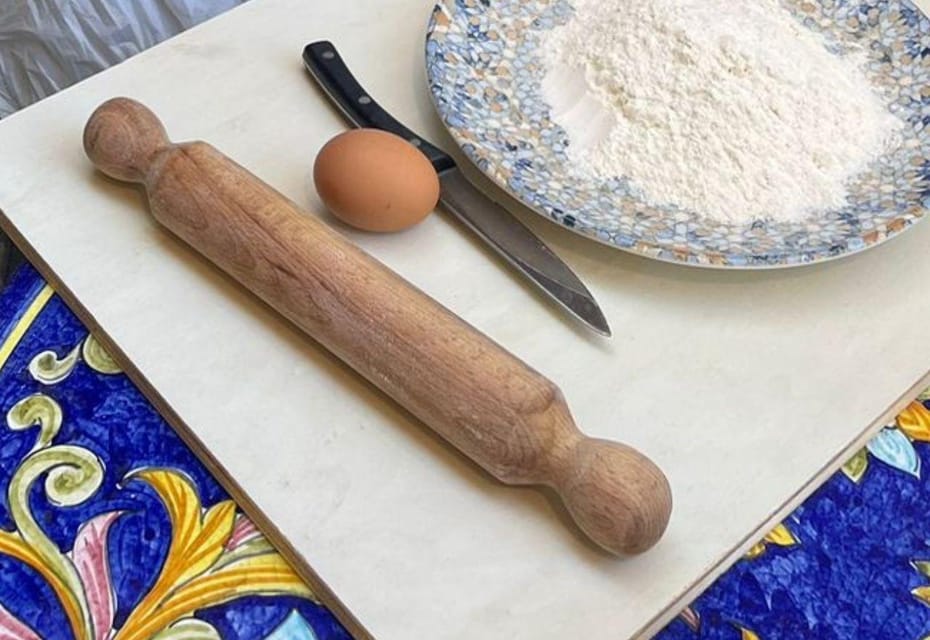
A hands-on class lives or dies on toppings. Here, you’ll make your own pizza with ingredients of your choosing. That’s important for two reasons:
First, it makes the class feel personal. You’ll remember what you chose and why it worked. Second, it trains your pizza logic. You learn how combinations behave—what flavors carry, what gets lost, and what toppings bake well.
The class also talks about experimentation, from classic Margherita style to more “gourmet” combinations. You likely won’t leave with a strict recipe for only one type of pizza. You’ll leave with a process you can adapt.
If you’re the type who usually orders one pizza every time you visit Rome, this is your chance to break out of autopilot.
Drinks and Dessert Pairing: Simple, Classic, Effective
This class doesn’t overdo the menu. It sticks to a Rome-friendly sequence that matches how pizza meals actually feel.
Prosecco first
You get a glass of prosecco, and the class frames it as a pairing with the flavors of the pizza you’re learning to make. Even if you’re not a prosecco person, it serves the mood: it turns the class into a meal, not a lesson.
Beer or non-alcoholic drink included
You’ll also have one glass of beer or a non-alcoholic drink. That makes it easier if your group has different preferences. It also means you’re not hunting for drinks in the neighborhood while trying to stay on schedule.
Tiramisu and limoncello to wrap it up
The finish is very “Italy”: tiramisu then a limoncello shot. The tiramisu gives comfort and coffee flavor. The limoncello gives brightness after all that creamy sweetness.
This is the kind of ending that leaves you satisfied, not stuffed. It’s also a fun moment because the limoncello shot turns the last part into something you’ll talk about later.
Price and Value: What $67.97 Really Buys
The price is $67.97 per person, for a 2.5-hour hands-on class. On paper, it might look like “food + beverages,” but the real value is that you’re paying for instruction and a finished meal at the end.
Here’s what’s included:
- One glass of prosecco
- Bruschetta
- One glass of beer or a non-alcoholic drink
- Your own handmade pizza with ingredients you choose
- Tiramisu
- One shot of limoncello
When you compare that to how much you’d spend on pizza and dessert alone in central Rome, the lesson component can tip the scale quickly. And because you make the pizza yourself, you’re not just buying a plate—you’re buying the chance to learn a technique that sticks.
So if you like activities that create a tangible result (not just a story), this price can feel fair. You’re paying to eat what you cook, guided by a chef, with drinks and dessert included.
Group Size, Kitchen Space, and Comfort Tips
One drawback comes up clearly: the kitchen can be small, which may make it a bit complicated for groups. That doesn’t mean you shouldn’t go. It just means you should show up ready to work side-by-side.
Here’s how to make it easier for yourself:
- Give space while kneading and stretching—counter space is limited
- Be mindful when moving between stations so you don’t bump someone’s dough
- If you’re bringing friends, try to arrive relaxed. Small-kitchen cooking is more about flow than personal space
On the plus side, one review notes a situation where a couple was able to cook together with less crowding. So your experience may feel more comfortable depending on how many people are booked at the time.
Who This Pizza Class Is Best For
This is a great choice if you want something practical to do in Rome. It’s especially good for:
- Couples looking for a date-night activity that includes food and a shared outcome
- Beginners who want step-by-step help and a full meal experience
- Food lovers who like learning technique, not just collecting restaurant recommendations
- Home cooks who want a structured process they can repeat later
If you’re someone who hates hands-on activities or expects a large, spacious kitchen classroom, then the small-space factor could be annoying. But if you’re flexible and open to getting flour on your hands, you’ll probably have a good time.
Language is also a plus. The class includes English and Italian, and at least one past participant noted that an agency representative translated smoothly, which suggests the communication is handled if you need it.
Should You Book Pizza Pro in Rome?
If your plan is to do one “learn something” activity in central Rome, this one is a strong pick. The location works, the time is reasonable, and you leave with a full meal you helped make—bruschetta, pizza, tiramisu, plus prosecco and a limoncello shot.
The main reason to hesitate is the small kitchen. If you’re traveling with a larger group and you hate tight quarters, that could affect your comfort.
Still, for most people, the combination of chef-led dough instruction, a finished pizza experience, and classic Italian add-ons makes this feel like a well-rounded deal.
FAQ
How long is the Rome Pizza Pro class?
The class lasts about 2.5 hours.
Where does the class meet?
The meeting point is Via di Banco di Santo Spirito 19, and the class ends back at the same meeting point.
What’s included in the price?
You get one glass of prosecco, bruschetta, one glass of beer or a non-alcoholic drink, your own handmade pizza with ingredients of your choosing, tiramisu, and one shot of limoncello.
Is the class hands-on or just a demonstration?
It’s hands-on. You’ll work with the dough—kneading, stretching, and shaping—while the chef guides you step-by-step.
What languages are offered?
The instructor offers English and Italian.
Does the class include dessert and after-meal drinks?
Yes. It includes tiramisu and a shot of limoncello.
Is there an option to get recipes to take home?
Yes, you’ll have recipes and the skills you learn so you can impress friends and family at home.