Mary’s house in Loreto feels surprisingly close.
This private, Catholic-focused day trip turns a long drive into a calm, meaningful pilgrimage, with a private driver and planned stops along the route. I especially like how the schedule builds devotion and context around the Basilica della Santa Casa, rather than treating Loreto like just another photo stop. One thing to consider: it’s a long day starting early, and lunch isn’t included, so you’ll want to plan for meals.
I also like that you get a licensed guide and time for both the sacred site and the supporting art. The Museo Pontificio Santa Casa is part of the experience, so you can connect what you see in the basilica with the objects, artworks, and stories tied to the sanctuary’s tradition. In the real world of schedules, that extra layer matters.
The main drawback is simple: it’s 9 to 10 hours total. If you’re not a fan of a full-day road trip, or you need lots of breaks, this format may feel like a lot—especially since you’re covering Rome to Loreto and back on one day.
In This Review
- Key things to know before you go
- Rome to Loreto: what this private pilgrimage day does well
- Price and value: is $760.75 worth it?
- 7:00 am start and the ride: a long day, planned
- Gran Sasso stop: 30 minutes for big views
- Porta Marina: walking through a pilgrim entrance
- Basilica della Santa Casa: your main devotional hour
- Museo Pontificio Santa Casa: the art and objects that explain the devotion
- Piazza della Madonna: the square where devotion meets architecture
- Timing, comfort, and what to plan for
- Optional winery stop: a Central Italy finale if you want it
- Who should book this tour (and who might skip it)
- Should you book this private Rome to Loreto pilgrimage?
- FAQ
- What time does the tour start?
- How long does the Rome to Loreto trip take?
- Is pickup from my Rome hotel included?
- Is this a private tour?
- What’s included in the price?
- Is lunch included?
- Are any of the stops ticketed?
- Do I need to bring a printout or can I use a mobile ticket?
- Can I add a winery visit?
- Is the booking refundable?
Key things to know before you go
- Hotel pickup and private transport keep the Rome-to-Loreto logistics manageable
- Basilica of the Santa Casa is the core stop, with time for reflection and prayer
- Museo Pontificio Santa Casa adds the art and artifacts that explain the sanctuary’s importance
- Porta Marina puts you at an entry point pilgrims once used from the Adriatic side
- Piazza della Madonna is the emotional and architectural center of Loreto’s main square
- Optional winery add-on gives you a food-and-wine finish if you want it
Rome to Loreto: what this private pilgrimage day does well
This is a straightforward concept: you leave Rome early, ride comfortably with your own driver, and spend the day centered on Loreto’s most famous spiritual landmark—the Holy House tradition housed in the Basilica della Santa Casa. The best part is the pacing. You don’t just rush through; you get set blocks of time at each major stop, with guiding built in where it counts.
Loreto is one of those places where meaning can be the main activity. The day is designed for Catholic pilgrims who want prayer plus context: you’ll see the sanctuary, learn why it matters, and then have time in the surrounding spaces where devotion has been practiced for generations.
You can also read our reviews of more private tours in Rome

Price and value: is $760.75 worth it?
At $760.75 per person, this isn’t a budget day trip. But it’s also not just a ticket and a map. You’re paying for a private setup: private transportation, a licensed guide, and organized time on site—including tickets to the Pontifical Museum of the Holy House.
Here’s where the value usually lands for the right traveler:
- You’re not arranging transport, timing, or transfers yourself across two regions.
- Your guide can steer the day in a way that fits a religious visit (more than a generic sightseeing tour).
- The schedule includes a structured stop at Gran Sasso, then continues to multiple Loreto highlights, including museum time.
The only “cost” to factor in is your day length. You’re trading a full day for a focused pilgrimage experience. If you’re the type who wants freedom to wander slowly on your own pace, you may prefer a more flexible option. If you want structure and comfort, the price can make sense.
7:00 am start and the ride: a long day, planned
The tour begins at 7:00 am. Total time is listed as 9 to 10 hours including travel. That means you should treat this as a one-day commitment, not something to squeeze between other plans in Rome.
On this type of private itinerary, the driver and guide team is often a big part of how smooth the day feels. In example tours, the group has been led by guides including Stefano and others, with drivers like Miguel, and then a separate local guide in Loreto such as Andrea. Sometimes another guide (like Bruno) handles the day’s interpretation. The common thread: you’re not left to figure things out on your own.
Practical tip: start your morning with a simple plan. Eat something light before pickup if you can. Since lunch isn’t included, decide whether you’ll grab something on the go or wait until you’re back in Rome.
Gran Sasso stop: 30 minutes for big views
On the way from Rome to Loreto, you pause at Gran Sasso, described as the highest mountain in central Italy. It’s a short stop—about 30 minutes—but it’s there for a reason: this kind of mountain backdrop helps you shift mental gears from city pace to pilgrimage calm.
You’ll want a camera ready. Even without hiking, the viewpoint break gives you something memorable to hold onto during the drive. Also, it’s a nice chance to stretch your legs before the sanctuary portion of the day takes over your attention.
If you’re sensitive to long rides, this is one of the few moments you’ll get to reset your body without rushing. Use it.
Porta Marina: walking through a pilgrim entrance
Next comes Porta Marina, one of Loreto’s ancient gates, located near the Basilica della Santa Casa. This entrance is historically tied to pilgrims coming from the Adriatic side, especially from the nearby port town of Ancona.
The idea here isn’t complicated: your visit begins at an old doorway, so you feel the continuity. Instead of starting inside the basilica as a detached visitor, you transition through a place connected to how pilgrims arrived by sea.
The setting adds to the emotion. The route description notes views toward the Adriatic coastline, which you may catch depending on weather and sightlines. Porta Marina isn’t a “big attraction” in the theme-park sense. It’s a meaningful threshold, and the 30-minute timing feels right—enough time to orient yourself and start walking toward the sanctuary without feeling rushed.






Basilica della Santa Casa: your main devotional hour
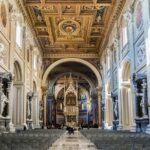
The heart of the day is Santuario Della Santa Casa—the Basilica della Santa Casa—with about 1 hour on site. This is the place Catholic pilgrims come for: the tradition holds that this is the Holy House of Nazareth, where the Virgin Mary lived and where the Annunciation took place, according to Marian tradition. The itinerary explains the story of how the house came to Loreto in the 13th century, which is central to why the sanctuary draws visitors from far beyond Italy.
What I like about this hour-long block is that it allows for two different needs:
1) You can follow the guide’s historical and devotional explanations.
2) You can step back and spend time reflecting, praying, or simply being quiet.
That balance matters. In a visit like this, it’s easy to get swept up in information only. Here, the schedule supports the idea that you’re going for more than facts—you’re going for a spiritual experience.
A quick practical note: basilica interiors can mean cooler temperatures and more stable airflow than outdoors. If you tend to get chilly, bring something light you can layer.
Museo Pontificio Santa Casa: the art and objects that explain the devotion
Right after the basilica comes Museo Pontificio Santa Casa for about 1 hour. The museum is included, and it focuses on sacred art and historical artifacts tied to the Holy House.
The museum description points to a strong mix of:
- Renaissance and Baroque artworks
- paintings, sculptures, tapestries
- liturgical objects
- donations over centuries from pilgrims and religious patrons
This stop is valuable because it helps you understand what you’re seeing around the sanctuary. When you later look at devotional settings, you’re not just guessing why certain objects matter. You get an interpretive thread: art, patronage, and prayer all connected to one place.
Timing helps too. One hour is long enough to see the main themes, but not so long that you lose focus. If you’re the type who likes to move steadily, this pacing works. If museums overwhelm you, you can choose to focus on the pieces most aligned with your interests—paintings, objects, or liturgical art—without needing to force a full inventory.
Piazza della Madonna: the square where devotion meets architecture
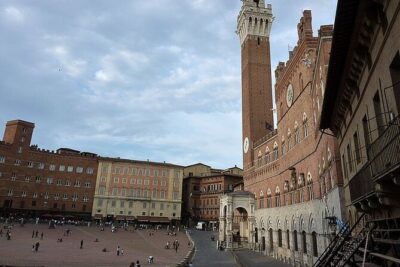
After museum time, you’ll visit Piazza della Madonna for about 30 minutes. This is described as the spiritual and architectural heart of Loreto. In the center sits the Fontana Maggiore, an ornate fountain that adds calm to the space.
What makes a main square important in a pilgrimage town is simple: it’s where the mood changes from “inside the sanctuary” to “town living around the sanctuary.” The walkable squares and surrounding architecture give you a sense of place—how the community shapes the pilgrimage experience.
The 30-minute visit is enough to:
- reset after museum and basilica,
- orient yourself for walking back through the town,
- and take in the atmosphere without turning your day into a long wandering project.
If you want a slower pace, you can linger slightly after your allotted time, but keep your timing in mind so you don’t create stress for the return drive.
Timing, comfort, and what to plan for
This tour is built for a single-day return to Rome, which means comfort planning matters.
- Wear comfortable shoes. Even with breaks, you’ll walk between stops.
- Plan for no included lunch. Since lunch isn’t part of the package, bring money for a meal or plan what you’ll do when you’re back in Rome.
- Hydrate. It’s an early start and a long day.
As for the flow, it typically feels like: viewpoint/arrival → threshold at Porta Marina → basilica focus → museum context → square reset. That sequencing is helpful. You get devotion first, then understanding. Then you finish in the open public space.
If your faith practice includes spending extra time in prayer, you might appreciate the guide-led structure that helps you use the hour wisely—without feeling like you’re missing key points.
Optional winery stop: a Central Italy finale if you want it
If you want to tack on a more relaxed ending, you can add a local winery visit. The description says you’ll discover the best wines of central Italy and have the chance to purchase a gift to bring home.
This add-on can work well if:
- you want one last cultural touch after the spiritual visits,
- you like shopping for practical gifts (wine, in this case),
- and you’re not trying to keep the day perfectly “religious.”
The tradeoff is time. A winery stop can extend the day or adjust how much free time you have afterward, so think about whether you want that last activity or whether you’d rather head straight back for dinner in Rome.
Who should book this tour (and who might skip it)
This private Rome-to-Loreto pilgrimage is a strong fit if you:
- want a structured Catholic day centered on the Santa Casa,
- prefer private transport and pickup instead of figuring out regional logistics,
- like guided context at both the basilica and the museum,
- appreciate scenic stop breaks like Gran Sasso and Porta Marina.
You might consider skipping (or choosing a different format) if you:
- dislike long days and early starts,
- want lunch included in the price,
- or prefer to spend the entire day at one place without driving back and forth.
Should you book this private Rome to Loreto pilgrimage?
If your goal is a calm, organized pilgrimage day—focused on the Holy House tradition, with guiding, museum context, and meaningful thresholds like Porta Marina—this is a good match. The price feels more reasonable when you factor in private transport, a licensed guide, and the included museum ticket, plus the fact that the day is planned as a coherent spiritual sequence.
If you’re on the fence, my practical advice is this: decide what you want most—comfort and structure, or flexibility and independent exploring. For many Catholic pilgrims and faith-minded travelers, the structure is the point. It turns a long road trip into a day that feels connected, not rushed.
FAQ
What time does the tour start?
The tour start time is 7:00 am.
How long does the Rome to Loreto trip take?
The total duration is 9 to 10 hours, and it includes travel time.
Is pickup from my Rome hotel included?
Yes, pickup is offered (private transportation is also included).
Is this a private tour?
Yes. It’s private, meaning only your group participates.
What’s included in the price?
Included items are a licensed guide, private transportation, and tickets to the Pontifical Museum of the Holy House.
Is lunch included?
No. Lunch is not included.
Are any of the stops ticketed?
The itinerary lists admission ticket free for Gran Sasso, Porta Marina, the Santa Casa basilica, and Piazza della Madonna. The Pontifical Museum of the Holy House has its ticket included.
Do I need to bring a printout or can I use a mobile ticket?
You’ll have a mobile ticket.
Can I add a winery visit?
Yes. You can choose to add a local winery stop, with wine tastings and the chance to buy a gift.
Is the booking refundable?
This experience is listed as non-refundable and cannot be changed for any reason.