REVIEW · ROME
Rome Trastevere: A Full Meal Food Tour with a Local
Book on GetYourGuide →Operated by Do Eat Better Experience · Bookable on GetYourGuide
A hungry walk through Trastevere beats a museum. This 3-hour, local-led food tour is all about traditional Roman flavors served in small, satisfying rounds, with a local food expert guiding the why behind each taste. I like that it’s built to leave you with a full belly, and I also like that you’re not stuck chasing obvious tourist spots. The main trade-off is simple: it’s a walking experience, and you can’t bring luggage or large bags.
You’ll meet at Trattoria Sora Lella (Via di Ponte Quattro capi, 16) and head into Rome with guides who know how to keep things clear and easy, from Alessia’s straight-to-the-point explanations to Martina’s friendly, open-minded vibe. Just know the guide may speak English and Italian during the tour, so if you prefer one language only, plan for a bit of switching.
In This Review
- Key things I’d focus on before you book
- Entering Trastevere With Food as the Map
- Price and Value: What $50.67 Actually Covers
- Meeting at Via di Ponte Quattro capi: Easy Start, No Pickup
- Stop-by-Stop: How the Tastes Build From Bakery to Gelato
- Stop 1: Starting point at Trattoria Sora Lella
- Stop 2: Local bakery (break time: 15 minutes)
- Stop 3: Hidden tasting stop (30 minutes)
- Stop 4: Secret street food stop (30 minutes)
- Stop 5: Local restaurant street food (45 minutes)
- Stop 6: Main meal at a local restaurant (1 hour)
- Stop 7: Dessert at a hidden gelato stop (30 minutes)
- Stop 8: Back to Via di Ponte Quattro capi, 16
- The Roman Classics You’ll Actually Learn to Taste
- Guides Who Keep It Clear (Alessia, Martina, Matteo, and More)
- Drinks, Timing, and the Comfort Factor on a 3-Hour Walk
- Vegetarian? You’ll Still Get a Roman-Fit Meal
- Who This Trastevere Food Tour Suits Best
- Should You Book This Trastevere Food Tour?
- FAQ
- How long is the Rome Trastevere food tour?
- Where do I meet for the tour?
- What food and drinks are included?
- Is the tour vegetarian-friendly?
- What languages will the guide speak?
- Is pickup or drop-off provided?
Key things I’d focus on before you book
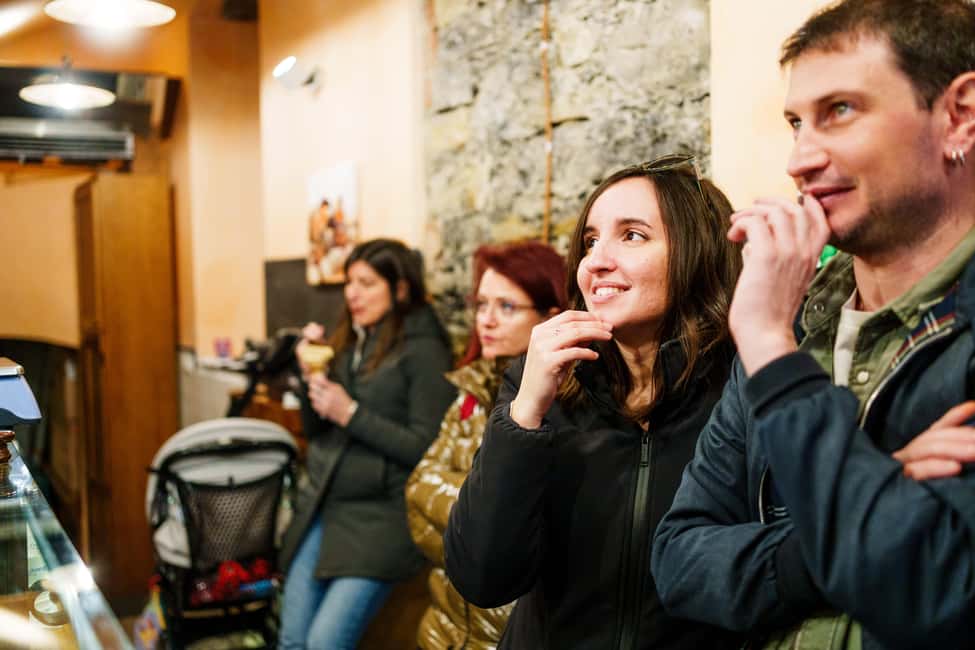
- A full meal worth of tastings in about 3 hours, not just a few samples
- Trastevere, but from the locals’ angle, with stops that help you avoid tourist traps
- Specific Roman icons on the menu you can look forward to, like carbonara, suppli, and gelato
- Seasonal variety (cheeses and hams can change based on what’s available)
- Vegetarian options that stay Roman, not an afterthought
Entering Trastevere With Food as the Map
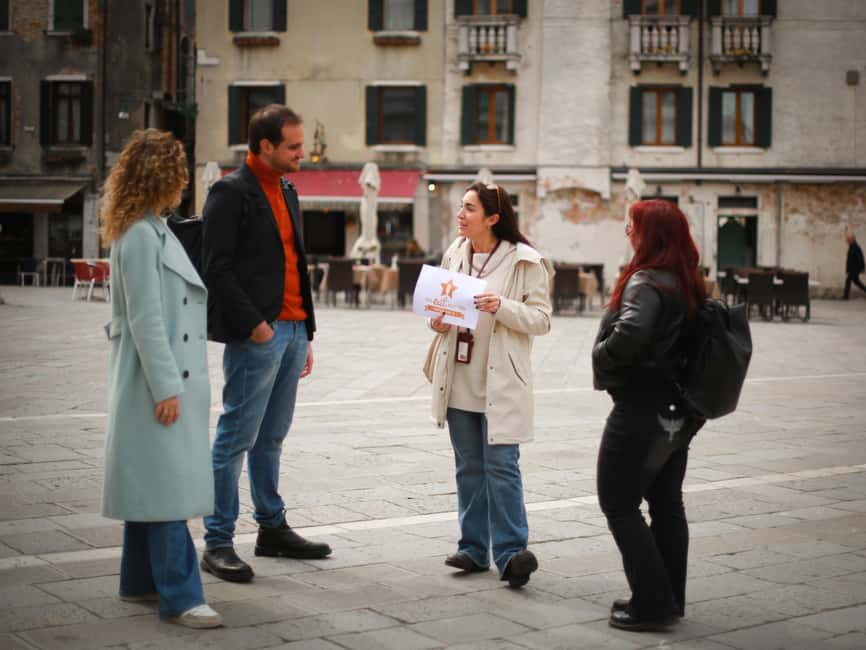
Trastevere is one of those parts of Rome where wandering feels natural, because the streets and small places are made for slow life. On this tour, that “just walk and soak it in” energy becomes practical. Instead of guessing what’s worth your time, you follow a local food expert who steers you toward traditional kitchens, bakeries, and food shops that make sense for what you’re learning along the way.
I also like the way the tour teaches you to look beyond the obvious. Rome has plenty of places that look tempting but exist mainly for passing foot traffic. Here, the structure (multiple short stops at different local venues) keeps you moving through real neighborhoods rather than circling the same “tourist-friendly” street.
And yes, the pace matters. You’ll be walking through the area while tasting, so you’ll want to go in ready for a sustained food run, not a quick snack break.
You can also read our reviews of more food & drink experiences in Rome


Price and Value: What $50.67 Actually Covers
This tour costs $50.67 per person for about 3 hours, which is a fair deal when you consider what’s included. You’re not paying just for a guide. You’re paying for a sequence of tastings across several stops, plus drinks.
Included in the price:
- At least four food stops
- Water, wine or beer, and soft drinks
- A walking tour
- An Italian- and English-speaking food expert
That matters in Rome, where the cost of a single decent meal can add up quickly. Here, you’re getting a full tasting arc—snacks, street-style bites, and then a proper sit-down portion—so the money turns into food density, not just narration.
One caution on value: because it’s focused on multiple venues, it’s worth showing up hungry enough to enjoy the whole run. If you already ate a huge meal, the tour can feel heavy instead of satisfying.
Meeting at Via di Ponte Quattro capi: Easy Start, No Pickup
You’ll start and end at Via di Ponte Quattro capi, 16, meeting in front of Trattoria Sora Lella. No pickup or drop-off is offered, so plan to arrive on your own. That’s normal for this kind of neighborhood tour, and it often helps keep the schedule on track.
There’s also a luggage rule: no luggage or large bags. If you’re traveling with a big suitcase, you’ll need to store it before you go. For many visitors, that’s the biggest “logistics” issue of the whole experience.
When you arrive, you’ll likely feel the tour kick in right away: a short bakery stop sets the rhythm, and then you move from one tasting moment to the next without long empty stretches.
Stop-by-Stop: How the Tastes Build From Bakery to Gelato
The tour is structured like a real meal you didn’t cook. The best part is that each stop has a purpose, from crunchy bites and salty cured items to rice snacks, then pasta, then gelato. You’re basically walking your way through the idea of Roman food—small-and-satisfying, with lots of texture and flavor.
Stop 1: Starting point at Trattoria Sora Lella
You’ll gather at Trattoria Sora Lella near Via di Ponte Quattro capi, 16. This matters because it anchors you in the neighborhood right away. Instead of being dropped in some random tourist square, you start close to where the tour actually eats.
You can also read our reviews of more tours and experiences in Rome





Stop 2: Local bakery (break time: 15 minutes)
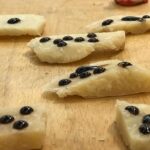
This is where the tour kicks off with a snack that feels simple but hits hard. You may taste crunchy handmade biscuits with simple ingredients, the kind that remind you why Roman baking can be addictive even when it’s not complicated.
A practical tip: treat this as your “warm-up appetite.” Don’t load up like you’re at an all-day bakery; you’ll taste again soon.
Stop 3: Hidden tasting stop (30 minutes)
This is one of the longer tasting moments, and it’s designed for the classic salty side of Roman eating. You might try artisanal cheeses and local hams, which can change with season and supply. That seasonal swap is a nice touch, because it makes the experience feel current instead of scripted.
If you’re the kind of eater who likes to understand flavor patterns, this stop is a good place to slow down. Pay attention to how fat, salt, and texture show up in combination—not just each item alone.
Stop 4: Secret street food stop (30 minutes)
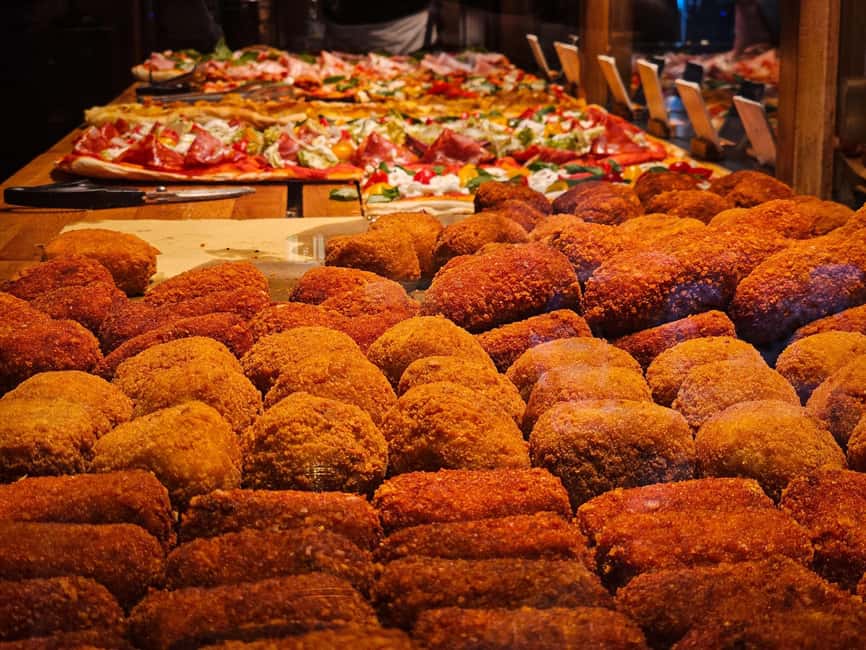
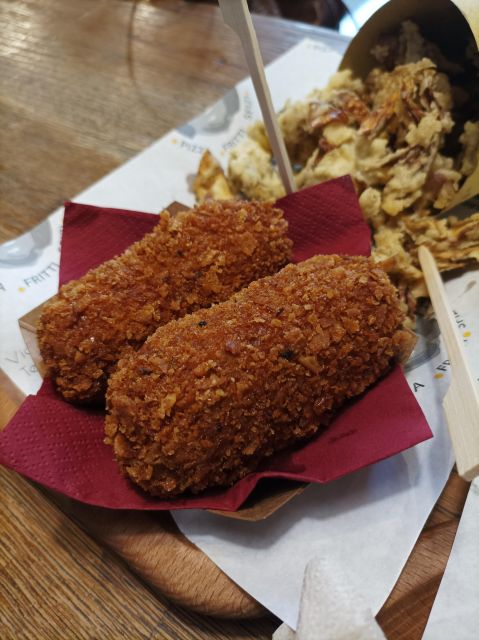
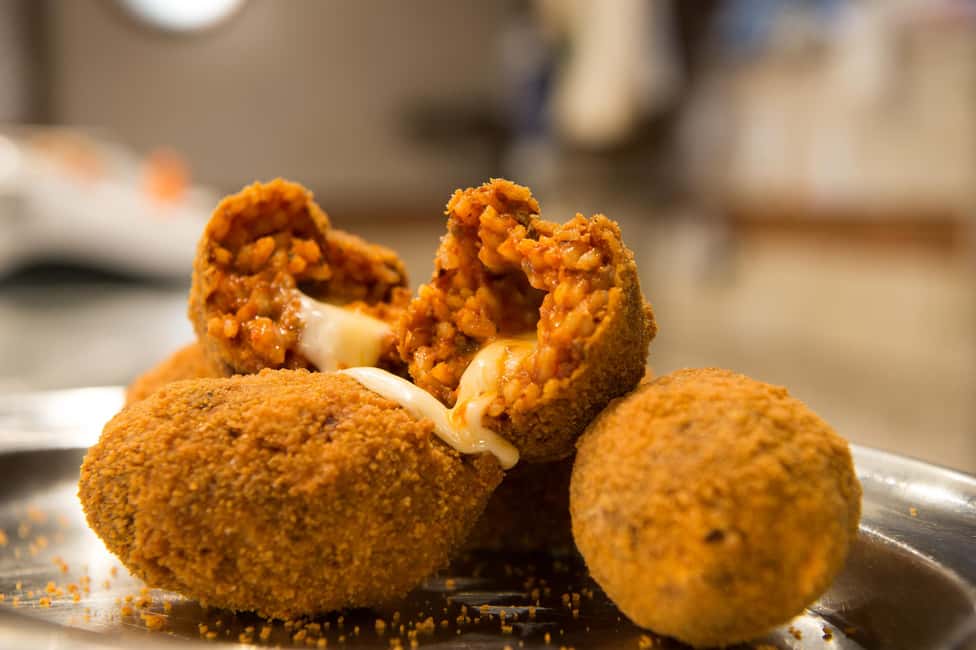
Street food in Rome often means fried or formed comfort, and this stop fits that mood. You may get suppli, the rice ball topped with meat sauce or another typical option.
Suppli is a great “walk-around” food because it’s portable, and it’s built for bite-by-bite eating. You’ll feel the difference between crisp outside and soft inside, which is exactly the kind of food detail you miss when you only eat at sit-down restaurants.
Stop 5: Local restaurant street food (45 minutes)
This stop is longer, so it tends to be where the tour adds variety without rushing you. You may try the Maritozzo—not the sweet version people expect, but a savory maritozzo, depending on the tour’s offerings.
Even if you’ve heard of maritozzo before, the savory approach changes the feel. It’s still comfort-food territory, but it leans into Roman meal logic—bread as a carrier, rich fillings, and a satisfying hand-held bite.
Stop 6: Main meal at a local restaurant (1 hour)
This is the anchor. You’ll get a larger lunch/dinner portion (the tour says Dinner, Lunch here), and it’s the moment to expect Roman classics in a more complete form.
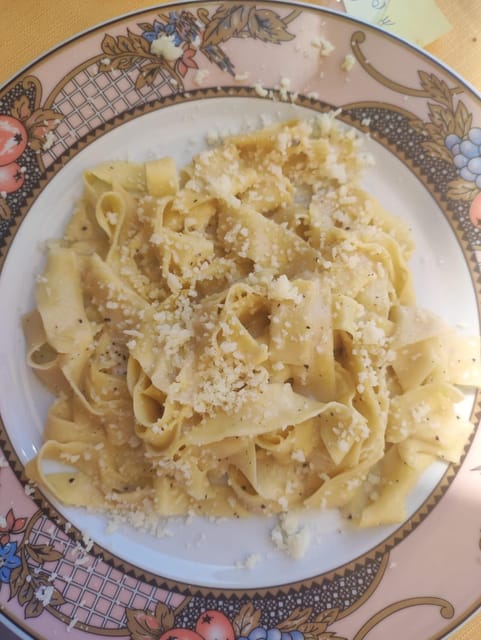
One highlight specifically calls out pasta alla carbonara, prepared with Italian bacon, pecorino cheese, and black pepper. This is intense flavor by design, and it’s one of those dishes where you can’t fake the ingredients. If the tour is doing it right, this will be the taste that makes you rethink what you thought carbonara meant at home.
Vegetarians should still feel included here. The tour notes that venues will offer tasty alternatives that respect local food tradition, so you’re not just handed something generic.
Stop 7: Dessert at a hidden gelato stop (30 minutes)
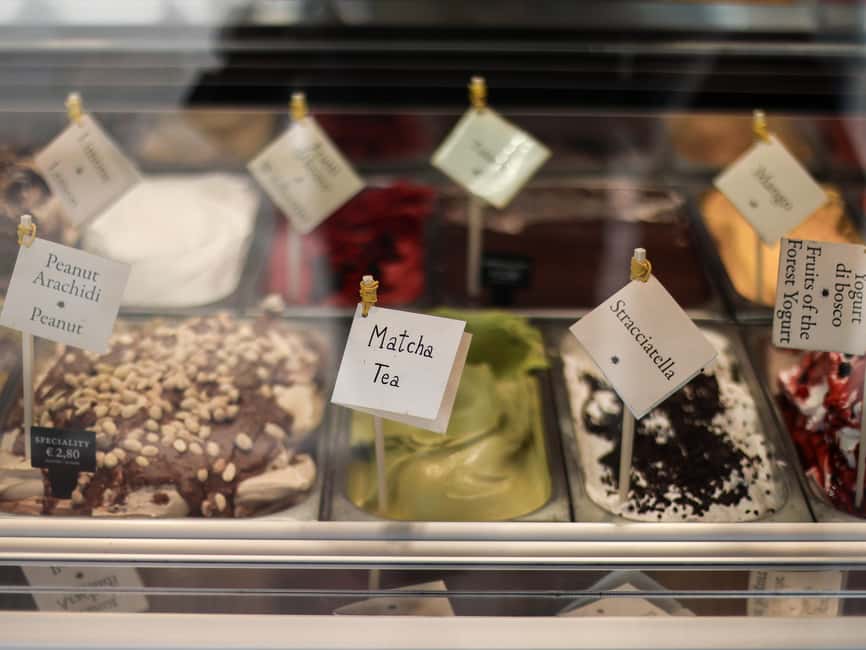
To finish, you’ll taste artisanal gelato, described as made with natural ingredients and presented in innovative and stunning flavors. This is a fun ending because it contrasts with the salty, heavy food earlier.
Gelato also gives you a chance to sit back for a minute and let everything settle. Plus, dessert is often the easiest moment to compare flavors across what you’ve already eaten—sweet vs. salty, cold vs. warm, smooth vs. crisp.
Stop 8: Back to Via di Ponte Quattro capi, 16
You end where you started. That’s helpful if you’re planning a first-night walk afterward. You’re not stranded across town after your last bite.
The Roman Classics You’ll Actually Learn to Taste
This tour isn’t only about what you eat. It’s about how to notice flavors in a Roman-food context.
Here are the standouts that the tour highlights, and what to pay attention to:
- Handmade biscuits: Look for the fact that they taste like ingredients, not sugar and shortcuts. The crunch matters as much as flavor.
- Artisanal cheeses and seasonal hams: Since the selection can vary, your guide’s notes help you compare what you’re seeing to what’s typical for the season.
- Suppli: The signature moment is the mix of rice texture and savory topping. It’s snack food that still feels like a meal.
- Savory maritozzo: It’s a reminder that bread-based Roman comfort can go beyond sweet cravings.
- Pasta alla carbonara: The tour explicitly calls out Italian bacon, pecorino, and black pepper. If you taste richness plus sharp cheese plus pepper warmth, you’re getting the idea.
- Artisanal gelato: The key is natural ingredients and bold flavor choices. This is how you end a Roman meal without feeling overstuffed.
If you want to make this experience even better, go in with one mindset: don’t rush each stop to get to the next. The tour works because the food changes often, and your job is to taste, not just collect.
Guides Who Keep It Clear (Alessia, Martina, Matteo, and More)
The best food tours don’t just hand you plates—they explain what you’re eating and why it matters.
This one is guided by an Italian- and English-speaking food expert, and the guides you might meet have different styles but similar strengths: friendly, organized, and focused on getting you the story without turning it into a lecture. The tour highlights include guides like Alessia, Martina, Roberta, and Matteo, with comments pointing to explanations that are easy to follow and pacing that feels relaxed.
That relaxed approach is important in a food tour. If you feel rushed, you’ll miss details like texture and spice balance. If the guide is easygoing and straight to the point, you get to enjoy the food and still learn enough to order intelligently later.
Drinks, Timing, and the Comfort Factor on a 3-Hour Walk
The tour includes water and wine or beer, plus soft drinks. That’s a nice benefit because you don’t have to spend extra for beverages between tastings. Wine or beer also pairs naturally with salty items like cheese and cured meats.
Timing-wise, expect short to medium visits at each stop, with one main meal segment that lasts about an hour. The total duration is about 3 hours, which makes it easy to fit on a travel day—especially if it’s one of your first food-focused activities.
One more practical point: the experience is described as easy going and informative, so you shouldn’t feel trapped in rigid rules. Still, it’s an active walking route. Wear shoes you trust.
Vegetarian? You’ll Still Get a Roman-Fit Meal
This tour is vegetarian-friendly. It specifically says venues will offer tasty alternatives in respect to local food tradition. Translation: you’re not looking at a token dish that has nothing to do with Rome.
In practice, this means you’ll likely get options that still feel part of the Roman food flow—cheese, bread, pasta alternatives, or other Roman-style staples—so you keep experiencing the “theme” of the tour rather than switching to a different food story.
If you eat vegetarian at home because you love flavor, not because you want bland food, this setup should feel reassuring.
Who This Trastevere Food Tour Suits Best
I’d point this tour at a few traveler types:
- First-time Rome visitors who want their bearings fast through taste, not only sights
- Food lovers who like learning ingredients and small details while eating
- People who want to avoid tourist traps, because the tour structure routes you through local venues
- Couples and small groups who like guided wandering with a payoff at every stop
- Vegetarians who want real food tradition with alternatives built in
If you’re the type who hates walking in the city or gets motion-sick easily, you’ll want to think twice. And if you’re dragging a large suitcase, the luggage restriction could be a hassle.
Should You Book This Trastevere Food Tour?
Book it if you want a 3-hour Trastevere food path that’s organized around actual Roman dishes—snacks, street food, a real carbonara-style main meal, and gelato to finish. The price makes sense because the tour includes multiple stops, drinks, and a full meal structure, not just a couple bites.
Skip it if you’re looking for a purely sightseeing tour, or if you can’t handle a walking-focused experience with no large-bag policy. Also, plan your day so you can enjoy the whole food sequence. A solid tip here: if you tend to eat late or big, save the big meal for after the tour. You’ll enjoy it more when you’re properly hungry.
FAQ
How long is the Rome Trastevere food tour?
It lasts 3 hours.
Where do I meet for the tour?
You meet in front of Trattoria Sora Lella at Via di Ponte Quattro capi, 16, and you return there at the end.
What food and drinks are included?
You get at least four food stops, plus water, wine or beer, and soft drinks during the tour.
Is the tour vegetarian-friendly?
Yes. The venues offer tasty vegetarian alternatives while keeping to local food tradition.
What languages will the guide speak?
The food expert speaks English and Italian.
Is pickup or drop-off provided?
No. Pick-up/drop-off services are not offered.