REVIEW · ROME
Exclusive tour of Ancient Rome and Domus Tiberiana
Book on GetYourGuide →Operated by ontario srls · Bookable on GetYourGuide
Rome makes sense when someone reads the stones. On this exclusive Ancient Rome tour, I love how the Domus Tiberiana story turns ruins into a place you can picture, and I also love the priority access to Forum and Circus Maximus viewpoints. In about 2 to 2.5 hours, you get a guide who explains what you’re actually seeing, not just dates and names.
You’ll focus on Palatine Hill and the Roman Forum, the power center where emperors lived and where public life and politics happened. I like that the tour includes restricted areas of the imperial palaces on Palatine Hill, so it feels closer to how elite Romans experienced the city. You also get a clear path through major stops instead of wandering on your own.
One thing to consider: this tour is not suitable for wheelchair users or people with recent surgeries, so plan your route accordingly.
In This Review
- Key moments that make this tour special
- Palatine Hill and the Roman Forum: why this is Rome’s real “center”
- Palatine Hill stops: where emperors lived, and how the view matters
- Roman Forum: public life, politics, and why ruins can still feel busy
- Domus Tiberiana: the rare restored imperial residence you don’t get elsewhere
- Circus Maximus viewpoints and the “New 7 Wonders” angle
- What the best archaeologist guide does (and why Dino and Donnatella get named)
- Price and value: is $99.92 a fair deal for 2 to 2.5 hours?
- Timing, security, and rules that can affect your visit
- Who should book this tour, and who might prefer something else
- Should you book? My practical take
- FAQ
- How long is the tour?
- What’s included in the ticket price?
- Is food and drink included?
- What languages is the tour offered in?
- What do I need to bring?
- Is the tour suitable for wheelchair users or people with recent surgeries?
Key moments that make this tour special
- Domus Tiberiana access: a restored imperial residence area that has been closed for nearly 50 years
- Priority viewpoints: structured time for Circus Maximus and Roman Forum views
- Palatine Hill imperial context: restricted-feeling areas tied to how emperors lived
- Skip the ticket line: you spend more time looking at Rome and less time waiting
- Expert archaeologist guidance: clear explanations (like extra context about newly explored sections)
Palatine Hill and the Roman Forum: why this is Rome’s real “center”
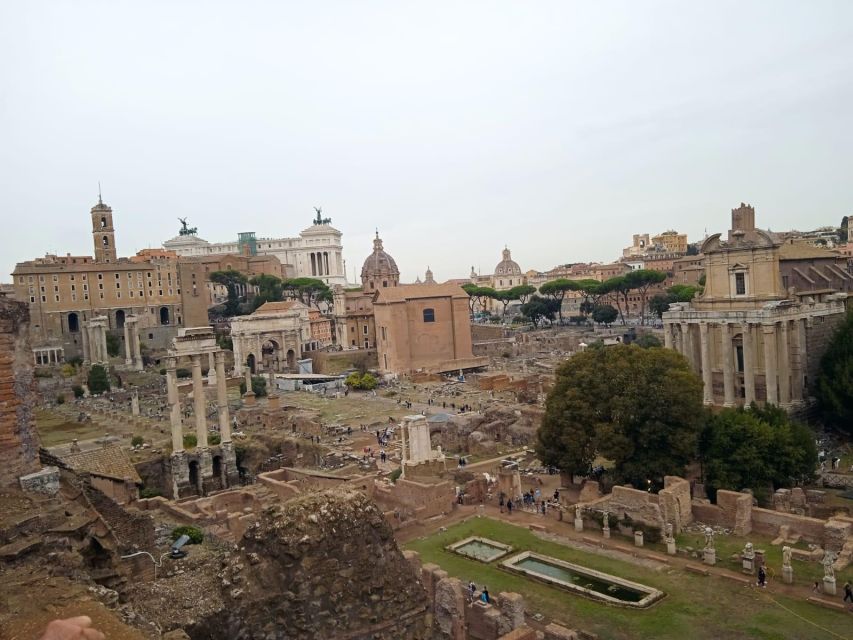
If you only see Colosseum photos, Rome can feel like one big postcard. But Palatine Hill and the Roman Forum are where the city’s daily power drama played out—emperors, senators, speeches, laws, scandals, commerce. Even if you’ve read the basics, seeing it in the right order with a strong guide helps everything click.
This tour is built for that “everything fits” feeling. You visit one of Rome’s legendary hills and then move into the Forum area, where buildings and spaces explain how Romans organized public life. I also appreciate that the tour isn’t just a sightseeing loop; it’s an archaeologist-led walk through meaning—where things were placed, who used them, and why certain corners mattered.
And you’re not just looking at ruins. You’re looking at the idea of Rome: Rome as a city of architecture that still shapes how you understand power.
You can also read our reviews of more tours and experiences in Rome.



Palatine Hill stops: where emperors lived, and how the view matters
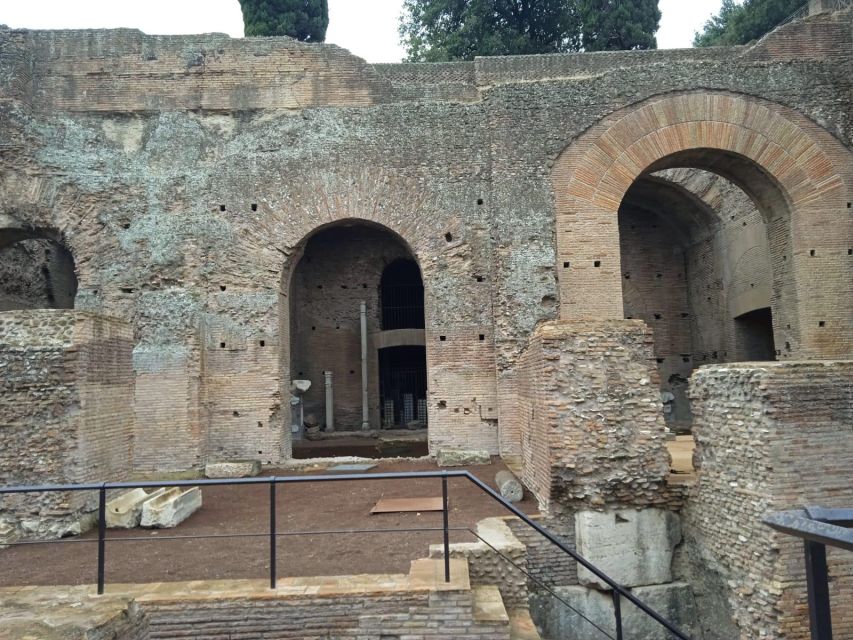
Palatine Hill is the hill story—Rome’s elite address, emperor residence, and the place where “this is how rulers show control” becomes physical. On this tour, you get guided time exploring Palatine Hill and also restricted areas of the imperial palaces. That’s a big deal because so much of Palatine is either closed off or hard to interpret from far away.
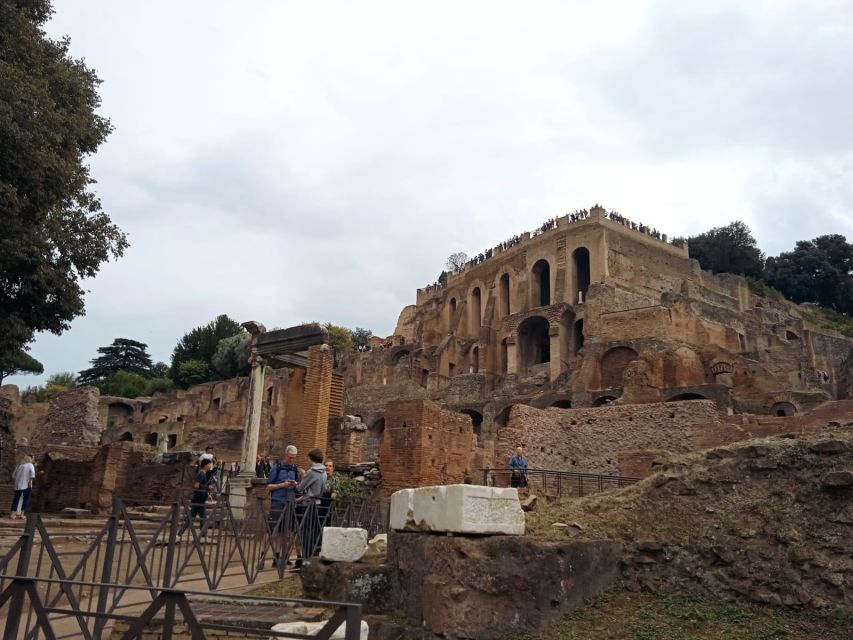
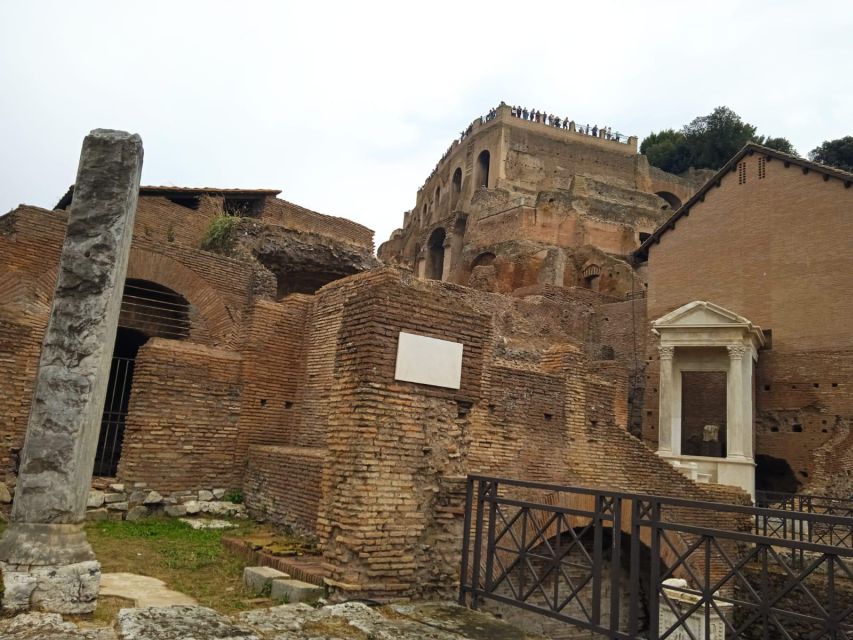
The best part isn’t only the big name. It’s the structure. Palatine is layered: terraces, levels, and openings that show how space was used to control sightlines. When you’re led to the right positions, you start noticing how upper levels and arches connect to the Forum below.
You’ll also get help linking what you’re standing near with what it likely meant. In particular, the tour focuses on the way imperial Rome turned architecture into messaging: multi-level layouts, prominent passages, and the “look down on the city” effect that emperors relied on.
Roman Forum: public life, politics, and why ruins can still feel busy
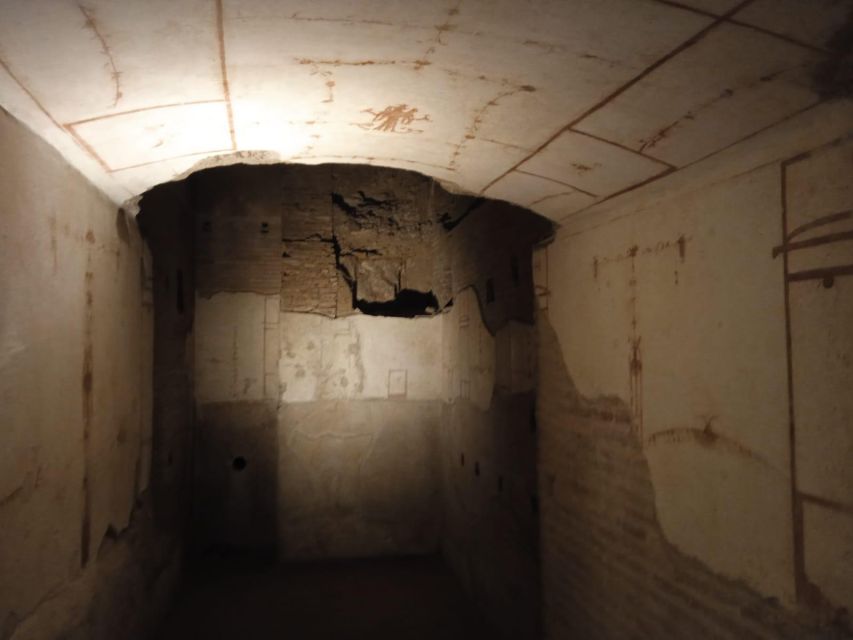
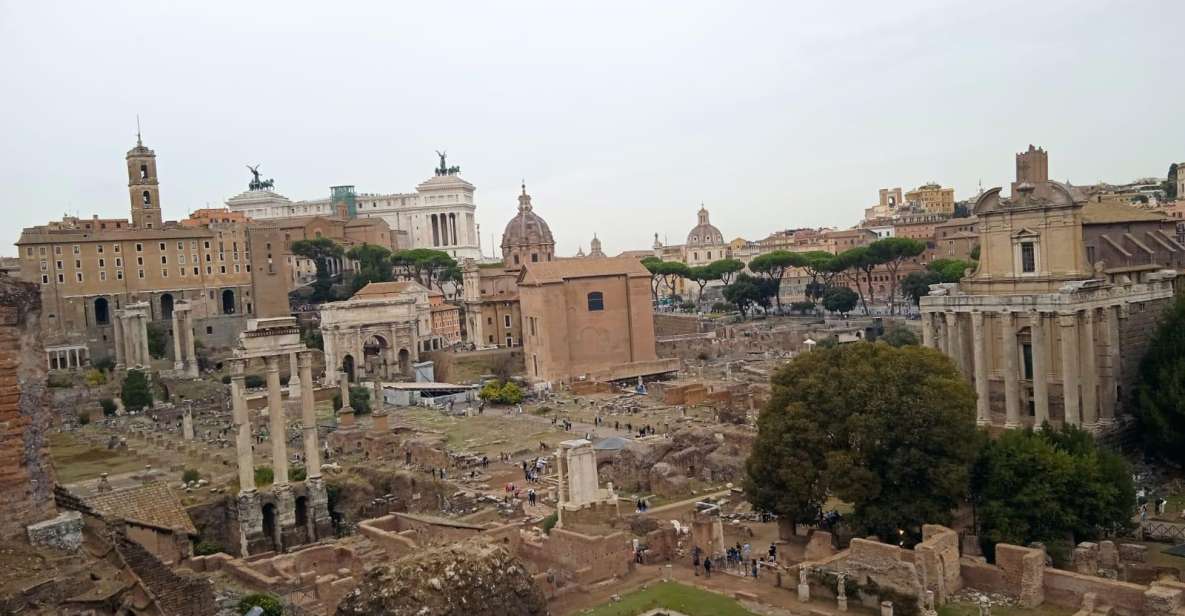
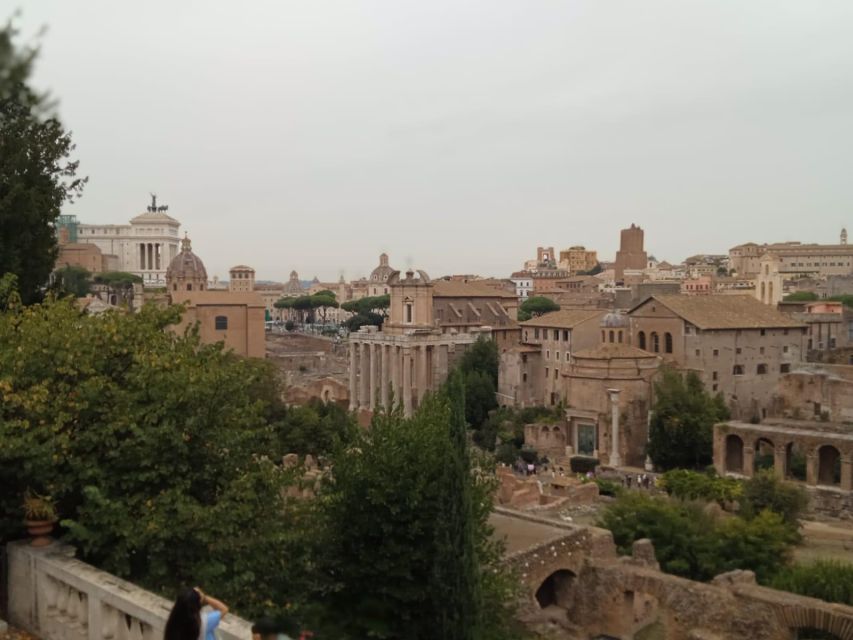
The Roman Forum can look like a pile of stone until someone hands you the map inside the map. This tour gives you that. You walk the Forum with an expert guide who helps you read the remains as spaces where political decisions and social life happened side by side.
One reason the Forum works so well on a guided tour is that your eyes naturally jump to the “famous” areas. A good guide helps you slow down and understand the less obvious parts: transitions between spaces, how people moved, and what kinds of buildings were placed for visibility. That context is what makes the Forum feel like a lived-in system instead of a museum floor.
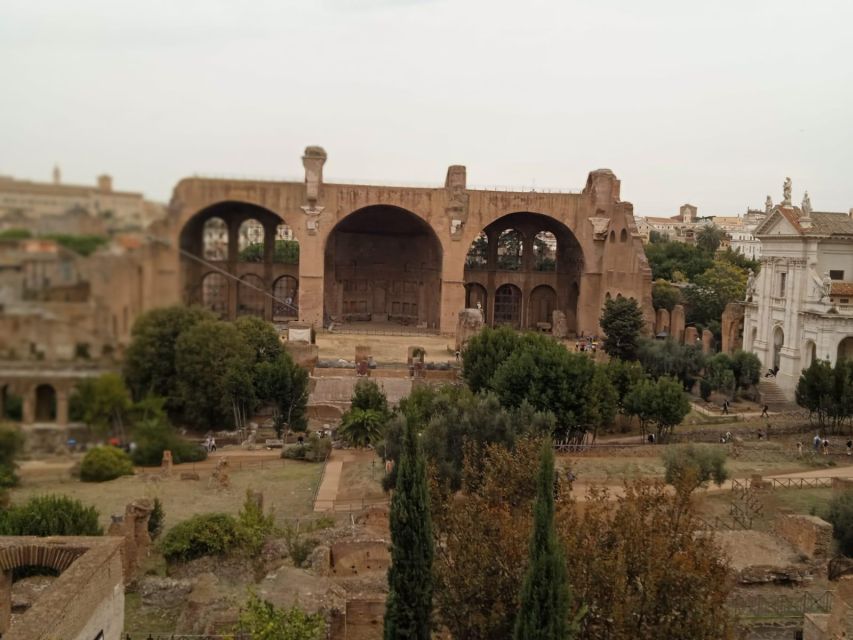
You also get time for priority access to views of the Roman Forum and Circus Maximus. This matters because the Forum layout makes more sense when you can visually connect it to the surrounding spaces. The guide’s explanations help you connect the architecture to what the Romans could see and do.
Domus Tiberiana: the rare restored imperial residence you don’t get elsewhere
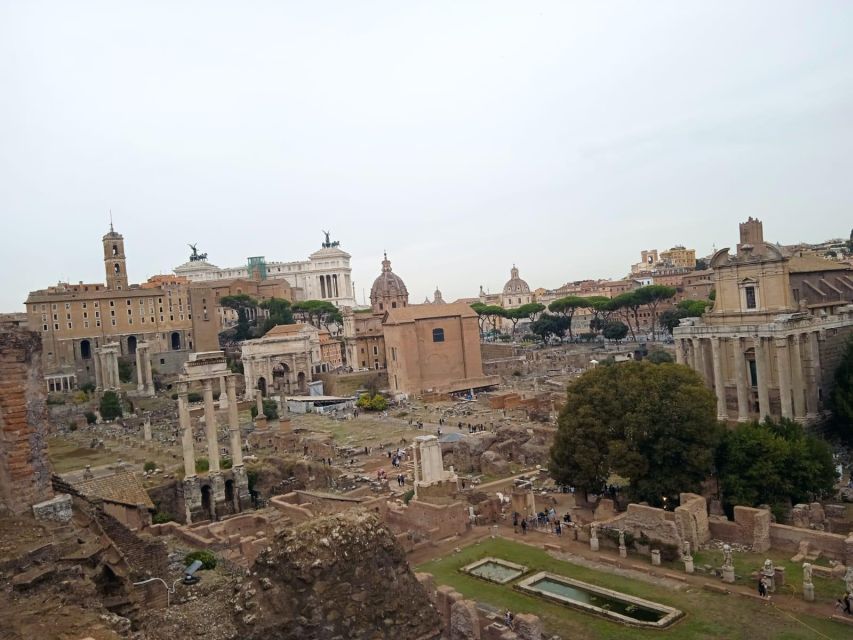
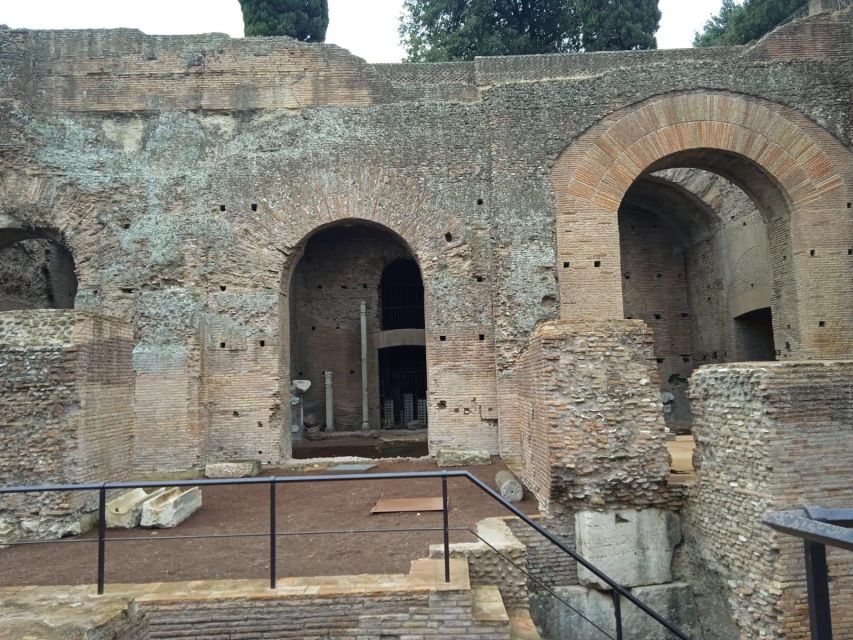
The standout feature here is Domus Tiberiana, an imperial residence tied to the Palatine complex. The important part is the access story: it has been closed to the public for nearly 50 years due to structural issues, and it has recently undergone significant restorations. That alone makes it feel different from the usual “look at the wall” experience.
What I like is that the tour doesn’t treat Domus Tiberiana as a quick photo stop. It’s explained as a grand residence spanning roughly 4 hectares, overlooking the Roman Forum. When your guide frames that scale, you stop thinking of it as one building and start understanding it as a setting—multi-level arches, a planned arrangement, and a carefully positioned imperial presence.
This is also where guide skill really shows. Dino and Donnatella—two of the names you’ll hear associated with the experience—are praised for doing more than basic storytelling. Dino, for example, is noted for spending extra time explaining which portions have only been explored recently, and for giving context for each structure you see. That kind of careful attention helps you understand why certain sections are meaningful now, not just then.
If you like Rome for the architecture-to-power connection, Domus Tiberiana delivers. It turns a difficult-to-reach, long-closed space into something you can actually process during your visit.
Circus Maximus viewpoints and the “New 7 Wonders” angle
Rome loves to build on top of itself. The Forum and Palatine sit within view of the Circus Maximus area, and this tour gives you strong viewpoint time tied to what you’re learning. You’re not just hearing that Circus Maximus was massive—you’re seeing how it fits into the Roman landscape from the right angles.
The tour also leans on the fact that the sites connect to one of the New 7 Wonders of the World. Even if you don’t care about lists, the benefit is practical: the tour is structured around the most meaningful “big picture” parts of ancient Rome, not random detours.
In other words, the Circus Maximus view isn’t filler. It’s the missing piece that helps you connect the imperial hill to the public spectacle engine of the city.



What the best archaeologist guide does (and why Dino and Donnatella get named)
A Roman ruins tour can go two ways: you either get dates and vague gestures, or you get a guide who can make the stones talk. This experience aims for the second option, with a professional local expert archaeologist guide.
In the feedback I’m using to guide my take, Dino gets singled out for being charming and for guiding you through the Forum and Domus Tiberiana in a way that feels like a clear journey. The praise isn’t just for enthusiasm; it’s for explanation quality—extra time, added context, and careful breakdown of what’s newly explored.
Donnatella is also highlighted for knowledge and for taking your concerns seriously. That matters because ruins can overwhelm you fast. When a guide checks that you’re following, you get more out of every stop, not just the big monuments.
So, yes, you’re paying for a guide. But what you’re really paying for is the ability to turn your visit into understanding.
Price and value: is $99.92 a fair deal for 2 to 2.5 hours?
At $99.92 per person for a 2 to 2.5 hour tour, the price only makes sense if you care about what’s included—and here, it is. Admission to both Roman Forum and Palatine Hill is included, plus you get a skip-the-ticket-line benefit and a professional guide.
That combo is the value equation: you’re not just buying entry. You’re buying time with an archaeologist guide and a structured route that prioritizes key viewpoints. If you were doing it on your own, you’d likely spend time figuring out what’s worth seeing and where to stand for the best Forum and Circus Maximus connections.
Also, the Domus Tiberiana angle improves the math. A long-closed site that has recently undergone restorations is not part of most standard quick tours. If Domus Tiberiana is a priority for you, the price starts to feel less like a fee and more like access plus interpretation.
Food and drinks are not included, so plan accordingly if your schedule runs long or you tend to get hungry during outdoor sightseeing.
Timing, security, and rules that can affect your visit
This tour is led in English and Italian, and it includes airport-style security for entry. That means you should bring your passport or ID card and expect the extra checkpoint step before you begin.
You also need to respect the site rules:
- No luggage or large bags
- No drones
- No alcohol and drugs
- No explosive substances
None of this is unusual for major archaeological areas in Rome, but it can change how you pack and how smooth your start feels. If you’re coming from another attraction, I’d keep your bag situation simple so you don’t waste time at security.
Who should book this tour, and who might prefer something else
This is a great fit if you want:
- A guided, archaeologist-led look at Palatine Hill and the Roman Forum
- A visit connected to Domus Tiberiana and its restoration story
- Priority time for key views, especially the Forum/Circus Maximus connections
It may be less ideal if:
- You use a wheelchair or need accessibility accommodations (this tour is not suitable for wheelchair users)
- You’re dealing with recent surgeries
If you want a fast, casual walk with zero structure, this might feel too focused. But if you want your Rome stop to come with an actual framework—where power lived, where politics happened, and what a restored imperial residence means—this tour is built for you.
Should you book? My practical take
Book it if Domus Tiberiana and the Palatine-to-Forum story are on your list. The value is strong because admission is included, you skip the ticket line, and the guide work is the whole point. The tour also has a clear emphasis on viewpoints that help you understand Rome’s layout, not just photograph it.
Skip or consider alternatives if you fall into the accessibility limitations (wheelchair users and people with recent surgeries) or if you want food included and a very casual pace. Otherwise, this is the kind of Rome experience that turns the city from a collection of ruins into a coherent place.
FAQ
How long is the tour?
The duration is 2 to 2.5 hours. Starting times vary, so you’ll want to check availability for the exact schedule.
What’s included in the ticket price?
You get a professional, local expert guide, skip-the-ticket-line entry, and admission to the Roman Forum and Palatine Hill.
Is food and drink included?
No. Food and drinks are not included.
What languages is the tour offered in?
The live guide offers Italian and English.
What do I need to bring?
You should bring a passport or ID card.
Is the tour suitable for wheelchair users or people with recent surgeries?
No. The tour is not suitable for wheelchair users, and it is also not suitable for people with recent surgeries.