REVIEW · ROME
Rome: Traditional Cooking Class in the Jewish Ghetto
Book on GetYourGuide →Operated by Gourmetaly - for food lovers only · Bookable on GetYourGuide
Rome can be museum-heavy fast. This cooking class pulls you straight into local life in the Jewish Quarter, where you’ll learn to make Roman-style pasta and a seasonal Roman menu right inside a working restaurant kitchen. I like the hands-on pace (even spectators can relax and watch), and I really like how the host weaves food with the area’s stories and legends. One thing to consider: it’s not a formal “culinary school” class, and the hands-on level can vary a bit depending on the day and group.
The core is simple and fun: knead dough, learn how Roman families build a meal, and then sit down with what you made. You’ll taste the results as a real 3-course meal, with wine and bottled water, plus take-home recipes and extra tips for the rest of your trip.
If you want a class focused on advanced technique, this may feel light. And if gluten-free is a must, the class isn’t gluten-free by default, though packaged gluten-free pasta may be used if you’re able to handle flour.
In This Review
- Quick hit guide: what makes this class special
- Where it starts: meeting at Taverna del Ghetto
- The story-and-food rhythm of a Jewish Ghetto Roman dinner
- Pasta from scratch: dough time and Roman technique
- Seasonal vegetables and the art of Roman frying
- The 3-course meal: wine, tasting, and the dessert that sticks
- Chef time and the kitchen you don’t usually get
- What you take home: recipes and next-day recommendations
- Price and value: is $94 worth 3 hours in Rome?
- Dietary needs, allergies, and the kosher question (read this part)
- Practical expectations: what to wear, how to participate, and how it runs
- Who should book this (and who might skip it)
- FAQ
- Does the class include the meal, or just cooking?
- Are wine and drinks included?
- How long is the cooking class?
- Is the group small?
- Where do we meet?
- Is the class vegan or vegetarian friendly?
- Is it gluten-free?
- Is the restaurant kosher?
- Can I watch instead of cooking?
- What allergens should I be aware of?
- Should you book it?
Quick hit guide: what makes this class special
- Jewish Ghetto setting with real local context, not just cooking talk
- 3-course Roman menu built around what’s in season
- Small group (up to 10), so you can actually ask questions
- English guidance and an easygoing vibe, often with translators/helpers such as Andy or Asia
- Chef-led kitchen time, with staff checking details as you cook
- Take-home value: recipes plus a list of practical tips for after the class
Where it starts: meeting at Taverna del Ghetto
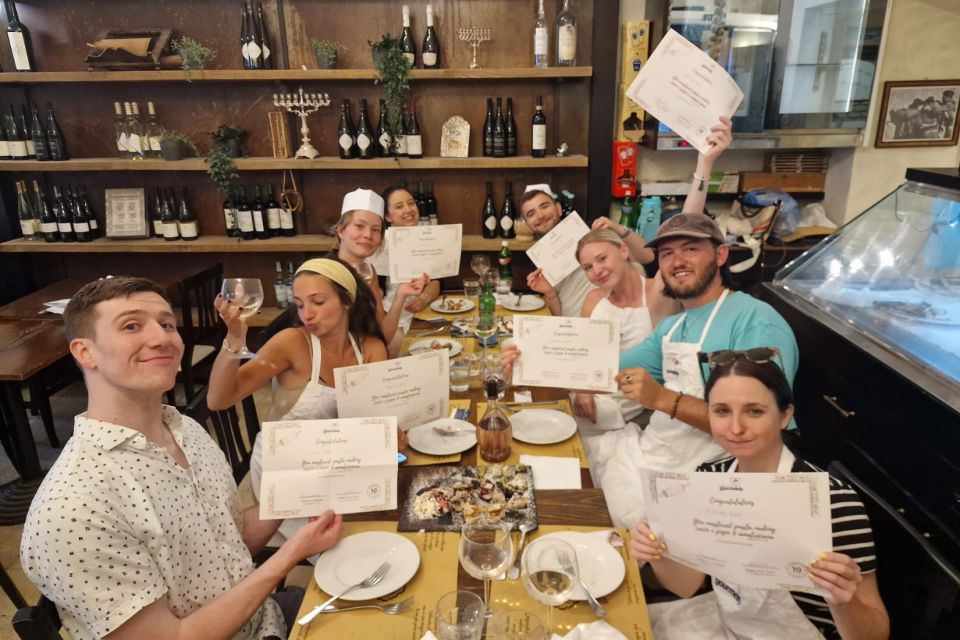
You meet your foodie host at Restaurant Taverna del Ghetto, outside the door. The good news is that the meeting point is straightforward, so you can focus on arriving a few minutes early rather than playing street-charades.
This is one of those Rome experiences where the neighborhood matters. The Jewish Ghetto is a real part of the city you can walk through, and the class keeps you there instead of transporting you elsewhere. That alone makes it feel more personal than a cooking class tucked in a hotel.
You can also read our reviews of more cooking classes in Rome

The story-and-food rhythm of a Jewish Ghetto Roman dinner
You’re not just there to learn recipes. You’re there to understand the “why” behind them in this specific Roman food tradition.
The class includes learning the history and legends tied to the Jewish district, and how food culture shaped everyday cooking. It’s also guided in a way that fits a fun evening out, not a lecture hall. Hosts you may encounter include people like Lilli, Clelia, Livia, or Eleonora (names that show up often in the program’s guide team), and the structure stays relaxed even with all the cooking happening.
That context matters when you cook at home. Once you know what a Roman dish is meant to taste like and why seasonal ingredients matter, you’re less likely to recreate something that’s technically correct but emotionally flat.
Pasta from scratch: dough time and Roman technique
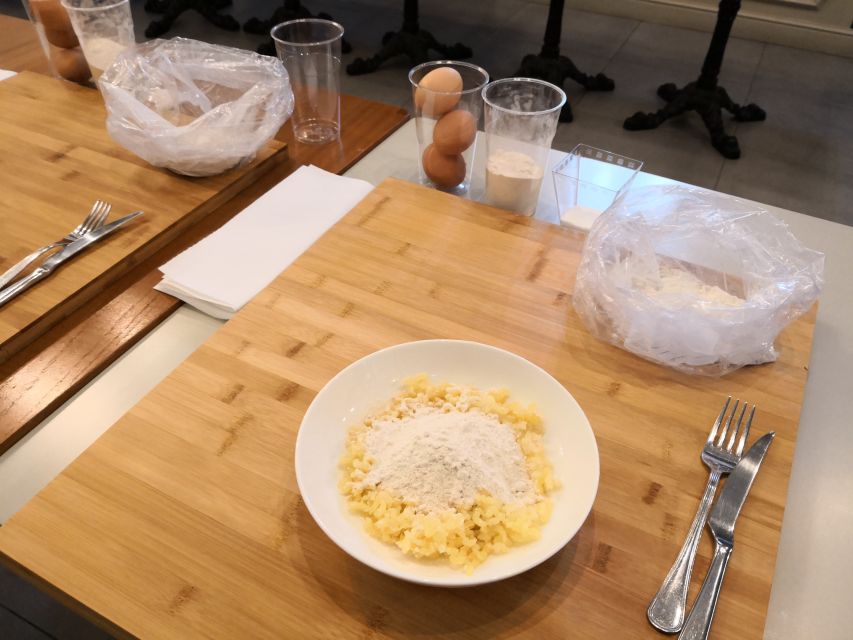
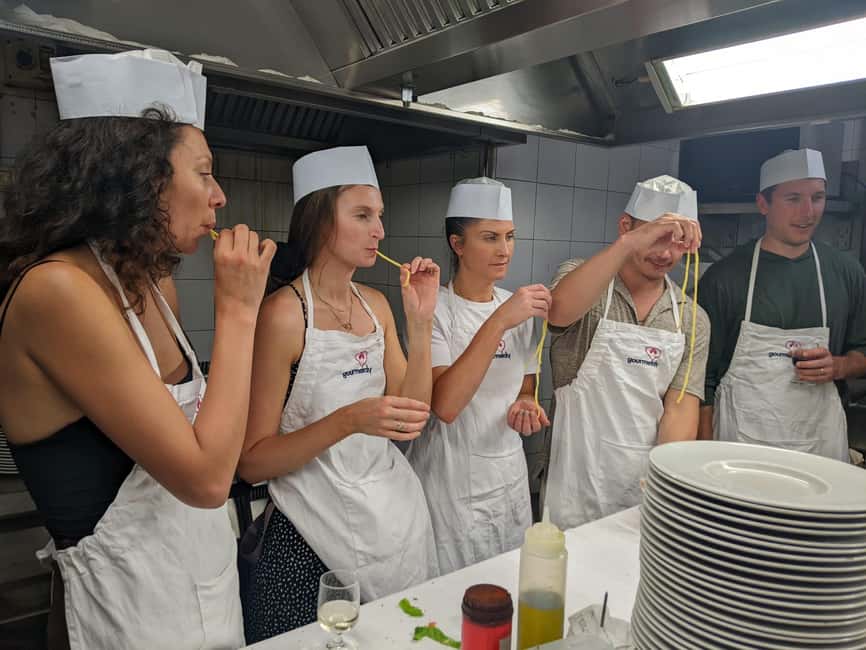
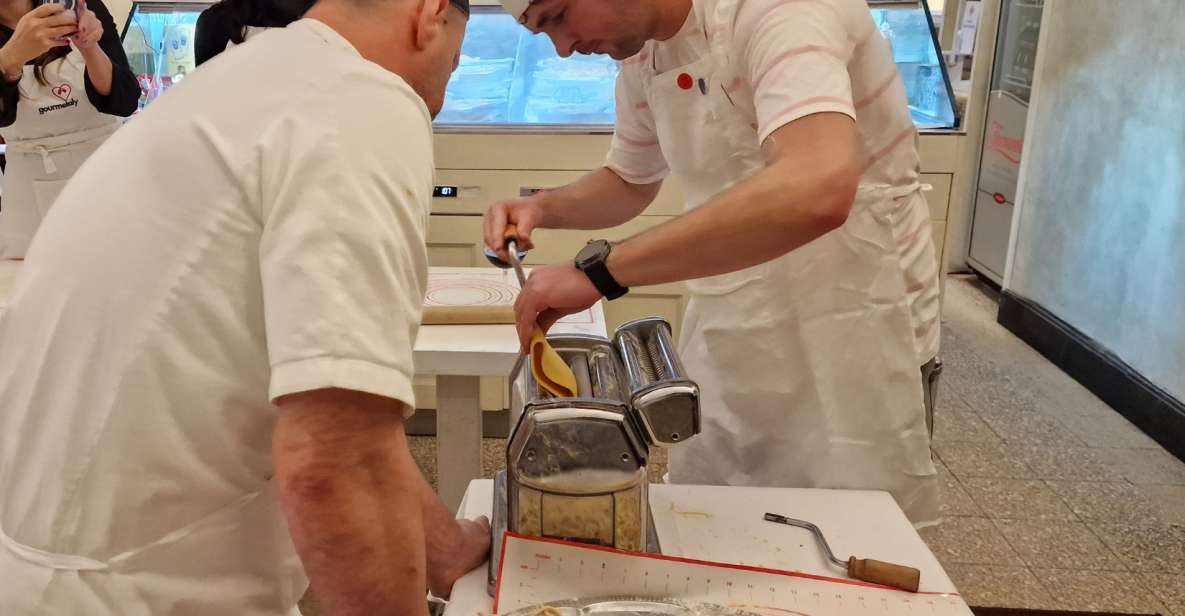
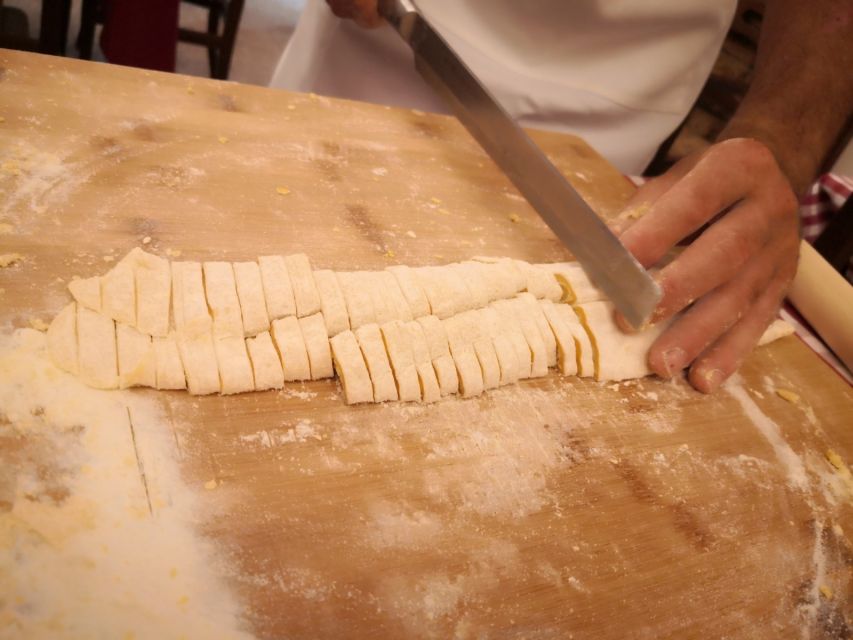
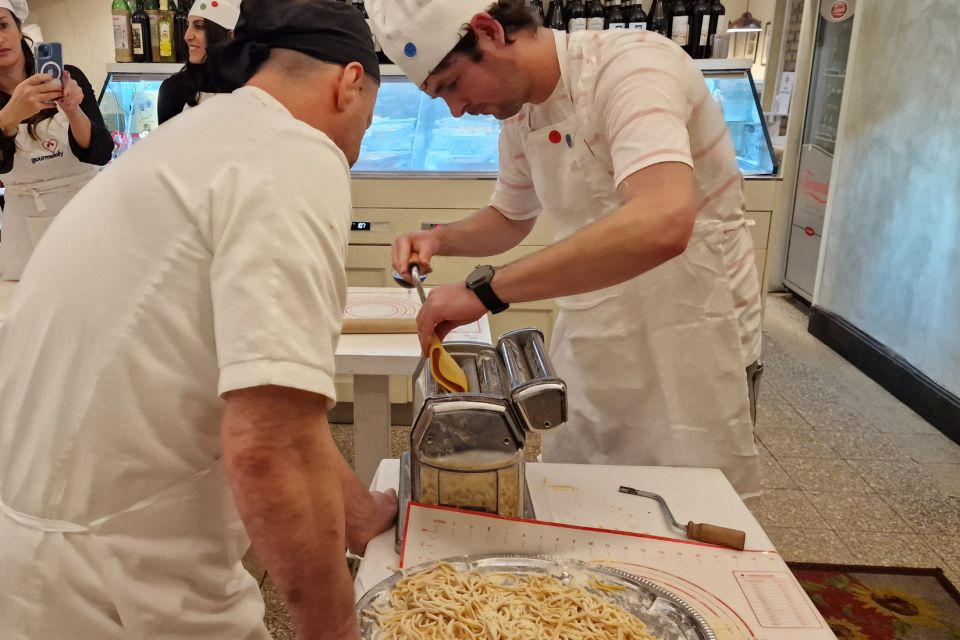
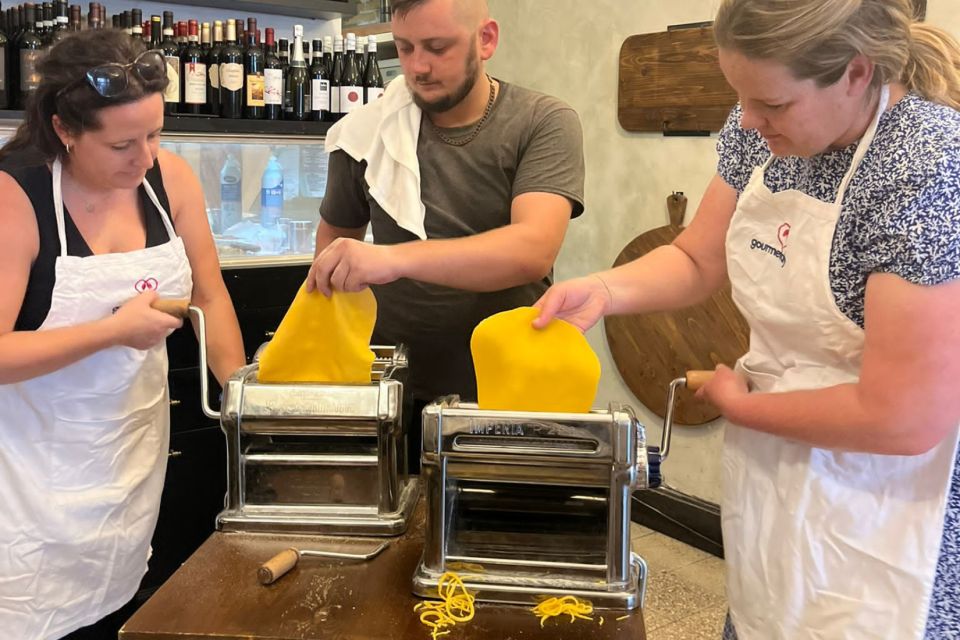
The main event is fresh pasta from scratch. You start by making dough and working it the Roman way, using equipment like the kind of crank machine people often associate with hand-made pasta. Then you form the pasta and cook it as part of the meal.
This is a hands-on class, but you can also choose to watch if you’d rather not do every step. Either way, you’ll be close enough to see what the chef and kitchen team are doing, so you don’t feel lost if you’re slower or you just want to learn visually.
A practical benefit: you’re learning the “feel” of dough and what to look for as you work. That’s hard to get from a recipe card alone. The class is also designed for mixed groups, so you’ll likely get supportive step-by-step guidance, not “figure it out” pressure.
Seasonal vegetables and the art of Roman frying
After the pasta work, you move into seasonal components—often vegetables cleaned and prepped for frying, plus the kind of Roman appetizer rhythm that shows up in family kitchens.
The menu changes by season:
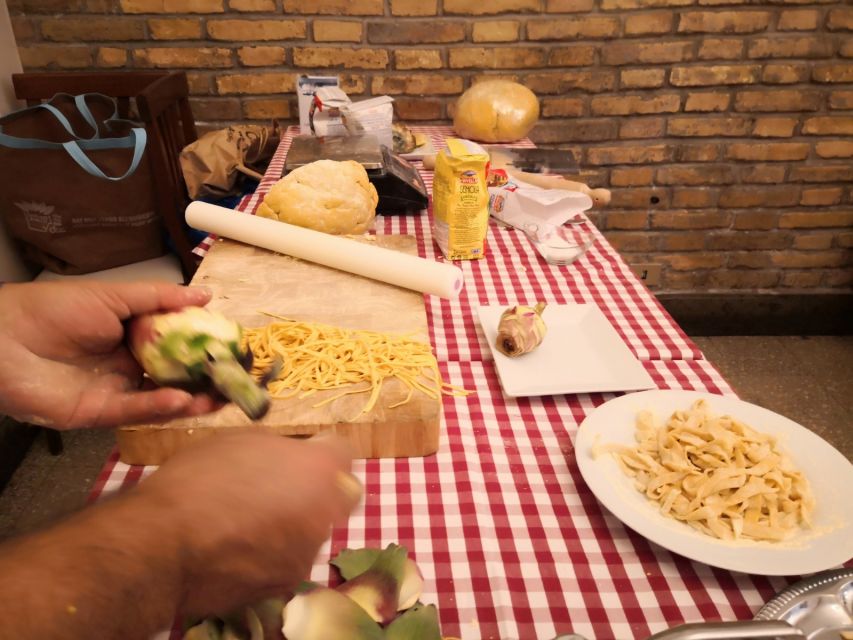
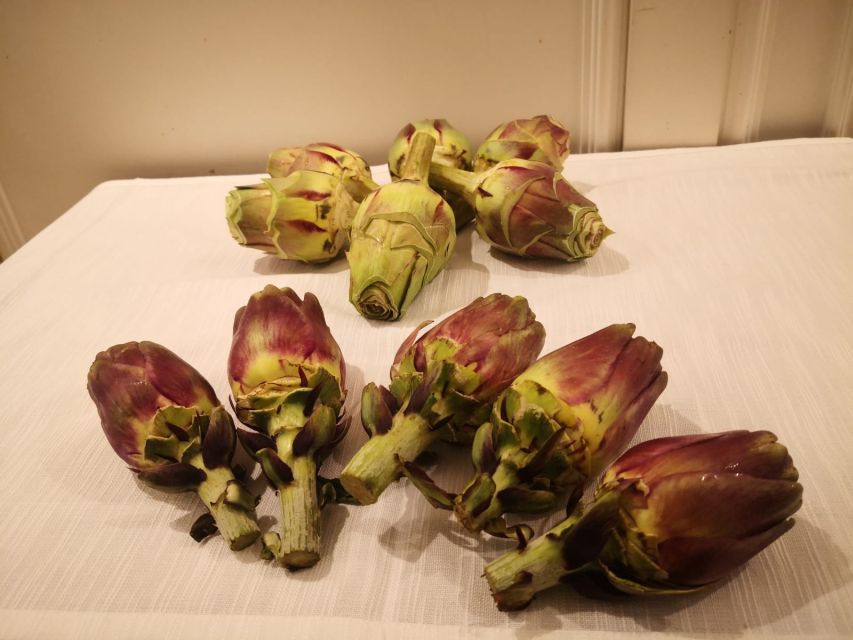
- In winter, you might peel artichokes for a Jewish-style preparation highlighted as a standout Roman cuisine moment.
- In summer, you might work with zucchini flowers and make something in the spirit of fritto romano.
The frying part is where the class can feel most lively. You’re working in a real kitchen environment with a chef ready to steer you, and you’ll see the cues that matter—timing, texture, and how the dish should look when it’s ready. One review noted the class felt a little less hands-on specifically for frying on at least one evening, so if you care deeply about taking the lead on that step, go in with a flexible mindset.
The 3-course meal: wine, tasting, and the dessert that sticks
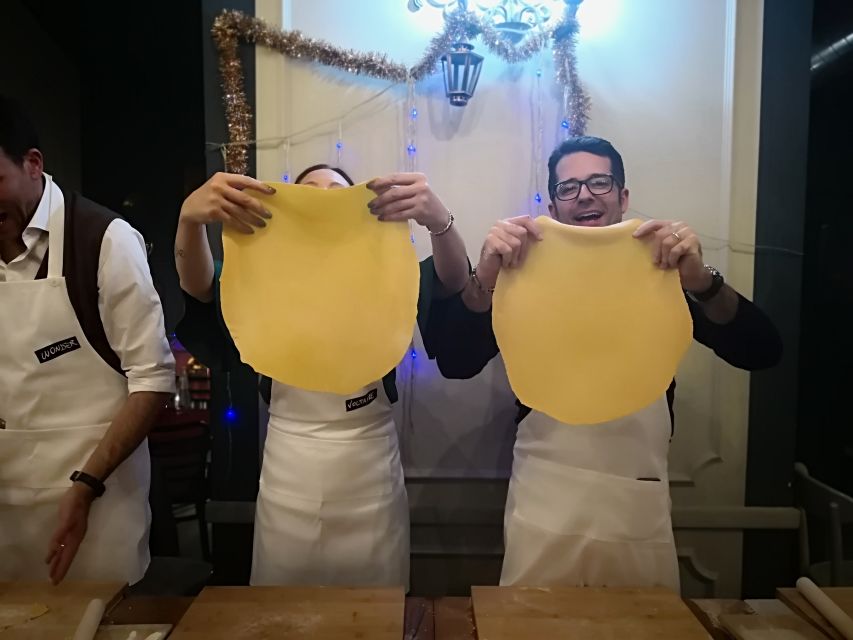
Once you cook, you eat what you made. That’s a big value point here: you’re not spending the whole night preparing and then getting a small sample. The class includes a 3-course meal featuring your fresh pasta, a seasonal main course, and a traditional dessert.
Wine and bottled water are included, and the vibe tends to be social. Many guides keep the pacing upbeat, with laughter and conversation that makes the class feel like a shared dinner, not a strict work session.
Dessert is a highlight and it’s described clearly: torta di ricotta e visciola, a ricotta cheesecake-style sweet made with simple ingredients. You can expect something that tastes like old-school Italian comfort rather than a trendy, foamy restaurant dessert.
You can also read our reviews of more tours and experiences in Rome



Chef time and the kitchen you don’t usually get
A major reason people love this class is that you don’t just cook at a station with a tour guide hovering. You get real chef-led instruction in a professional kitchen.
Chef names that come up include Gabriel, and multiple evenings describe the kitchen being opened up to the group in a way that feels like you’re part of the restaurant’s evening flow. You may also get extra checks while you cook—helpful when you’re working with dough and timing. And if you’re the type who learns fastest by watching, you’ll still benefit from being in the same space as the chef.
What you take home: recipes and next-day recommendations
The class ends with more than a full stomach. You receive recipes at the end, plus a list of tips and recommendations for the following days.
That’s the difference between a fun evening and an experience that keeps paying off. The recipes help you reproduce at least the main ideas back home—especially the pasta base and how to think about pairing it with seasonal sides.
This also helps you plan your remaining Rome days. If you’re done with monument lines and you want a couple more food-focused detours, those recommendations are designed to get you moving in the right direction.
Price and value: is $94 worth 3 hours in Rome?
At $94 per person, you’re paying for several things that don’t usually come bundled in cheap ways:
- a hands-on cooking experience
- the restaurant kitchen access
- an included 3-course meal
- wine and bottled water
- take-home recipes plus extra local tips
- a small group format (limited to 10)
In plain terms, this isn’t just a class. It’s dinner with instruction, in a specific neighborhood, with a chef and a host team. If your Rome priorities include food you can recreate and you like learning by doing, the price starts to make sense fast.
If your goal is only to taste a little pasta and then move on, it may feel pricey. But if you want an evening that replaces a standard restaurant dinner with a hands-on meal, it’s strong value.
Dietary needs, allergies, and the kosher question (read this part)
This is suitable for a wide range of people. The program information says it’s welcome for kids, and vegan and vegetarian participants can join, with accommodation noted in prior experiences.
Still, be careful with allergies. The class lists potential allergens that may be present in tastings: milk, eggs, soya, mustard, nuts, and gluten. If allergies are serious, you should confirm directly with the host or kitchen staff before you go.
Gluten-free is also handled in a specific way: the pasta made in the class is not gluten-free, but packaged gluten-free pasta may be used for participants who can handle flour. If you’re sensitive to cross-contact or flour dust, think carefully before booking.
Finally, the restaurant is not kosher, so if kosher observance matters to you, this isn’t the right fit.
Practical expectations: what to wear, how to participate, and how it runs
This is an easygoing night, not a test. You’ll be cooking with equipment in a working restaurant, following the chef and host’s steps. You can be fully hands-on or more of a spectator, and both ways tend to work because the kitchen is active and you’ll still see what’s happening.
A few practical tips:
- Wear something you don’t mind getting flour on. Pasta dough is messy in the good way.
- Plan to eat. You’ll likely leave stuffed after three courses.
- If you’re visiting in winter or summer, expect the ingredient focus to match the season (artichokes in winter, zucchini flowers in summer).
Language is English, and live guidance is included. Some evenings may also involve a translator/helper support role, which helps keep the instructions clear.
Who should book this (and who might skip it)
Book it if you want:
- a break from sightseeing that still feels cultural
- a real skill you can repeat at home (pasta basics and a Roman-style meal approach)
- a small group dinner that’s more social than a normal restaurant
It may not be ideal if:
- you want a long, multi-hour cooking workshop with lots of different pasta types and deep technical training
- you need full gluten-free precautions or you avoid all flour contact
- wheelchair access is required (it’s noted as not suitable for wheelchair users)
If you’re traveling with teens or family, it can work well because it’s hands-on but not overly complicated. The energy tends to be friendly, and the structure is designed for mixed ages.
FAQ
Does the class include the meal, or just cooking?
You get a 3-course meal as part of the experience: fresh homemade pasta, a seasonal main course, and a traditional dessert.
Are wine and drinks included?
Yes. Italian wine and bottled water are included.
How long is the cooking class?
It lasts 3 hours.
Is the group small?
Yes. It’s a small group limited to 10 participants.
Where do we meet?
Meet at Restaurant Taverna del Ghetto, outside the door.
Is the class vegan or vegetarian friendly?
The experience is described as suitable for vegetarians and vegan people, with accommodation mentioned in prior experiences.
Is it gluten-free?
No. The pasta made in the class is not gluten-free, but packaged gluten-free pasta may be available if you can touch flour.
Is the restaurant kosher?
No. The restaurant is not kosher.
Can I watch instead of cooking?
Yes. The format allows you to relax and watch the chef while having a glass of wine if you prefer.
What allergens should I be aware of?
Allergens that can be present include milk, eggs, soya, mustard, nuts, and gluten.
Should you book it?
Yes, if you want a Rome evening that feels local and practical: you’ll cook, eat, learn why Roman Jewish Ghetto flavors lean seasonal, and you’ll leave with recipes and next-day food tips. I’d especially recommend it if you value doing over watching screens, and if you’re the kind of traveler who enjoys learning enough to repeat something at home.
Skip it if you need strict dietary control beyond what’s listed, or if you want a very technical cooking workshop with lots of different pasta varieties. For most people who want a high-value, small-group food night in the Jewish Quarter, this is one of the smartest ways to spend three hours in Rome.