REVIEW · ROME
Taste Rome: Exploring Trastevere’s Culinary Secrets with a Local
Book on Viator →Operated by Do Eat Better Experience · Bookable on Viator
Trastevere smells like dinner. This 3-hour Rome food walk brings you into Trastevere’s everyday rhythm, sampling classics with a local Food Expert and learning why Italian food and culture are so tied together. Expect local stops you’d be unlikely to find on your own, with medieval-looking streets and architecture as your backdrop.
I love how the tastings feel like a real Rome meal, not just a few bites. You start with handmade cookies and move into a cheese-and-cured-meats shop, then hit Roman pizza and street snacks before finishing with pasta and artisanal gelato. Guides I’ve seen named for this experience include Martina, Jennifer, Andrea, Stefani, and Daniele—so you should get a confident, friendly guide who can talk food and place.
One consideration: there’s a fair amount of walking, and some stops can mean standing outside near the street for tastings, which may be less comfortable if you’re older or easily tired.
In This Review
- Quick hits before you go
- Why Trastevere’s culinary rhythm makes sense in 3 hours
- Getting oriented at Ponte Quattro Capi (and why the meeting point helps)
- The cookie stop in a 1920s factory-style setting
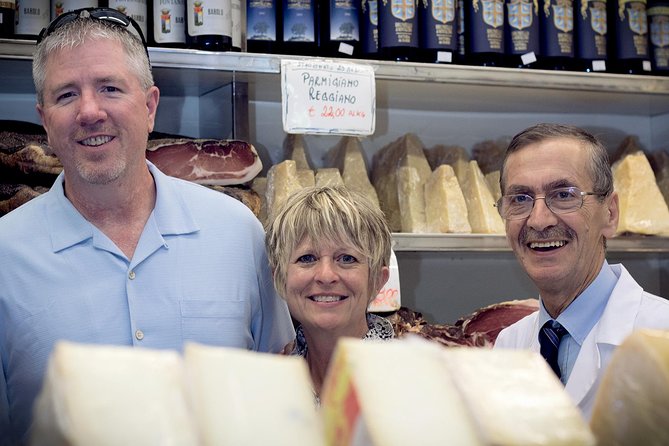
- Cheese and cured meats at the center of Rome
- Roman pizza romana and the scrocchiarella moment
- Supplì: the street snack you’ll want one more of
- Pasta alla carbonara (and how to make sense of the flavor)
- Gelato artigianale: the finishing sweet with real ingredients
- What about the historic inn and pasta-and-wine expectation?
- How much walking is this, really?
- Price and value: $102.58 for five tastings (and a real meal feel)
- Who will love this tour most (and who should think twice)
- A few practical tips so the tour feels effortless
- Should you book Taste Rome in Trastevere?
- FAQ
- How long is the Taste Rome Trastevere food tour?
- What is the price per person?
- Is the tour offered in English?
- How many people are in the group?
- What kinds of food will I taste?
- Are drinks included?
- Where does the tour start and end?
- Can I request a dietary option like vegetarian, vegan, or gluten free?
- Do I get a mobile ticket?
- What is the cancellation policy?
Quick hits before you go
- Five tasting locations: enough to feel like dinner (and then some).
- Classic Roman menu flow: cookies → cheese/meats → pizza romana → supplì → carbonara → gelato.
- Wine is part of the plan: water and wine are offered at the restaurant stop.
- Small group size: up to 12 travelers keeps things personal and easy to ask questions.
- Vegetarian options: possible, and you can also request vegan or gluten free if you tell them at booking.
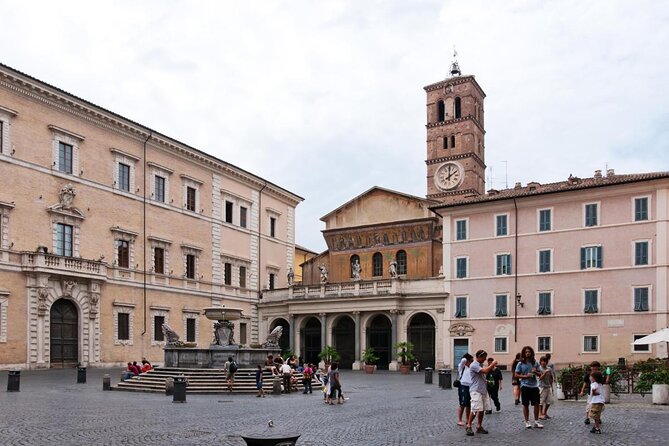
- Trastevere on foot: you’ll see medieval-era streets while you eat your way through the neighborhood.
Why Trastevere’s culinary rhythm makes sense in 3 hours
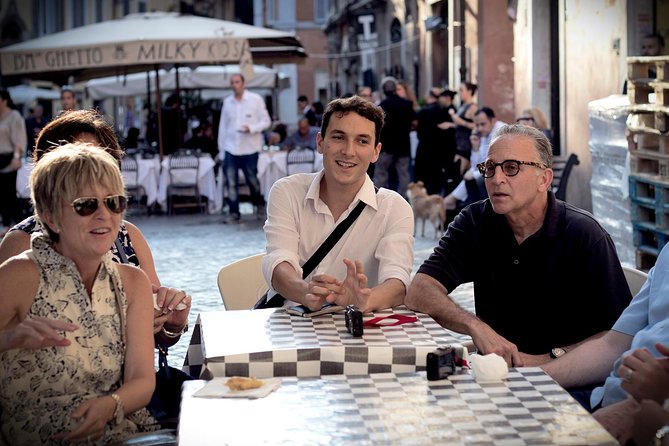
Trastevere isn’t just a pretty part of Rome. It’s where food habits and neighborhood life mix in a way you can feel while walking—smells from kitchens, chatter from shop counters, and the steady “we come here often” energy you miss in tourist zones.
This tour is built around that idea. You’re not chasing random photos. You’re tasting the kinds of things Romans actually order, snack on, and buy from long-running places. Then your guide connects the dots—how ingredients, technique, and local traditions show up again and again.
If you like Rome best when it’s practical and human-scale, you’ll enjoy this. And if you’ve been worried that food tours are all theory and no taste, this one leans the other way: you eat.
You can also read our reviews of more tours and experiences in Rome.



Getting oriented at Ponte Quattro Capi (and why the meeting point helps)
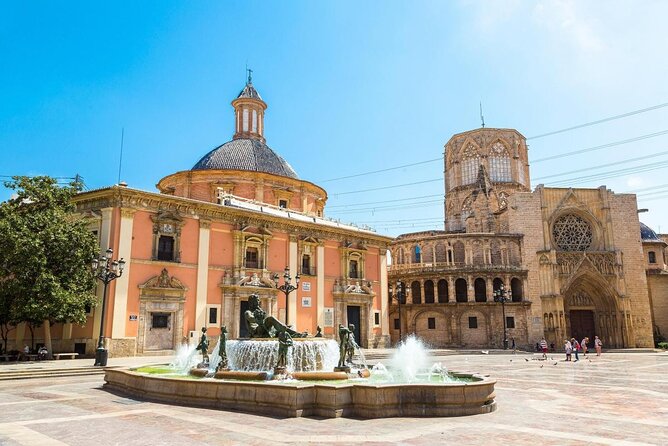
You meet at V. di Ponte Quattro Capi, 16 (00186 Roma), and the tour ends back near the start. That loop matters because it means you’re not constantly switching transit lines or trying to “restart” your bearings in the middle of the neighborhood.
Also, the start point is listed as near public transportation. That’s useful in Rome, where getting from point A to point B can turn into an accidental walking tour of its own.
Once the group assembles, your guide typically sets the tone fast: what you’re about to taste, what to notice in each item, and how the neighborhood’s food culture works day to day. The best payoff is that after 3 hours, you usually feel confident walking Trastevere again without feeling lost.
The cookie stop in a 1920s factory-style setting
The tour begins with something simple and very Roman: crunchy handmade cookies. You’ll taste biscuits made with straightforward ingredients, in a setting described as an old cookies factory dating back to 1920.
Why I think this stop works early: it teaches you how to read Italian flavors without heavy sauces or plates in the way. You get a baseline for sweetness, texture, and ingredient quality—then the rest of the menu gets easier to appreciate.
It’s also a nice mental reset. You start with a sweet-savory warm-up before the tour moves into cheese, meats, and fried or handheld street-style items. If you’re the type who gets impatient waiting for the “good stuff,” this helps you ease in rather than rush.
Cheese and cured meats at the center of Rome
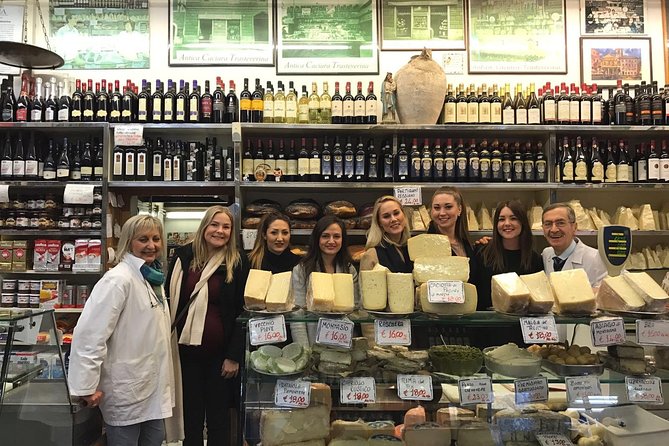
Next is a board of cheeses and cured meats at a venue famous for both. This stop sits in the middle of the tour’s logic: it’s where you learn the difference between okay deli-style bites and the real thing you’ll want to recreate back home.
You’ll taste local cheeses alongside cured meats in the classic Italian combination mode—salty, fatty, and aromatic, with just enough variation to keep it from feeling repetitive. Your guide will likely point out what to pay attention to: how flavors change with each bite and why some pairings show up again and again in Roman eating.
Practical tip: take your time here. If you race through the cheese and meats, you’ll miss the texture and taste differences that make this stop memorable.
Roman pizza romana and the scrocchiarella moment
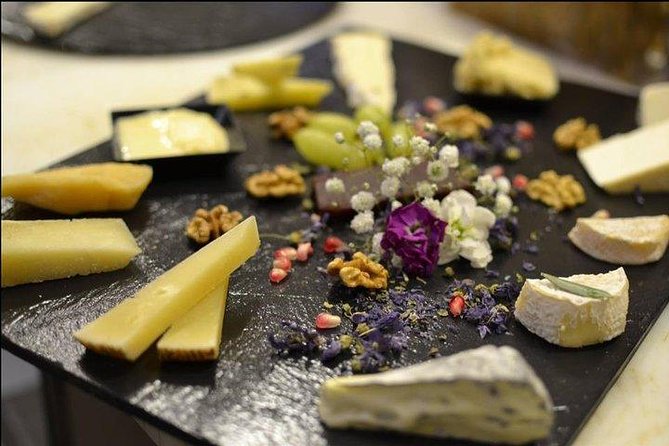
Then you hit Roman pizza: the thin, crunchy style called pizza romana, including the locals’ favorite scrocchiarella. This is one of those items that instantly tells you whether you’re eating the real neighborhood version or something made for tourists.
The tour approach matters. You’re not sitting down with a full restaurant plate and a menu. You’re tasting in a way that fits the walk—grab a bite, feel the crunch, notice the thinness, and move on while your appetite stays awake.
If you’ve only had thick, floppy pizza back home, this contrast is part of the fun. Roman pizza romana is all about structure: crisp edges, a light feel, and flavor that shows up quickly.



Supplì: the street snack you’ll want one more of
After pizza comes supplì. Think rice ball with meat sauce, often with typical additions like cheese and black pepper depending on what’s available.
Supplì is the kind of food that teaches you why Romans love street snacks: it’s portable, satisfying, and still deeply flavorful. The outside gives you crunch; the inside has that warm, savory center that makes you slow down for a second even while you’re on the move.
This is also where the tour’s “local secrets” promise becomes real. You’re eating a snack that belongs in the neighborhood rhythm, not in a sit-down performance.
Pasta alla carbonara (and how to make sense of the flavor)
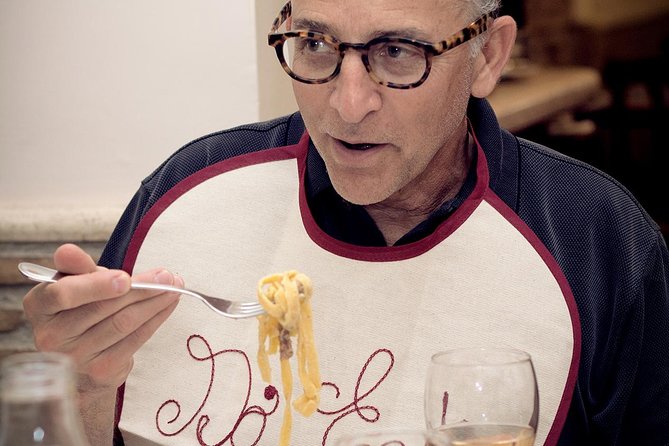
For the main course, the menu includes pasta alla carbonara. The intense flavor is tied to key ingredients: Italian bacon, pecorino cheese, and black pepper.
Carbonara is one of those dishes people think they already know. But it’s also one of the easiest ways to tell whether a place respects technique and ingredient quality. In a food tour format, you get the added benefit of context from your guide—why this dish tastes like Rome, not like a generic Italian restaurant.
If you’re vegetarian, the tour notes a vegetarian option is possible. What you’ll get can vary by season and availability, but you should still expect the same spirit: a classic Roman-style experience adapted to your dietary needs.
Gelato artigianale: the finishing sweet with real ingredients
After all that savory food, you end with artisanal ice cream, called gelato artigianale. You’ll taste gelato made with natural ingredients, and this is one of the stops that often becomes the “talk about it later” memory.
Why gelato works as the last stop: it cleans the palate and gives you a satisfying finish without dragging the meal out. Also, by the time you reach gelato, you’re usually already thinking like a food critic—sweetness balance, texture, and ingredient feel are easier to notice when you’ve had several tastings in sequence.
If you’re traveling in warm weather, plan for this as part dessert and part recovery. It’s a well-timed breather.
What about the historic inn and pasta-and-wine expectation?
The tour overview highlights a historic inn for pasta and wine. In other words, they’re aiming for a more atmospheric meal moment, not just a quick “hand it to you and go” stop.
That said, Rome tours sometimes run on flexible timing depending on availability and the day’s flow. The safest way to handle this is simple: if pasta-and-wine is central to your reasons for booking, ask your guide early in the tour how the schedule is shaping up for your group. You’ll get clarity fast, and you can adjust your expectations calmly.
How much walking is this, really?
Expect a fair amount of walking. The time on foot is part of the value because you see Trastevere’s streets as you eat, not just between tastings inside buildings. The tour also includes scenic architectural moments—medieval architecture is called out in the highlights.
The only real comfort concern is that a few tastings may happen standing outside by the street. If you’re sensitive to heat or you don’t like standing still, wear comfortable shoes and bring patience.
For pacing, this is typically a manageable 3-hour experience. It’s long enough to cover multiple neighborhood stops, short enough that you’re not wiped out for the rest of the day.
Price and value: $102.58 for five tastings (and a real meal feel)
At $102.58 per person, you’re paying for five tasting locations, plus water and wine offered at the restaurant. You’re also paying for a guide who does the “translation” work—connecting what you eat with where it fits in Roman food culture.
Here’s why that matters for value: in Rome, a normal evening meal can cost similar money, but you’d likely get only one place’s version of the food. This tour spreads the experience across multiple specialized stops—cookies in a long-running factory-style venue, a cheese-and-meats shop, Roman pizza, street snacks, carbonara, and gelato.
The small group cap of 12 also affects value. With fewer people, it’s easier to ask questions and to get explanations that actually land while you’re still tasting.
If you’re planning ahead, note that this experience is commonly booked about 56 days in advance on average. If your dates are flexible, you can keep it casual; if not, earlier booking is smarter.
Who will love this tour most (and who should think twice)
You’ll likely have a great time if you:
- Want to eat a lot without planning a mini food itinerary yourself
- Enjoy walking through a specific Rome neighborhood and getting context as you go
- Prefer authentic, local-style food stops over restaurant chains
You might think twice if you:
- Have mobility issues and standing outside by the street is a problem for you
- Want a fully seated, sit-down meal experience the whole way (this tour is built around walking and tastings)
- Don’t want wine included at any stop (water is offered, and wine is part of the restaurant offering, but extra drinks aren’t included)
A few practical tips so the tour feels effortless
Wear comfortable shoes. Trastevere walking adds up fast when you’re stopping and starting.
Go lighter for the day. If you do the morning or early afternoon version, you might skip lunch because the tasting amount can be substantial.
If you have dietary needs, communicate them at booking. The tour states vegetarian/vegan/gluten free options are available if you advise them in advance.
Finally, bring curiosity. The best moments are the ones where your guide points out what makes one place’s cookie or cheese different from the next.
Should you book Taste Rome in Trastevere?
I’d book it if you want a focused, small-group way to understand Roman food culture without guessing where to go. The menu hits the classics—cookies, cheese and cured meats, pizza romana, supplì, carbonara, and gelato—and the format turns that into a true neighborhood walk.
I’d hesitate only if standing outside by the street or lots of walking would be uncomfortable for you. If that’s your situation, consider other food experiences that are mostly seated.
FAQ
How long is the Taste Rome Trastevere food tour?
It runs about 3 hours.
What is the price per person?
The price is $102.58 per person.
Is the tour offered in English?
Yes. It’s offered in English, and the guide is English speaking.
How many people are in the group?
The tour has a maximum of 12 travelers.
What kinds of food will I taste?
The menu includes handmade cookies, cheeses and cured meats, Roman pizza (pizza romana/scrocchiarella), supplì, pasta alla carbonara, and artisanal gelato. A vegetarian option is possible.
Are drinks included?
Water and wine are offered at the restaurant stop. Extra drinks are not included.
Where does the tour start and end?
It starts at V. di Ponte Quattro Capi, 16, 00186 Roma RM, Italy, and ends back at the meeting point.
Can I request a dietary option like vegetarian, vegan, or gluten free?
Yes. Vegetarian/vegan/gluten free options are available if you advise at the time of booking.
Do I get a mobile ticket?
Yes, the tour includes a mobile ticket.
What is the cancellation policy?
Free cancellation is available. You can cancel up to 24 hours in advance for a full refund.