Rome tastes like a street-side story. This Testaccio tour mixes market snacks, neighborhood history, and a sit-down pasta lunch in about 3.5 hours. You’ll get to know the food culture with local guide Giulia, and the small group size keeps things personal instead of rushed.
I also like that the day has a clear food arc: breakfast first, then street-food tastings with wine, then a proper trattoria meal and dessert so you’re not just nibbling. One thing to consider: it’s built as a guided walking route with set tastings, so if you want to order your own menu or linger in one spot for ages, you’ll likely feel slightly boxed in.
In This Review
- Key things I’d circle before you go
- Why Testaccio is such a good place to eat in Rome
- Meeting near Stazione Trastevere and getting your bearings fast
- Ponte Testaccio and Mattatoio: history you can see, not just hear
- Testaccio district walk: the neighborhood behind the menu
- Mercato di Testaccio: where the tastings actually happen
- What you can expect to try
- The pace and the payoff
- Monte Testaccio: Roman layers with a short, focused stop
- Rome War Cemetery: a brief, respectful WWII moment
- Food plan, from maritozzo breakfast to trattoria pasta
- Vegetarian and pescatarian fit
- Price and value: is $119.48 a fair deal?
- Logistics that actually matter on the ground
- Who this tour is best for (and who should skip it)
- Should you book this Rome Street Food, Local Market and Hidden Gems Tour?
- FAQ
- What is the duration of the Rome Street Food, Local Market and Hidden Gems Tour?
- Where do I meet the tour, and what time does it start?
- What is the group size?
- Is the tour offered in English?
- What food and drinks are included?
- Is the tour suitable for vegetarians and pescatarians?
- Where does the tour end?
- What happens if weather is bad?
Key things I’d circle before you go

- Testaccio market + street-food tastings with classic bites and 3 wines
- A century-old trattoria pasta lunch after working up an appetite
- Monte Testaccio for those lesser-seen Roman layers (short, but memorable)
- A small group (max 10) for more guide attention and easier questions
- English guide with a focus on food history and how the neighborhood shaped it
Why Testaccio is such a good place to eat in Rome
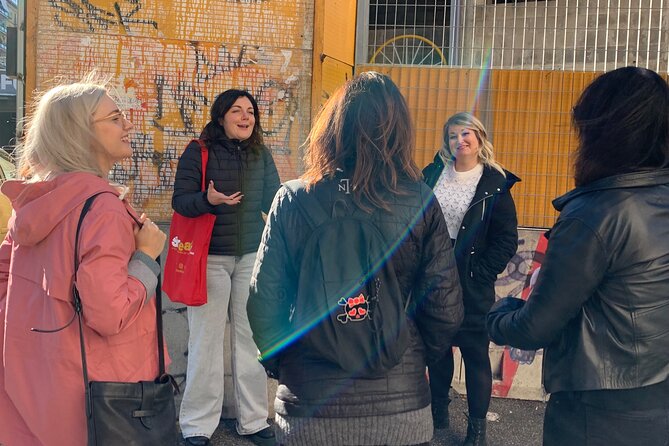
If you’re trying to understand Rome through food, Testaccio is a smart neighborhood to pick. It’s the kind of area where daily life and eating aren’t separate. Instead, the food shows up in markets, benches, and trattorias—right alongside the stories of the place.
What makes this tour work so well for first-timers is the structure. You start with orientation and context, then you move into the tasting part, then you cap it with a sit-down lunch and dessert. That order matters. It helps you connect what you’re eating with where it comes from, instead of treating everything like separate photo stops.
And because the group is capped at 10, you’re more likely to get explanations that actually fit your questions—things like why certain ingredients show up again and again in Roman street food, or how local vendors think about portions and sharing.
You can also read our reviews of more food & drink experiences in Rome
Meeting near Stazione Trastevere and getting your bearings fast
The tour meets at Piazza Flavio Biondo 7 and starts at 10:30am. From there, you begin with the Stazione Trastevere area and quickly shift into the Testaccio story. Even if you’ve never been in Rome before, this is an easy start point: you’re near public transportation, and the opening minutes help you get oriented before you commit to food.
You’ll spend a short time meeting your guide and getting settled with the other group members. That brief warm-up is more useful than it sounds. It sets expectations for how the tastings will work and what you’ll be sampling later, so you’re not surprised by pacing.
Then the walking starts right away, which is a plus if you want your first morning in Rome to feel active. Just wear comfortable shoes—this is a moving tour, and Rome’s cobblestones don’t do you any favors.
Ponte Testaccio and Mattatoio: history you can see, not just hear
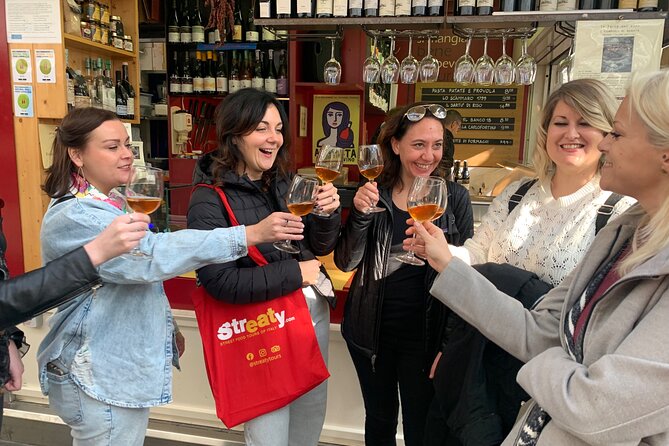
Before you hit the market, the route gives you quick anchors in Roman urban life.
At Ponte Testaccio, you cross the bridge and learn about Roman urban development. It’s not a long lecture. It’s short, focused, and designed to help you understand the neighborhood’s “why” before the “what” of food.
Next comes Mattatoio, where the tour points out that the area was once Rome’s main slaughterhouse. Today, it functions as a cultural center with exhibitions and academic studies. Even if you don’t stop to read every sign, the point lands: Rome’s functions change over time, but buildings and districts keep shaping daily life.
If you’re the type who likes food tours that don’t ignore the city around the food, these two stops do a lot of work. If you prefer strictly food-only and want minimal walking + history, you might feel the non-tasting parts are a little longer than you’d like—but they’re brief and they make the market stops hit harder.
Testaccio district walk: the neighborhood behind the menu
After those initial anchors, the tour focuses on the Testaccio district with a guided walk lasting about 1 hour 10 minutes. This is where the guide connects streets, traditions, and food culture so you can taste the meaning.
You’ll hear how the neighborhood shaped eating habits and local favorites, and you’ll also get to look at interesting ancient and modern points of interest along the way. That mix is useful. Rome isn’t frozen in one time period, and Testaccio reflects that. It’s easy to understand why certain street foods became regulars when you see the area through a local lens.
Practical note: because this section is a walking block, it’s a good moment to sip water and pace yourself. You’re building to market sampling and wine, so you don’t want to go too fast early and then feel off later.
Mercato di Testaccio: where the tastings actually happen
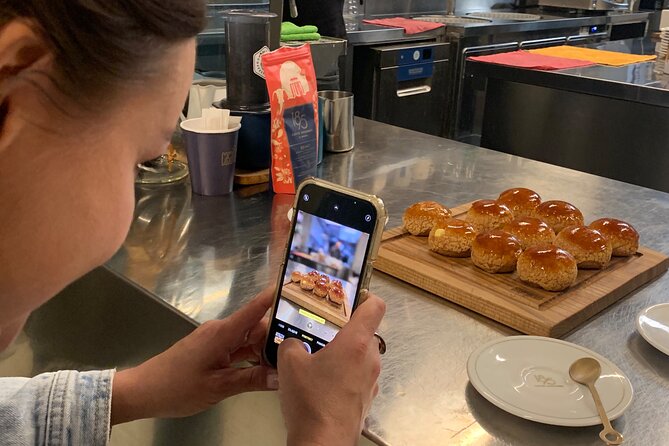
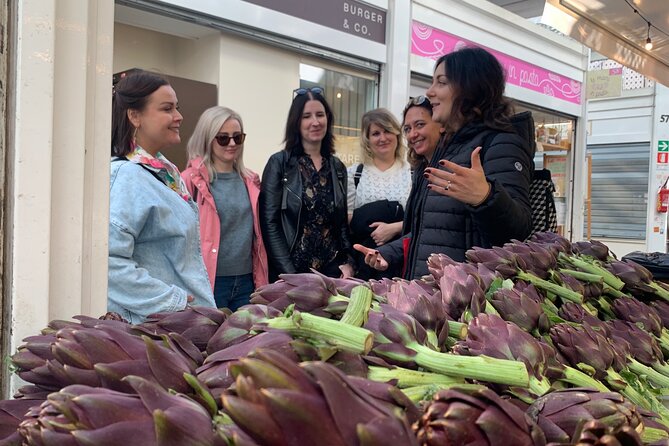
This is the heart of the tour: Mercato di Testaccio for about 1 hour. You’ll walk through the food stalls/benches with your guide, who explains local cuisine and then starts handing you samples.
This is where the tour turns into the kind of meal you can remember—not just because it’s tasty, but because you learn what you’re tasting and how it fits into Roman tradition.
You can also read our reviews of more tours and experiences in Rome


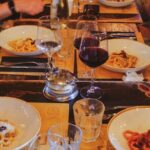

What you can expect to try
The tour includes street-food tastings such as:
- Supplì (crispy rice bites)
- Country cheese
- Old-school Roman dishes (the tour’s lineup includes classic favorites)
You’ll also see foods mentioned like polpette and Cacio e pepe in the tour experience, and it’s very much in line with what Roman street food is built on.
Then come the drinks: 3 wines are included. The guide manages the flow, so you’re sampling rather than trying to figure out pairings on your own.
The pace and the payoff
At the end of this market hour, you shouldn’t feel like you’ve only grazed. The tastings are planned so you’ll still be hungry enough for lunch later, but not so hungry that you’re desperate. This pacing is one of the reasons the tour earns high marks for satisfaction.
If you’re the type who worries about wine in the middle of a food tour, don’t. It’s included in a structured way, and the rest of the tour keeps moving. Still, drink slowly, and keep water handy.
Monte Testaccio: Roman layers with a short, focused stop
After lunch, the tour shifts to Monte Testaccio for about 40 minutes. This is where the route adds that “pay attention” feeling. You’ll spend time discovering what’s special about the area and how it connects to Rome’s past.
Monte Testaccio is often talked about as a place with a lot going on in a small area, and the way the tour handles it stays practical: you get time to look around, learn what to notice, and then move on before you lose energy.
This is also a good moment to slow down your senses. By now you’ve had breakfast, market bites, wine, and lunch. Here, you’re digesting history more than chewing it.
Rome War Cemetery: a brief, respectful WWII moment
The last thematic stop is Rome War Cemetery, around 5 minutes. The tour explains the disembark of the Allies in WWII.
It’s short on purpose. This part doesn’t turn into a heavy lecture, but it gives a human context that changes how you read the city a bit. If you like travel that’s not only about food and views, you’ll appreciate this small closing note.
Food plan, from maritozzo breakfast to trattoria pasta
The tour includes a full food sequence, which is a big reason it feels like value instead of just a snack walk.
Here’s the flow:
- Traditional Roman breakfast with Maritozzo
- Street-food tastings at the market, including classic items like supplì and cheese
- A sit-down pasta lunch at a century-old trattoria
- Seasonal dessert
- 3 wines
That lunch matters. Many food tours end after the market. This one gives you the real Roman meal—pasta in a trattoria setting—so you leave feeling like you ate an actual lunch, not just sampled five things.
Also, the inclusion of wine is part of the deal. You’re not paying extra for pairings, and the guide isn’t just showing you places to buy drinks. They’re coordinating it with your tastings.
Vegetarian and pescatarian fit
The tour is listed as suitable for vegetarians and pescatarians. That’s a strong signal if your diet needs flexibility. What you might want to do before booking is check how the tastings are handled for your specific needs—because “suitable” doesn’t always mean the exact same items are available for everyone.
Still, the tour’s structure makes it easier: breakfast, market samples, and a sit-down lunch can be adapted without turning the experience into a compromise.
Price and value: is $119.48 a fair deal?
At $119.48 per person for about 3 hours 30 minutes, you’re paying for three things at once:
- A guided walk through a food neighborhood (not just self-guided wandering)
- A set menu of tastings plus a sit-down lunch
- Included drinks: 3 wines
If it were only market snacks, the price might feel high. But the tour includes breakfast, multiple tastings, dessert, and a proper pasta lunch, plus wine. In practical terms, you’re buying the guide’s ability to steer you to good vendors and keep the pacing tight.
You’re also getting the benefit of a small group (maximum 10). That usually translates to less waiting, more questions, and a more relaxed vibe when you’re taking bites and talking at the same time.
Logistics that actually matter on the ground
A few details are worth taking seriously so your day goes smoothly:
- The tour starts at 10:30am at Piazza Flavio Biondo 7.
- The tour ends a few steps from the Metro Station of Piramide, which makes it easy to continue your day without extra planning.
- It includes a mobile ticket, and it’s offered in English.
- It’s weather-dependent: good weather is required. If it’s canceled due to poor weather, you’ll be offered a different date or a full refund.
Also, there’s no transportation pickup, so plan to arrive on foot or by public transport. The meeting point is near public transportation, which keeps this from becoming a headache.
Who this tour is best for (and who should skip it)
This tour is a great match if you want:
- A Rome food experience that includes both street snacks and a real trattoria lunch
- A guide who can connect the neighborhood to what you’re eating (and who knows Testaccio firsthand)
- A small-group format where the guide can give you attention and context
You might think twice if:
- You don’t like walking tours
- You want total freedom to order whatever you want, whenever you want
- You’re coming during a period where weather is often unpredictable and you hate flexible plans
Should you book this Rome Street Food, Local Market and Hidden Gems Tour?
I’d book it if you want a Rome itinerary that feeds you, teaches you, and stays efficient. The best part is how the tour stitches together the food chain: maritozzo breakfast → market tastings with wine → century-old trattoria pasta lunch → seasonal dessert, plus neighborhood context along the way.
If you’re choosing between doing it alone and booking a guide, this is one of those cases where a guide adds real value. The direction, timing, and included tasting plan mean you don’t waste time guessing what to eat in Testaccio. You also get the small-group attention that makes the explanations feel personal, especially when your guide is from the neighborhood.
If you want my simple rule: if you like eating AND learning the story behind it, this tour is a solid yes.
FAQ
What is the duration of the Rome Street Food, Local Market and Hidden Gems Tour?
The tour runs for about 3 hours 30 minutes.
Where do I meet the tour, and what time does it start?
You meet at Piazza Flavio Biondo, 7, 00152 Roma RM at 10:30am.
What is the group size?
The tour has a maximum of 10 travelers.
Is the tour offered in English?
Yes, it’s offered in English.
What food and drinks are included?
Included items are traditional Roman breakfast with Maritozzo, street food tastings (including items like supplì and country cheese), a sit-down pasta lunch at a trattoria, seasonal dessert, and 3 wines.
Is the tour suitable for vegetarians and pescatarians?
Yes, it is listed as suitable for vegetarians and pescatarians.
Where does the tour end?
The tour ends a few steps from the Metro Station of Piramide.
What happens if weather is bad?
This experience requires good weather. If it’s canceled due to poor weather, you’ll be offered a different date or a full refund.