REVIEW · ROME
Rome: Homemade Pasta and Tiramisu Cooking Class
Book on GetYourGuide →Operated by Orange Umbrella Srl · Bookable on GetYourGuide
Fresh pasta starts with your hands. In this Roman class, you’ll learn homemade pasta and tiramisu, then sit down to eat what you made.
You’ll like the hands-on rhythm: kneading, rolling, and hand-cutting pasta shapes that are specifically Roman. You’ll also like the payoff—your meal comes right after the cooking, with a glass of wine.
One key consideration: it’s not suitable if you’re vegan, gluten intolerant, or avoiding lactose.
In This Review
- Key Points to Know Before You Go
- Why This Rome Pasta-and-Tiramisu Class Feels Practical
- Finding Osteria San Giorgio and Settling Into the Kitchen
- Pasta Making in Real Roman Style (Pappardelle, Tagliatelle, Tonnarelli)
- What the class teaches you as you cook
- How these pasta types matter
- The ingredient lessons you’ll actually use later
- The Tiramisu Lesson: Getting Espresso-Dipped Layers Right
- What you learn beyond the recipe
- Why doing it in a Rome restaurant kitchen helps
- Eating Your Creations With Wine (And a Little Rome Talk)
- Price and Value: Is $65 Worth It?
- Who This Class Is Best For (And Who Should Skip It)
- Who it’s not for
- A comfort note
- What You Can Recreate at Home After 2.5 Hours
- Booking Smart: Tips to Get the Most From Your Class
- Go hungry, but don’t show up rushed
- Ask about ingredients while you’re standing at the counter
- Use the instructor time for real questions
- Should You Book This Rome Cooking Class?
- FAQ
- FAQ
- Where is the meeting point?
- How long is the cooking class?
- What is the price per person?
- Is the instructor speaking English?
- What’s included in the experience?
- Is it wheelchair accessible?
- Is it suitable for vegans or people with gluten or lactose intolerance?
Key Points to Know Before You Go
- You’ll work dough, not just watch: knead, roll, and hand-cut pasta shapes during the class.
- Roman pasta shapes get compared: pappardelle, tagliatelle, and tonnarelli are taught as real differences, not just names.
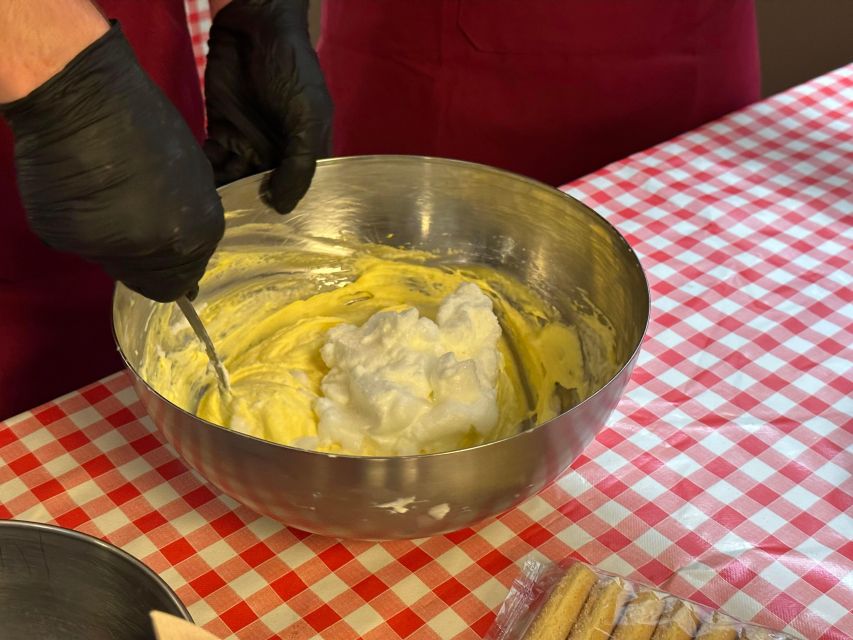
- Tiramisu is taught as a technique: the class focuses on getting that espresso-and-cream balance right.
- You eat your results immediately: you’ll sit down at the restaurant and enjoy what you cooked.
- It can feel small and personal: some sessions run as a private-feeling lesson, with lots of instructor attention.
Why This Rome Pasta-and-Tiramisu Class Feels Practical
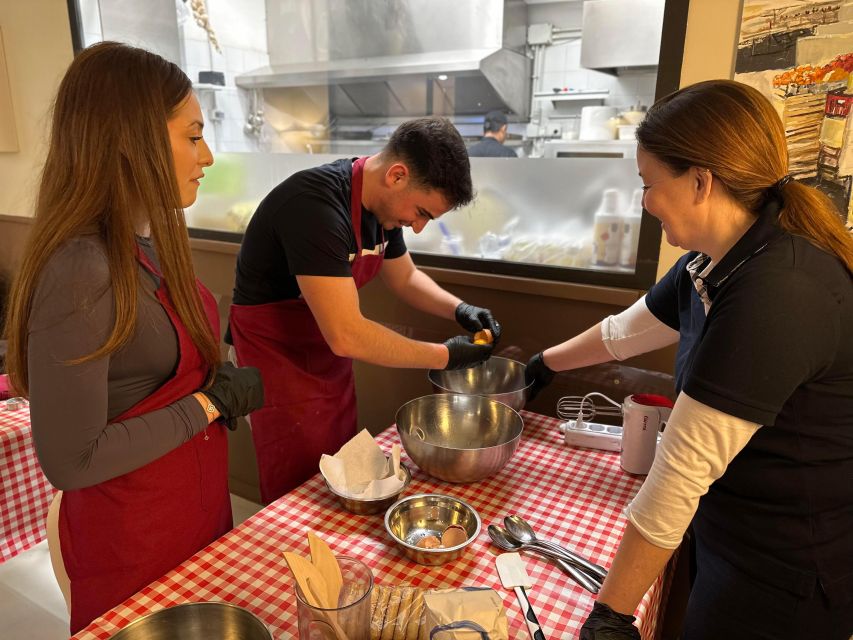
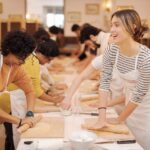
Rome has no shortage of food tours. This one is different because it turns you into the cook for the afternoon. You’re not collecting facts; you’re making dough, shaping it, and then tasting it while it’s still real and warm.
I like classes that end with food on the table, and this one does. You leave with both skills and a built-in reason to care about the details—because you’ll see (and taste) what the right technique creates.
The format also helps if you’re worried about failing. Pasta is forgiving in a classroom sense. You’ll learn what to aim for—texture, thickness, and cutting—so you can repeat it later at home instead of just copying a recipe.
You can also read our reviews of more cooking classes in Rome

Finding Osteria San Giorgio and Settling Into the Kitchen
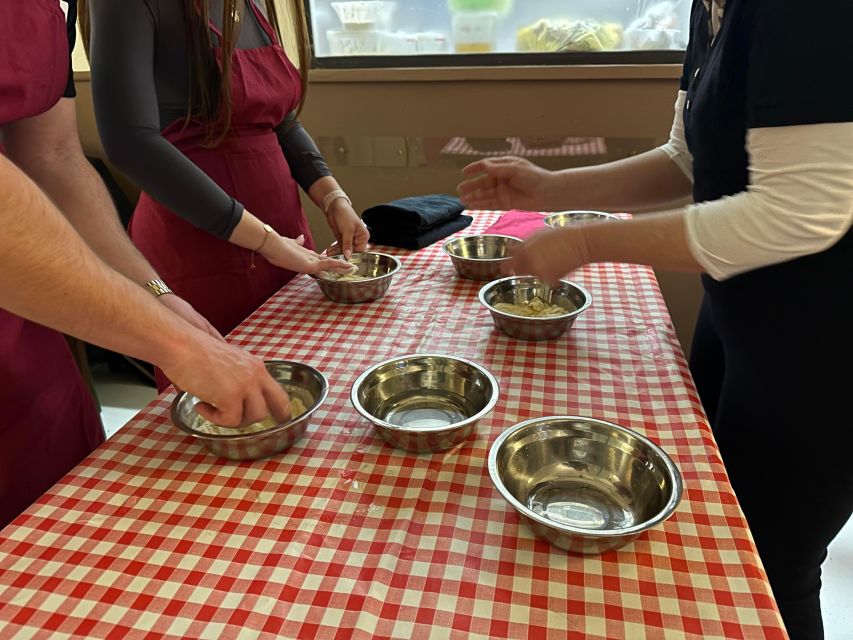
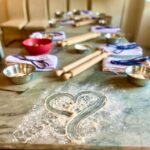
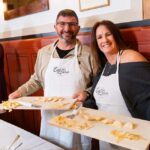
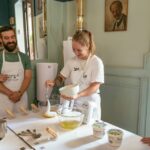
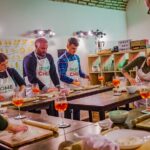
Your meeting point is Osteria San Giorgio in Rome. The class is run at a traditional restaurant, so you’re stepping into a working kitchen environment rather than a staged classroom setup.
Expect an English-speaking instructor and a hands-on lesson style. You’ll be guided through both the pasta steps and the dessert steps, with time to get your hands involved at each stage.
One small thing to consider: kitchens can be active and visible. In close quarters, that can feel like you’re being watched while you work, even when the staff is simply doing their jobs. If you’d prefer a totally private cooking studio vibe, keep that in mind.
Pasta Making in Real Roman Style (Pappardelle, Tagliatelle, Tonnarelli)
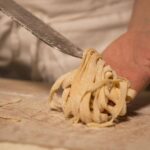
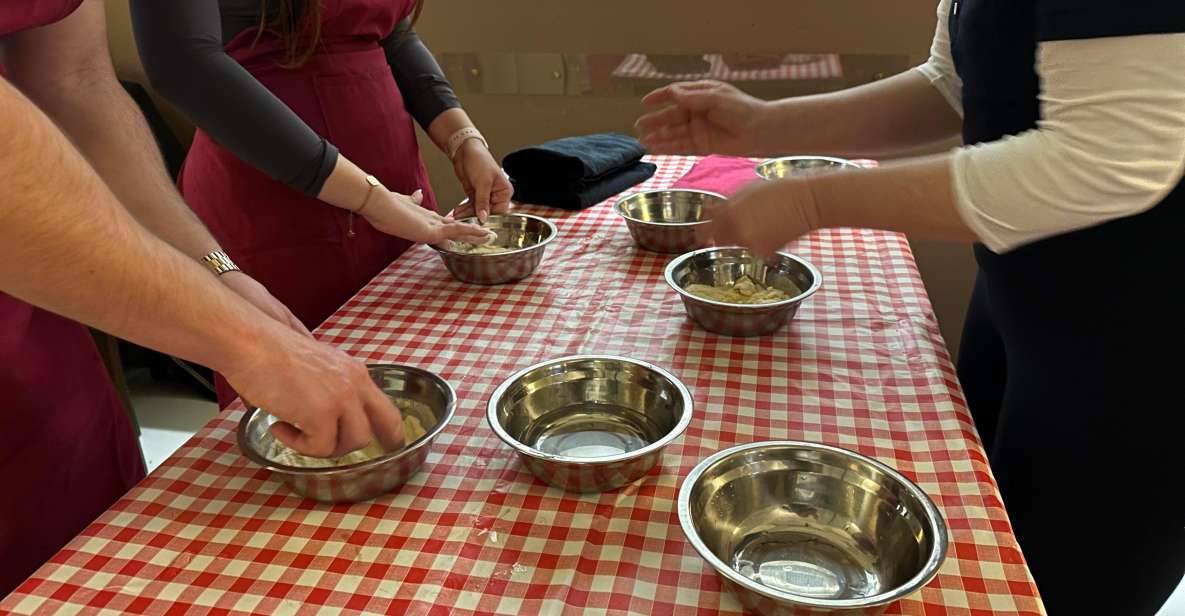
This is the heart of the class: you’ll learn how Roman pasta is made from scratch, then practice shaping it using classic varieties—pappardelle, tagliatelle, and tonnarelli.
What the class teaches you as you cook
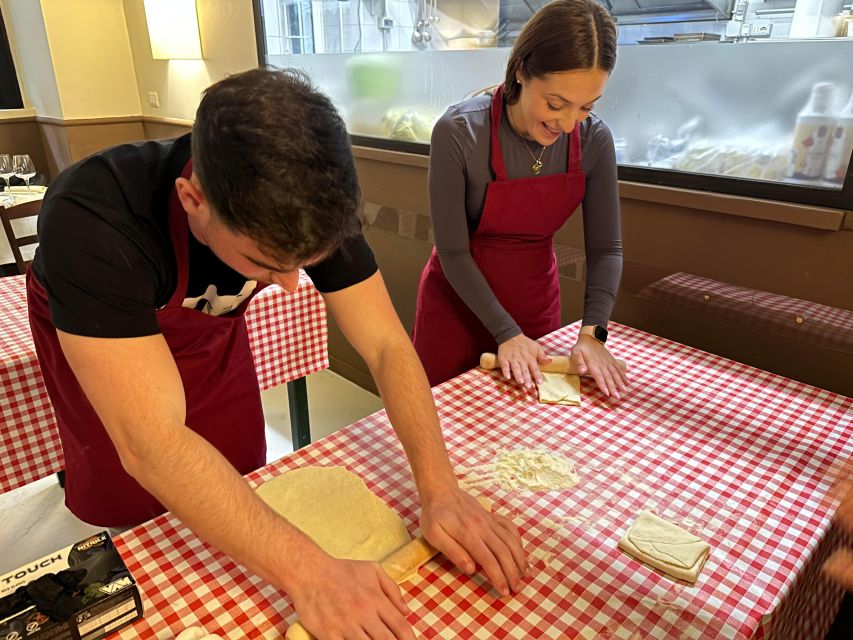
You’ll go step by step through the physical work:
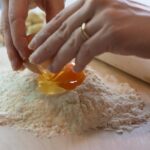
- mixing flour and water
- kneading the dough
- rolling it out
- cutting it by hand
The value here is in repetition. Most people can read how to make pasta. Fewer people get enough time to feel the dough change as you knead and roll it. That tactile learning is what helps you recreate the results later.
How these pasta types matter
The class doesn’t treat pasta shapes as decorative. You learn the differences and what those differences mean for the final bite. Pappardelle and tagliatelle may sound similar if you’re new, but the widths and cutting style affect the mouthfeel and how sauce clings.
Tonnarelli is another key Roman reference point. You’re not just learning one template—you’re learning that pasta has personality, and shape is part of the ingredient.
You can also read our reviews of more tours and experiences in Rome

The ingredient lessons you’ll actually use later
One of the most practical parts is the focus on ingredient quality. You’ll get tips on how to pick premium components for authentic cooking, which matters because pasta dough is sensitive. Flour choice, water, and overall dough handling can change the texture.
I like that you’re taught how to think about sourcing, not just what to buy once. After this, you’ll be able to shop with intent—especially if you want your homemade pasta to taste like something from Rome, not just like dinner.
The Tiramisu Lesson: Getting Espresso-Dipped Layers Right
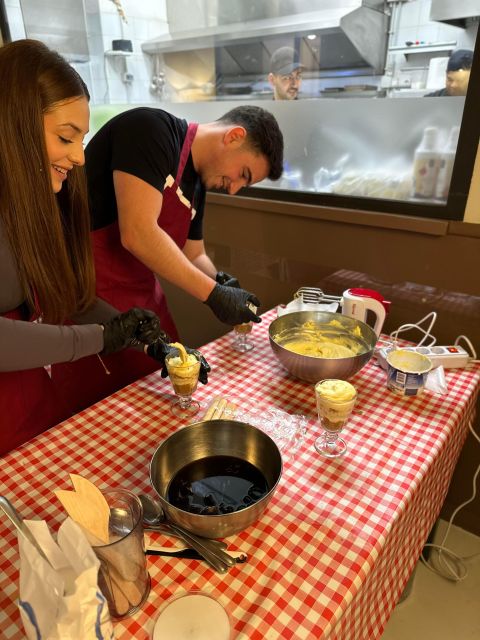
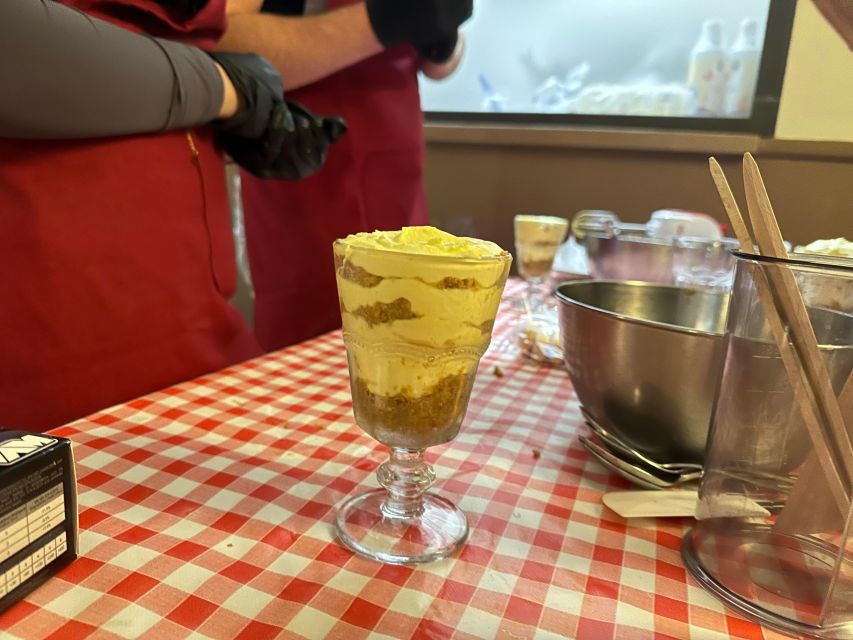
After you finish the pasta work, you shift gears to tiramisu. The class focuses on making the classic espresso-dipped Italian dessert and—most importantly—the technique behind it.
Tiramisu seems simple from the outside: espresso, cream, and assembly. But it’s also easy to mess up if you treat it like a quick dessert. This class frames it as a process where timing and balance matter.
What you learn beyond the recipe
You’ll discover the secret behind making tiramisu perfect, and you’ll practice the steps that lead to the right texture and flavor. The class includes understanding the espresso element—how dipping should work in practice—so the dessert isn’t soggy and not stiff.
This is where the class helps even if you’re not a pastry person. You’ll see what the instructors aim for and why, which makes your next attempt at home more controlled.
Why doing it in a Rome restaurant kitchen helps
Making dessert in a real restaurant setting has one advantage: everything is timed like service. You’re not guessing when to do each step. You’re guided, and you can smell the coffee and cream as it comes together, which builds real understanding fast.
Eating Your Creations With Wine (And a Little Rome Talk)
After cooking, you get to savor what you made. Your creations are paired with a glass of wine, and you’ll enjoy a proper sit-down meal rather than a take-home snack.
This is a big part of the value. Many cooking classes end with you leaving with food you didn’t truly taste at the right moment. Here, you get the full arc: hands on, then payoff.
Also, instructors often bring Rome into the conversation. In similar sessions, people have asked questions about daily life and recommendations around the city. If you’re the type who likes practical travel tips, this is a nice time to ask.
Price and Value: Is $65 Worth It?
$65 for a 2.5-hour experience can look straightforward until you break down what’s included. You’re paying for:
- the cooking class and instructor guidance
- all ingredients and utensils
- water
- a glass of wine
- the meal you create (pasta plus tiramisu)
That’s a lot bundled together. Most of the cost of cooking at home is either the ingredients or your time and learning curve. This class compresses the learning and supplies everything, so you’re not shopping for obscure items on day one.
If you’re traveling and want one activity that functions as both entertainment and dinner, this is a strong fit. You get to eat your work in the same session, which makes the experience feel complete.
Who This Class Is Best For (And Who Should Skip It)
I’d book this if you:
- want a hands-on food experience instead of just tasting
- like learning techniques you can repeat at home
- want a Roman-focused class (with pasta types that are specifically taught)
- enjoy dessert as much as savory cooking
You might also like it if you’re traveling with a partner. Cooking together is naturally bonding, and the class is structured so you’re both doing work, not just waiting.
Who it’s not for
This activity is not suitable if you:
- are vegan
- have gluten intolerance
- have lactose intolerance
That matters. Pasta and classic tiramisu both rely on ingredients that don’t fit those limitations based on the class setup provided.
A comfort note
Because it happens in a working restaurant kitchen, you’ll be in close proximity to staff and the space. Most people will find that part of the fun. If you prefer a quiet, isolated cooking studio, take that into account.
What You Can Recreate at Home After 2.5 Hours
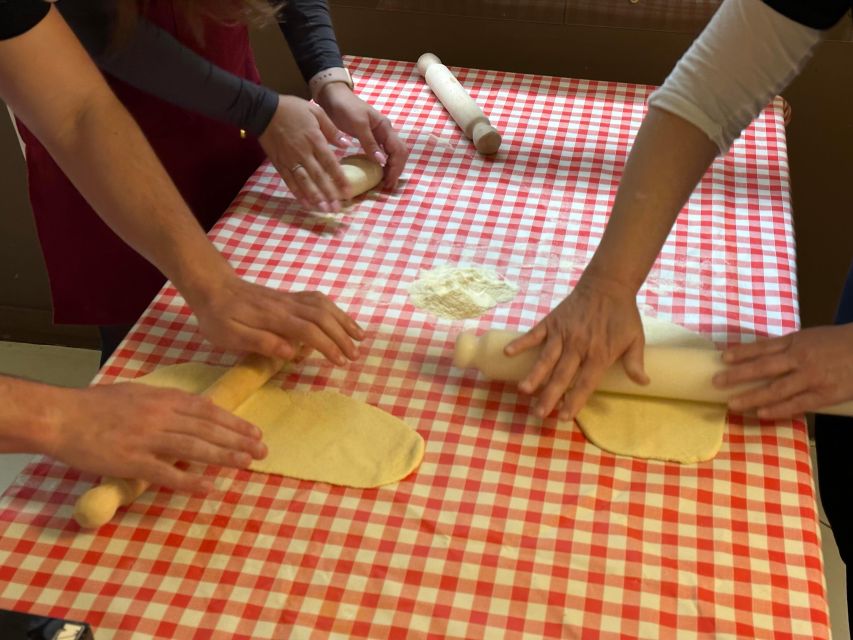
The class is designed around repeatable skills. You’re not leaving with just a list of steps—you’re leaving with a sense of how dough feels when it’s right, how thin it should be, and how cutting affects your final pasta shape.
To recreate the experience later, you’ll want to practice three things:
- handling the dough (kneading and rolling)
- cutting consistently for the pasta type you choose
- assembling tiramisu with correct timing for the espresso layers
The biggest win is that you’ll understand the logic behind the steps. That makes it easier to substitute ingredients in your home kitchen later without turning your results into a guessing game.
Booking Smart: Tips to Get the Most From Your Class
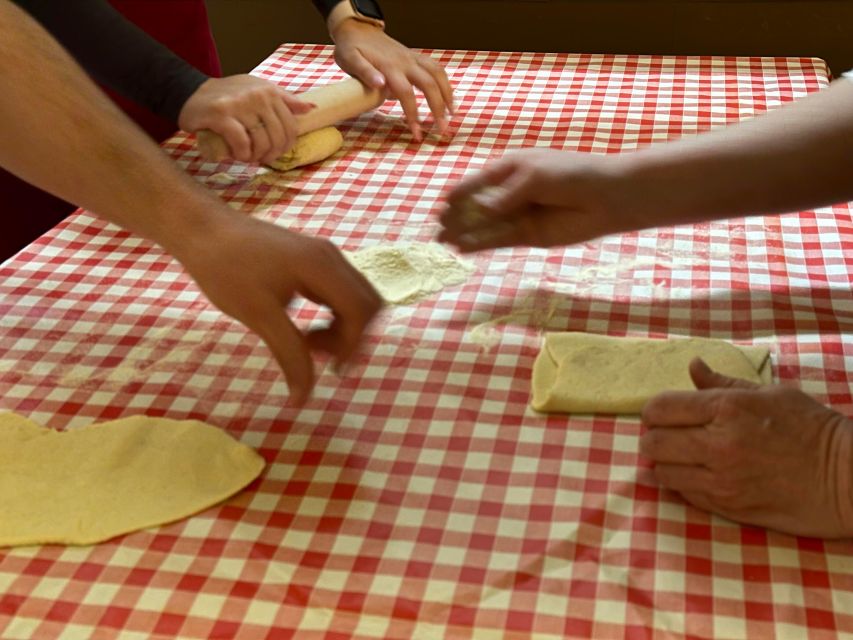
Here are practical ways to make the most of your time.
Go hungry, but don’t show up rushed
Plan for a real meal at the end. If you snack heavily before, you’ll miss the fun of eating right after you cook.
Ask about ingredients while you’re standing at the counter
The class includes ingredient sourcing tips. That’s when it’s most useful—while you’re looking at the actual ingredients and tools you’ll use.
Use the instructor time for real questions
If you’re curious about Rome food culture, this is a great moment to ask. It’s easier to get an accurate answer from someone teaching you than from guesswork later.
Should You Book This Rome Cooking Class?
I’d book it if you want your Rome food experience to be hands-on and satisfying. The format is built around technique, clear steps, and an immediate meal payoff with wine. At $65 for 2.5 hours, it’s also a fair price for what’s included—ingredients, utensils, instruction, and dessert and dinner you make yourself.
Skip it if your diet doesn’t match what’s used (it’s not for vegan, gluten intolerance, or lactose intolerance). Also consider whether you like working in a real restaurant kitchen environment with staff nearby.
If you fit the sweet spot—curious, ready to get flour on your hands, and excited to bring pasta-and-tiramisu skills home—this class is a great use of an afternoon in Rome.
FAQ
FAQ
Where is the meeting point?
You should go to Osteria San Giorgio.
How long is the cooking class?
The duration is 2.5 hours.
What is the price per person?
The price is $65 per person.
Is the instructor speaking English?
Yes, the instructor teaches in English.
What’s included in the experience?
The class includes the cooking class and instructor, all ingredients and utensils, water, and a glass of wine.
Is it wheelchair accessible?
Yes, it is wheelchair accessible.
Is it suitable for vegans or people with gluten or lactose intolerance?
No. It is not suitable for vegans, people with gluten intolerance, or people with lactose intolerance.