REVIEW · ROME
Skip-the-line guided tour of the National Etruscan Museum of Villa Giulia in Rome
Book on Viator →Operated by Raphael Tours & Events · Bookable on Viator
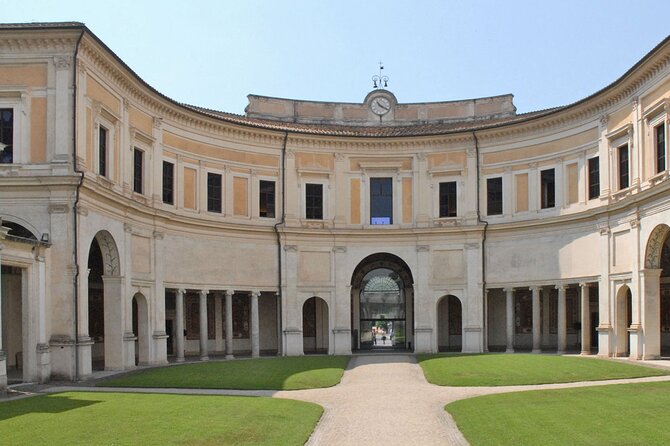
Etruscan art before Rome gets your attention. This skip-the-line guided visit to the National Etruscan Museum of Villa Giulia combines priority entry with a guide who uses a tablet and other visuals to make the stories click, from the people who ruled central Italy before Roman expansion. You also get the setting in one go: the museum lives inside the gorgeous XVI-century Villa Giulia, commissioned by Pope Julius III, with frescoes, statues, and gardens that feel like part of the exhibit.
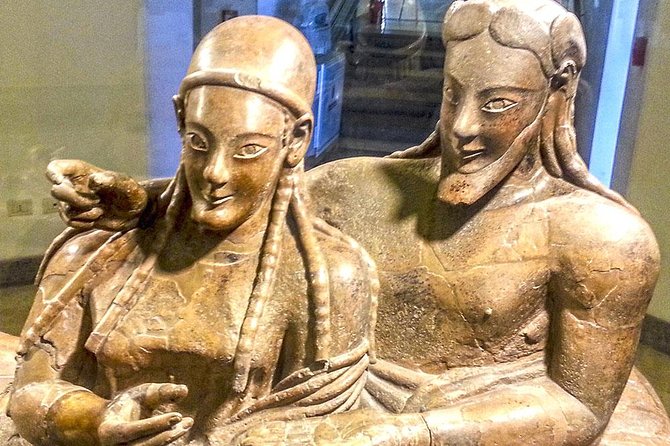
What I really like is the focus on specific, unforgettable objects—especially the Pyrgi Tablets for their goldsmith-precision feel, the Spouses’ Sarcophagus, and the Veius Temple ruins with the statue of Apollo. One possible drawback: at $282.85 per person, this is a value-driven pick mainly if you’re traveling as a small group that can justify a private guide and wants time saved at the entrance more than you want a slower, self-paced museum wander.
In This Review
- Key things to look for on this Villa Giulia tour
- Villa Giulia: more than a museum room in Rome
- Skip-the-line at 2:00 pm: timing and what to expect
- How the guide uses tablet-style storytelling (and why that helps)
- Stop inside the museum: Pyrgi Tablets and Etruscan craft
- Spouses’ Sarcophagus: reading funerary art like a clue
- Veius Temple ruins and the Apollo statue: where Rome starts to rhyme
- What you’re really buying: time, access, and a focused route
- Private tour vibes: questions, pace, and your comfort zone
- Practical details you should plan around
- Should you book the National Etruscan Museum of Villa Giulia skip-the-line tour?
- FAQ
- How long is the skip-the-line guided tour at Villa Giulia?
- What time does the tour start?
- Where do we meet for the tour?
- Does the price include museum admission?
- Is the tour offered in English?
- Is this tour private?
- Do children need ID to get free admission?
Key things to look for on this Villa Giulia tour
- Guaranteed skip-the-line entry so you don’t waste your afternoon in the queue
- Private guide with multimedia tools, including an iPad-style tablet approach
- Pyrgi Tablets highlighted for their craft and historical importance
- Spouses’ Sarcophagus brought into context beyond just a pretty object
- Veius Temple ruins and Apollo statue tied to the bigger Etruscan-to-Roman story
- Admission ticket included for the National Etruscan Museum at Villa Giulia
Villa Giulia: more than a museum room in Rome
Villa Giulia isn’t just a container for artifacts—it’s part of the show. The National Etruscan Museum sits in a spectacular XVI-century residence built by Pope Julius III, and the frescoes, statues, and gardens shape the mood before you even step into the galleries.
That matters because Etruscan history has a “before Rome” feel. If Rome is your usual Italy anchor, this tour gives you a different starting point: the Etruscans flourished in central Italy before the Romans expanded their control. The best museum visits do more than display objects; they help you understand what that world looked like in daily life and belief.
You can also read our reviews of more guided tours in Rome



Skip-the-line at 2:00 pm: timing and what to expect
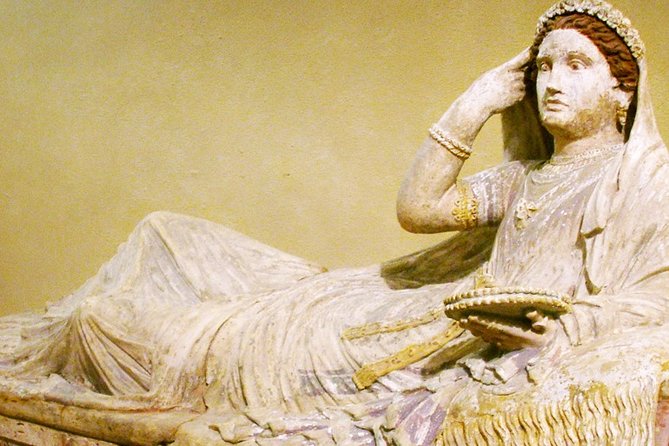
This experience runs about 2 hours 30 minutes and starts at 2:00 pm. You meet at Piazzale di Villa Giulia 9, 00196 Roma RM, and the activity ends back at the same meeting point, so you’re not stuck figuring out how to “finish” your own visit.
Skip-the-line is the big practical win. You’re paying for priority access and a guide who keeps the visit moving, which is especially helpful in a museum that can draw steady crowds. If you’re the type who likes to see the right things without negotiating your way through long lines, this is designed for you.
Also note the tour is private—only your group participates. That’s a plus if you want your pace, your questions, and less time spent waiting for other people to catch up.
How the guide uses tablet-style storytelling (and why that helps)
This is not a “stand and read captions” kind of museum tour. The guide uses an iPad and other multimedia and visual tools to make the Etruscans feel present—history customs, traditions, and art come with context rather than just dates.
That’s where the object choices pay off. Instead of treating the collection like a list, the guide connects items to what they meant in Etruscan culture, then links them to what you’ll recognize later in Roman life. If you’ve ever left a museum knowing you saw famous works but forgetting what they were “for,” you’ll probably appreciate this approach.
You’ll also benefit if your brain likes details. One guide named Bruno was praised for answering mythology questions and tying together Etruscan and Roman facts with Italian culture and even references involving popes—so it’s a good fit if you like your tour with extra layers.
Stop inside the museum: Pyrgi Tablets and Etruscan craft
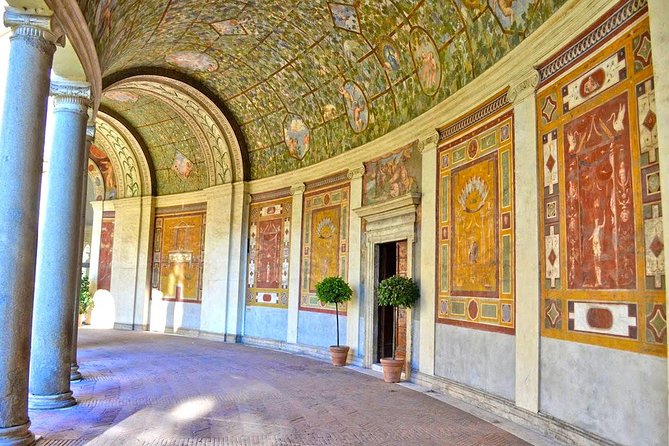
The heart of the visit is the Museo Nazionale Etrusco di Villa Giulia, and the tour’s object selection is a smart way to navigate a major collection.
One standout is the Pyrgi Tablets, discussed as a highlight of goldsmith-precision craftsmanship. Even if you don’t read inscriptions, you can still grasp what makes them important: they represent an Etruscan writing system and the kind of serious value placed on ceremonial or recording practices.
Here’s why that’s useful on a guided visit: tablet-like objects can look “small” compared to big statues, but the guide helps you understand their weight in the story. You’ll be less likely to rush past them, and more likely to notice the craft elements that make the tablets worth lingering on.
Spouses’ Sarcophagus: reading funerary art like a clue
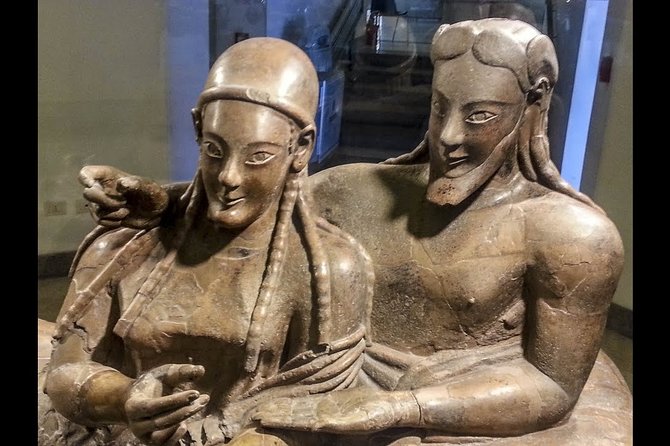
Next up is a piece that draws people in fast because it feels human. The Spouses’ Sarcophagus is the kind of object that can be seen two ways—first as art, then as a message.
On this tour, you’re guided beyond surface description. You learn how Etruscan funerary works reflect beliefs about relationships, identity, and what a community expects to remember. That can totally change how you look at a sarcophagus when you’re standing in front of it.
If you’re visiting with someone who likes art history but also likes emotional stories, this is often the moment where the tour becomes more than information. It’s not just what you’re seeing—it’s what the guide helps you infer.
And because the guide is using tablet-style visuals, you can expect explanations that help you “place” the sarcophagus in the broader cultural world, not just inventory details.
You can also read our reviews of more museum experiences in Rome




Veius Temple ruins and the Apollo statue: where Rome starts to rhyme
No Etruscan visit feels complete without the “how it connects” angle, and this tour doesn’t leave you hanging. You get impressive ruins connected to the Veius Temple, including an exquisite statue of Apollo.
This stop is valuable because Apollo is familiar enough that you can use that familiarity as a bridge. The guide’s job is to show you what an Etruscan context looks like before you map everything onto Roman expectations. In other words, you don’t just see Apollo—you learn how the symbol lands in a world that’s not fully Roman yet.
That bridge is exactly why the tour’s “before the Romans” framing works. You come away with more than admiration. You come away with connections you can explain to friends later without sounding like a walking caption.
What you’re really buying: time, access, and a focused route
The price is $282.85 per person, and it’s best understood as a package deal: professional guide + priority entry + admission ticket included, all wrapped into a private experience.
So is it worth it? Usually, yes—if you fall into one of these categories:
- You want to see the most meaningful works without spending your whole afternoon choosing between rooms
- You care about context, not just photos
- You’d rather pay for the convenience of skip-the-line than lose time in a queue
- You’re going with a partner or small group that makes private pricing feel less heavy
If you’re on a super-tight budget, or you love museums so much that you’d prefer a slower, independent pace, you might compare this to a self-guided plan. But given the priority access and the guided interpretation of specific masterworks, this tour is built for people who want their visit efficient and story-driven.
Private tour vibes: questions, pace, and your comfort zone
Because it’s private, you get more control than you might expect in a Rome museum. The guide can slow down for the parts that hook you and speed up when something doesn’t.
One guide named Tommaso was praised for being kind, passionate, and knowledgeable, and for building an itinerary that covers the key points with a flow that feels pleasant rather than rushed. That kind of pacing matters in a museum like this, where the collection is significant and you don’t want to feel like you’re sprinting through.
Also, there’s a practical bonus: after your guided time, you can stay and enjoy the Villa Giulia gardens if you want more atmosphere without the guided structure. That’s a smart way to stretch the value of the visit.
Practical details you should plan around
The tour starts at 2:00 pm and ends where it begins, at Piazzale di Villa Giulia 9. It’s near public transportation, which helps on a city day when you don’t want to fight with parking.
Children are welcome but must be accompanied by an adult. For kids under 18, you’ll need an ID card or passport to get free admission, so don’t show up empty-handed.
In terms of participation, the tour says most travelers can join. The only real “check yourself” item is time: about 2.5 hours is long enough to cover a focused selection, but short enough that you won’t see the entire museum in full depth unless you plan additional time on your own.
Should you book the National Etruscan Museum of Villa Giulia skip-the-line tour?
Book it if you want the cleanest path through one of Rome’s most important Etruscan-focused stops—especially if skip-the-line and a multimedia private guide are worth something to you. This is the kind of tour that helps you leave with names, objects, and connections, not just pretty photos.
Skip it or consider alternatives if you’re hoping for a budget-friendly museum day, or if you prefer wandering freely with minimal structure. At the price point, the tour makes the most sense when you’re actively using the guide to understand the key masterpieces—Pyrgi Tablets, Spouses’ Sarcophagus, and the Veius Temple/Apollo area—rather than treating it as a casual walk-through.
If you do book, plan a little buffer for gardens afterward. Villa Giulia is a treat even when you’re not rushing to the next stop.
FAQ
How long is the skip-the-line guided tour at Villa Giulia?
It lasts about 2 hours 30 minutes.
What time does the tour start?
The start time listed is 2:00 pm.
Where do we meet for the tour?
You meet at Piazzale di Villa Giulia 9, 00196 Roma RM, Italy.
Does the price include museum admission?
Yes. An admission ticket is included.
Is the tour offered in English?
Yes, it’s offered in English.
Is this tour private?
Yes. It’s a private tour/activity, so only your group participates.
Do children need ID to get free admission?
Yes. For kids below 18, an ID card or passport is required to get free admission.