REVIEW · ROME
Eternal Rome: city tour with Pantheon entry ticket
Book on GetYourGuide →Operated by Estaalia · Bookable on GetYourGuide
Rome compresses a lot fast. This tour hits the key sights cleanly. You’ll walk from Piazza Venezia to the Pantheon with a live English guide, plus stops at the Trevi Fountain and Sant’Ignazio Church that most quick visits skip.
Two things I really like about this experience are the included Pantheon entry ticket and the way the route strings together major landmarks without turning your time into line-waiting. One thing to consider: it’s a walking tour and it’s not suitable for people with mobility impairments, plus there are restrictions on what you can wear and bring.
In This Review
- Key highlights that make this tour worth your time
- Piazza Venezia to Altare della Patria: big symbols, fast orientation
- Fontana di Trevi: legend, angle, and the coin ritual
- Sant’Ignazio Church: where frescoes do the talking
- The Pantheon: dome engineering plus a simple story arc
- How the 1.5-hour format keeps your Rome from getting messy
- Who this tour fits best (and who should choose another option)
- Price: is $53 really a good deal for Rome’s heavy hitters?
- Practical tips to make your tour smoother
- Should you book Eternal Rome with Pantheon entry?
- FAQ
- What’s the duration of the tour?
- Is the Pantheon ticket included?
- Which languages are the live guides available in?
- What should I bring and wear?
- Can I bring luggage or large bags?
- Is this tour suitable for people with mobility impairments?
Key highlights that make this tour worth your time
- Pantheon entry ticket included so you’re not scrambling last-minute
- Skip-the-ticket-line for a smoother start to the most famous dome in Rome
- Sarah-style storytelling that makes monuments feel like a living timeline
- Trevi Fountain coin tradition with the usual wish moment
- Chiesa di Sant’Ignazio for fresco drama inside a Jesuit church
- Small group with a guide who can keep the pace friendly
Piazza Venezia to Altare della Patria: big symbols, fast orientation
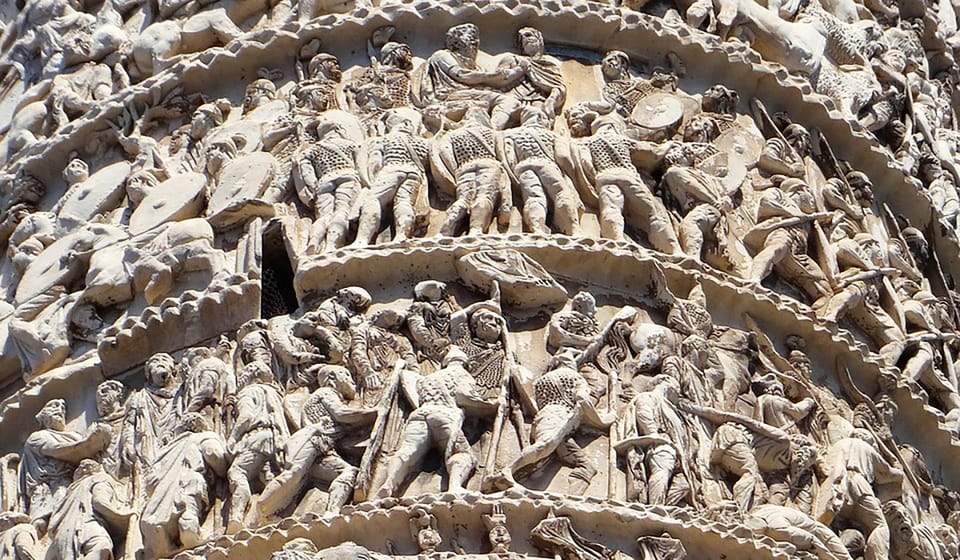
Most Rome visits start with the same problem: you’re surrounded by famous stuff, but you don’t yet have a map in your head. Starting at Piazza Venezia helps. This square works like a “center of gravity” for understanding the city because several major streets and viewpoints fan out from here, and the monuments feel like they’re speaking to each other.
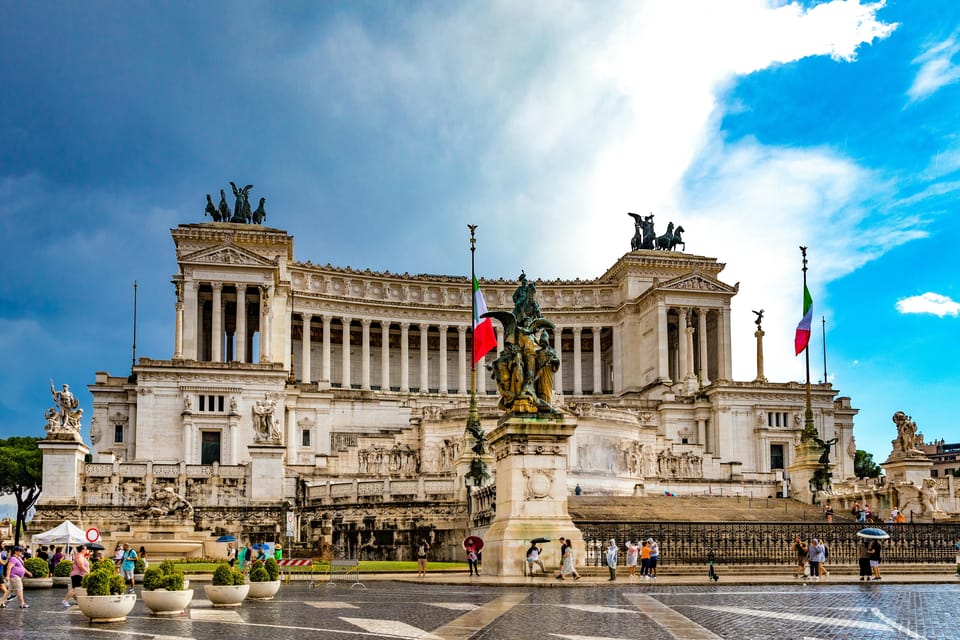
Your guide then takes you to Altare della Patria, the grand monument dedicated to Italy’s first king. It’s more than a photo stop. From the right angles, you can see why it’s such a strong political and visual statement: scale, symmetry, and position are doing the storytelling. Expect your guide to connect the architecture to what Italy wanted to project during the period when it was built.
If you’re the type who likes history but gets impatient with lectures, this is a good balance point. You get enough context to appreciate what you’re seeing, without getting stuck staring at a stone wall for too long.
You can also read our reviews of more tours and experiences in Rome


Fontana di Trevi: legend, angle, and the coin ritual
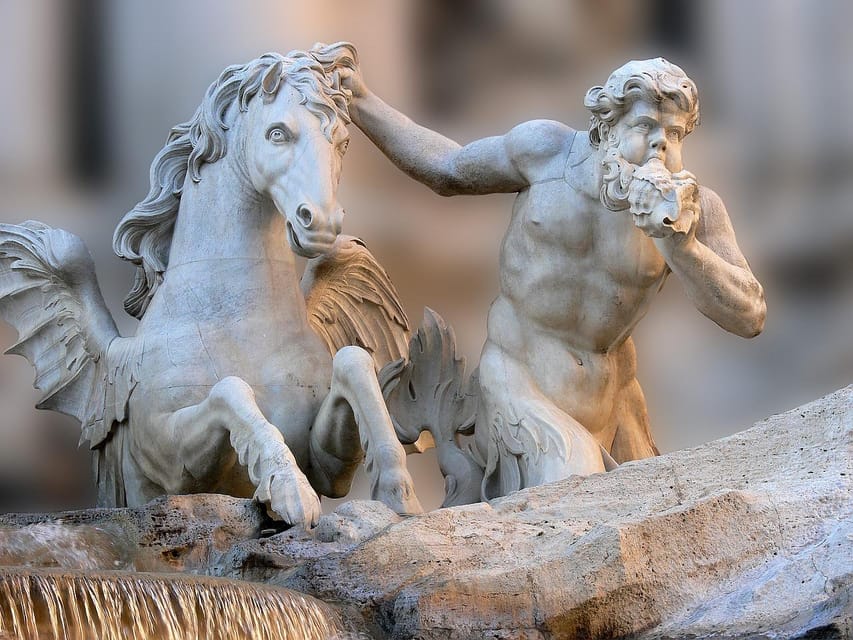
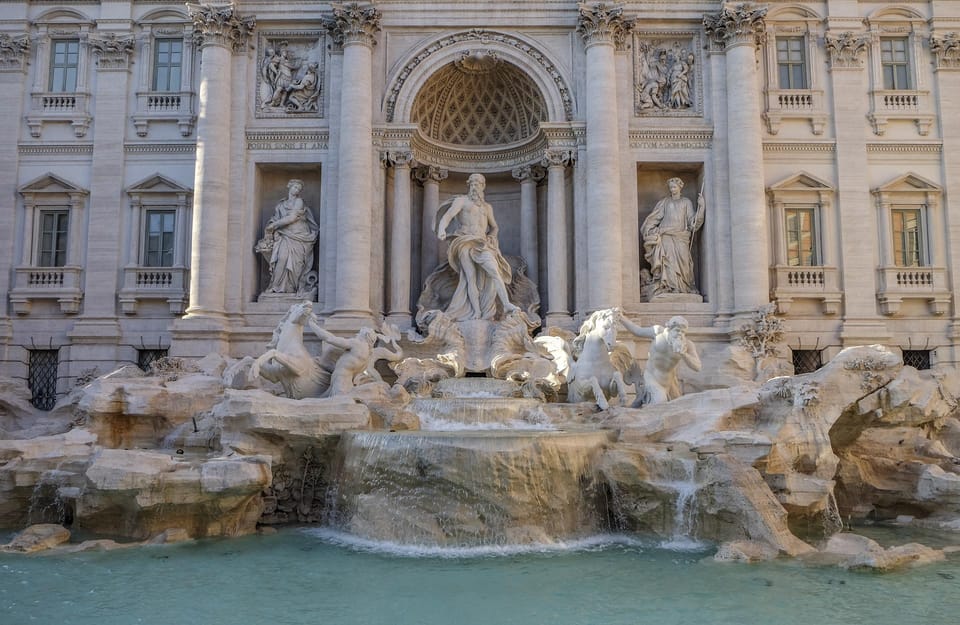
Next up is Fontana di Trevi, and yes, it’s crowded. That’s not a critique—it’s simply how one of the most recognizable fountains on earth works. What I like about having a guide here is timing and interpretation. You’ll understand what you’re looking at instead of just chasing a perfect selfie spot.
The tour includes the classic tradition: toss a coin into the fountain and make a wish to return to Rome one day. The practical value is that it gives you something to do at the right moment while your guide talks. That turns a chaotic stop into a clear little ritual with a beginning and an end.
A tip for your experience: keep your focus on the fountain’s surrounding details, not just the center. The sculpture work around it is part of why it remains iconic, and a guide can point out what to notice so your photos don’t feel like random shots from the same angle.
Sant’Ignazio Church: where frescoes do the talking
After Trevi, you head to Chiesa di Sant’Ignazio (Sant’Ignazio Church). This stop is the kind of switch-up that makes the tour feel more thoughtful than a “greatest hits” list. A lot of visitors walk past Jesuit churches without realizing how much visual storytelling is packed into them.
Sant’Ignazio is known for stunning frescoes and intricate architecture, and your guide should help you see how the church is designed to pull your eyes upward and inward. The effect is especially good if you’ve been taking in lots of outdoor landmarks. Inside, the pacing changes. The light, the ceiling, and the details become the main event.
One practical consideration: churches can feel cooler than the street, so wear layers if you’re visiting in shoulder seasons. Also, keep your phone ready, but don’t block others while you line up a shot. This is one of those interiors where quiet attention improves the experience.
The Pantheon: dome engineering plus a simple story arc
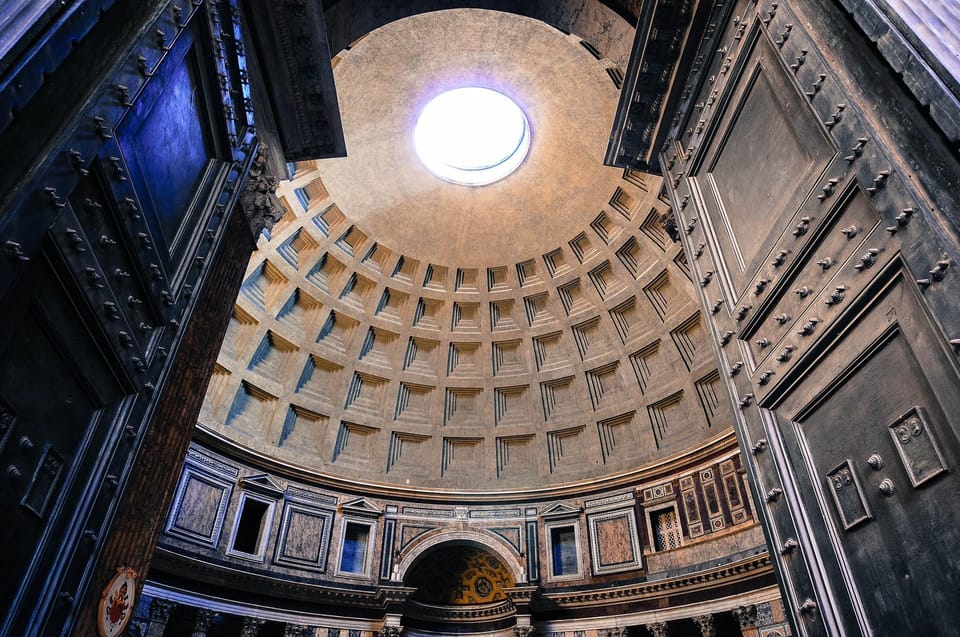
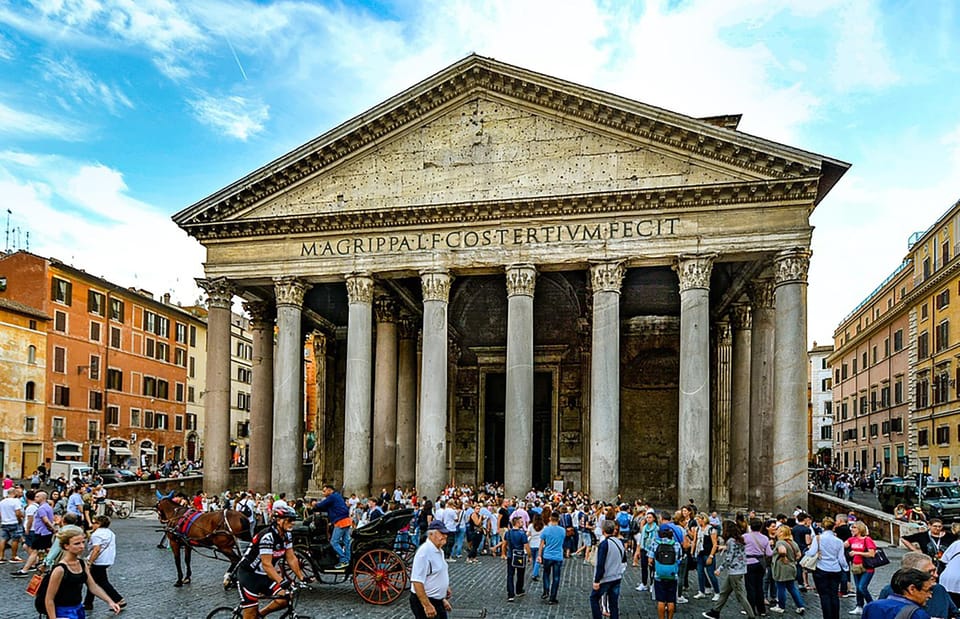
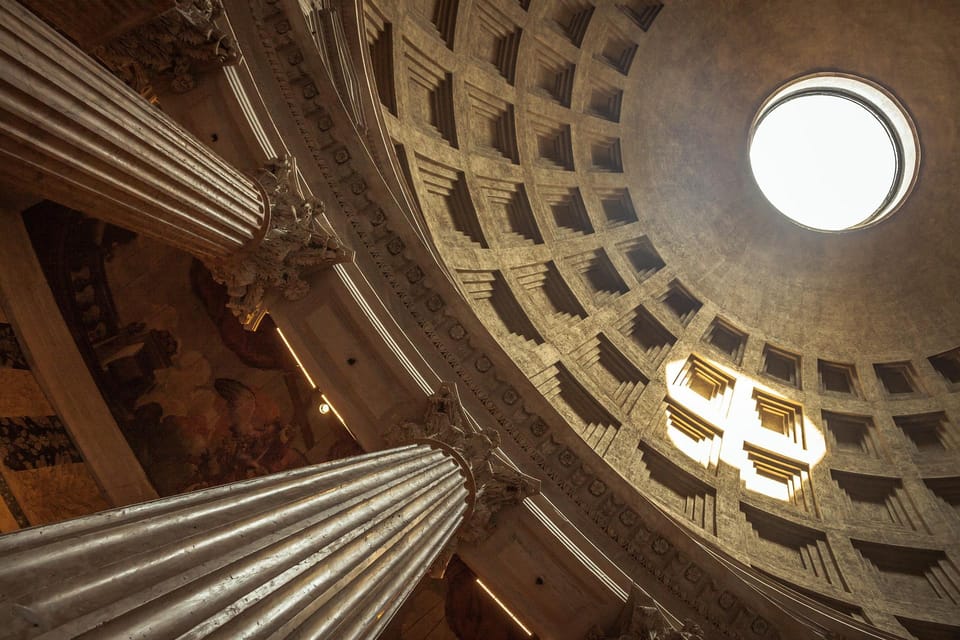
Then comes the big finish: the Pantheon, with your exclusive entry ticket included. This is one of the best “value moments” in the whole tour because the Pantheon isn’t just famous. It’s technically impressive and historically layered.
Your ticket grants access to the Pantheon’s signature interior, including the famous dome. The tour frames it with a key fact: it’s the world’s largest unreinforced concrete dome. Even if you don’t geek out on construction, the size and precision make the engineering feel obvious once you’re inside.
Your guide also connects the building’s identity shift over time: it transformed from a pagan temple to a Christian church. That change matters because it explains why the Pantheon still works as a single space for worship, ceremony, and awe. It’s not just one era trapped in stone. It’s several meanings stacked together.
You’ll also hear about influential figures linked to the site, including Raphael, who is laid to rest there. That’s a small detail, but it helps turn the stop from “look at a building” into “stand in a place with an ongoing human story.”
And because your experience includes skip-the-ticket-line, your energy stays high. You don’t want to start your Pantheon moment tired and distracted.
How the 1.5-hour format keeps your Rome from getting messy
A 90-minute walk is the sweet spot for many first-time visitors. You get enough time to hit major landmarks, yet you’re not stuck on a long schedule that kills the rest of your day.
Here’s what that pacing means for you:
- You’ll walk between stops, which makes the city feel connected rather than fragmented.
- Each stop is short enough that you can keep attention on what matters.
- The tour ends with the Pantheon, so you finish with the most iconic sight while you’re still fresh.
There’s also a small-group advantage. “Small group” usually means you can hear the guide better and move as one team instead of playing navigation roulette through crowds. It’s also easier to ask questions when there’s room for conversation.
You can also read our reviews of more city tours in Rome



Who this tour fits best (and who should choose another option)
This is a strong match if you want a guided overview with clear structure in a short timeframe. It’s also good if you like your history delivered through storytelling and physical landmarks, not through pages of facts you won’t remember later.
It may not fit if:
- You have mobility concerns (this is not suitable for people with mobility impairments).
- You hate walking. Even with a compact route, you’ll be on your feet for the full loop.
- You’re traveling with large bags or luggage. Those aren’t allowed on the tour.
Dress note: avoid short skirts and sleeveless shirts. Comfortable shoes are strongly recommended, and you’ll be glad you followed that advice the moment you start walking.
Price: is $53 really a good deal for Rome’s heavy hitters?
At $53 per person for about 1.5 hours, you’re paying for three things at once:
1) A live guide (English, Spanish, French)
2) A small-group experience
3) The Pantheon entry ticket, plus skip-the-ticket-line access
If you tried to piece this together on your own, the Pantheon ticket and the time cost would add up quickly. The guide also compresses learning. Instead of reading and guessing, you get guided context at each stop: what you’re seeing, why it matters, and what detail deserves your attention.
Does it guarantee you’ll have perfect weather or a quiet fountain moment? No. Rome is Rome. But the tour structure protects your time. For a short visit, that protection is the real value.
Practical tips to make your tour smoother
A few small choices can make a big difference.
First: wear comfortable shoes. This is an advice line you’ll hear everywhere for good reason. Rome stone doesn’t care about your plans.
Second: plan for a quick dress check before you leave. With restrictions like no short skirts and no sleeveless shirts, it’s easiest to bring something suitable rather than gamble.
Third: keep your bag situation simple. Luggage or large bags aren’t allowed, so bring only what you can comfortably carry.
Finally: if you care about photos, plan your mindset. The best shots often come from noticing details while the crowd flows, not from trying to freeze time at the exact perfect angle.
Should you book Eternal Rome with Pantheon entry?
I’d book this tour if you want a high-impact Rome day that ends at the Pantheon with ticket included and minimal friction. It’s especially worth it when you like guides who make monuments feel like a connected story, not separate stops you forget five minutes later.
I’d skip it if you need a fully accessible route, or if you prefer doing sights entirely on your own schedule. In that case, you’ll probably prefer a more flexible self-guided plan.
If your goal is: see the key landmarks, get the meaning behind them, and keep the day moving, this one does that well.
FAQ
What’s the duration of the tour?
The tour lasts about 1.5 hours.
Is the Pantheon ticket included?
Yes. Your entrance ticket to the Pantheon is included, and you also get skip-the-ticket-line access.
Which languages are the live guides available in?
The tour offers live guides in English, Spanish, and French.
What should I bring and wear?
Bring comfortable shoes. The tour also has a dress expectation: avoid short skirts and sleeveless shirts.
Can I bring luggage or large bags?
No. Luggage or large bags are not allowed.
Is this tour suitable for people with mobility impairments?
No. It’s not suitable for people with mobility impairments.