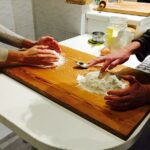
REVIEW · ROME
Rome: Trastevere Pasta Making Class
Book on GetYourGuide →Operated by Eating Europe Food Tours · Bookable on GetYourGuide
Pasta in Trastevere beats any cookbook fantasy. This 3-hour experience mixes a guided stroll through Trastevere with real food stops before you ever touch dough, from coffee and pastries to street food like supplì and porchetta. I love the street-food pacing, because it builds appetite the way Rome actually does—small bites, then the big moment of making pasta.
The hands-on part is the real pay-off. You’ll learn how to make fresh pasta and ravioli with a skilled chef, then sit down to eat what you made, paired with unlimited wine during the pasta-making. Guides like Toni and Jasmine come up again and again in past groups, and the vibe they create is part of why people keep raving about the class.
One consideration: this is a walking experience on cobblestones, it runs rain or shine, and it’s not suitable for people with mobility impairments.
In This Review
- Key Points You Should Know Before You Go
- Trastevere Street Food First: Coffee, Supplì, and Porchetta
- San Cosimato Food Market: Shop Like a Roman, Not Like a Tourist
- At the Old-School Trattoria: Fresh Pasta and Ravioli, Hands-On
- Unlimited Wine Meal: Eat What You Made (and Actually Enjoy It)
- Gelato Tasting Like You Mean It: Spot the Real Stuff
- Price and Value: Is $98 Worth a 3-Hour Food Class?
- Practical Tips for a Smooth Trastevere Evening
- Should You Book This Trastevere Pasta Making Class?
- FAQ
- How long is the Rome Trastevere Pasta Making Class?
- Does the tour run in bad weather?
- What drinks are included during the class?
- Do we make pasta ourselves?
- Is gelato included?
- Where do we meet the guide?
- Can the tour accommodate dietary restrictions or allergies?
- Are children included in the tour price?
Key Points You Should Know Before You Go
- You start with a Trastevere street-food crawl (coffee, pastries, supplì, and porchetta).
- San Cosimato Food Market shows you how Romans pick ingredients in a real outdoor market setting.
- Hands-on pasta making includes fresh pasta and ravioli, not just watching.
- Unlimited wine during the pasta-making keeps the class social (with alternative beverages available).
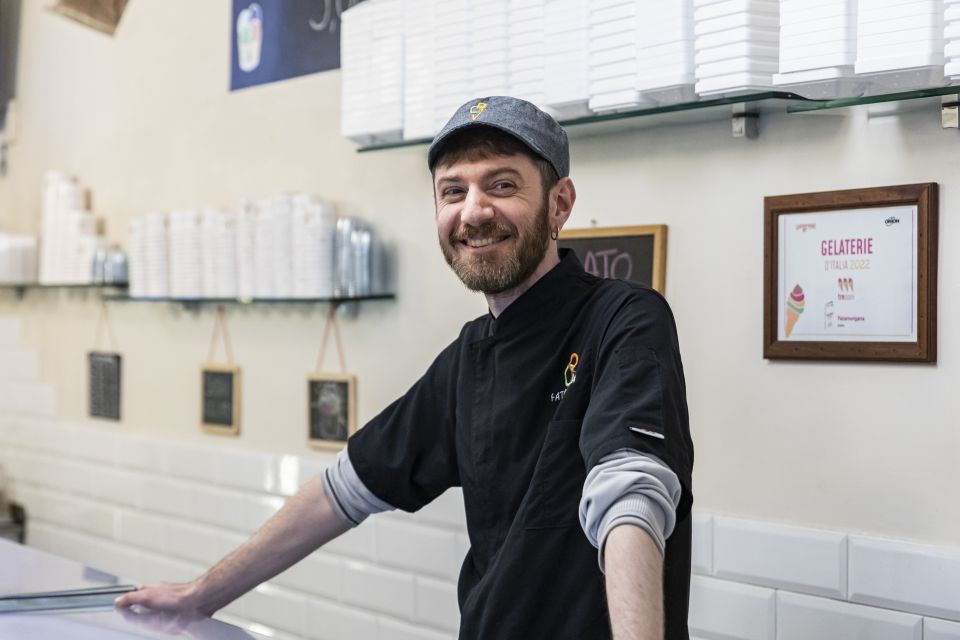
- Gelato tasting teaches you what to look for, including how to tell authentic gelato from the copycats.
- You’ll finish with a seated meal using the pasta you shaped yourself.
Trastevere Street Food First: Coffee, Supplì, and Porchetta
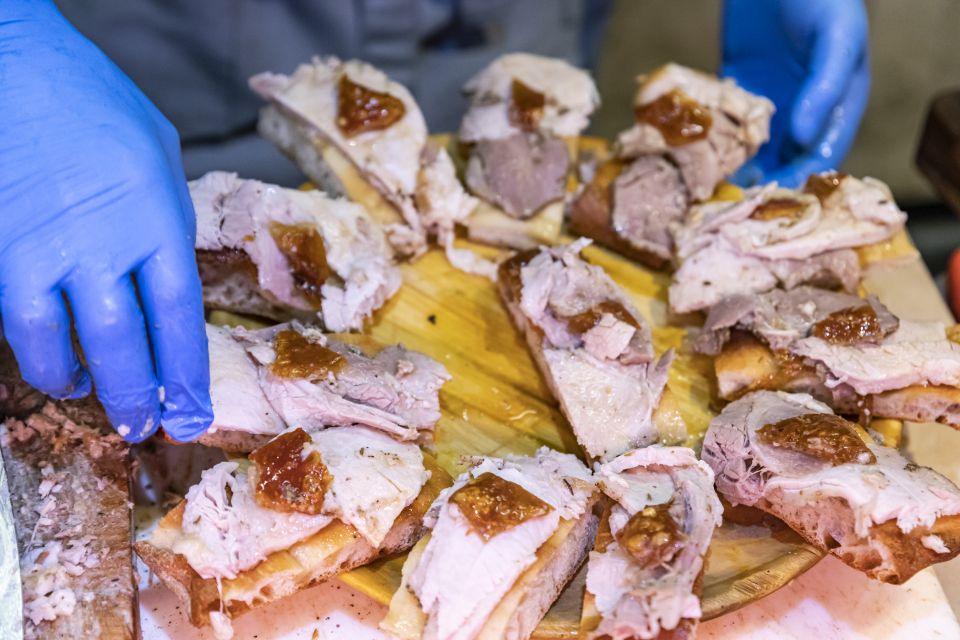
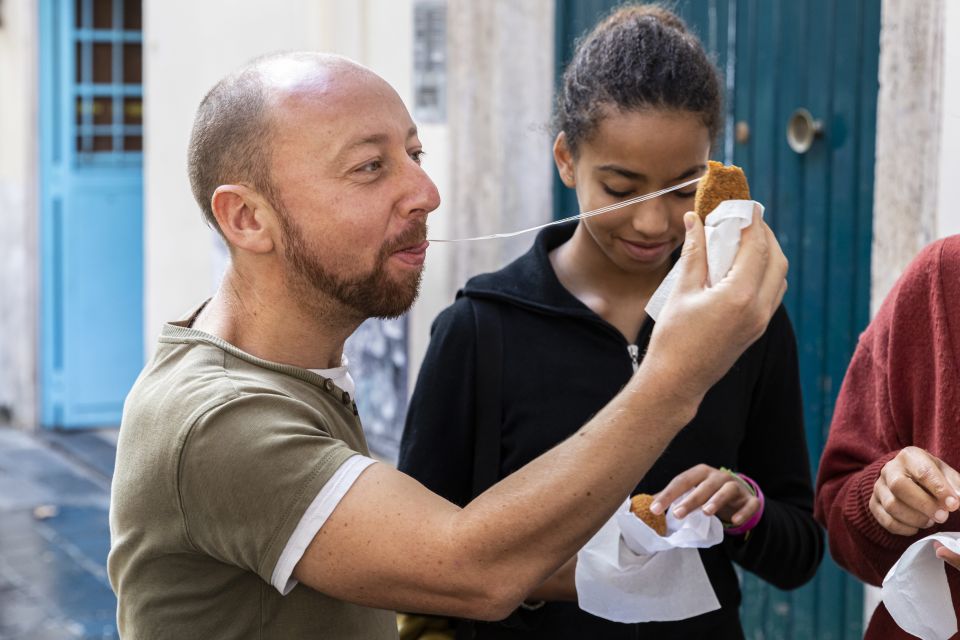
The smart move on a Rome food day is to build up your appetite first, and that’s exactly how this one works. You begin with a guided walk through Trastevere’s back streets, where you’ll pick up flavors as you go—starting with coffee and pastries, then shifting into classic Roman street bites. Expect tastes like supplì (crispy, melty rice balls) and porchetta from a local shop. It’s the kind of order that makes sense: salty, savory samples first, then you’re ready for flour and dough.
I like how this format teaches you without feeling like a lecture. You’re not just eating random snacks—you’re learning what makes these items Roman and why locals care. One reason it lands so well is that the food stops aren’t separate from the cooking part. They’re connected. After you taste porchetta and street food, making your own pasta later feels less intimidating, more like continuing the same story with a different skill.
The only real downside is time on your feet. This is 3 hours of walking plus a food-filled schedule, and the cobblestones do not care about your itinerary. Wear shoes you’d actually trust on uneven ground, and plan to keep moving.
You can also read our reviews of more cooking classes in Rome
San Cosimato Food Market: Shop Like a Roman, Not Like a Tourist
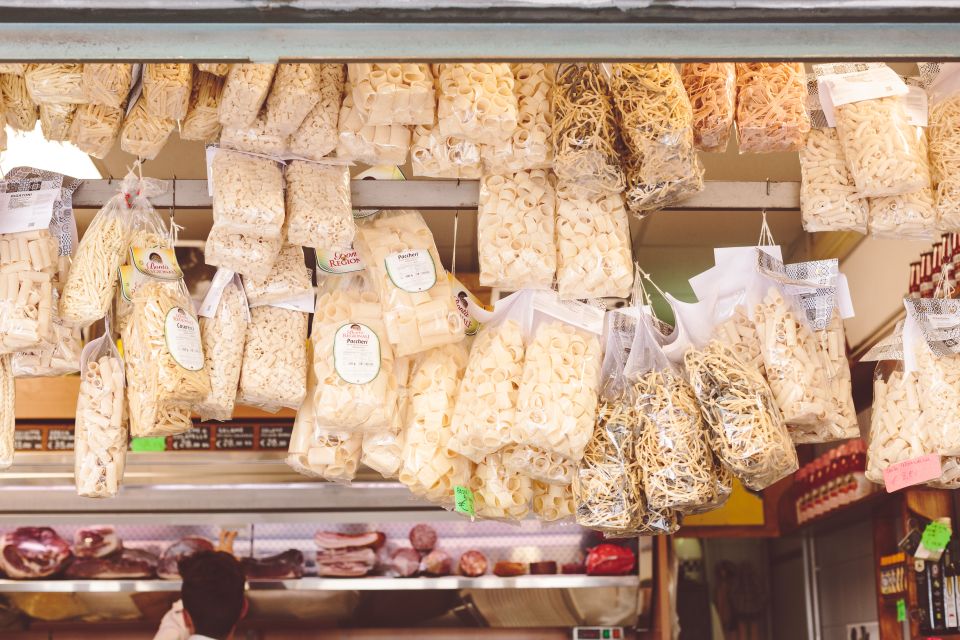
A big part of getting value from a cooking class in Rome is understanding what ingredients matter. Here, you get that through a stop at the San Cosimato Food Market. Outdoor markets in Italy aren’t just for souvenirs—they’re where people do everyday shopping for produce and prepared foods.
You’ll see the market as a living place, then translate that into what you’re tasting during the rest of the experience. Even if you’re not buying anything extra, you’ll start noticing patterns: what looks freshest, what’s being handled by vendors, and what feels like it belongs in a real meal at home. That matters because later, when you try to recreate pasta at your own table, you’ll know what to prioritize. You don’t need to copy Rome perfectly. You just need the right ingredients and the right attitude.
This is also where many guides shine. Past groups have mentioned guides who keep things relaxed while still explaining what you’re seeing and eating. It’s a good balance: you’re learning, but you’re also having fun.
At the Old-School Trattoria: Fresh Pasta and Ravioli, Hands-On
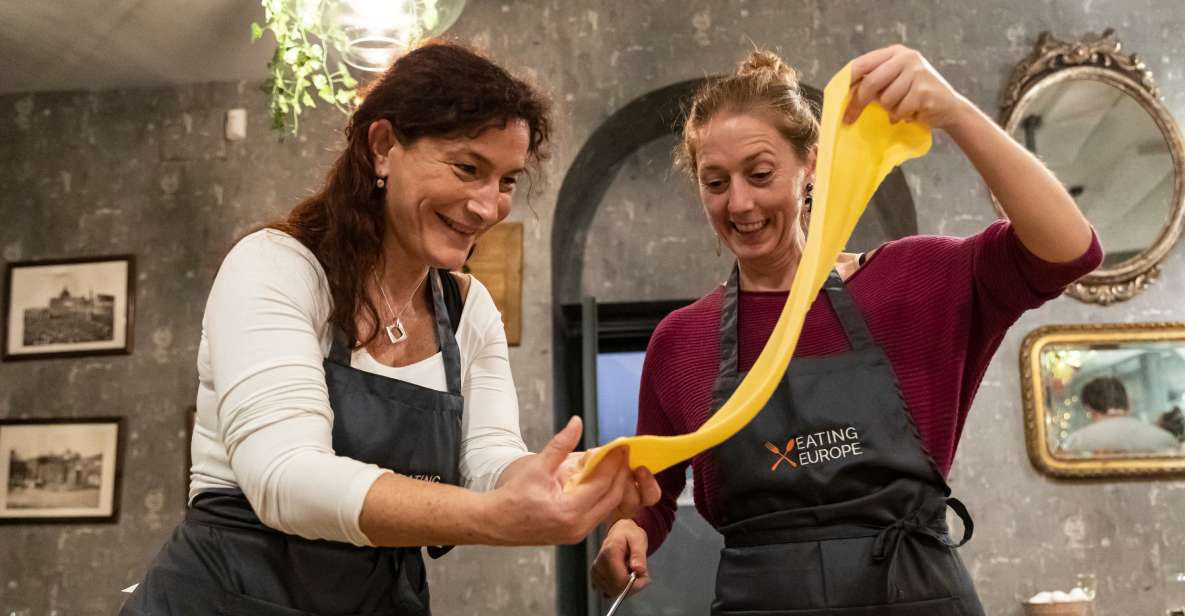
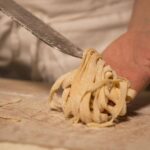
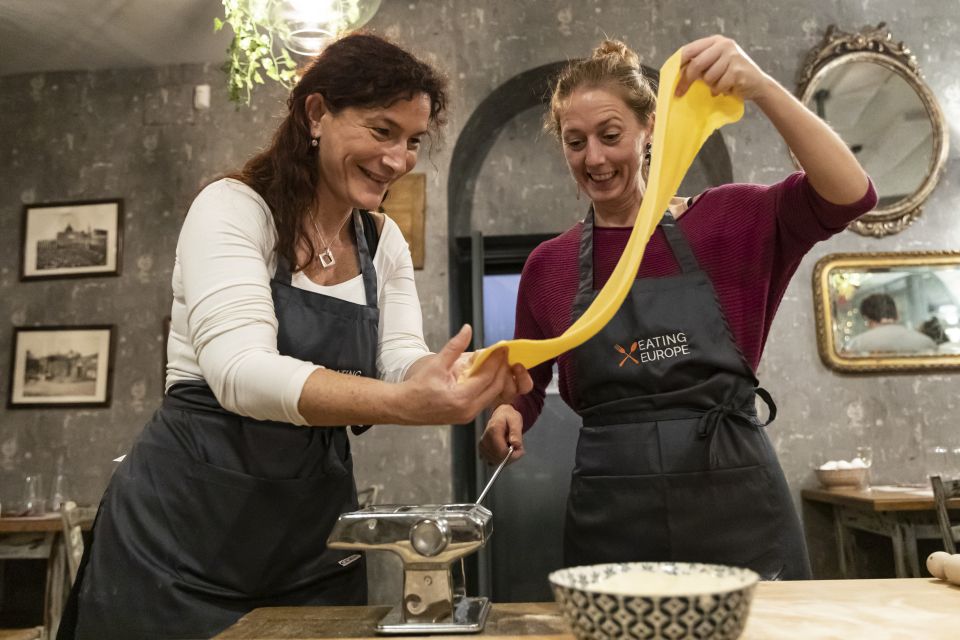
This is the moment most people sign up for: making pasta. You’ll head to an old-school trattoria in Rione XIII, where a skilled chef teaches you how to work the dough and shape what you’ll eat. The class focuses on fettuccine and ravioli, so you get both the rolling-and-cutting skill and the folding-and-filling skill.
Here’s why that matters for you, even if you think you’re not a pasta person. Fresh pasta isn’t about fancy equipment. It’s about technique you can repeat. You’ll learn how the dough should feel, how to handle it without overthinking, and how to turn that into something you can serve, not just something you made for an afternoon.
I also like that the teaching style seems to be built around confidence. Multiple past guests singled out guides such as Davide, Valter, Ricardo, Kat, and Valentina for being patient and encouraging—so you’re not left standing there hoping your dough behaves like theirs. If you’ve ever felt awkward in a cooking class, this is the kind of setup where you can actually relax.
Practical note: you’ll be working with your hands, so keep your phone tucked away until the class feels done. You want your focus on the pasta.
Unlimited Wine Meal: Eat What You Made (and Actually Enjoy It)
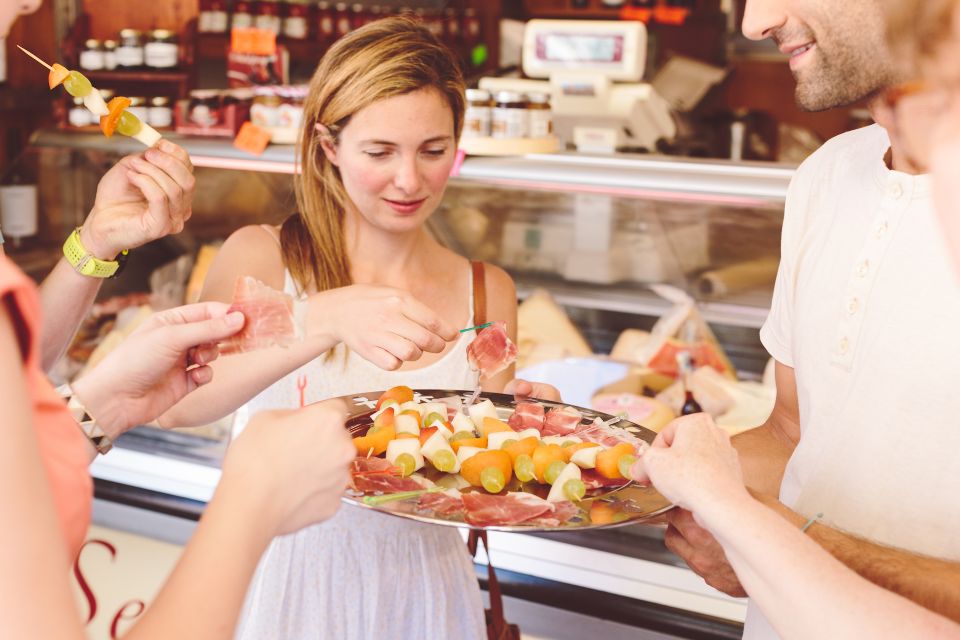
After you make pasta, you don’t get stuck with the awkward part where everyone’s done working but no one knows what to do with the results. You sit down and eat a feast made from your own effort. During the pasta-making portion, wine is included and kept unlimited, with alternative beverages available if you’d rather not drink alcohol.
This matters more than people expect. In a good cooking class, the meal isn’t an afterthought. It’s part of the learning cycle. You taste your pasta while it’s fresh and while the chef’s technique is still fresh in your mind. Then you get to experience how flavors change when you’ve prepared the base yourself.
The wine also keeps the energy social. Past guests have called out the guides for making the whole evening feel warm and even family-friendly—laughing, chatting, and learning at the same time. If you’re traveling with a partner, this is a rare “do something together” activity that still feels like a night out.
Don’t ignore the obvious: wine is unlimited during the class portion. Pace yourself. You’ll be walking through Trastevere, and you’ll want clear footing when you head back into the street rhythm.
Gelato Tasting Like You Mean It: Spot the Real Stuff
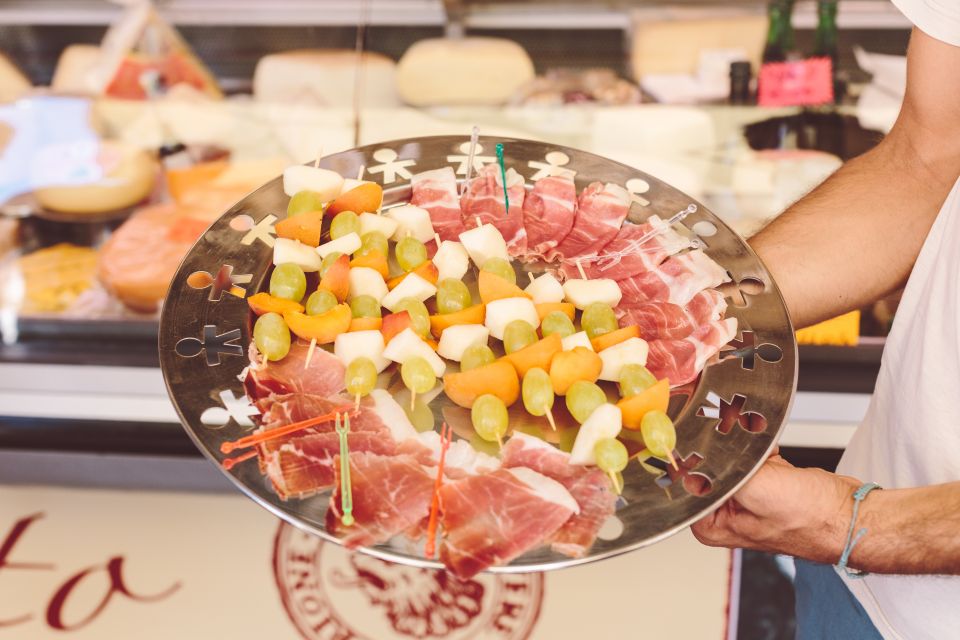
Rome has gelaterias everywhere, but not all gelato is created equal. This tour ends with a visit to a gelateria for gelato tasting, and one of the standout skills you get is learning how to discern authentic gelato from imitators.
That sounds abstract until you’re standing there with the scoop in front of you. You start noticing texture and quality cues—what feels creamy but not watery, what tastes like real ingredients rather than just sweet flavor. Even if you don’t become a gelato critic overnight, you’ll leave with a sharper sense of what to order next time you’re in Rome.
This is also a nice emotional finish. Pasta classes can feel heavy because you worked for every bite. Gelato is the lighter ending that makes the whole experience feel complete.
You can also read our reviews of more tours and experiences in Rome



Price and Value: Is $98 Worth a 3-Hour Food Class?
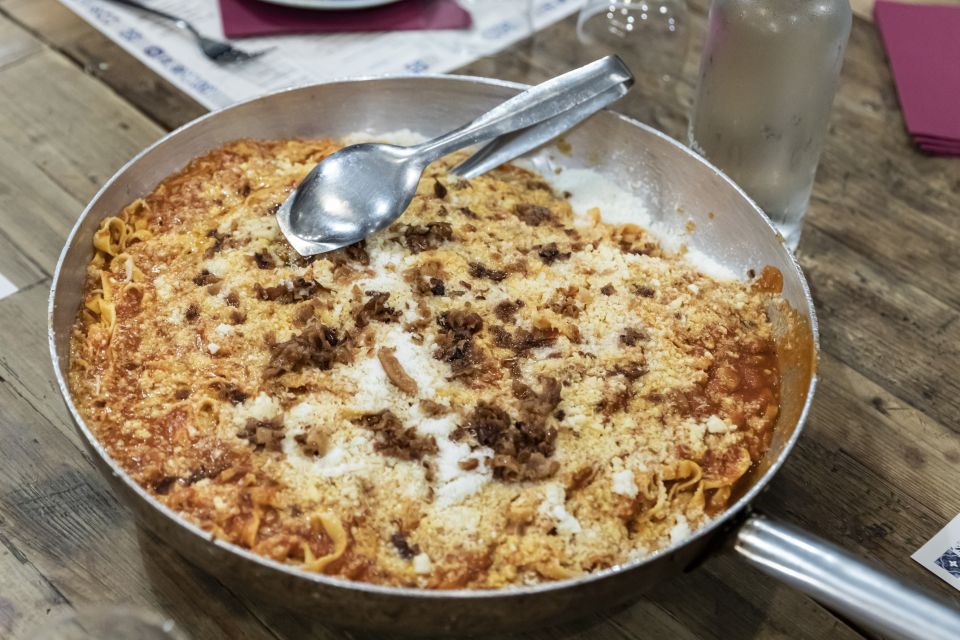
At $98 per person for a 3-hour experience, you’re paying for a lot more than a meal. You get:
- guided time through Trastevere
- street food tastes (including items like supplì and porchetta)
- market time at San Cosimato
- a chef-led hands-on pasta lesson for fettuccine and ravioli
- a sit-down meal made from your work
- unlimited wine during the pasta-making (plus alternative beverages)
- gelato tasting
- an English-speaking guide
If you break it down, the best value piece is the combination: walking food education plus actual technique practice. Lots of Rome tours will feed you. Fewer will teach you how to make something you can reproduce at home. And the wine and gelato aren’t just extras—they make the evening feel like an experience, not a workshop you rushed through.
So my take: this price is fair if you want hands-on cooking and you’ll actually use the technique afterward. If you only want snacks and photos, you can find cheaper. But if you want to leave with a real skill and a memorable meal, this class earns its cost.
Practical Tips for a Smooth Trastevere Evening
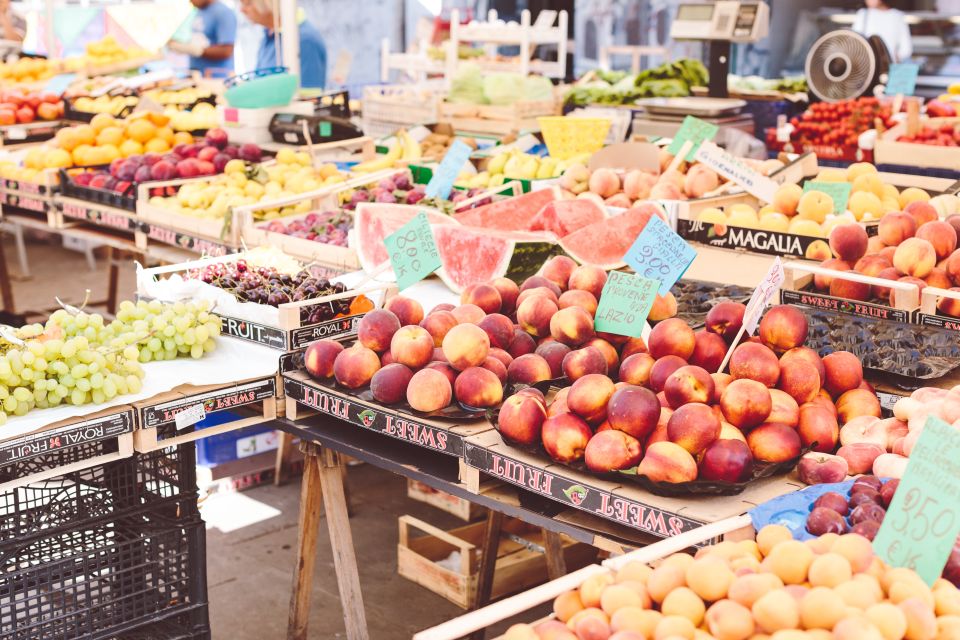
A few small prep moves will make this easier and more fun.
Wear comfortable walking shoes. You’ll cover cobblestone streets, and you’ll also be standing and moving around during food stops.
Bring a bottle of water. The tour runs rain or shine, so it helps to have water on hand even if you think you’ll grab a drink later.
If it looks rainy, bring an umbrella. The schedule doesn’t stop because the sky gets moody.
If you have dietary restrictions, notify the tour operator ahead of time. Severe or life-threatening allergies aren’t supported for safety, so it’s important to share details early.
One more tip: there’s no hotel pick-up. You’ll meet your guide on the street, and they’ll be holding the purple Eating Europe bag. That’s handy, but still arrive a few minutes early so you can start calmly.
Should You Book This Trastevere Pasta Making Class?
Book it if you want a Rome night that mixes street food, market shopping energy, and real kitchen skills. This is especially great for couples and families with kids because it’s interactive, not stuffy, and it ends with a meal you can feel proud of.
Skip it if you need a low-movement experience or you have mobility limitations, since the tour is not suitable for people with mobility impairments and it runs on cobblestones.
If you want a takeaway you can use at home—fresh pasta and ravioli technique—this is one of the better ways to spend a few hours in Rome.
FAQ
How long is the Rome Trastevere Pasta Making Class?
It lasts 3 hours.
Does the tour run in bad weather?
Yes. It operates rain or shine.
What drinks are included during the class?
Unlimited wine is included during the pasta-making. Alternative beverages are available.
Do we make pasta ourselves?
Yes. You’ll learn to make fresh pasta and ravioli, including fettuccine and ravioli.
Is gelato included?
Yes. There’s a gelato tasting at the end of the experience.
Where do we meet the guide?
The guide meets you at the designated meeting point and will be wearing the purple Eating Europe bag. There is no hotel pick-up or drop-off.
Can the tour accommodate dietary restrictions or allergies?
You should notify the tour operator of any dietary restrictions. Guests with severe or life-threatening allergies can’t participate for safety.
Are children included in the tour price?
Children 4 and younger are complimentary.