REVIEW · ROME
Popes and Artists: sex, lies and betrayals in the 1600s
Book on GetYourGuide →Operated by Roman Art and History · Bookable on GetYourGuide
Rome gets juicy in the 1600s. This small-group walk turns Baroque Rome into a plot: popes, cardinals, and artists like Bernini, Borromini, and Caravaggio are linked to fights, betrayals, and courtesans—right on the streets where it all would have felt real. I love how the guide storytelling stays focused on the human stuff behind the masterpieces, and I also love the practical mix of stops, from major landmarks to church interiors where you get an explanation of what you’re seeing.
One heads-up: it’s a walking tour through the center, and it’s not suitable for people with mobility impairments. If you go, wear comfortable shoes and plan for a steady pace, plus note the no-sleeveless-shirts rule.
In This Review
- Key things to know before you go
- A 1600s Rome story walk: popes, artists, and street-level intrigue
- Where you meet: Via della Stamperia and an easy start point
- Trevi Fountain to Piazza di Pietra: the route where stories stick
- Sant’Ignazio di Loyola and the Pantheon: art tied to power
- St. Louis of the French: Caravaggio’s trilogy and the scandal behind the paint
- Piazza Navona: competition in public, not theory
- Finishing at Piazza Fiammetta: duels for love and a woman in the story
- Price and group size: is $59 good value?
- Pace, dress code, and who should go
- Should you book this Rome Baroque walk?
- FAQ
- Where is the meeting point for the tour?
- How long is the tour?
- How much does it cost?
- How many people are in the group?
- What languages is the tour guide?
- What’s included in the ticket price?
- What should I wear or bring?
- Is the tour suitable for people with mobility impairments?
- Can I cancel for a full refund?
Key things to know before you go
- Secret streets of Baroque Rome: You don’t just hit the big squares; you walk through lesser-known lanes tied to the artists’ lives.
- Church interiors included: Entrance to churches is part of the experience, not an extra ticket hassle.
- Luisa-style storytelling: The guide approach is energetic, open, and rich in historical detail, with stories that connect art to power.
- Caravaggio’s paintings in context: At the Church of St. Louis of the French, you’ll get a guided look at Caravaggio’s trilogy of paintings and the unexpected story around them.
- Duels and competition in public spaces: Piazza Navona and the ending at Piazza Fiammetta make the drama feel tied to real locations, not abstract history.
A 1600s Rome story walk: popes, artists, and street-level intrigue
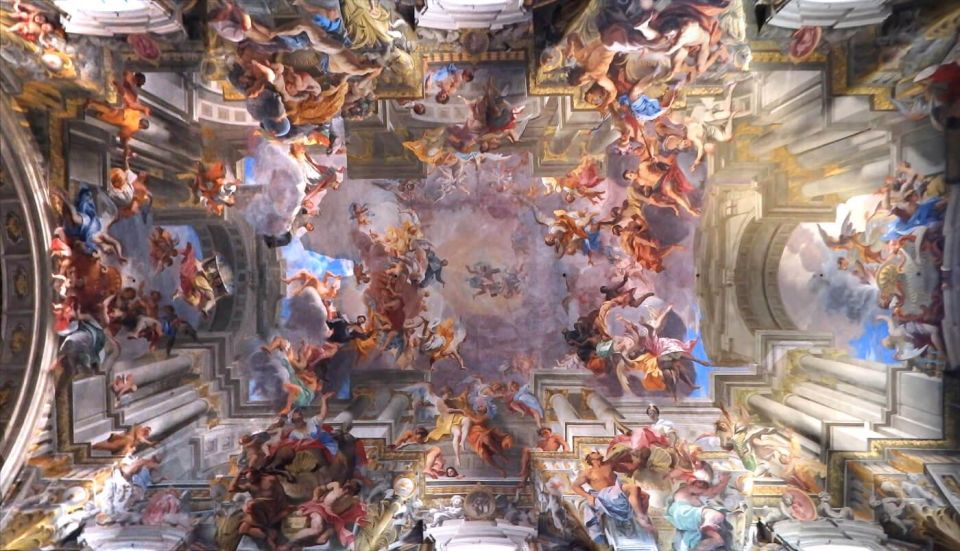
Baroque Rome can feel like marble and distance. This tour pulls it closer. You follow the chain between artists and the Church, and you see how careers could rise on talent and still get derailed by scandal, rivalry, and favoritism.
The pitch is called Popes and Artists: sex, lies and betrayals in the 1600s, and that tells you the tone. Expect intrigue: duels, revenge, competition, courtesans, and popes who either promoted art with power and money or wielded authority with zero mercy. It’s not a sleepy “look at this painting” route. It’s a narrative walk where art history becomes a live wire.
I especially like that it’s built for a small group of up to 10 people. In a walk like this, that matters. You get more time for questions, and the guide can keep the story threads from tangling.
You can also read our reviews of more tours and experiences in Rome.



Where you meet: Via della Stamperia and an easy start point
You meet at Via della Stamperia, 72, in front of the Accademia S. Luca Academy of Painting. That’s a smart start area because it’s central enough that you can get there without drama, and it also sets the “Rome as an artist’s workshop” vibe from the first minute.
From that meeting point, the tour moves into the older heart of Rome with a clear storyline. You’re not wandering; you’re traveling through locations that the guide uses as “chapters” in the Baroque era.
Trevi Fountain to Piazza di Pietra: the route where stories stick
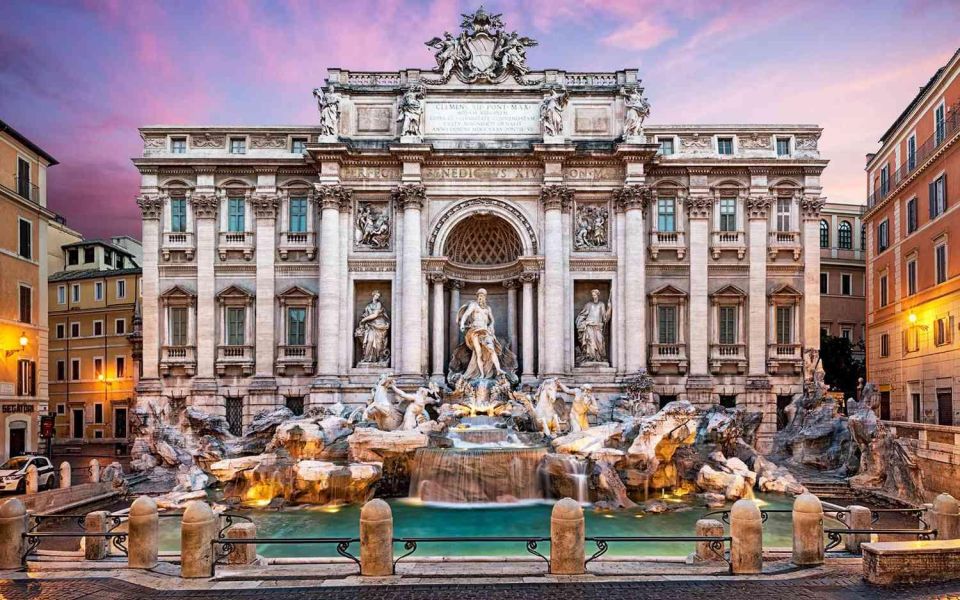
The tour begins with a stop at the Trevi Fountain for about 15 minutes. Even if you’ve seen photos a hundred times, you’ll get more out of it by treating it as a starting line for the 1600s world the guide builds. The Trevi is famous, but the real value here is how it becomes part of a bigger story about patronage, reputation, and the kinds of attention artists and their sponsors could attract.
Next comes Piazza di Pietra for around 15 minutes. This is one of those places that helps you feel the city’s layers without turning the walk into an endless museum loop. You’ll get guided context while you’re in position to notice the buildings and streets that frame the drama the tour is describing.
The timing at these early stops is short by design. You’ll move quickly enough that the tour stays lively, but you still get guided explanations so you’re not just walking from one famous photo spot to the next.
Sant’Ignazio di Loyola and the Pantheon: art tied to power
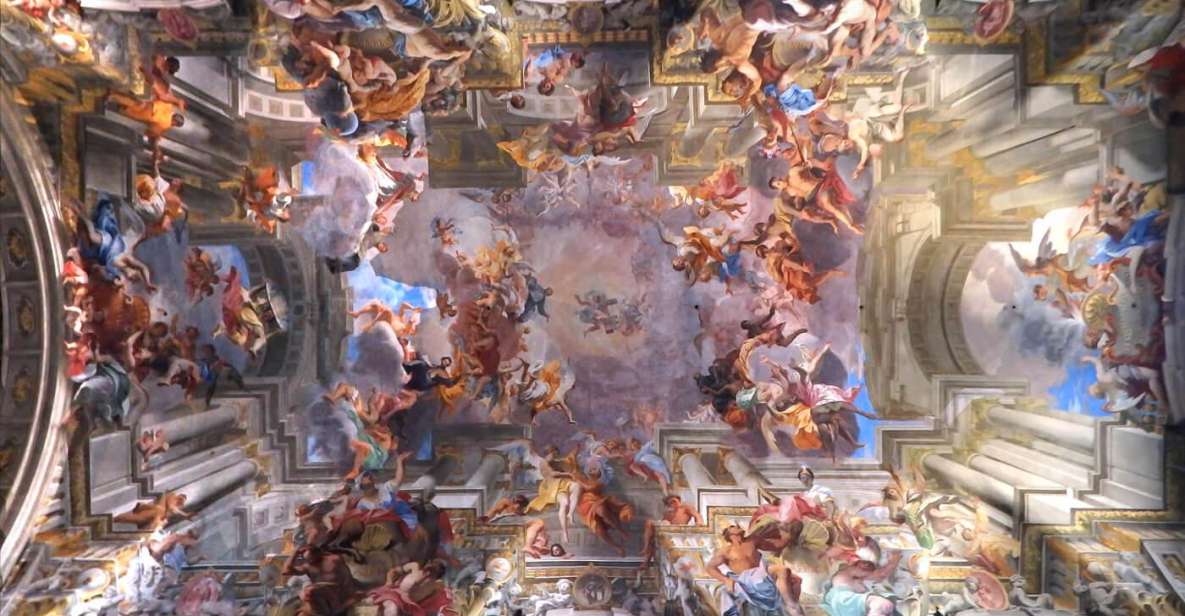
After Piazza di Pietra, you’ll head to the Church of Sant’Ignazio di Loyola for about 20 minutes. Churches are where Rome keeps its secrets in plain sight. This stop matters because it connects the Baroque style to the social machinery of the time: talent and faith weren’t separate. They lived in the same rooms.
From there, you reach the Pantheon for a guided visit of about 10 minutes. One specific highlight is the tomb of Raphael. That detail is worth slowing down for, because Raphael is one of those names that can become too abstract if you only see him as a history headline. Here, the guided explanation gives you a reason to look with intention, not just respect the building.
This is also a good moment to reset your expectations. The Pantheon is a major site, but this tour uses it as a storytelling node, not a standalone monument. If you like architecture but also want the “why does this matter in the 1600s?” thread, this section keeps you grounded.
St. Louis of the French: Caravaggio’s trilogy and the scandal behind the paint
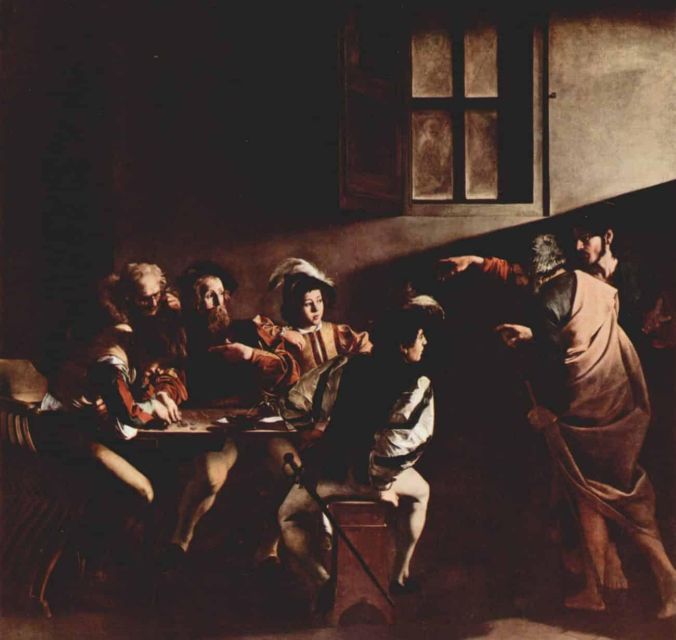
If you enjoy art that comes with consequences, this is the stop to circle on your mental map. You’ll visit the Church of St. Louis of the French for about 15 minutes, and you’ll see the trilogy of paintings by Caravaggio. The tour description points out that there’s an unbelievable story behind them, and the format here is practical: you’re not left to guess what you’re looking at.
Caravaggio’s work is the kind of art where viewers tend to react emotionally, but this tour goes one step further. The guide’s job is to connect the paintings to the social world around them—so the drama in the brushstrokes makes sense in a Rome full of patrons, rivalries, and reputations that could change overnight.
This is where the tour’s “sex, lies and betrayals” theme lands most cleanly. It’s still art history, but it’s history with friction. You get the chance to see why scandal and influence were part of the same ecosystem.
Also, this stop benefits from what the tour includes: entrance to churches and painting explanations. That means less time spent figuring out logistics and more time focused on the art itself.






Piazza Navona: competition in public, not theory
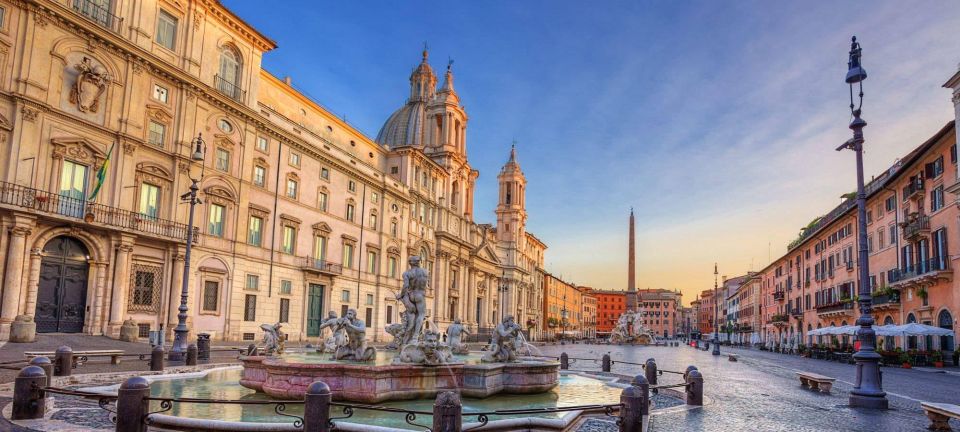
Next up is Piazza Navona, with a guided visit of about 20 minutes. This square has the kind of stage energy that makes Baroque stories feel obvious. You’ll learn about the great competition between two famous sculptors tied to this era and space.
Even if sculpture details aren’t your main interest, this segment helps you understand why the Baroque period produced so much drama: artists weren’t just creating. They were competing for attention, commissions, and survival inside a high-stakes social world.
I like that the tour doesn’t treat the square as a photo stop. The guide turns it into a “who wanted what, and why” lesson, which makes the buildings and fountains feel like evidence, not scenery.
Finishing at Piazza Fiammetta: duels for love and a woman in the story
The tour ends at Piazza Fiammetta. The finish location is meaningful: you’ll learn about the beautiful woman of the 1500s connected to the House of Fiammetta and about the duels for her love.
This ending is a nice contrast to the church-heavy middle. After popes and paintings, you get a different angle on romance, reputation, and conflict. It also reinforces a big theme the tour keeps repeating: Rome in the 1600s was a place where private passion could turn into public trouble.
If you’ve ever wondered why art and gossip got tangled so often in that era, the ending gives you a human reason. It makes the city feel like a lived-in stage where people’s choices had consequences.
Price and group size: is $59 good value?
At $59 per person for about 2.5 hours, this tour sits in a sweet spot for guided Rome walking—especially since it includes church entrance plus painting explanations. You’re not paying only for a route map; you’re paying for someone to interpret what you see as you move between sites.
The small group size (limited to 10 participants) is also part of the value. With fewer people, your experience tends to feel more like a conversation and less like a lecture played over your head.
Language options are English and Italian, with a live guide. That matters because the tour depends on storytelling. The guide’s delivery is the engine.
One more detail that helps the value: the route mixes famous sites with “secret streets” style exploration. That balance keeps it interesting for first-timers, but it also gives returning visitors something new to look for—especially in the way you’re taught to connect places to the Baroque personalities associated with them.
Pace, dress code, and who should go
This is best for people who like art history, but also like history that includes mess. If you get excited by stories involving rivalry, patronage, scandal, and the Church’s influence over culture, you’ll probably enjoy this approach.
It is a walking tour in central Rome. If you’re the type who needs frequent breaks, plan for that. And if you have mobility impairments, the tour is not suitable.
Dress code is also part of the rules: sleeveless shirts aren’t allowed. It’s easy to fix—bring a light layer—so you won’t lose time worrying about it at the last minute.
Finally, it’s an adult-themed concept (sex, lies, betrayals, courtesans). The tour doesn’t say it’s explicit or graphic, but you should expect mature subject matter in the stories.
Should you book this Rome Baroque walk?
Book it if you want Rome art history with plot. The route hits serious sites like the Pantheon, but the real payoff is how the guide connects popes, artists, and rivalries across the streets and church interiors you pass through.
Don’t book it if you want only calm, straightforward art facts with zero scandal and no human drama. This tour’s whole purpose is to make the 1600s feel like a living world—fights, passion, competition, and all.
If you do book, wear comfortable shoes, keep your curiosity switched on, and let the guide lead the story. With a guide like Luisa—art-history storytelling that’s energetic and unusually open—you’ll come away with a Rome you can actually explain to friends, not just photos you can post.
FAQ
Where is the meeting point for the tour?
You meet in Via della Stamperia, 72, in front of the Accademia S. Luca Academy of Painting.
How long is the tour?
The duration is 2.5 hours.
How much does it cost?
The price is $59 per person.
How many people are in the group?
It’s a small group, limited to 10 participants.
What languages is the tour guide?
The tour is offered with a live guide in English and Italian.
What’s included in the ticket price?
Entrance to churches and painting explanation are included.
What should I wear or bring?
Bring comfortable shoes. Sleeveless shirts are not allowed.
Is the tour suitable for people with mobility impairments?
No, it is not suitable for people with mobility impairments.
Can I cancel for a full refund?
Yes. Free cancellation is available up to 24 hours in advance for a full refund.