REVIEW · ROME
Rome: Pantheon, Trevi, Navona and Spanish Steps Private Tour
Book on GetYourGuide →Operated by Eyes of Rome Private Tours · Bookable on GetYourGuide
A three-hour stroll can feel like a shortcut to Rome. This private tour lines up the big sights—Pantheon, Piazza Navona, Trevi Fountain, and the Spanish Steps—with a Blue Badge guide who explains what you’re seeing as you go. My two favorite parts are the Pantheon skip-the-line entry and the way the guide turns famous squares into something you actually understand. One thing to plan for: in noisy, crowded spots, it can be harder to hear a quieter guide, so don’t schedule your next appointment too tightly.
You’ll also like that this is truly private. The pacing is built around your group, and you get practical insider tips for what to do after the tour—so you’re not stuck guessing in the streets. The route is walk-based (comfortable shoes matter), and the order can shift depending on the starting option and your requests.
In This Review
- Key things to know before you go
- A 3-hour route that hits Rome’s postcard landmarks
- Pantheon skip-the-line: what you gain by starting here
- Piazza Navona: where the fountains and the energy collide
- Trevi Fountain and the “photo + story” balance
- Via Condotti and the Spanish Steps ending area
- What the private guide experience adds (and what to watch)
- Price and value: is $277.55 per person worth it?
- Who this tour suits best (and who should pass)
- Booking checklist: quick things to get right
- Should you book this private Rome walk?
- FAQ
- Where does the tour start and end?
- How long is the Rome Pantheon, Trevi, Navona and Spanish Steps private tour?
- Is hotel pickup included?
- What’s included in the price?
- Do I need to worry about a dress code?
- Can I request a specific language for the guide?
- Is the tour wheelchair accessible?
- Is this a private group tour?
- What if I need to cancel?
Key things to know before you go
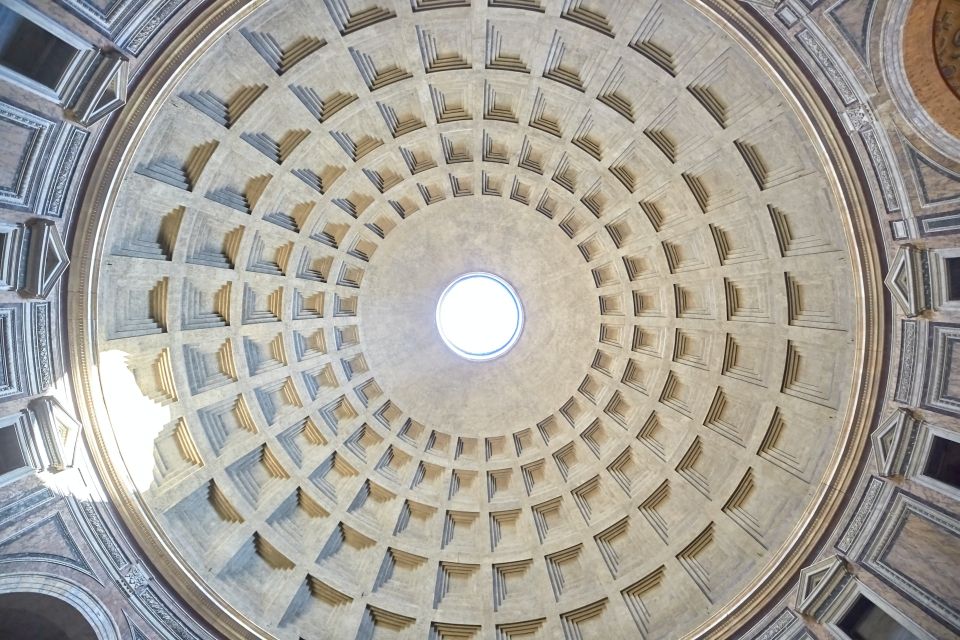
- Pantheon skip-the-line tickets with a separate entrance means less waiting in front of one of Rome’s top draws
- Private, Blue Badge guide who can tailor the pace to your questions and interests
- Clear time blocks at the landmarks, so you’re not rushing through the best photo spots
- Walking route that links the Pantheon area with Navona, Trevi, and the Spanish Steps area
- Dress code rules for places of worship and selected museums (no shorts, no sleeveless tops)
- Quiet-spot reality check: crowds and construction noise can make hearing the guide tougher
A 3-hour route that hits Rome’s postcard landmarks
This is a compact, high-value way to see Rome’s most recognizable sights without feeling like you’re just hopping from crowd to crowd. You start with guided time at the Pantheon, then you keep moving on foot through major squares and viewpoints, with guided stops at Piazza Navona, Trevi Fountain, and the Spanish Steps area. There’s also a short guided stretch along Via Condotti before finishing near the Spanish Steps.
Because it’s private, you’re not stuck with a rigid group rhythm. The guide can adjust the order based on your starting point and requests, which matters in Rome, where the “best route” can change depending on where you begin and what you want to emphasize most. If you have a specific interest—architecture, fountains, or just getting great photos—this format helps you get more out of the time you pay for.
The big practical win is pacing. This tour is long enough to do more than look, but short enough to keep you fresh. You still get guided context at each major stop, and then you’re left in a good location to keep exploring on your own right after.
You can also read our reviews of more private tours in Rome



Pantheon skip-the-line: what you gain by starting here
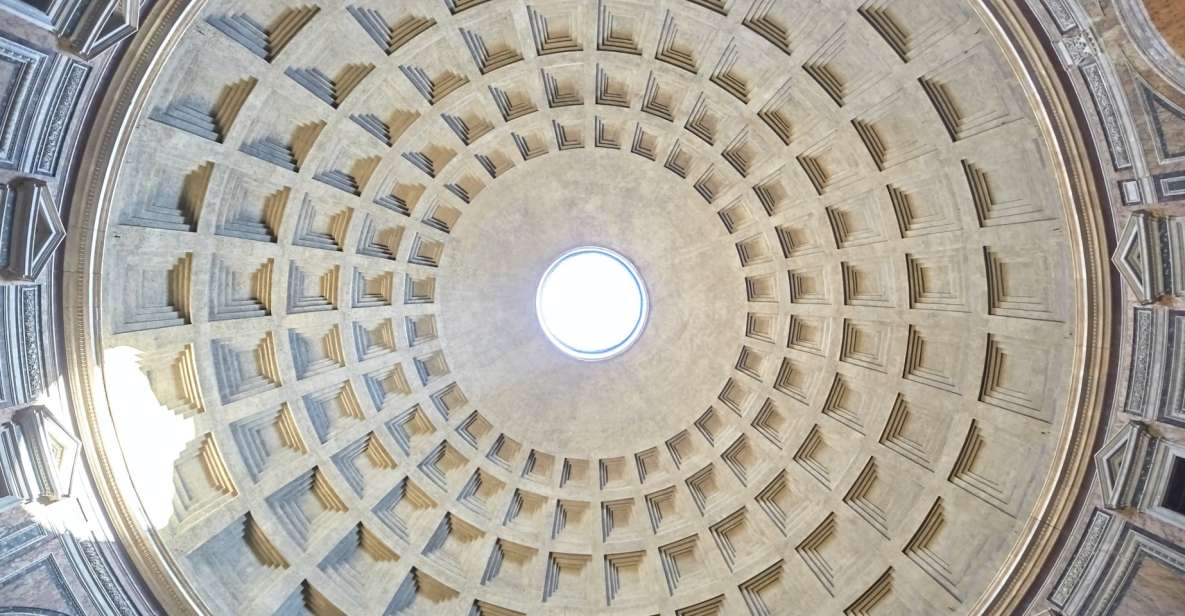
Starting at the Pantheon makes sense. It’s one of the places where waiting can drain your energy fast, especially during peak hours. This tour includes Pantheon skip-the-line tickets accessed via a separate entrance, so you spend less time in the queue and more time absorbing the building and its setting.
You’ll get a guided visit that lasts about 40 minutes. That’s enough time to hear the key ideas, take photos, and still have moments to look around at your own pace instead of being dragged forward every 30 seconds. For first-timers, the guide’s explanations can help you understand what’s important here, not just that it’s famous.
Practical tip: keep an eye on your timing within that window. If you want a lot of photos, plan to do a few shots early, then settle in to listen. That way you’re not trying to hold a perfect selfie pose while you’re also trying to catch details.
Also, remember the tour is walk-based. Once you leave the Pantheon area, the rest of the landmarks come in a chain—so arriving at Pantheon rested makes the entire experience smoother.
Piazza Navona: where the fountains and the energy collide
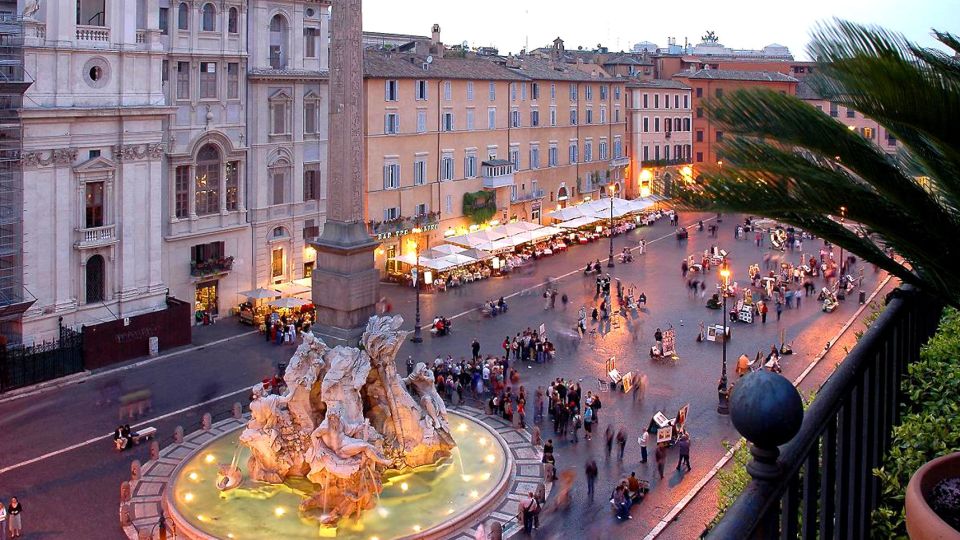
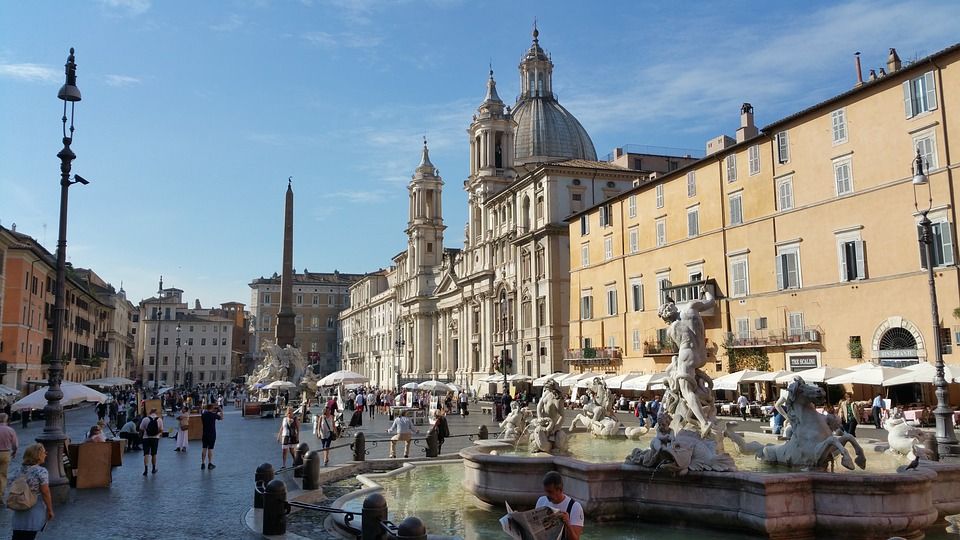
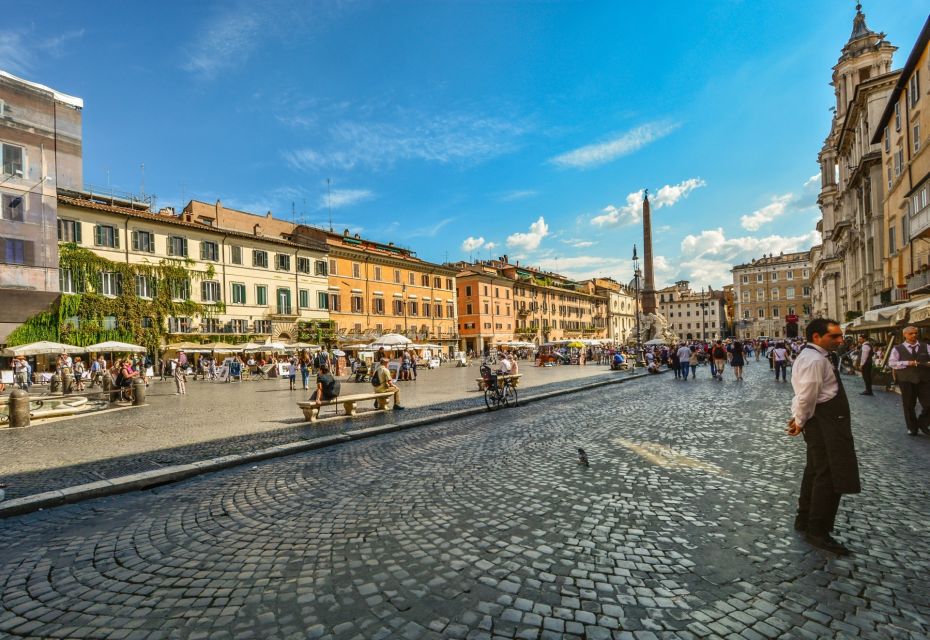
Next up is Piazza Navona, with guided time of about 40 minutes. This is a square that people recognize instantly once they’re there, largely because of the fountains and the way the space is set up for lingering.
What I like about this stop on a guided private walk is that you’re not only staring at the water and statues—you’re also learning how to “read” the space. The guide’s stories and pointers help you notice the layout and why the square feels the way it does. It turns the stop into something more than a photo break.
One consideration: Navona is typically busy, and it’s also the kind of place where street noise can drown out quieter explanations. In at least one instance, the guide’s voice was reported as very quiet in crowded areas, which can make it hard to catch everything. Your fix is simple: ask questions sooner rather than later, and don’t be afraid to request repetition if you missed a key point.
If you’re sensitive to sound, build in a little patience. The square’s atmosphere is part of the experience, but that same energy can affect how well you hear.
Trevi Fountain and the “photo + story” balance

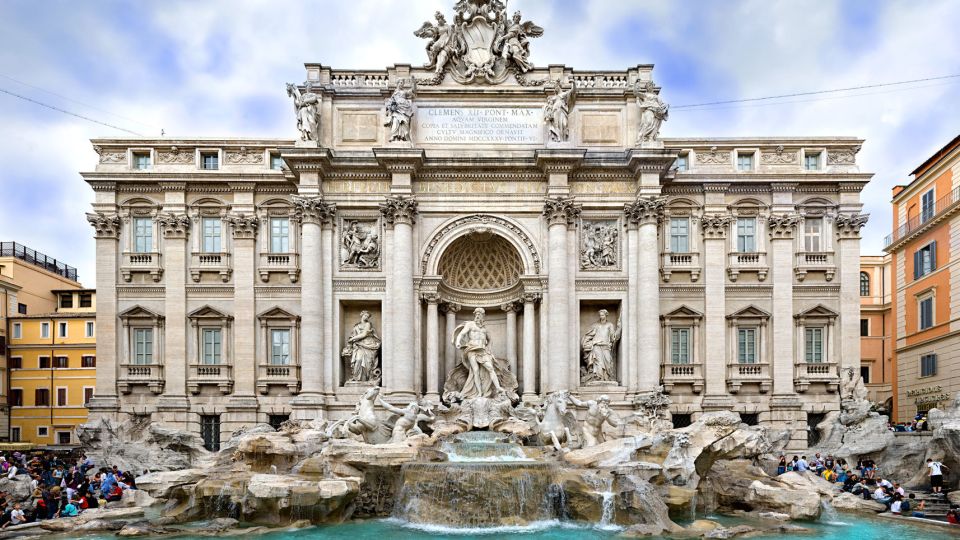
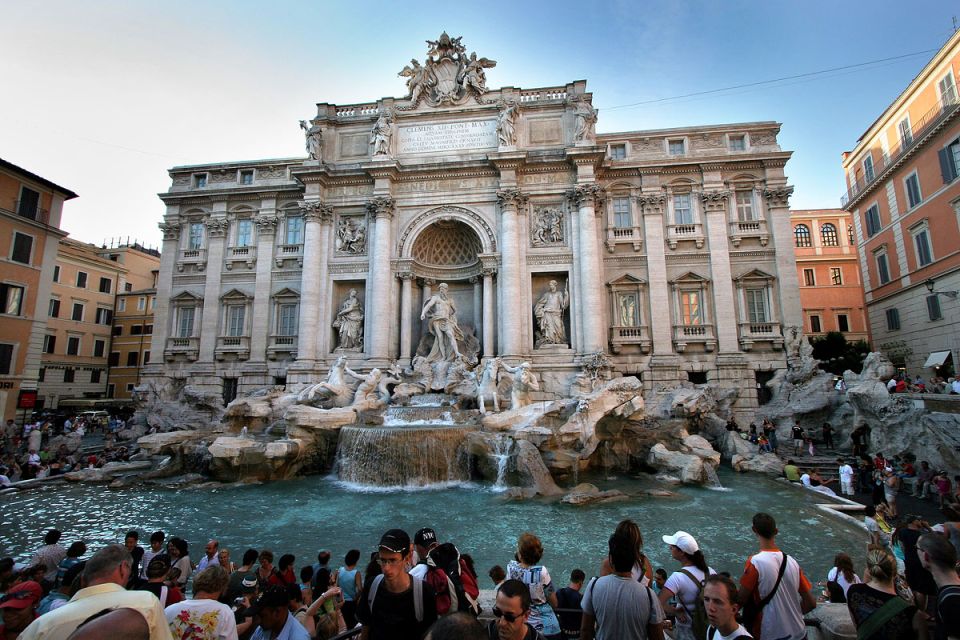
Trevi Fountain is the next guided stop, again with about 40 minutes. This is where the tour earns its keep for people who want more than the usual rush-by. You’re given time to see the fountain properly and still hear the guide’s perspective on what makes it significant.
You’ll also have a chunk of time to take photos at the angles that work best for you. Trevi is the kind of place where timing matters: you don’t want to spend the entire visit waiting for a clear moment, and you also don’t want to miss the chance to learn something while you’re busy photographing.
Practical mindset: think of Trevi as a two-part stop. First, focus on soaking in the scene long enough to orient yourself. Then, use the remaining minutes for your best shots. If you’re traveling with someone, this is a great point to split tasks for a few minutes—one person listens, the other gets photos—then switch.
As with other crowded landmarks, the noise level can be high. If you’re booking another activity afterward, leave yourself a buffer. In one shared experience, the tour ran later because the guide had extra details to cover, and the group had another commitment soon after.
Via Condotti and the Spanish Steps ending area
After Trevi, the walk includes a short on-foot connection (about 5 minutes) and then about 10 minutes along Via Condotti with guided commentary. This part of the route is shorter, so it’s less about “deep” focus and more about helping you understand how the city connects these major sights.
Finally, you reach the Spanish Steps area for another guided stop of about 40 minutes. If you want that classic Rome view and the chance to photograph the steps from multiple angles, this is your best window in the whole tour. The guide’s storytelling helps turn the steps from a famous backdrop into a place with context—again, not just a quick stop.
In terms of practical value, finishing near the Spanish Steps works well. You’re placed in a central area where it’s easy to keep exploring afterward, whether that means wandering nearby streets or heading toward your next plan.
One more reminder from practical Rome reality: dress rules. This tour notes a dress code for entering places of worship and selected museums, meaning no shorts or sleeveless tops, with shoulders and knees covered. Even if your stops are mostly outdoors squares, check the guide’s cues and your plan for any indoor sections.






What the private guide experience adds (and what to watch)
The tour includes a Blue badge certified private tour guide, which is a meaningful quality signal in Rome. You’re not paying just for access; you’re paying for someone to translate the city into something you can actually process in a short time.
The best part is how the guide blends stories and practical pointers while you walk. In one experience, the guide was described as very informative and thorough. That matches the value of private guiding: you can ask follow-up questions, steer the conversation toward what you care about, and get explanations at a pace that fits your group.
Here’s the trade-off. Busy spaces can be loud, and one report noted difficulty hearing the guide clearly due to volume and crowd noise. If you want maximum detail, position yourself closer to the guide, and don’t wait until you’re stuck in the middle of a crowd to ask questions.
Timing is another factor. In that same experience, the tour ran late because the guide had more information to speak about than expected. That’s not a bad thing—it often means you’re getting more value—but it can matter if you booked tight plans right after. If you have a reservation later the same day, I’d schedule it with extra breathing room.
Price and value: is $277.55 per person worth it?

At $277.55 per person for about three hours, this is not a budget option. You’re paying for three big things at once: a private guide, Pantheon skip-the-line tickets, and the reservations that make that possible.
So when does it feel like good value?
- If you’re traveling as a pair or small group and you’d otherwise spend time in lines, the skip-the-line piece can quickly justify the cost.
- If you want context at major stops, the private guide can turn a sightseeing sprint into a guided experience that actually sticks.
- If you prefer not to plan every detail yourself, the guide’s insider tips can save you time and prevent wrong turns.
When might it feel pricey?
- If you’re the type who’s happy with a self-guided walk, you might feel you’re paying extra for narration.
- If your schedule is extremely tight, the chance of the tour running long (even occasionally) can be stressful.
My take: it’s a smart buy for people who want a high-density Rome highlight tour with real explanations and less line fatigue. If you want maximum value, wear comfortable shoes, keep your plans flexible after the tour, and show up ready to listen.
Who this tour suits best (and who should pass)
This tour is a great fit if you:
- Want a private walking experience rather than a group churn
- Care about hearing stories and practical tips at landmark stops
- Like photo opportunities but also want to understand what you’re photographing
- Would benefit from a guide who can work in multiple languages (English, Spanish, French, German, Italian)
It may be less ideal if you:
- Have a very strict next reservation and can’t handle a possible late finish
- Know you struggle to hear in crowded environments and won’t be able to move closer to the guide
- Prefer purely independent exploring with no structured stops
One more note: it’s wheelchair accessible. If anyone in your group has mobility issues, you’re encouraged to advise in advance so the guide can plan appropriately.
Booking checklist: quick things to get right
Before you go, do these simple prep steps:
- Wear comfortable shoes because it’s a walking route with multiple stops
- Plan your outfit with the dress code in mind: no shorts or sleeveless tops, and cover shoulders and knees
- Think about sound. In crowded squares, try to stay close enough to hear clearly
- Build a buffer after the tour if you have other plans that day, just in case the guide’s timing runs longer
Also check language needs. The guide can work in several languages, so if you’re choosing a language option, make sure it matches what your group is most comfortable with.
Should you book this private Rome walk?
Yes, if you want the classic Rome hits—Pantheon, Piazza Navona, Trevi Fountain, and the Spanish Steps—handled with a real guide and Pantheon skip-the-line tickets. This tour feels worth it when you value explanations, pacing, and saving time where the line pressure is highest.
I’d book it with one condition: give yourself schedule breathing room afterward, because the guide may spend extra time making the stops meaningful. And if hearing is a concern for you in noisy crowds, plan to stay near the guide and be proactive about asking questions.
If that sounds like your style of Rome, this is a practical, confident way to spend three hours in the Eternal City.
FAQ
Where does the tour start and end?
The meeting point can vary depending on the starting option you book, and the tour ends back at the meeting point.
How long is the Rome Pantheon, Trevi, Navona and Spanish Steps private tour?
The duration is about 3 hours. Starting times vary, so you’ll need to check availability for exact departure times.
Is hotel pickup included?
No. Hotel pickup and drop-off are not included.
What’s included in the price?
It includes a Blue badge certified private tour guide, Pantheon skip-the-line tickets, and reservation fees.
Do I need to worry about a dress code?
Yes. There is a dress code for entering places of worship and selected museums. No shorts or sleeveless tops are allowed, and knees and shoulders must be covered. You risk refused entry if you don’t follow the rules.
Can I request a specific language for the guide?
Yes. The live tour guide is available in English, Spanish, French, German, and Italian.
Is the tour wheelchair accessible?
Yes, it’s listed as wheelchair accessible.
Is this a private group tour?
Yes, it’s a private group experience.
What if I need to cancel?
You can cancel up to 24 hours in advance for a full refund.