REVIEW · ROME
Rome: Caravaggio Guided Walking Tour
Book on GetYourGuide →Operated by The Voyager · Bookable on GetYourGuide
Caravaggio’s Rome feels close, not distant. This 2.5-hour walk links the places where he lived and worked with the art you’ll see in three historic churches, starting at Piazza del Popolo. I love how the route keeps you moving through the actual neighborhood feel of central Rome, not just a checklist of famous paintings.
A highlight is the human part: your live guide really brings the works to life. In one recent tour, guide Patricia stood out for her passion and the way she connects Caravaggio’s life and working habits to what you’re looking at. You’ll get explanations in English or Italian, plus headsets so you can hear without craning your neck in crowded church interiors.
One thing to plan for: you’ll do a moderate amount of walking, and churches have a strict dress code (shoulders and knees covered). If you show up in shorts or a sleeveless top, you may get turned away at the door.
In This Review
- Key points before you go
- Caravaggio’s Rome in 2.5 Hours: What Makes This Walk Work
- Starting at Piazza del Popolo: Find the Voyager Flag Fast
- Basilica Santa Maria del Popolo: Where Two Major Works Change the Mood
- Passing Palazzo Madama and Giustiniani Palace: Caravaggio’s Life on the Street Level
- Church of St. Augustine: The Madonna of the Pilgrims
- Contarelli Chapel in St. Louis of France: The Life of St. Matthew as the Finale
- The Guide Makes It: Stories, Not a Lab Report
- Dress Code and Comfort: How to Avoid Getting Stuck Outside
- Price and Value: Is $71 Worth 3 Churches and Headsets?
- When Logistics Matter: Finding the Group and Handling Closures
- Who This Tour Suits Best (and Who Should Skip It)
- Should You Book This Caravaggio Walking Tour?
- FAQ
- How long is the Rome Caravaggio guided walking tour?
- Where does the tour start, and how will I recognize the guide?
- What is the price per person?
- Which languages are offered on the tour?
- What’s included in the price?
- What is not included?
- What should I bring?
- Is there a dress code?
- Is the tour suitable for people with mobility impairments?
- Can I cancel and do I have flexible payment options?
Key points before you go
- Piazza del Popolo start: you begin with context in the heart of the historic center
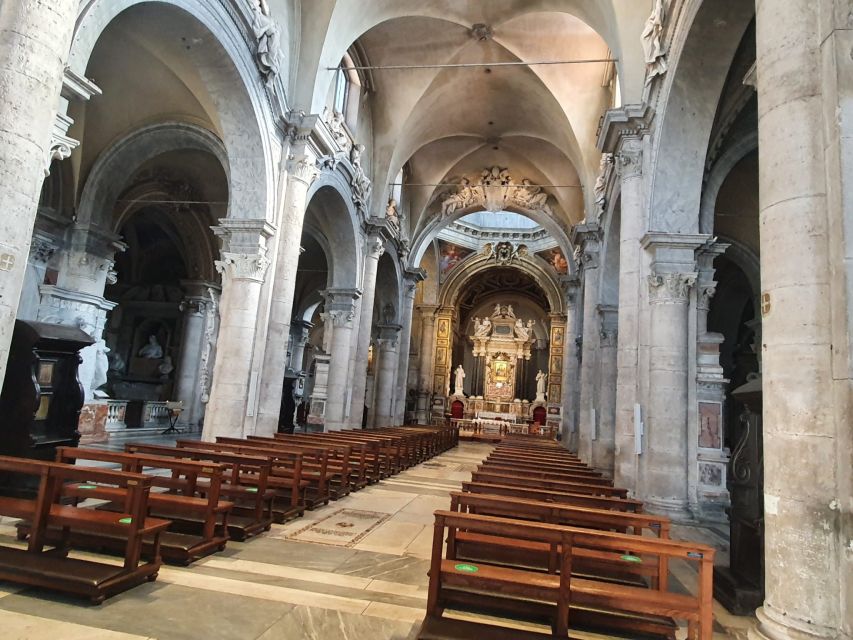
- Three church masterpieces in place: Santa Maria del Popolo, St. Augustine, and the Contarelli Chapel
- Stops that match Caravaggio’s life: you’ll pass by Palazzo Madama and Giustiniani Palace
- Live guide with headsets: easier listening in busy interiors
- A storytelling style, not a textbook lecture: guides focus on art plus how Caravaggio worked
Caravaggio’s Rome in 2.5 Hours: What Makes This Walk Work
If you want Caravaggio without the chaos of big museum days, this tour is a solid fit. You’re not spending half your day in one building; you’re moving street to street and church to church, with the guide helping you connect the dots between the artist’s world and the paintings you’re seeing.
The pacing is built for a focused walk: about 2.5 hours, with time at each stop so you can actually look and listen. Headsets are included, which matters in Rome. Churches are quiet until they’re full, then suddenly you’re competing with footsteps, echoes, and other groups. With headsets, you can stay oriented and keep your attention on the art instead of searching for the guide’s voice.
This is also one of those tours where the small details help. You pass by places associated with Caravaggio’s residences, then you see major works in the churches where they belong. That sequence makes the story easier to hold in your head as you go.
You can also read our reviews of more walking tours in Rome
Starting at Piazza del Popolo: Find the Voyager Flag Fast
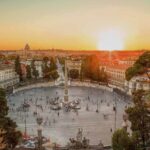
The experience begins at Piazza del Popolo, and the guide will be holding a flag with the Voyager logo. This is simple, but it’s also where you can lose time if you arrive late or don’t locate the flag right away.
I recommend getting there a bit early and scanning for the flag before you do anything else. One issue that can happen on walking tours is missing the group at the start. So think of it as a small “get your bearings fast” moment.
Once the group is together, you’ll set off through Rome’s old streets toward the first church stop. That early stretch is important: it helps you shift from city-watching mode into look-and-learn mode before the art appears.
Basilica Santa Maria del Popolo: Where Two Major Works Change the Mood
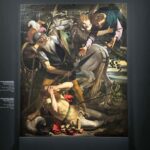
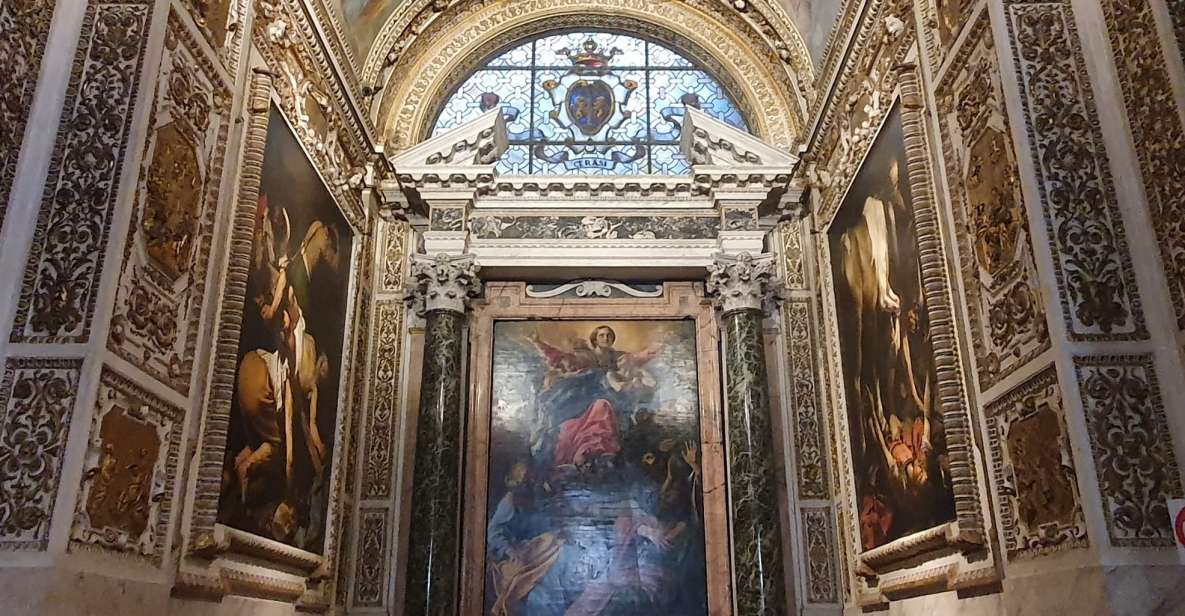
Your first big stop is Basilica Santa Maria del Popolo, where you’ll see two Caravaggio works:
- The Crucifixion of St. Peter
- The Conversion of St. Paul
This is a strong opening because it sets the tone. You’re walking in daylight, then stepping into a church and meeting paintings that demand attention. The guide’s job here is practical: helping you understand what you’re seeing and why these works mattered in their setting.
What I like about starting here is the way it gives you a first anchor. After the first two paintings, you’ll be more prepared to spot what the guide points out—technical choices, composition decisions, and how the paintings fit the religious setting they were made for.
A small consideration: churches can be busy and echo-y, so if you’re the type who needs silence to concentrate, you might want to use the headsets to focus and move with the group rather than hanging back for quiet.
Passing Palazzo Madama and Giustiniani Palace: Caravaggio’s Life on the Street Level
Between churches, you don’t just cross the map—you get a sense of the artist’s real neighborhood. You’ll pass Palazzo Madama and Giustiniani Palace, both connected to Caravaggio’s residences.
This part matters if you’re the kind of art lover who doesn’t want the artist floating in history. Seeing these stops in the middle of an active Roman street scene helps the story feel less like a biography and more like a lived routine—work, residence, and the daily movement through the city.
Even though you won’t spend long inside each residence site on this walk, the guide’s explanation is what turns the street view into context. I find these “outside stops” useful because they break the rhythm and keep the tour from feeling like nonstop church time.
Church of St. Augustine: The Madonna of the Pilgrims
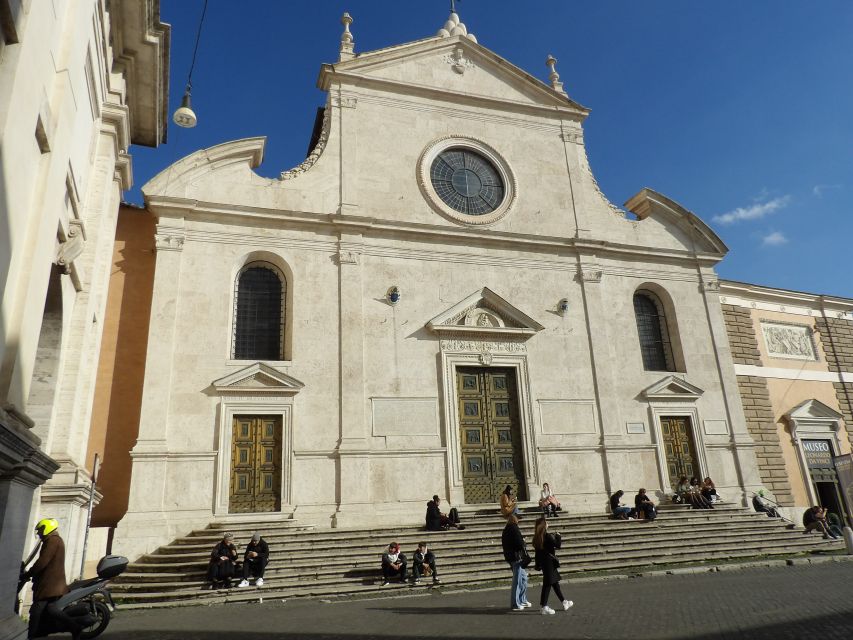
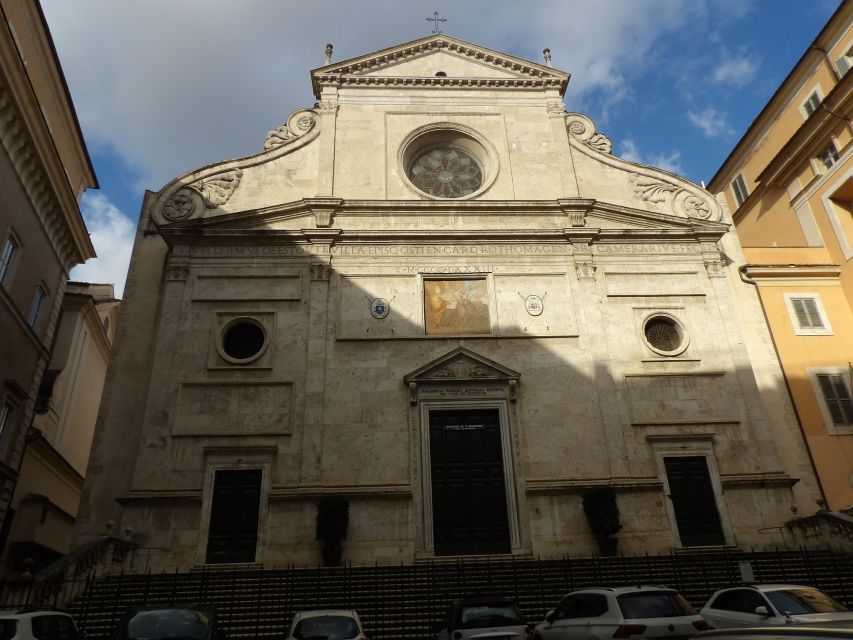
Next is Church St. Augustine, where you’ll see The Madonna of the Pilgrims. This stop continues the theme of religious subject matter, but it also shifts the emotional register. The guide’s narrative typically helps you keep track of Caravaggio’s approach and how his images fit the devotional purpose of each site.
I like that this tour doesn’t treat the churches as interchangeable backdrops. Each location has its own atmosphere and visual impact, and when the guide connects those dots, the paintings stop feeling like separate “checkpoints” and start feeling like chapters.
Practical tip: give yourself permission to slow down when you reach this church. It’s tempting to rush to the next stop, but this is where your guide’s storytelling helps the art stay in your mind.
You can also read our reviews of more guided tours in Rome





Contarelli Chapel in St. Louis of France: The Life of St. Matthew as the Finale
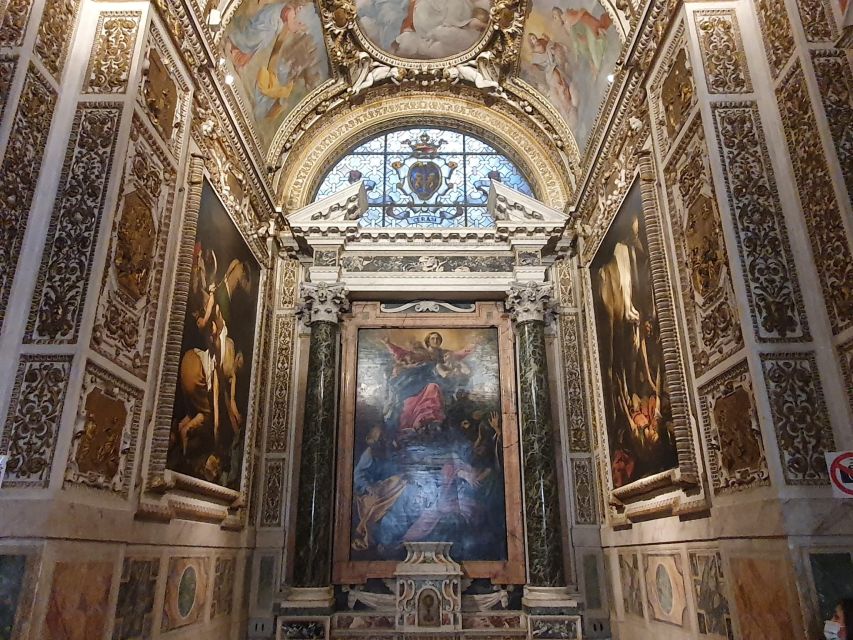
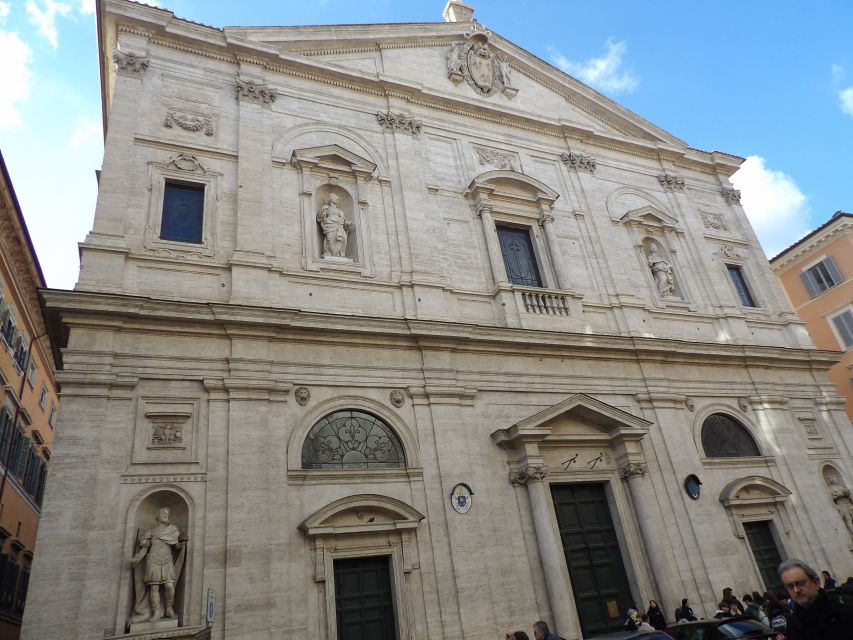
The last masterpiece is The Life of St. Matthew in the Contarelli Chapel, in St. Louis of France. Ending here is smart because it brings the tour’s momentum to a clear closing image: you finish with a scene-based work that feels like a culmination.
By the time you reach the chapel, you’ll have already seen multiple Caravaggio works and heard how the guide connects them to his technical skill and working life. That means the final stop lands with more weight. You’re not walking in cold; you’re ready to compare, remember, and notice what the guide highlights.
One more practical note: chapels are often tight spaces. Keep your place in the group, follow the guide’s pacing, and don’t try to change spots every few minutes. With headsets you can still pay attention without constantly moving around for a better view.
The Guide Makes It: Stories, Not a Lab Report
This tour earns its best feedback from guides who can explain Caravaggio in a way that feels human. Patricia, for example, has been praised for being passionate and for knowing lots about Caravaggio’s art and life. The vibe from these comments isn’t academic stiffness—it’s more like walking with someone who genuinely enjoys the subject and knows how to translate it into everyday language.
That’s what you want on this kind of walk. You’re seeing major works in multiple churches in a short time. Without a strong guide, you’d just be passing through rooms looking at pictures. With a good guide, you’ll be thinking, What was the point here? How does the painting work? Why does it fit this place?
Also, having audio support in English and Italian can help if you lose a detail while moving between sites. It’s there as a backup while you listen to the live narration.
Dress Code and Comfort: How to Avoid Getting Stuck Outside
Church entry rules are the big day-to-day issue on this tour. You’ll need:
- shoulders and knees covered (both men and women)
- no shorts
- no short skirts
- no sleeveless shirts
You should also plan for the practical side:
- comfortable shoes (this is a moderate-walking experience)
- comfortable clothes that won’t make you sweat through a church visit
Bad weather can change comfort fast, because you’ll be walking between stops. If you’re deciding between fashion and function, choose function. This tour rewards people who can move easily and not fuss with clothing adjustments mid-walk.
One more important note: this tour is not suitable for people with mobility impairments. The route involves walking through central Rome and entering places of worship.
Price and Value: Is $71 Worth 3 Churches and Headsets?
At $71 per person for a 2.5-hour guided walk, the value comes from what you actually get:
- a live guide (English or Italian)
- headsets for clearer listening in busy interiors
- access to three major churches featuring named Caravaggio works
- a route that includes related life sites you pass by (Palazzo Madama and Giustiniani Palace)
If your plan is “I want Caravaggio, but I don’t want to plan each church and line up with self-guided explanations,” this is the kind of tour that can save energy. You pay for interpretation and sequencing—someone else handles the order, the context, and the art-focused listening.
On the flip side, if you already know Caravaggio well and you prefer to wander at your own pace, you might feel boxed in by the group schedule. Also, food and drinks aren’t included, so budget for a snack or plan your meal timing around the tour.
When Logistics Matter: Finding the Group and Handling Closures
Two things can throw off a short walking tour: starting point confusion and sudden site closures.
Starting point confusion is mostly avoidable. Look for the guide with the Voyager logo flag. If you’re late, you risk ending up at the wrong spot. One reported problem was the guide being hard to find at the start, leading to lost time while the person waited and then entered a church alone.
Closures are another factor. Management of museums, archaeological sites, or cultural heritage authorities may close sites totally or partially. If communication reaches the tour provider in time, they may provide alternatives. If closures are sudden and out of control, you might not get alternatives, and no refund is possible.
So: be flexible in your expectations. This is Rome—things can change fast.
Who This Tour Suits Best (and Who Should Skip It)
This tour is best for you if:
- you want Caravaggio through the places where he worked, not just distant art facts
- you like a guide who tells stories and makes the art easier to follow
- you’re comfortable with a moderate walk and church dress rules
It may be a poor match if:
- you can’t meet the church dress requirements
- you need an accessibility-friendly route (it’s not suitable for mobility impairments)
- you strongly dislike guided groups and prefer total independence
If you’re visiting Rome for a short stay, this is a high-concentration art option. Three churches with major works in one guided loop can give you a lot more than piecing it together on your own—especially if you appreciate context and a clear narrative.
Should You Book This Caravaggio Walking Tour?
Yes, consider booking if you want a focused, art-centered walk that connects Caravaggio’s work to the streets and churches tied to him. The inclusion of headsets and the strong reputation for storytelling guides (like Patricia) are the reasons I’d feel comfortable recommending it.
Hold off if you know you’ll struggle with the dress code, the walking pace, or accessibility needs. And on arrival day, make sure you find the guide’s Voyager flag early so your tour starts smoothly.
If you want Caravaggio in the exact places tied to him, this is a practical way to do it in one smooth 2.5-hour block.
FAQ
How long is the Rome Caravaggio guided walking tour?
It lasts 2.5 hours.
Where does the tour start, and how will I recognize the guide?
The tour starts at Piazza del Popolo. The guide will have a flag with the The Voyager logo.
What is the price per person?
The price is $71 per person.
Which languages are offered on the tour?
The tour is offered in English and Italian.
What’s included in the price?
You get a live guide and headsets. An audio guide is included in English and Italian.
What is not included?
Hotel pickup and drop-off, plus food and drinks, are not included.
What should I bring?
Bring a passport or ID card, along with comfortable shoes and comfortable clothes.
Is there a dress code?
Yes. Shorts, short skirts, and sleeveless shirts are not allowed. You must have your shoulders and knees covered for entry to places of worship.
Is the tour suitable for people with mobility impairments?
No, it is not suitable for people with mobility impairments.
Can I cancel and do I have flexible payment options?
You can cancel up to 24 hours in advance for a full refund. You can also reserve now and pay later.