REVIEW · ROME
Rome: Barberini Palace Guided Tour
Book on GetYourGuide →Operated by Doooing · Bookable on GetYourGuide
Rome’s art gets personal at Palazzo Barberini. In just 2 hours, you see how one family shaped what you can still visit today, with major paintings and Baroque architecture under a live guide. It’s a focused route through the Barberini story, not a checklist.
I like this tour for two reasons. First, the guide connections feel practical: art, politics, and religion line up instead of sitting in separate boxes. Second, I love the way the artworks are treated in context, and it shows in the guide experience—people like Zenda and Federica have a knack for linking architecture to the historical moment, so you actually understand what you’re looking at.
One consideration: a couple of signature works can be missing depending on your travel dates. Caravaggio’s Judith Slaying Holofernes is on loan during parts of 2025–26, and the 18th-century rooms close for a limited stretch in 2025. If your dates match those windows, you’ll still get plenty—but manage expectations.
In This Review
- Key Things I’d Watch For Before You Go
- Entering the Palazzo Barberini: The Meeting Point and the First Look
- Why the Barberini Family Story Changes How You See the Art
- Raphael’s La Fornarina: The Renaissance Moment You Don’t Want to Miss
- Caravaggio’s Judith Slaying Holofernes: A Masterpiece With Date-Dependent Reality
- Pietro da Cortona and the Divina Provvidenza Ceiling: Baroque Theater Overhead
- Bernini and Borromini: Two Styles, One Palace Statement
- Other Masterpieces in the Route: Holbein, Tintoretto, and More
- Temporary Closures and Loan Dates: Plan Around the Big Missing Pieces
- “Hidden Gems” Around the City: What That Usually Means on a Short Tour
- What 2 Hours Feels Like: Pace, Group Size, and How to Get Your Best Experience
- Practical Tips That Matter (Luggage, Timing, and Getting In)
- Who Should Book This Tour (And Who Might Skip It)
- Should You Book the Rome: Barberini Palace Guided Tour?
- FAQ
- Where is the meeting point for the tour?
- How long is the Rome: Barberini Palace Guided Tour?
- Which languages are available for the live guide?
- Does the tour include skip the ticket line?
- Is luggage or large bags allowed?
- What’s the maximum group size?
- Is the tour suitable for wheelchair users or people with mobility impairments?
- Can I cancel and get a full refund?
Key Things I’d Watch For Before You Go
- Small group feel (max 20): you’re less likely to get lost in the shuffle.
- Skip the ticket line: time in Rome is precious; this helps you start faster.
- Caravaggio timing matters: Judith Slaying Holofernes may be off display for scheduled loans.
- Baroque ceiling by Pietro da Cortona: this is the kind of ceiling moment you’ll remember later.
- Raphael’s La Fornarina: a must-see Renaissance icon if it’s on your route.
- Borromini + Bernini in the same palace world: two geniuses, one family statement.
Entering the Palazzo Barberini: The Meeting Point and the First Look
You’ll meet inside the garden of Palazzo Barberini, near the fountain, at Via delle Quattro Fontane 13 (00184 Roma). Look for staff holding a blue flag that says Doooing Experience. If you like having a backup, the coordinates are 41.903358459472656, 12.489826202392578, and the address is easy to plug into Google Maps.
This start matters. The garden setting gets you oriented before you move indoors, and it reduces the classic Rome problem of arriving, asking where to go, and then losing your group. With a maximum group size of 20, you should still be able to keep up without sprinting.
From there, the tour is designed to move at a pace that fits the 2-hour window. You’re not stuck in long corridors for the sake of walking—you’re flowing between key works and the rooms that explain why they exist.
You can also read our reviews of more guided tours in Rome



Why the Barberini Family Story Changes How You See the Art
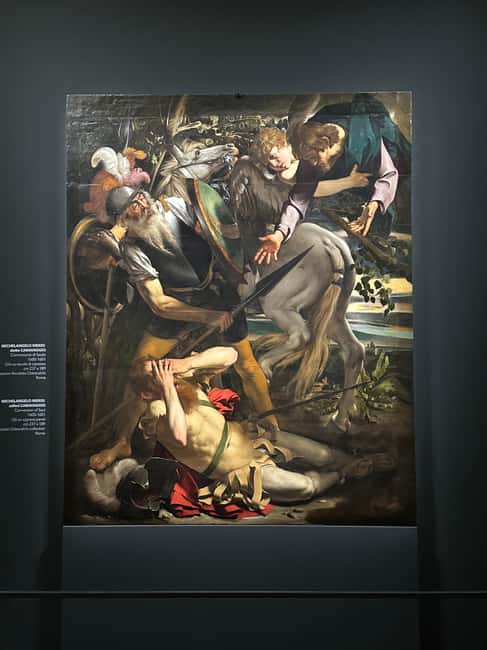
The core idea here is simple: the Barberini family weren’t just wealthy patrons. They influenced which artists got major commissions and how art was used in public life.
A good guide will connect that to what you’re viewing. You’ll hear about the political and religious changes that shaped the creation of these works, and that’s not trivia. It changes the tone of what you see. The same image can feel like pure beauty in one context, and like a message with strategy in another.
In practice, you’ll get a guided path through masterpieces while learning how the Barberini name carried weight across art and culture. This is also why the guide’s ability to bridge art and architecture matters. When someone explains why a palace or ceiling looks the way it does, it stops feeling decorative and starts feeling intentional.
Raphael’s La Fornarina: The Renaissance Moment You Don’t Want to Miss
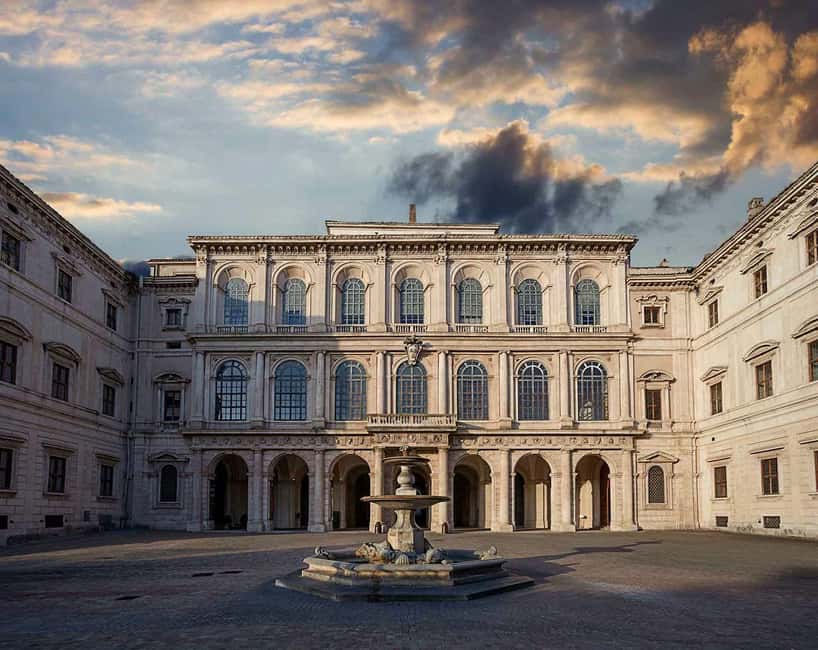
Raphael’s La Fornarina is a headline piece on this tour. If you’re the type who likes seeing one work that instantly “clicks,” this is that stop.
This matters in a practical way. In Rome, your eyes see a lot of paintings across a lot of buildings. La Fornarina gives you a clean anchor in the Renaissance style, so when the tour shifts later into Baroque drama, you’ll feel the contrast instead of treating it as random art hopping.
I’d expect the guide to help you notice why this work became iconic—how it fits the Renaissance language of form and meaning, and how it fits into the Barberini world as patrons of art. Even if you’re not a hardcore art student, this is the kind of piece that rewards a few minutes of focused looking.
Caravaggio’s Judith Slaying Holofernes: A Masterpiece With Date-Dependent Reality
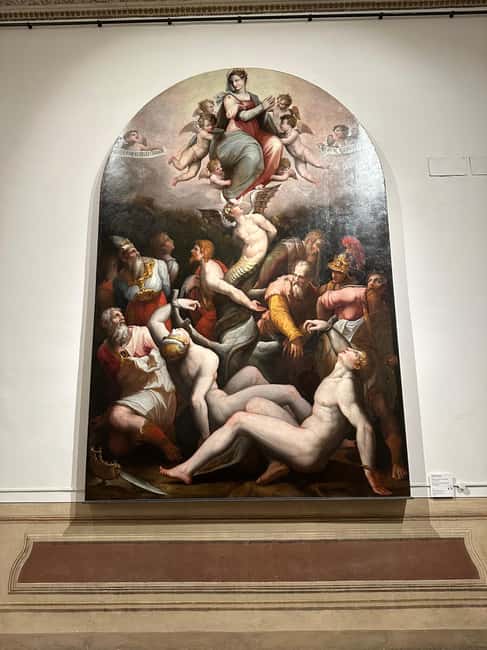
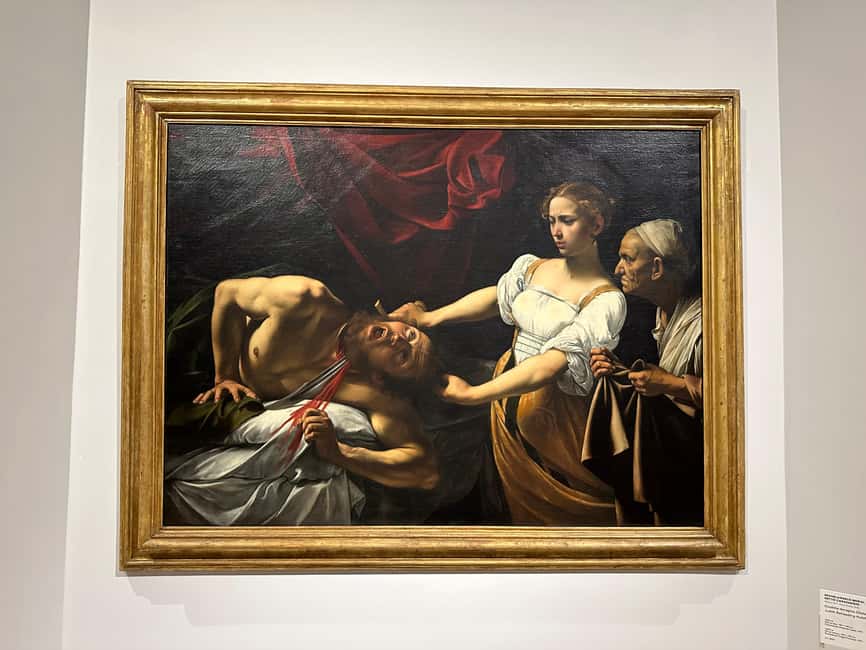
Caravaggio’s Judith Slaying Holofernes is described as one of his most powerful and dramatic paintings. That intensity is the point: Caravaggio tends to hit fast. He doesn’t ask you to admire from a distance.
But here’s the part you must check before you plan your expectations: starting September 4th, this work won’t be on display until January 31, 2026, because it’s on loan to the KAM Art Museum in Fort Worth, Texas. Also, the info notes that it will not be available from the end of August 2025 until January 2026.
If your travel dates fall into that gap, don’t worry—you’re still in for a strong tour. Still, you should know the emotional center of Caravaggio might be missing. I’d treat Caravaggio as a bonus, not a guaranteed hit, unless you’ve confirmed you’re outside those loan dates.
Tip: if Judith is important to your trip, check your dates first. It’s the one “timing risk” piece clearly spelled out.
Pietro da Cortona and the Divina Provvidenza Ceiling: Baroque Theater Overhead
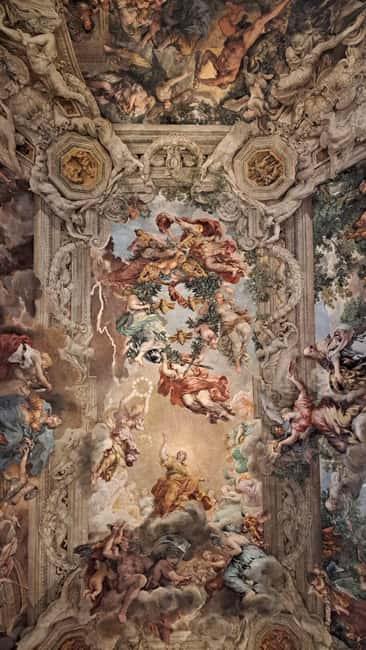
Next up is a ceiling highlight: Pietro da Cortona’s Divina Provvidenza. Baroque ceilings can be hit-or-miss if you’ve only seen them from the floor once or twice. This one is famous for a reason, and the guide helps you see what you’re looking at rather than just staring upward in confusion.
The practical value of a guided ceiling stop is simple: you’ll get direction on what matters—composition, movement, and the way the ceiling supports the palace’s overall message. That makes the ceiling feel like part of the building’s story, not something you walked past.
This is also where you start to understand why the Barberini era feels different from the Renaissance. The Baroque approach leans into drama and persuasion. You’ll feel it in the ceiling and carry it into the architecture later.





Bernini and Borromini: Two Styles, One Palace Statement
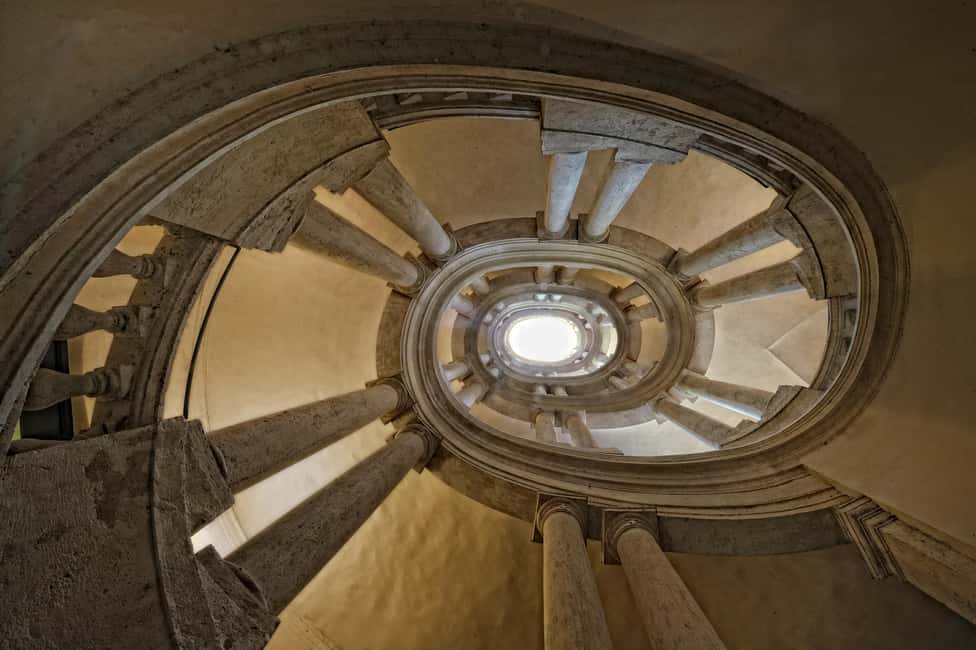
This tour is also built around the architectural genius of Bernini and Borromini inside the Barberini Palace world. Even if you don’t know these names beyond the basics, the guide should help you spot the differences in how each architect thinks.
Here’s the quick way to use this tour effectively: don’t try to memorize architectural terms. Instead, look for personality. Baroque architecture often pushes motion, light, and intensity. The guide framing helps you connect those choices to the cultural aims of the family and the era.
And because you’re seeing it inside one cohesive palace setting, you can compare the approaches in a way that’s harder if you’re jumping randomly between churches and palaces on your own. You get a tighter story line.
Other Masterpieces in the Route: Holbein, Tintoretto, and More
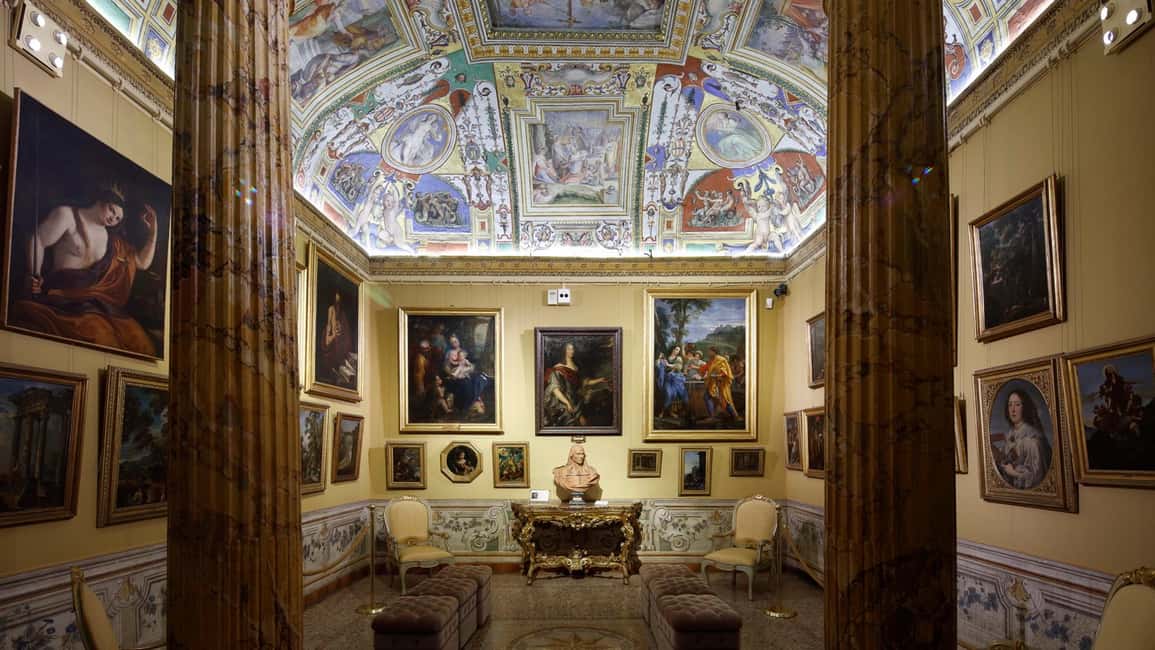
The collection on this tour includes more big names beyond the headline trio. You’ll see works by Holbein and Tintoretto, plus pieces attributed to Bernini and Borromini’s broader artistic circle, depending on what’s on view for your dates.
This is where your guide makes a difference. With so many artists, it’s easy to lose the thread and end up thinking: I saw a lot of famous paintings. A good guide helps you connect each one to the main theme—what the Barberini family wanted art to do in their world.
If you’re the type who loves variety, you’ll appreciate this. If you prefer one-artist focus, you might find it fast. Still, the tour’s structure is built to keep the context strong so the variety doesn’t turn into chaos.
Temporary Closures and Loan Dates: Plan Around the Big Missing Pieces
Rome rewards flexible planning, and this tour explicitly has two date-based issues you should know.
1) 18th-century Rooms of Palazzo Barberini temporarily closed
Starting August 26th, those rooms close to the public until October 21st. If you’re visiting in that window, expect some rooms to be off-limits even though the tour still runs.
2) Caravaggio’s Judith Slaying Holofernes loan
Starting September 4th, Judith won’t be on display until January 31st, 2026. The note also says it won’t be available from the end of August 2025 until January 2026.
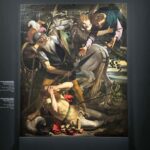
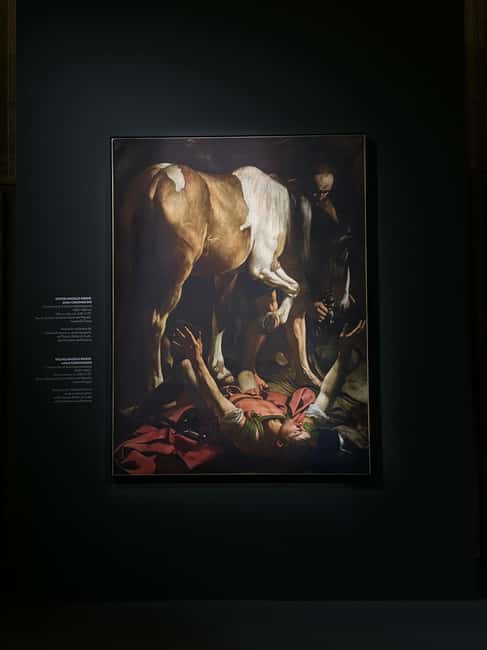
There’s also one “good to know” exhibition note tied to a private collection work: Conversion on the Way to Damascus (Italian: Conversione di Saulo) is scheduled for exceptionally展示 in the palazzo until September 30, 2025. If your trip is before then, that could add extra meaning to the religious-political thread the guide is bringing.
“Hidden Gems” Around the City: What That Usually Means on a Short Tour
The highlights mention visiting famous landmarks and hidden gems around the city. With a 2-hour duration, I don’t expect you to be sent across Rome on foot for long detours.
Instead, think of it as short, high-value stops: quick orientation points, nearby context, and likely a couple of on-foot glimpses that help you connect what you saw indoors to what you’ll see outside. It’s the kind of add-on that turns the tour from a museum-only experience into a Rome-shaped experience.
The best way to handle this part is to stay alert at transitions. When the guide offers a quick explanation, that’s when you’ll get the “aha” moment you’ll remember.
What 2 Hours Feels Like: Pace, Group Size, and How to Get Your Best Experience
The tour runs 2 hours and keeps groups to a maximum size of 20. That’s ideal for this type of content. Too-large groups flatten the guide’s ability to explain, and too-small groups often turn into long waits or bottlenecks at the best stops. Here, you should get a steady pace without losing the thread.
You also get skip the ticket line, which is a real value point in Rome. The hour you save is the hour you get back for gelato, a walk, or another museum that you might otherwise cut.
Inside, the focus is on guided seeing, not speed. You’ll be moving between major works and architecture, with explanations about how politics and religion influenced the art. If you like context more than trivia, this format is built for you.
Practical Tips That Matter (Luggage, Timing, and Getting In)
A few practical notes can save you stress:
- No luggage or large bags are allowed. Travel light. If you’re carrying a big daypack, you might still be fine, but avoid rolling suitcases or bulky items.
- The tour isn’t suitable for people with mobility impairments or wheelchair users. If accessibility is an issue, you’ll want to choose a different Rome activity.
- Languages are Spanish, Italian, and English, so you can match your comfort level.
Also, plan for the temporary closures. If you’re traveling during late August through October 21, some rooms may not be part of the visit. If you’re hoping for Caravaggio’s Judith, confirm you’re outside the loan window.
Who Should Book This Tour (And Who Might Skip It)
This is a strong match if:
- you want a paintings + architecture story in one package
- you like when a guide connects art to the political and religious climate that shaped it
- you’re interested in Raphael, Caravaggio (depending on dates), and the Baroque big names like Pietro da Cortona, Bernini, and Borromini
- you want a 2-hour win without committing half a day
You might consider skipping (or at least checking dates closely) if:
- you’re specifically traveling for Caravaggio’s Judith and your dates fall into the loan period
- you need full access for mobility needs, since the tour is not suitable for wheelchair users
If you do book, you’ll get a focused, high-impact overview of the Barberini world—less wandering, more meaning.
Should You Book the Rome: Barberini Palace Guided Tour?
Yes, I think you should book it if your dates are outside the Caravaggio loan window or if you’re happy to treat Judith as a potential bonus. Even with closures, the tour still centers on major works and architectural names that help you understand why Rome’s Baroque looks the way it does.
This is also a good choice for value. You’re getting a live guide in English, Italian, or Spanish, a small group size, and skip-the-line entry, all in a tight 2-hour format. The payoff is the context—especially the way the guide links artworks and architecture to the historical moment, the kind of approach highlighted by guides like Zenda and Federica.
If you’re going in late August through October 21, just expect that some rooms won’t be accessible. If you’re going for Judith Slaying Holofernes, check your dates first so you don’t build your entire trip around one work that may not be on display.
FAQ
Where is the meeting point for the tour?
Meet inside the garden of Palazzo Barberini near the fountain at Via delle Quattro Fontane, 13, 00184 Roma RM. Staff will be waiting with a blue flag that says Doooing Experience.
How long is the Rome: Barberini Palace Guided Tour?
The tour lasts 2 hours.
Which languages are available for the live guide?
The tour offers live guidance in Spanish, Italian, and English.
Does the tour include skip the ticket line?
Yes, it includes skip the ticket line.
Is luggage or large bags allowed?
No. Luggage or large bags are not allowed.
What’s the maximum group size?
The tour has a maximum group size of 20.
Is the tour suitable for wheelchair users or people with mobility impairments?
No. It is not suitable for people with mobility impairments or for wheelchair users.
Can I cancel and get a full refund?
You can cancel up to 2 days in advance for a full refund.