REVIEW · ROME
Rome: Paranormal Night Walking Tour & Secret Backstreets
Book on GetYourGuide →Operated by Global Experiences by Carpe Diem Tours Group · Bookable on GetYourGuide
Rome’s night streets have teeth. I love the 2-hour pace that fits neatly into a Rome evening, and the small group (up to 20) feeling that keeps the guide talking to everyone. The trade-off is it is still a steady cobblestone walk, and there’s no food or drinks included, so plan accordingly.
You’ll start at Piazza Campo de’ Fiori and follow a ghost-loving guide through quieter lanes where the city feels less like a postcard and more like a thriller. I’ve seen this format work best when the guide’s voice and timing are spot on, and names like Maham, Antonio, Domenica, Ana, Yousef, Sara, and Dinara show up again and again in the way people describe the storytelling.
Expect macabre tales about murders and executions, plus the kind of eerie details that make Rome feel brand new after dark, including talk of a chapel decorated with human bones and a corpse-lined bridge. If you want light, comedy-only sightseeing, you may find the tone too dark at times, even if it’s handled with care.
In This Review
- Key things I’d bet you’ll care about
- Where the tour starts: Piazza Campo de’ Fiori at night
- The haunted walk section: from Giordano Bruno to eerie church stops
- Statua di Giordano Bruno and Piazza Farnese
- Madonna della Pietà and the quiet religious details
- Chiesa di Santa Maria dell’Orazione e morte
- Ponte Sisto, mask motifs, and the art of seeing Rome off the main drag
- Santa Maria in Monserrato degli Spagnoli: a respectful kind of eerie
- Why Castel Sant’Angelo lands as a finale
- Guide quality: the part that makes the difference
- Price and value: is $34 worth it?
- When this tour fits best in your Rome plan
- Who should book, and who should skip
- Should you book this Rome paranormal night walking tour?
- FAQ
- How long is the tour?
- What does it cost?
- Where does the tour meet?
- Where does the tour end?
- Is the tour in English?
- What’s the group size limit?
- Are food and drinks included?
- What should I know about timing and refunds?
Key things I’d bet you’ll care about
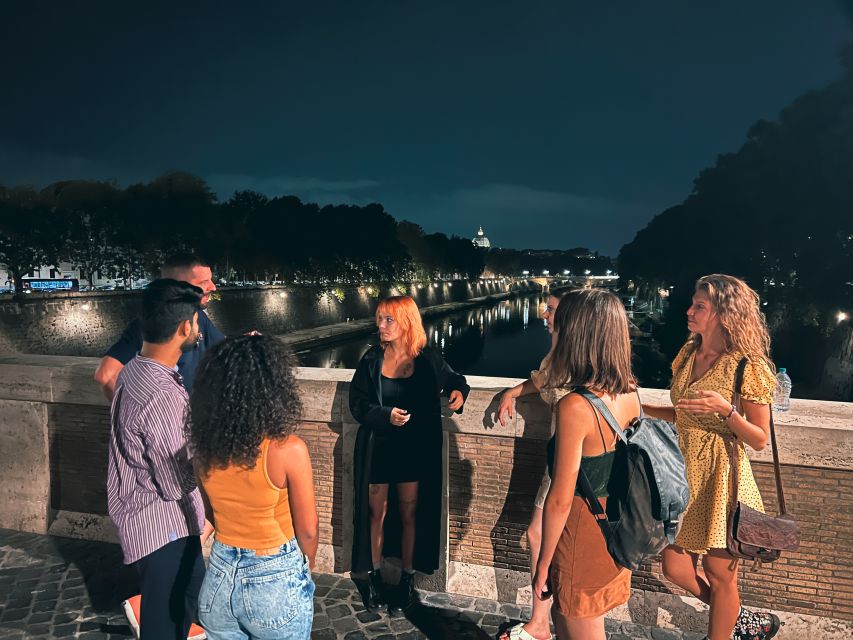
- Up to 20 people max means you’re not lost in a crowd while the guide tells the story
- English live guide keeps the haunting clear, not vague or rushed
- Route from Campo de’ Fiori to Castel Sant’Angelo gives you a satisfying night-meal arc of sights
- Stops include well-known landmarks and side streets so you see Rome beyond the obvious routes
- Spooky, not just spooky-sounding: the stories lean into crimes, executions, and the darker side of past centuries
Where the tour starts: Piazza Campo de’ Fiori at night
You meet in Piazza Campo de’ Fiori, under the statue of Giordano Bruno, with your guide holding a yellow Carpe Diem Tours flag or sign. This is a clever start point because it’s central, easy to find, and it’s the kind of place that already has a serious atmosphere after dark.
Arrive at least 10 minutes early. Late arrivals aren’t eligible for refunds, and more importantly, you don’t want to miss the opening setup where the guide frames the walk and your group. The early minutes matter here: it’s when the tour tone locks in, whether you’re leaning into the spooky mood or trying to keep one hand on your camera at all times.
Campo de’ Fiori also works well for the practical side. Before the walk gets quiet, you get a clean launch into the night routes, and you’re not trying to sprint across Rome to catch up later.
You can also read our reviews of more walking tours in Rome
The haunted walk section: from Giordano Bruno to eerie church stops
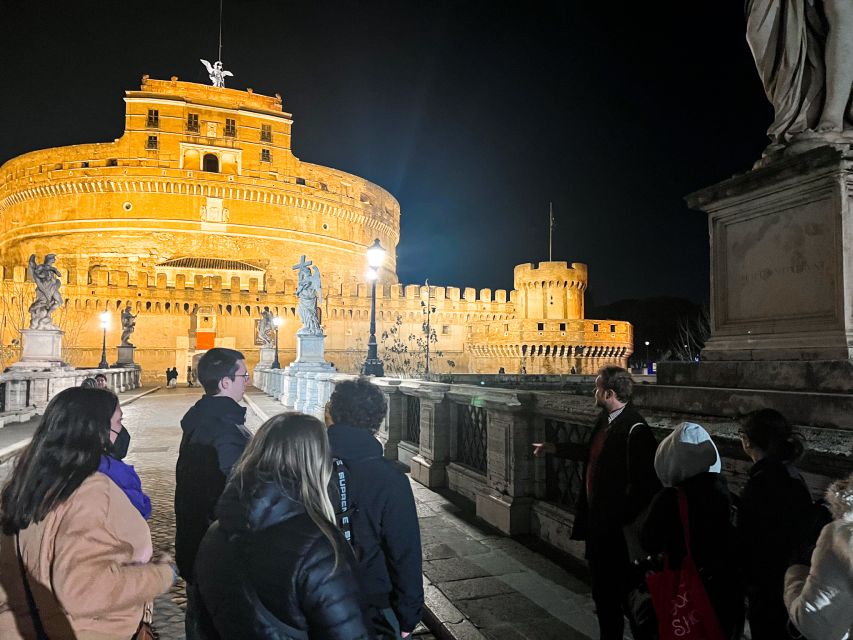
From the statue of Giordano Bruno, the tour moves through a chain of stops designed to feel like a slow reveal. You’ll spend around 15 minutes per stop on guided narration and sight time, which is a great rhythm for this kind of tour. It keeps everyone attentive, and it prevents the typical problem of ghost tours that drag too long or hit a wall halfway through.
Here’s what you should expect as the story unfolds:
Statua di Giordano Bruno and Piazza Farnese
You’ll begin with Giordano Bruno’s statue and then head toward Piazza Farnese. These locations set you up for a shift from daytime Rome sightseeing into something moodier. The guide uses the landmarks as triggers for the stories, so you’re not just staring at stone. You’re listening for the thread that connects the city’s past to what you can see now.
I like this approach because it makes famous spots feel less like checkboxes. Even if you’ve walked past Piazza Farnese earlier, the evening explanation turns it into a scene.
Madonna della Pietà and the quiet religious details
You’ll also stop at Madonna della Pietà, Madonnelle, a small shrine-style moment. These are the kinds of stops that often get skipped on normal Rome walks. On this tour, they matter because they help the guide move from big, public history into smaller, intimate images that make the stories feel close.
Chiesa di Santa Maria dell’Orazione e morte
One of the most striking themes on the tour is the mention of a chapel decorated with human bones. That’s the kind of detail that can swing the whole emotional tone of a night walk, and it fits the vibe of an ossuary-type church experience. Even if you’re not looking for anything graphic, expect the guide to treat it respectfully while still leaning into the spine-tingling atmosphere.
If you’re squeamish, it’s smart to mentally prep for this. The tour is built around horror-history tales, including bloody executions and murders, so your tolerance for that topic is the real deciding factor.
You can also read our reviews of more evening experiences in Rome

Ponte Sisto, mask motifs, and the art of seeing Rome off the main drag
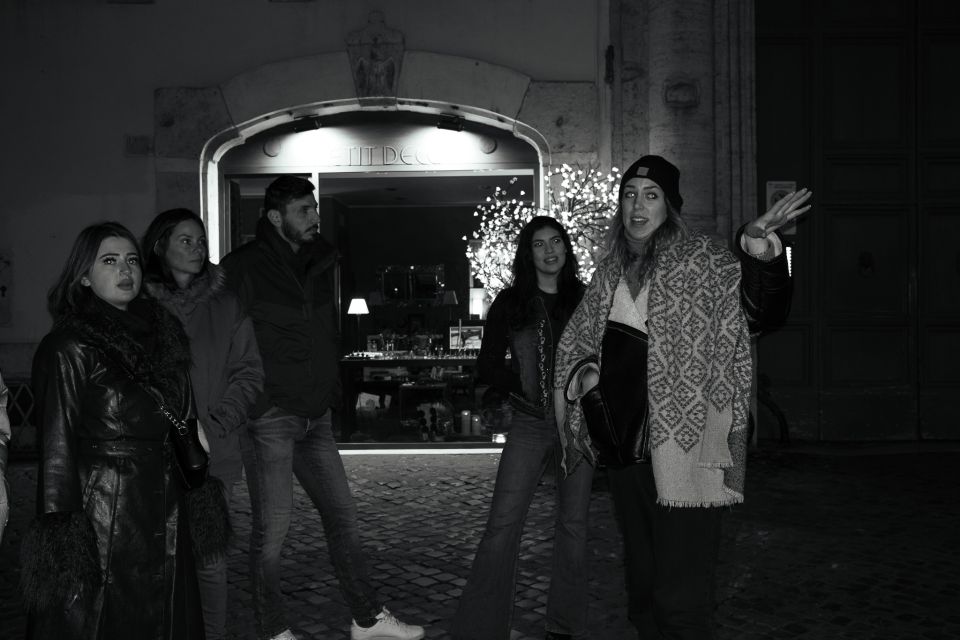
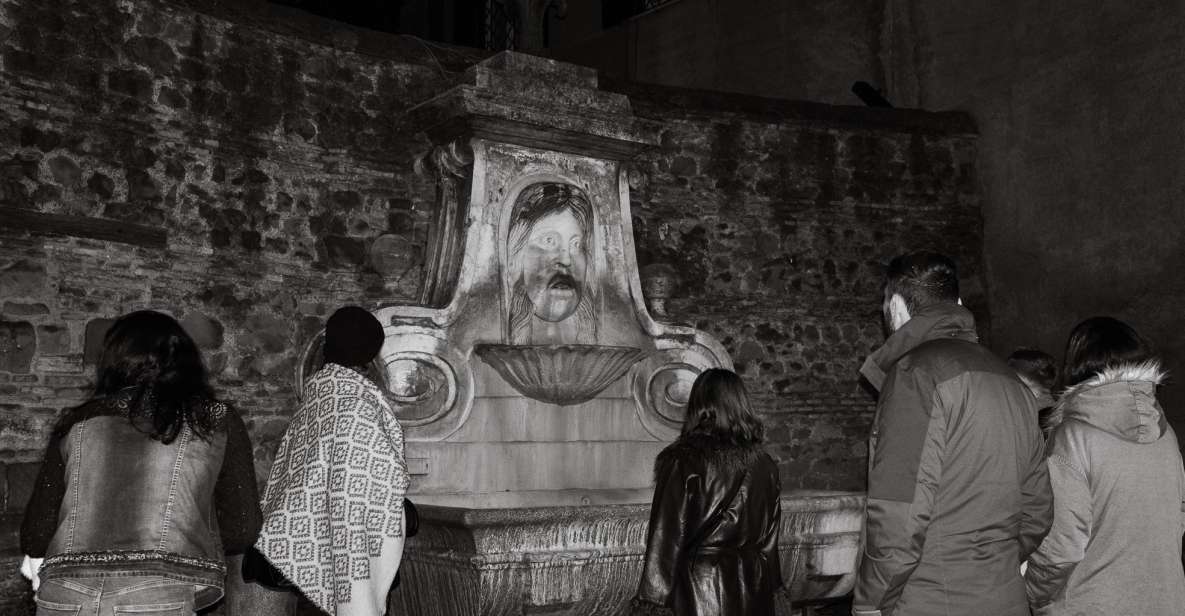
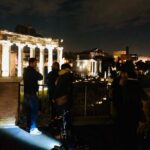
After the earlier set of landmarks, the tour starts to feel more like Rome at street level. You’ll pass Ponte Sisto, then continue toward the Fountain of the Mask. This is the part of the walk where the city starts to feel like backstreets, not just sights.
Ponte Sisto matters because bridges are natural story platforms. They create a break in the route, a pause point for narration, and a slightly cinematic feeling as you move along the river-area viewpoints.
The Fountain of the Mask is a fun reminder that Rome’s “haunting” isn’t only about grim history. It’s also about how symbols show up in everyday details. On a night tour, those details read differently. I like that you get a mix here: the guide keeps it moving between chilling themes and unusual visual cues so the tour doesn’t become one long, heavy monotone.
Then you head toward Clivo di Rocca Savella, which is exactly the kind of street name you’d forget and walk past in daylight. At night, slopes, narrow lanes, and sudden turns make everything feel closer and stranger. It’s not just about being spooky. It’s about seeing how the city is actually built.
Santa Maria in Monserrato degli Spagnoli: a respectful kind of eerie
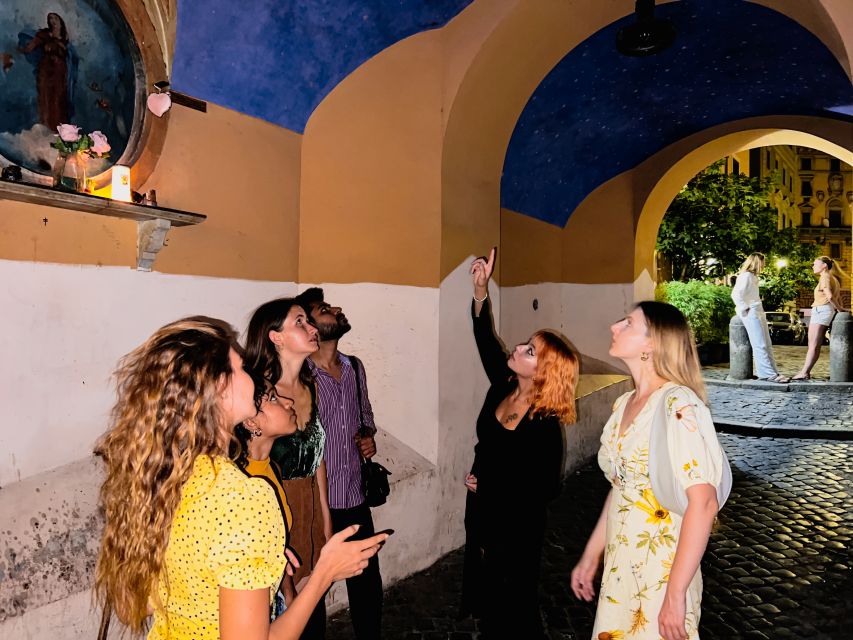
Santa Maria in Monserrato degli Spagnoli is on the route, and religious stops are usually where ghost tours can either feel tacky or feel thoughtful. The best guides keep it human—stories with context, no cheap theatrics.
The tour description signals a blend of macabre legend and real historical events, including executions connected to powerful figures like popes, emperors, and artists. The point isn’t to shock you. It’s to show how the city’s darker past shaped what people built, preserved, and feared.
If you like history that has emotional edges, this is one of the stops that tends to land well. If you’re hoping for classic “boo” ghost scares, this isn’t that. This is more like haunted Rome: footsteps, whispers, and history turned into atmosphere.
Why Castel Sant’Angelo lands as a finale
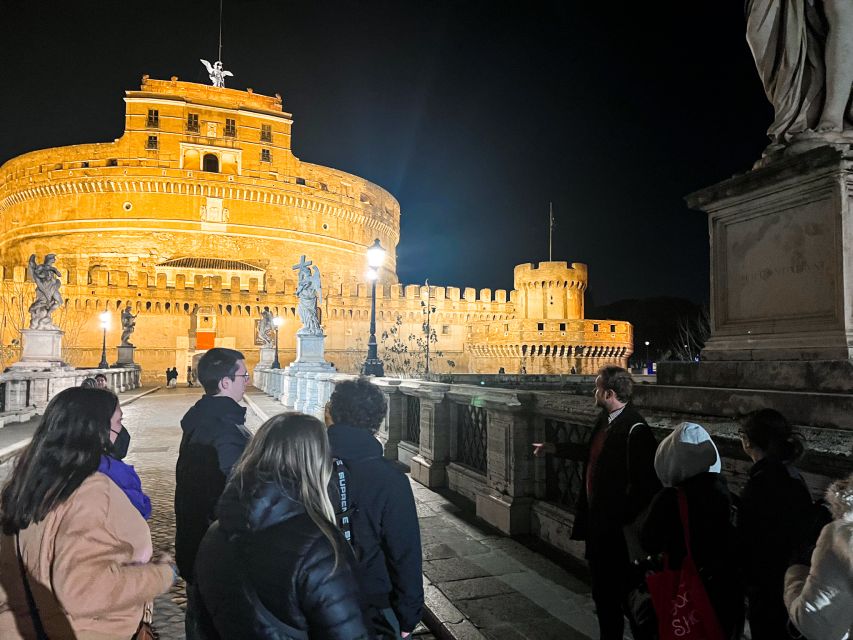
The tour finishes at Castel Sant’Angelo, which is a smart end point for two reasons.
First, it’s a big, visual “wrap-up” moment. After 2 hours of moving through smaller spaces and side streets, you get something that feels monumental and final.
Second, Castel Sant’Angelo naturally matches the tour’s theme of power and past violence. Even if you don’t know every chapter of Roman history, you can feel how the city’s darker stories would attach to an imperial fortress vibe.
Also, finishing here helps you continue your evening without awkward logistics. You’re done with guided narration, but you’re in a high-recognition area where it’s easier to grab a next bite or plan your next stop.
Guide quality: the part that makes the difference
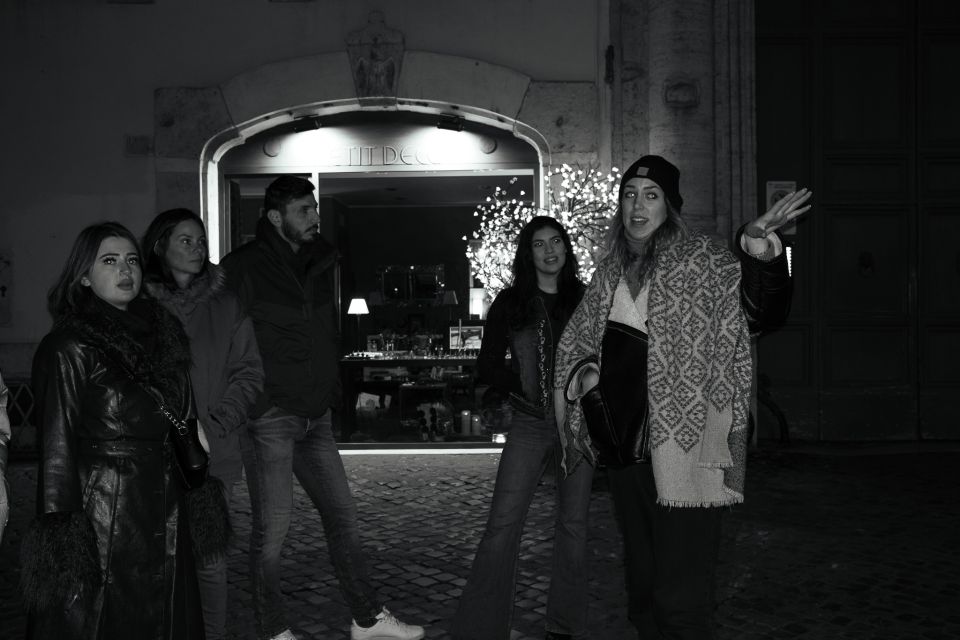
This is one of those tours where the guide isn’t a small detail. The guide is the product.
People consistently talk about guides like Maham, Antonio, Domenica, Ana, Yousef, Sara, and Dinara using storytelling skills that keep the group with them. A few themes show up again and again: a voice that carries well in a nighttime setting, strong historical explanation, and a sense of humor that lightens the mood without erasing the darkness.
I also like that the tone can be chilling without becoming cruel. One description specifically mentions a gentle, warm presence that makes the experience emotional rather than just scary. That’s the ideal balance for a ghost tour in a city like Rome, where the streets already feel theatrical after dark.
One practical note: the group max is 20, so the best guides make sure everyone can participate. If you’re the kind of traveler who asks questions, you’ll likely get moments to do it. If you’re shy, you’ll still be pulled along by the pacing.
Price and value: is $34 worth it?
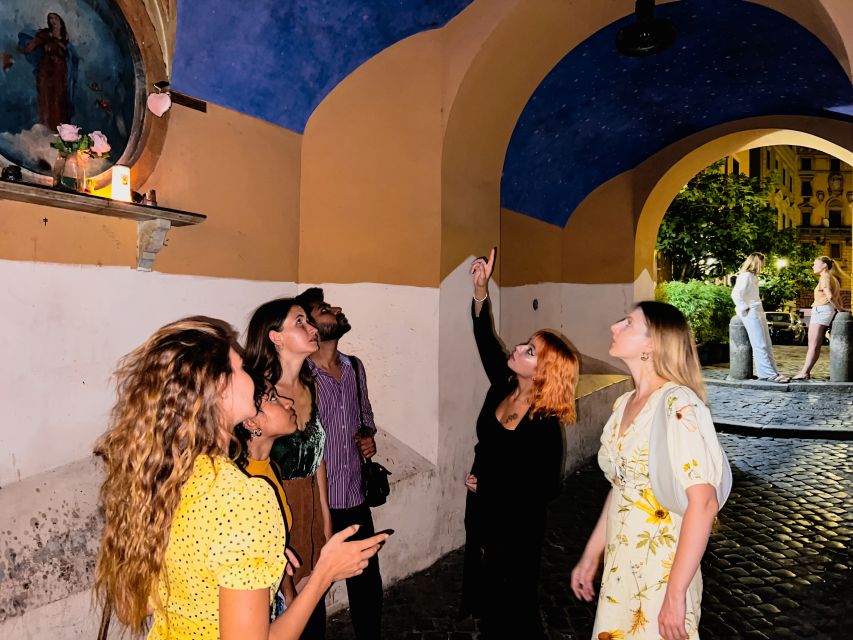
At $34 per person for a 2-hour guided walk, this tour is priced like a solid “experience add-on” rather than a budget attraction. You are paying for three main things:
- A live guide who handles the stories and route flow
- Multiple stops across well-known places and smaller streets
- A small group size (up to 20), which usually improves the quality of the interaction
No food or drinks are included, which matters because it keeps the total price lower than meal-combo tours. But it also means you should not plan to eat during the experience. If you want dinner afterward, consider doing this before you sit down or build in a snack plan before you meet.
In terms of value, I’d put it in the sweet spot: long enough to feel like you got a true evening program, short enough that you’re not dragging through Rome after a day of museums.
When this tour fits best in your Rome plan
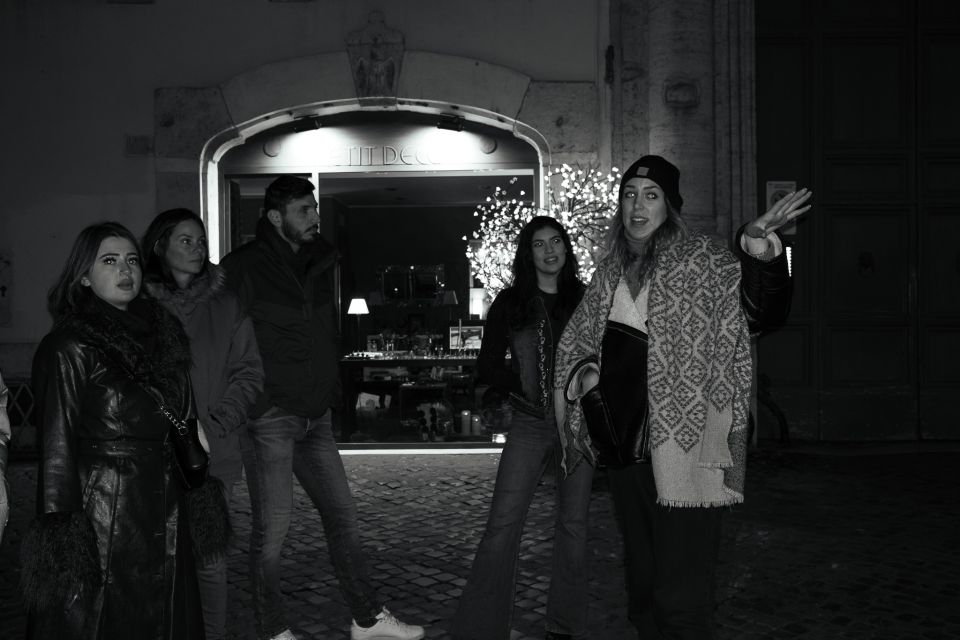
This tour shines when you want to balance Rome’s daytime spectacle with something that changes the mood.
Do it if:
- You’re tired of heat and daytime crowds and want a cooler, quieter Rome feel
- You want a structured way to see places like Campo de’ Fiori and end at Castel Sant’Angelo without getting lost
- You like stories that mix real events with folklore-like darkness
It’s also a good “second-day” activity after you’ve already seen the big-ticket monuments in daylight. The walking route makes more sense once you understand the city’s geography a bit. And if you’re the kind of person who likes to Google what you heard afterward, you’ll leave with plenty to look up.
Who should book, and who should skip
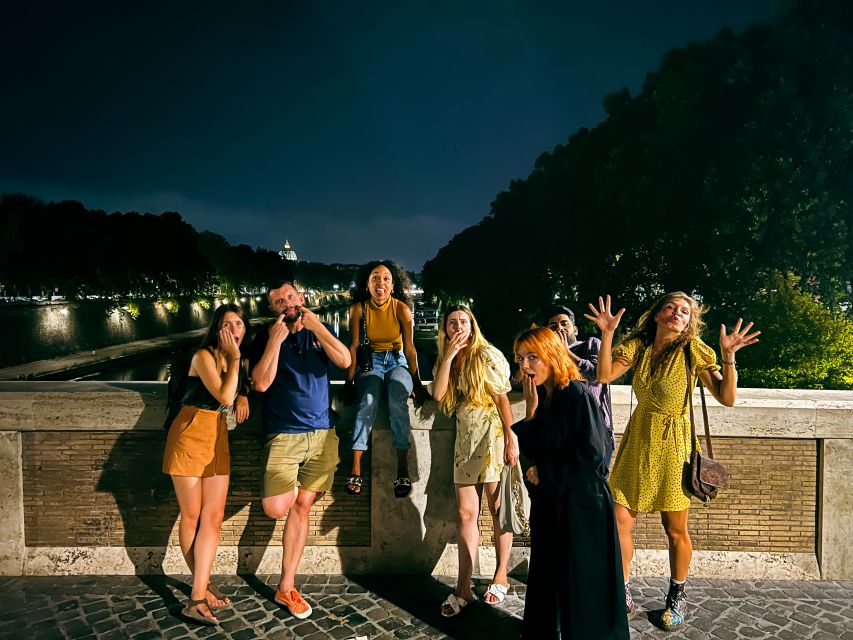
Book this if you want a fun, spooky night walk with a guide who tells stories well, and you’re okay with murders and executions being part of the theme.
Skip it (or consider another style of tour) if:
- You strongly dislike dark themes
- You want food included, because nothing is provided here
- You prefer short, gentle sightseeing and you don’t want a steady night walk
For everyone else, it’s a great way to see Rome from a different angle. The city’s best at night, and this tour gives you a guided reason to be out after dark.
Should you book this Rome paranormal night walking tour?
Yes, if you’re looking for an easy-to-fit-in 2-hour experience that mixes famous areas with quieter streets, guided by a story-first approach. The small group size and the consistent praise for guides like Maham, Antonio, Domenica, Ana, Yousef, Sara, and Dinara point to real value in the storytelling.
If you’re sensitive to the darker subject matter, go in with clear expectations. It’s not a ghost-hunting thrill ride. It’s haunted Rome history told in a way that makes the stones feel alive.
FAQ
How long is the tour?
The tour lasts 2 hours.
What does it cost?
It costs $34 per person.
Where does the tour meet?
The meeting point is Piazza Campo de’ Fiori, beneath the statue of Giordano Bruno, where the guide holds a yellow Carpe Diem Tours flag or sign.
Where does the tour end?
The tour finishes at Castel Sant’Angelo.
Is the tour in English?
Yes, the live tour guide speaks English.
What’s the group size limit?
The group size is capped at 20 people. Private group availability is also offered.
Are food and drinks included?
No, food and drinks are not included.
What should I know about timing and refunds?
You should arrive at least 10 minutes before the start time. Late arrivals are not eligible for refunds. You can cancel up to 24 hours in advance for a full refund.