REVIEW · ROME
Cooking Class in Rome: Make Fettucine & Tiramisù with Chef Paolo
Book on Viator →Operated by cheforaday · Bookable on Viator
Fresh pasta, plus tiramisù, in the heart of Rome. This Rome cooking class with Chef Paolo teaches you classic pasta technique using your hands, then you sit down to eat what you made with wine and limoncello. I especially like the step-by-step pacing for non-Italian speakers and the chance to choose your pasta sauce, from amatriciana to cacio e pepe. One drawback to consider: the restaurant spot is in central Rome but can be tricky to find without a clear sign, so give yourself extra time.
What makes this class feel genuinely Roman is the format: small group energy (up to 20), English instruction, and a meal that is part lesson, part celebration. Chef Paolo’s team keeps things moving, and the vibe can range from playful and welcoming to a bit sharp if you prefer super gentle coaching. If you’re sensitive to quick humor or you freeze when you’re learning, just set expectations up front and plan to take your time during the dough stage.
In This Review
- Key takeaways
- What You Actually Do: Fettuccine by Hand, Tiramisu “All Together”
- Chef Paolo’s Central Rome Setting: Location, Group Size, and How It Feels
- The Pasta Lesson: Egg, Flour, and the “Real Dough” Difference
- Sauce Choice and the Meal Assembly: What You Get with Your Fettuccine
- Tiramisu the Italian Way: Team Steps and Classic Results
- Wine, Limoncello, and the Value of Eating What You Cook
- What to Watch For: Instruction Style and the “Learning Curve” Reality
- Practical Tips: How to Make This Go Smoothly
- Who This Cooking Class Suits Best (and Who Might Skip)
- Should You Book This Cooking Class in Rome?
- FAQ
- How long is the Rome cooking class?
- Is the class offered in English?
- What does the class cost?
- What do I make during the class?
- Is wine included?
- What other drinks are included?
- What sauce choices are available for the pasta?
- What’s the minimum age for kids?
- What’s the cancellation window?
Key takeaways
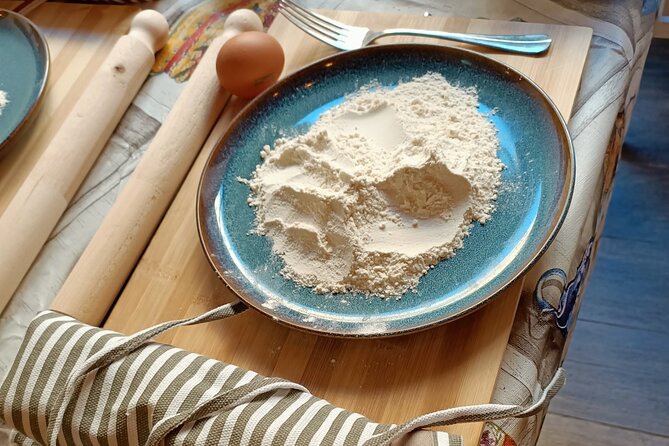
- Chef-led, hand technique: turn egg and flour into fresh dough you can repeat later.
- Two-part meal: fettuccine and tiramisù, made together and then eaten family-style.
- English-friendly: step-by-step guidance without a language barrier.
- Sauce choice up front: pick between amatriciana, cacio e pepe, or tomato with basil.
- Drink included: wine with your meal plus limoncello at the end.
- Take-home value: you get an award certificate and usually leave with recipe guidance.
What You Actually Do: Fettuccine by Hand, Tiramisu “All Together”
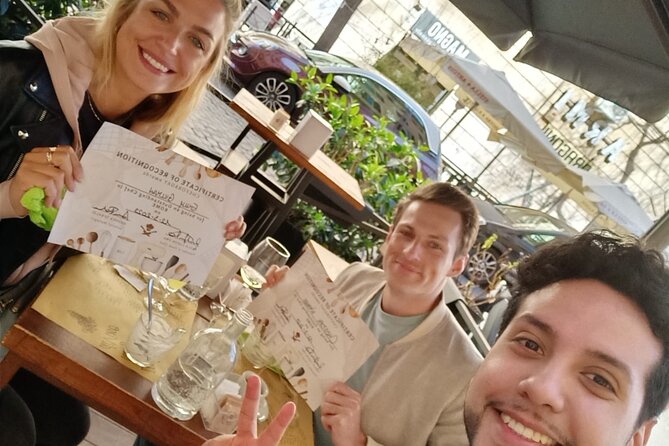
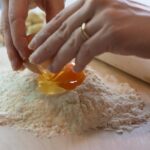
This isn’t a watch-and-hope class. You’ll be hands-on from the start, learning how to build fresh pasta dough using egg and flour and working it into the right feel. The goal is confidence: once you understand the dough basics, you can reproduce the process back home without needing perfect Italian language skills.
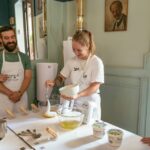
Then you switch gears to tiramisù. The tiramisù is done together as a group, so even if you’re not fast, you’ll still finish with something that looks and tastes like the real thing. For many people, that team structure is the difference between a stressful cooking night and a fun one.
The meal matters too. You’re not just cooking for the sake of cooking; you eat what you made with wine, and you finish with limoncello or coffee/tea depending on what the end-of-meal menu offers that night.
You can also read our reviews of more cooking classes in Rome

Chef Paolo’s Central Rome Setting: Location, Group Size, and How It Feels
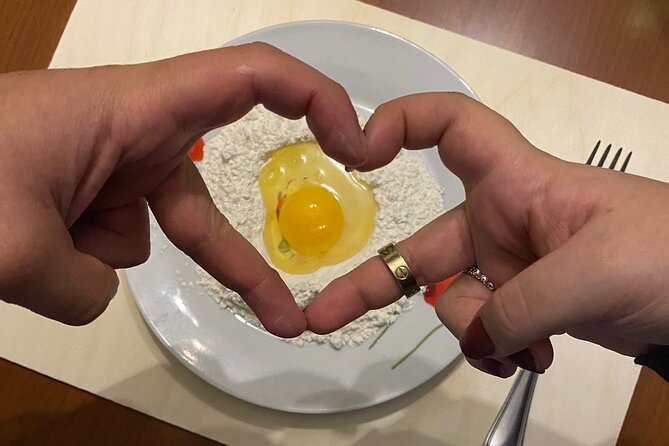
The class meets at V. della Croce, 34, 00187 Roma RM, and it ends back there. It’s in the center of Rome, which is great if you’re pairing it with sightseeing, but it also means the restaurant can be a little hard to spot at first glance. I’d plan to arrive early, scan the area, and avoid being rushed because you’ll want a calm start for pasta dough.
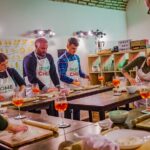
The format is small by modern tour standards: the group is capped at 20 travelers, so you get attention instead of being lost in a crowd. Instruction is offered in English, and the class includes the equipment you need, which removes a big headache when you’re traveling light.
Depending on the session, you may work with different instructors from the team. Names that show up in real experiences include Chef Paolo, plus people like Lucas, Irene, Ricardo, Roberto, and Chef Paulo. That’s a good sign for variety in teaching style—useful if you click with a particular personality.
The Pasta Lesson: Egg, Flour, and the “Real Dough” Difference
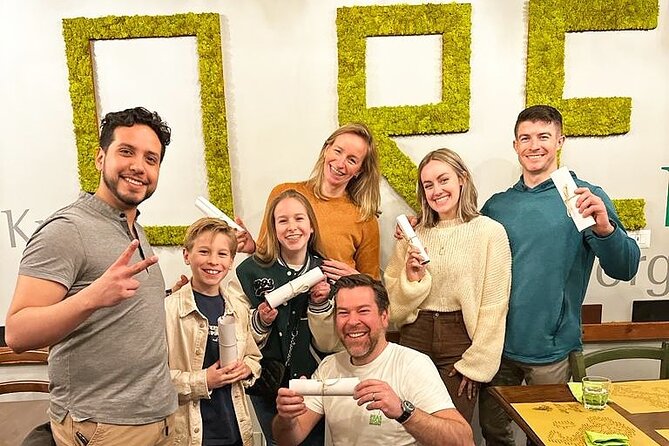
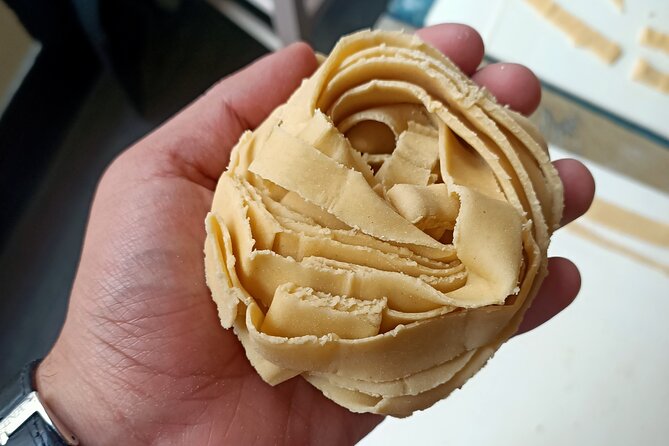
Fresh pasta starts with feel. You’ll learn the simplest, oldest technique—hands-on pasta dough—which is where the real value sits. Store-bought pasta is convenient, but it doesn’t teach you what makes fresh dough behave the way it does when it’s rolled, shaped, and cooked.
Here’s the practical part: you’re shown how to turn basic ingredients into dough that’s workable. That’s not just trivia. Once you understand what the dough should look and feel like, you stop treating pasta as magic and start treating it like a repeatable skill.
You also get context for the dishes. The class includes the dish history and the different forms Italian food takes, so the “why” is there, not just the “do this, then that.” It’s a small addition, but it helps you remember what matters next time you cook.
If you’re nervous about cooking in front of others, this is where the class design helps. The pace is structured, and you’re learning a technique, not trying to perform a restaurant job on demand.
Sauce Choice and the Meal Assembly: What You Get with Your Fettuccine
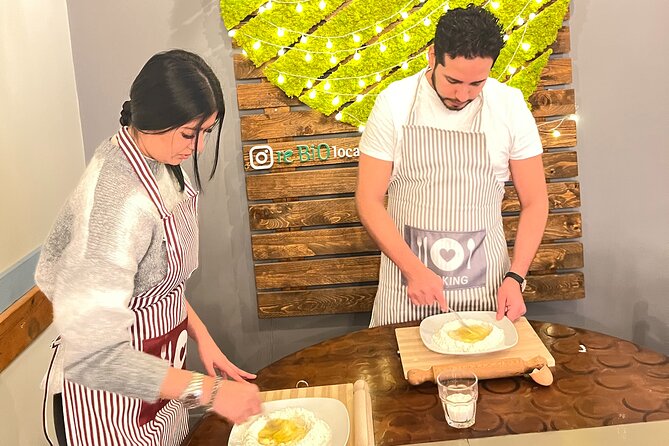
You choose a sauce for your pasta, and the options are simple and classic: amatriciana, cacio e pepe, or tomato with basil. That’s a smart setup because you learn fettuccine fundamentals while still getting variety in flavor.
Timing-wise, pastas are prepared to get everyone fed. The pasta portion is cooked together, then divided by sauce. Translation: you won’t be stuck waiting alone with a raw plate, and you’re likely to eat closer to the full “class-to-dinner” experience you want from this kind of evening.
One detail to calibrate: the sauce preparation is part of the class meal flow, but the class description also notes that sauces aren’t included in the broad sense of extras. In real terms, it means you’ll get your chosen sauce option included, while any additional add-ons are not part of the standard deal.
If you’re a picky eater, the good news is the sauce choices are straightforward. If you’re a sauce perfectionist, know that this is a learning meal, not a fancy independent restaurant tasting menu.
Tiramisu the Italian Way: Team Steps and Classic Results
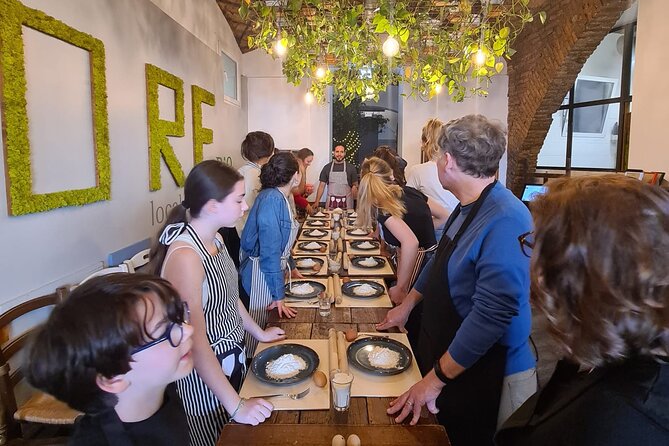
Tiramisu is a great pairing for pasta because it’s the dessert that makes people feel like they’re eating dinner, not just taking notes. The class has you make it together, which keeps the process moving and helps you finish with a finished dessert instead of a “we tried” version.
You learn the classic approach, and you’re guided through steps that show what makes tiramisù work: structure, texture, and balance. You’re also given the cultural story behind Italian dessert traditions, which makes the dessert feel less like a random sweets project and more like a real Roman/Italian tradition you can repeat at home.
And yes, you’ll actually have something to eat right after. The tiramisù is part of the sit-down meal rhythm, so the payoff is immediate.
You can also read our reviews of more tours and experiences in Rome


Wine, Limoncello, and the Value of Eating What You Cook
The class includes a glass of wine of your choice (white or red), with the option of a soft drink instead. At the end, you get a limoncello shot. If you don’t want wine, you’ll still get the dessert-side drink experience with soft drinks plus the end-of-meal options like limoncello, coffee, or tea depending on how the night flows.
This drink inclusion is more than a perk. It signals that the class is designed as a true meal break from sightseeing—something social, not just instructional. You’ll be doing the dough work, then you get the reward of sitting down with your group.
That group element is underrated. Many people like the camaraderie that forms while pasta and dessert take shape, and the meal becomes a place to swap travel stories while you wait for the final cooking steps.
What to Watch For: Instruction Style and the “Learning Curve” Reality
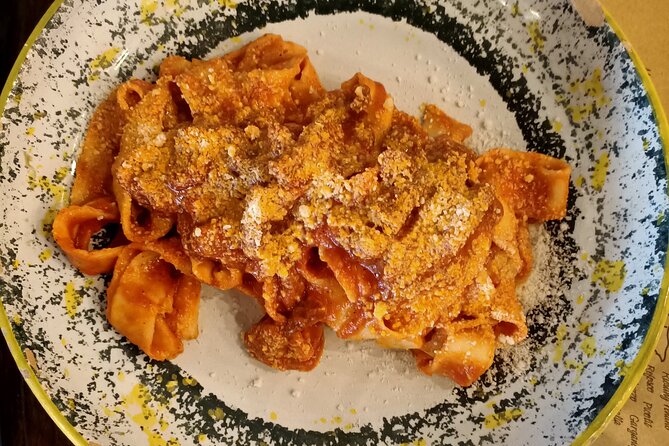
This class is very beginner-friendly in concept, but any hands-on cooking class has a curve. Fresh pasta dough needs attention, and tiramisù needs timing. If you’re expecting a totally low-stress, hands-off experience, you might be surprised by how physical dough work is.
One more consideration: instruction tone can vary by chef and assistant. Some instructors are described as fun and supportive, while others have been reported as more intense or sarcastic than you’d want for a first-time cooking class. If you know you perform best with calm feedback, it’s worth choosing a session when you feel patient energy in the room—or asking a quick question at the start so you can set how you like to be guided.
Finally, one disappointment that can happen: some classes teach the pasta technique heavily while the sauce details get less focus than you might expect. If sauce-making is your main goal, your best bet is to treat this as a pasta-and-tiramisu skill lesson, with sauce included as part of the meal, not as a separate full cooking unit.
Practical Tips: How to Make This Go Smoothly
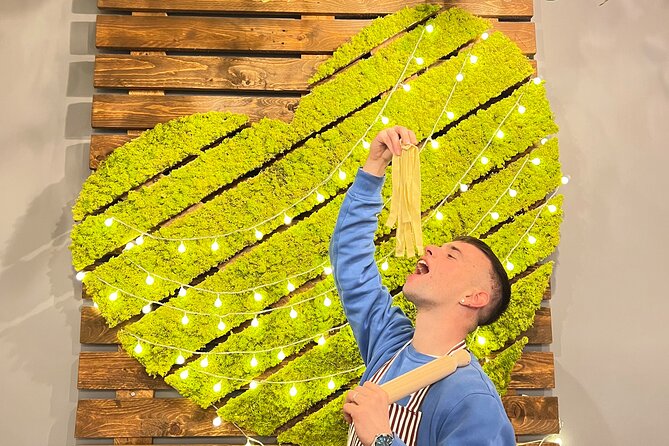
A few small habits will make this class feel effortless.
- Arrive early. The meeting address is clear, but the restaurant can be hard to spot. Give yourself cushion time so you start relaxed with flour on your hands, not flustered at the door.
- Wear comfy clothes. Dough work is hands-on. You’ll want sleeves that can handle a little mess.
- Go in with a sauce decision mindset. Think amatriciana, cacio e pepe, or tomato with basil before you arrive so you’re not trying to decide mid-class.
- Plan for group timing. Pasta and dessert are cooked together in parts, so don’t expect perfect individual timing. It’s coordinated to get everyone fed.
- Be ready to ask questions. The instruction language is English, and the class is designed to remove barriers. If something feels unclear, ask early rather than freezing.
Also, the class includes an award certificate. It’s a small souvenir, but it adds to the “I learned something real” feeling.
Who This Cooking Class Suits Best (and Who Might Skip)
This Rome fettuccine and tiramisù experience is ideal if you want a break from museums and you like learning by doing. It’s also a strong choice for couples and small groups because the meal format naturally turns into conversation. If you’re bringing kids, it can work well: there’s a minimum age of 7, and younger kids who don’t meet the minimum must follow along with a parent.
You should consider skipping if you’re an advanced cook who wants technique deep-dives on sauces and plating, because this is built for general skill-building and shared group cooking. It’s also not the best pick if you’re extremely uncomfortable with instructors who are direct or fast-moving. Most people find it fun, but the class is still real kitchen work.
If you’re a first-time visitor to Italy, this is a great way to turn cultural food into something practical. Fresh pasta and tiramisù are recognizable, but the class teaches you how they’re built, not just how they’re ordered.
Should You Book This Cooking Class in Rome?
Yes—if you want a memorable, skill-based food experience without needing to speak Italian. For most people, the value comes from three places: hands-on dough technique, a real sit-down meal with wine and limoncello, and the chance to walk away with a repeatable recipe process.
Book it when you want something social and structured that fits into a tight Rome schedule. With the max group size of 20 and English instruction, it’s also a safer bet than random food tours if you’re traveling with people who need clear guidance.
Consider another option if you want a super relaxed, watch-from-your-seat experience, or if your main obsession is sauce-making rather than pasta and dessert fundamentals. Also, arrive early for the meeting point, because finding the exact restaurant can take a little effort in central Rome.
FAQ
How long is the Rome cooking class?
It runs for about 2 hours.
Is the class offered in English?
Yes. English instruction is included.
What does the class cost?
The price is listed as $116.14 per person.
What do I make during the class?
You make fresh fettuccine (with a sauce you choose) and you prepare tiramisù.
Is wine included?
Yes. You get 1 glass of wine, with the option to choose a white or red, or have a soft drink instead.
What other drinks are included?
You receive limoncello at the end. The class also includes bottled water, and coffee and/or tea at the end.
What sauce choices are available for the pasta?
You can choose between amatriciana, cacio e pepe, or tomato with basil.
What’s the minimum age for kids?
The minimum age is 7 years old. Kids who don’t meet the minimum must follow the class with one parent.
What’s the cancellation window?
Free cancellation is available up to 24 hours in advance for a full refund.