REVIEW · ROME
Rome: Trevi Fountain District Underground Tour and Ice Cream
Book on GetYourGuide →Operated by TOURISTATION · Bookable on GetYourGuide
Rome’s best wish happens twice.
This 1-hour Trevi Fountain district underground tour mixes Roman ruins, water engineering, and a sweet payoff: authentic gelato. You start at the fountain, then head beneath the Vicus Caprarius archaeological area to see how the city’s water story shaped daily life.
What I love most is the way you get close to ancient objects (like coins, amphorae, and marble fragments) while a guide makes the bigger picture easy to follow. I also like the focus on the water flow from Trevi down through the masonry to the Domus residence pools. One possible drawback to plan for: the Trevi Fountain part is short, so you may not get a dramatic, close-up view like you’re used to seeing in photos.
In This Review
- Key things to know before you go
- Getting started at Trevi’s side streets
- Underground Trevi: Vicus Caprarius in real scale
- The City of Water idea: Trevi water meets the Domus
- Trevi Fountain proper: fast, crowded, and still useful
- The break and the gelato payoff
- Price and value: what you’re paying for at $52
- What kind of group you are: who this fits best
- Should you book this Trevi Underground + gelato tour?
Key things to know before you go
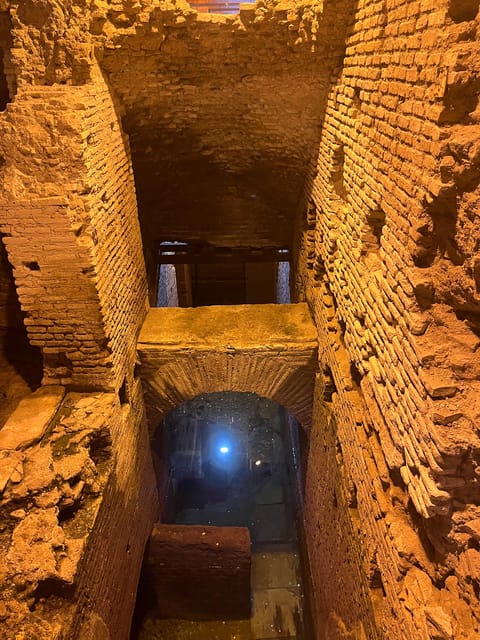
- Vicus Caprarius underground sites: reserved entry plus a guided walk through the main underground areas
- Roman water engineering focus: how water made its way from the aqueduct system into buildings
- Big finds in small spaces: coins, amphorae (including Spatheia for oil), and marble coverings
- Guides that bring it alive: Carla and Erika are among the names you might get, and they tend to keep explanations clear and fun
- Headsets help: at least one guide setup uses audio so you don’t strain your voice or miss details
- Gelato is included: you’ll finish with Italian gelato at a historic shop nearby
Getting started at Trevi’s side streets
Your tour meets at Vicolo del Puttarello, 25. I strongly recommend you show up 15 minutes early—Trevi is crowded, and you want time to check the exact pickup point without getting swept into the mass of people.
The walk begins in daylight at the iconic fountain. You’ll make your wish at Trevi first, which is a nice mental warm-up. Then the mood shifts: you trade the big, loud Baroque landmark energy for something quieter and much older—stone, water, and real surviving traces of Roman life.
You can also read our reviews of more tours and experiences in Rome



Underground Trevi: Vicus Caprarius in real scale
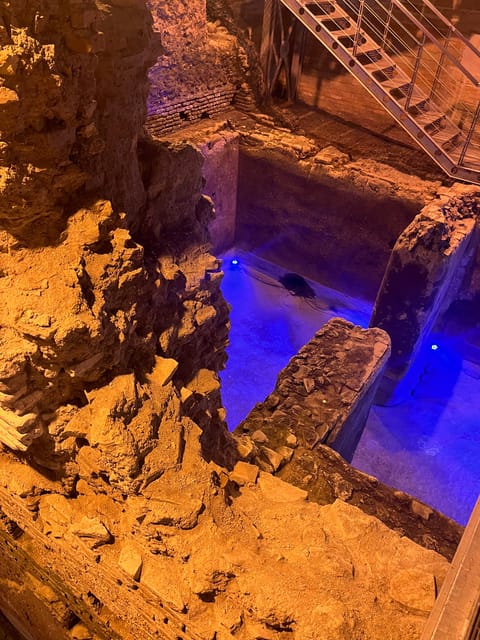
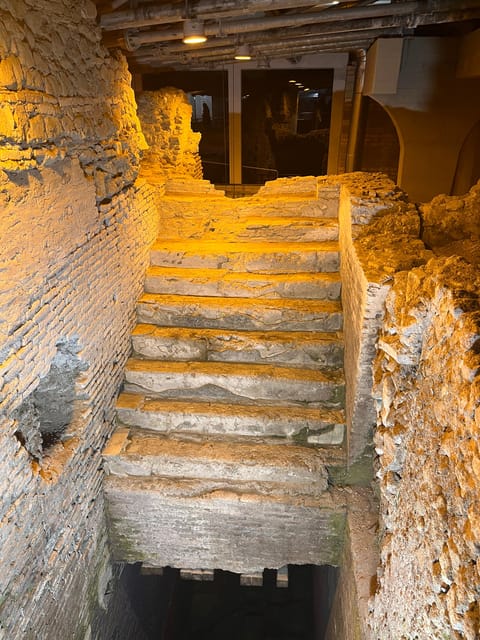
The underground portion is the core of the experience. At Vicus Caprarius, you’ll get a guided walk through the archaeological area, including ancient coins and amphorae from the Imperial Age era. Even though this isn’t a huge site, it feels dense—like Rome compacted multiple time periods into one visit.
Here’s the kind of stuff that makes the time under the street worth it:
- You’ll see how water-related neighborhoods worked, right where the city’s needs demanded engineering.
- You’ll learn what excavations uncovered, including polychrome marble coverings and notable artifacts.
- You’ll hear about a famous head of Alessandro Helios, plus a treasure trove of about 800 coins.
There’s also mention of a Spatheia, an African amphora used to transport oil. That detail is useful because it reminds you this wasn’t just local plumbing. This was part of Rome’s global supply chain, with goods moving in containers designed for long distance travel.
One more practical tip: wear comfortable shoes. Underground surfaces can feel slick or uneven, and you’re on your feet for the better part of the guided time.
The City of Water idea: Trevi water meets the Domus

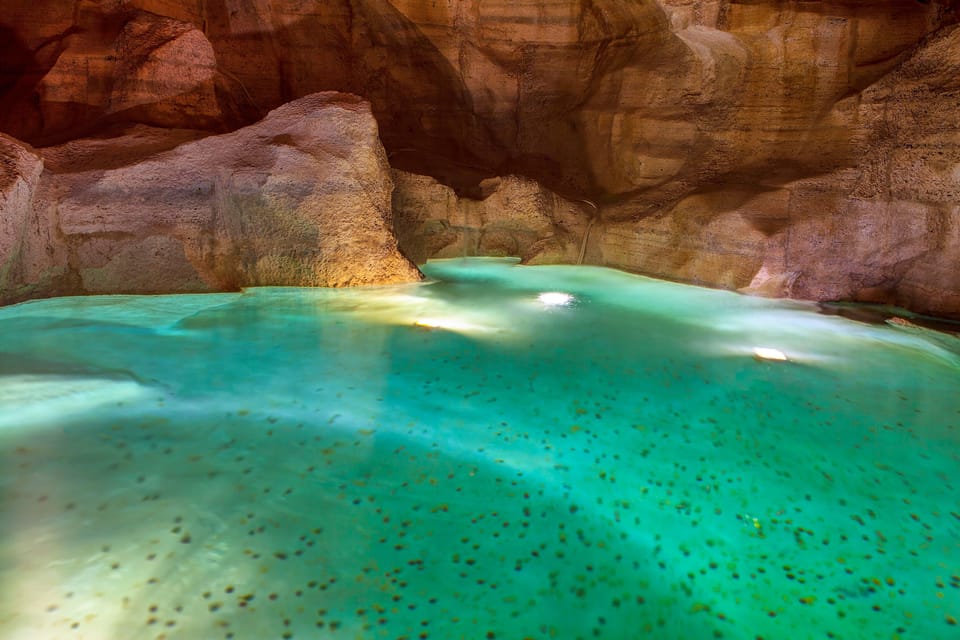
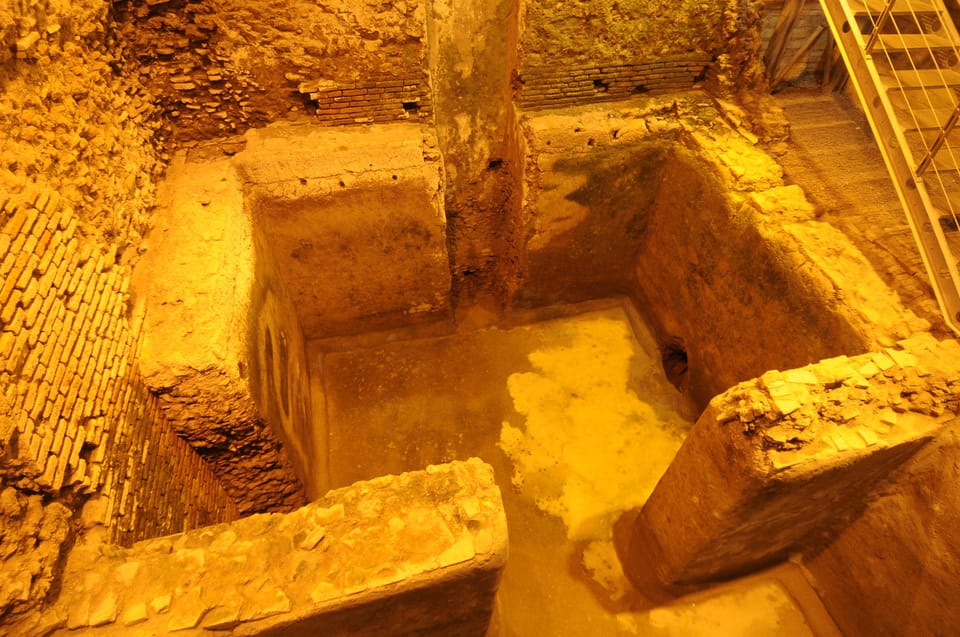
After you’ve grounded yourself in Vicus Caprarius, the tour leans into the big theme: why this area is tied to the City of Water idea. The guide explains how the water that flows from Trevi filters through ancient masonry in the archaeological area, and how that same water links to the pipes and pools of the Domus residence.
That Domus part matters because it turns “cool ruins” into a specific lifestyle. You’re not just looking at stones. You’re seeing the logic of how elite and everyday Roman spaces depended on water management—storage, flow, and controlled use.
If you like water systems, you’re in good shape. One of the guides’ stories that comes up in the experience is around the aqueduct network, sometimes referenced as the Virgo aqueduct in explanations. Either way, the takeaway is consistent: water wasn’t an afterthought in Rome. It was the infrastructure that made comfort, industry, and city life possible.
Trevi Fountain proper: fast, crowded, and still useful
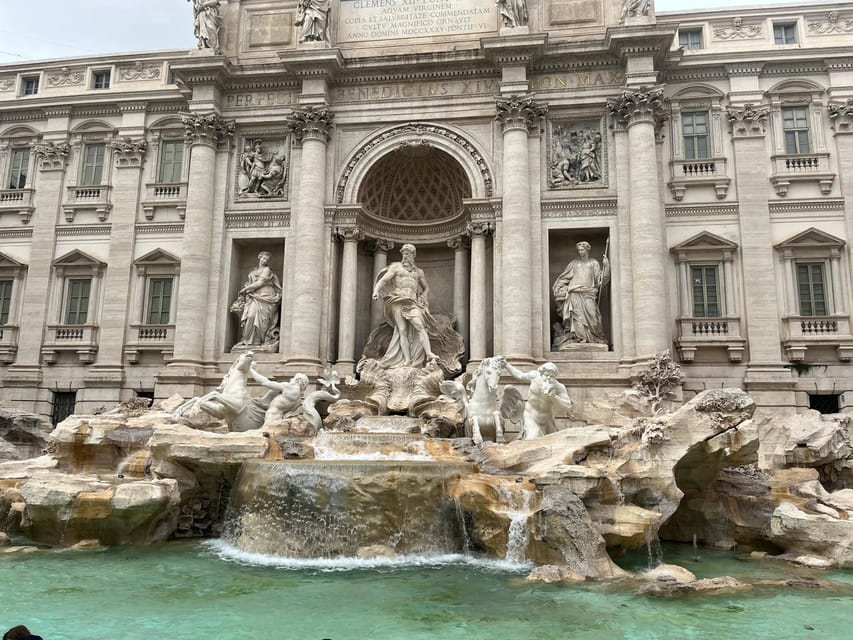
You do get Trevi Fountain itself after the underground session. The guided visit here is brief—about 5 minutes—and that means you should adjust expectations. If what you really want is a relaxed walk-up and a perfect close-up, you might find this part feels short and photos are taken from the surrounding crowd.
But don’t skip it. Even in a short window, the guide’s explanations can help you notice things you’d normally miss:
- the fountain’s scale and layout,
- the idea of how the underground water system connects to the surface monument,
- and quick photo tips for where to stand without blocking anyone.
I’ve also seen guides go the extra mile with time for photos. For example, an Erika-led group included extra minutes for fountain photos and direction on where to go next. That kind of help can make a short stop feel less rushed.
The break and the gelato payoff
There’s a short break built into the flow at a local bar. It’s a good pause—especially if you’re coming in during the busiest hours—because you can reset before heading back out into Trevi’s heat and crowds.
Then comes the best part for many people: Italian gelato is included at the end. Instead of just watching everyone else eat and worrying about where to find a good shop, you finish with a prepared plan—often described as a voucher that lets you choose gelato at a historic shop near the fountain area.
A couple practical notes based on what you’ll likely experience:
- If you want maximum control over flavor choice, a voucher setup is handy.
- If you’re going during peak summer heat, the timing is smart: you cool down after the underground portion, then enjoy the gelato as a clean finish line.






Price and value: what you’re paying for at $52
At $52 per person, you’re paying for three things that add up in Rome:
1) Reserved entry and a guided underground experience
This isn’t just strolling through a courtyard. You’re getting access to Vicus Caprarius with a reserved ticket, plus a guide who explains the finds and the water system.
2) A focused explanation of “how Rome worked”
The core value here is the water story: Trevi, masonry filtration, and the Domus pools. When a guide connects the artifacts (coins, amphorae, marble fragments) to real engineering and daily life, the site becomes more than a photo stop.
3) A built-in gelato reward
Gelato costs add up fast around Trevi. Getting Italian gelato included means you’re not hunting for the nearest decent scoop while jet-lagged and surrounded by menus.
So, is it worth it? If you like architecture details, Roman engineering, or you want a break from the usual “big monuments only” plan, yes—this feels like good value because it’s practical and tightly themed. If you’re strictly after a long, up-close Trevi Fountain moment, you may feel the money is more about the underground half than the fountain half.
What kind of group you are: who this fits best
This tour fits best if you:
- enjoy Roman ruins that explain function, not just form,
- like waterworks, aqueduct stories, and how cities engineered daily life,
- want a short, high-impact 1-hour add-on that works even when Rome feels packed.
It can also be a good heat strategy. People note the underground portion feels refreshingly cooler, and the overall duration keeps you from spending all day under a blazing sun.
It’s not suitable for people with mobility impairments or wheelchair users, so if accessibility is a factor for you or your group, you’ll want to choose a different format.
Should you book this Trevi Underground + gelato tour?
I’d book it if you want a sharper Trevi visit—one that explains what’s under the surface and connects the fountain to the water system that made it possible. The underground access, the artifact-focused storytelling, and the included gelato make the price feel more “all-in-one” than a typical add-on.
I’d skip it (or at least set expectations) if your main goal is a long, unblocked, up-close Trevi Fountain time. Here, the fountain stop is short, and crowds shape what you see.
If you’re on the fence, here’s the simplest rule: if you’re the type who enjoys how Roman engineering worked—coins, aqueducts, masonry, and daily water needs—this is the Trevi stop that teaches you to look differently.