REVIEW · ROME
Rome: Squares and Fountains Walking Guided Tour
Book on GetYourGuide →Operated by Tour in the City - Travel Agency Rome - · Bookable on GetYourGuide
Rome’s fountains tell stories in stone. This 2.5-hour walking tour links the Baroque and Renaissance look of Rome’s city centre with stops that feel both famous and oddly personal. You start with a high view over the Spanish Steps, then wind your way toward the Pantheon, Piazza Navona, and finally Ponte Sant’Angelo.
I especially like two things. First, the small-group feel—you get time to ask questions, and you’re not just herded from one photo spot to the next. Second, the guides bring the art history alive; I’ve heard guides like Sabrina and Martin explain what you’re seeing in a way that sticks, even with teens in tow.
One heads-up: it’s a moderate walking tour on uneven old streets, and it’s not a good fit if you have back trouble or trouble walking. You’ll be on your feet, and the tour pace won’t slow down for long.
In This Review
- Key highlights if you love Rome’s most photogenic corners
- Why this Rome squares-and-fountains walk works so well
- Trinità dei Monti: start with the view, not the crowd
- Spanish Steps to Trevi Fountain: legends you can repeat later
- Pantheon stop: the dome that still feels impossible
- Piazza Navona: where the city turns theatrical
- From Sant’Agnese in Agone to Ponte Sant’Angelo: Rome shifts gears
- Castel Sant’Angelo and the end near St. Peter’s area
- Price and logistics: what $85 buys you (and what to plan for)
- Who should book this tour—and who should skip it
- Should you book the Rome squares-and-fountains walking tour?
- FAQ
- How long is the Rome Squares and Fountains walking tour?
- Where do I meet the guide?
- What sights are included on the route?
- Is food included?
- Does the tour provide headsets?
- Is the tour wheelchair accessible?
Key highlights if you love Rome’s most photogenic corners
- Meet above the Spanish Steps at Trinità dei Monti for a panoramic warm-up view
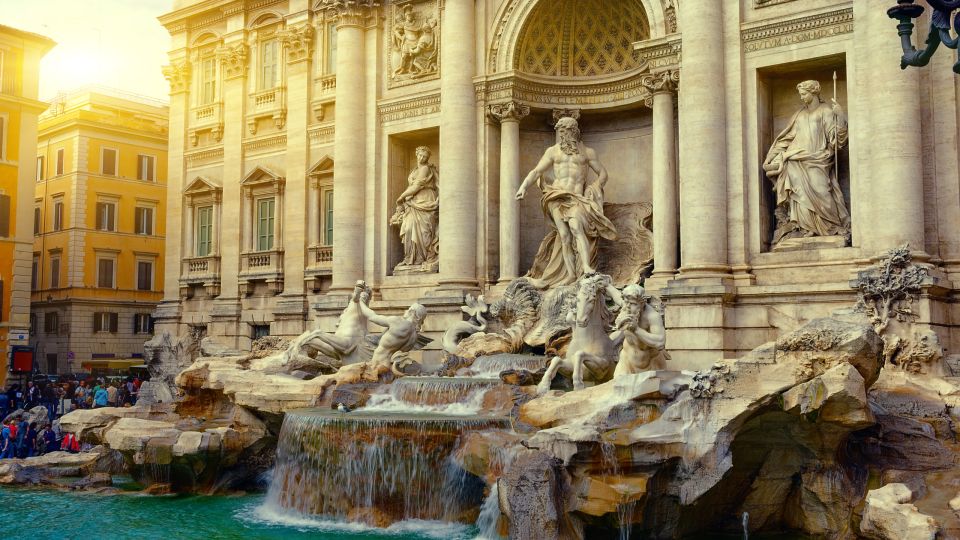
- Trevi Fountain with the legends behind the most famous toss in Italy
- Pantheon’s dome explained in a way you can actually picture and understand
- Piazza Navona + Bernini: see the Four Rivers fountain and the Baroque “show” it creates
- Ponte Sant’Angelo to Castel Sant’Angelo: end with views tied to Hadrian and the popes
Why this Rome squares-and-fountains walk works so well
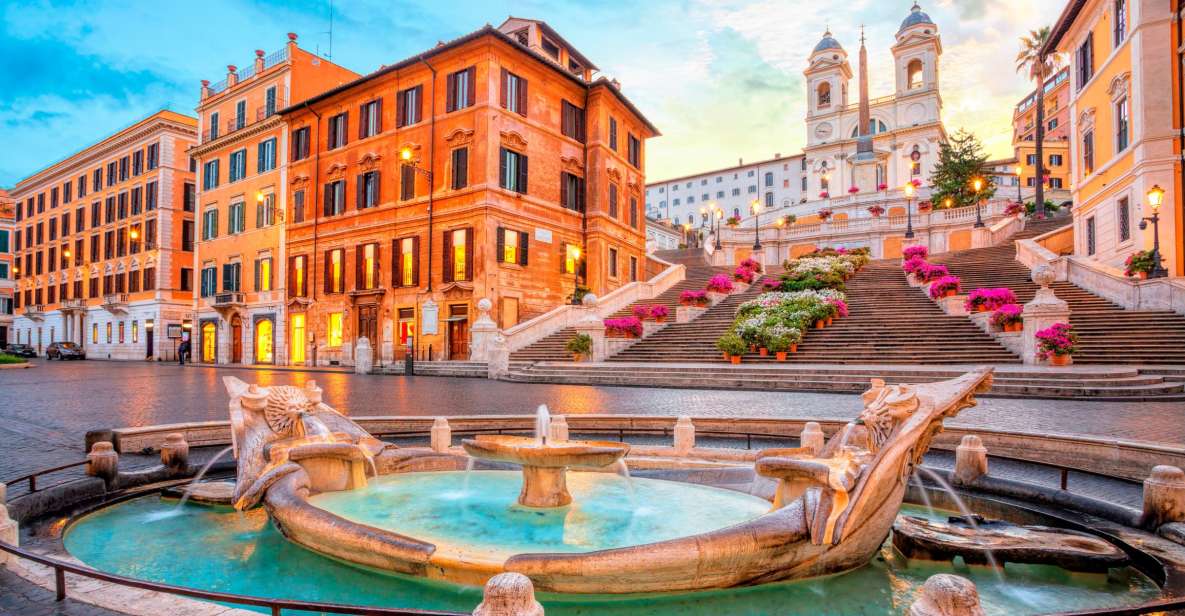
This tour is built like a smooth line through central Rome, not a random list of landmarks. You move from lookout viewpoints, to grand public squares, to monumental architecture, and then finish by the Tiber where Rome’s ancient and papal layers overlap.
At $85 per person for 2.5 hours, it’s not the cheapest way to see the sights. But you’re paying for an art-history-and-archaeology expert, a route that makes sense, and a guided explanation that turns “I’ve seen this on Instagram” into “I get why it looks like this.” If you enjoy context—why a fountain is shaped a certain way, or what a dome meant in its time—you’ll feel the value quickly.
Also, this is the kind of tour that helps you manage Rome’s chaos. The sights are popular, but the tour route is tight enough that you’re not wasting most of your time figuring out where to go next.
You can also read our reviews of more walking tours in Rome


Trinità dei Monti: start with the view, not the crowd
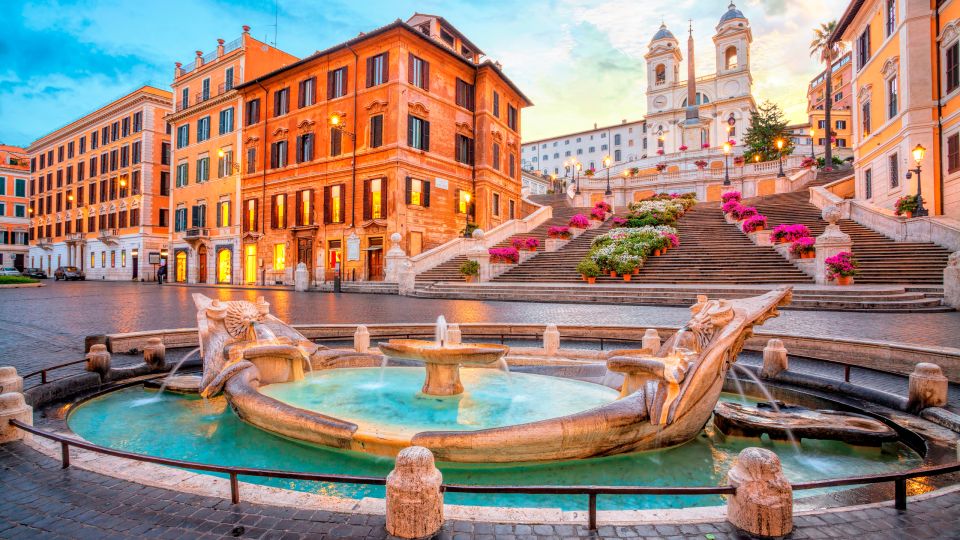
You meet at Trinità dei Monti, up above the Spanish Steps. The first part matters more than you might think. Before you start chasing famous monuments, you get a panoramic look at Rome, which gives you an instant mental map.
There’s a quick stop at Santissima Trinità dei Monti for photos and sightseeing, and then you shift toward the Spanish Steps area. That early view also sets you up for the rest of the walk—Rome feels less like a blur and more like a connected set of hills and streets.
Spanish Steps to Trevi Fountain: legends you can repeat later

From the Spanish Steps area, the tour keeps moving with short photo stops and guided commentary. This works well because you don’t get stuck in one spot too long, which is handy in busy areas.
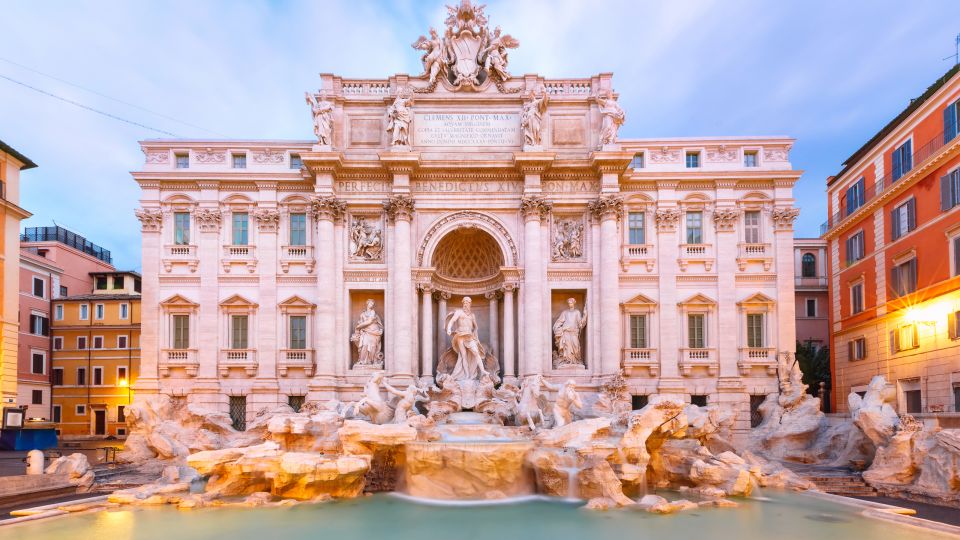
Then comes Trevi Fountain, and this is where the storytelling really earns its keep. Your guide explains the myths and legends tied to the fountain—so you’re not just watching people toss coins, you understand what the tradition symbolizes and where the fascination comes from.
A short break is built in here, plus time for photos and explanation. Ten minutes sounds brief, but it’s enough for the guide to frame what you’re looking at so your photo actually means something later.
Practical tip: Trevi gets packed. Dress for waiting, and be ready to shift positions quickly without getting flustered.
Pantheon stop: the dome that still feels impossible
After Trevi, you head to the Pantheon. The Pantheon is one of those monuments where you can stand in front of it and still be amazed, even if you’ve seen pictures before. The guided portion focuses on the dome and the ancient engineering behind it.
You’ll learn how the Pantheon was built as a temple dedicated to all the Olympian gods, and why that dome was such a big deal in ancient times—its scale was unmatched for a long time, and it still reads as bold and precise today.
This stop is also a nice emotional reset in the tour. After fountains and crowded squares, the Pantheon gives you a calmer kind of wow: symmetry, light, and stonework that looks effortless until you pay attention.
If you’re the type who likes to understand one key thing deeply during a trip, this is the spot to do it.
Piazza Navona: where the city turns theatrical
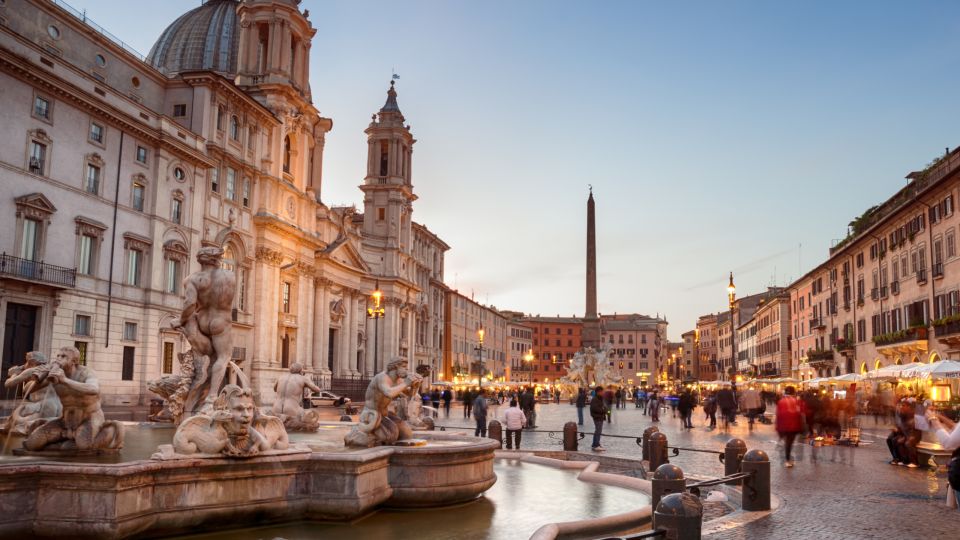
Next is Piazza Navona, widely considered one of Rome’s most elegant Baroque squares. This isn’t just a scenic stop—it’s a place with a long history of public events, theatrical moments, and festivals. Standing here with a guide changes how you see it, because the square stops being a picture background and starts acting like a stage.
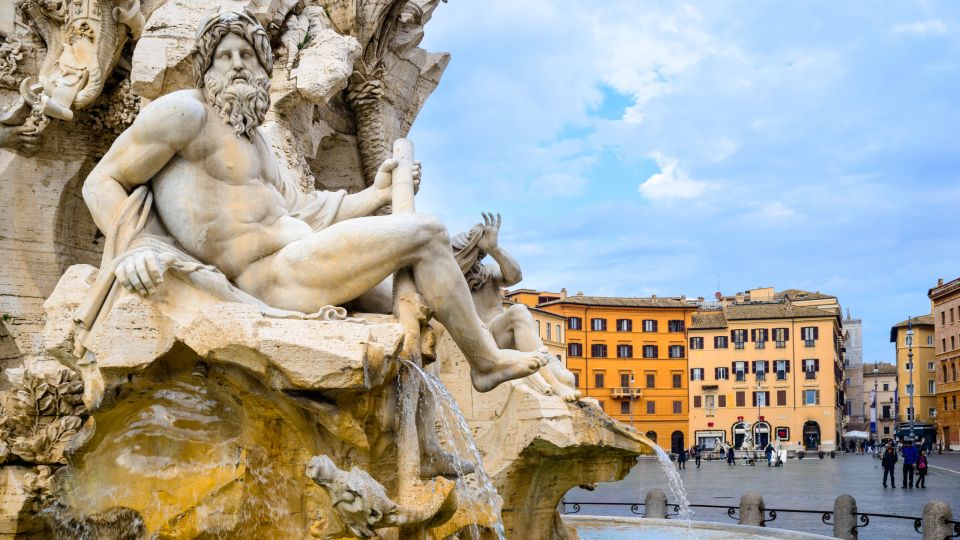
In your time here, you’ll see Bernini’s Fountain of the Four Rivers, and you’ll get guided context for why it looks the way it does and how the figures and symbolism work. It’s Baroque art at full volume: dramatic composition, movement, and storytelling in water and stone.
You also get a chance to visit Santa Agnese in Agone (by Borromini), with a short sightseeing focus. Even if you’re not planning to enter every church you pass, this kind of stop helps you connect the square’s visual language to the architecture nearby.
One more smart detail: there’s time to taste an ice cream during the tour. Rome is serious about sweet breaks, and this is a good moment to recharge without derailing the schedule. Just remember: the tour gives you time to taste it, but food and drinks aren’t generally included.
You can also read our reviews of more guided tours in Rome






From Sant’Agnese in Agone to Ponte Sant’Angelo: Rome shifts gears
After Piazza Navona, the walking turns into that classic Rome feel—small streets, historic corners, and the sensation of walking through layers of the city. You’ll have short stops where the guide points out features you’d likely miss if you were just following your phone.
Then you reach Ponte Sant’Angelo. Here, the guide brings in a deep historical angle: the bridge traces back to the second century AD, and it connects to Castel Sant’Angelo.
You’ll get views toward Castel Sant’Angelo, one of the oldest major buildings in Rome, originally built as Hadrian’s tomb and later transformed into a fortress for the popes. That “why it changed” is the heart of the stop. You’re not just seeing a big structure; you’re seeing how Rome repurposed power across eras.
Castel Sant’Angelo and the end near St. Peter’s area
The tour continues with a photo stop at Castel Sant’Angelo and then scenic walking toward the St. Peter’s Basilica area. Even if you’re not going inside, the approach is useful because it places you in the wider Vatican orbit and helps you understand how this part of the city sits relative to everything you just visited.
The finishing vibe is tied to the atmosphere around Sant’Angelo Bridge, right in front of Castel Sant’Angelo. It’s a satisfying end point because you finish with scale—water, stone, and the sense that you’re at the edge where ancient Rome hands off to the papal city.
The tour ends with drop-off at the Ponte Sant’Angelo area, so it’s convenient for continuing your day on foot or grabbing a quick next bite nearby.
Price and logistics: what $85 buys you (and what to plan for)
Let’s talk value honestly. $85 for a 2.5-hour walking tour is in the mid-range for Rome, but what you’re buying isn’t just access to sights. You’re buying structure and interpretation.
You get:
- a professional guide specialized in art history and archaeology
- headsets if the group is larger than 8 people (so you can actually hear the explanations)
- a guided route connecting Trevi, Pantheon, Piazza Navona, and Ponte Sant’Angelo
What you should plan for:
- Comfortable shoes are essential. The walking is moderate, but Rome streets aren’t designed for sneakers that slide.
- Sun hat, sunglasses, and a bit of water sense help, especially in bright weather.
- The pace includes multiple short stops (photo, sightseeing, and guided segments). If you hate rushing, this tour may feel a bit quick, but it’s also what keeps you from spending two hours stuck at one fountain.
Group size matters. This is described as a small-group experience, and the guide attention you can feel in the reviews ties to that. People also seem to remember specific guide energy, like Sabrina’s ability to keep everyone engaged, including teenagers. That kind of focus is a big part of why the tour works.
Who should book this tour—and who should skip it
This is a strong choice if:
- you want a guided explanation of Rome’s Baroque and Renaissance look, not just selfies
- you like walking routes that connect landmarks into a story
- you’re traveling in a group where everyone won’t want the exact same pacing
- you appreciate when the guide takes time to make stops feel meaningful
Consider skipping if:
- you have back problems or difficulty walking
- you need wheelchair access (this tour is not wheelchair accessible)
- you prefer to linger long hours at one site over a tight, moving route
Should you book the Rome squares-and-fountains walking tour?
If you’re here for the “why” behind Rome’s most famous sights, yes. This tour gives you a compact route through top-level landmarks—Trevi, Pantheon, Piazza Navona, Four Rivers, and Ponte Sant’Angelo—with expert explanations that turn the highlights into a clearer story.
Book it especially if you’ll benefit from a guide who can keep the group moving while still teaching. If you’re someone who likes to ask questions and hear legends, architecture context, and quick historical connections, this is a good use of your time. Just show up ready to walk, wear solid shoes, and you’ll leave with photos plus understanding.
FAQ
How long is the Rome Squares and Fountains walking tour?
The tour lasts about 2.5 hours.
Where do I meet the guide?
You meet the guide at Trinità dei Monti, above the Spanish Steps. Plan to arrive 15 minutes before the departure time.
What sights are included on the route?
The tour includes stops at Trinità dei Monti, the Spanish Steps, Trevi Fountain, the Pantheon, Piazza Navona (including the Fountain of the Four Rivers and Sant’Agnese in Agone), Ponte Sant’Angelo, and Castel Sant’Angelo, with scenic views toward St. Peter’s Basilica.
Is food included?
Food and drinks are not included unless specified. There is time during the tour to taste an ice cream.
Does the tour provide headsets?
Yes. Headsets are provided for groups of more than 8 people.
Is the tour wheelchair accessible?
No. It’s not wheelchair accessible and isn’t recommended for people with mobility impairments or difficulty walking.