REVIEW · ROME
Santa Maria Maggiore Basilica and Dome
Book on GetYourGuide →Operated by TICKETSTATION SRL · Bookable on GetYourGuide
Santa Maria Maggiore is Rome’s quiet powerhouse. You’ll get an audio-guided walkthrough of a Papal Basilica that has dominated the city for centuries, then climb for a panorama from the dome. I love that you’re not stuck just staring at ceilings—you move through the main sights with guidance that actually helps you connect the dots. I also love that the visit includes dome access, so you see the city from up high instead of only from street level.
One thing to weigh: the basilica entrance is free, so the paid part here is really about the audio guide, dome ticket, and the optional underground guided component. If you’re only after a quick look inside, this might feel pricey. If you want a guided-feeling experience plus the view from the top, it can make sense.
Plan on about 2–4 hours, and bring ID for the audio guide check. Also, this isn’t a great fit for anyone using a wheelchair or needing accessible routes inside the experience.
In This Review
- Key points before you go
- Santa Maria Maggiore and the Esquiline Hill effect
- Meeting the Holy Door and the Marian story
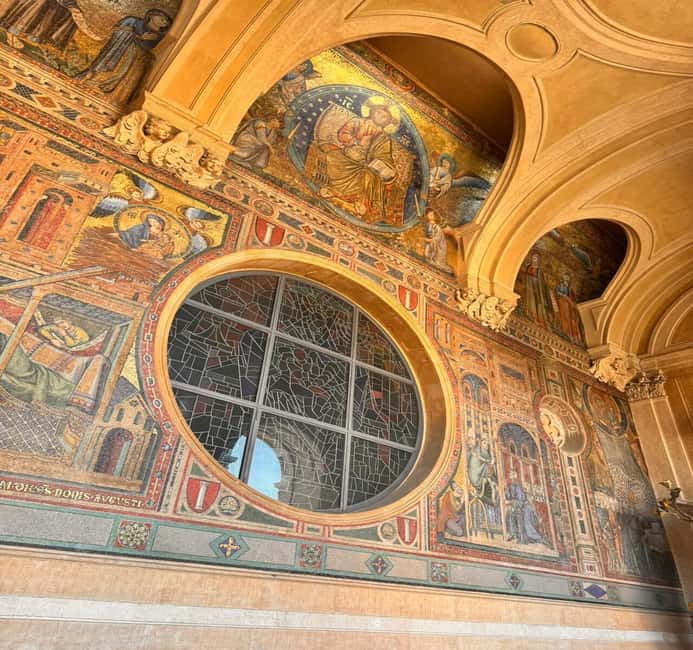
- Inside the basilica: Loggia, Hall of Popes, and the art you’ll actually notice
- Pope Francis connections: the Salus and why this church feels personal
- The audio guide: how to get more than a list of names
- Climbing the dome: the view from Rome’s highest hill
- Optional underground archaeology tour: when it’s a smart add-on
- Price and value: when $34 feels fair (and when it doesn’t)
- Practical tips that prevent frustration
- Should you book this Santa Maria Maggiore Basilica and Dome visit?
- FAQ
- FAQ
- How long is the Santa Maria Maggiore Basilica and Dome experience?
- What is included in the ticket price?
- Is there an audio guide, and what languages are available?
- Can I enter the Basilica without paying for this activity?
- What is the dress code for Santa Maria Maggiore?
- Is this experience suitable for children?
- Is this tour accessible for wheelchair users?
Key points before you go
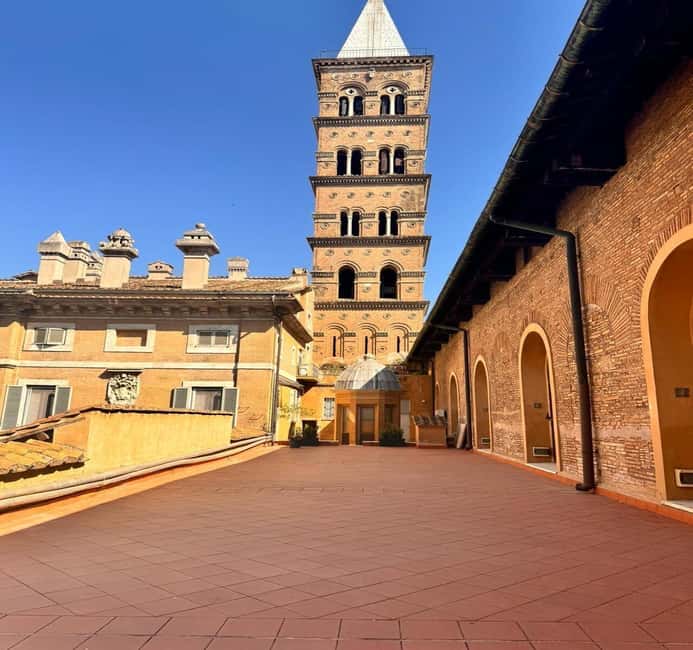
- Papal Basilica on the Esquiline Hill: one of Rome’s four major papal basilicas, with long-running Marian and papal traditions
- Audio guide with multiple languages: English, French, German, Spanish, and Italian, designed to pace your visit
- Blessing Loggia and Hall of Popes: standout spaces that help you understand the basilica’s role in church life
- Dome access included: you’ll go up with staff security and get panoramic Rome views
- Optional underground guided tour: add-on path to see the Archaeological Area if you select it
Santa Maria Maggiore and the Esquiline Hill effect
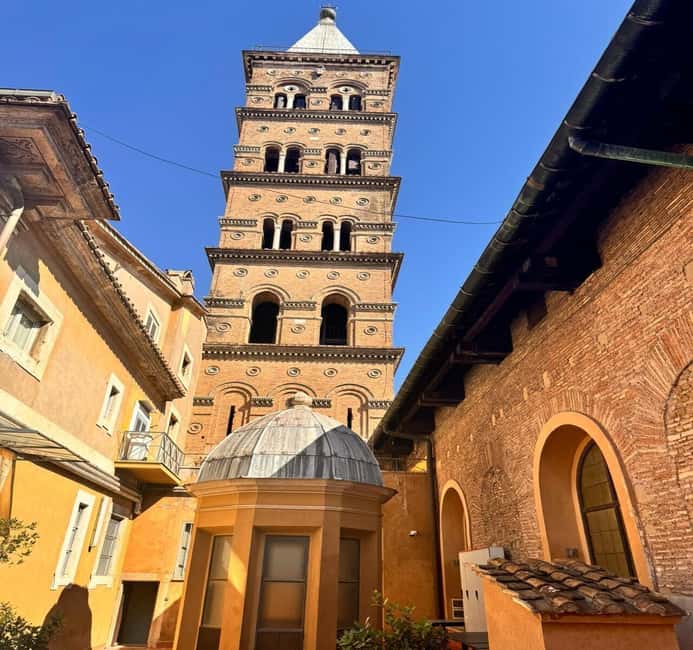
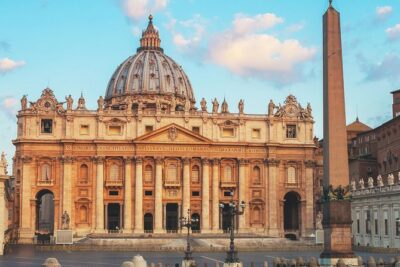
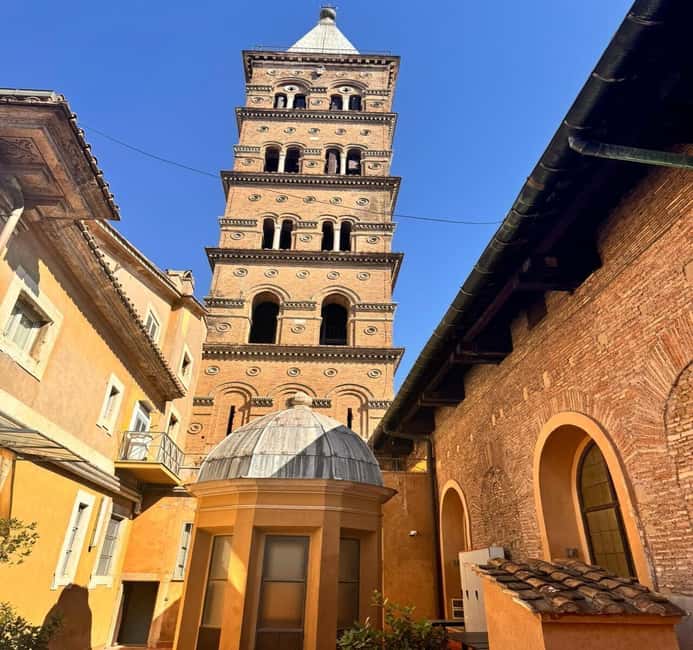
Santa Maria Maggiore sits on the Esquiline Hill, and that location matters. It’s not just a pretty church—this place has been a power center in Rome for a very long time, tied to Marian devotion and the routines of the papacy.
When you arrive, you’ll feel the difference compared with “quick stop” churches. This basilica has a sense of arrival. You’re entering a space that has been rebuilt, embellished, and used for centuries. Even before you start looking closely, the setting gives you a clear message: this is one of the big seats in Rome’s spiritual and artistic life.
If you like sites that connect art, religion, and real human stories, you’ll get a lot out of it. If you want the shortest possible visit, you might feel the site asks for more time than you planned.
You can also read our reviews of more tours and experiences in Rome.
Meeting the Holy Door and the Marian story
The visit centers on Santa Maria Maggiore’s identity as a Marian temple, with traditions tied to the Virgin and the basilica’s construction on this hill. You’ll see that this isn’t just a building with icons; it’s a place where devotion has shaped how people move through the space.
A major moment is the Holy Door experience. The Holy Door is one of those details that makes the basilica feel alive with ongoing tradition, not museum dust. You’ll also hear how pontiffs link their journeys and ceremonies to Santa Maria Maggiore, including customs connected to Pope Francis.
One practical note: this is a church visit. That means you’ll want to dress appropriately and keep your pace respectful so you can actually enjoy the sights instead of rushing.
Inside the basilica: Loggia, Hall of Popes, and the art you’ll actually notice
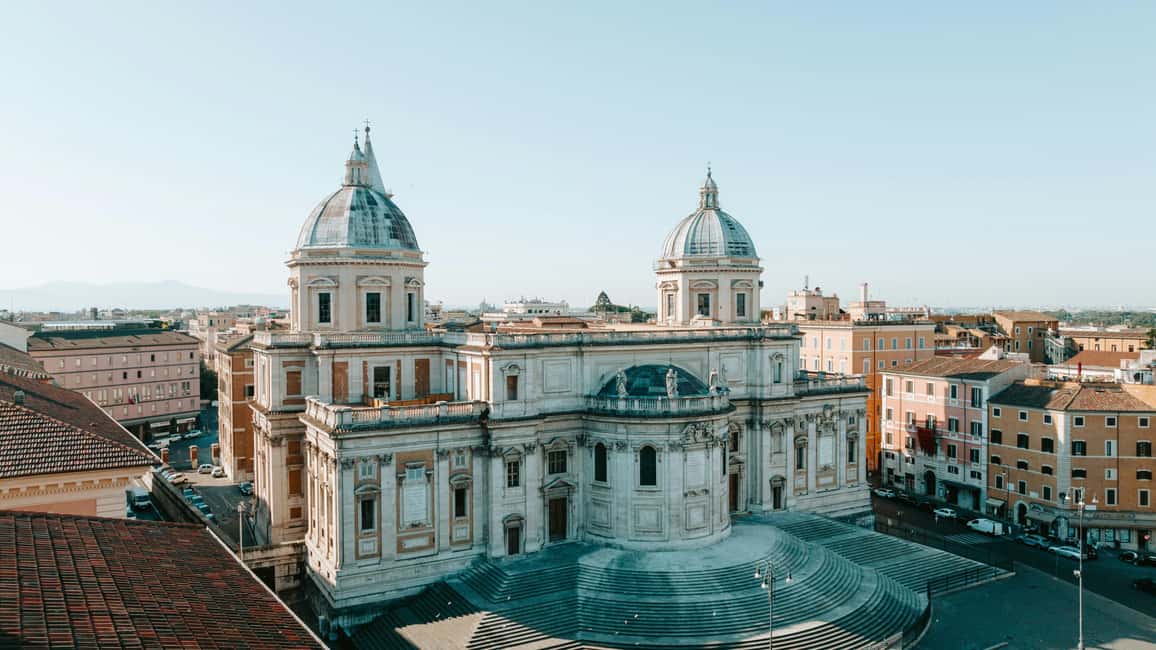
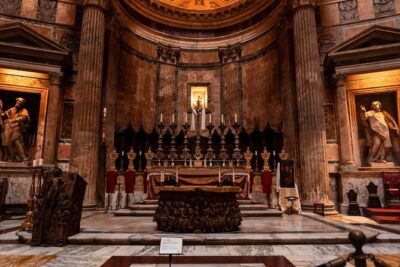
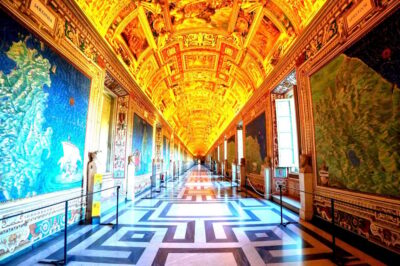
Santa Maria Maggiore is full of treasures, but what makes the experience work is your route through them. With the audio guide, you’re not just wandering. You’re learning what you’re looking at—then the details start popping.
Here are the standout stops that matter most:
Blessing Loggia
This is one of those spaces that helps you understand the basilica’s role in ceremony. You’re seeing church architecture built for public moments, not just private prayer. It’s also a great “slow down” spot because it changes your perspective of what the basilica is used for.
Hall of Popes
This area gives context for the basilica’s papal importance. You’re not only seeing art; you’re meeting the basilica as an institution that has hosted leaders and rituals over time.
Bernini family tomb
You’ll come across the tomb of the Bernini family. It’s a reminder that major artistic families were intertwined with this church world. If you love seeing how art history and church history overlap, this stop tends to land.
Other included highlights can include the Baptistery and key masterpieces inside the basilica. The audio guide helps you connect these pieces into one story, instead of treating them like separate photo stops.
The main drawback inside is simple: you’ll need patience. This is a top Roman church. Expect crowds in the basilica zone, and plan for it emotionally—so you don’t waste time getting annoyed.
Pope Francis connections: the Salus and why this church feels personal
A big reason Santa Maria Maggiore stays in your mind is how directly it connects to living papal tradition.
The basilica has a specific link to Pope Francis through a devotion to Salus—he places apostolic journeys under its protection and is said to usually visit it before departure and after his return. There’s also a tradition that Masses celebrated in Santa Maria Maggiore were part of Pope Francis’s story, including the note that it was the first time, on Christmas Eve, for centuries that pontiffs maintained this custom.
That might sound like church trivia, but it changes the feel of the visit. When you’re standing in a major basilica, it’s easy to treat everything as ancient and untouchable. These connections help you understand how the papacy keeps returning to the same spiritual center.
So yes, you get art and architecture. But you also get a sense that the basilica is still part of modern religious life—just in a quieter way than the Vatican’s headline sights.
The audio guide: how to get more than a list of names
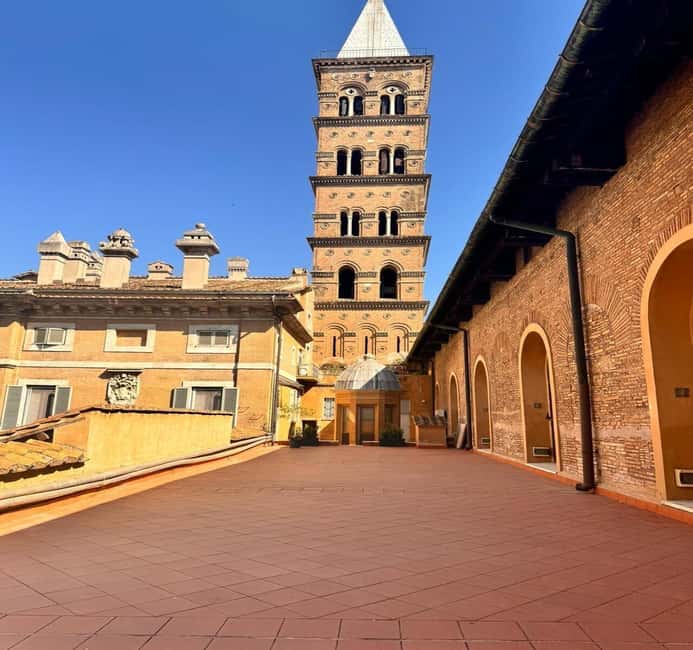
This experience includes an entrance ticket with an audio guide available in Italian, English, French, German, and Spanish. It’s not just for narration—it’s your way to pace the visit so you don’t miss key rooms and visual details.
Bring ID, since it’s mentioned as a caution for the audioguide. That’s the kind of small requirement that can slow you down if you forget.
How you can use the audio guide smarter:
- Start early in the session and let it set the scene before you focus on artwork.
- When you hit a major spot—like the Holy Door or the areas associated with papal tradition—pause your photos and listen for the meaning behind what you’re seeing.
- Use it as a filter when the basilica gets crowded. It helps you decide what’s most important right now.
If you dislike audio guides that feel scripted, you might find the dome ticket and the view give you a satisfying break from listening. For many people, the mix works: learn indoors, then see Rome from above.
Climbing the dome: the view from Rome’s highest hill
The dome visit is the “bonus payoff” that turns this from a church-only outing into a full perspective change. Your ticket for the dome includes staff accompaniment for security reasons, so you’re not left guessing how to access it.
From the dome, you’ll get the panoramic view that makes Rome feel like a living map. The key detail here is that Santa Maria Maggiore is on a hill, and the dome adds another layer of height. The result is a view that helps you understand where things sit in the city rather than treating Rome like one big blur of monuments.
Is the dome worth paying extra for, given the basilica entrance is free? That depends on you:
- If you love city views and want the “up high” moment, the dome often justifies the ticket.
- If you’re only coming for the church interior, you may question the value.
Either way, dome access turns your visit into something you can’t replicate as easily with a standard self-guided basilica stop.
Optional underground archaeology tour: when it’s a smart add-on
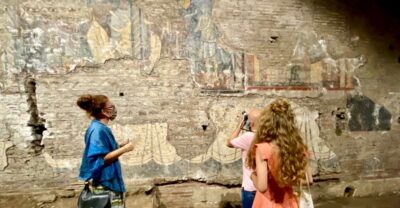
There’s an optional guided tour through the Archaeological Area of the Papal Basilica of St. Maria Maggiore if you select that option. This is the sort of add-on that works best if you like layers—how one era sits under another.
I like this kind of component because it changes your mental model. Instead of thinking of the basilica as a finished monument, you see how the site is connected to deeper remains. If you have the time, it can add variety.
If your priority is mainly the main basilica highlights plus dome views, you might decide to keep it straightforward and skip the underground to avoid feeling rushed.
Price and value: when $34 feels fair (and when it doesn’t)
At $34 per person, this is not a budget church visit. But it’s also not just a basic entrance. You’re paying for a package that includes:
- entrance with audio guide
- dome ticket, with staff security
- optional underground guided tour (if selected)
The value math shifts because the basilica entrance itself is free and doesn’t require an entrance ticket. So the real question becomes: are the dome access and audio guide worth the difference for you?
Here’s a practical way to decide:
- Book this if you want a structured experience (audio guide) and you care about the skyline view from the dome.
- Skip or switch to a simpler plan if you only want to walk through the basilica at your own pace and you’re not interested in the dome component.
For me, the dome and audio guide are the dealmakers. Without them, you’re mostly paying for a guided-feeling route in a place you can visit freely. With them, you’re turning a free church into a fuller, more memorable outing.
Practical tips that prevent frustration
Santa Maria Maggiore is straightforward, but a few rules and realities matter.
Dress code
You must cover up: no shorts, vests, or sleeveless tops. If you’re traveling in warm weather, plan ahead with a light layer you can take on and off easily.
What’s not allowed
Pets, smoking, alcohol and drugs, and nudity are not permitted.
Mobility notes
This experience is not suitable for people with mobility impairments and not suitable for wheelchair users. If accessibility is a factor, it’s best to plan alternative ways to experience the church based on your needs.
Timing and where to meet
Meet at the entrance of the Papal Basilica of Santa Maria Maggiore at Piazza Santa Maria Maggiore. Show your voucher to Reception Staff at the portico 15 minutes before the scheduled time. The activity ends back at the meeting point, so you’re not left hunting a final location.
Think queue strategy
It includes skip the ticket line, which can save time. Still, arrive a bit early so you can settle in before the group flow starts.
Should you book this Santa Maria Maggiore Basilica and Dome visit?
If you want one of Rome’s big papal basilicas plus the dome view, this tour is a strong match. The audio guide helps you focus on what matters, and the dome access turns it into more than a standard church stop.
You might skip it if your goal is purely interior sightseeing at no cost. Since the basilica entrance is free, you’ll want to be sure you’ll use the dome and the audio guide rather than treating them as optional extras.
My rule of thumb: if you’d pay for a view and prefer a guided-feeling route, book it. If you’d rather keep it simple and spend that money elsewhere, do the basilica visit on your own and skip the paid add-ons.
FAQ
FAQ
How long is the Santa Maria Maggiore Basilica and Dome experience?
The duration is listed as 2 to 4 hours, and starting times depend on availability.
What is included in the ticket price?
You get entrance with an audio guide, a dome ticket (with authorized staff accompaniment for security), and an official guided tour through the Archaeological Area of the Papal Basilica of St. Maria Maggiore if that option is selected.
Is there an audio guide, and what languages are available?
Yes. The audio guide is included, and it’s available in Italian, English, French, German, and Spanish.
Can I enter the Basilica without paying for this activity?
Yes. The entrance to the Basilica is free of charge and doesn’t require an entrance ticket.
What is the dress code for Santa Maria Maggiore?
You must follow the dress code: no shorts, vests, or sleeveless tops.
Is this experience suitable for children?
It is not suitable for children under 7 years old.
Is this tour accessible for wheelchair users?
No. It’s not suitable for wheelchair users and not suitable for people with mobility impairments.