REVIEW · ROME
Percy Jackson and the Olympian Gods Tour at the Capitoline Museums
Book on Viator →Operated by Pinocchio Tours | Guided Tours for Kids and Families · Bookable on Viator
Percy Jackson fans get a real-world treasure hunt. I love how this tour turns the Capitoline Museums into a story map that connects Roman artifacts to the myths kids already know, and I also like the local expert guide who explains characters in a way that keeps kids focused. It’s the rare museum visit where the statues feel like plot points, not just objects.
One thing to plan for is logistics: there’s no hotel pickup and no food or drinks, so you’ll want to meet your group at Piazza del Campidoglio fully prepared with water and a snack plan.
In This Review
- Key things that make this tour special
- Why the Capitoline Museums are a great match for Percy Jackson kids
- Your 2.5-hour plan inside the Musei Capitolini (and how to pace it)
- Stop-by-stop: what you’ll actually see at the Capitoline Museums
- The museum “anchors” you’ll hear about immediately
- Roman life details that keep the visit from turning into pure mythology
- The Percy Jackson crossover moments: monsters and gods you’ll spot by name
- Meeting Olympian Gods and myth monsters in real museum space
- The guides: why the human touch makes this tour hit
- Price and value: is $249.77 per person worth it?
- Who this Percy Jackson Capitoline tour fits best
- Great fit if you’re traveling with kids
- Great fit if your kids are reading Percy Jackson
- Also good for curious adults
- What to bring for a smoother museum day
- Should you book it? My quick call
- FAQ
- How long is the Percy Jackson and the Olympian Gods Tour?
- Where does the tour start?
- Is museum admission included?
- What language is the tour offered in?
- Is this a private tour?
- Is food or hotel pickup included?
Key things that make this tour special
- Percy Jackson characters, inside the Capitoline Museums: Monsters and Olympians are tied to real Roman and Greek mythology references.
- A guide who works the room: Names like Maria, Bruno, Sara, Alex, and Alessandra show up in guides families rave about for keeping kids engaged.
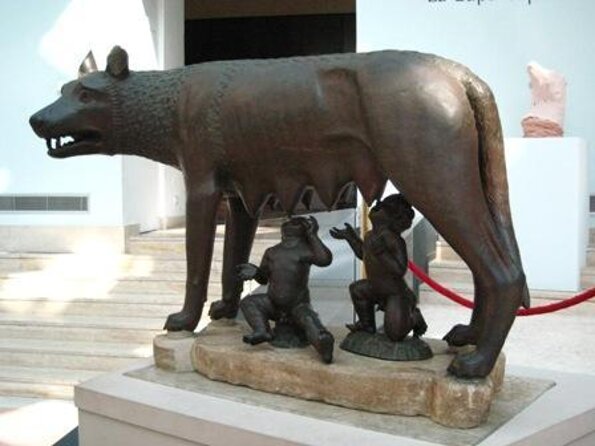
- Big-name masterpieces, plus fun mythology moments: From the She-Wolf bronze to major Olympian figures tied into the stories.
- Interactive storytelling for mixed ages: Families with kids from 4 up through teens report staying engaged the whole 2.5 hours.
- No wandering required: A focused route with an admission ticket included keeps the visit feeling efficient.
- Private-group feel: It’s only your group, so questions and pacing can stay kid-friendly.
Why the Capitoline Museums are a great match for Percy Jackson kids
Rome museums can be a mixed bag for families. Some are visually stunning but hard to translate into something a 7-year-old can actually follow. This tour solves that problem by using a mythology lens. Instead of treating the museum like a checklist, you treat it like a story set.
What I like most is the way the tour connects Greek myths and Roman legends to specific art in the Capitoline Museums. You’re not just hearing names. You’re seeing the figures and symbols those names were built around. That’s why it works even if your child isn’t a mythology scholar. The characters are recognizable, and the guide gives them a clear role in the bigger myth world.
And it isn’t only for kids. The structure helps adults pay attention too. When you hear how ancient Romans interpreted these myths through their own gods, heroes, and symbols, the visit starts to feel personal and readable instead of distant.
You can also read our reviews of more museum experiences in Rome



Your 2.5-hour plan inside the Musei Capitolini (and how to pace it)
This tour runs about 2 hours 30 minutes. That’s long enough to feel satisfying, but short enough that kids don’t melt down halfway through. It also includes museum entry, which matters because it removes one of the most annoying friction points of museum days in Rome.
Timing-wise, you’ll want to arrive a bit early at the start point: Piazza del Campidoglio, 00186 Roma RM, Italy. The good news is that the experience is designed to loop back to the starting area at the end, so you’re not left figuring out your next move.
Also, plan around a simple reality: Rome is hot in summer and museums can feel even warmer. Since food and drinks aren’t included, you’ll want your own water strategy. Bring it, even if you think you won’t need it. Museum storytelling is easier when nobody is thirsty.
One more practical note: the tour is offered in English and uses a mobile ticket. If your group includes kids who are learning the language, the guide’s interactive approach can still keep the momentum going, based on how families describe the pace.
Finally, it’s often booked with decent lead time (on average about 34 days ahead). That’s a sign you should secure your slot early if you’re traveling during a busy season.
Stop-by-stop: what you’ll actually see at the Capitoline Museums
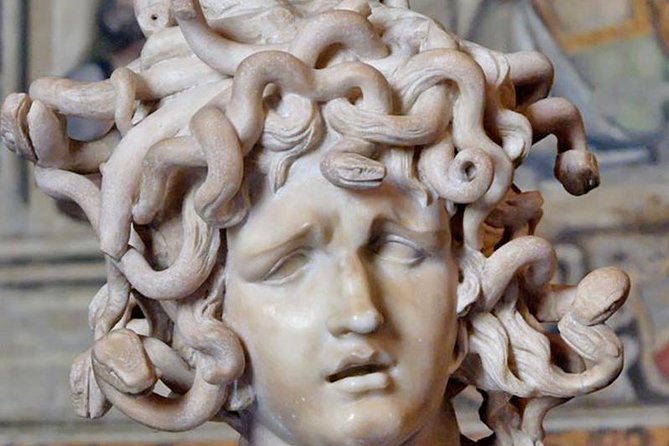
The focus is the Capitol Galleries within the Capitoline Museums. This is one of Rome’s key art-and-myth stops, and this tour uses the collection in a smart way: it mixes famous masterpieces with details that feel like clues.
Here’s the shape of what you can expect during the walk:
The museum “anchors” you’ll hear about immediately
You’ll get time with major pieces that are famous in their own right, including:
- The bronze She-Wolf statue, a symbol strongly tied to Rome’s identity
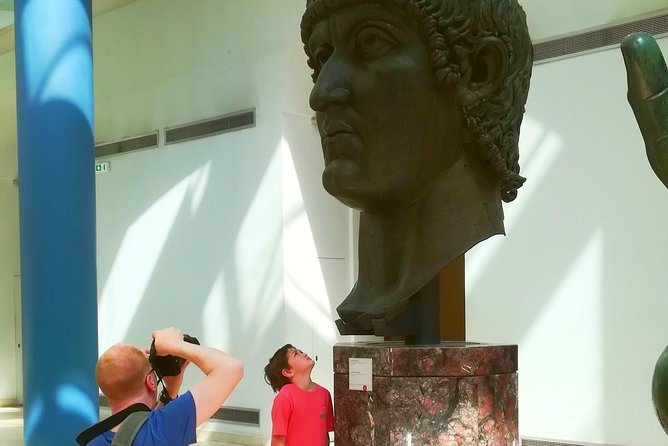
- A portrait of Emperor Constantine
- The Boy with Thorn
- The bust of Homer
- Figures and themes connected to Hercules and Venus
Even if you’ve seen photos of some of these, it lands differently when the guide uses them as entry points into myth and legend. Kids follow the character talk, and adults appreciate the way the guide points out the storytelling role of symbols.
Roman life details that keep the visit from turning into pure mythology
The tour doesn’t treat the museum like a theme park. You’ll also notice objects and features that explain how Romans lived and organized their world, including:
- A real tomb linked to a gladiator
- Ancient calendars you can use to understand time and rituals
This is a big value point. Mythology is fun, but kids often need an extra “why” layer. These moments help answer the question: why did Romans care about these gods and creatures in daily life?





The Percy Jackson crossover moments: monsters and gods you’ll spot by name
The guide brings the story closer to modern readers by tying multiple major myth figures into what you’re viewing. In the collection, you’ll encounter discussion of characters including:
- Polyphemus (the one-eyed monster)
- Medusa
- Jupiter and Athena and Ares
The point isn’t to do a textbook retelling. It’s to help kids connect what they’ve read or watched with the imagery and ideas that shaped the originals.
Meeting Olympian Gods and myth monsters in real museum space
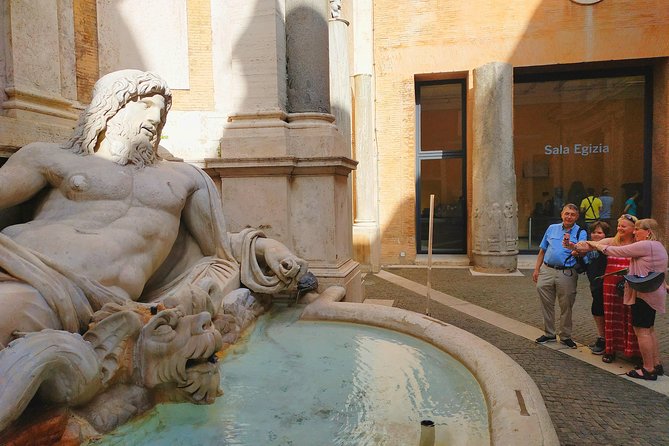
This tour has a clear “face-to-face” vibe. You’re not just hearing about gods from far away. The guide points you toward figures and symbols that connect those stories to Roman art and belief.
The myths and creatures themes you’ll run into include:
- Satyrs and other mysterious creatures
- Olympian gods like Jupiter, Athena, and Ares
- The monster side of Greek legend, including Medusa and Polyphemus
What makes this work well for families is that the tone stays manageable. Kids aren’t forced into heavy philosophy. They get character-focused explanations that feel like a story happening in the room with them.
Also, you’ll hear about famous philosophers as part of the overall myth-and-ideas picture. Even when the philosophy content is brief, it helps older kids see that ancient legends weren’t only bedtime entertainment—they were part of how people argued, taught, and explained the world.
If you’re traveling with teens, this matters. One big theme from families is that older kids liked learning more than they expected once the guide turned statues and symbols into real conversation.
The guides: why the human touch makes this tour hit
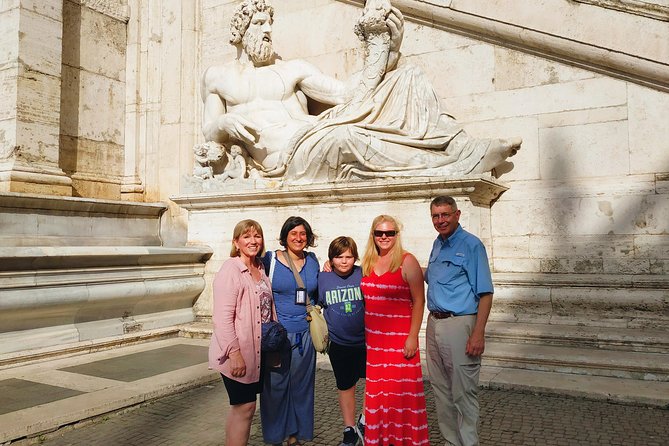
A museum tour can fail for one simple reason: the guide talks like it’s a lecture. This one doesn’t, at least based on the consistent praise for how guides handle kids.
You’ll see multiple guide names mentioned by families, and they’re tied to the same strengths:
- Maria is repeatedly described as outstanding with kids, structuring the tour to stay interactive for ages around 10 to 14
- Bruno is praised as especially engaging with children
- Sara and Alex are noted for fun, strong commentary that keeps kids interested
- Alessandra also gets a mention for a very good experience
What I think makes these guides effective is that they use a “character first” method. You don’t have to be deeply into mythology. You just have to follow the story. And since the tour links myths to real artifacts, kids can point and say, I see it, not just I heard about it.
This is also why mixed-age families tend to enjoy it. The guide approach gives younger kids a steady feed of “what’s that?” moments and gives older kids room for actual thinking and discussion.
Price and value: is $249.77 per person worth it?
At $249.77 per person, this isn’t a bargain-basement add-on. But value isn’t only about being cheap. It’s about how much you get for the time you spend.
Here’s the value case that makes sense for many families:
- You get a professional guide for about 2.5 hours
- You get a museum entry ticket included
- You get a story-focused route that can keep kids engaged without dragging them through a museum in silence
- It’s private for your group, so you’re not fighting for attention in a huge crowd
That private-group feel can be the difference between a tour that feels like work and one that feels like a treat. And if you’re already doing the big Rome hits (like the Colosseum or Vatican), this offers a different museum experience—one with fewer “I guess we should go in” vibes and more guided meaning.
So when is it not worth it? If your group hates guided tours, or if your kids aren’t interested in mythology at all, you might feel the price more than the payoff. If your family likes stories, characters, and seeing how art connects to legends, the cost starts to look reasonable.
Who this Percy Jackson Capitoline tour fits best
This tour is built for families, and it shows.
Great fit if you’re traveling with kids
Families report it worked well for kids as young as 4, and also for teens (including older kids like a 17-year-old in one group). The “interactive and educational” style helps because the tour stays anchored in what kids can see.
Great fit if your kids are reading Percy Jackson
If your child knows the series, you’ll probably notice they have an easier time following along. That recognition turns art into a game: they can connect character descriptions to real-world myth themes.
Also good for curious adults
Even if you’re the adult in charge of keeping everyone happy, it helps. You’ll learn about famous Roman art pieces, plus the mythology threads that tie Greek and Roman ideas together.
If you’re traveling with adults only and everyone wants quiet, contemplative museum time, you might prefer a non-guided visit. But if you want a museum that feels like a guided story, this is a strong option.
What to bring for a smoother museum day

Because food and drinks aren’t included, plan for your own basics. Bring water for everyone. A small snack can save your mood if the tour runs into a hot part of the day.
Since it’s a museum in Rome:
- Wear comfortable shoes with grip
- Bring a hat or sunglasses for the walk from the meeting point area
- Keep your group together when you’re switching galleries
You’ll also get a mobile ticket, so have it ready on your phone with battery power. And because kids must be accompanied by an adult, make sure you’ve got a clear adult-to-child ratio within your group.
Service animals are allowed, and the tour is near public transportation—helpful if you’re arriving independently.
Should you book it? My quick call
Book it if:
- You want a family-friendly guided museum that uses mythology as the teaching tool
- Your kids enjoy character-driven stories, not just facts
- You’d rather spend 2.5 hours meaningfully in the Capitoline Museums than split attention across too many stops
Skip it (or think twice) if:
- Your group hates guided tours or gets bored in museums
- Nobody in your party cares about mythology or Percy Jackson-style character stories
- You aren’t willing to handle basic logistics like no hotel pickup and bringing your own water and snacks
If you’re choosing one “smart, fun” museum moment for a family trip, this is a strong candidate. The guide’s ability to keep kids engaged while still walking through major museum pieces is exactly what makes it feel like more than a standard museum visit.
FAQ
How long is the Percy Jackson and the Olympian Gods Tour?
The tour lasts about 2 hours 30 minutes.
Where does the tour start?
The meeting point is Piazza del Campidoglio, 00186 Roma RM, Italy.
Is museum admission included?
Yes. An admission ticket is included as part of the tour.
What language is the tour offered in?
The tour is offered in English.
Is this a private tour?
Yes. Only your group will participate.
Is food or hotel pickup included?
No. Hotel pickup and food and drinks are not included.