REVIEW · ROME
“Rome: A Timeless Journey Through Classical Splendor”
Book on Viator →Operated by Airotour Ltd - Freetourrome · Bookable on Viator
Rome clicks faster when you get the context. This walking tour puts you in the heart of ancient Rome with a guide, so each hill, square, and ruin has a job, not just a name. I especially love how the route connects Campidoglio and the Foro Romano into one clear story. I also like that it ends right by the Colosseum for easy photos and an instant sense of scale.
The main thing to keep in mind is the pace: you’re looking at about 1 hour 30 minutes to 2 hours, so it can feel tight if you’re the type who wants to linger at every stop. At this price point, the best results come from asking questions while you walk instead of waiting for a long pause.
In This Review
- Key highlights to know before you go
- Why This Colosseum-Area Walk Makes Rome Make Sense
- Starting at Piazza di S. Marco: Your Orientation Moment
- Piazza Venezia: Getting the Big Picture Before the Walknaround
- Campidoglio on Capitoline Hill: Michelangelo’s Square in Action
- For the Foro Romano: Daily Life, Not Just Name-Dropping
- Outside the Colosseum: Gladiator Stories and Photo-Friendly Views
- Guides, Languages, and the Small-Group Difference
- Price and Value: Why $6 Can Still Be Worth It
- Weather, Comfort, and How to Make the Walk Feel Easy
- Who This Tour Fits Best (and Who Might Want Something Else)
- Should You Book This Tour? My Practical Take
- FAQ
- How long is the Rome walking tour?
- Where does the tour start and end?
- What’s included in the price?
- Are food and drinks included?
- Are tips included?
- Is the tour available in multiple languages?
- What’s the cancellation policy?
Key highlights to know before you go
- A focused route around the Colosseum so you don’t wander Rome without a plan
- Capitoline Hill + Campidoglio with Michelangelo’s square in the middle of your story
- Forum Romano daily-life talk that helps you picture what Romans actually did
- Photo time outside the Colosseum with views across the city included
- Small groups (max 30) with a guide who can adapt to questions
- Multi-language options across Europe plus a mobile ticket for easier entry
Why This Colosseum-Area Walk Makes Rome Make Sense
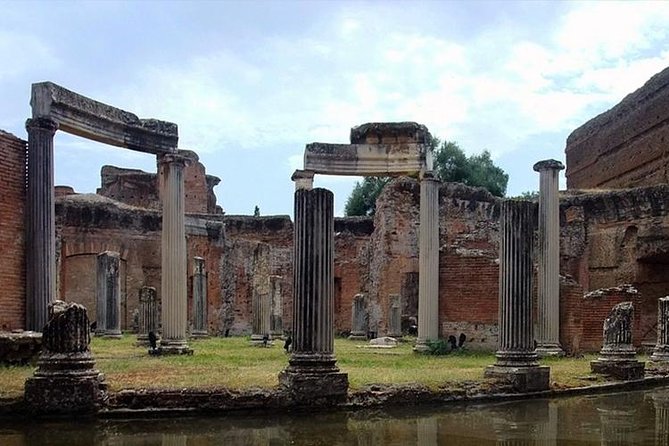
Rome can be a puzzle made of stone. You see impressive stuff—always—but it’s easy to miss why it mattered. That’s what this tour fixes. You’ll walk a compact loop centered on the Colosseum zone, and the guide keeps translating the geography into meaning: which hill was power, which forum spaces were daily life, and what role gladiators played in Roman entertainment.
The value is strong because the route is built like a chain. Piazza Venezia sets the scene. Campidoglio gives you the political and symbolic view. The Foro Romano gives you the “how it worked” feeling. Then you end with a Colosseum finish that lets you look up and finally understand scale.
One more reason I like this style: it’s practical. You’re not spending your whole day figuring out where to stand. You’re walking with a plan, learning as you go, and getting dropped at the most photogenic payoff.
You can also read our reviews of more tours and experiences in Rome.



Starting at Piazza di S. Marco: Your Orientation Moment
The tour starts at Piazza di S. Marco, 48 (near Basilica San Marco) at 12:00 pm. This matters more than it sounds. Rome’s ruins and monuments don’t sit politely in a grid. Starting with an orientation point helps you start seeing the city as linked neighborhoods, not scattered sights.
From the first minutes, the best guides do two things: they explain what you’re looking at and they warn you about what you’ll otherwise miss. Expect the guide to set up the route so later stops click faster. If you’re traveling with jet lag or you’re simply overwhelmed by Rome’s size, this is a real benefit.
Also note the tour runs in all weather, so plan for shade breaks and bring what you need for comfort. The route is doable for most people, and the group stays capped at 30, so you’re not getting swallowed by a giant herd.
Piazza Venezia: Getting the Big Picture Before the Walknaround
Next up is Piazza Venezia. This square is a smart early stop because it puts you in position to understand the wider city. Even without going inside anything, a good guide can connect this open space to Rome’s idea of power and layout—how the city’s center grew and how major landmarks align.
For your photos, this is also where you begin building a “before” picture. Later, you’ll stand near the Colosseum and want that contrast: from where you’re taking in the city broad view to where you’re reading the ruins up close.
If you’re short on time in Rome, you’ll appreciate the logic here. The tour doesn’t just hit highlights. It sets you up to interpret them.
Campidoglio on Capitoline Hill: Michelangelo’s Square in Action
You’ll then reach Campidoglio. This is one of the most important and recognizable areas in ancient Rome—and today it’s strongly associated with Michelangelo’s redesign of the square. For me, this stop is where the tour becomes more than sightseeing. It starts showing you how Rome layers eras.
Here’s the practical magic: you’ll look at the square and realize it’s not separate from the ancient story. The design frames your viewpoint. It guides how you look across the space, so it’s easier to imagine how Romans used the area when it was a center of authority.
It’s also a great moment for questions. Ask your guide how the square relates to Capitoline Hill’s role. The best guides will answer in plain language, often with neat specifics about what would have surrounded the hill in earlier times.
And if you’re traveling in hot weather, this is where a guide who has handled crowds before can be helpful—some guides mention adjusting pace and finding calmer spots when needed. Don’t assume perfect conditions, but do expect the guide to work with what’s happening.
For the Foro Romano: Daily Life, Not Just Name-Dropping
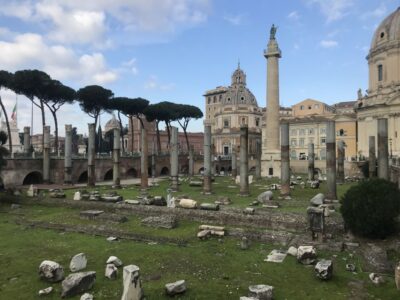
The walking tour then moves to Foro Romano. This is where many first-time visitors struggle on their own. The Forum can look like ruins scattered by time. With a guide, the Forum becomes legible.
You’ll learn about daily life at the Forum—what people did, how public spaces functioned, and how the feel of the area fits into the bigger story of Rome. That’s a big deal because Rome’s monuments are more interesting when you understand what ordinary Romans would have walked past.
Also, this stop gives you a useful “scale checkpoint.” In earlier squares and viewpoints, you’re learning the map. In the Forum, you learn the texture. You see the way space is shaped for movement and gathering, not just for impressive architecture.
If you’re the type who likes details, you’ll likely enjoy how guides often bring in “small but telling” facts. In past tours with guides like Sarah and Matteo, the explanations were described as clear, with guides going beyond surface description. Matteo, for example, even converted measurements for Americans, which is the kind of thoughtful touch that makes the tour feel like it was designed for real visitors—not a script.



Outside the Colosseum: Gladiator Stories and Photo-Friendly Views
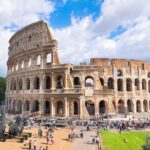
The tour ends in front of the Colosseum, at Piazza del Colosseo (00184). This is where your brain finally connects the dots.
The guide will explain gladiators outside the Colosseum. That’s smart storytelling because it ties a spectacle to the stone structure. The Colosseum isn’t only about architecture. It’s about crowd behavior, entertainment culture, and what Romans came to watch.
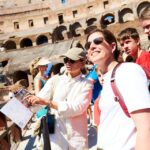
It also gives you what you came for: photo opportunities. The tour highlights capturing photos of the Colosseum and views across the city too. In practice, this is when you’ll stand back, look up, and notice how the monument sits against modern Rome.
Timing helps here. Because the tour is designed to finish right at the monument, you don’t have to scramble at the end to find it. You get a clean landing point for photos, and then you can decide where to go next—another viewpoint, a nearby museum, or simply wandering at your own pace.
Guides, Languages, and the Small-Group Difference
This experience is run with a local guide and a professional guide. What that usually means for you: you get both on-the-ground knowledge (helpful for navigation and context) and a guide who can keep the story moving and answer questions.
The group size tops out at 30. That’s a sweet spot for a walking tour. Large enough to keep things lively, small enough for the guide to notice if you’re confused or if your questions are pointing to the right gaps in understanding.
Language support is a big plus. The tour is available in a range of European languages. If you’re not fluent in English, you still have a good chance of finding a version you’ll actually enjoy.
One thing I’d watch for, based on guide variety: the best tours feel paced. Some guides are described as energetic and patient, like Riccardo, while others are praised for adapting to heat or crowds. If you get a guide who’s moving fast, it helps to speak up early: ask your top question by the second or third stop. You’ll get more from the tour that way.
Price and Value: Why $6 Can Still Be Worth It
The stated price is $6, with a mobile ticket. That’s extremely budget-friendly for a paid guided walk, especially one that covers multiple major stops tied to ancient Rome.
Now, here’s the practical truth about value. At this cost, you’re paying for direction and interpretation, not for long stops, entry tickets, or hidden-access miracles. You’re getting an efficient route and a guide-led explanation. That’s exactly what you want if you’re time-crunched or you’re trying to see the core sights without burning your whole day.
Tips are not included, so factor that into your total. This isn’t a “skip the human” situation. If your guide is doing the real work—making stone feel like a story—plan to tip.
The tour has a 4.4 rating across 32 reviews. That’s a strong sign, but also a reminder: any guide-driven experience can vary day to day. Your best strategy is simple: be on time, come with curiosity, and treat the tour like the starter kit it is.
Weather, Comfort, and How to Make the Walk Feel Easy
The tour operates in all weather. That means you should dress for rain, heat, and sudden Rome wind. Comfortable shoes are non-negotiable. You’re walking between squares and hills, and the stone can be unforgiving when the ground is slick.
If it’s hot, plan like it’s hot. Some guides have been praised for moving from shade to shade and finding places to refill bottles, especially when temperatures were high. You can help by bringing water and taking small breaks when the guide suggests them.
If you’re concerned about noise and crowds, remember: you’re in the Colosseum area. It gets loud. A good guide will keep you oriented and help you push through crowded moments without losing the story.
Who This Tour Fits Best (and Who Might Want Something Else)
This works especially well for you if:
- you’re visiting Rome for the first time and want a clean path through the Colosseum zone
- you’re on a tight budget and still want a guide-led experience
- you like the idea of learning how places worked, not just what they look like
It might be less ideal if:
- you want lots of time inside sites (this is a walking route with focus on context and street-level understanding)
- you hate any sense of schedule or fast pacing
If you’re visiting with family, or you prefer small-group experiences, the 30-person cap is a plus. And service animals are allowed, which helps with planning.
Should You Book This Tour? My Practical Take
Book it if your priority is orientation plus story. This is one of those tours that helps Rome click quickly: you’ll leave knowing how Capitoline Hill, the Forum, and the Colosseum connect, and you’ll have photos without the end-of-tour scramble.
Skip it only if you already know the area deeply and you need something very specific or long-form. This is an efficient walk built for context, not a slow museum day.
My advice: book it for your first day of serious sightseeing, ideally when you still have energy to absorb details. If you’re jet lagged, aim for this early so the rest of the city becomes easier to read.
FAQ
How long is the Rome walking tour?
It runs about 1 hour 30 minutes to 2 hours, depending on the pace and conditions.
Where does the tour start and end?
It starts at Piazza di S. Marco, 48, 00186 Roma RM, Italy, and ends at Piazza del Colosseo, 00184 Roma RM, in front of the Colosseum.
What’s included in the price?
The tour includes a local guide and a professional guide.
Are food and drinks included?
No. Food and drinks are not included.
Are tips included?
No. Tips are not included.
Is the tour available in multiple languages?
Yes. It’s available in a range of European languages.
What’s the cancellation policy?
You can cancel for a full refund if you cancel at least 24 hours before the experience’s start time. If you cancel within 24 hours, the amount you paid is not refunded. The tour can also be canceled if the minimum number of travelers isn’t met, with an offer of a different date or a full refund.