REVIEW · ROME
Colosseum with Gladiator Arena, Forum and Palatine in Spanish
Book on Viator →Operated by EnRoma.com · Bookable on Viator
If you love big Roman moments, start here. This Spanish tour gives you direct access to the Colosseum Arena through the gladiator gate, then continues with the Palatine Hill and the Roman Forum in a tight, no-rush format.
I especially like that it’s built for very small groups (up to 20) and avoids the worst of the waiting with an entry focused on the right spaces, not a long loop of standing around. I also like the pacing: three main stops, about an hour each, so you still feel the scale without getting exhausted. One thing to watch: your full name on the booking has to match your ID/passport exactly, or entry can be refused at the Colosseum and Roman Forum.
In This Review
- Key things you’ll notice on this tour
- Spanish Gladiator-Gate Access Inside the Colosseum
- Entering the Colosseum Arena without wasting the day
- Palatine Hill and the Farnese Terrace: where the city starts
- Roman Forum on the Via Sacra: monuments with a narrative
- Small-group value: what it changes in real life
- Tickets, names, and mobile access you should not ignore
- Price and value: what $90.57 buys you
- Who should book this Colosseum + Forum + Palatine Spanish tour?
- Should you book it? My practical take
- FAQ
- Is the tour in Spanish?
- How long is the tour?
- What’s included in the price?
- Do I need to bring ID?
- How big is the group?
- What if I need to cancel?
Key things you’ll notice on this tour
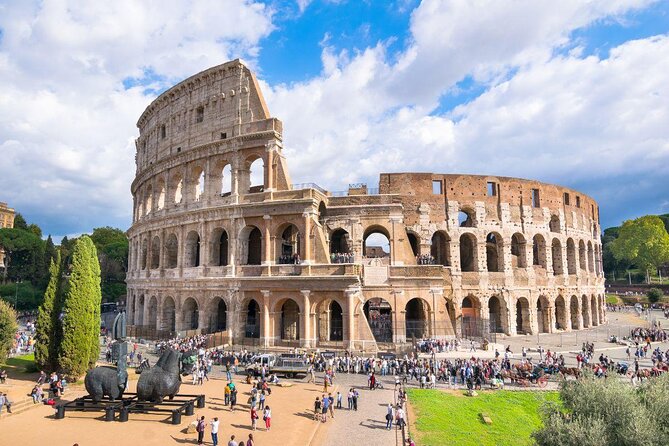
- Gladiator-gate entry: you access the Arena through the gladiator route, not a standard side entrance.
- Small-group feel: semi-private setup with a maximum of 20 people, so your guide can keep things moving.
- Spanish narration: the whole visit is designed for Spanish speakers.
- Palatine viewpoint on Farnese Terrace: you’ll pause where you can read the landscape of ancient power.
- Forum highlights on the Via Sacra: Temple of Antoninus, Curia, and triumph arches of Titus and Septimius Severus are part of the route.
Spanish Gladiator-Gate Access Inside the Colosseum
Rome does a lot of advertising. This tour does something better: it helps you step into a place where the story feels physical.
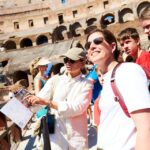
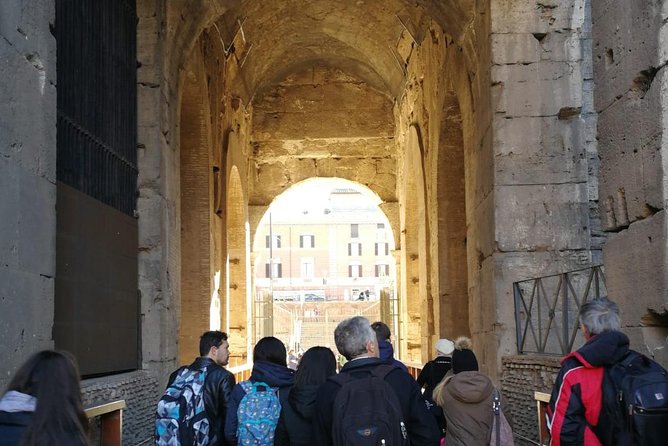
The Colosseum portion starts with interior access that gets you into the Arena area directly. Instead of treating the Colosseum like a photo stop, this gives you a clear mental path: you arrive, you enter, and you’re in the space where shows played out. That matters because the Colosseum is huge. If you only ever look from the outside, you miss how the building worked as a stage.
And yes, it’s in Spanish. If you’re comfortable in Spanish, you’ll get more out of the visit than you would with basic signage. You’ll also move faster because you’re not trying to translate on the fly. If your Spanish is still growing, you might find yourself relying more on what you already know, but the structure of the stops still helps you follow along.
One more practical detail I appreciate: admission is included for the main sites, so you’re not splitting your attention between paying at multiple counters and coordinating tickets while you’re already standing in a line.
You can also read our reviews of more tours and experiences in Rome.



Entering the Colosseum Arena without wasting the day
The tour runs about 3 hours total, with three focused stops of about an hour each. That time budget is a big part of the value. The Colosseum alone can eat up a half-day if you’re browsing every niche. Here, you get a guided path that keeps you oriented and moving.
The promise is “no lines,” and while you should always expect some crowding in central Rome, the setup is clearly meant to keep you from doing the slowest part of entry. That’s especially helpful because the Colosseum area can be chaotic: you’re dealing with security checks, crowds, and lots of groups. A guided entry plan makes the difference between feeling rushed and actually enjoying the place.
Once you’re inside, the big win is that you’re not only looking at arches and stone. You’re getting a sense of where movement happened and where people would have been positioned. That’s also why the gladiator-gate detail matters. The route is part of the emotional story. It’s not just an access point; it’s a symbol of the idea of showtime.
If you’re the type who likes to understand what you’re seeing—rather than just collect a few photos—this approach will click for you.
Palatine Hill and the Farnese Terrace: where the city starts
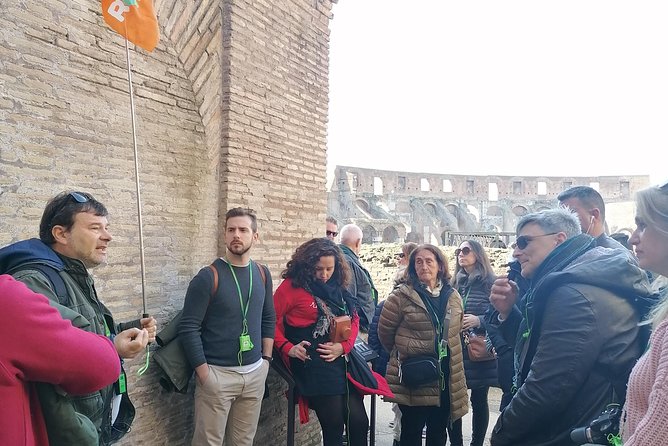
After the Colosseum, you shift to Palatine Hill, one of the best places to connect Rome’s legend to the physical layout of the city.
You’ll spend about an hour with stops that include the Farnese Terrace, where you can look out over the space and understand why this area is seen as a cradle of power. The Palatine isn’t just “another ruin.” It’s a viewpoint into how elite Rome lived and how Rome staged authority. That’s why your guide focuses on the Flavia dynasty palace spaces and how those locations became lasting symbols of Roman power.
This is also where the guided format earns its keep. If you visit Palatine on your own, you’ll likely wander. That’s not always bad, but it can be confusing because the hill covers a lot of layers. With a guide, you’re guided through the key areas your brain needs first: where the palace areas were, and why the terrace view matters for reading the landscape.
A small heads-up: Palatine and the Forum areas can feel hot and exposed during warm months. One positive review specifically mentioned a very hot day—so bring sun protection and plan to hydrate when the tour ends.
Roman Forum on the Via Sacra: monuments with a narrative
The final stop is the Roman Forum, and this is the part many people want but often don’t get right on their own.
Here’s what you can expect to see during the Forum walk: the Temple of Antoninus, the Curia, the triumph arches of Titus and Septimius Severus, major basilicas, and the memory of the place where Rome gave its last greeting to Julius Caesar. You’ll also cover the Via Sacra, the famous street that ties the whole area together.
What makes this stop valuable isn’t only the list of famous buildings. It’s the way a good guide connects them into a sequence of power, ceremony, and public life. When you walk the Via Sacra with context, you start understanding why certain monuments were placed where they were, and what they were meant to signal.
Potential drawback: the Forum can be visually busy. Even on a guided visit, you’ll see a lot in a short time (about an hour). If you’re the kind of person who wants to linger at each corner for photos and details, you might want to extend your own exploration after the tour ends. The good news is you’re ending near the Colosseum area and can stay longer if you want.
Small-group value: what it changes in real life
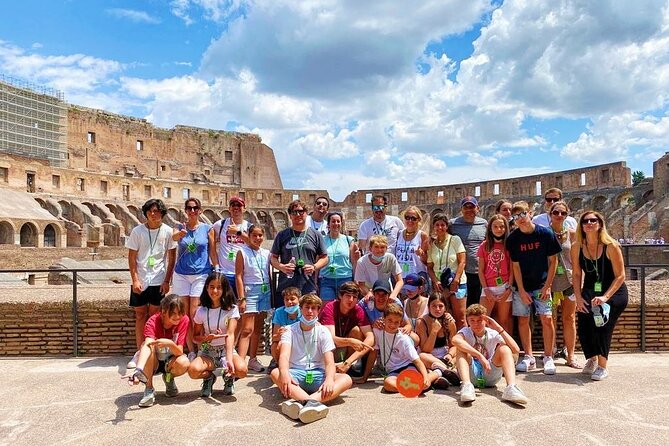
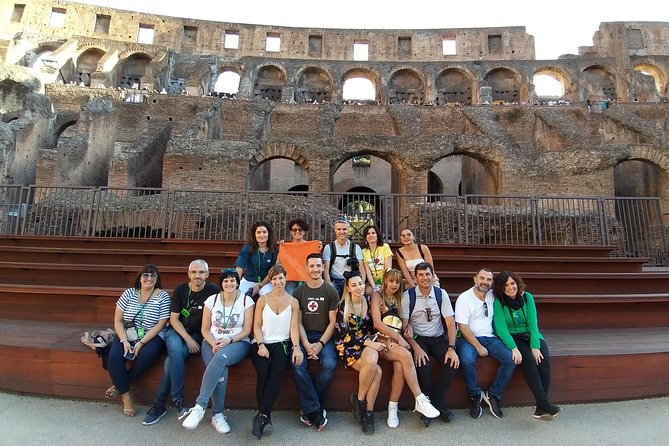
This is designed as a semi-private experience with a maximum of 20 travelers. In practice, that’s the sweet spot. Big bus tours often move like a conveyor belt. On a small-group tour, you usually get a more human pace and more time to ask basic questions.
The reviews highlight this feel. One very positive review praised a guide named Tomás for making the visit lively and funny, and the group clearly enjoyed the tone, not just the landmarks. When a guide uses humor well, it’s not fluff—it helps you remember what you heard because your brain is more relaxed.
Of course, not every experience is perfect. One low-score review described a serious problem (a guide not arriving and confusion about whether the tour was available), with an issue getting the money back. That’s the outlier, but it’s worth learning from. Before your tour, confirm your meeting details and keep your booking info handy so you can troubleshoot fast if anything seems off.



Tickets, names, and mobile access you should not ignore
This tour uses a mobile ticket, which is convenient. Less time messing with printed vouchers means you start sooner and keep your day smoother. Still, the real-world key detail is the name check.
The booking requires you to provide the full names of all travelers. At the ticket office, each traveler must show a valid passport or ID document that matches the name used at booking for entry to the Colosseum and the Roman Forum. If there’s even a small mismatch, it can become a show-stopper.
So here’s my practical advice:
- Double-check spelling during booking, especially accents and middle names.
- Make sure everyone has their physical ID/passport on them that day.
- Keep the mobile ticket accessible in your phone in case staff ask to see it.
Also, the tour starts at Largo Corrado Ricci and ends at Colosseum (Piazza del Colosseo, 1). Since you can stay at the Colosseum afterward, you can plan to linger for sunset views or your own photos without rushing back into the plan.
Price and value: what $90.57 buys you
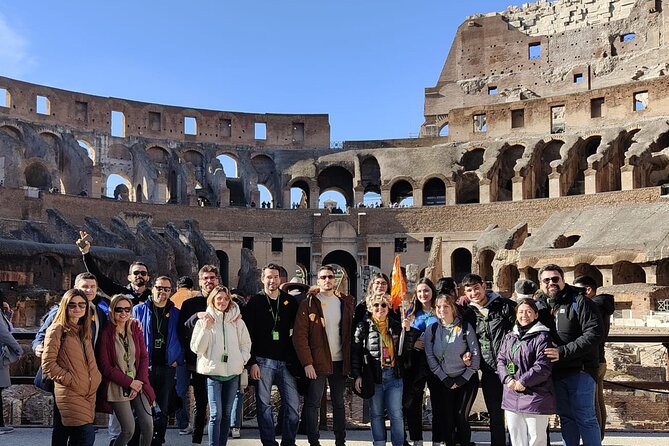
At $90.57 per person, this isn’t a budget gamble. It’s a mid-range, experience-focused price. What helps it make sense is that it includes admission tickets for the Colosseum, Palatine Hill, and the Roman Forum, plus the guided route time (roughly 3 hours).
Many Rome tours charge extra once you arrive, which can turn a decent price into a confusing day. Here, admission is included, so you’re paying mainly for:
- the guided sequence through three major areas,
- the Spanish commentary,
- and the small-group structure aimed at improving your time on site.
If you compare it to doing everything individually, the value is strongest if you care about interpretation and want to avoid wasting hours figuring out where to go and what matters first. If you’re the type who enjoys wandering without guidance, you might spend less on tickets only—but you’d likely lose the fast context that makes the Forum and Palatine click.
One more value hint: the tour is often booked about 43 days in advance on average. That suggests demand is real. Booking earlier tends to reduce stress and helps you lock in the Spanish-led option you want.
Who should book this Colosseum + Forum + Palatine Spanish tour?
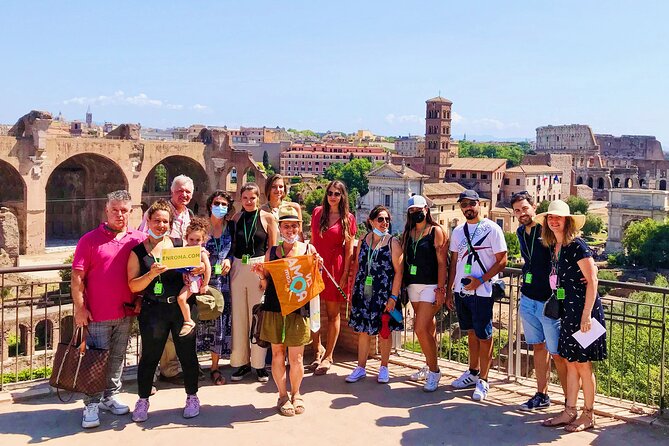
This fits best if you want:
- Spanish guidance and you want your visit to feel like a story, not a checklist.
- a fast but meaningful Colosseum experience that still includes Palatine and the Forum.
- the Arena access through the gladiator gate as a highlight, not a marketing line.
- a small-group vibe with enough structure to keep your day moving.
It might be less ideal if you:
- need extra time at each ruin for slow reading and tons of personal photo stops,
- don’t like guided pacing,
- or your schedule is too tight for a consistent start time window (the tour is about 3 hours, so you’re committing to that chunk).
Should you book it? My practical take
I’d book this tour if you’re excited about the Colosseum Arena from the inside, you like guided context, and you want a Spanish experience that keeps you organized across three top sites. The included admissions help the math, and the small-group limit makes it feel more personal than the mass tours.
If you’re considering it for the Arena access alone, check your expectations: you’re getting a smart guided route, not a long, slow day. If you want to linger for hours, plan to stay afterward since the tour ends near the Colosseum and you can continue at your own pace.
FAQ
Is the tour in Spanish?
Yes. The visit is described as an exclusive visit in Spanish.
How long is the tour?
It’s approximately 3 hours total.
What’s included in the price?
All fees and taxes are included, and admission tickets for the Colosseum, Palatine Hill, and the Roman Forum are included.
Do I need to bring ID?
Yes. Each traveler must show a valid passport or ID document that matches the name provided at booking for entry to the Colosseum and Roman Forum.
How big is the group?
The tour has a maximum of 20 travelers.
What if I need to cancel?
You can cancel up to 7 days in advance for a full refund. If you cancel less than 7 full days before the start time, the amount paid is not refunded.