REVIEW · ROME
Rome: Doria Pamphilj Gallery Entry Ticket with App Audioguide
Book on Viator →Operated by TOURISTATION · Bookable on Viator
Rome has a quieter royal art detour. The Doria Pamphilj Gallery lets you see a family collection in rooms that feel lived-in, not staged for selfie lines. What I like is that your visit is self-paced, with an included digital map and audio commentary so you can linger over paintings and move on when something stops grabbing your eye. One thing to consider: this is an audio-first experience, not a live guided tour with a person to lead the discussion.
If you want an easy entry plan, this ticket format works: it’s a mobile ticket with reserved entrance and a timed entry slot. You report directly at the ticket office inside the gallery at Via del Corso 305, and you can take breaks—there’s seating in the galleries, which is rare in Rome. Just plan your timing well, because the museum experience can feel warm and slow if you arrive when the city is at its hottest.
In This Review
- Key highlights to know before you go
- Doria Pamphilj: why this collection feels different in Rome
- Ticket value: what you actually get for $35
- Entering the gallery at Via del Corso 305
- What to expect inside: walking at your own pace
- The standout experience: art, rooms, and a real sense of family context
- How long you need: about 1 hour 10 minutes, with room to stretch
- When to go: timing matters more than you expect
- Audio experience: app guide, device options, and headphone reality
- Comfort and practicalities you can plan around
- Who this fits best (and who should reconsider)
- Price and logistics: is $35 worth it?
- Should you book this Rome ticket?
- FAQ
- What is the approximate duration of the Doria Pamphilj Gallery entry?
- Is this ticket self-guided or does it include a guided tour?
- Where do I go to check in?
- What’s included with the ticket?
- What is not included in this package?
- Is the ticket mobile?
- How far in advance is it typically booked?
- Can I cancel for a refund?
- Is the attraction near public transportation?
Key highlights to know before you go

- Private family collection, presented like a home rather than a textbook museum route
- Timed entry with an included audio map so you’re not guessing your way through
- Audio commentary designed room by room, including family connections and how pieces relate
- You control the pace, with freedom to stop longer at the works that catch you
- Comfort matters: there are places to sit, so you can rest without quitting the visit
- Bring wired headphones if you prefer them, since some audio setups are not wireless
Doria Pamphilj: why this collection feels different in Rome
The Doria Pamphilj Gallery is one of those Rome stops that doesn’t need to shout for attention. Instead, it wins you over through scale and atmosphere: long rooms, strong decorative walls, and artworks grouped in a way that feels intentional, like you’re stepping through a major family home. Even if you know Rome mainly for the big names, this place changes the tone. You get court-level art and display, but the pace is calmer than the blockbuster sites.
The big win for most visitors is that the collection is private in spirit. It’s not just artifacts behind glass; it’s a family collection that has been kept together for generations and then opened to you. That context matters because you’re not only looking at what a painter painted—you’re also picking up the story of why these works ended up here in the first place.
And that leads to a practical point: if you enjoy art that comes with context, this visit works well. You’ll spend more time looking because the audio commentary helps you connect paintings, rooms, and family history.
You can also read our reviews of more tours and experiences in Rome


Ticket value: what you actually get for $35
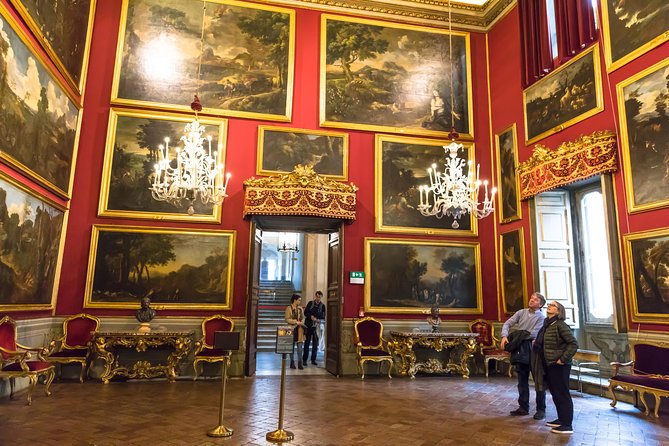
At about $35 per person, this ticket isn’t the cheapest way to enter Rome’s museums, but it isn’t trying to be. Here’s what you’re paying for in a real way:
- A reserved entrance ticket (with a timed slot)
- The included Rome City app audioguide, plus the tools that make the self-guided experience easier
A useful way to think about this: you’re not just buying admission. You’re also buying a structured visit. Timed entry reduces the scramble, and the audio map helps you move through a large collection without feeling lost. That’s the difference between quickly walking past art versus actually spending time with it.
That said, there’s been confusion online about pricing—some people notice what the on-site ticket desk lists and assume the extra cost is unnecessary. If you’re the type who enjoys figuring things out on your own and you don’t care about audio support, direct museum tickets may look like a better deal. But if you want a smoother start and you like having interpretation at your side, this package makes sense.
Entering the gallery at Via del Corso 305

Your biggest logistics win is simple: you report directly at the ticket office inside the gallery at Via del Corso 305. That means you’re not trying to locate a separate office or match paper vouchers to a third-party setup. With a mobile ticket, you show what you booked, then you’re in.
Since this is a timed entry product, treat your arrival like it’s an appointment. Show up a little early so you’re not rushing while trying to load your ticket or open your app. Rome can be slow-moving on your feet, and it’s smart to remove any friction before you reach the front door.
Also, the site is near public transportation, which is handy. It makes the visit easier to plug into a day that already includes walking between major sights.
What to expect inside: walking at your own pace
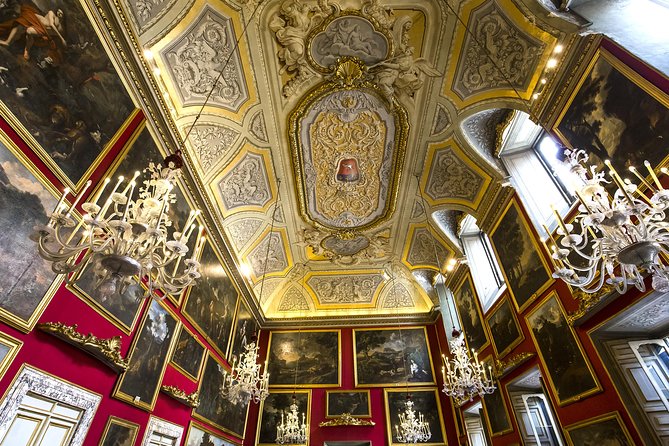
The core promise here is a gallery visit with minimal pressure. You don’t have to keep up with a group. Instead, you can slow down, scan a room, then choose your next stop based on your interests. That matters in a museum like this because the collection is broad, and the best rooms for you might not be the same as they are for your travel partner.
The experience is essentially: enter the galleries → use your audioguide/map to follow a path → stop when a painting, sculpture, or room detail grabs you → keep going when you’re ready. The audio commentary is designed to explain what you’re seeing room by room, which is exactly what you need when you’re self-guided.
You’ll also notice the difference between a place that relies only on placards and a place with audio interpretation. In Doria Pamphilj, the audio helps you understand relationships—how pieces connect to the family, and why certain works belong in particular rooms. That turns your time into something more than a checklist.
The standout experience: art, rooms, and a real sense of family context
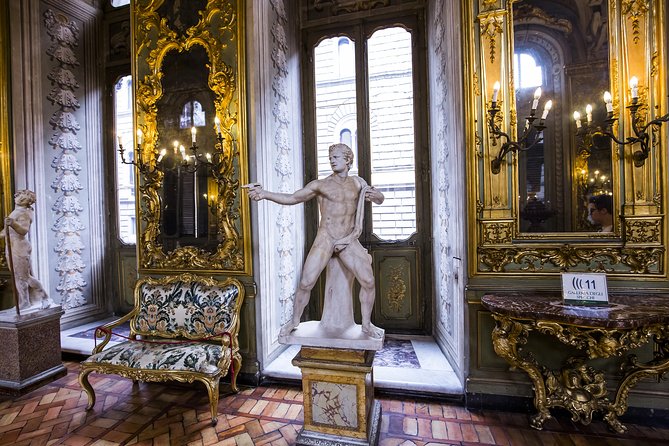
Even if you don’t memorize titles, you’ll likely remember the feeling of the rooms. There’s a strong sense of grandeur to the architecture and interiors, and the collection itself has variety. You may come thinking you’ll focus on the famous names, and then end up surprised by the range—known and lesser-known artists presented side by side.
One place many visitors don’t miss is the portrait tradition inside the collection. The family’s painted legacy includes major portrait work tied to the historical household. Another clear draw is the interest in works associated with Caravaggio’s circle; the audio guidance can point you toward key paintings in that sphere, so you don’t just stumble on them by accident.
If you like moments where the museum explains why a room looks the way it does, you’re in the right place. The audio commentary isn’t only describing brushwork. It also ties artworks back to the home and the family. That’s what turns a collection from a set of pictures into a living story.
Practical note: the museum experience is described as peaceful by many visitors. That doesn’t mean you’ll never see people, but it often feels calmer than the highest-demand attractions. Still, if you prefer maximum quiet, aim for earlier in the day.
You can also read our reviews of more museum experiences in Rome



How long you need: about 1 hour 10 minutes, with room to stretch

The duration listed is about 1 hour 10 minutes. That’s a good planning target, but it’s not a hard ceiling. If you follow the audio and stop at multiple works, you can easily use most of that time. If you’re more selective, you might come in under the estimate.
A smart strategy: treat the first 20 minutes as your orientation phase. Use the audioguide to understand the layout and pick your route. Once you have bearings, your second half becomes more about personal choice—double down on the works you’re drawn to and skip the rest without guilt.
Also, don’t underestimate the value of seating. There are chairs in the galleries, so you can rest your legs without abandoning the visit. That sounds small, but it changes your endurance. With Rome walking days, a place that lets you sit comfortably keeps your energy for the rest of the afternoon.
When to go: timing matters more than you expect

For this sort of palace-style museum, your comfort depends heavily on when you arrive. There’s at least one practical warning that’s worth respecting: the galleries may not have air conditioning. If you’re visiting during peak heat, plan for it. Going earlier tends to make the whole experience easier on your body and your attention span.
There’s also a crowd effect. Even though this is often quieter than Rome’s biggest attractions, bigger crowds can build during the day. If you want a calmer pace for the self-guided audio, mornings usually work best.
Audio experience: app guide, device options, and headphone reality

This ticket includes the Rome City app audioguide. For many people, that’s exactly right. Your phone becomes the key, the map becomes your orientation tool, and the audio commentary fills in the context you’d otherwise miss.
But audio delivery can vary. Some visitors report that there’s also a small audio device available at the gallery, and that the connection may be wired rather than fully wireless. That’s why I recommend packing your own wired headphones if you have them. Even if the app is your main plan, having a backup audio option makes the visit smoother.
One more small but important tip: if you’re using audio hardware that you hold to your ear, don’t wait until you’re standing in front of a painting to realize you forgot headphones. Decide your setup before you start walking so you can focus on the art.
Comfort and practicalities you can plan around
This is a palace environment, and that means comfort is about preparation. Here are the issues that matter most:
- Heat: plan for warm rooms and consider a morning slot
- Seating: you can rest inside the collection
- Audio: have a headphone plan so you’re not distracted fiddling with devices
And since it’s self-guided, you’ll want to be mentally ready for a slow rhythm. If you love museum wandering, you’ll do great. If you only want the top hits in record time, you might feel like the audio makes the visit longer than a quick walk-through.
Food and drinks aren’t included. If you’re making this a half-day anchor, plan a nearby break after. The gallery can be a full focus, so it’s better to eat once you’re done rather than trying to turn the visit into a snacking errand.
Who this fits best (and who should reconsider)
This is best for you if you:
- Want a calmer, self-paced museum that doesn’t force group pacing
- Enjoy learning as you look, using an audio map for structure
- Like art that comes with family and room context, not just labels
It might be less ideal if you:
- Strongly prefer a live guide who answers questions and keeps the story flowing
- Need wheelchair-level accessibility details beyond what’s stated as most travelers can participate (your best move is to confirm specifics before you go)
Also, if you’re visiting Rome for just a short stay and you only have time for one major art museum, Doria Pamphilj can be a smart choice. It offers something different from the most famous names, especially if you like being in a home-like setting.
Price and logistics: is $35 worth it?
Here’s my take. If you value convenience—reserved entry, a timed slot, and an included audio guide—the $35 price is easier to justify. You’re paying for less hassle and a more structured visit.
If you’re cost-driven and you don’t care about audio, direct tickets may look cheaper. Some online comments have pointed out differences between third-party packages and what’s listed at the desk, which can make the math feel off.
The key question for you is simple: will you use the audioguide and appreciate the timed entry? If yes, this ticket becomes good value. If no, you could likely find a cheaper admission option and still have a fine time.
Should you book this Rome ticket?
Book it if you want a self-guided art visit that feels private, calm, and full of context—especially if you like using audio to understand what you’re looking at. The combo of timed admission and the Rome City app support helps you move through a big collection without wandering aimlessly.
Skip or reconsider if you only want a live guide, or if you’re sensitive to warm indoor conditions and you can’t adjust your schedule. In that case, you might still visit the gallery, but you’ll want to pick the right time of day and plan how you’ll handle audio.
If you’re planning your art days in Rome, I’d treat Doria Pamphilj as a high-payoff stop. It’s not the loudest museum on the route. It’s the one that rewards slower eyes.
FAQ
What is the approximate duration of the Doria Pamphilj Gallery entry?
The experience runs about 1 hour 10 minutes on average.
Is this ticket self-guided or does it include a guided tour?
It’s self-guided with an included Rome City app audioguide. A guided tour is not included.
Where do I go to check in?
You should report directly at the ticket office inside the Doria Pamphilj Gallery, Via del Corso 305.
What’s included with the ticket?
You get a reserved entrance ticket and the Rome City app audioguide.
What is not included in this package?
Food and drinks are not included, and transfers from and to the airport are also not included. Private rooms are not included either.
Is the ticket mobile?
Yes, the ticket is provided as a mobile ticket.
How far in advance is it typically booked?
On average, it’s booked about 20 days in advance.
Can I cancel for a refund?
Yes. You can cancel up to 24 hours in advance for a full refund.
Is the attraction near public transportation?
Yes, it’s listed as being near public transportation.