REVIEW · ROME
Rome: Borghese Gallery Skip-the-Line Tickets with Audioguide
Book on GetYourGuide →Operated by Crown Tours · Bookable on GetYourGuide
A roomful of marble drama beats any line. With timed skip-the-line entry and a digital audio guide, you can pace through Rome’s top Baroque collection at your own speed, from Bernini to Caravaggio. The main catch: if you visit at opening on a quieter day, the skip-the-line part may feel less urgent.
I like this setup because the Borghese Gallery is famous for selling out and limiting the number of visitors per timeslot. You’re not stuck in a slow-moving crowd shuffle, and the experience is built for a focused visit of a few hours, not a quick photo stop.
One more thing to weigh: this ticket gets you into the gallery, but it does not include Borghese Gardens access, so you’ll want a separate plan if you’re hoping to wander the park beyond the museum visit.
In This Review
- Key things I’d zero in on
- Borghese Gallery works on a ticketed-scarcity model
- Where to meet your host at Fontana dei Mascheroni
- Skip-the-line entry: what it gets you (and when it won’t matter)
- Villa Borghese Park: the setting is part of the art
- Your self-paced loop through a Baroque powerhouse
- Bernini: where the marble looks almost alive
- Caravaggio’s emotional punch: David with the Head of Goliath
- Raphael, Titian, and Canova: balance after the drama
- Using the digital audioguide without losing your flow
- Time management: windows, re-entry rules, and closed areas
- Price and value: why $53 can be worth it
- Who this is for, and who should think twice
- Should you book this Borghese skip-the-line ticket with audioguide?
- FAQ
- How long is the Borghese Gallery experience with this ticket?
- What’s included in the ticket price?
- Where do I meet the host?
- Can I bring a stroller or large luggage?
- Are the Borghese Gardens included?
- Is skip-the-line always necessary?
Key things I’d zero in on

- Timed entry that protects your time in a gallery that sells out quickly
- A digital audioguide designed for self-paced viewing, with context for major works
- A small, timed group feel that helps you escape the worst crowd crush
- The Cardinal Borghese villa setting, which turns art viewing into a house-visit vibe
- Big-name Baroque highlights you can’t really replicate elsewhere in Rome
Borghese Gallery works on a ticketed-scarcity model
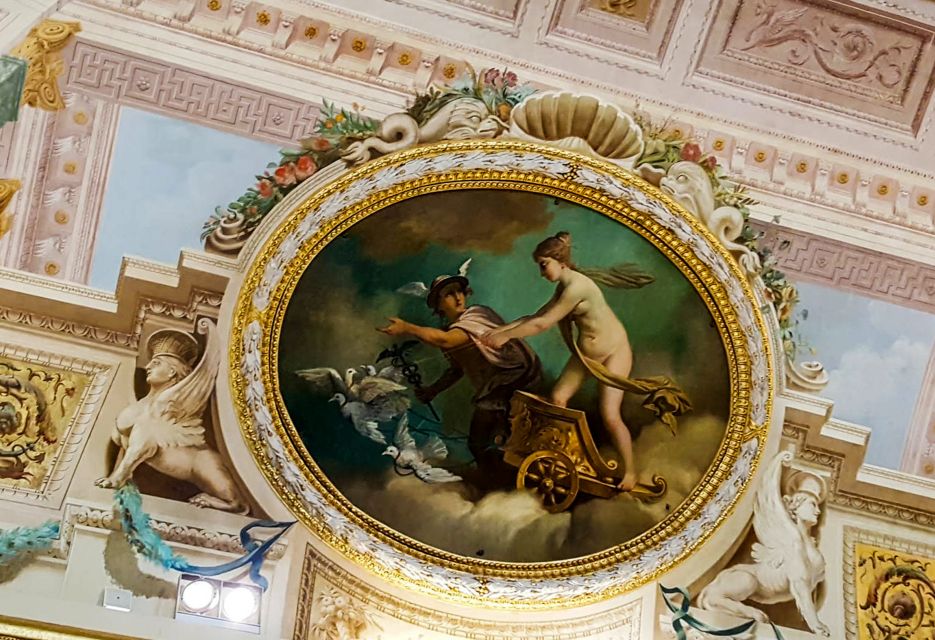
Borghese Gallery is one of those places where the timing is the whole story. Your ticket is tied to a specific entry slot, and that matters because the museum limits how many people can go in at once.
In practice, this means you’ll have a calmer route through the rooms. Even if it’s busy outside, you still get to use your brain instead of waiting with your feet planted, hoping you’ll make it before your window ends.
Plan around the 2–4 hour range and don’t treat it like a “sprint.” This is a museum where you’ll naturally slow down for sculpture details, dramatic lighting in the paintings, and the way the villa rooms frame each work.
You can also read our reviews of more tours and experiences in Rome

Where to meet your host at Fontana dei Mascheroni
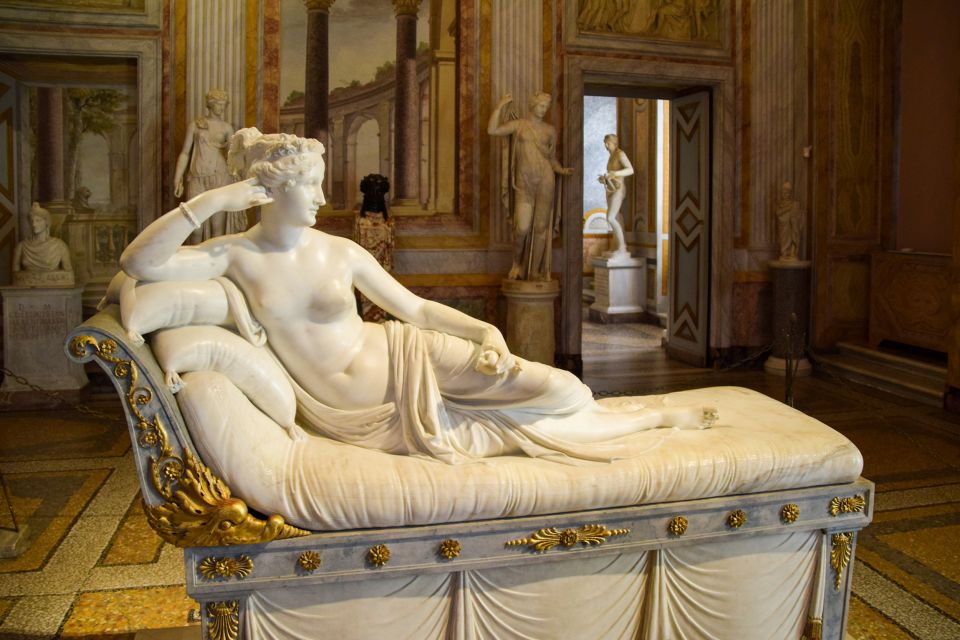
You’ll meet outside the museum area at Fontana dei Mascheroni, Viale del Museo Borghese, directly in front of Galleria Borghese. Your host should be right in front of the small drinking water fountain called La Fontana dei Mascheroni, wearing a purple Crown Tours t-shirt and holding a flag.
For me, meeting-point clarity is the difference between a smooth start and a stressy one. And here, the directions are very specific:
- From Pinciana or Museo Borghese: walk along Viale dell’Uccelliera for about 2 minutes to the fountain.
- From S. Paolo del Brasile: walk straight along Viale del Museo Borghese for about 8 minutes.
Language support is English and French, and the greeter is there to help you collect your timed entry and get oriented for entry.
Skip-the-line entry: what it gets you (and when it won’t matter)
This is marketed as skip-the-line, but the real value is that your ticket is already reserved to match your timeslot. In peak season, that can be a lifesaver because lines can be long and tickets can be gone.
A practical tip: even people who didn’t feel much need to skip reported that the convenience was still worth it for the certainty. If you’re going right at opening, you might find the line situation is manageable anyway. But when it’s crowded, “having a slot” is what changes your whole experience.
Security is part of the reality here. You can bring only small bags and purses inside. If you show up with a larger bag, there’s a free cloakroom at the entrance where you can store it safely.
Also keep your day light. Comfortable shoes matter because the visit is in rooms that encourage walking and stopping. Bring your passport or ID card, since it’s listed as required.
Villa Borghese Park: the setting is part of the art
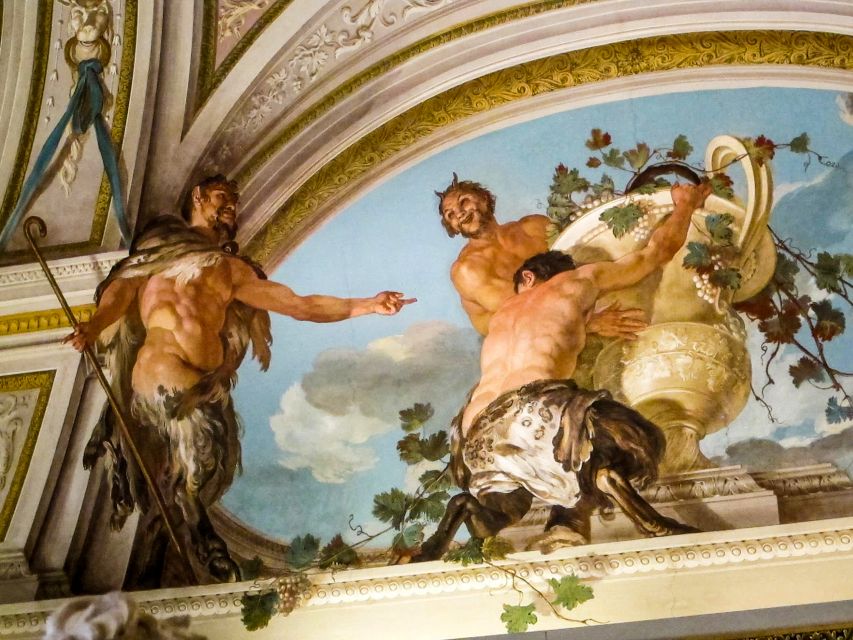
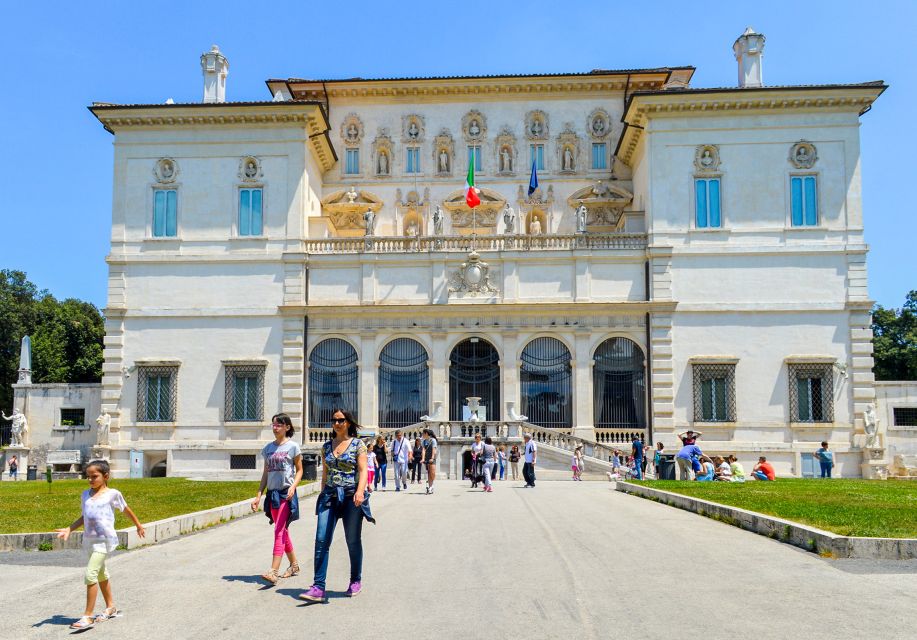
The gallery is inside a 17th-century villa tied to Cardinal Scipione Borghese. That house connection is not a small detail. The rooms, the layout, and the way works are presented all make more sense when you think of it as a personal collection on display.
You’re walking into a collection that spans Renaissance, Roman, and Baroque styles. That mix is why the Borghese Gallery can feel more “human” than some grand museums: you can see how one collector’s tastes shaped the whole experience.
And you’ll be doing all this inside Villa Borghese Park. This ticket doesn’t automatically cover garden access, but it does place the museum right in the park world, which makes it easy to connect with a stroll before or after your entry.
Your self-paced loop through a Baroque powerhouse
The structure of the experience is simple: enter during your reserved time, then explore at your own pace. This is where the audioguide earns its keep.
Even without a live guide, the audio support is meant to do three things:
- explain what you’re looking at,
- give you technique and context,
- connect the works to the artists’ goals and the period.
If you choose a guided tour option, you’ll add a layer of conversation and direction. But even in the self-paced mode, you’re not stuck guessing what matters most.
A good way to think about the time: you’re likely to spend more time than you expect on the sculptures, because they demand close viewing from different angles. Paintings also take time, but they usually “read” faster once you understand the story or symbolism.
You can also read our reviews of more museum experiences in Rome




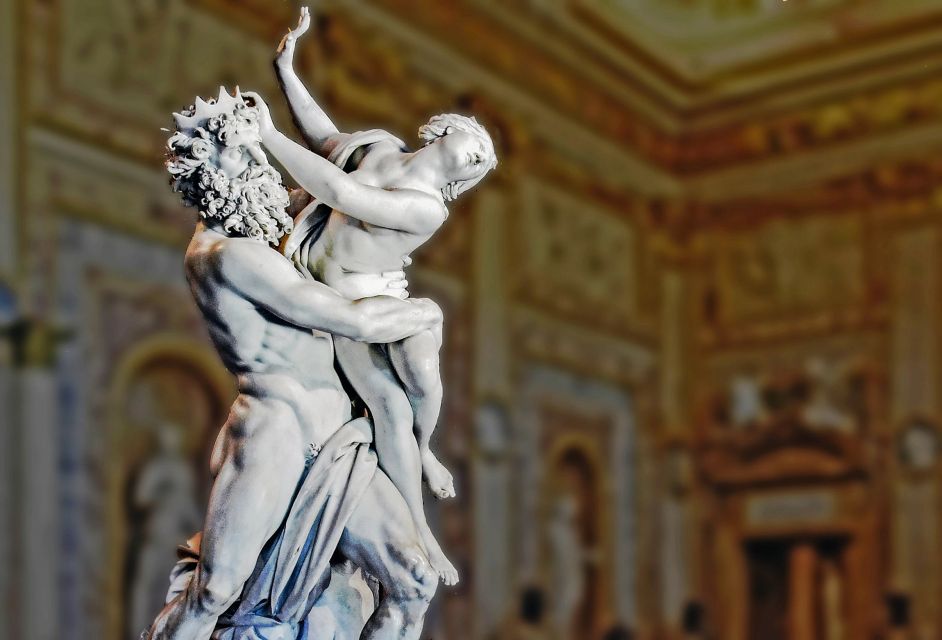
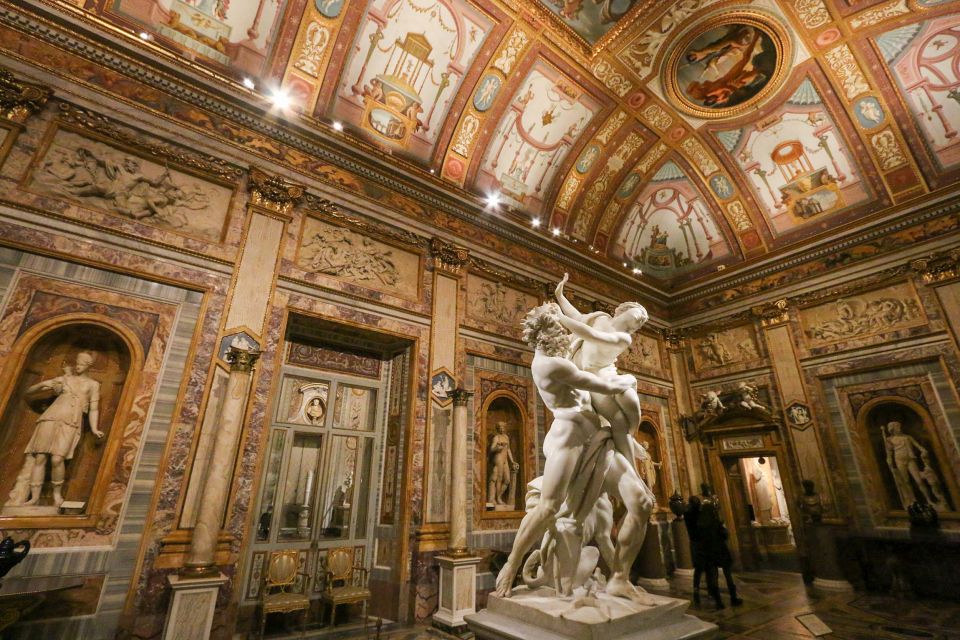
Bernini: where the marble looks almost alive

Bernini is the headline you’ll feel as soon as you walk in. His sculptures are famous for making stone behave like flesh, hair, fabric, and movement.
One standout you’ll see is Apollo and Daphne. It’s the kind of work where you’ll want to stop and check details multiple times: the tension of the pose, the way motion is captured, and how the scene transforms as you move your viewpoint.
I love that the audio guide helps you slow down in the right places. Instead of just admiring “pretty marble,” you get prompted to look for the performance Bernini builds into the body and expressions.
If your art style is more dramatic than decorative, Bernini is your anchor here.
Caravaggio’s emotional punch: David with the Head of Goliath
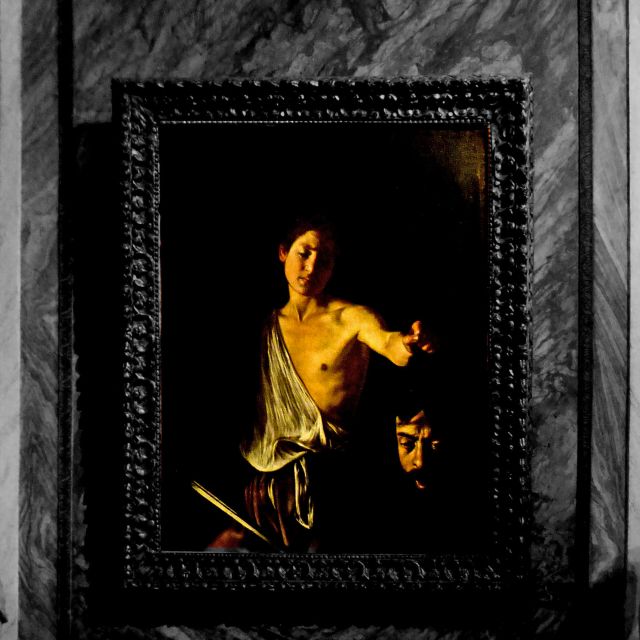
Caravaggio’s paintings hit differently because they look like they’re lit from within. One major painting highlighted for this visit is David with the Head of Goliath.
This is the Baroque side of Caravaggio: intense emotion, sharp realism, and a visual story that feels immediate. The audio guide can help you notice the choices that create drama—how the lighting shapes the faces, how the scene directs your eye, and how the figures communicate without a lot of “extra” explanation.
When you’re in front of Caravaggio, give yourself a little time to settle. Five minutes of rushing won’t work as well as letting your eyes adjust, then reading the scene the way the painter intended.
Raphael, Titian, and Canova: balance after the drama

After the Bernini/Caravaggio intensity, you’ll get a more layered emotional tone from other masters in the collection.
You’ll encounter works connected to Raphael and Titian, plus Canova’s Neoclassical sculptural elegance. The value of seeing them together is that it shows how tastes and techniques shift between periods while still keeping strong artistic identity.
Raphael is described here as blending classical beauty with human emotion. If that’s your preference, the audio guide can help you spot where the composition stays idealized and where it breaks into something more personal.
Canova adds another contrast: the move toward cleaner Neoclassical grace. If Bernini feels like theatrical movement, Canova often feels like controlled elegance—same obsession with craft, different emotional temperature.
Using the digital audioguide without losing your flow
Most people will use the digital audioguide by following content tied to pieces you’re looking at. Reviews also mention QR codes by artworks as a helpful way to access info quickly once you’re inside.
Two small strategies make this smoother:
- Before you enter busy areas, check you’re ready to listen. One person shared that the guide helped them get audio downloaded for a group using Wi‑Fi, which is a good reminder to test your phone setup early.
- Don’t feel obligated to listen to every track in full. Use audio as a lens, then put it down and re-check the artwork with fresh eyes.
If you like audio that’s short and specific, you should be happy. If you prefer a strict script, choose the guided tour option when available.
Either way, you’ll want to bring comfortable clothes and plan to move through multiple rooms, because the audioguide works best when you keep walking, stopping, and listening in a natural rhythm.
Time management: windows, re-entry rules, and closed areas
Your entrance is timed, and the museum has rules about how long your ticket is valid once you’re inside. One review notes tickets are valid for 2 hours, marked with a color stamp when you enter.
So I’d treat your slot like a working session: start with your top priorities, then loop back for second looks only if you’ve got time.
One practical warning from real-world visits: you may not be able to re-enter after you’ve moved past the initial areas. That’s why it helps to decide what’s must-see before you go wandering too far.
Also, some parts of the gallery have been reported as closed on certain visits. I can’t promise what’s open on your exact day, so it’s smart to assume some rooms might be off-limits and build flexibility into your 2–4 hour plan.
Price and value: why $53 can be worth it
At $53 per person, this ticket isn’t the cheapest way into Borghese Gallery. But it targets the exact problem that makes Borghese hard: scarcity.
When tickets sell out, you’re not really shopping for “admission.” You’re buying certainty that you can get in during your preferred time window. That’s where skip-the-line plus timed reservation value shows up.
One review did note that buying directly from the official site can cost less, but that difference matters only if official tickets are available when you need them. If they’re sold out, a package like this becomes a practical solution rather than an indulgence.
The other reason the price makes sense is the added support: you get host assistance, plus a digital audioguide to turn a passive visit into one with context.
If you’re an art-first visitor with limited time in Rome, this price often feels like paying for peace of mind.
Who this is for, and who should think twice
This experience is a strong fit if you:
- care about major Baroque and Renaissance names,
- want timed entry so your day stays on schedule,
- like self-guided museums with audio context.
It’s less suitable if you have mobility impairments or use a wheelchair, since it’s listed as not suitable for wheelchair users and people with mobility impairments.
Also, keep your packing realistic. Strollers aren’t allowed, and luggage or large bags aren’t allowed inside (with cloakroom storage available for oversized items).
If you’re trying to cover Borghese Gallery and also roam the gardens thoroughly, remember this ticket doesn’t include Borghese Gardens access.
Should you book this Borghese skip-the-line ticket with audioguide?
Book it if Borghese Gallery is high on your Rome list and you want the safe, scheduled entry approach. The combination of timed reservation, host help outside, and an audioguide is a smart way to avoid wasting half a day on ticket hunting and line anxiety.
Skip booking only if two things are true: you’re going at a very quiet time (so lines are already short) and you’re okay with not having a guaranteed entry plan.
If you’re deciding today, here’s my straightforward call: if you want Bernini and Caravaggio without gamble-level logistics, this is the practical move.
FAQ
How long is the Borghese Gallery experience with this ticket?
The visit duration is listed as 2 to 4 hours, depending on the starting time you choose.
What’s included in the ticket price?
It includes skip-the-line entrance to The Borghese Gallery, assistance at the meeting point (host), a digital audio guide, and a guided tour only if you select that option.
Where do I meet the host?
Meet at Fontana dei Mascheroni, Viale del Museo Borghese, right in front of Galleria Borghese.
Can I bring a stroller or large luggage?
No strollers are allowed, and luggage or large bags are not allowed inside. There is a free cloakroom at the entrance for storing larger items.
Are the Borghese Gardens included?
No. This ticket does not include access to Borghese Gardens.
Is skip-the-line always necessary?
Skip-the-line benefits work best during peak seasons when lines are typically longer. Off-peak times might make the benefit less noticeable.