REVIEW · ROME
Rome: Pizza and Tiramisù Cooking Class with Glass of Wine
Book on GetYourGuide →Operated by Eat and Walk Italy · Bookable on GetYourGuide
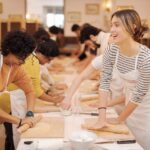
Roman pizza and tiramisù instruction is oddly satisfying. This 3-hour Rome cooking class in Lazio turns you from spectator into helper as an English-speaking local chef guides you through two classics: tiramisù first, then Roman-style pizza dough from scratch.
What I like most is the way the cooking stays hands-on without making you feel rushed. You’ll be learning why technique matters and how fresh ingredients affect the end flavor—especially for tiramisù’s cream component—so it’s not just about following steps.
The second thing I love: the class ends with a proper sit-down meal and drinks. Expect a glass of wine or non-alcoholic beverage, plus limoncello or coffee, and water throughout.
One drawback to plan for: it’s only 3 hours, so punctuality matters. The meeting spot is Via Giuseppe Zanardelli 14, and if you arrive late you’ll feel it fast because the work starts right away.
In This Review
- Key Points Worth Knowing Before You Go
- Why This Class Feels More Like a Meal Lesson Than a Tourist Show
- The 3-Hour Flow: Tiramisu Work First, Pizza Dough Second
- Part One: Tiramisu, plus real attention to the cream
- Part Two: Roman-style pizza dough from scratch
- What You Actually Learn About Ingredients and Consistency
- Tiramisu: freshness and texture are the point
- Pizza dough: flour choice and the feel of the dough
- The Meal and Drinks: Wine, Limoncello, and a Real Sit-Down Finish
- Included drinks and what they mean for the experience
- Why eating together is part of the value
- Meeting Point at Via Giuseppe Zanardelli 14: How to Make the Start Smooth
- Practical planning tips
- Price and Value: Is $66.84 Reasonable for This Class?
- Who This Cooking Class Is Best For
- Accessibility and Instruction: English, Wheelchair Accessible
- Should You Book This Pizza and Tiramisu Class?
- FAQ
- What does the class include?
- How long is the cooking class?
- Where do I meet, and where does it end?
- How big is the group?
- What language is the instructor teaching in?
- Is it wheelchair accessible?
- Is there free cancellation, and can I reserve without paying now?
Key Points Worth Knowing Before You Go
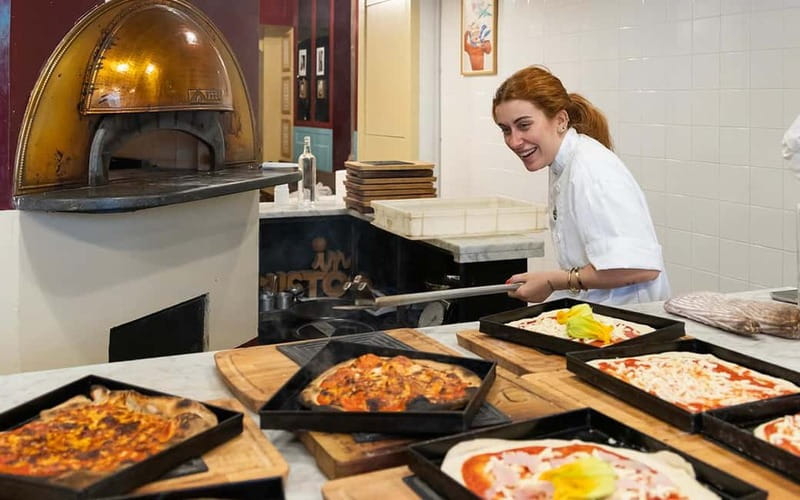
- Two distinct cooking phases: tiramisù first, then pizza dough from scratch
- Small-group size (max 12) means you get real attention, not just a demo
- English instruction with a local expert chef running the whole session
- Wine + limoncello (or coffee) makes the meal feel like part of the experience
- You learn dough consistency and flour differences instead of just assembling toppings
- Hands-on roles rotate, with some guests helping and others watching, depending on the station
Why This Class Feels More Like a Meal Lesson Than a Tourist Show
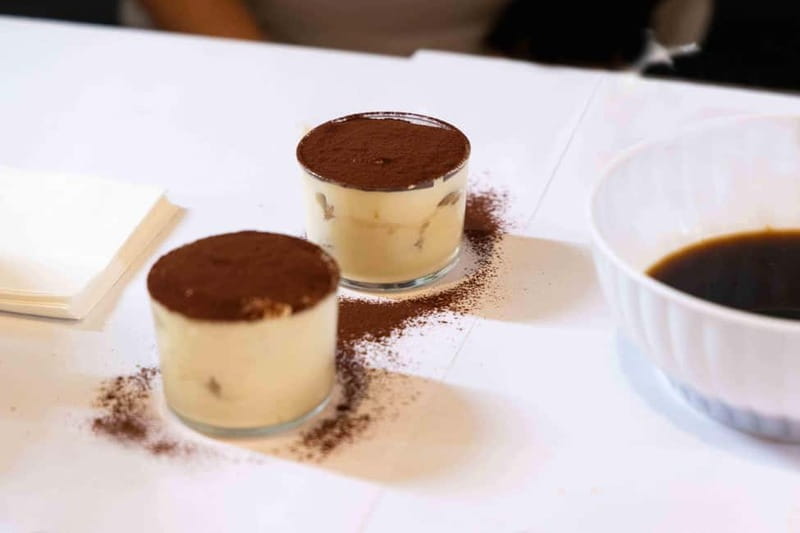
This isn’t one of those sit-there-and-watch experiences where you mostly take mental notes. The format is built around you making key parts of the meal—starting with tiramisù—while the chef explains what’s happening and why. That difference matters, because you’re not just eating your way through Rome. You’re learning how the food gets good.
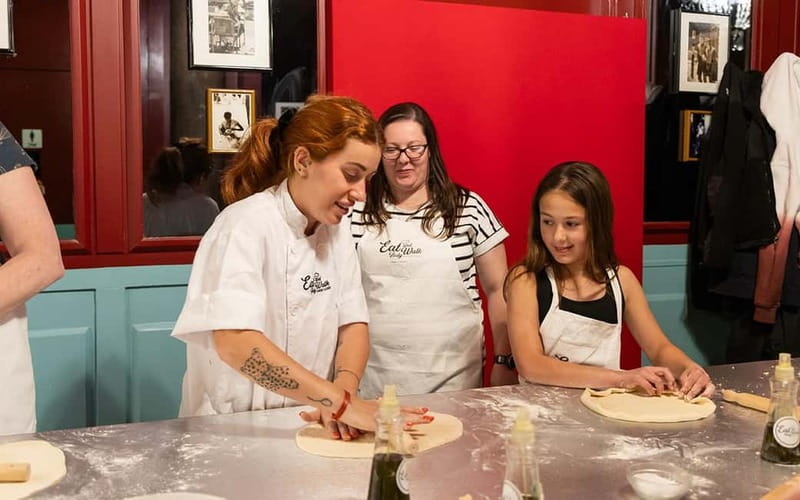
Also, the small size (limited to 12 participants) changes the tone. You can ask questions without feeling like you’re interrupting a crowded group. In multiple sessions, the instructors are described as funny, warm, and focused on making sure everyone can keep up—an underrated skill when you’re standing in a working kitchen.
Finally, I appreciate the balance between technique and payoff. You’ll learn about raw materials and dough consistency, but you’re not trapped in a classroom lecture. You finish by eating what you made, which is where the learning turns real.
You can also read our reviews of more cooking classes in Rome

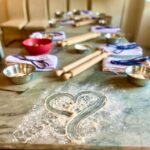
The 3-Hour Flow: Tiramisu Work First, Pizza Dough Second
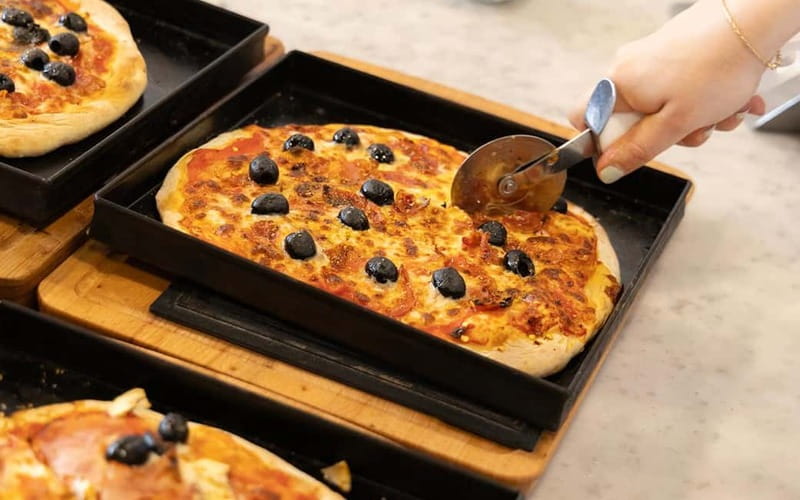
The class is designed as a smooth two-part rhythm.
Part One: Tiramisu, plus real attention to the cream
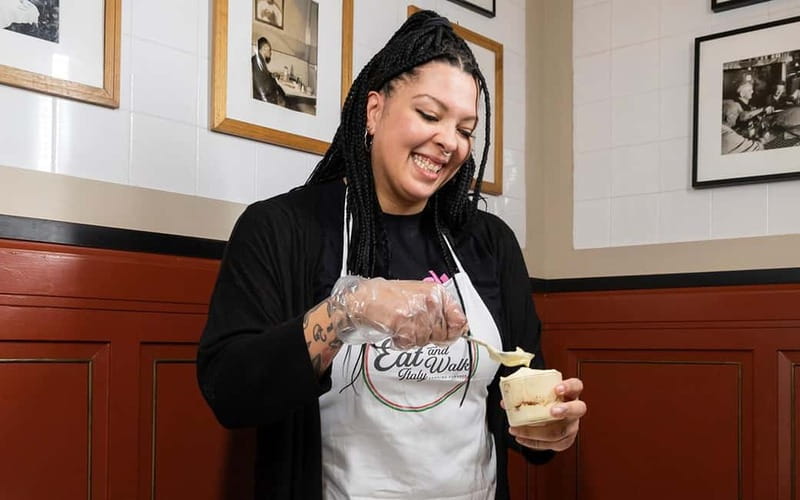
You start with tiramisu preparation, an Italian dessert with a very recognizable flavor and texture. The chef talks through the techniques and the importance of fresh ingredients, because tiramisù quality is all about small details: the balance of texture and the timing of how the components come together.
You’ll either help with the cream process or watch closely, depending on how the group is set up. That rotation is actually useful. If you’re not assigned to every step, you’ll still see the logic behind it—how the chef adjusts consistency, how they handle the mixture, and what the end goal looks like.
Part Two: Roman-style pizza dough from scratch
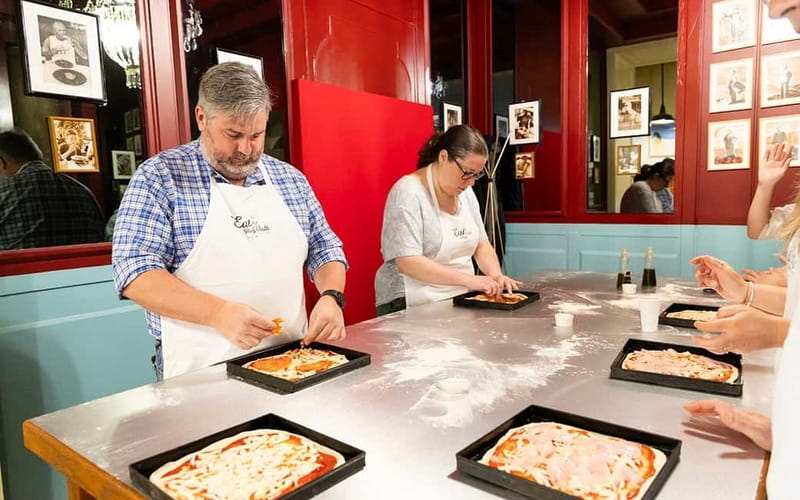
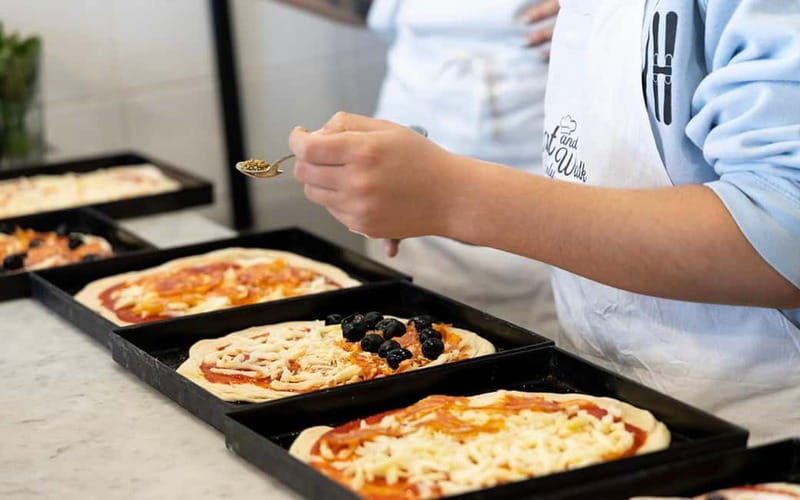
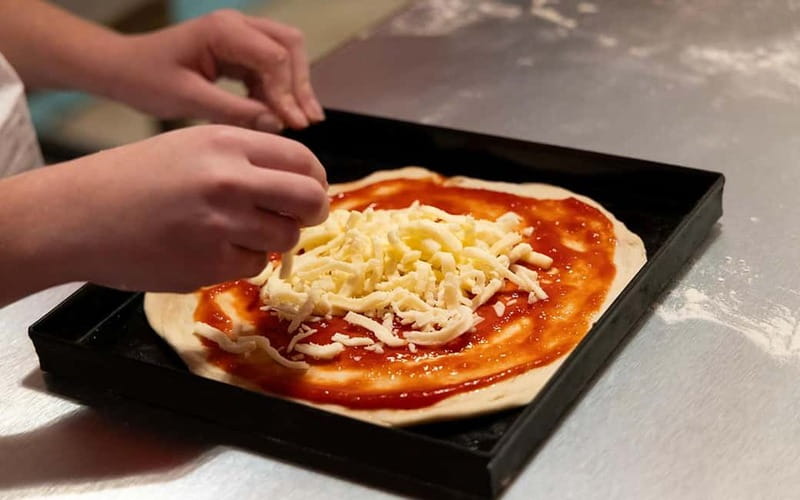
After dessert, you shift gears to pizza dough. The chef guides you through making the dough using flour and water and explains what the dough consistency should feel like. They also cover different types of flour, which is great if you’ve ever made dough at home and wondered why the same recipe didn’t behave the same way.
This is one of the most practical parts of the class. Pizza dough can feel mysterious until someone shows you what to look for. You’re not just stretching dough and hoping. You’re learning how to judge it.
Then you sit down and enjoy the meal you made, with the drinks included.
What You Actually Learn About Ingredients and Consistency
A lot of cooking classes teach steps. This one leans more toward why the steps matter, especially for two areas: tiramisù cream and pizza dough.
You can also read our reviews of more wine tours in Rome
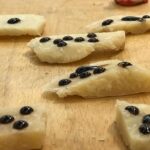


Tiramisu: freshness and texture are the point
The dessert portion emphasizes the importance of raw materials. That matters because tiramisù isn’t forgiving in the same way a simple cake might be. Fresh ingredients influence flavor, and technique influences texture. By the end, you’re not just replicating a recipe—you understand what to aim for.
Pizza dough: flour choice and the feel of the dough
For pizza, the chef’s explanation of dough consistency is a big value add. You get a baseline for what good dough feels like, not just what it looks like. They also talk about the various types of flour, which can affect structure, elasticity, and how the dough behaves during shaping.
If you cook at home, this is the part you’ll remember the next time your dough comes out too sticky, too stiff, or uneven.
The Meal and Drinks: Wine, Limoncello, and a Real Sit-Down Finish
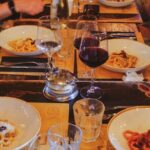
The best cooking classes don’t stop at the prep. They reward you with the meal at the end, and this one does that clearly.
Included drinks and what they mean for the experience
You’ll have a glass of wine (or a non-alcoholic beverage). Afterward, the class includes limoncello or coffee, with water provided throughout. In other words, you’re not scrambling for a drink before or after. You’re built into the experience.
This matters because tiramisù and pizza are both richer foods, and wine and limoncello (or coffee) help round out the taste experience. Even if you don’t drink alcohol, the non-alcoholic option keeps you included.
Why eating together is part of the value
Because the group is limited to 12, meals feel more communal than chaotic. You’re eating what you made with people who are also learning—so the conversation is usually about techniques, not sightseeing lists. It’s a nice change from the typical Rome pattern of quick photo, quick bite, quick shuffle.
Meeting Point at Via Giuseppe Zanardelli 14: How to Make the Start Smooth
The class starts at Via Giuseppe Zanardelli 14 and ends back at the same meeting point. No long transfers, no complex schedule to chase across town.
That simplicity is good news, but it does put more pressure on your arrival. This is a 3-hour working session; if you show up late, you’ll miss the early setup and explanation that makes the later steps easier.
Practical planning tips
- Plan to arrive a few minutes early, especially if you’re navigating on foot.
- Wear comfortable shoes. You’ll be standing and working.
- If you have questions about pace or steps, ask early. The instructor teaching style is one reason the reviews run so positive.
Price and Value: Is $66.84 Reasonable for This Class?
At $66.84 per person, this sits in the “mid-range experience” category. The honest value question is: what’s included besides a nice meal?
Here’s what you’re paying for, based on what’s actually part of the experience:
- An expert local chef leading both tiramisù and pizza dough sessions
- You make your own pizza and tiramisù, not just observe
- Wine or non-alcoholic drink plus limoncello or coffee
- Water provided throughout
- Small group (limited to 12), which usually translates to more attention
So yes, it’s not a budget activity. But it’s also not just a dinner. You’re paying for instruction, ingredient-focused cooking, and the payoff meal. If you’ve ever taken a cooking class elsewhere and thought, I mostly watched, you’ll likely feel the difference here because the structure is hands-on and time-efficient.
Who This Cooking Class Is Best For
This experience is a strong fit if you want a Rome activity that’s fun and practical, not just scenic.
You’ll enjoy it most if you:
- Like food you can recreate at home (pizza dough + tiramisù are great “try again” projects)
- Prefer small groups and instructor guidance
- Want something that doesn’t require you to be a confident cook
- Travel with someone and want a shared, laughing, cooperative activity
It’s also a good choice if your group has mixed skill levels. The class is built around rotating involvement: some people help with cream, others watch and learn, depending on what makes sense in the kitchen flow.
And if you’re traveling with kids or teens, this sort of hands-on kitchen activity tends to land well—especially when the instructor keeps things light while still teaching technique.
Accessibility and Instruction: English, Wheelchair Accessible
The instruction is in English, which is a comfort if you’re not fluent in Italian kitchen terms. The experience is also wheelchair accessible, so the location and setup are designed with access in mind.
If you use mobility aids, it’s worth arriving early so the team can guide you smoothly into the workspace.
Should You Book This Pizza and Tiramisu Class?
I’d book it if you want a short, high-payoff Rome experience: hands-on cooking, guided technique, and a real sit-down meal with drinks. The small group size, the focus on dough consistency and fresh ingredients, and the fact that you leave knowing what to aim for at home make it feel like more than a one-time foodie detour.
Skip it if you’re looking for a long, wandering evening with lots of free time, or if you already have a full schedule and can’t commit to being on time for a tight 3-hour session.
If you fit either end, though, this class is a solid “yes” for most food-focused visitors who like learning while enjoying the result.
FAQ
What does the class include?
You’ll join a pizza and tiramisù cooking class led by an expert local chef. You’ll eat the meal featuring your personalized pizza and homemade tiramisu. The experience includes a glass of wine (or a non-alcoholic beverage), plus limoncello or coffee, and water throughout.
How long is the cooking class?
The duration is 3 hours.
Where do I meet, and where does it end?
The meeting point is Via Giuseppe Zanardelli 14, and the activity ends back at the same meeting point.
How big is the group?
The setting is intimate with small groups limited to 12 participants.
What language is the instructor teaching in?
The instructor teaches in English.
Is it wheelchair accessible?
Yes, the experience is wheelchair accessible.
Is there free cancellation, and can I reserve without paying now?
Free cancellation is available up to 24 hours in advance for a full refund. You can also reserve now and pay later to keep your plans flexible.