REVIEW · ROME
Rome: Immersive Underground and Piazzas Tour
Book on GetYourGuide →Operated by Doooing · Bookable on GetYourGuide
Rome has a second city underfoot. This 3-hour underground Rome and piazzas tour connects Piazza Navona, the Pantheon, and Trevi to the hidden remains beneath the streets—led by guides who can answer history questions like a professor with a passion.
I love how it links the fountains you see above ground with the water engineering below, so the city feels like one continuous story. I also like the amount of focused time at the big stops, including proper guided time at the Pantheon and the underground Stadium of Domitian—plus the underground sections tend to feel cooler on a hot day. One thing to consider: not every step is underground, so you need to be ready for walking between sites and bring comfortable shoes.
In This Review
- Key takeaways before you go
- From Piazza Navona to what’s under it
- Piazza Navona’s fountains: more than pretty postcards
- Stadium of Domitian: the athletic arena hiding under the street
- Pantheon time: the legend of Romulus and practical dress rules
- Trevi Fountain: coin toss with an added layer of meaning
- Vicus Caprarius: the City of Water beneath Trevi
- What the archaeologist guides bring (and why it feels different)
- Pace, comfort, and the clothes Rome will actually accept
- Value: what you’re really paying for in 3 hours
- Should you book this Rome underground and piazzas tour?
- FAQ
- How long is the Rome underground and piazzas tour?
- Where does the tour start?
- Where does the tour end?
- What languages are available for the live guide?
- What should I wear to visit the Pantheon?
- Is the tour suitable for wheelchair users?
- What should I bring?
- Can I cancel for a full refund?
Key takeaways before you go
- Archaeologist-style guides who stick with the facts and stay open to questions
- Piazza Navona above-ground landmarks paired with what sits under them
- Stadium of Domitian ruins and the 217 A.D. gladiator-show connection
- Pantheon visit with real church etiquette (shoulders and knees covered)
- Vicus Caprarius, City of Water with Aqua Virgo aqueduct remains
- Trevi Fountain photo stop with context beyond the coin toss
From Piazza Navona to what’s under it
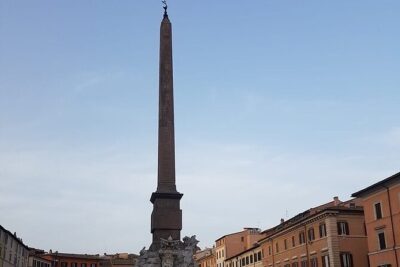
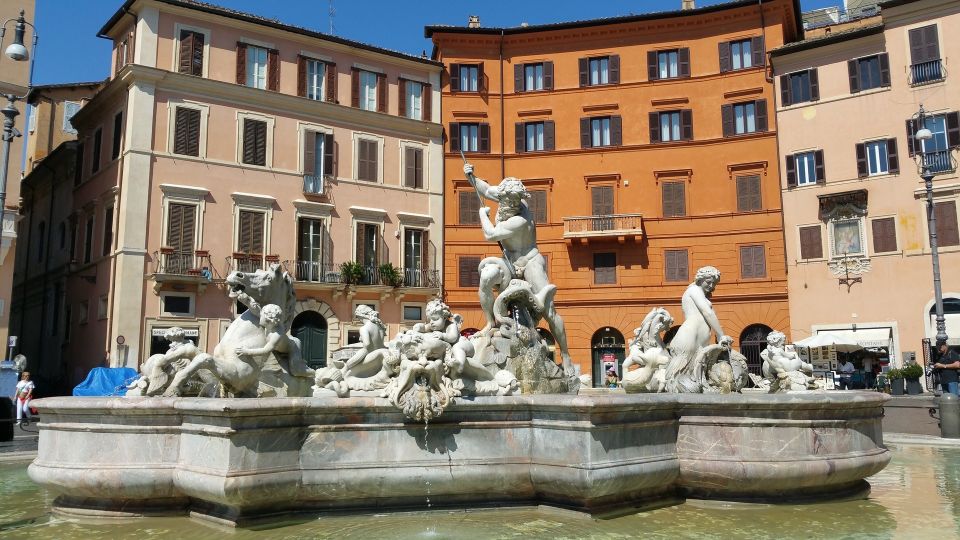
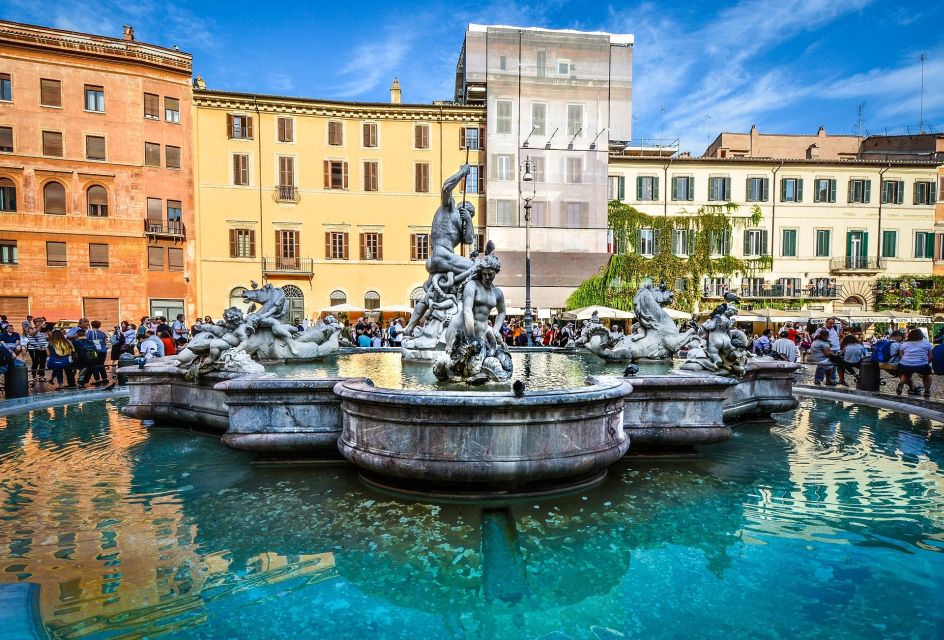
You start in one of Rome’s most photogenic public rooms: Piazza Navona. The visual hit is immediate—the three fountains are the star, designed during the papacy of Gregory XIII. Fontana dei Quattro Fiumi (with the big Bernini connection) dominates the middle, and it’s a great way to get your bearings fast: you can see where the power and beauty of Rome were meant to impress.
What makes this start work is that you’re not just sightseeing. You’re learning how the city layers itself. Once you’ve taken in the fountains, you head beneath the square to a subterranean world built over the old Stadium of Domitian. It’s a clever switch: you go from marble and crowds to stone and quiet, and the guide keeps explaining how one era literally sits on top of another.
You can also read our reviews of more tours and experiences in Rome.



Piazza Navona’s fountains: more than pretty postcards
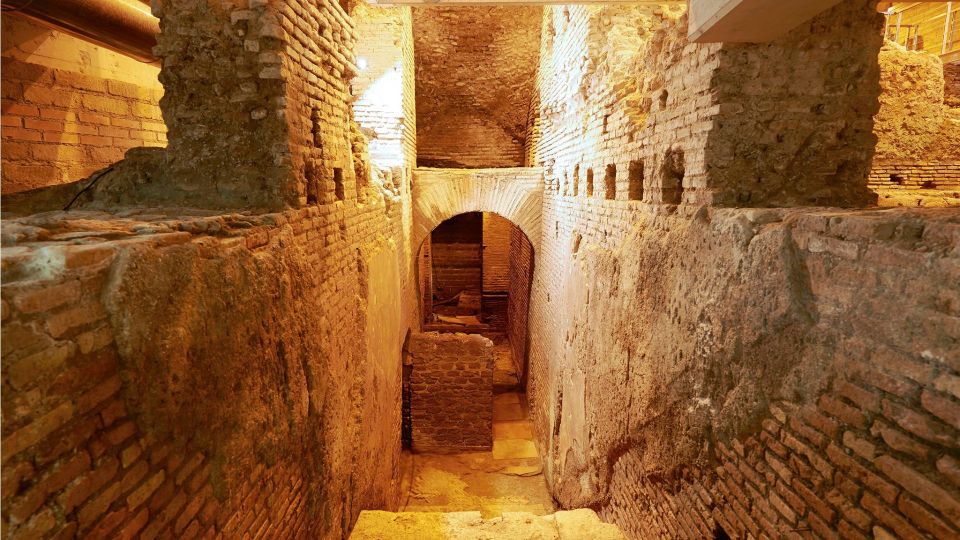
Let’s talk about why those fountains matter here. You’ll hear the story of how the papacy shaped public space—Gregory XIII’s era isn’t just a date, it’s part of why the square looks the way it does today. Then Fontana dei Quattro Fiumi (linked to Bernini in 1651) becomes your anchor point for understanding the neighborhood’s later Roman “revival” look.
This is also where you’ll spot a practical benefit: the tour begins in a classic spot with easy orientation. If you’ve ever wandered Rome feeling like every street looks the same, starting at Piazza Navona helps you reset your navigation. From there, the rest of the day follows a clear thread, not random wandering.
Stadium of Domitian: the athletic arena hiding under the street
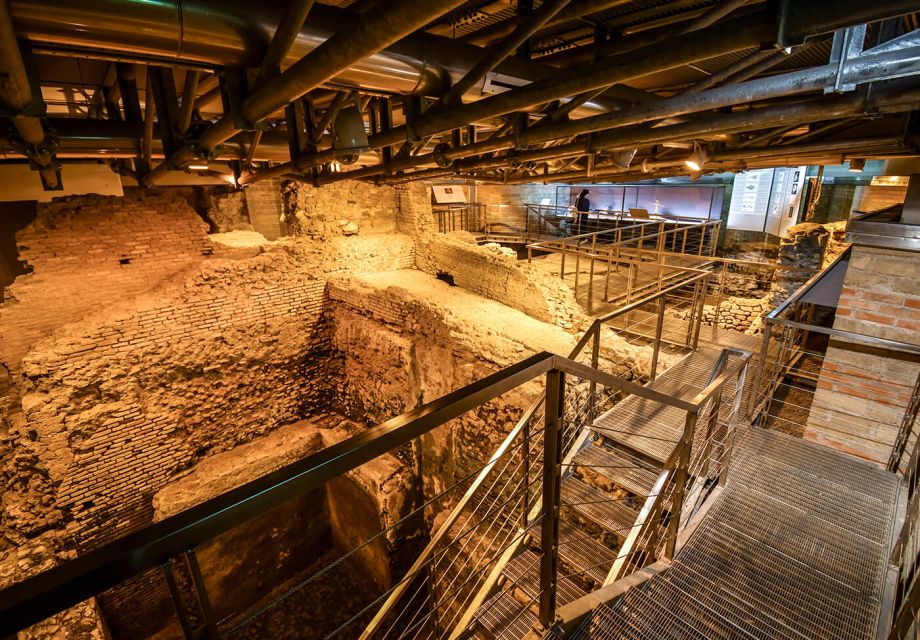
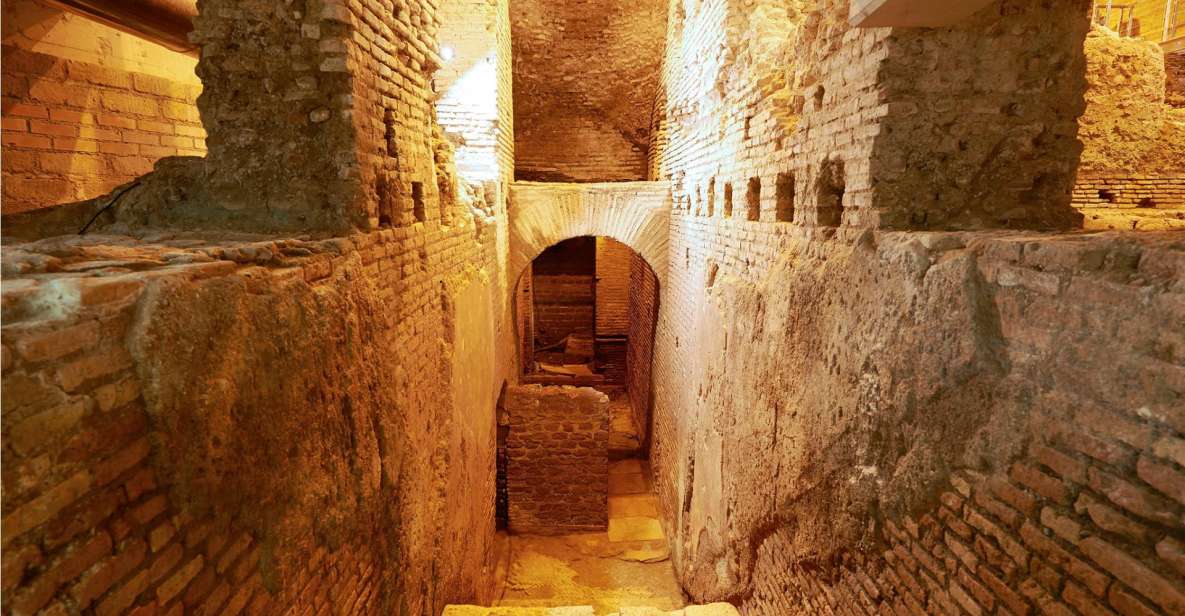
The star shift happens when you descend to the stadium remains beneath the square. This is the Stadium of Domitian, built on the site where athletic contests were held for much of its use. It’s not the Colosseum, but it still mattered—and the guide makes that distinction feel real rather than academic.
Here’s one of the most interesting historical twists you’ll get: after damage to the Colosseum in 217 A.D., the stadium was used for gladiator shows for a brief period. That “one event changes the map” story is exactly the kind of connection that turns ruins into something you can picture.
Also, underground spaces can be a relief in Rome’s heat. Even without chasing it as a theme, you’ll likely feel the difference once you’re below street level. And because the group is guided, you aren’t left trying to guess what you’re looking at.
Pantheon time: the legend of Romulus and practical dress rules
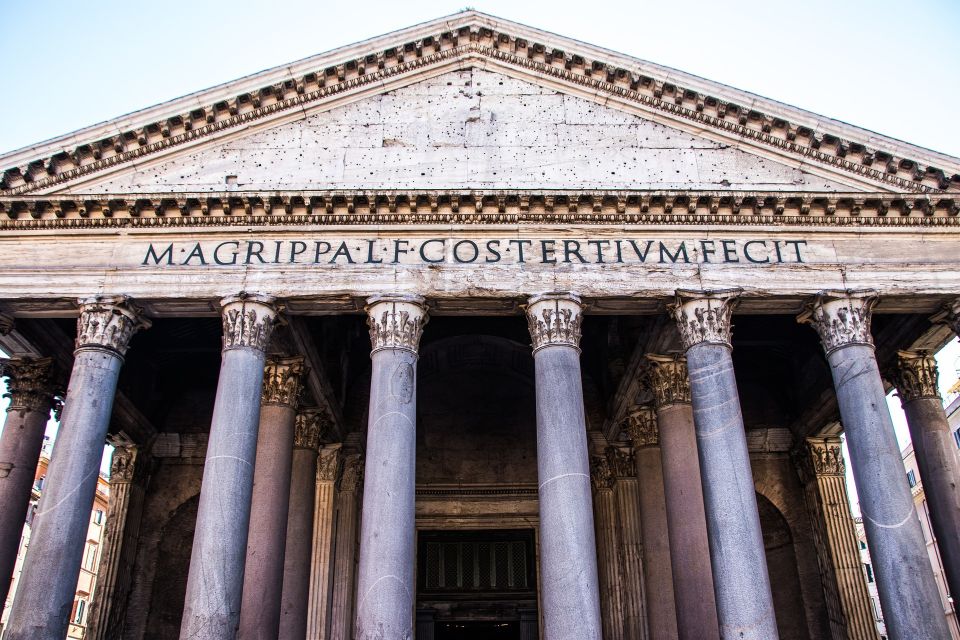
Next comes a stop that needs no introduction: the Pantheon. You’ll get guided time inside, not a quick “look up at the dome and go.” The guide’s job is to connect what you’re seeing to the stories Romans told themselves—especially the legend tied to Romulus. According to Roman legend, Romulus was seized by an eagle and taken into the skies at his death, and the tour uses that kind of story to frame the Pantheon’s significance.
Now for the part you must respect: the Pantheon is an active church. Shoulders and knees have to be covered. That means no sleeveless tops, and skip shorts or short skirts. Plan your outfit like you’re visiting a place of worship, not just a monument. If you show up in the wrong clothes, you can lose access and waste time.
There’s also a heads-up that matters: on some days, due to religious functions, the Pantheon may not be accessible. Add Jubilee-related restoration work into the mix, because access routes can change. The tour operator typically sends updates—check them before you head out.
Trevi Fountain: coin toss with an added layer of meaning

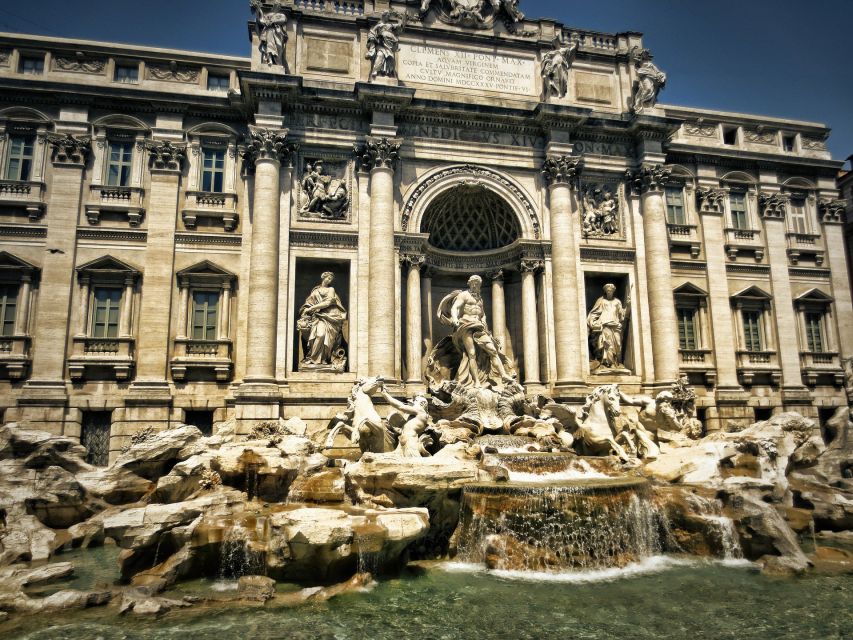
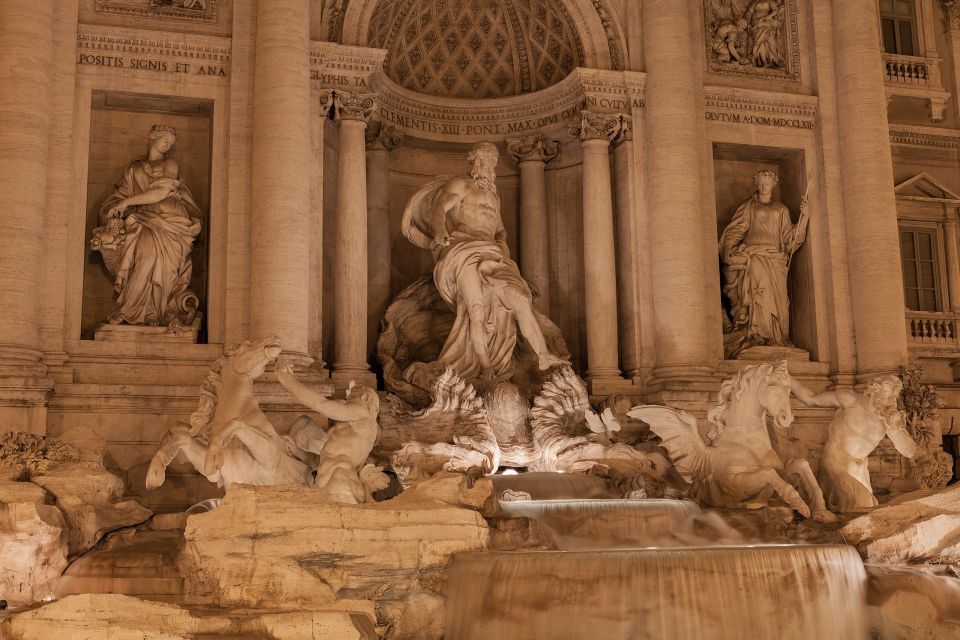
After the Pantheon, the tour moves toward Trevi Fountain. The photo stop is built into the flow, and you’ll still do the classic tradition: throw a coin into the water. But the tour’s value is in what happens right before and right after that moment.
You’re not just ticking off Trevi because it’s famous. You’re seeing Trevi as the visible endpoint of a much larger water story running through Rome. The guide’s explanations make it easier to remember what the fountain represents and why the city’s water matters—long before you ever think about modern plumbing.
And yes, Trevi is crowded. A guided photo stop helps you avoid standing there wondering what to look at or how to frame it. You’ll get your time, then move on instead of getting trapped in the photo line for too long.



Vicus Caprarius: the City of Water beneath Trevi
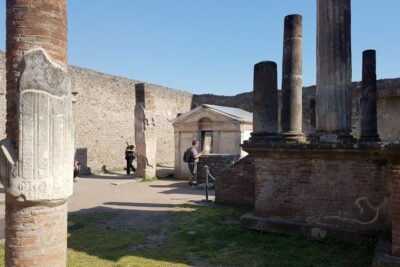
This is where the tour earns its title. You go into the underground archaeological area known as Vicus Caprarius—often described as the City of Water. Think of it as a maze of ancient remains where you can see how daily life and infrastructure connected.
You’ll encounter the remains of an imperial-era domus, so it’s not just “pipes and walls.” It’s a human space layered into engineering. You’ll also see the castellum aquae tied to the Aqua Virgo aqueduct. That’s the big point for Trevi lovers: the fountain’s look is tied to real systems that brought water into the center of Rome.
One of the best things you’ll get from a guided stop like this is interpretation. When you’re underground, it’s easy to feel like you’re staring at random fragments. The guide helps you map those fragments to how water management worked and why it shaped where people lived.
What the archaeologist guides bring (and why it feels different)
The overall vibe is driven by the guides themselves. Many of the guides leading this route are trained in archaeology, and it shows in the way they answer questions. Names you might encounter include Amanda, Francesca, and Alex (Alessandra), plus guides like Sabrina, Gloria, and Maria Rosella mentioned in past tours. Even when their personalities differ, the approach is consistent: they explain, then they answer.
That matters because Rome is full of monuments with complicated timelines. A good guide doesn’t just tell you what happened; they help you place it. You end up with a clearer mental timeline: papacy and fountains, Roman athletics, legend and religion at the Pantheon, then the water network that makes the Trevi Fountain work.
Pace, comfort, and the clothes Rome will actually accept
This tour is 3 hours long, and it’s structured enough that you don’t spend the whole time hustling. There is walking between sites, including above-ground stretches, so wear shoes you can trust for real city pavement. Underground portions can be cooler, but you’re still moving.
Clothing rules are strict for the Pantheon visit:
- no shorts or short skirts
- no sleeveless shirts
- shoulders and knees covered
It’s also not suitable for wheelchair users. If you need mobility assistance, you’ll likely find the underground areas and changing levels difficult.
One more practical note from the tour’s design: meeting point can vary based on the option you booked, with one listed option near the Fiumi Fountain and another near the National Academy of San Luca area. If you want zero stress, verify the exact meeting point in your confirmation.
Value: what you’re really paying for in 3 hours
I think this tour is good value if you want more than “famous places with facts.” You’re paying for guided context that connects everything:
- Piazza Navona’s Renaissance look with the ancient stadium under it
- the Pantheon’s religious space with legends and meaning, not just architecture
- Trevi’s coin tradition with the water systems below
- Vicus Caprarius as a real archaeological site, explained clearly
Also, the total time is reasonable. Three hours is long enough to feel like you learned something, but not so long you lose your energy. And the fact that the guide stays with the group through major transitions helps you see Rome as a layered city instead of a checklist.
One more value point: guides often make room for questions. If you enjoy asking why something was built, how it worked, or what changed over time, this format is built for that.
Should you book this Rome underground and piazzas tour?
Book it if you want Rome to make more sense fast. The underground pieces (Stadium of Domitian and Vicus Caprarius) are what turn this beyond a standard walking tour, and the way the guide ties fountains, water, and Roman legends together is what you’ll remember later.
Skip it (or rethink) if you’re expecting a completely underground itinerary with minimal walking. This day includes above-ground time at major sites, and it moves along at a guided pace. Comfortable shoes and proper Pantheon attire aren’t optional—they’re part of the experience.
If you’re the type who likes explanations, photo moments with context, and history that connects across centuries, this is a strong choice for a half-morning you won’t feel guilty about.
FAQ
How long is the Rome underground and piazzas tour?
It lasts 3 hours.
Where does the tour start?
The meeting point may vary depending on the option booked. Two starting options listed are the Fiumi Fountain and the National Academy of San Luca area.
Where does the tour end?
It finishes at Trevi Fountain.
What languages are available for the live guide?
The tour offers live guiding in Italian, English, and Spanish.
What should I wear to visit the Pantheon?
The Pantheon visit requires shoulders and knees to be covered. Shorts, short skirts, and sleeveless shirts are not allowed.
Is the tour suitable for wheelchair users?
No, it is not suitable for wheelchair users.
What should I bring?
Comfortable shoes are recommended.
Can I cancel for a full refund?
Yes. You can cancel up to 24 hours in advance for a full refund.