REVIEW · ROME
Rome: Traditional Pasta Making Class with Wine & Gelato
Book on GetYourGuide →Operated by Walks of Italy · Bookable on GetYourGuide
Fresh pasta starts with a little bravery. In the Trastevere kitchen, I love the pasta from scratch lesson and the classic aperitivo start with prosecco and cured meats and cheese. You also get to cook alongside pros who keep things clear and fun, and names like Chef Fredrica, Luca, and Stefano show up often in how people describe the experience.
Next comes the part where it all becomes real: you sit down with your homemade pasta, pair it with wine, then finish with gelato made by the chef. One possible drawback is practical but important: it is not suitable for wheelchair users or strollers, since it’s an active kitchen experience with walking and standing.
In This Review
- Key moments that matter
- Inside a Trastevere cooking school session
- Private vs shared: how that affects the vibe
- The aperitivo start: where Rome shows up early
- Making fettuccine from scratch (the skill that changes everything)
- What I like about this approach
- Ravioli and Roman sauces: the real lesson in flavor
- Why sauce matters more than you think
- Eating what you make: wine, your pasta, then gelato
- The meal part makes the whole thing feel worth it
- Price and value: is $66.84 per person a fair deal?
- Practical timing and what to expect during the 3 hours
- Comfort and mobility limits
- Dietary needs: where the class can adapt, and where it can’t
- Who should book this pasta class (and who might not love it)
- Small details that will help you get the most out of it
- Should you book this pasta making class in Trastevere?
- FAQ
- How long is the Rome traditional pasta making class?
- Where do I meet the chef for the class?
- Is the class private or shared?
- What pasta dishes will I make?
- What sauces might be used?
- Are drinks and dessert included?
- Is the class taught in English?
- Can they accommodate dietary restrictions?
- Is pickup and drop-off included?
Key moments that matter
- Aperitivo before the dough: Prosecco plus cured meats and cheese set a relaxed Roman tone right away.
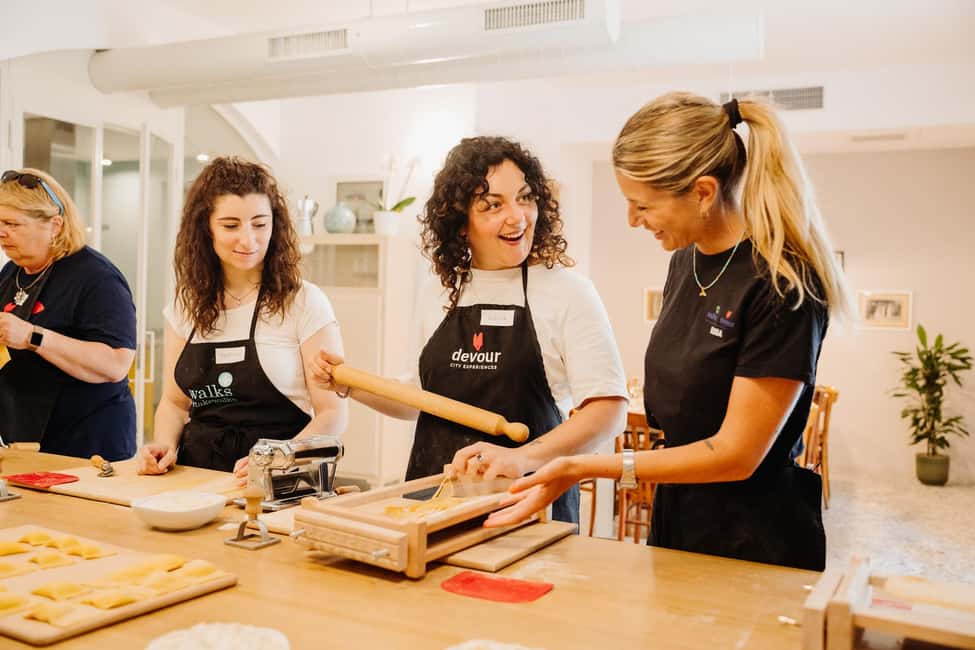
- Two pasta shapes, not just one: You make fettuccine and ravioli from scratch during the class.
- Roman sauces chosen by what’s seasonal: Expect sauces like amatriciana, puttanesca, gricia, or cacio e pepe.
- Chef-led, hands-on cooking pace: You’re shown what to do, then you do it, with time for questions.
- Wine with the meal, gelato to finish: It’s not a tasting-only setup; you eat what you make.
- Private or shared group options: Shared can add conversation; private keeps it family-and-friends focused.
Inside a Trastevere cooking school session
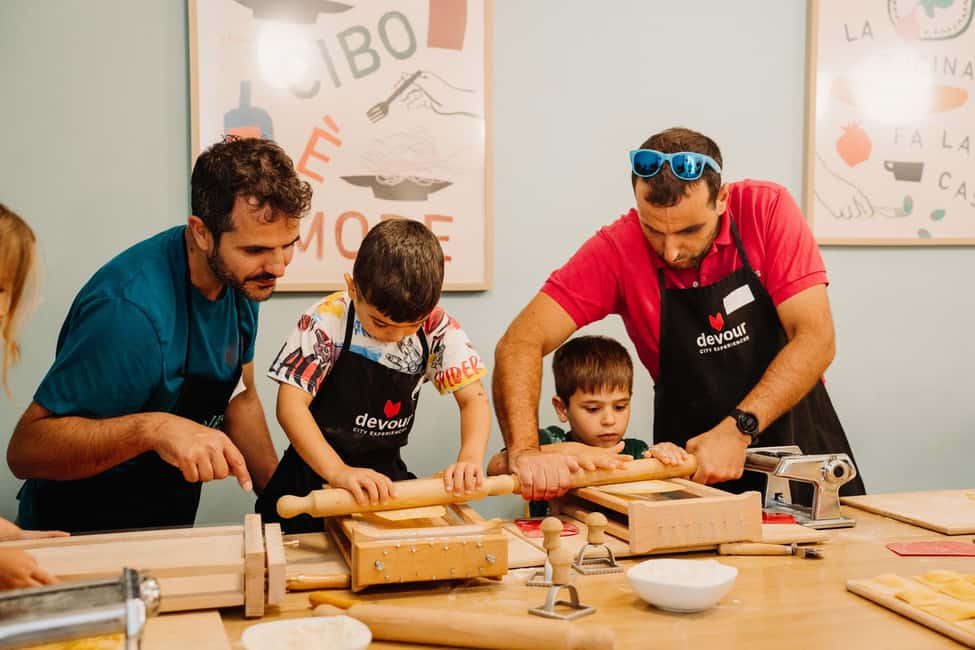
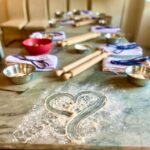
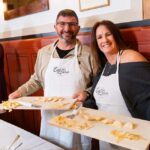
This class is built for people who want more than a meal. It’s about learning how Roman pasta is made, then eating it like you’re part of the kitchen crowd in Trastevere. The setting matters: you’ll be in a charming cooking school space reserved for your group, which keeps the experience from feeling like a factory line.
You’ll meet at Piazza di San Giovanni della Malva (in front of San Giovanni della Malva church). Arrive about 15 minutes early. The guide will be holding a red bag or a Devour Tours sign, which makes it easier to spot you among the square chaos.
The class runs about 3 hours, taught in English. It’s offered as either private or shared/small group, so you can choose how much mingling you want.
You can also read our reviews of more cooking classes in Rome
Private vs shared: how that affects the vibe
If you’re doing a shared option, introductions and conversation are part of the rhythm. That can make the time fly, especially if you’re traveling solo or with kids. If you want a quieter, focused setting, go private. It’s still hands-on, but the attention tends to feel more tailored.
Either way, you’re cooking with a professional chef, not watching from the sidelines.
The aperitivo start: where Rome shows up early
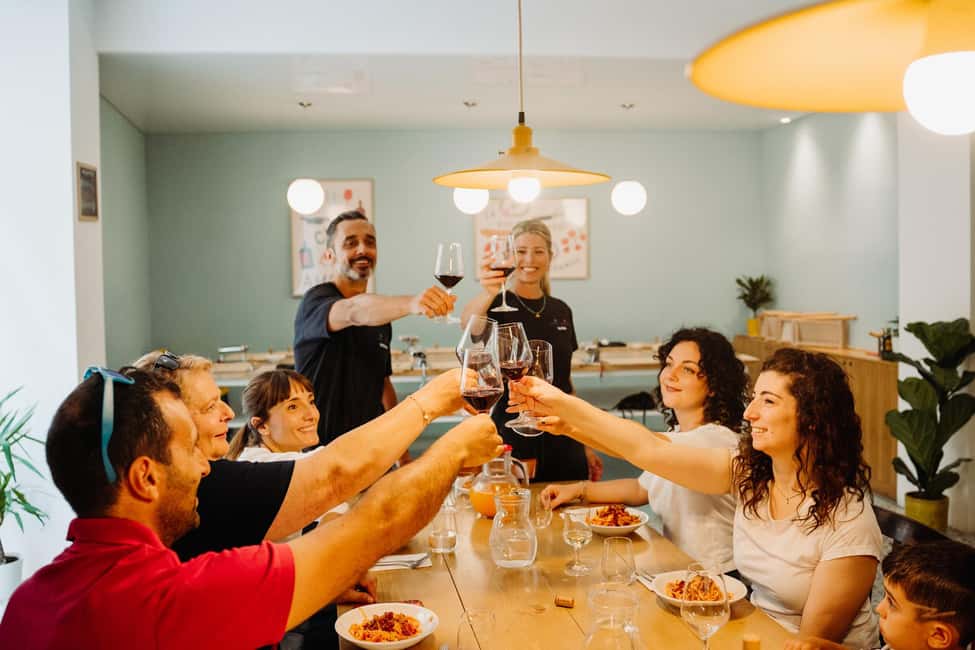
The experience kicks off with a proper Roman mood-setter: prosecco plus cured meats and cheese. This isn’t just a nice extra. It tells you how the meal culture works here—eat, talk, relax, then cook.
That first sip plus something salty and savory helps you settle into the kitchen flow fast. It also makes it feel less like a lesson and more like a get-together with food at the center.
And because it happens before any flour hits the counter, you don’t start frazzled. You start curious.
Making fettuccine from scratch (the skill that changes everything)
Once you’re settled, you’ll learn to make fresh fettuccine from scratch. That means working the dough by hand, then getting it into pasta shape. The chef guides you through the process step-by-step, so beginners aren’t left to guess.
The most useful part isn’t just getting to the end result. You’re taught the why behind what you’re doing—things like texture cues and what changes when ingredients or technique shift. People consistently highlight chefs who explain clearly and stay patient, including instructors like Luca and Stefano in their roles as hosts and teachers.
You’ll also get a sense for how Roman cooking is direct and practical. It’s not about fancy moves. It’s about dough that behaves, sauce that sticks, and timing that matters.
What I like about this approach
I like that you’re not “studying pasta.” You’re making it. Your hands do the learning, and that’s exactly why this kind of class lands well even for first-timers.
Also, the pace is usually structured so you aren’t constantly rushing. You get time to figure it out, then adjust.
You can also read our reviews of more wine tours in Rome

Ravioli and Roman sauces: the real lesson in flavor
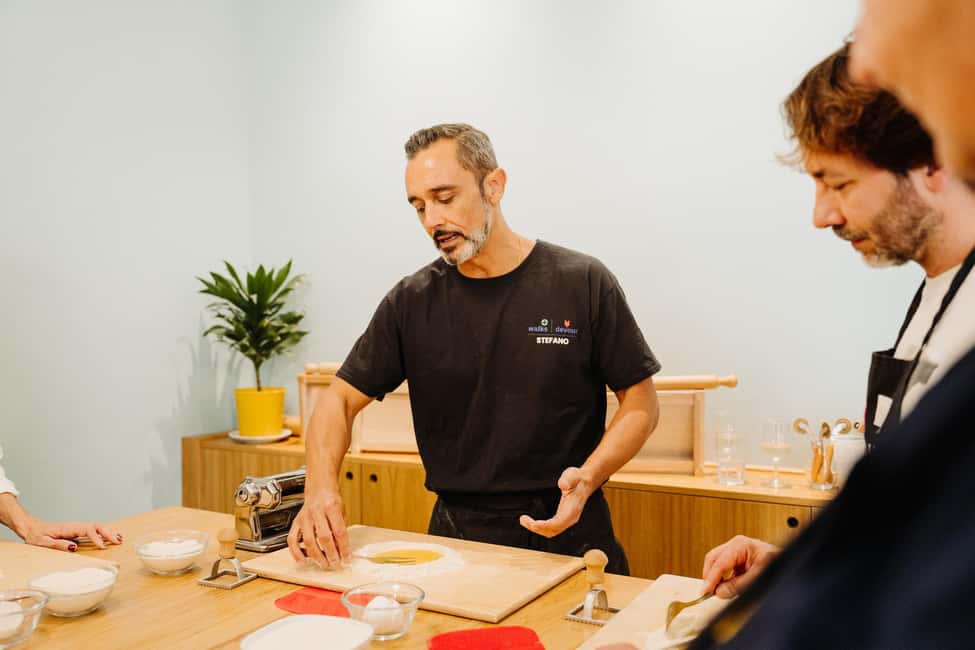
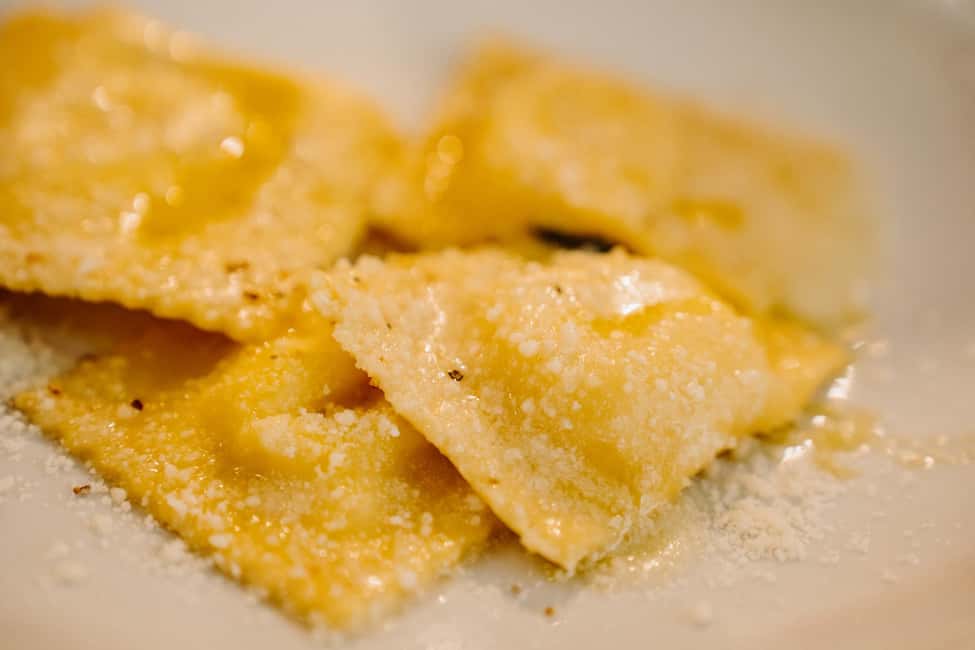
After fettuccine, you’ll move to ravioli. The class pairs the pasta-making with traditional Roman sauces, and here’s the key detail: the chef chooses based on what’s available at the local market and what’s seasonal.
That’s how you get variety in the experience. You might end up with sauces such as:
- amatriciana
- puttanesca
- gricia
- cacio e pepe
You’re not just following one script. You’re learning how Roman flavors are built—fat, salt, sharpness, and heat working together instead of fighting each other.
Why sauce matters more than you think
A lot of cooking classes stop at the pasta shape. This one ties pasta to sauce choices, and that’s what helps you recreate the dish later at home. In real terms: if you can make dough and understand why a sauce works, you can cook again without copying someone else’s every detail.
People also mention chefs who go beyond the recipe and talk about cooking in general. That extra layer is what makes the class feel like a small education, not a quick snack-and-stroll.
Eating what you make: wine, your pasta, then gelato
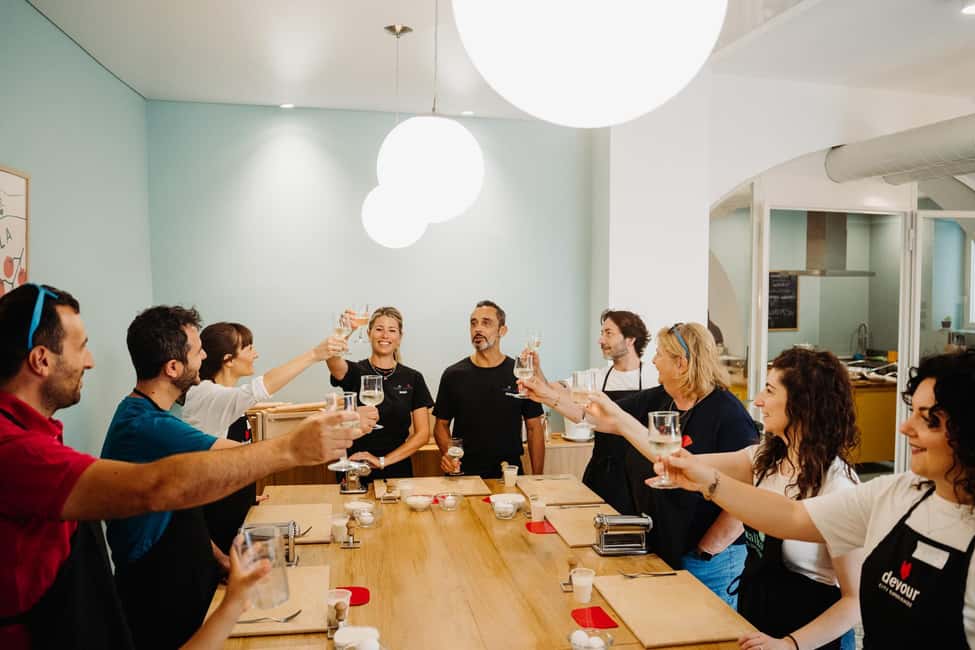
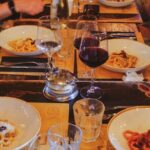
After the cooking, you sit down to enjoy your homemade pasta with wine. This matters because you get to taste as you cook. You’ll see how the sauce behaves, how it clings to pasta, and what changes when seasoning and timing are right.
Then you finish sweet: homemade gelato prepared by the chef. It’s a strong ending for a class that’s physically active and mentally focused.
The meal part makes the whole thing feel worth it
Cooking-only classes can feel like work. Here, the work becomes dinner—plus wine—plus dessert. It’s one of the reasons the overall rating stays so high: the experience doesn’t end when the kitchen closes. It ends when you’ve eaten well.
Price and value: is $66.84 per person a fair deal?
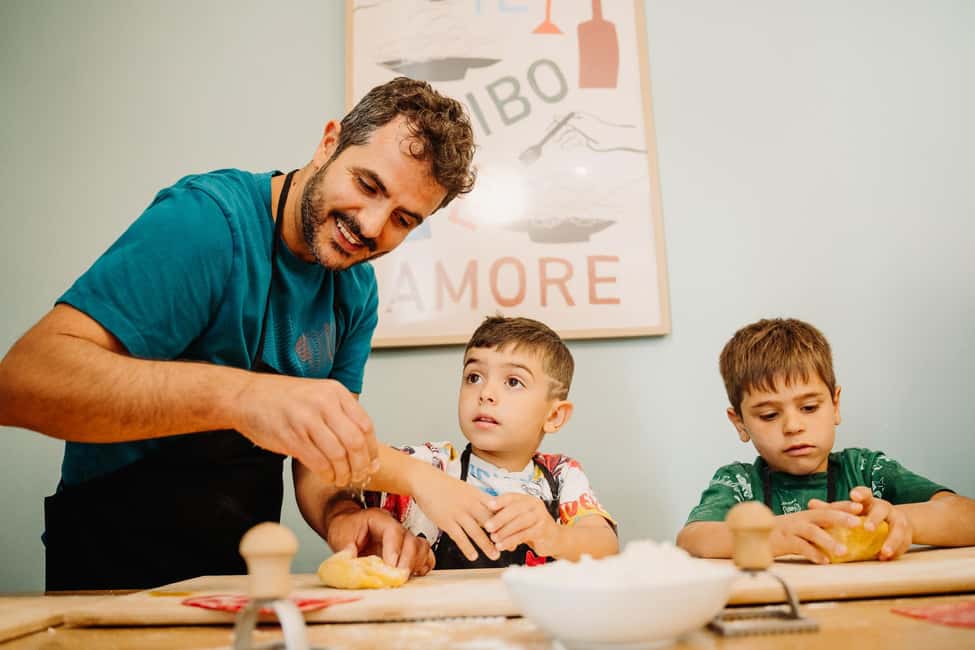
At $66.84 per person for about 3 hours, this isn’t a cheap “drop-in” activity. But it also isn’t overpriced in the way some food experiences can be.
You’re getting:
- a professional English-speaking chef
- prosecco plus wine
- an aperitivo starter (cured meats and cheese)
- ingredients for the meal
- the labor and instruction to make two pastas (fettuccine and ravioli) with sauce
- gelato to finish
- a class held in a reserved kitchen space in Trastevere
If you price out the chef instruction plus wine and dessert separately, the math starts making sense. Also, the skill value is real. Fresh pasta is hard to replicate from memory—so learning it in one concentrated session saves time and frustration later.
My take: if you want a hands-on food activity in Rome that ends as a full meal, this price is fairly matched to what’s included.
Practical timing and what to expect during the 3 hours
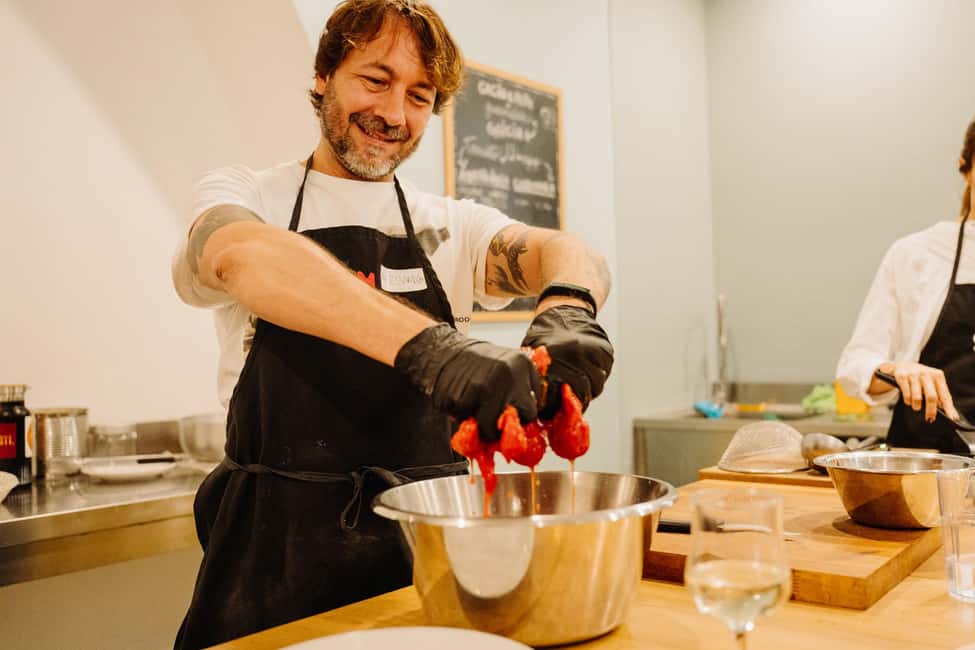
You’ll be asked to arrive 15 minutes early so you can check in smoothly. From there, expect a flow that stays balanced: drinks and starter first, then pasta work, then eating, then gelato.
Because sauces can be chosen based on seasonal ingredients, you might not get the exact same sauce menu every time. That’s normal. The class is designed around what the chef can make fresh with good local ingredients.
Comfort and mobility limits
Be honest about your body. The activity is not suitable for wheelchairs, mobility impairments, or strollers. The kitchen setup and movement involved are part of the class style.
If that’s you, consider a different kind of food experience that stays seated and less movement-heavy.
Dietary needs: where the class can adapt, and where it can’t
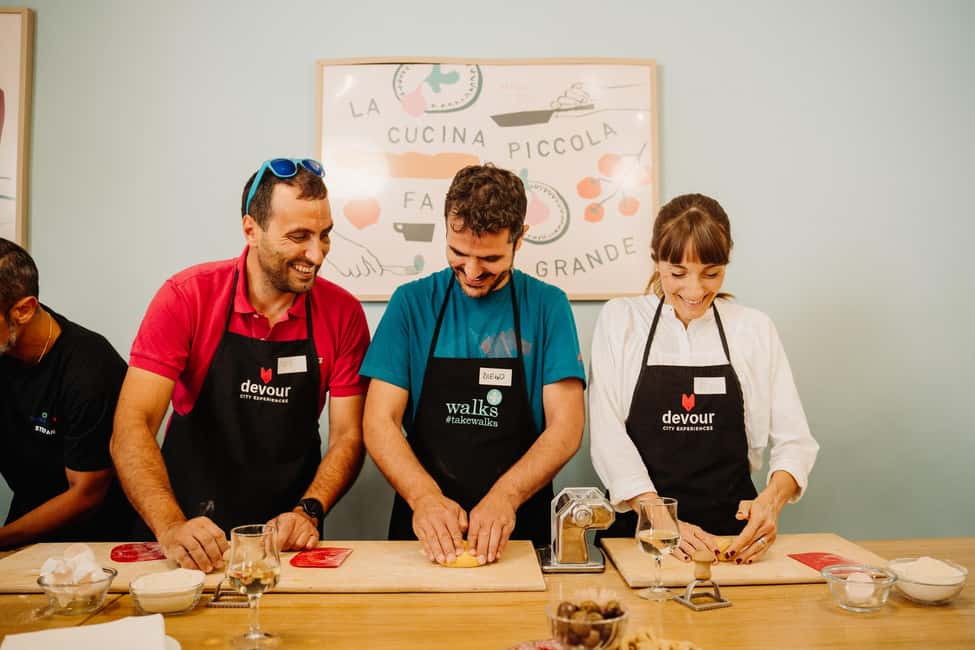
The class is described as adaptable to all dietary needs except celiacs. If you have dietary restrictions, you need to contact in advance so food can be arranged properly.
So if you avoid gluten due to celiac disease, this may not work. If you have other needs, ask ahead and plan on doing a quick message before your visit.
Who should book this pasta class (and who might not love it)
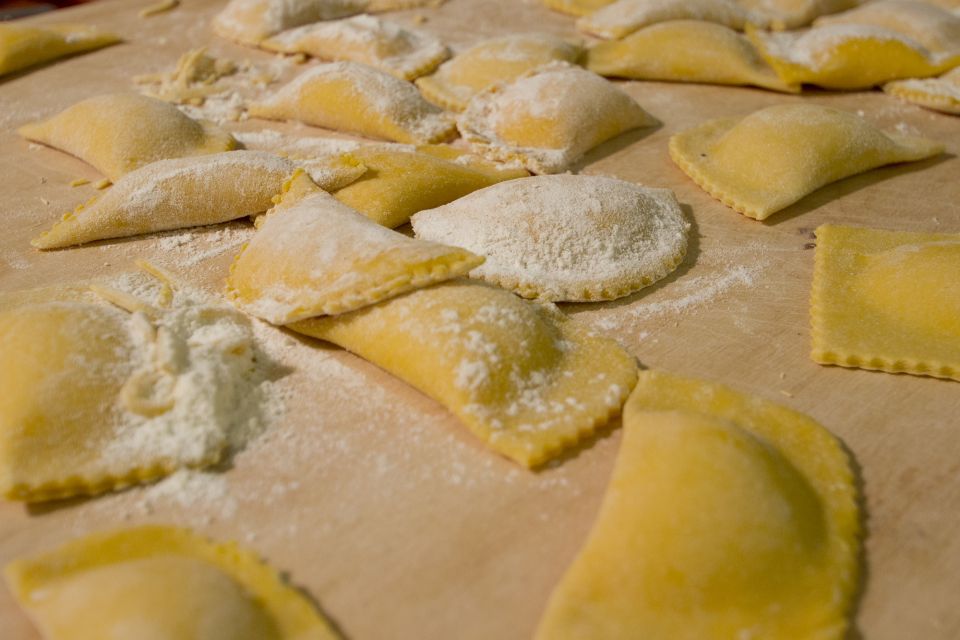
This class fits best if you:
- want a hands-on Roman cuisine experience in a real cooking setting
- enjoy learning technique, not just collecting photos
- travel as a family with kids who can handle cooking stations and time at the table
- like the idea of sitting down with wine and dessert at the end of the work
People also describe feeling comfortable as solo travelers, which makes sense in a shared format where the chef and group keep the room moving.
You might skip it if you:
- need a fully seated, low-mobility activity
- have celiac disease (since it’s not adapted for that)
- prefer purely passive sightseeing over cooking
Small details that will help you get the most out of it
A few habits make this smoother.
First, show up with a calm schedule. You’re booked for 3 hours, and you’ll want the whole block to stay present.
Second, don’t treat this like a strict class where questions slow you down. The chef’s instruction is meant to be interactive. If you want to know why something works, ask.
Third, be ready to eat a full meal. You’ll have appetizers, pasta, wine, and gelato. Plan dinner around that, not on top of it.
Finally, remember there’s no pickup or drop-off. You’ll be responsible for getting to Piazza di San Giovanni della Malva and returning there at the end.
Should you book this pasta making class in Trastevere?
Book it if you want a Rome experience that combines technique, culture, and a proper meal. It’s especially worth it when you care about learning sauces and dough—not just tasting pasta.
Skip it if mobility is a concern, if you need celiac-safe prep, or if you’re looking for something more lightweight and sightseeing-focused.
If you can handle a hands-on kitchen session, this one is one of those rare activities where the “fun part” and the “take-home skill” both land.
FAQ
How long is the Rome traditional pasta making class?
The class lasts about 3 hours.
Where do I meet the chef for the class?
You meet at Piazza di San Giovanni della Malva, 00153 Roma RM, in the square in front of the San Giovanni della Malva church. Arrive about 15 minutes early.
Is the class private or shared?
It can be booked as a private class or as a shared/small group option, depending on what you select.
What pasta dishes will I make?
You’ll make two fresh pasta dishes: fettuccine and ravioli, along with traditional Roman sauces.
What sauces might be used?
The chef may use sauces such as amatriciana, puttanesca, gricia, or cacio e pepe, chosen based on what’s available in local markets.
Are drinks and dessert included?
Yes. You’ll have prosecco and wine with your meal, plus homemade gelato to finish.
Is the class taught in English?
Yes, the instructor teaches in English.
Can they accommodate dietary restrictions?
The experience is adaptable to dietary needs except for celiacs. If you have restrictions, contact in advance so food can be arranged.
Is pickup and drop-off included?
No. Pickup and drop-off are not included, and the activity ends back at the meeting point.