REVIEW · ROME
Welcome To Rome Experience
Book on Viator →Operated by Welcome To Rome · Bookable on Viator
One hour. Big Rome picture. Welcome To Rome turns the Eternal City into a guided multimedia story, using 3D reconstructions and audio so you start your trip with a clear timeline.
I also love the fast, family-friendly pace: you move from Rome’s earliest geology and volcano setting through major architectural eras, then end with a film that helps the Forum, Colosseum, and other key stops make sense later. The main drawback to consider is that the presentation can feel a bit too detailed or tiring for younger kids (and a few people reported occasional audio/room issues).
In This Review
- Key things to know before you go
- A great first stop because Rome is easier with context
- Price and what you’re buying with $21.77
- Getting to Corso Vittorio Emanuele II (and why location matters)
- Inside the show: small rooms, audio guide, then the main film
- A quick note on audio devices
- The history timeline you’ll actually remember
- 3D effects you can use on the streets
- Family fit: strong for kids who like visuals, tricky for very young attention spans
- When to schedule it: do it early, right after you land
- Room comfort and cleanliness: what to expect if you’re picky
- Who should book Welcome To Rome?
- My decision rule: should you do it or skip it?
- FAQ
- How long is the Welcome To Rome experience?
- Is it available in English?
- What’s included with the experience ticket?
- Where is Welcome To Rome located?
- Is there a mobile ticket?
- What time should I plan to arrive if I want to be safe?
- Is it near public transportation?
- What’s the cancellation policy?
- Is service available for service animals?
Key things to know before you go
- Skip some front-of-line stress with a pre-purchased, mobile entry ticket
- One hour total means you can do it even on a busy first day
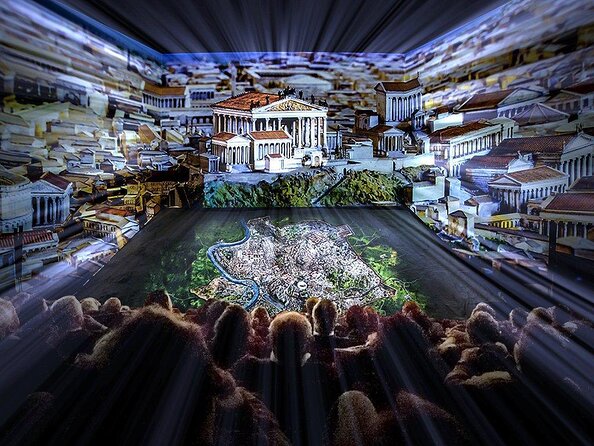
- 3D models and dioramas help you picture what buildings looked like before they became ruins
- Audio plus video keeps the pacing moving, with time in small rooms and then a main auditorium showing
- Multiple showings daily gives you options when your sightseeing day is flexible
- Central location on Corso Vittorio Emanuele II keeps it practical for most Rome plans
A great first stop because Rome is easier with context
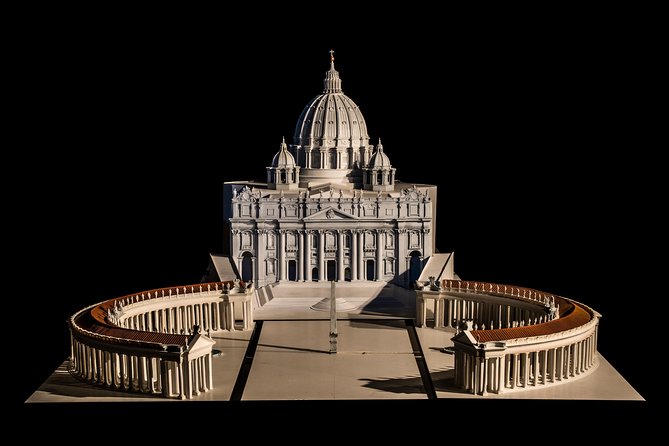
Rome can feel like sensory overload on day one. You see layers: ancient stone, medieval streets, Renaissance domes, modern traffic—sometimes all in the same view. Welcome To Rome’s main value is that it organizes that mess into a straight line you can follow.
What I like about this kind of intro is the payoff. Even if you end up moving at your own pace later, the show gives you mental bookmarks. You’re not just collecting monuments; you’re learning how Rome changed over time, and why the city’s layout and architecture look the way they do today.
And this is timed well for real travel. With an approximate 1-hour duration, you’re not betting half a day on something indoors. It’s also offered in English, so you’re not stuck decoding translations.
You can also read our reviews of more tours and experiences in Rome.



Price and what you’re buying with $21.77
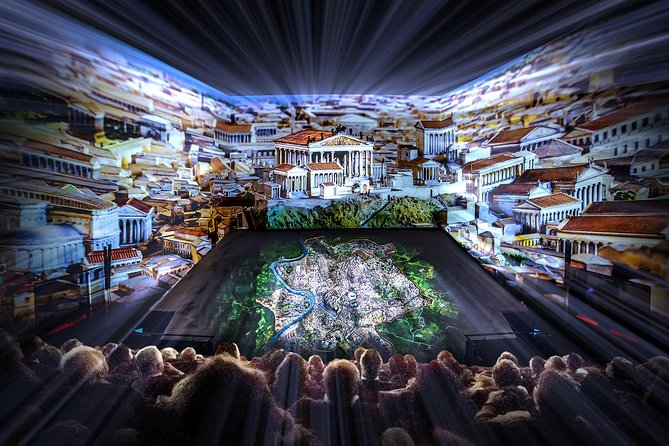
At $21.77 per person, Welcome To Rome isn’t a “grab and go” free thing. You are paying for a packaged experience: audio, video, and hands-on-style interaction with 3D/interactive displays.
Here’s the simple value equation I use: you should book it if you think you’ll use the context on the streets. If you plan to visit the big ancient sights—especially the Roman Forum, Palatine Hill, and the Colosseum—this show can help you understand what you’re looking at. The cost starts to feel fair when you realize one hour can make multiple later stops more readable.
If you’re already a Roman-architecture superfan with your own book and a good map in hand, you might feel less wowed by an overview format. And if you hate indoor presentations or you’re traveling with very young kids who lose patience fast, the price can feel steep for what is still a “show.”
Getting to Corso Vittorio Emanuele II (and why location matters)
The address is Corso Vittorio Emanuele II, 203, 00186 Roma (RM). That’s in a central, walkable-feeling area, and it’s described as being near public transportation.
Location matters because your Rome day rarely goes as planned. A central starting point makes it easier to slot this in around other must-dos, rather than forcing you into complicated transit just for an indoor hour. You’ll also avoid the common problem of getting stuck in the Rome rhythm—slow starts, long lines, then running out of energy.
If you’re building your itinerary, I’d treat this as a “morning or early afternoon reset.” It’s easier to remember history when you’ve still got fresh energy for the streets right after.
Inside the show: small rooms, audio guide, then the main film
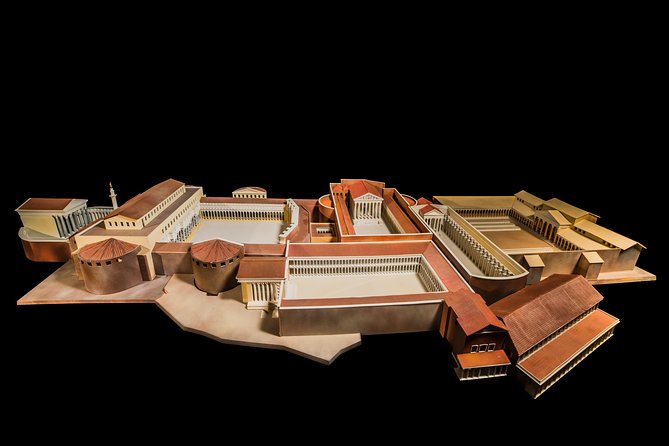
Welcome To Rome is built around multiple parts, not one long theater lecture. You walk through a sequence of spaces that use audio, video, and interactive/3D elements to explain how Rome evolved.
In the hands-on parts, expect to stand and view 3D visuals and models with an audio guide in English. One thing that’s actually helpful for planning is how the experience is staged: you spend time in four small rooms, then you get a longer seated segment in an auditorium for a video (reported as about 30 minutes).
That structure is good news for most people:
- The visuals keep the story moving.
- The audio lets you match your interest level—slow down if you want details, or let it flow if you’re in “grab the big picture” mode.
It also explains a key drawback people note: you might feel tired from walking between stations before you get to sit down. If your feet are already complaining (common in Rome), you’ll want to plan for that.
A quick note on audio devices
Some visitors reported that the audio/AV radios didn’t always work perfectly. The good part: staff were described as replacing devices when needed. Still, I’d do one simple thing when you receive your audio setup—test it right away and ask if you can’t hear clearly. It’s the fastest way to protect your time.






The history timeline you’ll actually remember
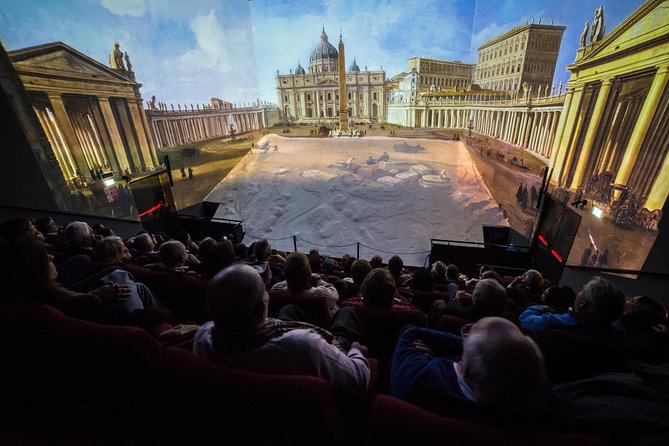
This is not just “ancient Rome vs. modern Rome.” The show is designed to give you a chronological framework in about an hour—starting with the area’s early physical story and then moving through major architectural eras.
Here’s what the show covers, based on the experience details and what people highlight most:
- Early geology and volcanoes
You get a foundation for why Rome developed where it did. That early section matters because it gives you a mental map for the city’s setting, not just its monuments.
- Major architectural and time periods
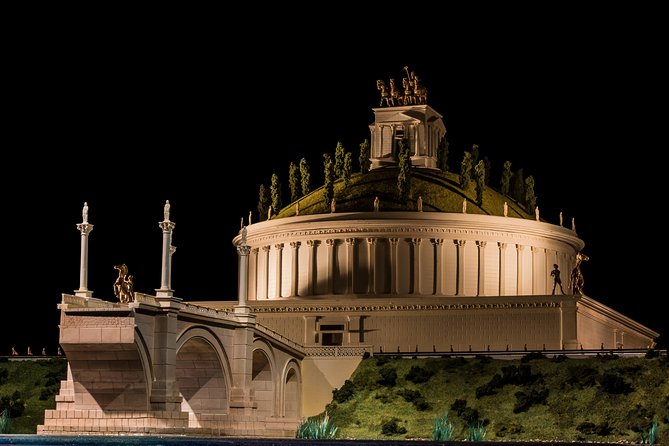
The narrative walks you through Rome’s evolution using visual reconstructions of buildings and how they looked in different eras. People especially liked the sense of buildings “morphing” from original forms into the ruins you see today.
- 3D reconstructions of monuments
The clearest memory-maker here is the before-and-after effect. You see what certain structures may have looked like when first built, then you understand why today they appear fragmented. That’s a huge help when you’re staring at the Forum’s remnants and trying to imagine the full scene.
- A finishing film
The end segment (in the main auditorium) pulls it together, so you leave with a coherent overview rather than scattered facts.
I think the real win is perspective. When you later stand at the Forum or walk around the Colosseum, you’re not just reading stone. You’re seeing the story the show set up in your head.
3D effects you can use on the streets
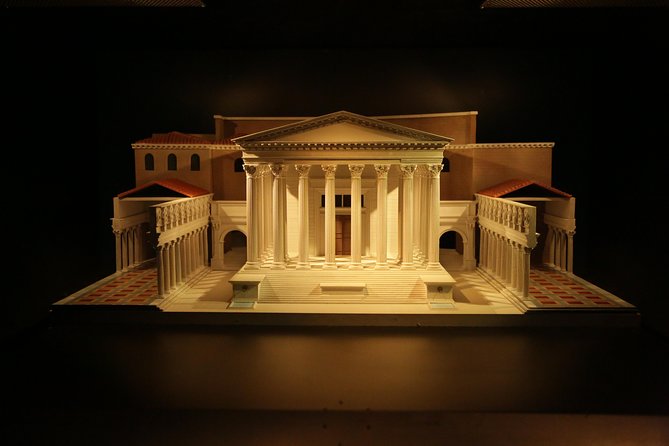
The 3D portion is the heart of why Welcome To Rome works for so many people. A recurring favorite is the way the experience helps you visualize the city layout and architectural transformation. That sounds abstract, but it’s practical once you’re outside.
Here’s how you can use it:
- When you’re near the Roman Forum, think about what you saw in the reconstructed visuals: where major structures would have been and how the space functioned.
- At Palatine Hill, the show can help you imagine the rise of the city’s power centers instead of treating the hill as just another view point.
- At the Colosseum, you’ll likely find it easier to follow what you’re seeing because you’ve already trained your brain to compare original building states to what survives.
Even if you don’t go to every ancient site, this format helps you read Rome as layered history rather than random monuments.
Family fit: strong for kids who like visuals, tricky for very young attention spans
The experience is often described as a good family start, and you can see why. It uses visuals, audio, and a mix of room stations plus a seated film. That variety prevents the “one long lecture” problem.
That said, not every child will love it. One key consideration from the feedback is that some younger kids (especially under about 8) might struggle to stay engaged through the level of detail. Also, the standing and moving between stations can make it harder for kids who want a calmer pace.
So my practical advice is simple:
- If your kids enjoy pictures, models, and watching things on screens, this is likely a hit.
- If they hate sitting through videos and also hate standing around for explanations, you might consider a different intro style (like a guided walk instead of a show).
When to schedule it: do it early, right after you land
Do this on an early day if your goal is better sightseeing later. Many people use it exactly like that: as a first stop that sets their mental map before they go looking for specific sights.
It’s also helpful if you’re dealing with jet lag. The show is timed and contained. You’re not spending the first hours of your trip guessing where to start or trying to decode street names and eras.
With multiple daily showings, you can usually pick a time that fits your energy level. Just remember the last entry is one hour before closing, so don’t wait until the very end of the day.
Room comfort and cleanliness: what to expect if you’re picky
This is the part where I’ll be real with you. Most people seem to enjoy the effects and presentation, but a few comments mention practical negatives such as the rooms feeling cold, the auditorium having broken seats, and bathrooms that weren’t kept up well.
You don’t need to let this scare you off. Just don’t assume it’s a luxury setup. If you care a lot about comfort details—warmth, seating condition, and bathroom upkeep—you’ll want to mentally file this under “functional multimedia venue,” not “high-end museum experience.”
Also, there are people who thought it was well set up and interesting throughout, so your experience may vary. The safer approach is to focus on the format: you’re paying for the story and reconstructions, not for spa-level comfort.
Who should book Welcome To Rome?
This experience is a good match if you want:
- A clear, quick overview of Rome’s changes through time
- Help imagining the city you see today as it looked in earlier periods
- A family-friendly history intro that doesn’t require long museum stamina
- A way to connect later visits (Forum, Palatine Hill, Colosseum) to something you already understand
It’s not as ideal if:
- You want deep, slow scholarship. This is an hour, so it’s designed for breadth and clarity, not exhaustive detail.
- Your group hates switching between standing stations before the seated film.
- You need a perfectly quiet, comfortable setting. Some people have mentioned cold rooms and seating issues.
My decision rule: should you do it or skip it?
I’d book Welcome To Rome if you’re doing multiple major ancient sights and you want your day to click faster. The value comes from the 3D reconstructions and the before/after thinking, which helps you read the ruins with fewer blank stares.
I’d skip it (or at least temper expectations) if you’re already extremely confident in Roman history and architecture, or if your kids are likely to tune out quickly during indoor, audio-driven storytelling.
If you want one simple strategy: plan to attend early in your Rome trip, test your audio right away, and then use the show as a lens while you walk the Forum and nearby areas.
FAQ
How long is the Welcome To Rome experience?
It lasts about 1 hour.
Is it available in English?
Yes. The show is offered in English.
What’s included with the experience ticket?
An admission ticket is included, and the show features audio, video, and interactive/3D elements.
Where is Welcome To Rome located?
It’s at Corso Vittorio Emanuele II, 203 – 00186 Roma (RM).
Is there a mobile ticket?
Yes. You receive a mobile ticket.
What time should I plan to arrive if I want to be safe?
The last entry is one hour before closing.
Is it near public transportation?
Yes, it’s described as being near public transportation.
What’s the cancellation policy?
You can cancel for a full refund up to 24 hours in advance. After that point, refunds aren’t available.
Is service available for service animals?
Yes. Service animals are allowed.
Should book a practical, high-impact intro to Rome if you want your sightseeing to make sense fast. Avoid it if you know you need a hands-on outdoor experience only, or if your group gets bored with indoor presentations quickly.