REVIEW · ROME
Rome: Highlights Bike Tour
Book on GetYourGuide →Operated by Fat Tire Tours - Italy · Bookable on GetYourGuide
Rome looks different at bike speed. This 3-hour Rome highlights bike tour is a fast, fun way to cover major landmarks with an English guide and an audio headset, so you get stories as you roll past the big sights. I especially like the cruiser bikes (steady, comfortable) and the way the route mixes top classics like the Pantheon and Trevi Fountain with major ancient set pieces like the Colosseum area.
One consideration: Rome has lots of cobblestones, and this ride is not recommended for pregnant women and isn’t ideal for children who aren’t comfortable on bikes.
In This Review
- Key things I’d mark on your Rome map
- Where to Meet, What Gear You Get, and How the Tour Flows
- The 3-Hour “Highlights” Formula: Lots of Sights, No Museum Detours
- From the Jewish Ghetto to Campo de’ Fiori: Rome’s Streets, Up Close
- Pantheon Time: Classic Roman Design, Explained in Motion
- Piazza Navona and Sant’Ignazio: Rome’s Performance Moments
- Trevi Fountain: The Stop You’ll Want to Stretch For
- Trajan’s Column, Piazza Venezia, Arch of Constantine: Imperial Rome’s Milestones
- Colosseum Segment: Seeing the Icon Without Waiting for a Tour Inside
- Circus Maximus: Where Chariots Once Roared
- How the Vatican City Piece Fits In
- Price and Value: Why $51-ish Can Work for a First-Time Rome Day
- Safety, Comfort, and Who This Tour Actually Suits
- Guide Style: The Real Difference Between a Tour and an Experience
- Should You Book This Rome Highlights Bike Tour?
- FAQ
- How long is the Rome Highlights Bike Tour?
- What sights does the tour include?
- Does the tour go inside monuments or museums?
- What’s included with the ticket?
- Is the tour language English only?
- Where is the meeting point?
Key things I’d mark on your Rome map
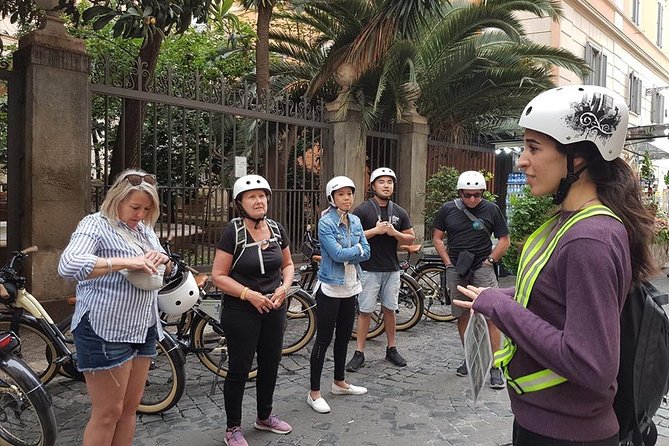
- Headset audio + live guide so you can hear the stories while you ride
- Cruiser bikes make the pace feel manageable for a 3-hour loop
- Pantheon, Trevi Fountain, Colosseum, Circus Maximus in one pass
- Quick stop times (often 5–25 minutes) that work well for seeing a lot without museum lines
- Rain-or-shine format with ponchos available and a proven plan for slippery roads
Where to Meet, What Gear You Get, and How the Tour Flows
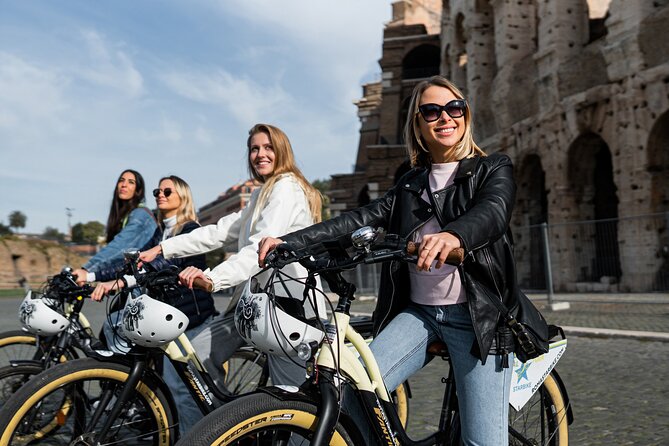
You meet at the Fat Tire Tours office at Via dei Delfini 35/36, 00186 Rome, about 150 meters from Piazza Venezia. The suggestion is simple: arrive 15 minutes early so you can get set up, pick up the bike, and get your headset sorted before the group rolls out.
The tour includes a cruiser bike, a local guide, a headset, and an optional helmet. That headset piece matters more than people think. In busy Rome traffic and tight streets, it keeps you connected to what the guide is saying, even when you’re moving between stops.
Also note what the tour does not do: it doesn’t go inside monuments or museums. That can sound limiting, but it’s actually part of the value here. You’re buying time and movement. You see the landmarks from close by, get the story, and move on.
Finally, the vibe here is practical and safety-focused. Multiple guides are praised for keeping groups together in hectic streets, and for staying calm when the weather turns. One review even highlights what happens in heavy rain: you’re told to use rain ponchos and the route adjusts to keep roads safer.
You can also read our reviews of more cycling tours in Rome
The 3-Hour “Highlights” Formula: Lots of Sights, No Museum Detours
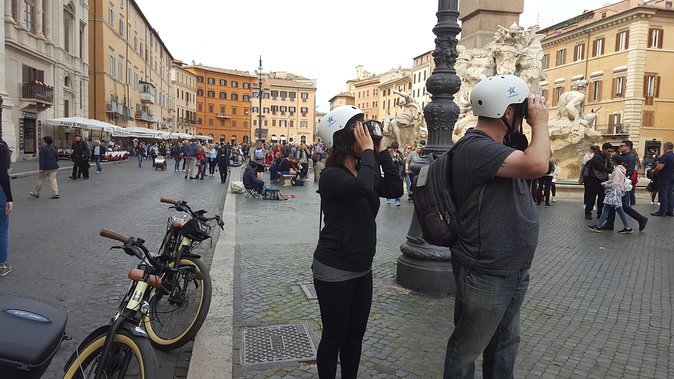
The tour is built around a clear rhythm: ride, stop, listen, snap photos, then roll again. Many stops are short—often around 5 to 20 minutes—with a couple longer breaks where you can take in the landmark and get pictures without feeling rushed off the sidewalk.
This format is great if you want a high-impact overview on day one or day two. It’s also smart if your schedule is tight, because you’re not stuck on long museum queues or ticket lines. You get the sense of how Rome’s layers connect—from ancient spaces to the grandeur associated with Vatican City—without needing to plan a whole second itinerary.
And because the tour takes place rain or shine, you’re not stuck waiting for perfect weather. If it rains, you can use the ponchos. The tour notes that ponchos are available and fully reimbursed if they aren’t used, which is a nice way to reduce the fear of getting caught out.
From the Jewish Ghetto to Campo de’ Fiori: Rome’s Streets, Up Close
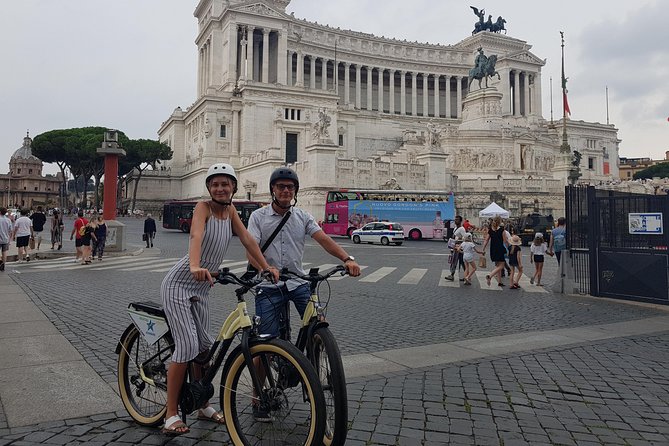
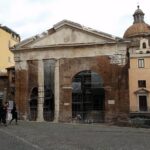
You kick off at Fat Tire Tours and then ride to the Jewish Ghetto area. This is one of those stops that’s more than a postcard. The guide-led storytelling helps you understand what you’re seeing while you’re actually in the neighborhood, which is the main advantage of a bike tour: you don’t just observe from far away—you pass through.
Next is Campo de’ Fiori, a square that works like a mental landmark. You get your bearings here, and you also get a contrast in the city texture: lively open space before you hit heavier “monument Rome” territory.
A quick heads-up: while the ride is designed to be manageable—some reviews mention it as mostly flat with no hills—Rome still throws curveballs at you. Tight lanes, traffic flow, and the occasional cobblestone patch mean you should stay alert and follow your guide’s instructions.
Pantheon Time: Classic Roman Design, Explained in Motion
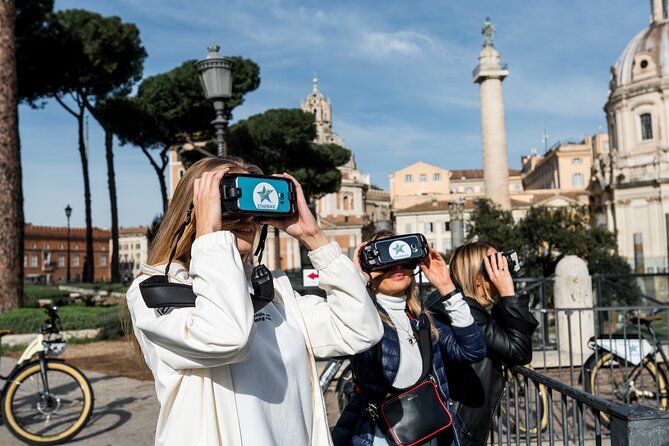
Then comes one of the big anchors: the Pantheon. This stop is short, but it’s a big payoff. You’re looking at an architectural masterpiece with Corinthian columns and a massive dome. Even without entering, you can see why the design has influenced buildings far beyond Italy. (And yes, you might hear the comparison to the Pantheon in Paris, which is the kind of detail a good guide throws in.)
The main value here is context. A bike tour guide doesn’t just point. They connect the building to how Roman engineering and religious ideas shaped what followed. That kind of interpretation turns a famous facade into a real “how does this work” moment.
Practical drawback: since you’re not going inside, the stop is best for viewing and learning—not for museum-style exploration. If you’re hoping for extended time at interiors, you’ll want a separate plan. But for most people, the outside focus keeps the tour moving and keeps the energy high.
Piazza Navona and Sant’Ignazio: Rome’s Performance Moments
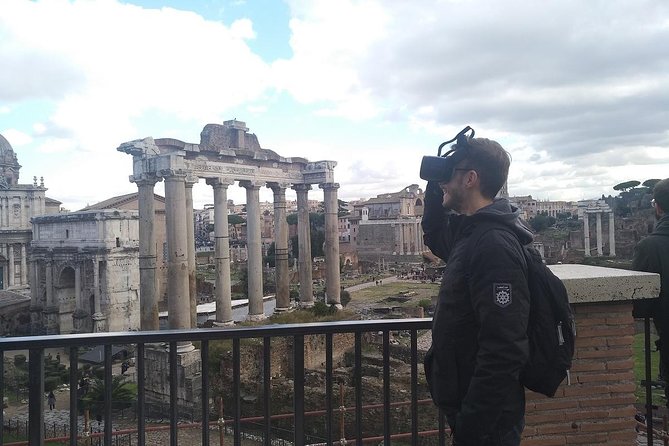
After the Pantheon, you ride toward Piazza Navona. This is a classic Rome square: photogenic, visually busy, and a great place to slow down for a moment. Even with a short stop, it gives you a feel for how Rome presents itself in public spaces—meant to be seen, not hidden.
Next is the Church of Sant’Ignazio di Loyola. You get the exterior and the story around it. This is a nice choice for a highlights tour because it adds a different texture than ancient stone alone—more drama, more design, more “Rome keeps evolving.”
If you like architecture that’s built to impress, these stops work well back-to-back. The ride keeps you from overthinking logistics, and the guide keeps you from just staring without understanding.





Trevi Fountain: The Stop You’ll Want to Stretch For
The Trevi Fountain is the classic finale-style photo stop—except here it’s earlier in the day. You cycle by and then get about 20 minutes to take it in.
What I like about Trevi in a bike tour format is that you approach it as a landmark in a larger story. You’re not just landing in front of water and then leaving. You get the guide’s explanation of the fountain’s scale and craftsmanship, and you can compare what you’re seeing to what you’ve read about it.
One practical note: Trevi is crowded. The tour’s group format helps. You’ll have a planned moment to enjoy it, and your guide can keep the group organized instead of scattering everyone into chaos.
Trajan’s Column, Piazza Venezia, Arch of Constantine: Imperial Rome’s Milestones
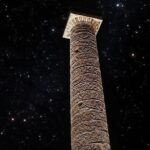
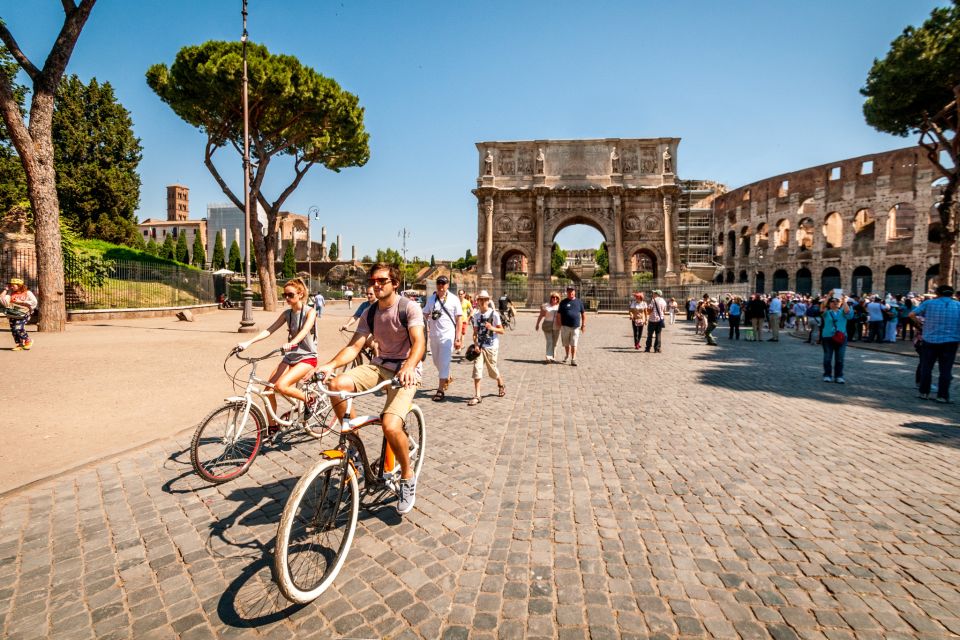
From there, you roll past Trajan’s Column and then through Piazza Venezia. Those two together help you understand Rome’s habit of using big public spaces and monuments like anchors for power and memory.
Next: the Arch of Constantine. It’s a quick stop, but it fits the tour’s theme: Roman monuments weren’t only about religion or entertainment. They also broadcast messages. An arch like this is a statement you can feel in your legs as you cycle past—because you’re literally moving through the scale Roman planners created.
These stops are short, often around 5 minutes, but they work as connective tissue. They help you stop seeing “Rome highlights” as separate icons and start seeing the city as one continuous map of emperors, ideas, and street-scale design.
Colosseum Segment: Seeing the Icon Without Waiting for a Tour Inside
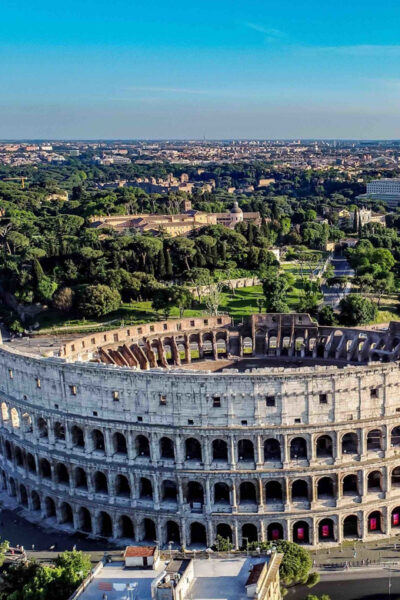
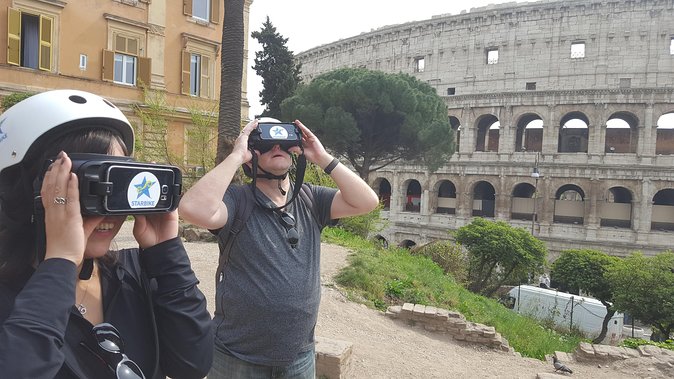
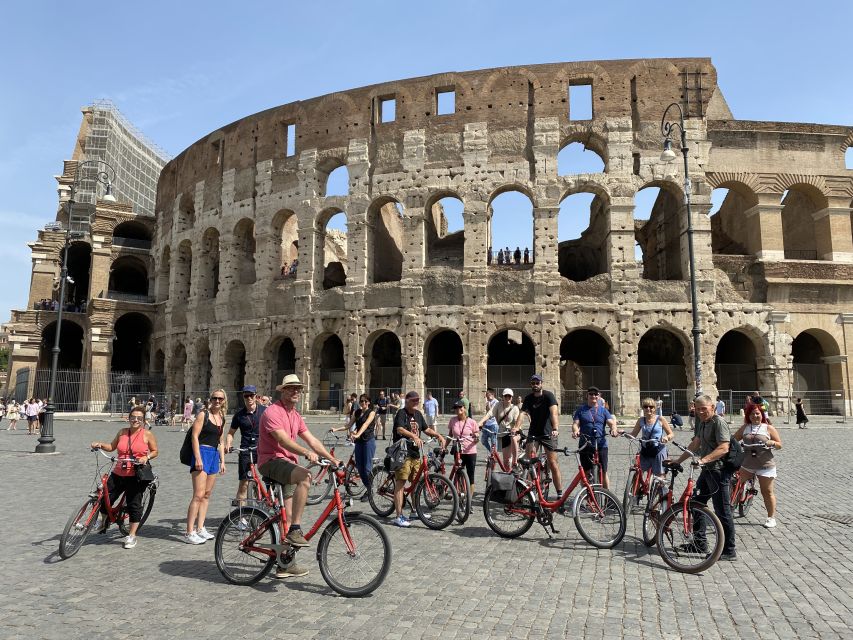
Then the route brings you to the Colosseum, with a longer pass time around 25 minutes. This stop is a highlight for good reason. The Colosseum was built starting in 72 AD during Emperor Vespasian’s reign, and it still dominates the skyline as a reminder of how Romans engineered spectacle.
Even though the tour does not include going inside, you can get a lot from seeing it from the outside with a guide talking through what you’re looking at. It’s also a relief for timing. In a 3-hour tour, you don’t want your day swallowed by long lines.
A tip if you’re camera-first: use the longer Colosseum timing to grab both wide shots and closer angles. With the tour structure, you won’t get another full window later, so make the most of this stretch.
Circus Maximus: Where Chariots Once Roared
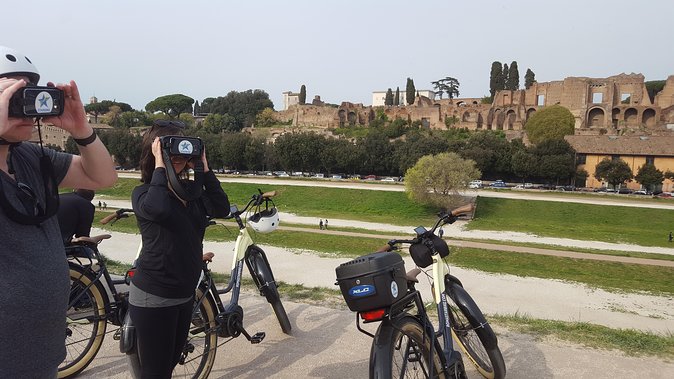
Finally, you head toward Circus Maximus, the former site of chariot racing. This is one of my favorite kinds of stops on a bike tour: it’s still part of the ancient Rome story, but the experience feels different than standing in front of a temple or an amphitheater.
You get about 20 minutes here, which is enough time to understand the space and take pictures without feeling like you’re just passing through.
It also helps that a good guide ties the physical layout to what happened here. Instead of only hearing numbers and names, you understand why the space was built the way it was—because you can see it while you ride around.
How the Vatican City Piece Fits In
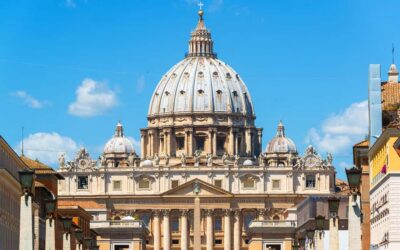
The tour description indicates that you’ll range from ancient Rome toward Vatican City, with stops and viewpoints connected to the heart of Roman Catholicism and areas around St. Peter’s Basilica. The exact “inside-the-border” details aren’t presented as a museum visit here, and the tour does not visit inside monuments.
So what should you expect? You should expect a guided overview from the street level and landmark-level viewpoints, designed to connect the old Roman world with the later religious power center in the city’s story. It’s a good fit for the “highlights” goal: broad, not deep.
Price and Value: Why $51-ish Can Work for a First-Time Rome Day
At $51.24 per person for a 3-hour bike tour, you’re paying for more than wheels. You’re buying:
- a local guide doing the translation from stone and street to meaning,
- a cruiser bike so you aren’t fighting traffic on foot,
- a headset so you hear the narration while moving,
- and the time saved by skipping the slow build of self-planning route notes.
This is where I think the value hits hardest: you get a concentrated Rome overview without needing a full day of logistics. And the stops are timed so you move between major sights rather than losing half your day navigating between them.
The main “cost” is your attention. A bike tour demands you pay attention to your surroundings. If you’re not comfortable riding in city conditions or on cobblestones, the experience can feel stressful instead of fun. But if you are comfortable, you can cover a lot more than most walking plans in the same window.
Safety, Comfort, and Who This Tour Actually Suits
Safety is a major theme in the feedback. People repeatedly mention guides keeping the group together and handling busy streets smoothly. That matters because Rome roads aren’t suburban-friendly, and the tour is designed for short rides between landmarks rather than quiet countryside biking.
Comfort and suitability are more specific:
- Not allowed: open-toed shoes, and unaccompanied minors.
- Not suitable for: pregnant women (due to cobblestones).
- Kids rules: children under 18 must be with an adult (18+). Children under 10 require an excellent level of biking and must be able to ride on their own; staff can decline participation without an obligation to refund.
- Children with bikes: tell the operator the child’s age and height so the right bike setup is prepared.
If you’re an older teen or adult who wants a fun way to get oriented quickly, this tour is a strong match. Reviews also suggest it works well for teenagers, and that the pace is not strenuous, with many flat riding segments.
If you hate traffic, dislike cobblestones, or aren’t confident riding, you may want to choose a different Rome format.
Guide Style: The Real Difference Between a Tour and an Experience
The guides are frequently named in feedback: Sara, Mattia, Marco, Stefano, Sergio, Daniele, Mary, Alessandro, and others. Across those names, the recurring praise is consistent:
- clear history tied to what you’re seeing,
- a funny, engaging tone,
- and active group safety in chaotic streets.
There’s also a strong pattern of practical guidance—one guide is singled out for keeping a big group safe in busy Rome, another for handling torrential rain calmly. If you tend to relax once someone else is managing traffic and timing, you’ll likely enjoy this one.
Should You Book This Rome Highlights Bike Tour?
Book it if you want a 3-hour, guide-led overview that hits Pantheon, Trevi Fountain, Colosseum, and Circus Maximus with headset audio and cruiser comfort. It’s a great way to get your bearings fast and learn what matters while you’re actually moving through the city.
Skip it (or think twice) if cobblestones make you nervous, if you’re not comfortable riding in traffic, or if you’re a pregnant person. Also, if you need museums and interiors, remember this tour focuses on the sights from outside.
If you’re planning a tight first visit to Rome, this is the kind of booking that can turn a handful of famous images into a connected sense of place.
FAQ
How long is the Rome Highlights Bike Tour?
It lasts 3 hours.
What sights does the tour include?
You’ll see landmarks including the Pantheon, Trevi Fountain, Circus Maximus, Colosseum, plus stops such as Piazza Navona, Trajan’s Column, Arch of Constantine, and others.
Does the tour go inside monuments or museums?
No. This tour does not visit inside monuments and museums.
What’s included with the ticket?
Included are a cruiser bike, a local guide, a headset, and a helmet (optional).
Is the tour language English only?
Yes, the tour is provided in English only.
Where is the meeting point?
Meet at Fat Tire Tours office, Via dei Delfini 35/36, 00186 Rome. The tour ends back at the meeting point.