REVIEW · ROME
Rome: Roman Master Chef Cooking Class with Wine
Book on GetYourGuide →Operated by The Roman Food Tour · Bookable on GetYourGuide
Handmade pasta beats guesswork fast. This Rome cooking class is a hands-on way to learn Roman cuisine in a real local restaurant setting, with wine and limoncello while you cook. I love that you make fettuccine from scratch and finish with classic tiramisu, not just watch someone else cook. The other big win is the end-of-class meal in the same Roman restaurant atmosphere (or on the terrace), so your work turns into dinner right away. One possible drawback: you are booking a hands-on class, so if you prefer purely sightseeing with minimal time at a table, this may feel like it takes up your limited Rome hours.
I also like how clearly the class is run for English speakers, with instructors like Sid, Eleonor, Eddie, Giacomo, and Mathilde showing steps and making sure you can keep up. The group vibe tends to feel lively and interactive, with music and lots of guest engagement. The only thing to watch is that start times can sometimes run a bit later than expected, so don’t schedule a tight next plan right after.
In This Review
- Key things I think you’ll care about
- What Makes This Rome Class Different from a Typical Cooking Demo
- What You’ll Make: Fettuccine, Tiramisu, and the Chance of Extra Pasta
- Inside the Roman Restaurant Kitchen: Atmosphere and Group Size
- Drinks While You Cook: Wine, Limoncello, and What That Adds
- The Hands-On Instruction Style: How You Get From Raw Ingredients to Dinner
- Timing in Rome: Duration, Start Times, and Planning Your Day
- Price and Value: Does $32 Feel Fair for Pasta, Dessert, and Drinks?
- Dietary Needs: Vegetarian, Vegan, Lactose Intolerant, and More
- Who This Class Is Best For (and Who Might Skip It)
- Quick Tips to Get the Most Out of Your Cooking Session
- Should You Book This Rome Pasta and Tiramisu Class?
- FAQ
- How long is the Rome Roman Master Chef Cooking Class?
- What is the price per person?
- What do I make during the class?
- Is wine or alcohol included?
- Is the instruction available in English?
- Are dietary options available?
- What happens after the cooking part?
- Where do I meet the group?
- Is there free cancellation?
- Can I reserve without paying right away?
Key things I think you’ll care about
- Hands-on Roman fettuccine dough work instead of learning theory
- Tiramisu made by you, a layered coffee-and-cocoa dessert you can actually repeat
- Italian wine and limoncello included, plus coffee, soft drinks, and water
- English instruction with active help, so you’re not standing around
- A sit-down payoff where you eat what you made in a Roman restaurant setting
What Makes This Rome Class Different from a Typical Cooking Demo
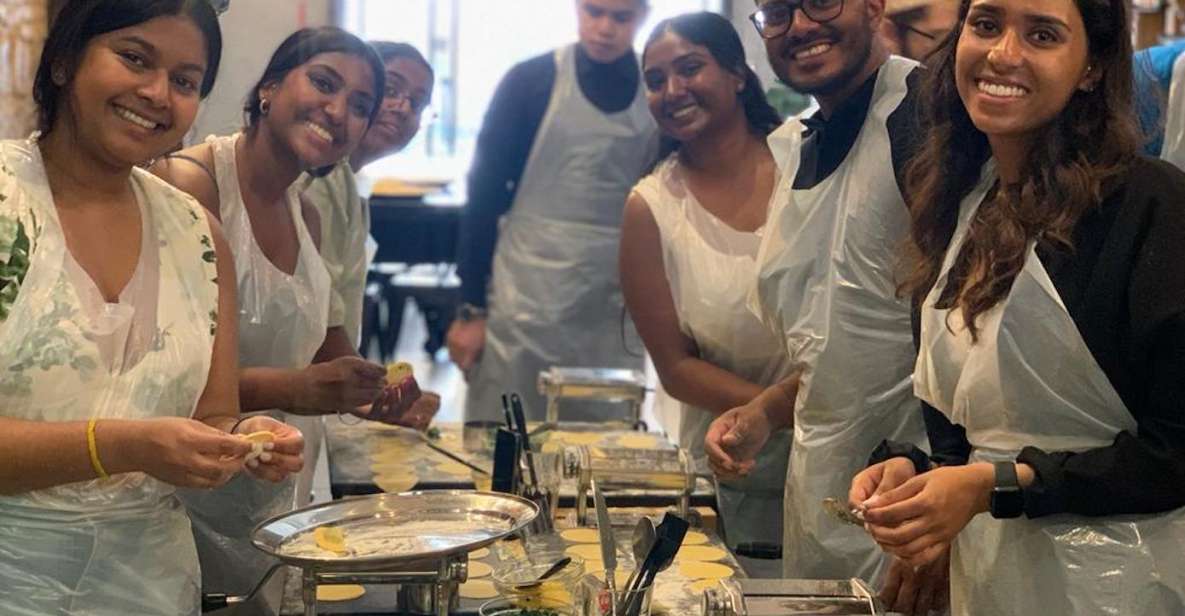
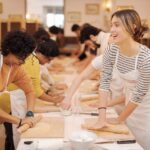
This isn’t a quick show-and-tell where you taste something and leave. It’s a structured cooking session where you roll up your sleeves and follow a real workflow—tools, ingredients, steps, and then a finished meal. For me, that’s the real value: you leave with muscle memory. Not just a photo.
The class also leans into Roman comfort food in a very practical way. You learn how fresh pasta dough behaves, how to shape and cut it, and how to build tiramisu layers properly. That means you’re not just learning recipes, you’re learning technique you can carry over at home.
And the setting matters. You cook inside a Roman restaurant environment, then sit down afterward—often indoors, sometimes on an outdoor terrace depending on the setup. That keeps the experience from feeling like a kitchen classroom that’s over the moment the timer starts.
You can also read our reviews of more cooking classes in Rome

What You’ll Make: Fettuccine, Tiramisu, and the Chance of Extra Pasta
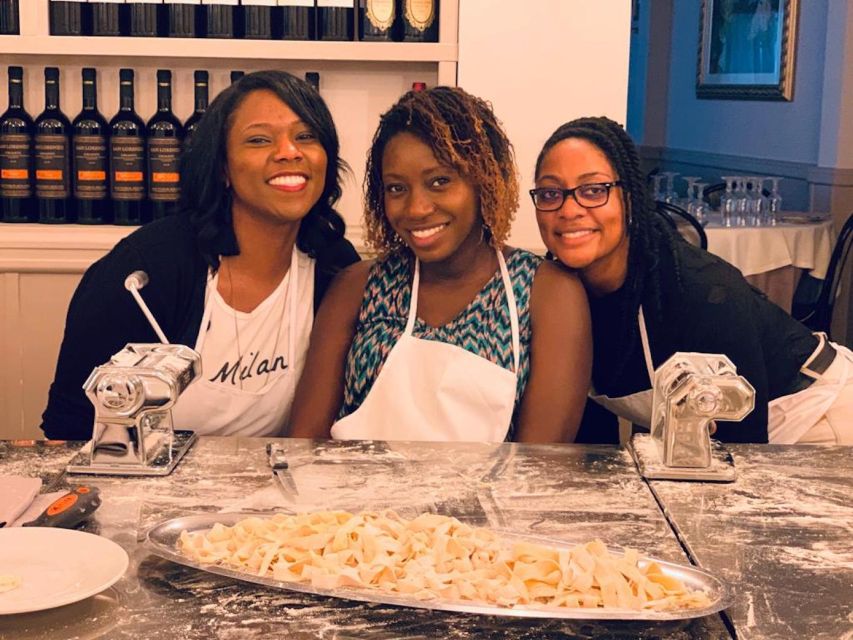
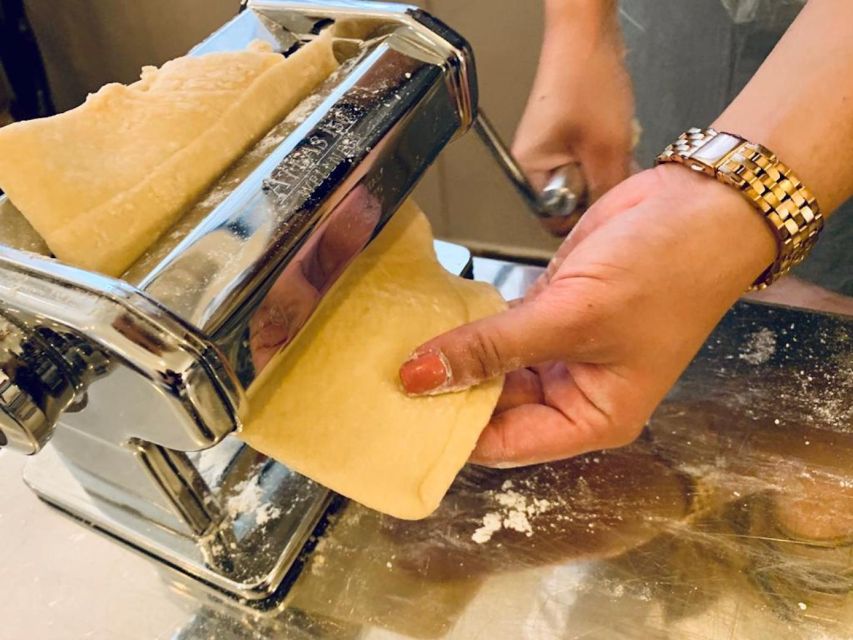
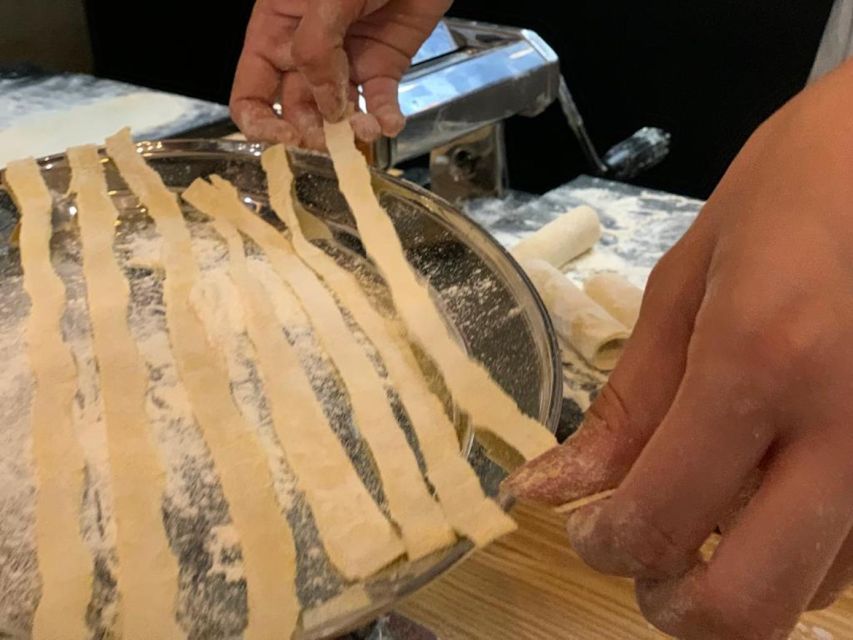
At the center of the class is handmade fettuccine made from scratch. You’ll work the dough and handle the rolling and cutting process so you understand what changes the texture and finish. Fresh pasta is usually more tender and quicker-cooking than dried pasta, and this class gives you the baseline to cook it confidently later.
Then comes the dessert: tiramisu. The focus is on building the classic layered coffee-flavored dessert with cocoa. If you’ve ever had tiramisu that’s too runny or too firm, the main payoff here is learning how the layers come together so it sets right.
One extra detail you should know: in some sessions, you may also make another pasta variety alongside fettuccine—like ravioli. That’s not guaranteed by the base description, but it shows up in real class experiences, so if you’re hoping for more than one pasta form, you’re likely in the right place.
Inside the Roman Restaurant Kitchen: Atmosphere and Group Size
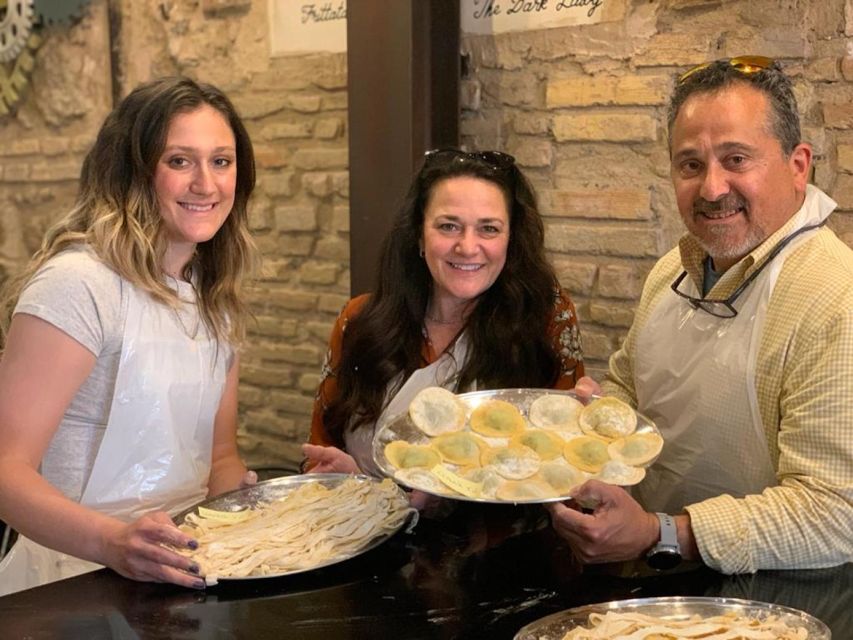
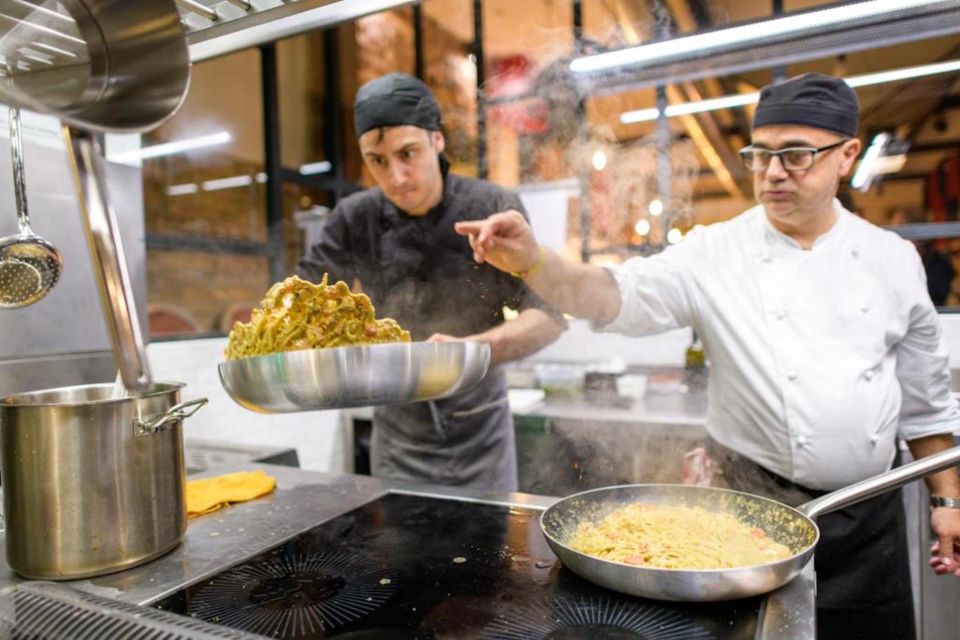
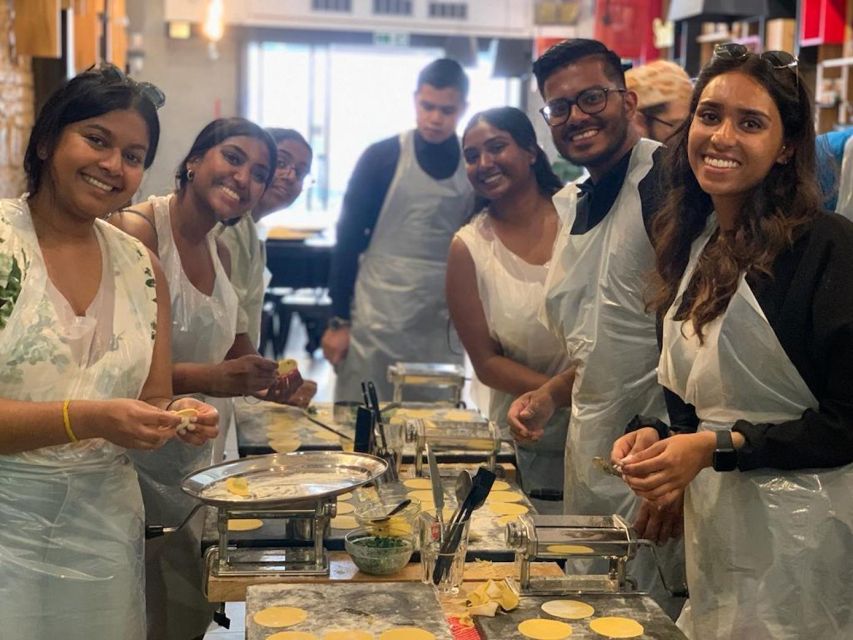
You’ll be cooking inside a Roman restaurant, which changes the feel compared with a standalone cooking school. It’s more like joining a busy, real kitchen rhythm. The room tends to support learning without feeling sterile—chairs, counters, and a flow that makes it easier to stay involved.
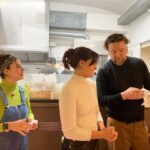
Class size matters here. Some sessions run with about a dozen people, which is large enough to meet travelers from elsewhere, but small enough that the chef can still correct hands-on mistakes. The instruction style from the named hosts and chefs (Sid, Eleonor, Eddie, Giacomo, and Mathilde) comes through as hands-on and encouraging, not just talk.
There’s also a social energy. You’re not doing homework alone at a station. You’re cooking with other people, asking questions, and getting quick feedback. A class like this works best when you’re willing to be a little messy and learn by doing.
Drinks While You Cook: Wine, Limoncello, and What That Adds
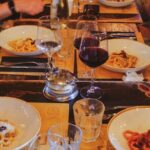
Part of the fun here is that your learning is paired with drinks. The class includes fine Italian wine and limoncello, plus coffee and soft drinks, and water. That matters because it turns a cooking session into a full Roman meal experience rather than a half-step activity.
Depending on the session, you might start with a hot drink (like cappuccino or a preferred hot beverage) and then move into drinks like prosecco before cooking. The point isn’t which label it is—it’s the pacing. You get a relaxed start, then the kitchen work kicks in once the group is comfortable.
A small practical note: if you’re the type who wants to stay sharp for timing-sensitive cooking tasks, sip steadily rather than chug. The class is designed for enjoyment, but pasta and dessert still need attention.
The Hands-On Instruction Style: How You Get From Raw Ingredients to Dinner
The class workflow is simple and effective:
- You gather the tools and ingredients you need to start.
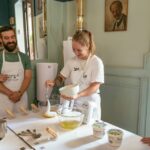
- Your local chef demonstrates and guides the core steps.
- You take over, with help to make sure you don’t fall behind.
- After cooking, you sit down and eat what you made.
- You take home recipes you can recreate later.
That’s what makes this worth your time. You’re not just collecting steps—you’re practicing them with someone correcting technique in real time. When you’re rolling fresh dough or building tiramisu layers, small adjustments matter. Having instruction as you go is the difference between ending up with something you’d happily serve and ending up with something that’s only okay.
You’ll likely notice that instructors keep the pace moving. In a class environment, that’s a good thing. It prevents the session from dragging and helps you finish while ingredients are still at their best.
You can also read our reviews of more wine tours in Rome


Timing in Rome: Duration, Start Times, and Planning Your Day
Plan for 2.5 to 3 hours for the class. That’s long enough to learn two major parts of an Italian meal and still have time to keep exploring Rome afterward.
Because the activity meeting point can vary depending on the option booked, it helps to plan your day with a little buffer. And while the class is scheduled, you might find that it starts slightly later than expected. So give yourself slack after the class—don’t stack it back-to-back with a reservation that can’t move.
If you’re building your first Rome day, this is a great early-to-mid afternoon option. It gives you a clear anchor and a meaningful activity without requiring museum-level pacing.
Price and Value: Does $32 Feel Fair for Pasta, Dessert, and Drinks?
At $32 per person, the value is strong for what’s included: cooking class, a local chef guide and host, ingredients for fettuccine and tiramisu, and drinks—wine, limoncello, plus coffee, soft drinks, and water. You’re not paying extra for alcohol or for the main meal structure.
The smart way to look at the price is like this:
- You’re paying for hands-on instruction and real prep work.
- You’re also getting a sit-down payoff where you eat what you made.
- And the drinks included in the experience are part of the overall package.
If you were to do the same thing yourself, you’d spend money on ingredients, equipment you might not own (depending on what you have already), and time. Here, the setup and guidance are built in. For many people, the biggest value isn’t even the food. It’s leaving with recipes and technique you can reuse.
Dietary Needs: Vegetarian, Vegan, Lactose Intolerant, and More
The class supports multiple dietary needs, including vegetarian, vegan, and lactose intolerant diets. The key is that you should inform the activity provider of your needs when booking.
That matters because tiramisu and pasta can run into ingredient pitfalls—especially around dairy. The class is designed to accommodate, but the accommodation depends on you planning ahead and being specific.
If you have allergies or a strict diet, don’t assume that a generic note covers everything. Use the booking instructions to communicate clearly.
Who This Class Is Best For (and Who Might Skip It)
This works especially well for you if:
- you want a hands-on Rome experience with food you can recreate
- you like social group activities but still want real instruction
- you want to understand Roman cuisine beyond trying it once in a restaurant
- you’re comfortable spending a few hours cooking instead of touring nonstop
It might be less ideal if:
- you prefer lightweight activities and quick stops only
- you get overwhelmed by step-by-step kitchen tasks
- you’re trying to fit the class into a tight timetable with no buffer
Quick Tips to Get the Most Out of Your Cooking Session
I’d go in with a simple mindset: you’re there to practice. Even if you’ve cooked at home, fresh pasta and tiramisu have their own logic.
- Come hungry. You’ll taste along the way, but the payoff is finishing the meal and eating afterward.
- Ask questions early. The instructor can adjust your technique faster before you lock into a rhythm.
- Pace your drinks. Enjoy them, but keep your attention on timing and steps.
- Plan your next move after the class with a time buffer, since the start time can run a little later.
Should You Book This Rome Pasta and Tiramisu Class?
If you like eating well and you want a Rome activity that actually teaches you something, I’d book this. The combination of from-scratch fettuccine, tiramisu you build yourself, and included drinks makes it feel like more than a class—it’s a full Roman meal experience you can recreate.
I’d only hesitate if your day is overly packed and you hate any timing uncertainty, or if you’d rather spend those hours walking around Rome’s sights instead of cooking. Otherwise, it’s a straightforward value play: learn real technique, eat what you make, and leave with recipes you can use back home.
FAQ
How long is the Rome Roman Master Chef Cooking Class?
The class runs about 2.5 to 3 hours, depending on the starting time and availability.
What is the price per person?
The price is $32 per person.
What do I make during the class?
You’ll learn to make homemade fettuccine pasta from scratch and a tiramisu dessert. Some sessions may include additional pasta like ravioli.
Is wine or alcohol included?
Yes. The class includes fine Italian wine and limoncello, along with coffee, soft drinks, and water.
Is the instruction available in English?
Yes. The instructor teaches in English.
Are dietary options available?
Yes. Vegetarian, vegan, lactose intolerant, and other diets are supported. You should inform the activity provider of your dietary needs when booking.
What happens after the cooking part?
After the hands-on cooking, you sit down to enjoy the food you made in a locally loved Roman restaurant or on the outdoor terrace, depending on the setup.
Where do I meet the group?
The meeting point may vary depending on the option you book.
Is there free cancellation?
Yes. You can cancel up to 24 hours in advance for a full refund.
Can I reserve without paying right away?
Yes. The option is reserve now & pay later, so you can book your spot and pay nothing today.