REVIEW · ROME
Rome Pasta Making Class with Italian Sauces and Wine Included
Book on Viator →Operated by Riccardo Cooking Class - Pasta Class and Sauces · Bookable on Viator
If you want Rome food that feels personal, choose pasta.
This Rome pasta-making class turns flour, water, and elbow grease into real restaurant-level dishes, with Roman sauces and drinks included.
What I like most is the hands-on structure: you roll, shape, cut, and sauce—not just watch. I also like that it stays small, so the chef can correct your technique and share practical fixes. One thing to consider: if you want gluten-free or vegan options, the class notes that those are handled via a private class upgrade, while the standard group includes a vegetarian menu.
In This Review
- Why This Rome Pasta-Making Class Feels Like More Than Cooking
- A Few Things You’ll Notice Right Away
- Start at the Kitchen, Not a Lecture Hall
- The Hands-On Pasta Flow (What Happens During the 3 Hours)
- 1) Meet the team and get ready to cook
- 2) Make fresh pasta dough and shape it
- 3) Cook Roman sauces alongside your pasta
- Roman Sauce School: What You’ll Learn Beyond the Names
- Arrabbiata: heat with balance
- Carbonara and cacio e pepe / gricia-style sauce logic
- Butter and sage: the underrated skill
- The Meal You Eat Right After: Wine and Coffee Included
- Dietary Needs and the Private-Class Upgrade
- Who This Works Best For (And Who Might Want Something Different)
- Price and Value: Is $95.53 Actually Fair?
- Practical Tips Before You Go
- Should You Book This Rome Pasta-Making Class?
- FAQ
- How long is the Rome pasta-making class?
- How big is the group?
- Is wine and coffee included?
- What pasta and sauces will I make?
- Do you offer vegetarian or gluten-free options?
- Where is the meeting point in Rome?
- Is the class taught in English?
- What is the cancellation policy?
Why This Rome Pasta-Making Class Feels Like More Than Cooking
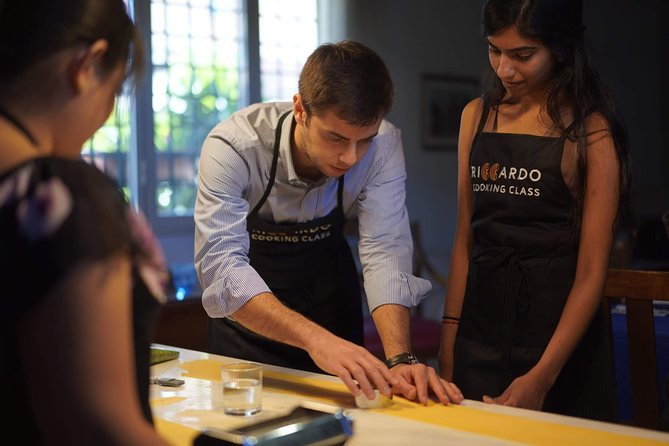
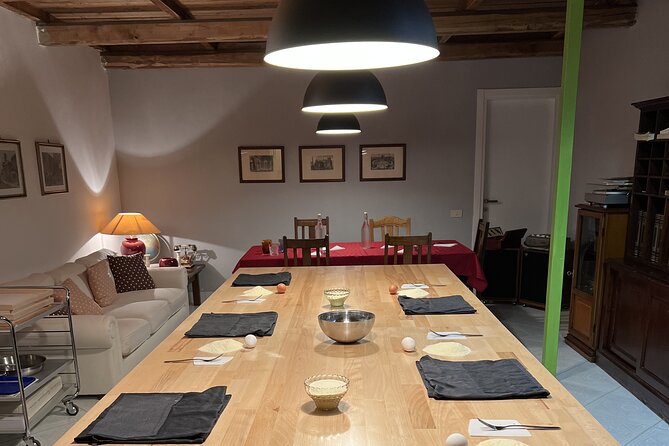
This is a 3-hour, small-group Rome cooking class built around the kind of teaching you’d expect in an Italian family kitchen. You meet the chef and team, learn how fresh pasta is made from scratch, and then sit down to eat the results as a genuine meal.
The most satisfying part is the mix of skills and outcomes. You’re not only learning recipes like arrabbiata or carbonara-style sauce ideas; you’re learning the why behind the method. Add wine and coffee, and it becomes a complete evening experience, not a short demo.
There’s also a clear “learn it, then repeat it at home” goal. People leave talking about how doable the techniques felt after the class, with tips that go beyond a cookbook.
A Few Things You’ll Notice Right Away
- Small groups (max 10) keep the class interactive and easier to follow.
- You make handmade pasta from scratch, not just assemble dishes.
- The menu centers on Roman favorites like ricotta ravioli, fettuccine, and spaghetti alla chitarra.
- You learn sauces you can actually use later, including arrabbiata and butter and sage.
- Dietary options depend on class type: vegetarian is available; gluten-free and vegan are described for private upgrades.
- You finish with a shared meal and complimentary wine and coffee.
You can also read our reviews of more cooking classes in Rome

Start at the Kitchen, Not a Lecture Hall
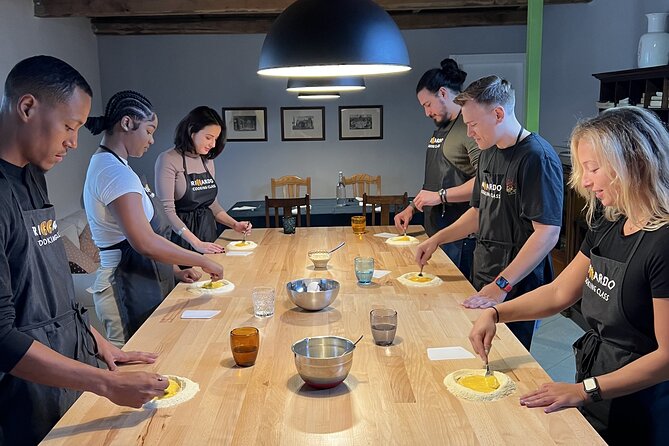
The class starts at Circonvallazione Gianicolense, 418, 00151 Roma RM, Italy, and it ends back there. It’s also described as being near public transportation, which matters in Rome, where walking time can quietly eat your schedule.
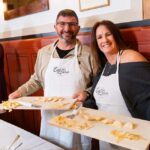
When you arrive, you’ll meet Chef Riccardo and his team. Instructors you may work with include names like Chef William or Leo, based on past sessions. Either way, the vibe is similar: the chef leads, but the group gets plenty of time at the workstations.
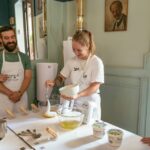
If you’re the type who worries about standing around, you’ll likely feel better here. The structure pushes you to participate—kneading, rolling, shaping, and cooking—with constant guidance. Expect the pace to be instructional, not rushed.
The Hands-On Pasta Flow (What Happens During the 3 Hours)
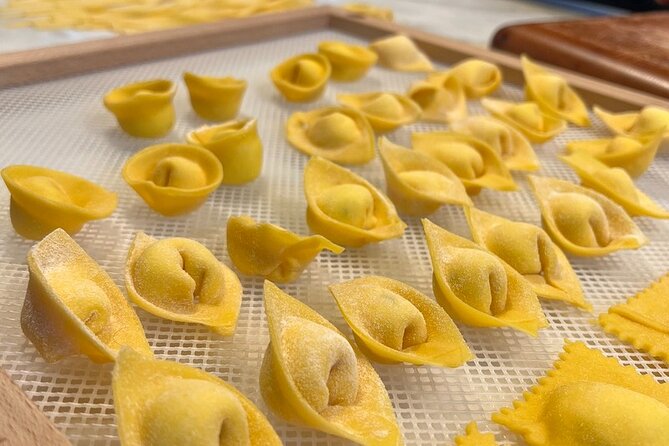
Here’s the typical arc of the class, and why it works.
1) Meet the team and get ready to cook
You’ll begin by settling into the kitchen rhythm. Some sessions include a quick start with cheese tasting and prosecco, which helps the group loosen up before flour becomes serious business. Even if your exact start differs slightly, the main goal stays the same: set you up for active work right away.
2) Make fresh pasta dough and shape it
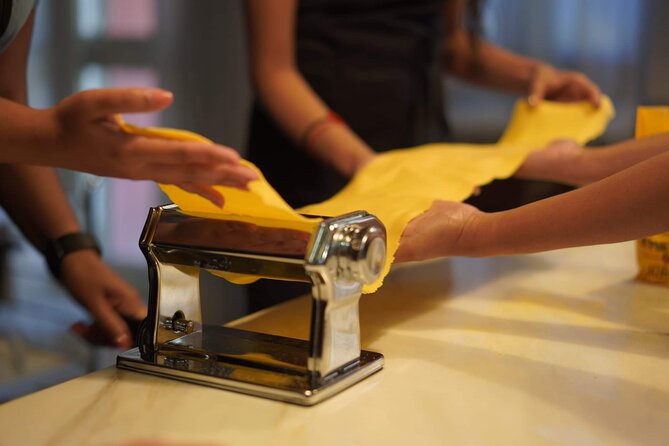
This is where the class earns its reputation. You’re taught how to make fresh pasta from scratch and then how to turn that dough into different shapes.
The kinds of pasta you may make include:
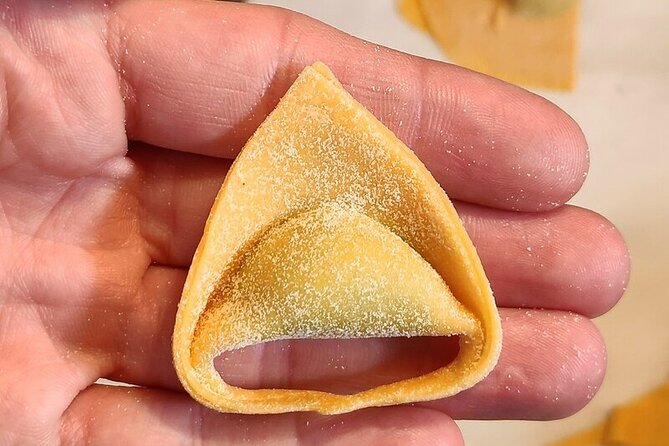
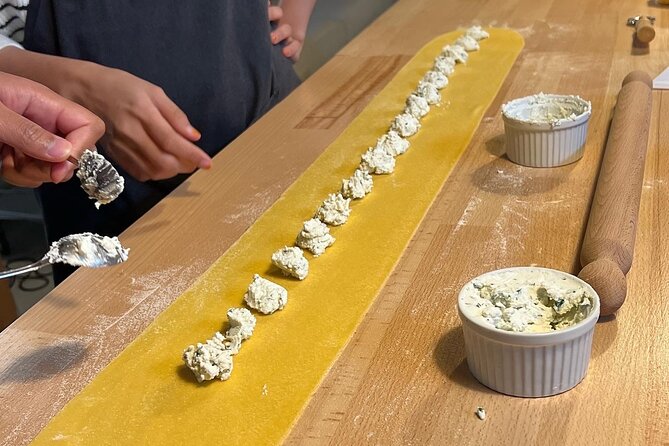
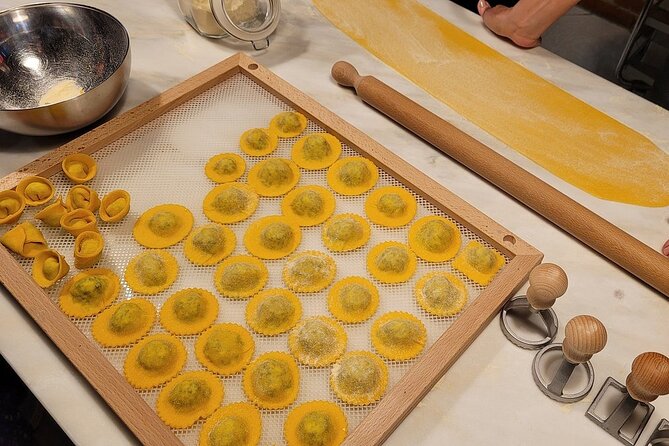
- Ravioli (with ricotta filling)
- Handmade fettuccine
- Spaghetti alla chitarra (the square-cut style made with a tool designed for that look)
What I like about this mix is that it teaches you multiple ways dough can become “finished food.” Fettuccine is about rolling and cutting; ravioli is about filling and closing; spaghetti alla chitarra is about technique and using the right tool.
Also, the instruction is practical. People mention getting pro tips about tools and technique, and learning the habit of cooking by taste rather than following numbers blindly. That kind of guidance tends to stick.
You can also read our reviews of more wine tours in Rome

3) Cook Roman sauces alongside your pasta
As the pasta progresses, sauce lessons run in parallel. The class focuses on Roman-style sauces that match what you’re shaping, so you’re not scrambling at the end trying to pair pasta with sauce.
Your sauce lineup can include classics such as:
- Arrabbiata (bold, spicy, tomato-forward)
- Carbonara (or a cacio e pepe / gricia-style approach depending on dietary preference and personal preference)
- Butter and sage (simple, aromatic, and a great match for stuffed ravioli)
One detail I find especially useful: you’ll get technique talk around why each sauce behaves the way it does. That’s the difference between learning a recipe and learning a cooking skill.
Roman Sauce School: What You’ll Learn Beyond the Names
It’s easy to see “carbonara” or “arrabbiata” on a menu and think you already know them. The value here is that you learn how to make them taste right, not just how to follow ingredients.
Arrabbiata: heat with balance
Arrabbiata is all about getting tomato and heat to work together. You’ll likely learn how to manage the sauce so it coats pasta without going flat or overly aggressive.
Carbonara and cacio e pepe / gricia-style sauce logic
The class notes that the sauce choice can shift based on diet and preference. That makes sense. If you’re vegetarian, you might see the class lean toward cacio e pepe / gricia-style ideas. If you’re not, carbonara is listed as part of the traditional set.
Either way, the key skill is understanding how creamy, flavorful sauce texture is created. You’ll also hear guidance tied to the chef’s way of teaching—people describe it as thorough and grounded in method.
Butter and sage: the underrated skill
This one is deceptively simple. Butter and sage teaches restraint and timing. When you get it right, it tastes clean and rich. When you get it wrong, it can feel heavy or flat. This is a sauce that helps you build real control.
The Meal You Eat Right After: Wine and Coffee Included
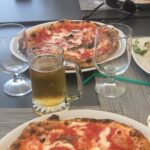
Once your pasta is done, you eat what you made. That matters more than it sounds. You can’t fully judge texture, doneness, or sauce balance until it lands on your plate.
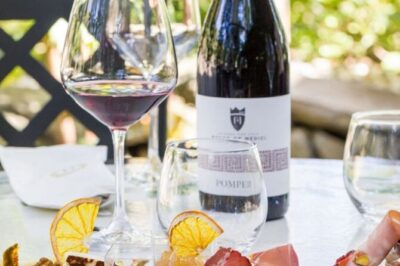
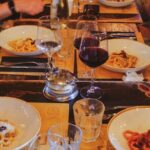
You’ll enjoy your meal together with complimentary wine and coffee. In other words, the class isn’t just about learning. It’s also about rewarding the work immediately, with a real-food finish.
In some sessions, you may also receive a takeaway in the form of a recipe book sent by mail after the class. That’s a great value-add because it gives you a reference for recreating what you learned.
Dietary Needs and the Private-Class Upgrade
This is a point you should plan for up front.
- The class specifically says there’s a special menu for vegetarian participants in the standard experience.
- For gluten-free, vegan, and other custom dietary needs, the notes say you can upgrade to a private class for a tailored menu.
So if you have strict needs like gluten-free or dairy-free, your best move is to ask whether the standard group setup can accommodate you. If the class offers it only in private mode, the upgrade becomes the smartest way to avoid disappointment.
I also recommend being direct when you book. The class asks you to inform them about allergies and dietary restrictions, which is exactly how you should handle food in Italy.
Who This Works Best For (And Who Might Want Something Different)
This class is a strong fit if:
- You want a hands-on cooking experience in Rome rather than a walking tour with a few bites.
- You’re excited by Italian techniques you can reproduce at home.
- You like structured lessons with room for questions. Past sessions describe chefs as interactive, upbeat, and generous with tips.
It’s also a great option if you’re a mixed group of skill levels. The class is built so both beginners and practiced home cooks can learn something new from the technique talk.
You might want a different kind of tour if you:
- Prefer a purely sightseeing-focused day and don’t want to spend most of 3 hours in the kitchen.
- Want zero wine or a fully non-alcohol experience. Wine is described as included, so plan accordingly.
Price and Value: Is $95.53 Actually Fair?
At $95.53 per person for around 3 hours, this price makes sense when you break down what’s included.
You’re paying for:
- Instruction by a chef (including guidance through multiple steps)
- Small group size (max 10)
- Fresh ingredients used to make pasta and sauces
- A sit-down meal with complimentary wine and coffee
- Potential take-home support like a mailed recipe book (reported by participants)
Many Rome food experiences cost similar amounts for less structured time. Here, you’re getting real cooking output and skills you can reuse. That pushes the value toward “worth it” if you care about technique, not just tasting.
Also, the class is booked about 44 days in advance on average. That’s a sign of steady demand. If your dates are fixed, don’t wait.
Practical Tips Before You Go
A few things to make your experience smoother.
- Wear something you can move in. You’ll be working with dough and tools.
- Come hungry, but not starving. The class includes a full meal at the end.
- If you’re worried about dietary needs, message ahead early and clearly. The menu options can change based on whether you’re in standard group mode or private upgrade mode.
- Be ready to take notes, even if you think you won’t. The technique details (timing, texture, sauce behavior) matter more than memorizing ingredient lists.
Should You Book This Rome Pasta-Making Class?
Book this class if you want Rome food that’s hands-on, satisfying, and taught with real method. You’ll leave with more than recipes. You’ll have the feel for how dough should behave, how sauces should taste, and how Roman classics are built.
Choose a private upgrade if gluten-free, vegan, or other specific needs are non-negotiable. For everyone else, the standard vegetarian-friendly option and the classic pasta-and-sauce lineup make it a very solid value.
If you want a fun day that still teaches you something practical, this one belongs on your Rome list.
FAQ
How long is the Rome pasta-making class?
It runs for about 3 hours.
How big is the group?
The class has a maximum of 10 travelers, so it stays small.
Is wine and coffee included?
Yes. Wine and coffee are included as part of the meal after cooking.
What pasta and sauces will I make?
The sample menu includes ricotta-filled ravioli, handmade fettuccine, and spaghetti alla chitarra, along with sauces such as carbonara, arrabbiata, and butter and sage. Dietary preference may affect the sauce lineup (for example, a cacio e pepe/gricia-style option is mentioned).
Do you offer vegetarian or gluten-free options?
Vegetarian options are mentioned for the standard class. Gluten-free and vegan options are specifically described as available through a private class upgrade.
Where is the meeting point in Rome?
You meet at Circonvallazione Gianicolense, 418, 00151 Roma RM, Italy, and the class ends back at the meeting point.
Is the class taught in English?
Yes, it’s offered in English.
What is the cancellation policy?
You can cancel for a full refund if you cancel at least 24 hours before the experience starts. If you cancel less than 24 hours before, the amount paid is not refunded.