REVIEW · ROME
Rome: Colosseum, Vatican Museums & Historic Center in a Day
Book on GetYourGuide →Operated by Walks of Italy · Bookable on GetYourGuide
One day, three centuries of Rome. This tour strings together the Colosseum and the Vatican Museums with an organized route that saves you from wasting daylight (and patience) in lineups. I especially like the way you get guided time at the Colosseum in small groups, plus a tightly focused Vatican Museums run that hits the Raphael Rooms, Gallery of the Maps, key sculptures, and then the Sistine Chapel.
The main catch is simple: it’s a long day and you’ll do serious walking—so if heat and distance are your enemies, plan your pace and your breaks from the start.
In This Review
- Key highlights to know before you go
- A Full-Day Hit List: From Piazza Navona to the Colosseum
- Trevi, Piazza Venezia, and Pantheon Area Stops Without Losing the Thread
- Entering The Colosseum: Where the Stories Land
- Roman Forum Overlook: The Best Use of Your Limited Time
- Lunch Break by the Colosseum: Recharge Without Losing the Day
- Private Transfer to the Vatican Museums: Fewer Stress Minutes
- Vatican Museums: Raphael Rooms, Maps Gallery, and the Art You Can Actually Find
- Sistine Chapel: The Moment When the Day Peaks
- What the Finishing Point Changes (and Why St Peter’s Can Still Be Yours)
- Comfort Tips for a 7.5-Hour Walking Marathon
- Who This Tour Is Best For (and Who Should Rethink It)
- Price and Value: What You’re Really Paying For
- Should You Book This Tour?
- FAQ
- What’s the meeting point for the tour?
- How much walking should I expect?
- What do I need to bring and wear?
- Is lunch included?
- Will I go inside the Roman Forum?
- Does the tour include the Sistine Chapel?
- Is this tour suitable for wheelchairs or strollers?
Key highlights to know before you go
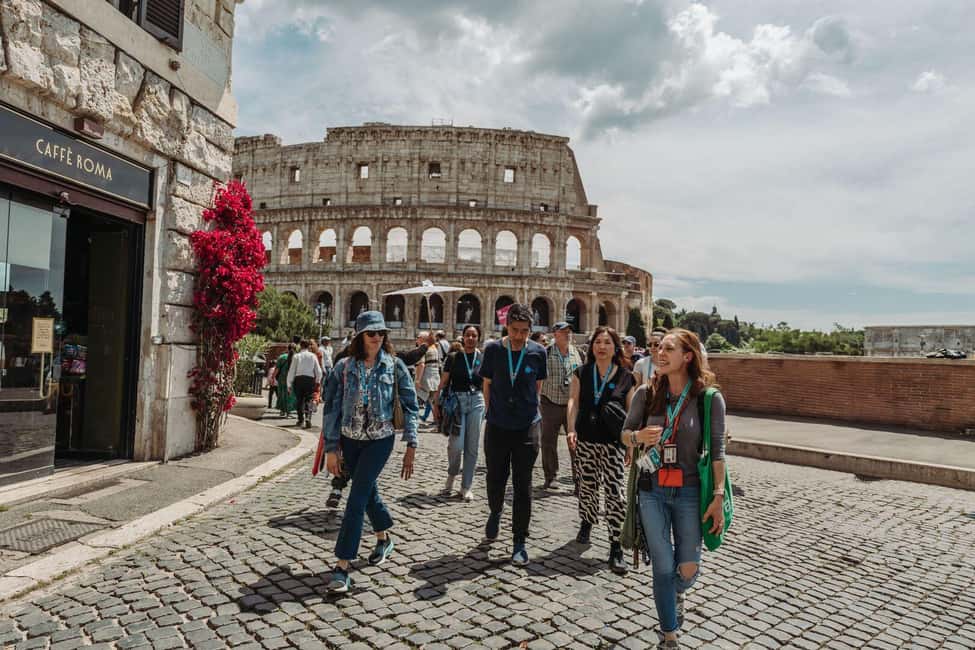
- Small-group Colosseum time for better flow and calmer viewing than the usual free-for-all
- Vatican Museums that feel targeted: Raphael Rooms, Gallery of the Maps, and major sculpture galleries
- Sistine Chapel access included (with a scheduled coverage note during certain dates in 2026)
- Quick transfer to the Vatican with private transport from central Rome to cut down transit stress
- Historic center walking route that threads Trevi Fountain, Piazza Venezia, Pantheon area stops, and Piazza Navona
- Roman Forum handled smartly: you get an overlook rather than trying to do everything inside
A Full-Day Hit List: From Piazza Navona to the Colosseum
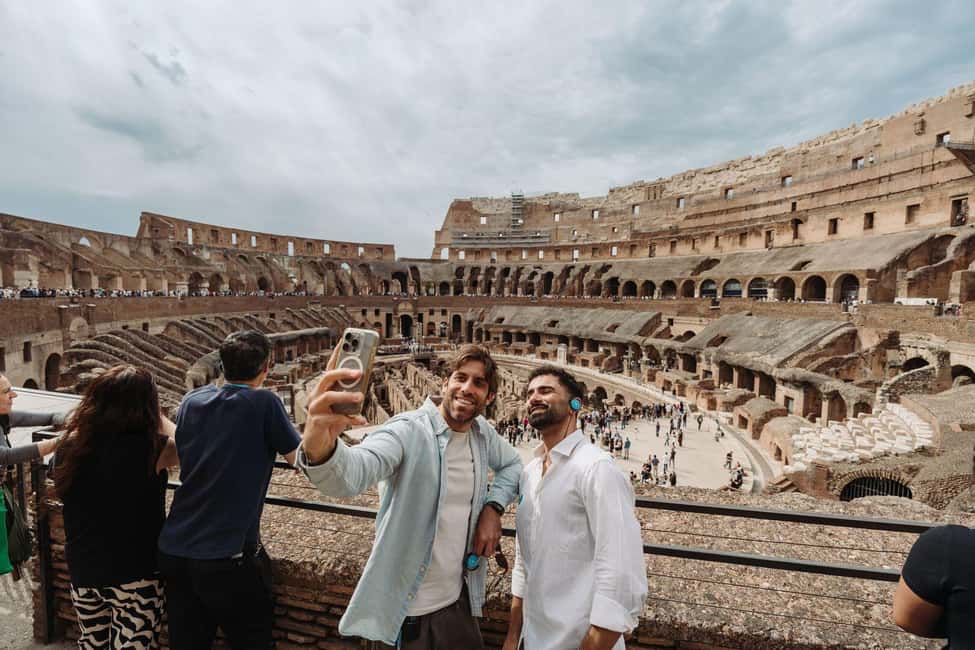
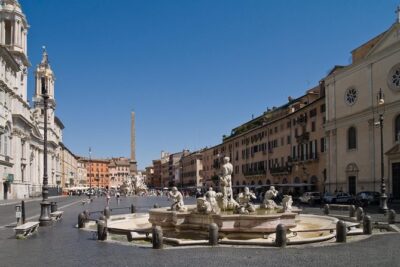
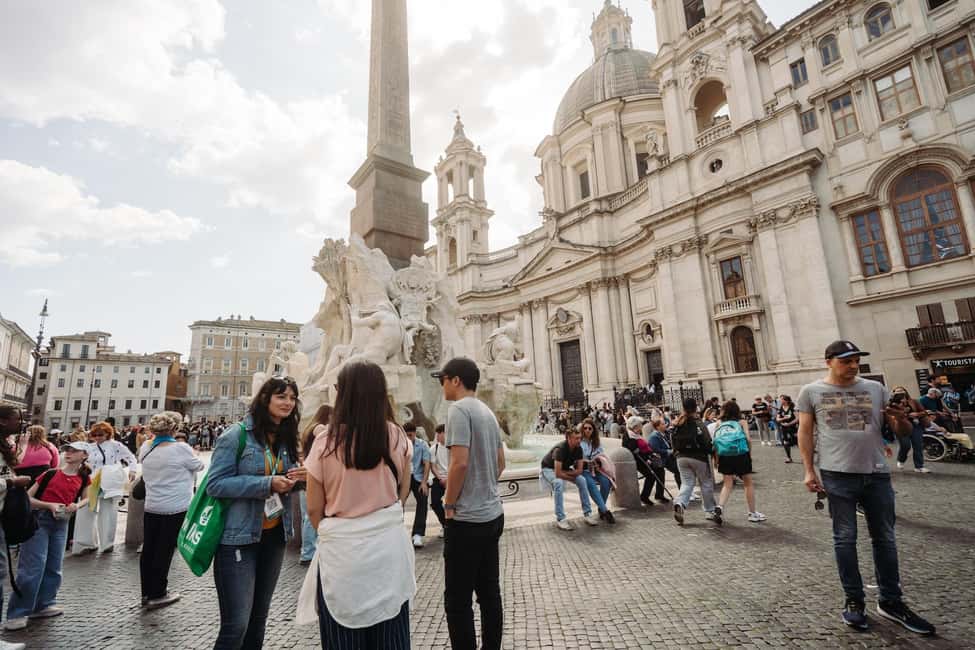
This is the kind of tour that works best when you’re short on time but want the big icons to feel real—not like postcards you forgot three days later. You start at Piazza Navona (look for the guide holding a green Walks sign) and then move through central Rome in a sequence that keeps you from backtracking.
What I like here is the rhythm. You get concentrated time at each major stop, with just enough walking between them to keep the energy up. And because the day is planned, you spend less time figuring out directions and more time listening—especially at the Colosseum and the Vatican, where timing matters.
You should also know it’s designed for walking days. The tour description sets strict clothing rules (long pants and a long-sleeved shirt) and it bans shorts and sleeveless tops, which is a big clue that the day is built around places with dress expectations and lots of indoor time too.
You can also read our reviews of more historical tours in Rome


Trevi, Piazza Venezia, and Pantheon Area Stops Without Losing the Thread
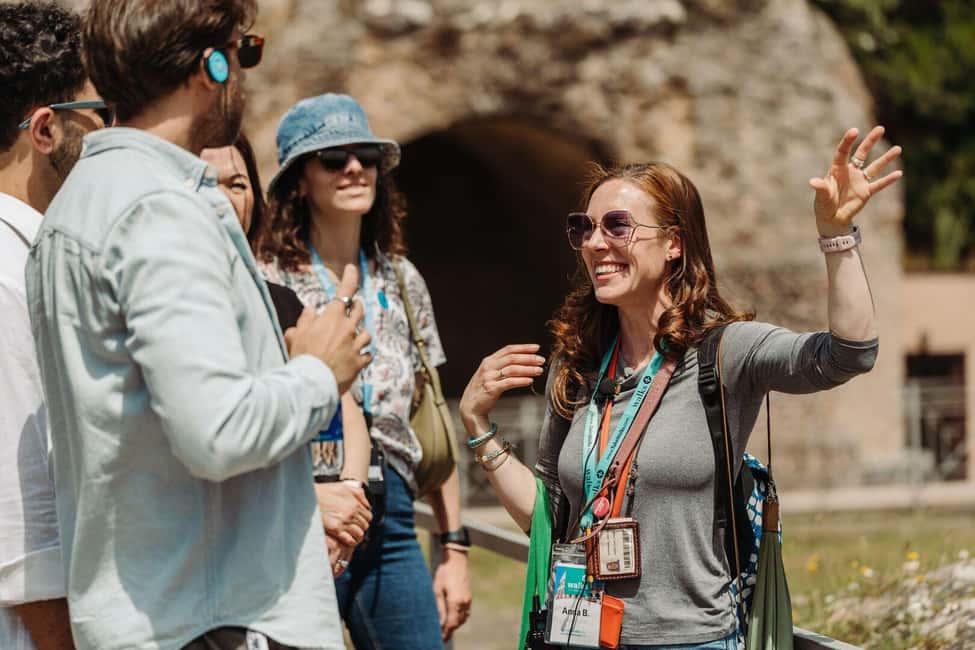
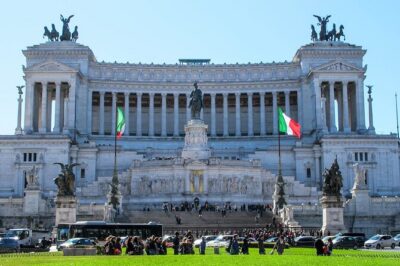
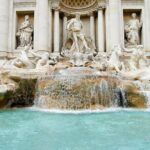
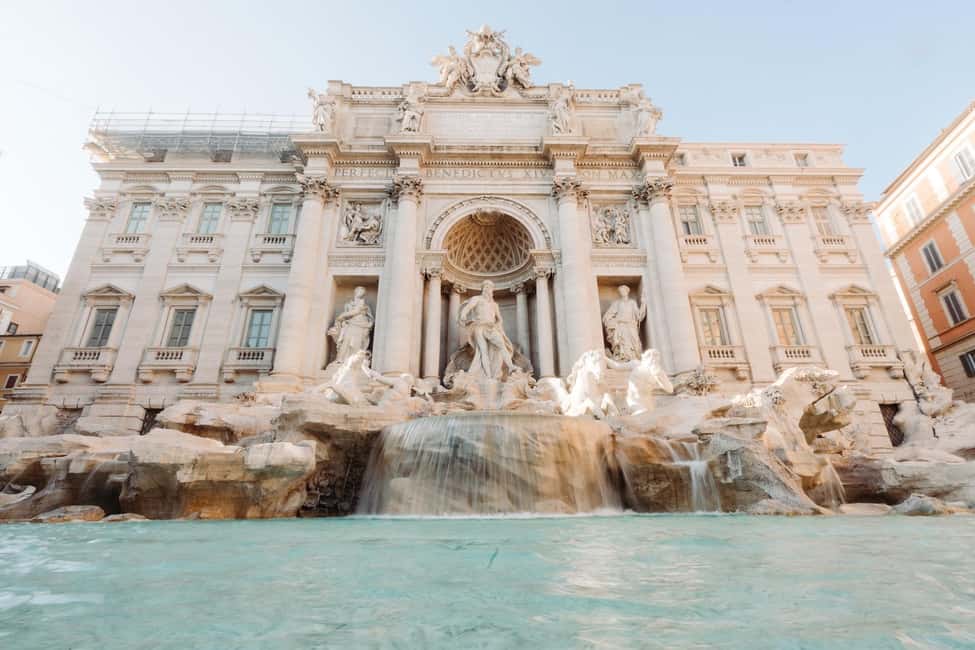
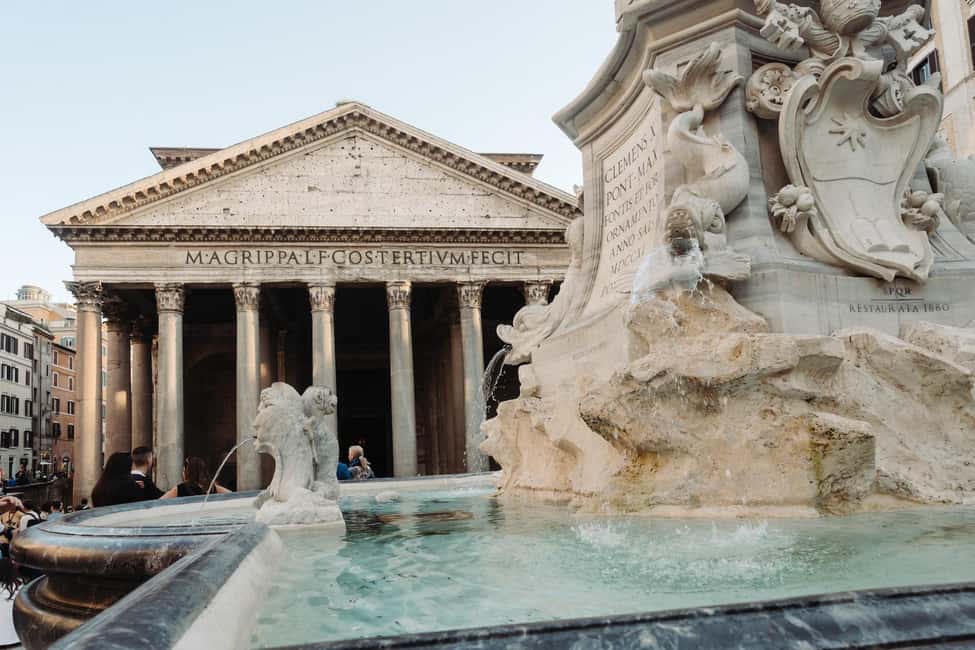
Before you ever reach the Colosseum, the day gives you a strong “Roman greatest hits” walk. Trevi Fountain and Piazza Venezia are both on the agenda, and you’ll also see major sights around the historic center such as the Pantheon area and Piazza Navona.
Here’s the practical value: these stops anchor your mental map of Rome. When you later stand at the Colosseum, you can connect what you’re hearing—gladiators, emperors, public life—to where the city energy came from. It’s not just sightseeing. It’s the story of Rome laid onto a walkable route.
One small consideration: you’ll be moving through busy streets and piazzas, and there’s little control over crowd density outside the timed entries. If you want photos, start with wide shots early and reserve close-ups for moments where your group pauses.
Entering The Colosseum: Where the Stories Land
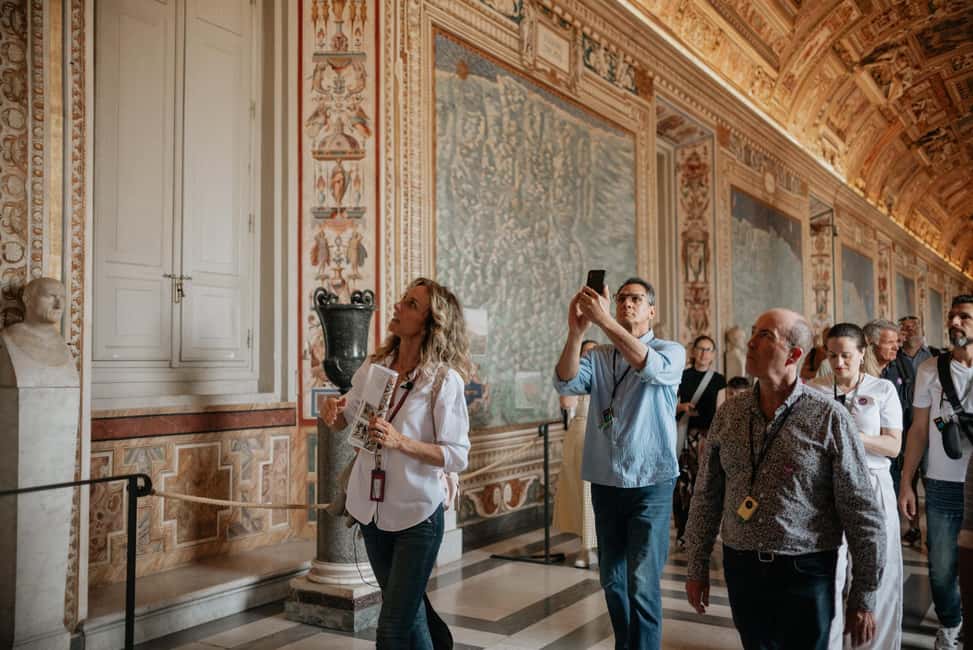
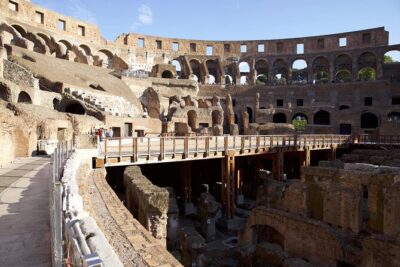
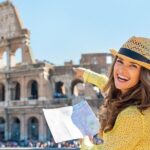
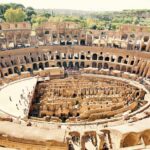
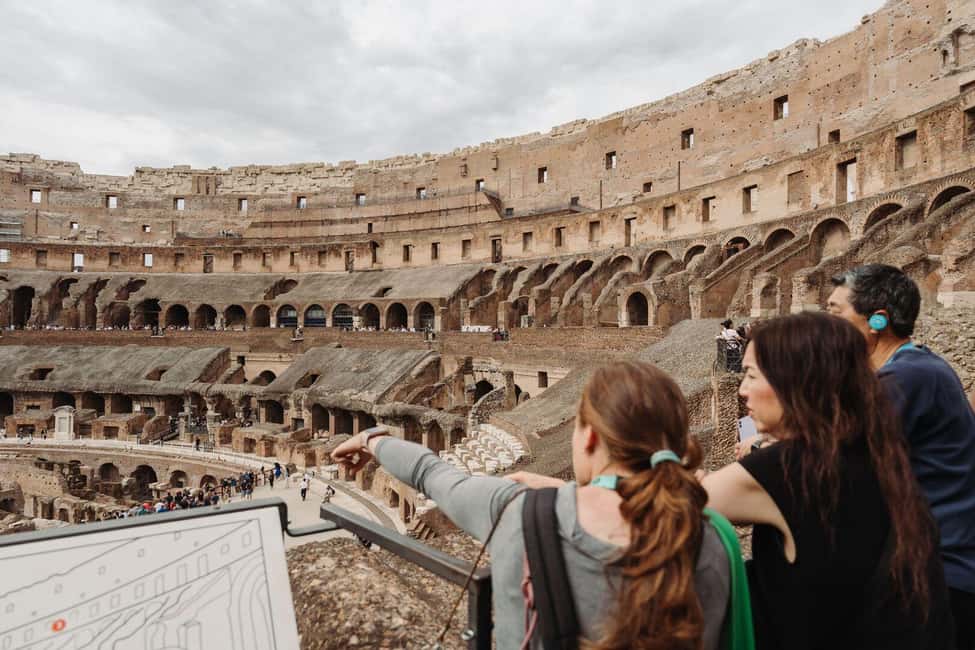
The Colosseum portion is built for “see it, then understand it.” You get a guided visit in small groups for about 105 minutes, plus you learn what everyday life and power look like in ancient Rome—not only the spectacle.
A key detail that matters: you don’t go inside the Roman Forum. Instead, you get a special overlook so you can see the Forum context without turning your day into an exhausting inside-and-outside marathon. That choice is smart if you’ve only got one day.
You’ll hear stories about gladiators and emperors, and the best guides in this format do two things well: they explain what you’re looking at (architecture, purpose, movement) and they translate it into human terms. Based on guide feedback patterns from people who’ve done this, the guides often bring that energy—examples include Luigi, Marco C., and Valeria—so you’re not stuck with a dry list of dates.
If you’re sensitive to audio (noise, distance, wind), don’t assume you’ll always catch every word. Step a bit closer when your guide pauses for a key point. In a place this loud, your position makes a difference.
Roman Forum Overlook: The Best Use of Your Limited Time
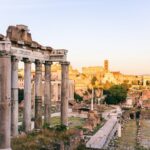
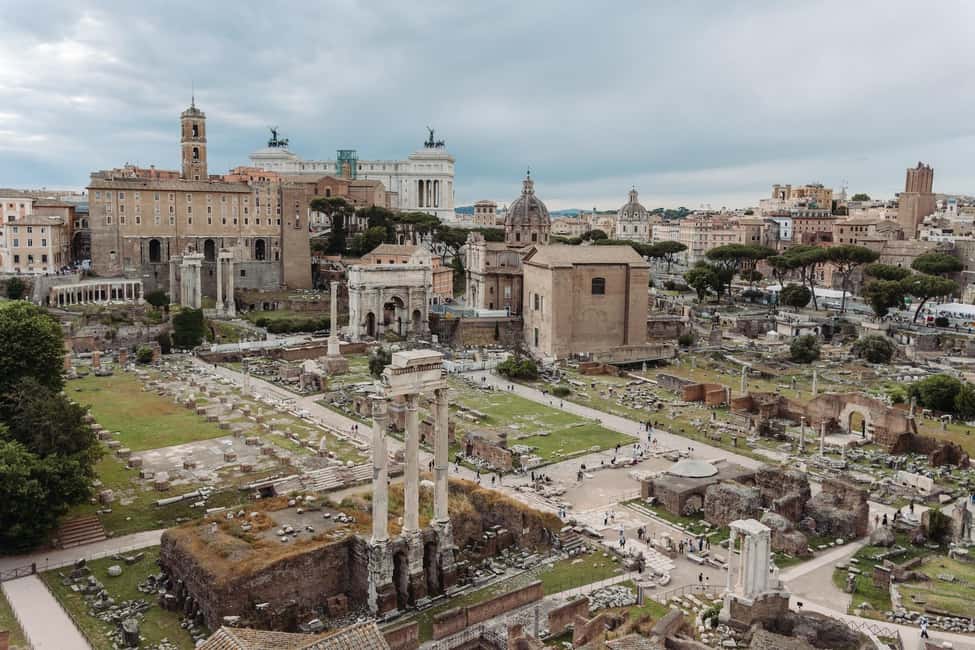
The tour’s Forum plan is basically time discipline. Rather than attempting to do the Forum like an all-day archaeological trek, you pass through the area and then view it from a vantage point that helps you orient yourself.
This is also how you avoid the biggest common mistake on Roman “in a day” plans: trying to squeeze in every ruin and ending up seeing none of it clearly. The overlook approach keeps you in motion, but it still gives you the big picture—what spaces connect, how the city layout reads, and why the Forum mattered as the center of public Rome.
Lunch Break by the Colosseum: Recharge Without Losing the Day
You get about a one-hour lunch break. It’s not included in the price, and your guide will offer recommendations.
This break is more than food. It’s your reset switch for heat, energy, and pacing. With a day this packed, you’ll feel the difference between a rushed bite and a meal that actually brings you back to life.
Practical tip: choose something quick but not greasy enough to make you sleepy. Then drink water before you rejoin the group. Many of the day’s outdoor stretches offer limited shade, and you’ll appreciate starting the afternoon hydrated.
You can also read our reviews of more museum experiences in Rome



Private Transfer to the Vatican Museums: Fewer Stress Minutes
One of the underrated benefits here is the transport plan. After the Colosseum area, you travel to the Vatican by private transfer from central Rome. That’s a real time-saver and it reduces the chaos factor of trying to coordinate public transit while everyone is tired.
You’re trading spontaneity for flow. In a “Rome in a day” situation, that’s usually a good trade: you want the day to feel like it’s moving for you, not asking you to solve logistics.
Some people also point out that the Vatican Museums crowd can feel overwhelming once you’re inside. Having less transit stress beforehand helps you deal with that once the doors open.
Vatican Museums: Raphael Rooms, Maps Gallery, and the Art You Can Actually Find
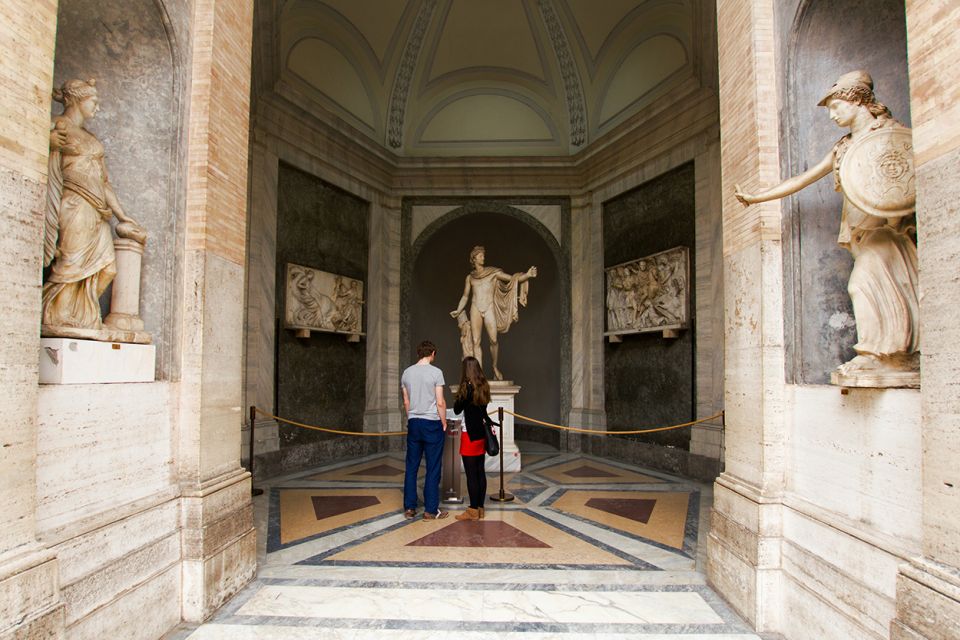
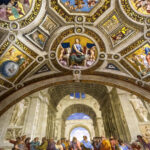
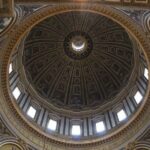
The Vatican Museums run about two hours with guided highlights. You’ll pass through major areas such as the Raphael Rooms, the Gallery of the Maps, and collections that include ancient Greek and Roman sculptures.
What makes this part valuable isn’t only what’s famous. It’s the guidance on what to look for. Without help, the Vatican can become a long hallway of “cool things” where you never really connect the dots. With a structured route, you get a narrative thread.
This is also where the format tends to shine if you’re into art and architecture but don’t want to spend your whole day reading wall labels. You’ll see the pieces people mention for a reason, and your guide connects them into a clearer picture.
A note on pace: several people say the Museums can feel rushed near the end, mainly due to the scale of the crowds and the heat inside. If you want to linger, this is not the tour to do it slowly. It’s the tour to see the big landmarks efficiently.
Sistine Chapel: The Moment When the Day Peaks
The Sistine Chapel visit is guided for around 45 minutes. You’ll get inside after your Museums portion, and the focus is the famous ceiling—mostly known for Michelangelo’s frescoes.
This is also where the tour’s timing and rules really matter. The Chapel is a controlled environment, and you’ll want to be ready to follow instructions quickly. Dress rules come up again here—long pants and long sleeves are part of the tour’s requirements—so plan your outfit early, not at the last second.
There’s also a specific seasonal note: between Jan 12 and Mar 31, 2026, the Vatican Museums will run a preservation project focused on Michelangelo’s Last Judgment. The Sistine Chapel stays open, but the fresco will be temporarily covered by scaffolding during that period.
If you’re traveling in those dates, don’t cancel in panic. You’ll still see the Chapel and the broader Sistine experience, just with a change in what’s visible for that particular work.
What the Finishing Point Changes (and Why St Peter’s Can Still Be Yours)
The tour finishes at the Vatican Museums. That means you’re not dropped off at a random street corner after a long day—you end your guided time in the Vatican complex.
In practice, many people find it easy to continue on their own toward the area around St. Peter’s once the guided portion ends, since you’re already cleared for the Museums side of the process. If you want to see more, this ending location gives you a head start without forcing the tour to add extra official time.
Just be realistic about energy. After a day like this, “I’ll squeeze in one more thing” can turn into standing in heat with sore legs. If you do add St. Peter’s, give yourself time to sit and reset—your future self will thank you.
Comfort Tips for a 7.5-Hour Walking Marathon
This tour is timed for efficiency, not comfort. You should build your day around the walking.
Wear the right shoes. Reviews mention walking close to 9 miles, and the common thread is that comfortable sneakers matter. In summer, the heat can be intense, and there’s limited shade in certain areas like the Colosseum.
Bring essentials for endurance. Water is a must. A hat helps with sun exposure when the group is moving between piazzas.
Dress for Vatican acceptance. The tour requires long pants and a long-sleeved shirt and specifically lists shorts, short skirts, and sleeveless shirts as not allowed. If you come underdressed, you risk losing time at the most inconvenient moment of the day.
Manage your listening. Some guides are praised for passion and clarity (people mentioned Valeria, Luigi, Hilaria, and Marco C. by name). Still, crowds and group spacing can make audio harder. If you care about every detail, position yourself well at key moments and don’t assume you’ll hear everything from the back.
Who This Tour Is Best For (and Who Should Rethink It)
This tour is ideal if you’re on a tight schedule and want a structured day that hits the Colosseum and Vatican Museums without you planning every step. It’s also a good choice for first-time Rome visitors who want their bearings fast.
It’s especially good when you value an expert guide who tells stories in a way that connects the architecture to real Roman life. Several guides are described as archeologists by trade, and that often translates into more than facts—it becomes visual explanation. If you want to hear about gladiators, emperors, and what public spaces meant, this format fits.
On the flip side, this experience isn’t suitable for wheelchairs or guests with mobility impairments, and it doesn’t allow strollers. The walking load and the way you move through historic spaces make that clear.
If you’re traveling with kids, the tour can still work well—some families mention a guide keeping teenagers engaged. Just remember: kids will need breaks, and your group pace is set for the schedule.
Price and Value: What You’re Really Paying For
No price is listed here, so I’ll talk value instead of numbers. This tour tends to feel expensive to people who expect a simple hop-on-hop-off sightseeing day. The value comes from three things:
- Guided time in the two biggest ticket draws (Colosseum and Vatican Museums).
- Time-saving access choices that help you beat the worst crowd friction.
- A transfer plan that gets you to the Vatican without adding transit stress to an already long day.
If you try to build this yourself, you’ll spend time coordinating entry windows, figuring out routes, and juggling crowds across multiple sites. Paying for a guided, timed, organized day is often the difference between a “I saw stuff” trip and a “I understood what I saw” trip.
Should You Book This Tour?
Book this tour if:
- You only have one day (or near it) and you want Colosseum + Vatican Museums as a single plan.
- You’d rather walk with structure than solve logistics across multiple attractions.
- You like history and art stories that explain what you’re looking at, not just what’s famous.
Skip or consider alternatives if:
- You’re not comfortable with a long walking day and heat.
- You need step-free access or stroller-friendly routing (this one doesn’t fit).
- You want to linger deeply in the Vatican. This day is efficient, not slow.
FAQ
What’s the meeting point for the tour?
The tour meets at Piazza Navona 2, in front of Museo di Roma. You should arrive 15 minutes early, and your guide will be holding a green Walks sign.
How much walking should I expect?
It’s a walking-heavy day. The route covers the historic center, then moves to the Colosseum and the Vatican Museums, and people report walking close to 9 miles.
What do I need to bring and wear?
Bring a passport or ID card, and wear comfortable shoes. The tour requires long pants and a long-sleeved shirt.
Is lunch included?
No. There’s about a one-hour lunch break, but lunch itself is not included. Your guide provides recommendations.
Will I go inside the Roman Forum?
No. You’ll pass by and you’ll see it from a special overlook, rather than going inside.
Does the tour include the Sistine Chapel?
Yes. You’ll visit the Sistine Chapel with a guided tour.
Is this tour suitable for wheelchairs or strollers?
No. It isn’t suitable for guests with mobility impairments, wheelchairs, or strollers. Shorts and sleeveless shirts are also not allowed.