REVIEW · ROME
The Labyrinth of Rome between catacombs and ancient quarries
Book on Viator →Operated by Underground Rome · Bookable on Viator
The idea of Rome underground is always cool. This tour takes you from the green quiet of Parco della Caffarella into the Sotterranei di Roma—a maze of quarries, catacombs, and pagan spaces. I love how hands-on it feels, especially when you follow the route in the dark with an ancient-style lamp and the guide brings the place to life.
Two things I really like: the sense of real “working space” under the city—Roman quarry marks you can still spot—and the mix of eras. You’re not only in early-Christian tunnels; you also hear about later re-use, including WWII traces and a pagan temple cut into the ground.
One drawback to weigh: it involves some walking before you go underground, and the underground sections can feel damp and close. If you hate walking in warm weather or you expect everything to look dramatic and different every minute, you may find parts slower than you hoped.
In This Review
- Key highlights you’ll remember
- From Caffarella Park to a Roman labyrinth underfoot
- Sotterranei di Roma: why the quarries matter
- Catacombs and early Christians: walking into the dark on purpose
- A pagan temple underground: the story behind Mithraic spaces
- WWII traces, fungus, and the mushroom-farm era
- What the tour feels like in practice (pacing, groups, comfort)
- Price and value: is $114.14 worth it?
- Who this tour suits best
- Should you book the Labyrinth of Rome tour?
- FAQ
- What’s the main experience on this tour?
- How long is the tour?
- Where do I meet, and does the tour end there?
- Is the tour offered in English?
- What’s the group size?
- Do I need to print a ticket?
- Is it accessible for most people?
- What should I bring for the underground portion?
- What happens if the weather is bad or the tour can’t run?
- How does cancellation work?
Key highlights you’ll remember
- Caffarella Park start: a calmer 1 km walk that helps you reset before the tunnels
- Roman quarry cuts: see the shape of extraction work, not just decoration
- Catacombs in near-darkness: you’ll experience the scale of the dark, not just read about it
- Oil-lamp style storytelling: you use small Roman-style lamps and even turn out the lights for effect
- Pagan layers under the city: you visit a pagan temple underground and learn how Christianity spread
- Time-crossing details: WWII-era leftovers and later fungus/mushroom-farm use appear along the route
From Caffarella Park to a Roman labyrinth underfoot
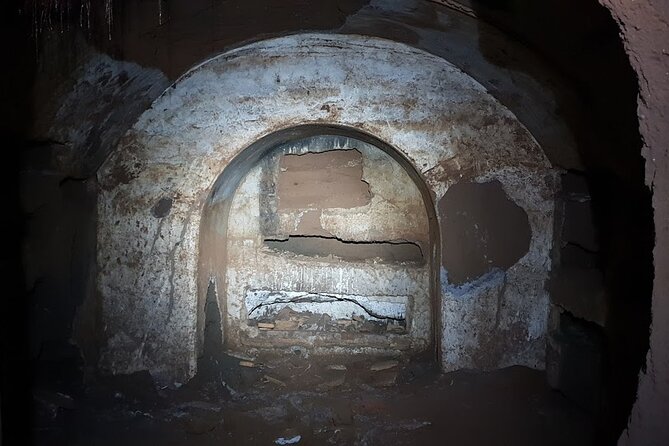
Most Rome tours stick to daylight stones. This one starts with a breather: you cross Parco della Caffarella, walking about 1 km (just over half a mile) through regenerating greenery, away from traffic and crowds. It’s a nice way to arrive mentally prepared. You’re not sprinting from ruin to ruin; you’re settling into the idea that Rome has another city under it.
Then you transition from park sounds into tunnel quiet. That contrast is a big part of why this works. Aboveground, Rome feels like a show. Underground, it feels like you’ve stepped into an archive where time is built into the rock.
Bring a light layer too. Even on hot days, the underground can turn cool and damp quickly. One guide-led group I read about specifically mentioned putting on a jacket about halfway through.
You can also read our reviews of more tours and experiences in Rome.



Sotterranei di Roma: why the quarries matter
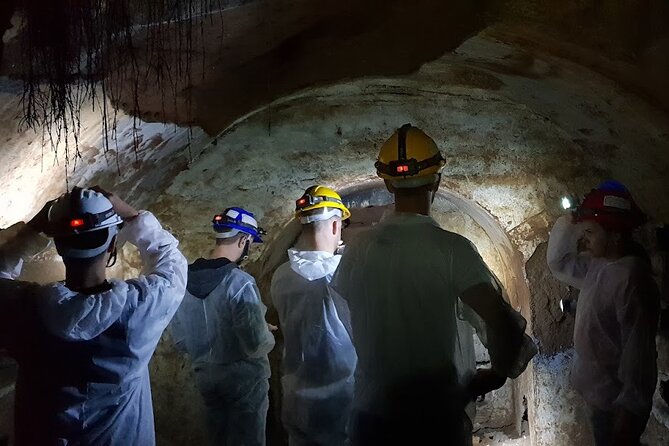
Under Rome, there are miles of tunnels cut out of stone to supply building material for the imperial city. Here’s the key point: the quarry network isn’t just “background.” It’s the structure that later eras repurposed.
You’ll see quarry evidence in a very direct way—chisel marks left by ancient workers, including signs tied to slaves who dug these spaces. That detail does something important: it turns the underground from a spooky story into a real human workplace. You’re not only looking at burial rooms; you’re studying how stone extraction shaped what came later.
Also, these tunnels weren’t frozen in time. The same stone network gets reused across centuries. You’ll move through spaces that connect the themes of labor, faith, and survival—sometimes in the same stretch of stone.
Catacombs and early Christians: walking into the dark on purpose
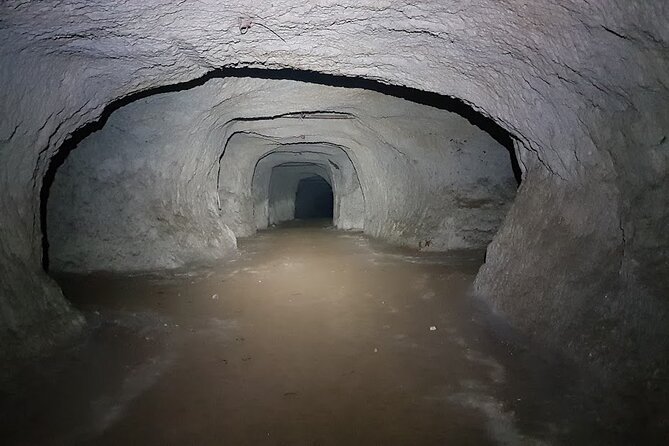
When the tour enters the catacombs, the mood shifts. You’re in long tunnel systems where early Christians buried loved ones. The scale here can sneak up on you. Even when you’re not counting every corridor, you start feeling how far the burial network runs once you’re inside.
One of the most memorable techniques is the lighting experience. You’ll cross the dark using an ancient-style Roman lamp, then later the guide may have you turn off torches and stand in near pitch black while explaining burial traditions. It sounds like theater, but it’s actually practical. It helps you understand why the catacombs felt different from street life—because the experience itself changes your perception.
This is also where you’ll learn how niches and small features relate to burial practices. You start noticing “small stuff” because the dark makes you look for it.
A quick practical note: if you’re claustrophobic, ask yourself honestly whether narrow underground spaces feel okay for you. The tour is described as doable for most people, but underground is underground—your comfort matters.
A pagan temple underground: the story behind Mithraic spaces
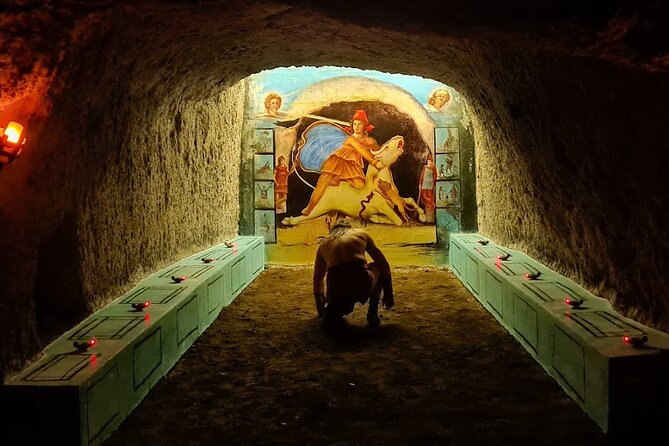
One of the surprises in this route is the pagan layer. You don’t only do early-Christian history. You’ll also visit a pagan temple cut into the ground, and learn about details tied to Christianity’s spread in ancient Rome.
Along the way, you may encounter references to a Mithraic space (often described as a Mithraeum). That matters because it shows how religious life wasn’t neatly separated by time. Different belief systems used different spaces and rituals, sometimes overlapping in the same city geography.
Some guides are especially good at making these connections feel logical, not random. I saw mentions of guides like Riccardo, Giuseppe, and Joseph being passionate and effective at linking the archaeology to the bigger picture—how people lived, worked, and believed beneath the city.
If you like your Rome history explained through physical places (not just dates), this “religion in stone” approach is a strong match.
WWII traces, fungus, and the mushroom-farm era
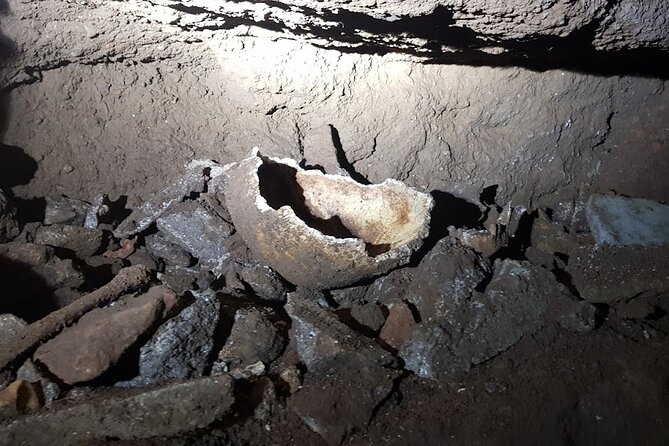
Rome underground is full of accidental timelines. In this tour, you’ll reach what remains of a fungus dating back to World War II. That detail is oddly fascinating because it turns an ancient setting into something that still had active use in modern conflict and hardship.
You’ll also hear how parts of the quarry/catacomb system were used later—one route includes a mushroom-farm era. That can feel like a curveball if you came only for early Christians, but it’s actually part of the value. The underground isn’t a museum piece sealed in glass. It’s a living set of spaces that people kept finding new uses for.
One traveler complained about seeing a rock quarry and a mushroom farm and not enough “underground Roman tunnels through the city.” That’s a fair expectation-check moment: the tour is about the labyrinth as a system, not only the most famous catacomb-looking corners. If you want only the prettiest burial chambers, know you may spend time in more work-like spaces too.






What the tour feels like in practice (pacing, groups, comfort)
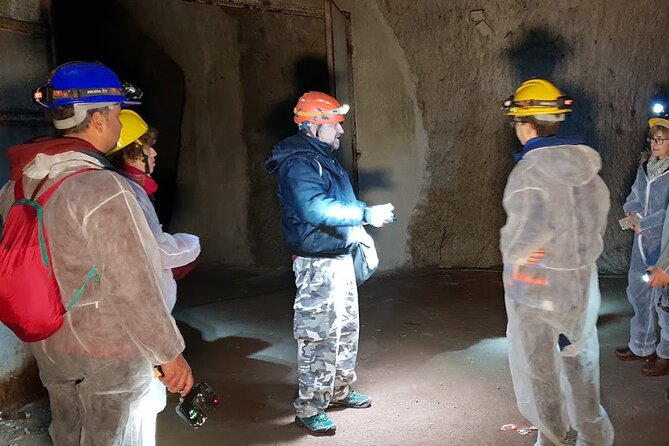
This is a small-group experience. The tour has a maximum of 10 travelers, which usually helps with questions and pacing—especially underground, where it’s harder to “wander off and look around.” You’ll follow the guide’s movement through tight spaces, and you’ll likely pause for explanations as the route changes.
Time-wise, expect about 2 hours 30 minutes. That includes the time spent crossing into the underground and moving through the stops.
The walk matters. Even though the park crossing is listed as about 1 km, one review noted the walk to the underground entrance felt like around 45 minutes, which can happen depending on tempo, route, and where you meet. If you’re trying to minimize walking in summer heat, use public transport or a taxi to meet the guide rather than planning to arrive after a long walk of your own.
Comfort tips that come straight from the vibe of the experience:
- Wear shoes with traction. Underground floors can be uneven and damp.
- Bring a light sweater or jacket. The cool, damp air can hit fast.
- If you’re sensitive to musty air, be aware that underground air quality can vary; at least one person reported feeling that air wasn’t great at points.
Price and value: is $114.14 worth it?
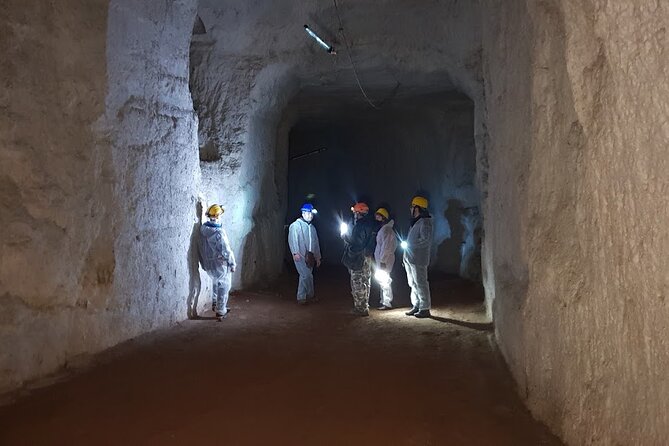
At $114.14 per person, this isn’t a bargain-basement Rome add-on. But for what you get, the price can make sense—especially if you value small groups and experience-based learning.
You’re paying for:
- access to underground spaces that aren’t on Rome’s usual big-ticket routes
- a guided interpretation that ties together quarry history, catacombs, and pagan sites
- a sensory component (oil-lamp darkness experience) that you can’t replicate easily on your own
- a small group limit (max 10), which helps the underground flow
If your ideal Rome day is wandering freely with a guidebook, this may feel pricey. But if you want the underground to feel like a story you can actually follow, the value improves fast.
One extra value note: the experience is offered in English and you’ll use a mobile ticket. That tends to reduce the friction once you’re there.
Who this tour suits best
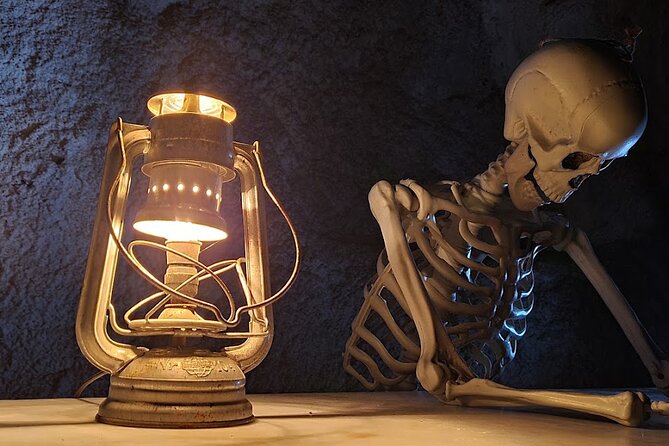
This tour fits best if you:
- want underground Rome beyond the standard Colosseum-and-Vatican loop
- enjoy history that connects to physical evidence (quarry marks, niches, carved spaces)
- like guides who can explain religious change in a grounded way
- don’t mind a damp, cool environment as part of the deal
It might not be ideal if you:
- hate confined, dark spaces
- expect every minute to look visually different
- want only early-Christian highlights and nothing else
It’s a great choice for mixed ages too. One family group described doing it with multiple generations and feeling the underground history was easy to follow, with the guide moving between English/Spanish/Italian well.
Should you book the Labyrinth of Rome tour?
I’d book it if your goal is a specific kind of Rome: the city under the city. The combination of Roman quarries, catacombs, and a pagan temple underground is a rare package, and the oil-lamp and dark-moment approach makes the history feel real, not distant.
I’d think twice before booking if you’re walking-fatigued, heat-sensitive, or you want only the most visually dramatic catacomb sections. The tour includes more than one “type” of underground space, including quarry and later re-use themes like WWII fungus and mushroom-farm history.
If you can handle some walking and you’re up for damp cool air, this is exactly the kind of Rome experience that changes how you see the city above ground.
FAQ
What’s the main experience on this tour?
You’ll walk through Parco della Caffarella, then explore underground spaces under Rome that include Roman quarries, catacombs, and a pagan temple.
How long is the tour?
The duration is about 2 hours 30 minutes.
Where do I meet, and does the tour end there?
The meeting point is Via Amedeo Crivellucci, 8, 00179 Roma RM, Italy, and the tour ends back at the same meeting point.
Is the tour offered in English?
Yes, it is offered in English.
What’s the group size?
The tour has a maximum of 10 travelers.
Do I need to print a ticket?
No. It’s a mobile ticket.
Is it accessible for most people?
The tour notes that most travelers can participate and service animals are allowed.
What should I bring for the underground portion?
Plan for cool, damp air underground, and consider bringing a jacket or light layer.
What happens if the weather is bad or the tour can’t run?
This experience requires good weather. If it’s canceled due to poor weather, you’ll be offered a different date or a full refund. There is also a minimum number of travelers requirement; if that minimum isn’t met, you’ll be offered a different date/experience or a full refund.
How does cancellation work?
You can cancel up to 24 hours in advance for a full refund. If you cancel less than 24 hours before the start, the amount you paid won’t be refunded.