REVIEW · ROME
Discover The Ancient Appian Way in confort: a golf cart adventure
Book on Viator →Operated by GOLF CART TOUR ROME · Bookable on Viator
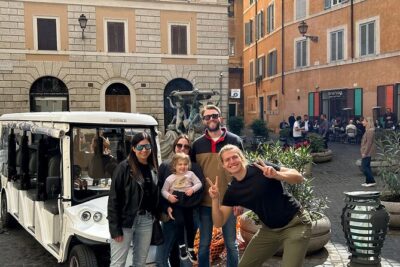
A golf cart makes ancient Rome feel doable. You get long-distance sights without the marathon pace, plus a guide who explains what you’re seeing. I especially love the comfort of riding between big landmarks and the way the route threads from famous icons into quieter layers of the city.
Two big wins for me: the guided stop in the Catacombs of San Callisto (with a Wednesday swap to St. Sebastian) and the slow, photogenic drive along the Appian Way with its aqueducts and cobblestones. One thing to factor in: this experience needs good weather, and rain can cut the outing short.
In This Review
- Key points to know before you go
- Why a golf cart works for Rome’s ancient sights
- Meeting at Piazza di Santa Caterina della Rota, then rolling to the Colosseum
- Baths of Caracalla and Domine Quo Vadis: big empire meets a personal legend
- Catacombe di San Callisto: your guided underground highlight
- Circus of Maxentius and the Appian Way: the calm Roman road
- Pyramid of Cestius, Circus Maximus, and Mouth of Truth-style intrigue
- Guides, pacing, and what happens when weather changes
- Ticket value: what’s included and what you may need separately
- Who this tour fits best
- Should you book this Appian Way golf cart adventure?
- FAQ
- How long is the Ancient Appian Way golf cart tour?
- Where does the tour start and end?
- Is the tour private?
- What language is the tour offered in?
- Which stops include admission tickets?
- Do the catacombs stop change on certain days?
- What happens if weather is poor?
Key points to know before you go
- Private golf cart route around Rome’s classic ancient sites, in English
- Colosseum + Baths of Caracalla drive-bys, explained without you racing around for tickets
- Domine Quo Vadis church stop with free admission and a powerful legend connection
- Guided catacombs visit (40 minutes) with admission included
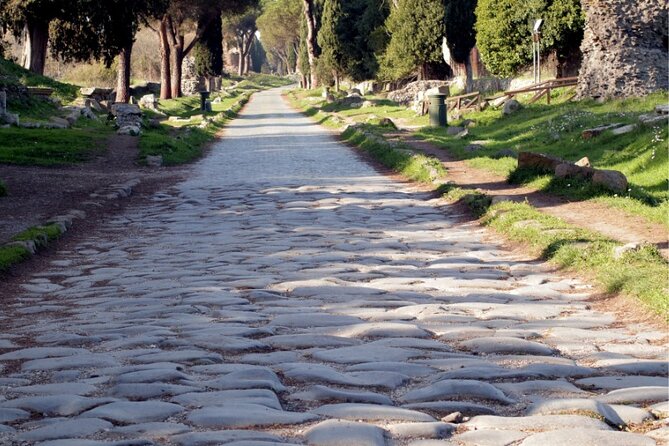
- Appian Way time on cobblestones, perfect for photos and a slower feel of Rome
- A mix of free and paid sights, including Circus of Maxentius where entry isn’t included
Why a golf cart works for Rome’s ancient sights
Rome’s ancient map can feel like a scavenger hunt: big ruins, scattered neighborhoods, lots of stairs, and crowds that don’t care about your plans. This golf cart format helps you see more without burning your legs. You still get classic views, but you’re not constantly stopping, repositioning, and negotiating tight walking routes.
The other reason this setup works is rhythm. Instead of doing one monument at a time at a sprint, you ride between them while your guide connects the dots. That matters for the Appian Way route, because the “story” of the road isn’t just one stop—it’s how the landmarks relate to each other across centuries.
It’s also a good match for short visits. In about 4.5 hours, you touch a lot of Rome’s must-sees while keeping the pace human. And since it’s private (just your group), you’re less likely to feel rushed by strangers or stuck waiting for the slowest walker.
You can also read our reviews of more tours and experiences in Rome.



Meeting at Piazza di Santa Caterina della Rota, then rolling to the Colosseum
You start at Piazza di Santa Caterina della Rota (00186 Roma RM) and the tour ends back there. The location is central, and it’s listed as being near public transportation, which helps if you’re pairing this with other plans.
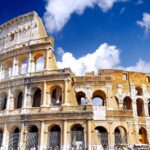
The first segment is a drive-by of the Colosseum. From the cart, you get a clear view without weaving through the loudest crush at street level. Your guide talks through what you’re seeing—so you’re not just photographing an icon, you’re picking up context as you move.
This is a subtle but important advantage. When you’re driving past the Colosseum, you can watch the façade, notice the scale, and let the explanation land while the setting is still familiar. Then you’re already on your way to the next major Roman landmark rather than waiting for the perfect time to get your bearings.
Baths of Caracalla and Domine Quo Vadis: big empire meets a personal legend
Next up are the Baths of Caracalla. These ruins feel different from the Colosseum. The baths were about space and daily routine—bathing, socializing, and spectacle wrapped into one complex. When you pass them by cart, you can take in the overall sweep of the site rather than just spotting isolated arches.
Then you stop at Chiesa del Domine Quo Vadis (15 minutes, free admission). This is one of those places where Rome isn’t only about emperors and architects—it’s also about belief and story. The church is linked to the legend of Saint Peter having a vision of Christ, and it gives the route a human, almost quiet pause after the big public monuments.
If you like sites that combine architecture with meaning, this stop is a win. It doesn’t ask for long lines, and it gives your tour a different flavor—more reflection, less just “look at the big thing.”
Catacombe di San Callisto: your guided underground highlight
The tour’s centerpiece for many people is the Catacombe di San Callisto stop. You’ll have a guided visit for about 40 minutes, and admission is included.
Going underground changes everything. Daylight disappears, and the space becomes intimate. You’re in corridors and chambers connected to early Christian life, so the guide’s commentary is what turns it from a set of tunnels into an understandable story of faith, community, and survival.
One practical detail to note: on Wednesdays, the catacombs visit changes. Instead of San Callisto, the itinerary visits Catacombs of St. Sebastian. If you’re planning around a specific day and you care which site you see, this is worth keeping in mind.
A good rule of thumb for your comfort: bring something light for changing temperatures. Underground spaces can feel cooler, and it’s easier to enjoy the guide if you’re not shivering through the explanations.
Circus of Maxentius and the Appian Way: the calm Roman road
After the catacombs, you continue to the Circus of Maxentius (about 15 minutes). This stop is described as a look at the chariot racing stadium ruins, but admission is not included. So think of this as a viewing and orientation moment: you’ll get the atmosphere and key sights, but don’t plan on a full inside ticket experience being covered.
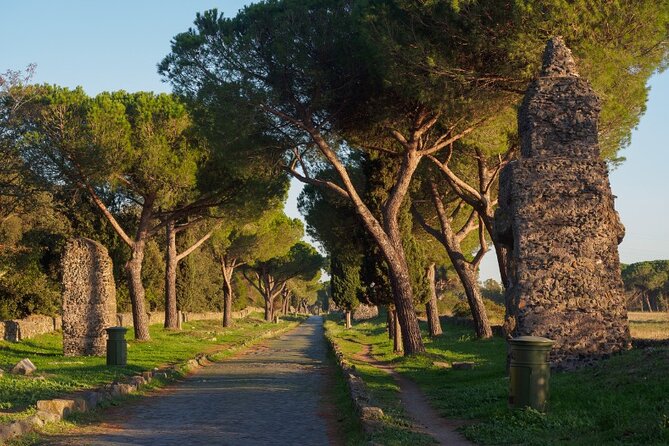
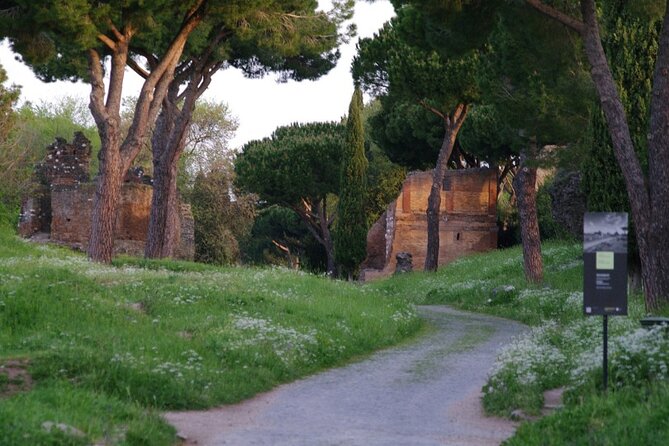
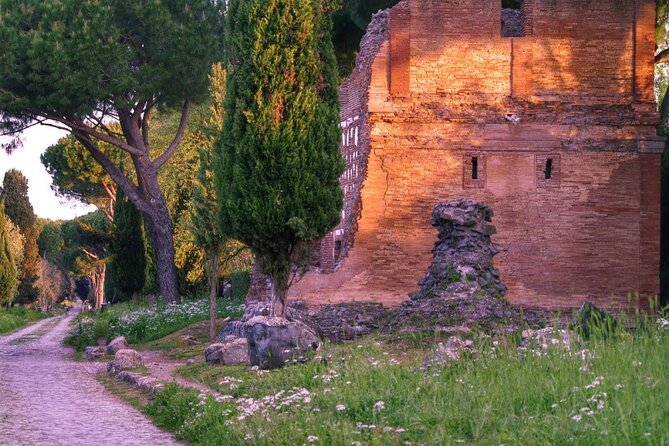
From there, you get the heart of the trip: a drive along the Appian Way, often called the Queen of Roads. Even if you’ve seen photos, riding along the route can feel different. You notice the cobblestones, the way the road stretches, and how the surrounding ruins and aqueduct hints make Rome feel like one long open-air museum.
The Appian Way section is also where you’ll feel the comfort advantage most. The road’s historic surface is not built for fast walking tours. In a cart, you still experience the route’s character without constantly negotiating uneven ground.
If your goal is photos, this segment is strong. You’re moving slowly enough to see details, but you’re not stuck waiting in a queue for each viewpoint.






Pyramid of Cestius, Circus Maximus, and Mouth of Truth-style intrigue
As the tour continues, you’ll pass the Pyramid of Cestius, a striking ancient tomb inspired by Egyptian architecture. It’s one of those landmarks that’s hard to ignore because it feels “out of place” in a good way—like Rome is wearing a weird, wonderful costume from another world. From a cart, you can take in the shape quickly and keep going without losing momentum.
Then comes Circus Maximus (about 15 minutes, free admission). This ancient stadium is famous in Roman entertainment terms, but it also helps you understand the empire’s scale. Even ruins can show how enormous the crowds once were.
Next, you reach the Mouth of Truth. It’s a cultural icon now, but the attraction here is the mix of legend and spectacle. It’s one of those spots where you’ll see plenty of people acting out the myth, but the real value is fitting it into the broader tour so it doesn’t feel like a random stop.
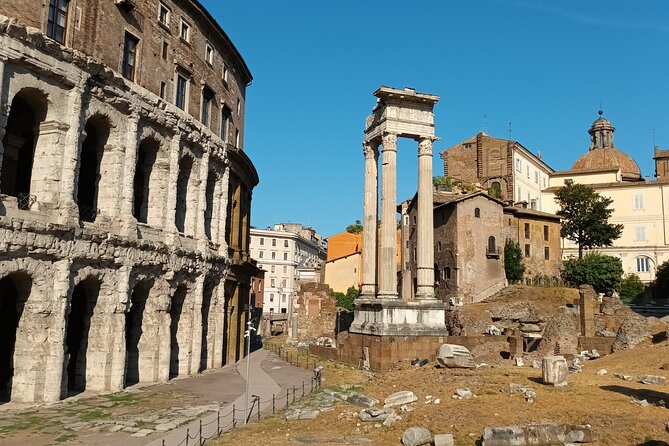
You also pass by the Theatre of Marcellus, another major Roman architectural statement. It’s a good contrast to the arenas and racing spaces, because it shifts your attention from public games to performances and urban life.
Finally, you arrive at Piazza Venezia, described as the heart of the Eternal City. It’s a natural place to end: the setting feels “Rome-y,” and it’s a useful anchor point for connecting to your next plan.
Guides, pacing, and what happens when weather changes
The quality of this kind of tour lives or dies by the guide. In past experiences with this company, names like Peter, Pietro, and Vittorio came up—each described as enthusiastic and fun, with a driver who was kind and helpful. That combination matters in a golf cart setting, because you’re not just observing from behind glass; you’re riding close enough to ask questions and react as you go.
Pacing can also shift. One review note flagged a trip shortened due to rain, and another described a guide who handled timing flexibly (even running over the planned window when conditions allowed). That tells you to treat the itinerary as a plan with room to adjust, not a strict clock.
One more weather note: the tour requires good weather. If the forecast looks bad, plan other flexible activities nearby so you don’t lose your whole day to one weather-dependent plan.
Ticket value: what’s included and what you may need separately
At $201.10 per person for about 4.5 hours, you’re paying for more than transport. You’re paying for a guided route that connects multiple major ancient sites, delivered in a format that saves time and reduces walking strain.
Here’s where the value is clear:
- Mobile ticket included
- English guided experience
- Catacombs visit with admission included (the 40-minute guided underground highlight)
- Several major sites are listed with free admission, including Chiesa del Domine Quo Vadis and Circus Maximus
And here’s where you should be ready for extra costs:
- Circus of Maxentius is specifically noted as admission not included
In other words, the price works best if you’re already looking forward to the catacombs portion and you don’t mind that one viewing stop may require separate entry if you want more than what’s covered.
If you’re budgeting, consider a simple approach: treat catacombs as fully covered, treat Circus of Maxentius as a bonus viewing, and don’t assume every ruin has a ticket price already handled.
Who this tour fits best
This is a strong pick if you want:
- A short, structured ancient Rome route without long walking hours
- Comfort-first sightseeing with plenty of landmark moments
- A guided explanation that helps you connect Colosseum-era Rome to the Appian Way and beyond
It’s also a good option if you’re traveling with someone who might find the city’s ground-level surfaces tough for a long day. The golf cart format naturally reduces leg fatigue compared to doing everything on foot.
Where it may not fit:
- If you’re okay with crowds and want the freedom to linger on your own timeline at each site, a more independent walking tour might feel better. This one is about the route, the pacing, and the guide’s connections.
Should you book this Appian Way golf cart adventure?
I’d book it if your priority is seeing the Appian Way area and key Rome icons in one connected morning or afternoon, without turning your day into a standing-in-line and walking-the-city marathon. The combination of an included guided catacombs visit, free-access stops like Domine Quo Vadis and Circus Maximus, and the slow ride along cobblestones and aqueduct-studded road makes the tour feel like good value for a short stay.
I’d hesitate only if rain is likely and you dislike itinerary changes. Since the experience depends on good weather, you’ll want a day with decent skies—or at least a plan B.
If you want ancient Rome with less strain and more story, this golf cart route is a smart, very human way to do it.
FAQ
How long is the Ancient Appian Way golf cart tour?
It runs for about 4 hours 30 minutes (approx.).
Where does the tour start and end?
It starts at Piazza di Santa Caterina della Rota, 00186 Roma RM, Italy, and ends back at the meeting point.
Is the tour private?
Yes. It’s listed as private, so only your group participates.
What language is the tour offered in?
The tour is offered in English.
Which stops include admission tickets?
Catacombe di San Callisto includes admission. Chiesa del Domine Quo Vadis and Circus Maximus are listed as free admission. Circus of Maxentius is listed as admission not included.
Do the catacombs stop change on certain days?
Yes. The itinerary notes that on Wednesdays, it visits the Catacombs of St. Sebastian instead of the Catacombs of St. Callixtus.
What happens if weather is poor?
The experience requires good weather. If it’s canceled due to poor weather, you’ll be offered a different date or a full refund.