REVIEW · ROME
Rome tour by vespa
Book on GetYourGuide →Operated by Rome by fiat and Vespa · Bookable on GetYourGuide
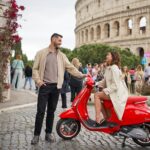
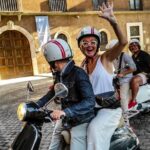
A Vespa makes Rome feel alive. I love the vintage 1960s ride and the fast, well-paced photo-stop rhythm that threads from Piazza Navona to the Pantheon without feeling stuck in a bus. One thing to consider: you’re moving through crowded, hilly areas, so if you want slow, quiet sightseeing, the pace may feel a touch brisk.
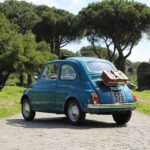
This is a private group tour with a live guide in English, Spanish, or Italian, and you’ll get real storytelling on the spots you stop at. If something happens to the Vespa, one review shared that a vintage Fiat 500 can be used instead, which can still turn into a very memorable ride.
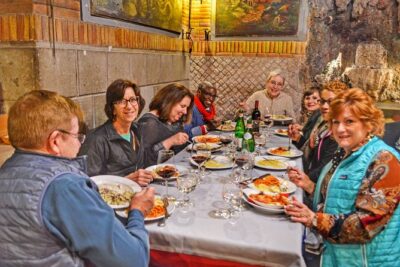
You also get food along the way: Italian snacks and drinks, plus gelato, and you’ll likely make room for a classic Roman coffee stop and even a glass of wine set up for you during the ride.
In This Review
- Key things that make this Rome Vespa experience special
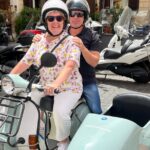
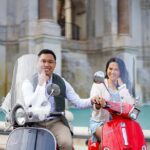
- A vintage 60s Vespa ride through Rome’s tight lanes
- Meeting near Pasquino and getting set for 2.5 hours of stops
- The stop timing that keeps the tour from feeling chaotic
- Piazza Navona to the Pantheon: the center highlights in tight slices
- Spanish Steps, Piazza Navona, and the “sweet life” vibe between monuments
- Trevi, Piazza Venezia, and the value of being driven rather than herded
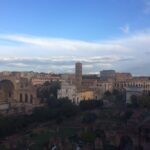
- Vatican City, Janiculum Hill, and the viewpoint that changes your perspective
- Trastevere, Pyramid of Cestius, Circus Maximus, and Colosseum
- Aventine Keyhole, romantic alley riding, and where your photos come from
- Food breaks: coffee, snacks, gelato, and the picnic-basket wine idea
- Price and value: is $169.93 per person worth it?
- Who should book this vintage Vespa Rome tour
- Should you book Rome by fiat and Vespa?
- FAQ
- How long is the Rome by Vespa tour?
- How much does it cost per person?
- Is this tour private or shared?
- What languages are available for the guide?
- Where do you start and end the tour?
- What’s included in the tour price?
- Is there coffee or wine during the tour?
- Which landmarks will you stop at?
- Are the stop times long enough to explore on foot?
- What is the cancellation policy?
Key things that make this Rome Vespa experience special
- A real 1960s-style Vespa vibe: small streets, close-up landmarks, and that retro feeling you can’t fake on a big vehicle.
- Photo stops built into the route: short windows at each landmark, with pictures taken for you.
- Secret-street energy: you’re not only hitting the postcards; you’re also driving through the city’s everyday lanes.
- Coffee and gelato included: simple, tasty breaks that keep the tour from feeling like a nonstop sprint.
- Private, language-flexible guiding: English/Spanish/Italian with a pace set for your group.
A vintage 60s Vespa ride through Rome’s tight lanes
Rome is best when it feels close. This tour leans into that. Instead of rolling past everything from a distance, you travel on a vintage-style scooter through narrower streets where you can actually feel the city’s scale—glimpsing church facades, sudden viewpoints, and fountain corners that show up fast and disappear just as quickly.
The ride is the whole point. The supplied reviews highlight guides like Laki and Erion (with a partner named Lucky), and the common theme is how much care they put into making the route feel personal. It’s not just, look here and move on. You’ll get a sense of why each place matters, then you’ll pull over and take it in for 10–15 minutes.
One practical note: if you’re prone to getting overwhelmed by traffic or noise, you may want to choose a calmer start time. Even when everything is well-run, Rome streets can be busy—especially around the center and near major monuments.
You can also read our reviews of more tours and experiences in Rome

Meeting near Pasquino and getting set for 2.5 hours of stops
You begin at the bistro & wine bar Pasquino. From there, the route connects with the starting area at Via del Governo Vecchio 79, and the tour ends back at the same meeting point area.
The duration is 2.5 hours, which tells you a lot about the style. You’ll see a lot, but not by lingering. Each stop is designed as a quick hit: brief guided context, a photo moment, and then some freedom to walk a bit on your own if you want.
Because it’s private, you’re not stuck behind a large group queue. You’ll still share sidewalks with other tourists at the major sites, but your time is yours, and the guide can adjust how you move based on what your group cares about most.
The stop timing that keeps the tour from feeling chaotic
Each featured landmark gets a short, repeatable pattern:
- quick guided introduction
- photo stop with pictures taken by the guide
- 10–15 minutes to look around (and you can wander solo if you prefer)
This matters because Rome’s top sights can swallow time if you let them. Long lines, crowds, and the temptation to read every plaque can derail a morning or afternoon. Here, the schedule forces momentum, so you’re more likely to see the real range: big monuments, classic piazzas, and viewpoint spots.
If you love photos, this approach is great. If you hate pressure, pick your comfort level. You’ll have time to enjoy each place, but you won’t be doing an hour-long museum deep dive at every stop.
Piazza Navona to the Pantheon: the center highlights in tight slices
You start with a photo and quick orientation near Via del Governo Vecchio, then you head straight for Piazza Navona. This is one of Rome’s most photogenic squares: open space, lively edges, and an atmosphere that instantly feels cinematic. You’ll have around 10 minutes here, with time to enjoy the square’s energy and a guided touch so you know what you’re looking at.
Next up is the Pantheon. The tour includes a photo stop plus a guided visit time (also around 10 minutes). Even if you’ve seen pictures, the Pantheon tends to hit differently in person—space, scale, and that unmistakable architectural confidence. The short time window works because you’re there to experience the moment, not to get lost in a long explanation.
Then you shift toward the Spanish Steps area with another photo stop and quick guided look at Piazza di Spagna. This spot is good for wide views and street scenes—think steps, façades, and the sense that Rome always has something happening just off to the side.
Spanish Steps, Piazza Navona, and the “sweet life” vibe between monuments
The tour doesn’t only run a checklist. It tries to connect the monuments with how they feel when you’re moving through them.
From Piazza di Spagna, you’ll also hit Piazza del Popolo for another photo stop and short guided visit (around 10 minutes). This is a square that works well for quick orientation. You get a feel for where roads funnel into the center, and you can spot easy lines of sight for future walks.
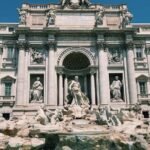
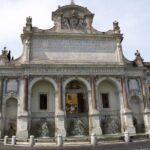
From there, you go toward Trevi Fountain. You’ll get a photo stop plus a guided visit window of about 10 minutes. Trevi is busy, and that’s part of the experience, but the advantage here is time structure. You’re not stuck for an hour hoping the crowd thins. You arrive, you look, you get your photos, and you keep moving.
Then it’s over to Piazza Venezia for a final center-photo style stop before heading into the Vatican side. Piazza Venezia is a strong anchor point: it helps you understand Rome’s “big geometry,” how the city’s roads and viewpoints line up.
You can also read our reviews of more tours and experiences in Rome
Trevi, Piazza Venezia, and the value of being driven rather than herded
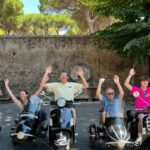
When you walk in Rome, the route is often predictable: crowds, congestion, and bottlenecks. On this tour, you’re driven past some of the grind, then you stop only where it’s worth your attention.
That makes Trevi more manageable. Instead of treating it like a marathon, you treat it like a highlight. Same with the piazzas. You see them as places, not chores.
The upside for most people is energy management. In 2.5 hours, you don’t just “see sights.” You get to experience the flow from one vibe to another: baroque square, ancient landmark, fountain moment, then onward to the Vatican side.
The tradeoff is that you’re not going to linger long enough to turn each stop into a deep personal ritual. If you want that, you’ll pair this with longer independent time later.
Vatican City, Janiculum Hill, and the viewpoint that changes your perspective
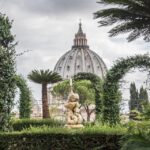
Vatican City is on the route with a photo stop and brief guided visit time (about 10 minutes). You’ll get the kind of overview that helps you understand what you’re seeing without needing to plan a full separate day.
After that, you head to Janiculum Hill (with a break time and about 15 minutes for photo stop and guided visit). This is where the tour gives you breathing room. Even if you’re in a rush, hills help you feel the city’s scale, and Janiculum is famous for letting Rome open up around you.
There’s also a mention of Gianicolo and Pincio in the broader ride plan, which fits this same idea: viewpoints and outlook moments. So even within a tight schedule, the tour tries to include at least one “pause and look” place.
Trastevere, Pyramid of Cestius, Circus Maximus, and Colosseum
Next you move into Trastevere for another photo stop and short visit (about 10 minutes). Trastevere’s charm is in the details—small lanes, shop fronts, and the feeling of being in a neighborhood rather than a museum set. A quick stop works best if you let it be sensory: glance at the street life, enjoy the lane rhythm, then don’t overthink it.
Then comes the Pyramid of Cestius with a photo stop and guided visit (about 10 minutes). It’s the kind of Rome detail that can get skipped on quick walking tours. Here, it’s treated as a stop worth your time because it connects to the city’s layered past in a very direct way.
After that, Circus Maximus gets its moment. Expect a photo stop and brief guided visit (around 10 minutes). You’re not going to stand inside a stadium experience here, but you’ll get the size and the sense of what this space once hosted.
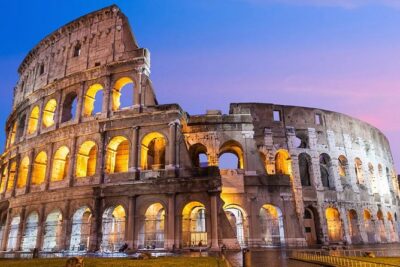
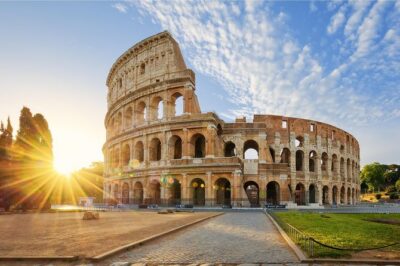
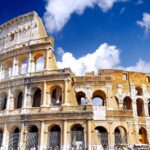
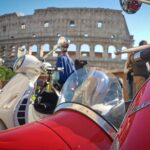
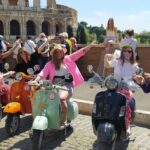
Colosseum is next, again with a photo stop and about 15 minutes for guided time. You’ll have a bit more room here, which makes sense—this landmark is too big to compress too hard. If you’re the type who likes to understand context, Colosseum is where the guide’s explanations can really click, especially because the city around it gives you a sense of how Romans lived in the shadow of monumental buildings.
Aventine Keyhole, romantic alley riding, and where your photos come from
The last big highlight is the Aventine Keyhole, with a photo stop and guided visit time of about 10 minutes. This stop is short but memorable because it’s so specific. You’re not just looking at a structure; you’re using an odd little opening for a very particular sight. Even if you don’t catch a perfect view every time, you’ll understand the charm.
Along the way, you’ll also pass by and ride through lanes tied to daily Roman life—places where you smell food coming out of restaurants and see shops tucked into side streets. The tour plan even mentions aromas from typical Roman dishes and the feeling of the city’s long, slow history. The key is that you’re experiencing those moments while moving, not just reading about them.
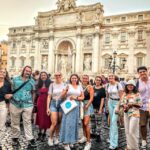
At each stop, the guide takes pictures for you. That helps because your time isn’t drained by figuring out camera angles and then waiting for someone else to take shots. It’s especially useful on a ride like this, where you’re sometimes holding your phone while navigating crowds on foot.
Food breaks: coffee, snacks, gelato, and the picnic-basket wine idea
Food is part of the tour’s “Rome should taste like Rome” philosophy.
Included in the experience are Italian snacks and drinks, plus gelato. On top of that, the route includes a stop for what’s described as the best coffee in Rome at a very popular bar. There’s also a fun detail: a glass of wine from the bottle that waits in a picnic basket behind the car. That makes the ride feel like a throwback moment, not just a paid driving service.
What I like about this structure is that it’s built into the schedule, not bolted on. Coffee and gelato give you quick morale boosts between major sights, and snacks cover the gaps so you’re not starving when you’re moving through crowds.
Because the stops are short, I’d treat the included food as part of the experience rather than a full meal plan. If you have strong dietary needs, I’d ask ahead about what’s served, since specific items aren’t listed here.
Price and value: is $169.93 per person worth it?
At $169.93 per person for about 2.5 hours, you’re paying for three things at once:
- Private guiding
- High-experience transportation (vintage scooter, with the possibility of switching to a vintage Fiat 500 if needed)
- Multiple landmark stops plus photos and included treats (snacks/drinks/gelato, and you’ll likely hit coffee)
If you tried to replicate this on your own, you’d spend time coordinating transit and then doing separate planning for stops, plus you’d still miss the “photos taken for you” convenience and the quick context that makes each location more than a postcard.
Is it the cheapest way to see Rome landmarks? No. But it’s not priced like a “big bus day.” It’s closer to paying for comfort, speed, and a guide who can help you notice what matters fast.
I’d consider it strong value if you want a concentrated Rome highlight sweep and you like the idea of riding rather than walking for every mile.
Who should book this vintage Vespa Rome tour
This fits best if you:
- want to see a wide range of Rome highlights in a short window
- like photographs and appreciate when someone else handles the picture moment
- enjoy the “street-level” feel of Rome, not just monuments from afar
- prefer a private format with guide interaction, in English/Spanish/Italian
It may be less ideal if you:
- want slow, museum-style pacing
- dislike crowded central areas
- need an itinerary with long sits and deep exploration at each landmark
Should you book Rome by fiat and Vespa?
I’d book it if you want Rome to feel like a moving daydream: tight streets, classic landmarks, and viewpoint moments, with food breaks that actually suit the timing. The private setup, short guided stops, and guide-led photos are the practical reasons this works, not just the novelty of a vintage ride.
I would think twice if your ideal Rome day is quiet and unrushed. This tour is designed to cover a lot, and you’ll feel that momentum.
If you’re traveling for the first time or you want a best-of orientation before you explore on your own later, this is a smart choice.
FAQ
How long is the Rome by Vespa tour?
The tour lasts 2.5 hours, with starting times shown when you check availability.
How much does it cost per person?
The price listed is $169.93 per person.
Is this tour private or shared?
It’s a private group tour.
What languages are available for the guide?
The tour guide offers English, Spanish, and Italian.
Where do you start and end the tour?
You start at the bistro & wine bar Pasquino, and you end back at the meeting point. The route also lists Via del Governo Vecchio 79 as the start and return area.
What’s included in the tour price?
Italian snacks and drinks and gelato are included.
Is there coffee or wine during the tour?
The tour plan includes a stop for what’s described as the best coffee in Rome, and it also mentions a glass of wine from a bottle in a picnic basket behind the car.
Which landmarks will you stop at?
Major stops listed include Piazza Navona, the Pantheon, Piazza di Spagna, Piazza del Popolo, Trevi Fountain, Piazza Venezia, Vatican City, Janiculum Hill, Trastevere, the Pyramid of Cestius, Circus Maximus, the Colosseum, and the Aventine Keyhole.
Are the stop times long enough to explore on foot?
Each stop is generally 10–15 minutes. The plan says you’re free to visit the locations alone if you wish.
What is the cancellation policy?
Free cancellation is available up to 24 hours in advance for a full refund.